





You Tube
Webinar 1 (29 July 2026)
Read more
As Africa’s poultry sector continues to grow, strengthening the capacity of Veterinary Services and other stakeholders to manage animal health risks is essential to facilitating safe international trade while protecting animal and public health.
To support this objective, the World Organisation for Animal Health (WOAH) brought together veterinary authorities, poultry-sector representatives and animal health professionals from across Africa for a regional workshop on WOAH standards and facilitating safe international trade in poultry meat.
The workshop combined online learning and webinars with a three-day face-to-face session held in Nairobi from 25 to 27 August 2026. It formed part of the third cycle of WOAH capacity-building activities aimed at strengthening the practical application of international standards to facilitate safe trade in animals and animal products.
The third cycle took a commodity-focused approach, using poultry meat as a practical entry point for participants to explore how WOAH standards can be applied to real-world trade situations.
Poultry was selected given the range of animal health, food safety and public health considerations associated with its production and trade, including high pathogenicity avian influenza (HPAI), Newcastle disease, antimicrobial resistance (AMR), antimicrobial use and veterinary drug residues. The workshop also examined mechanisms such as zoning and compartmentalisation that can support the management of animal health risks while facilitating safe trade.
Through the preparatory webinars on 29 July and 12 August, participants examined the international framework governing trade in animals and animal products, including the WTO Sanitary and Phytosanitary (SPS) Agreement, the role of the “Three Sisters” (IPPC, Codex and WOAH) and the relevance of Codex Alimentarius food safety standards.
The sessions also explored commodity-based trade, HACCP, veterinary certification, border inspection and quarantine, as well as relevant provisions of the WOAH Terrestrial Animal Health Code.
PDF - 813.90KB
PDF - 1.99MB
PDF - 1.43MB
PDF - 1.63MB
PDF - 993.52KB
PDF - 3.08MB
PDF - 570.89KB
PDF - 615.78KB
PDF - 1.80MB
PDF - 1.83MB
PDF - 1.19MB
PDF - 1.44MB
PDF - 2.43MB
PDF - 1.30MB
A key feature of the workshop was its emphasis on applying standards to practical trade situations.
Following the online learning sessions, participants worked in groups and took part in simulations and mock negotiations involving importing and exporting countries. These exercises provided an opportunity to consider how technical evidence, disease information and international standards can inform decisions between trading partners.
One simulation examined a scenario involving an HPAI outbreak in an exporting country. Participants considered how such an event could affect trade and how countries could use notification, risk management and established animal health measures to respond.
The exercises reinforced an important message: safe trade depends not only on standards, but also on trust, transparency and timely information sharing.
Participants highlighted the importance of early notification and recognised how surveillance, risk assessment, zoning and compartmentalisation can help maintain safe trade during animal health events.
Dr Neo Mapitse, WOAH Sub-Regional Representative for Eastern Africa. Picture (c) B. Barasa (woah) 2026
Facilitating safe trade requires collaboration between Veterinary Services, industry and other stakeholders involved in the poultry value chain.
The workshop therefore provided a platform for participants to exchange experiences and examine some of the challenges affecting access to international markets. Discussions covered disease status, certification, traceability, animal welfare, private standards, financing, technology and access to market information.
Participants also considered actions that governments, Veterinary Services and the private sector can take to strengthen safe and sustainable market access, alongside opportunities for greater regional cooperation and public-private partnerships.
The role of digitalisation also featured in the discussions, particularly the potential of electronic veterinary certification to contribute to more efficient and transparent trade processes.
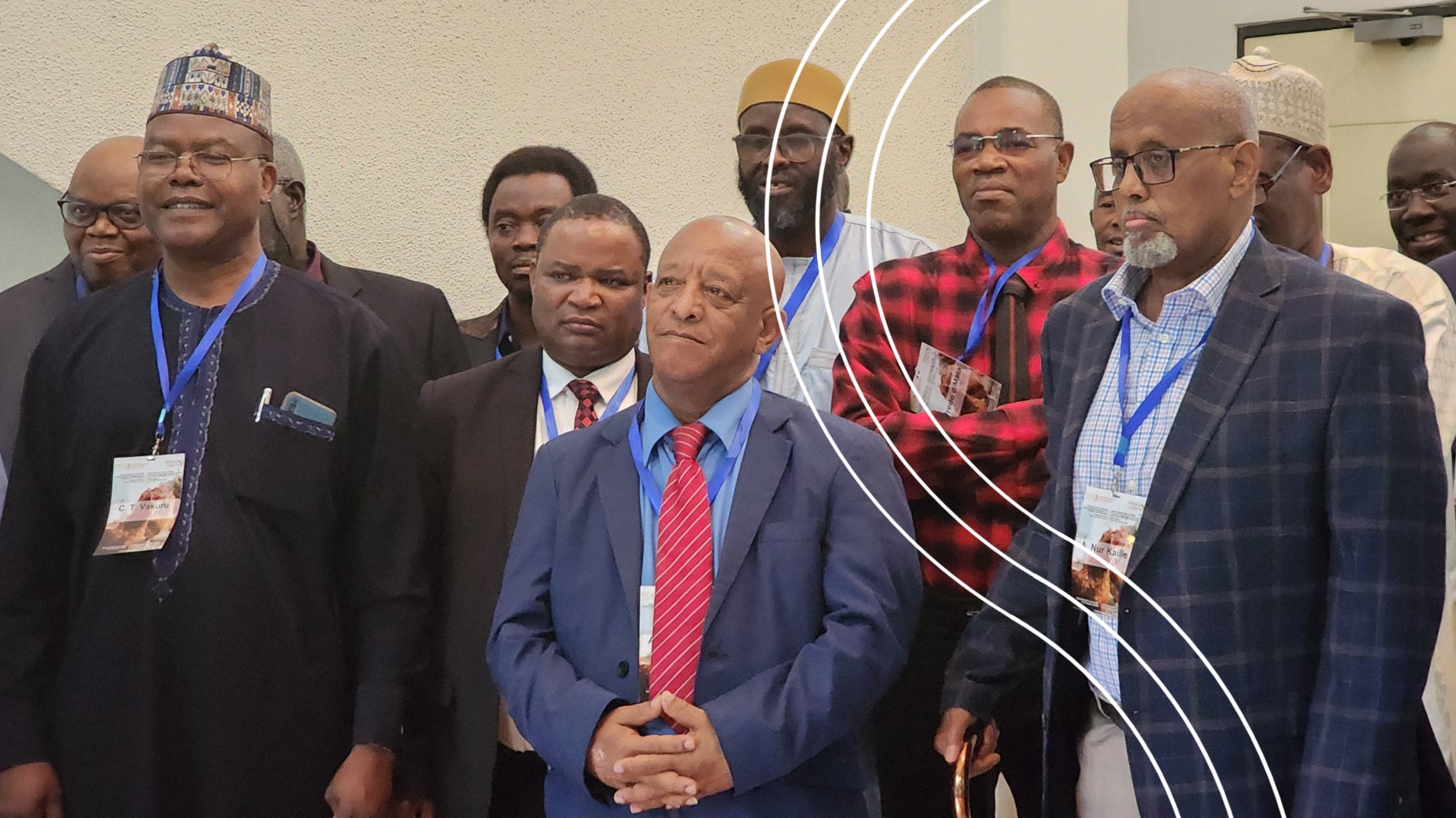
Members represented at the meeting (private sector, industry, private sector associations and/or public sector, veterinary authorities) were :
WOAH Delegates attending were from Kenya, Mozambique and South Sudan.
A keynote address was delivered by Dr. Allan Azegele, DVS, WOAH Delegate (Kenya), but also current President of the Codex Alimentarius Commission : “The role of the Codex Alimentarius Commission in respect of food of poultry origin, issues of anti-microbial resistance and contaminations, residues of veterinary products and alignment with WOAH”.
PDF - 1,013.70KB
PDF - 846.12KB
PDF - 3.11MB
PDF - 1.07MB
PDF - 1.55MB
PDF - 1.04MB
PDF - 1.65MB
PDF - 1.85MB
PDF - 1.05MB
The workshop demonstrated the value of combining international standards with practical exercises, country experiences and dialogue between public and private-sector stakeholders.
Participant feedback highlighted the value of the technical content, practical exercises, case studies and opportunities for cross-country exchange. Participants particularly appreciated the focus on zoning and compartmentalisation, the quality of the presentations and the practical trade-negotiation exercise.
For Africa’s poultry sector, building this capacity can contribute to more than facilitating trade. Stronger animal health systems support disease prevention, food safety, public health, market confidence and resilient agricultural economies.
By bringing stakeholders together around common standards and practical trade challenges, WOAH continues to support its Members in strengthening their capacity to apply international animal health standards and facilitate safe trade.
Ultimately, safe and sustainable trade is built on sound science, credible Veterinary Services, reliable information and trust between trading partners. Strengthening these foundations is essential to unlocking greater opportunities for Africa’s poultry sector while safeguarding animal and public health.