This Project is Funded by the :

A One Health initiative strengthening emerging and re-emerging zoonotic disease surveillance, scientific collaboration and outbreak preparedness across Africa.

ZOOSURSY is a five-year project included in the Team Europe Initiative (TEI) One Health initiative funded by the European Union through its Global Gateway strategy. Implemented across 17 African countries, the project strengthens surveillance systems, laboratory capacities, scientific collaboration, policy uptake and community engagement to improve preparedness and response to emerging zoonotic threats.

17 Countries | 30+ Institutions | 5-Year Initiative

Project Partners

A collaborative effort of

Strengthening One Health surveillance across Africa

Zoonotic diseases emerge where humans, animals, and the environment intersect. Across forests, savannahs, farms, and cities, pathogens move between species, shaping the health of ecosystems and communities alike. Strengthening surveillance and early detection of these diseases is key to preventing future outbreaks. ZOOSURSY Project, funded by the European Union, builds on this principle, enhancing research, diagnostics, and policy to protect both animal and human health. Led by WOAH, in collaboration with CIRAD, IRD, Institut Pasteur, the Helmholtz Institute for One Health, and the University of Helsinki, the project fosters One Health collaboration. By investing in scientific expertise and cross-sector cooperation, we not only safeguard biodiversity but also create a more resilient, healthier future for all.

Building capacity, enhancing surveillance, and preparing for pandemics

ZOOSURSY Project, launched in October 2024 and spanning five years, is an initiative dedicated to strengthening the surveillance of emerging and re-emerging zoonotic diseases across Africa. It builds upon the success of the EBO-SURSY Project, which improved knowledge and surveillance capacities for viral haemorrhagic fevers in ten countries. By fostering One Health collaborations, the project brings together animal and public health professionals, environmental experts, and policymakers to improve disease monitoring, and preparedness. ZOOSURSY aims to apply scientific findings towards policy development, enhance diagnostic technologies, and support regional scientific talent through scholarships and professional training. ZOOSURSY brochure

ZOOSURSY strengthens disease surveillance across 17 African countries through One  Health collaboration. We build, detect threats early, and save lives.

What is ZOOSURSY?

ZOOSURSY is a five-year project included in the Team Europe Initiative (TEI) One Health, funded by the European Union through its Global Gateway strategy to strengthen zoonotic disease surveillance across Africa.

Implemented in 17 countries, the project brings together experts in animal health, public health and environmental sciences to improve preparedness, strengthen surveillance systems and foster collaboration using the One Health approach.

Diseases can move in many directions

Pathogens do not follow a single route. They can spread between wildlife, humans, domestic animals and the environment, in both directions. When pathogens move between species and across environments, they can spill over and cause outbreaks, affecting animals, people and ecosystems.

Diseases can move between wildlife, humans, domestic animals and the environment

Expanding geographic and thematic reach

ZOOSURSY extends beyond the initial EBO-SURSY scope, covering 17 countries across Central, West, Eastern, and Southern Africa:

Senegal, Guinea-Bissau, Sierra Leone, Guinea, Côte d’Ivoire, Republic of the Congo, Democratic Republic of the Congo, Cameroon, Gabon, Chad, Central African Republic, Uganda, Rwanda, Kenya, Tanzania, Mozambique and Zimbabwe.

Map of ZOOSURSY countries

Building on a decade of experience

2017: EBO-SURSY launched. Regional surveillance strengthened. Scientific partnerships expanded. Capacity building.

2024: ZOOSURSY launched. Expanded geographical coverage. One Health reinforced. New innovations.

ZOOSURSY builds upon the achievements and lessons learned from EBO-SURSY, expanding its geographical scope, strengthening partnerships and broadening surveillance activities to address emerging zoonotic threats across Africa.

EBO-SURSY project final Report

EBO-SURSY at a Glance

2017–2024. Building the foundation for ZOOSURSY.

  • 10countries supported
  • 700+professionals and students trained
  • 197field investigations conducted
  • 43,000animal samples collected
  • 6,000human samples collected
  • 43scientific studies published
  • 25diagnostic methods and tools developed
  • 30training grants awarded
  • 600professionals engaged in stronger intersectoral collaboration

Source: WOAH EBO-SURSY final results (2017–2024).

EBO-SURSY at a Glance, 2017 to 2024

Project Objectives

ZOOSURSY strengthens Africa’s capacity to prevent and detect emerging and re-emerging zoonotic diseases through a One Health approach. By fostering collaboration across sectors, strengthening surveillance systems and engaging communities, the project supports sustainable solutions that improve preparedness and response at the animal-human-environment interface.

Objective 1: Strengthen multisectoral cooperation

Improve cooperation and working practices among animal health, public health and environmental authorities to better prevent and detect priority emerging and re-emerging zoonotic disease outbreaks at the animal-human-environment interface.

Multisectoral meeting

Objective 2: Strengthen surveillance policies

Improve the design and implementation of national, regional and international guidance and policies for animal health surveillance in participating countries.

Policy workshop

Objective 3: Engage stakeholders for stronger surveillance

Increase the engagement of all relevant stakeholders in surveillance systems while recognising the essential role of wildlife in maintaining healthy ecosystems.

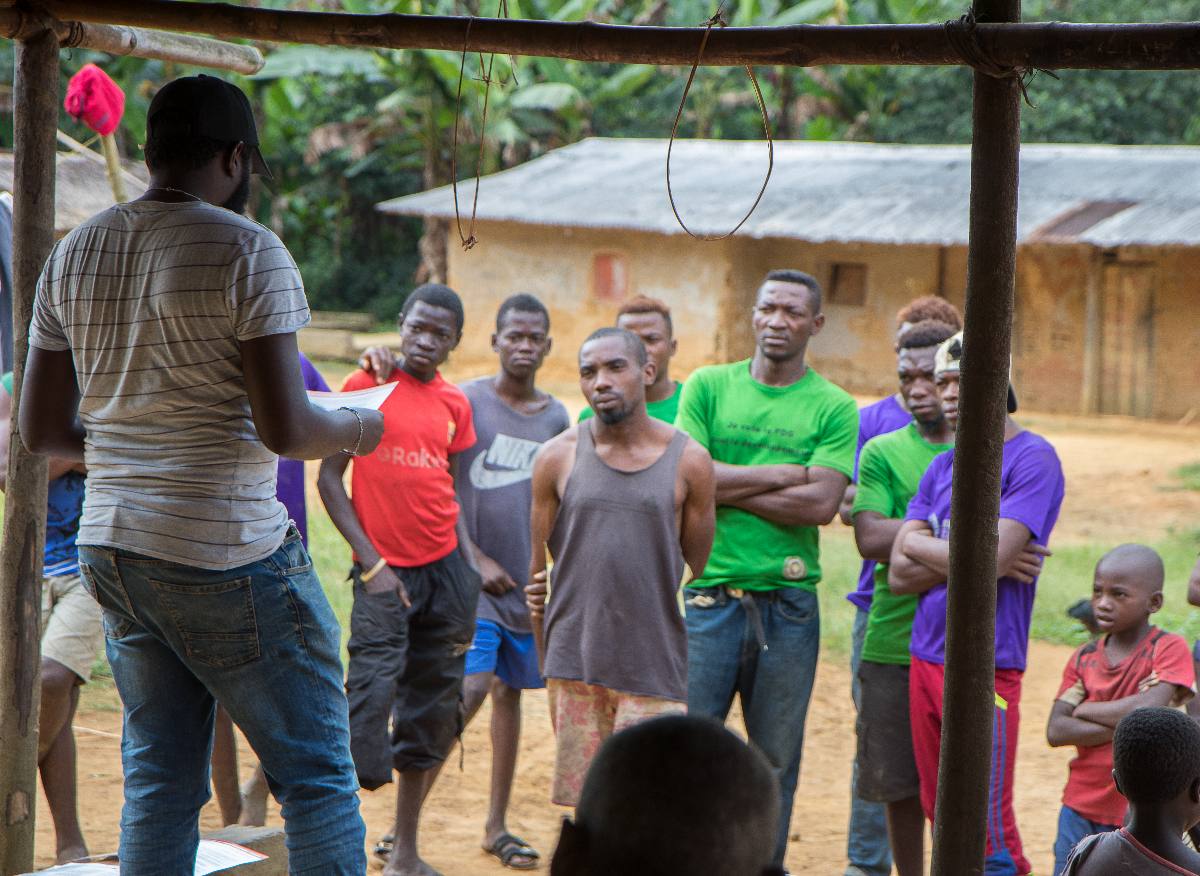
Community engagement and wildlife monitoring

How the project is managed

ZOOSURSY is coordinated by WOAH and implemented through a multidisciplinary consortium bringing together leading research institutes, universities and technical partners. Activities are delivered in close collaboration with national authorities and One Health stakeholders across participating countries. Consortium: WOAH, CIRAD, Institut Pasteur, IRD, Helmholtz Institute for One Health, and the University of Helsinki. ZOOSURSY is included in the Team Europe Initiative (TEI) One Health. The project is funded by the European Union through the Global Gateway strategy, which supports sustainable investments and international partnerships to reinforce health security, scientific collaboration and resilience. WOAH CIRAD IRD Helmholtz Institute for One Health University of Helsinki European Union and Global Gateway
Institut Pasteur

Featured initiatives

ZOOSURSY supports innovative initiatives that strengthen surveillance, promote learning and encourage collaboration across the One Health community.

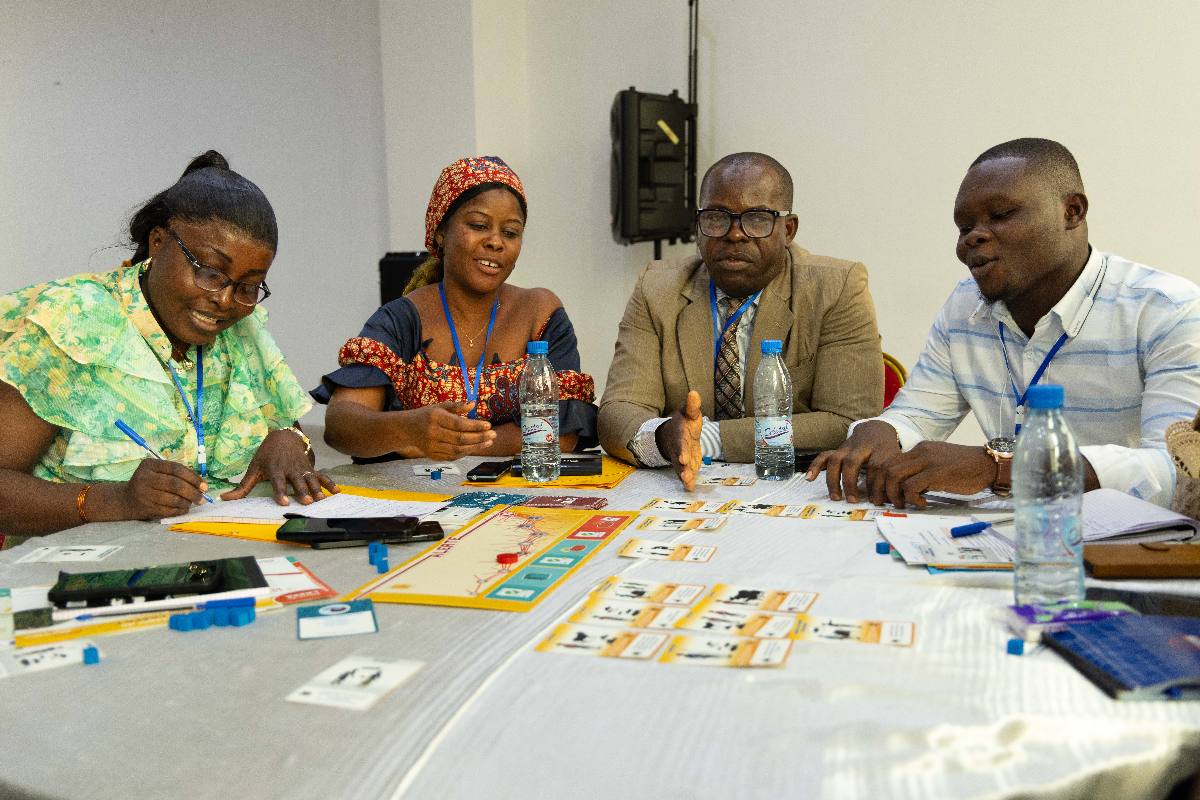
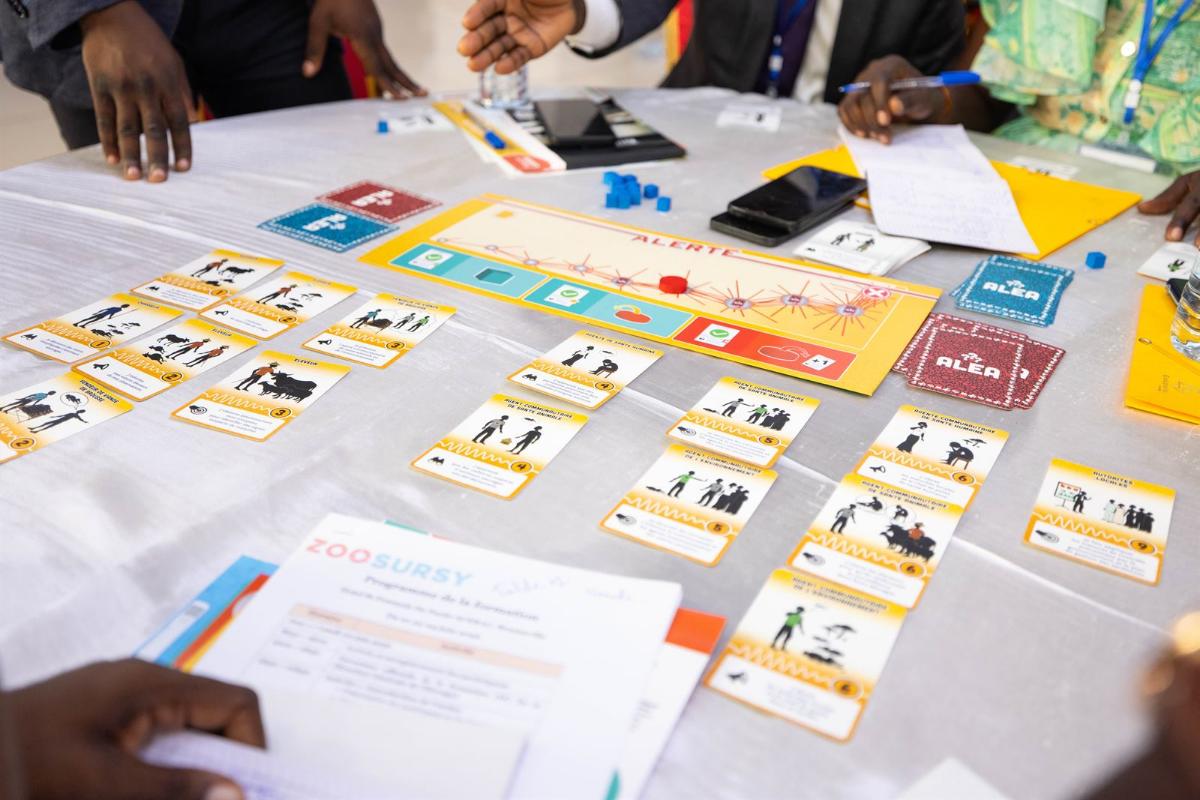
ALERT game training

ALERT Game

A participatory learning and surveillance tool designed to raise awareness and improve preparedness, intersectoral collaboration and community engagement around zoonotic disease surveillance. Students and professionals learn surveillance skills while collaborating in this serious game, in realistic disease scenarios across an African setting.

Learn more about the ALERT Game here.

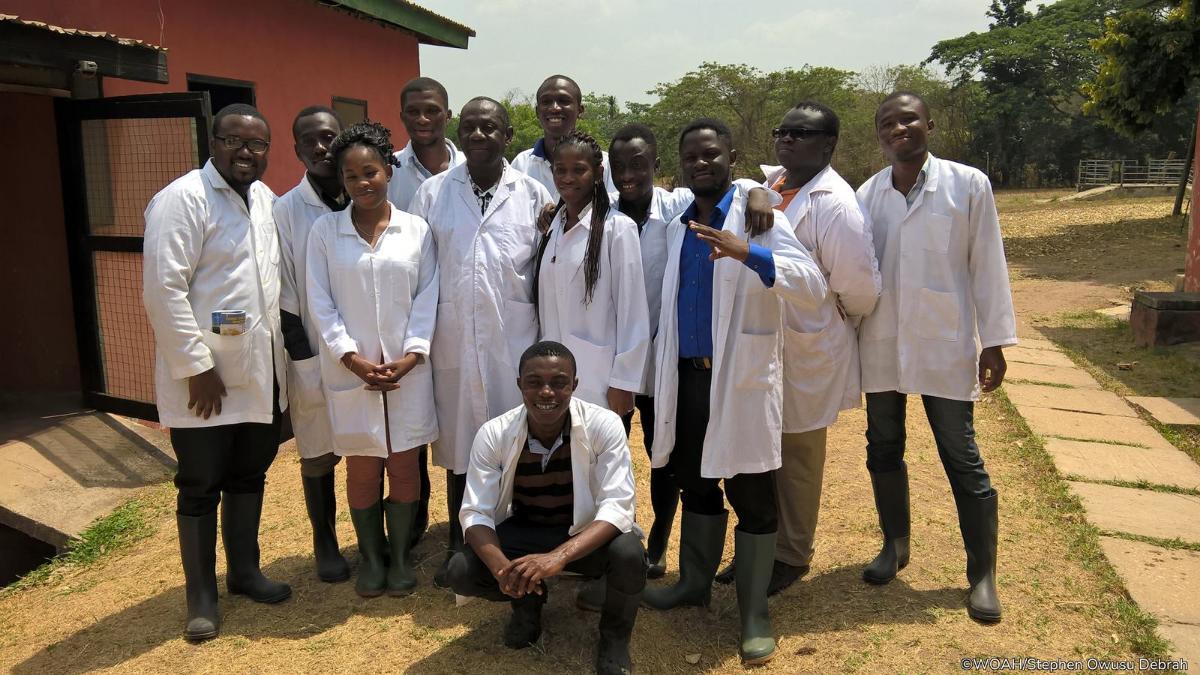
Students Club

Students Club

Empowering future African health-professional leaders through networking, training and mentorship opportunities.

A network connecting young scientists and students across Africa. Members collaborate on research and contribute to surveillance systems in their countries.

Learn more about Student Club here.

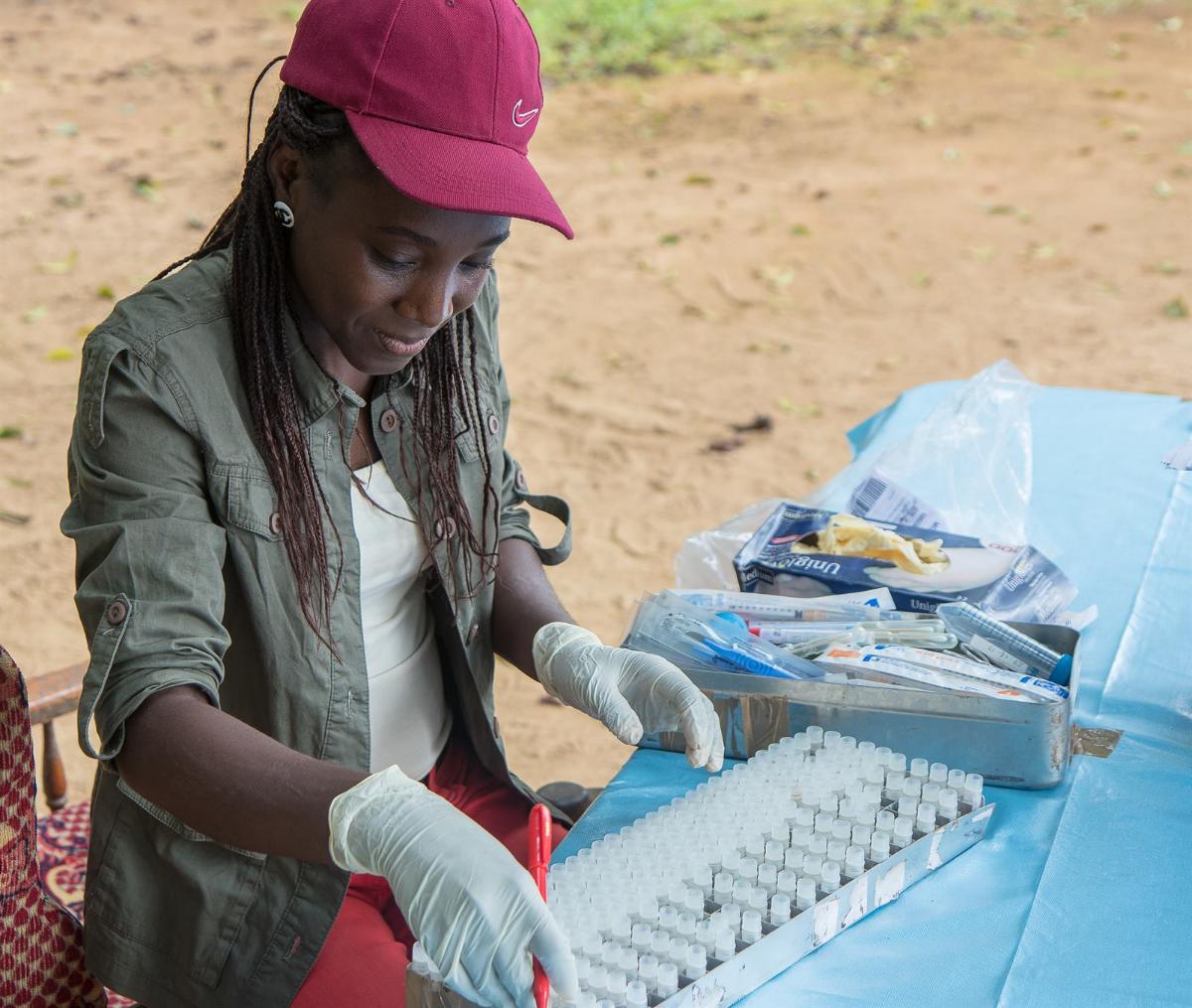
Scholarship and training

Scholarships and Training

Supporting professional development and capacity strengthening across participating countries.

Learn more about Scholarships and Training here.

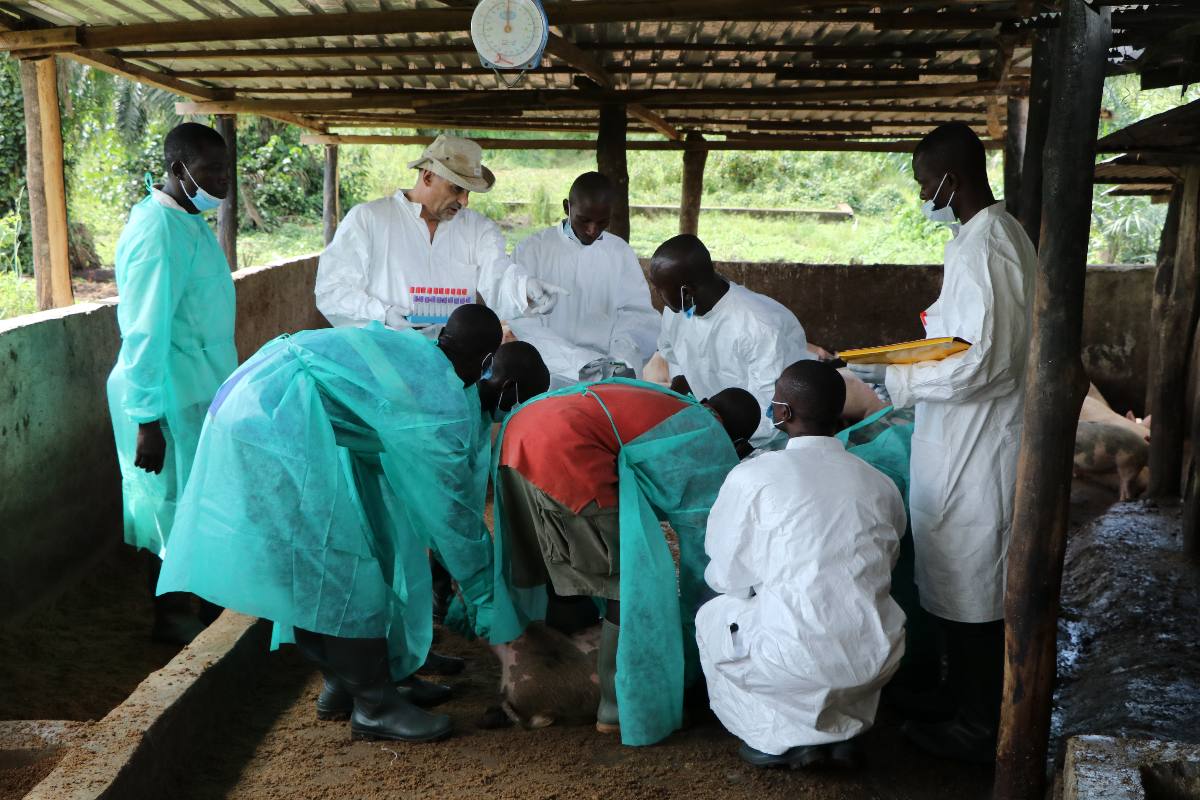
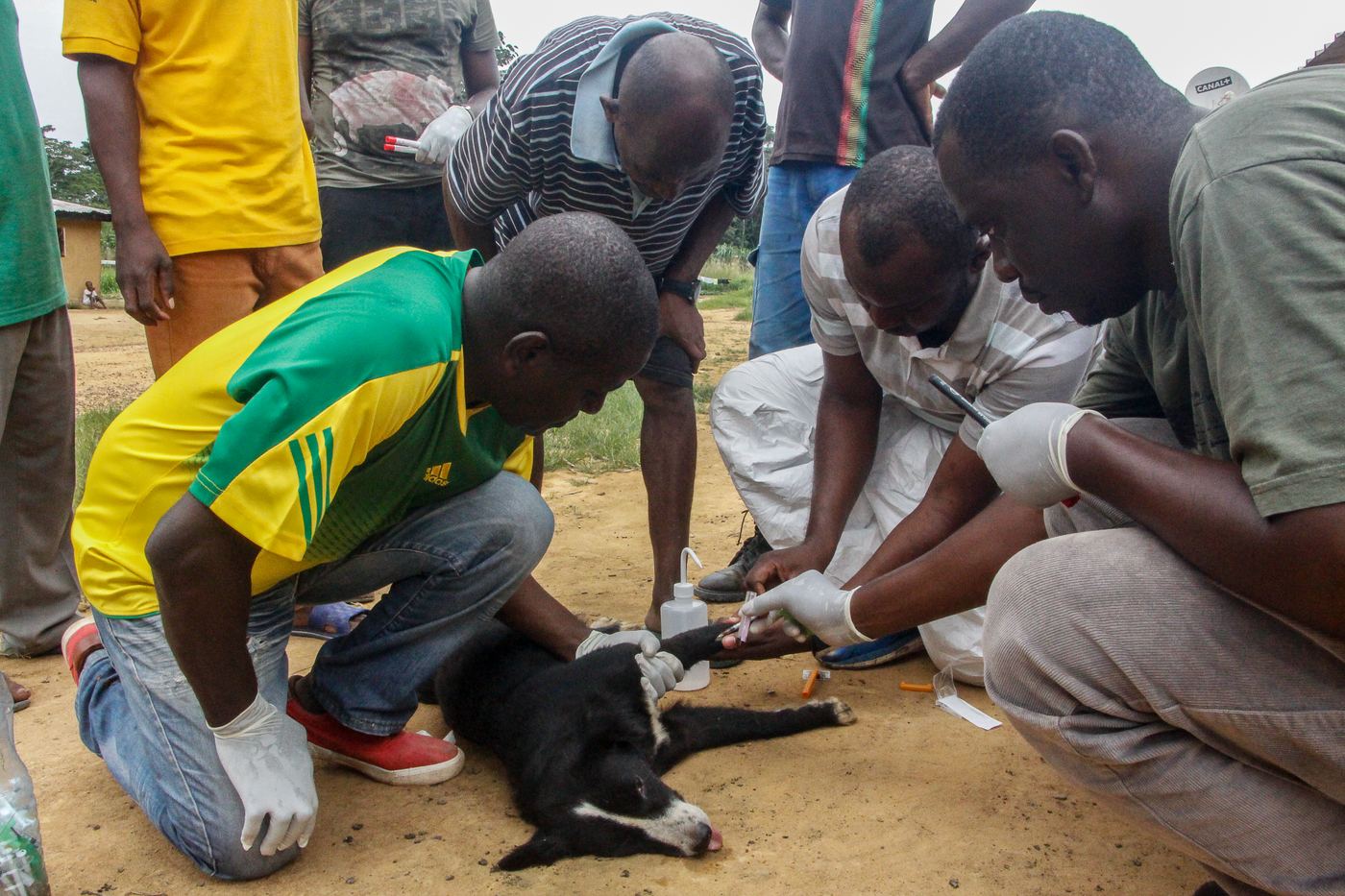
Field sampling mission

Wildlife Surveillance Missions

Field-based activities aimed at strengthening surveillance at the wildlife-human-environment interface.

Latest news

Democratic Republic of the Congo

Protecting great apes from Ebola

Read more
Kadoma, Zimbabwe

Integrated Action for One Health: How Zimbabwe is tackling the threat of zoonotic diseases

Read more
ZOOSURSY Students Club

Young scientists at the heart of zoonotic disease preparedness

Read more
Nkok, Gabon

Multisectoral collaboration for the development of an Integrated Surveillance Plan for High Pathogenicity Avian Influenza (HPAI) in Gabon.

Read more
Forme