ZOOSURSY works alongside national authorities, research institutions and local communities to strengthen zoonotic disease surveillance across Africa. Through a One Health approach, the project supports countries in improving preparedness, enhancing collaboration, and building sustainable capacities to prevent and detect emerging and re-emerging zoonotic threats.
From field investigations to community engagement, ZOOSURSY transforms scientific knowledge into stronger preparedness against zoonotic diseases across Africa.
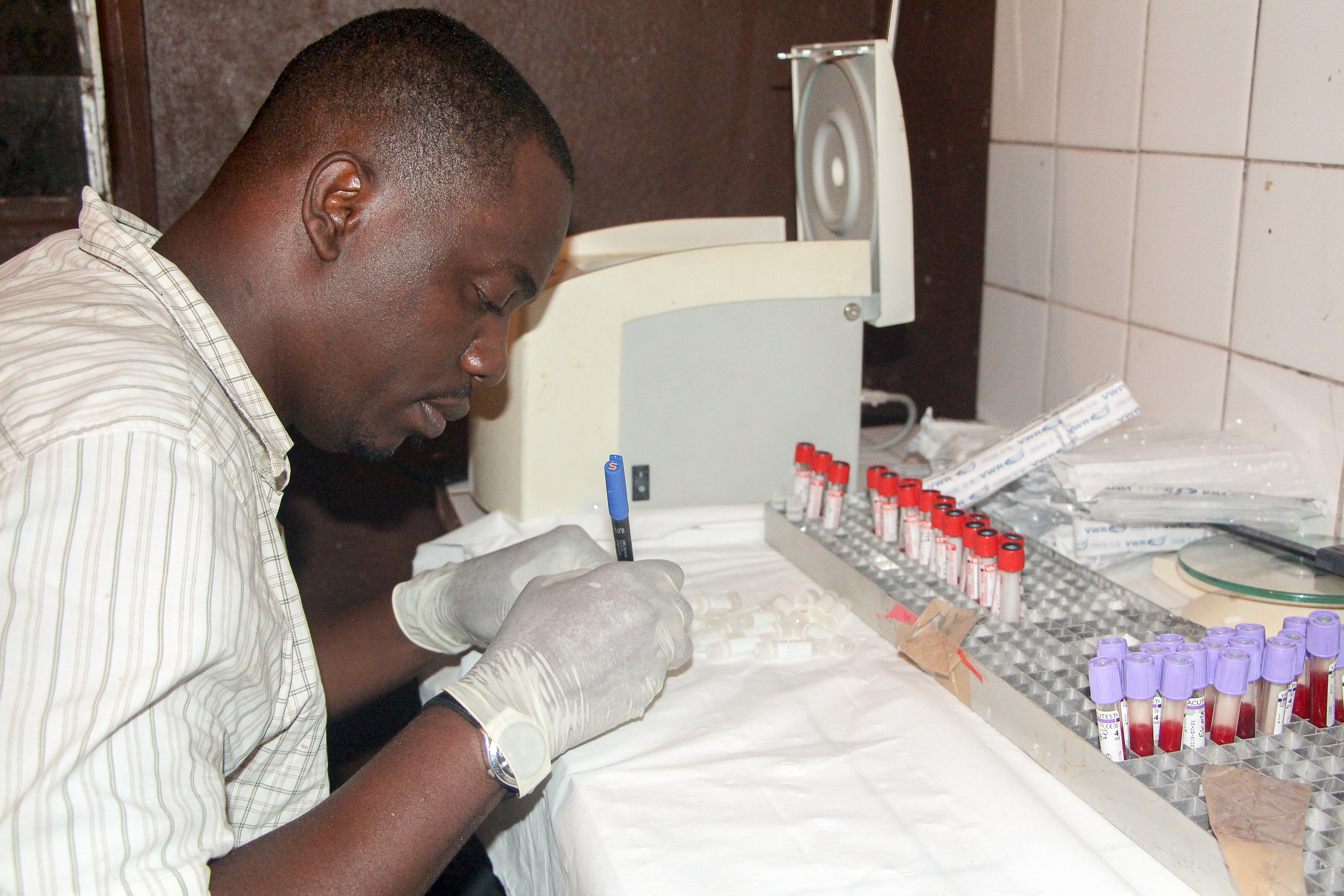
Converting field observations into evidence that strengthens surveillance systems.
The DETECTION database continues to centralise surveillance information, while scientific findings feed into risk analyses, standard operating procedures and future policy recommendations.
Learning through innovation
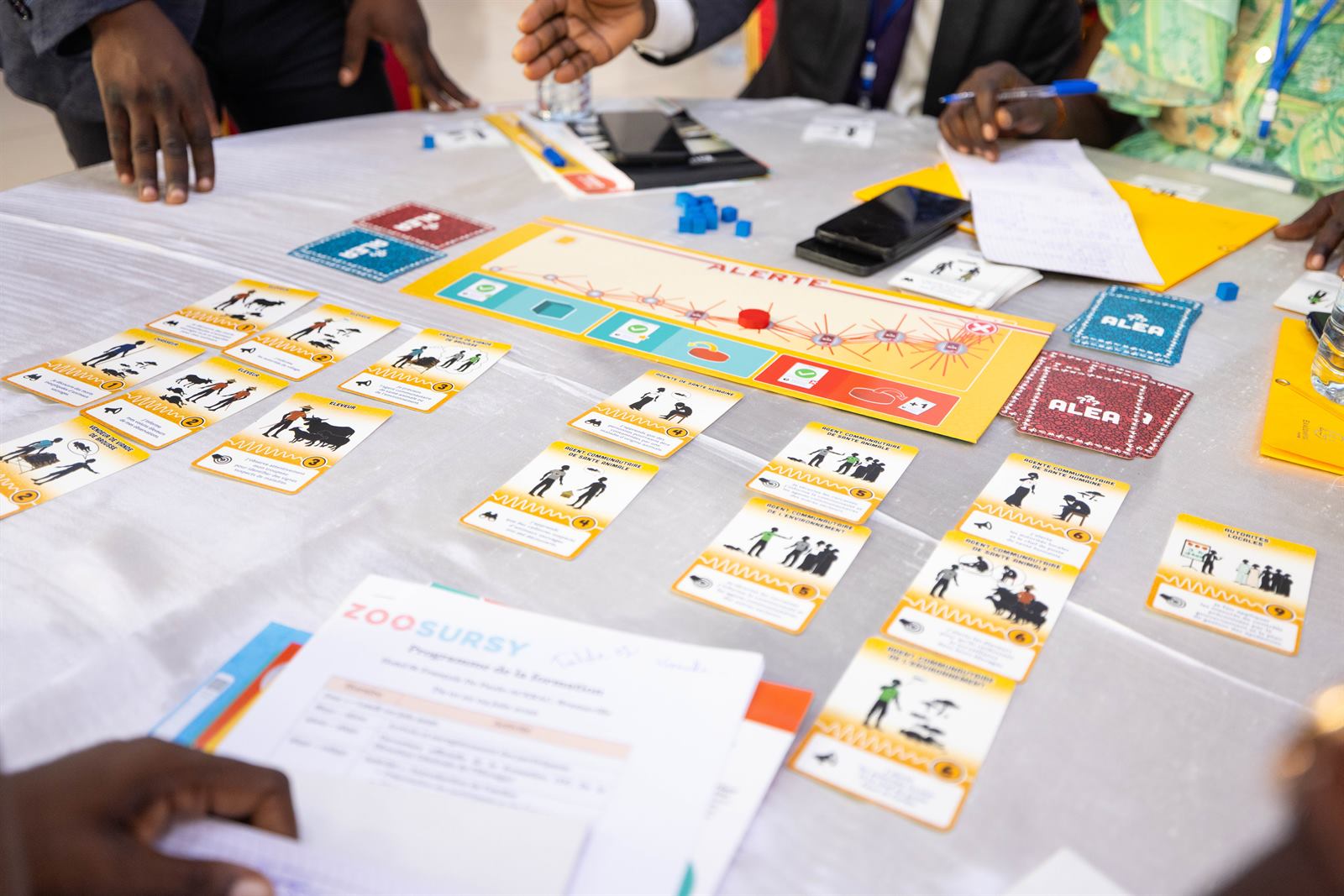
The ALERT Game is an educational and participatory tool that strengthens awareness and collaboration around zoonotic disease surveillance through interactive learning.
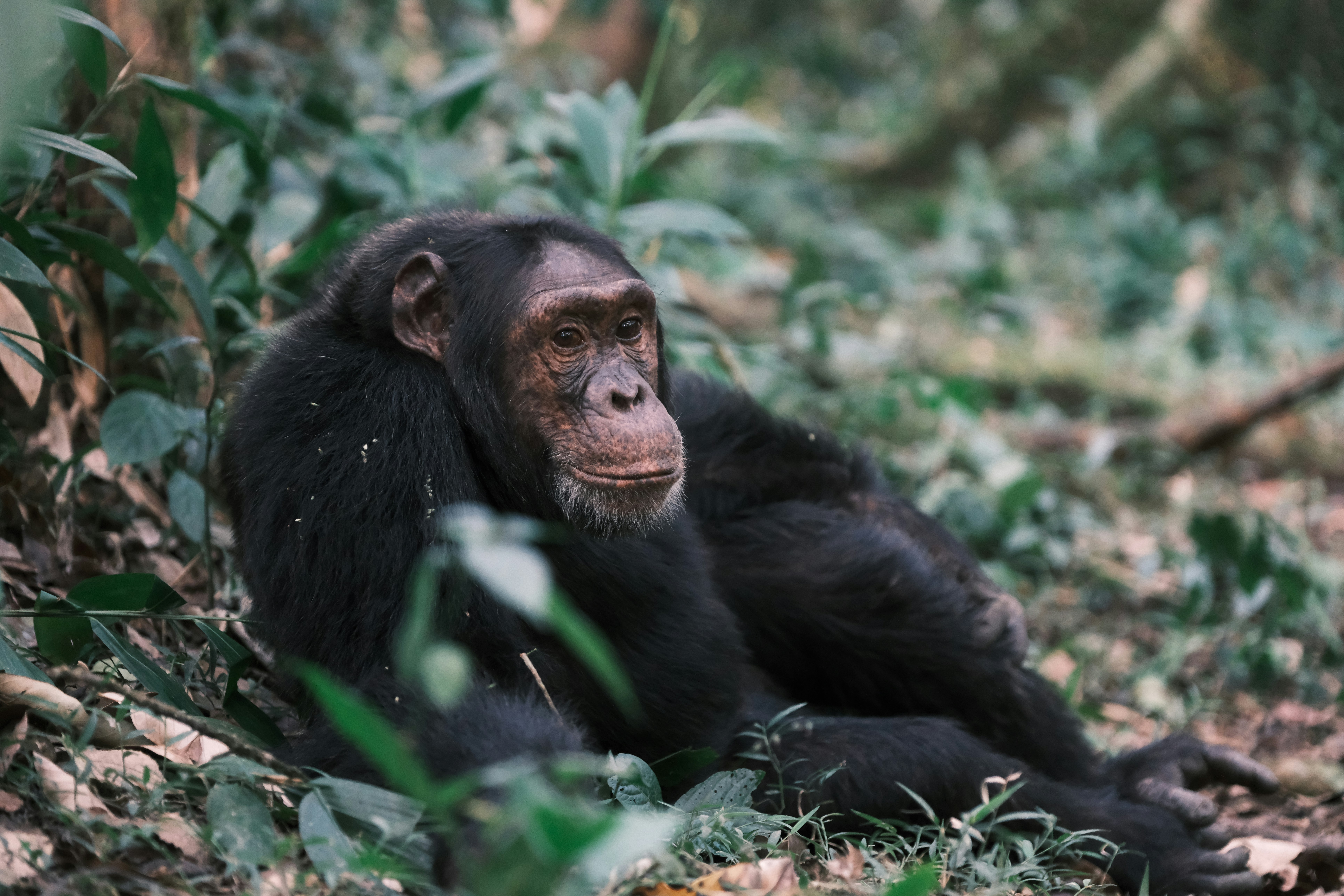
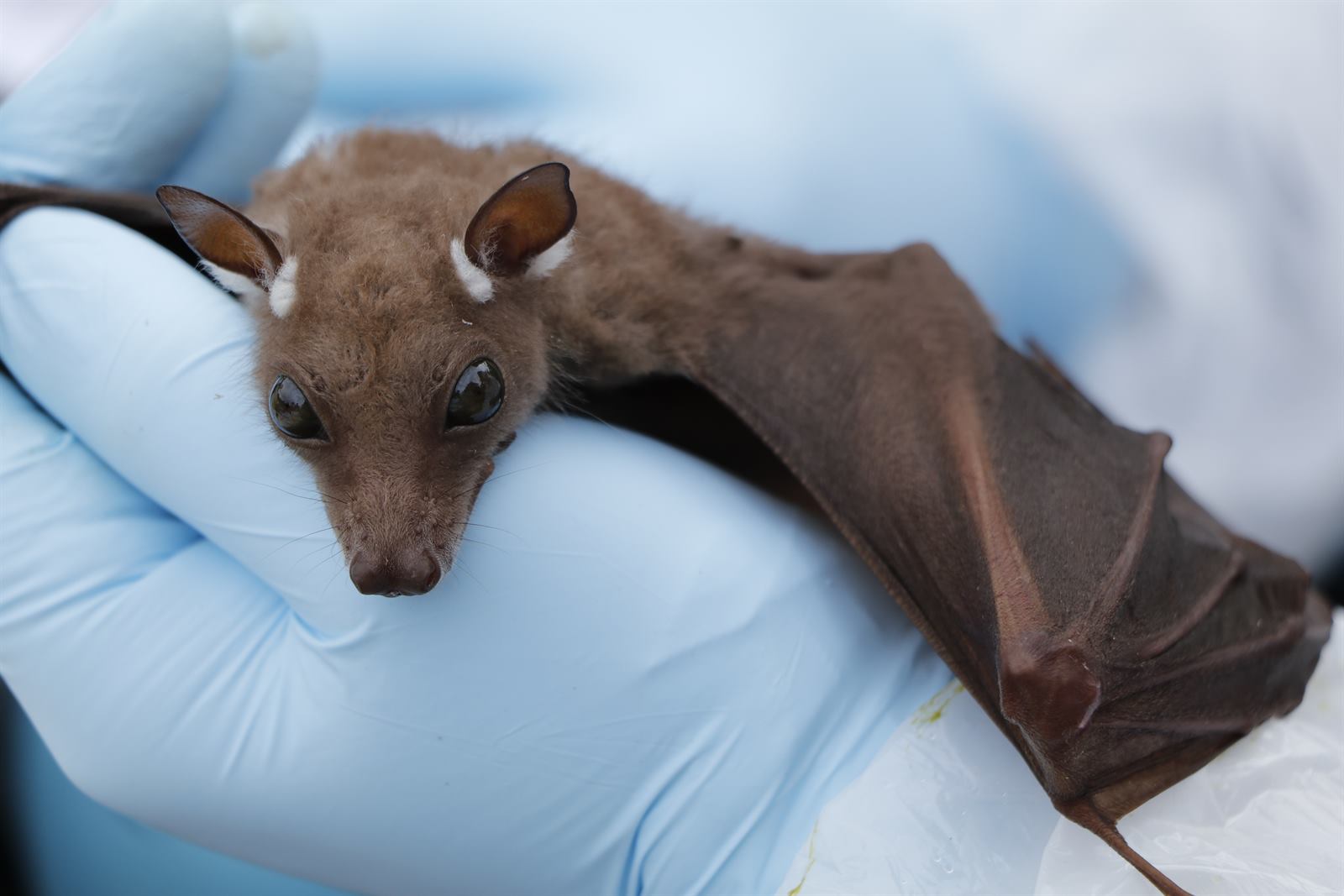
Detecting disease threats where they emerge by monitoring wildlife at the animal-human-environment interface.
Field missions are carried out across countries including Rwanda, Kenya, Uganda, Zimbabwe, Mozambique, Cameroon, Guinea, Côte d’Ivoire, Sierra Leone, the Central African Republic, Gabon, the Democratic Republic of the Congo and the Republic of the Congo, with wildlife sampling supporting investigations into Ebola, Marburg and other zoonotic diseases.
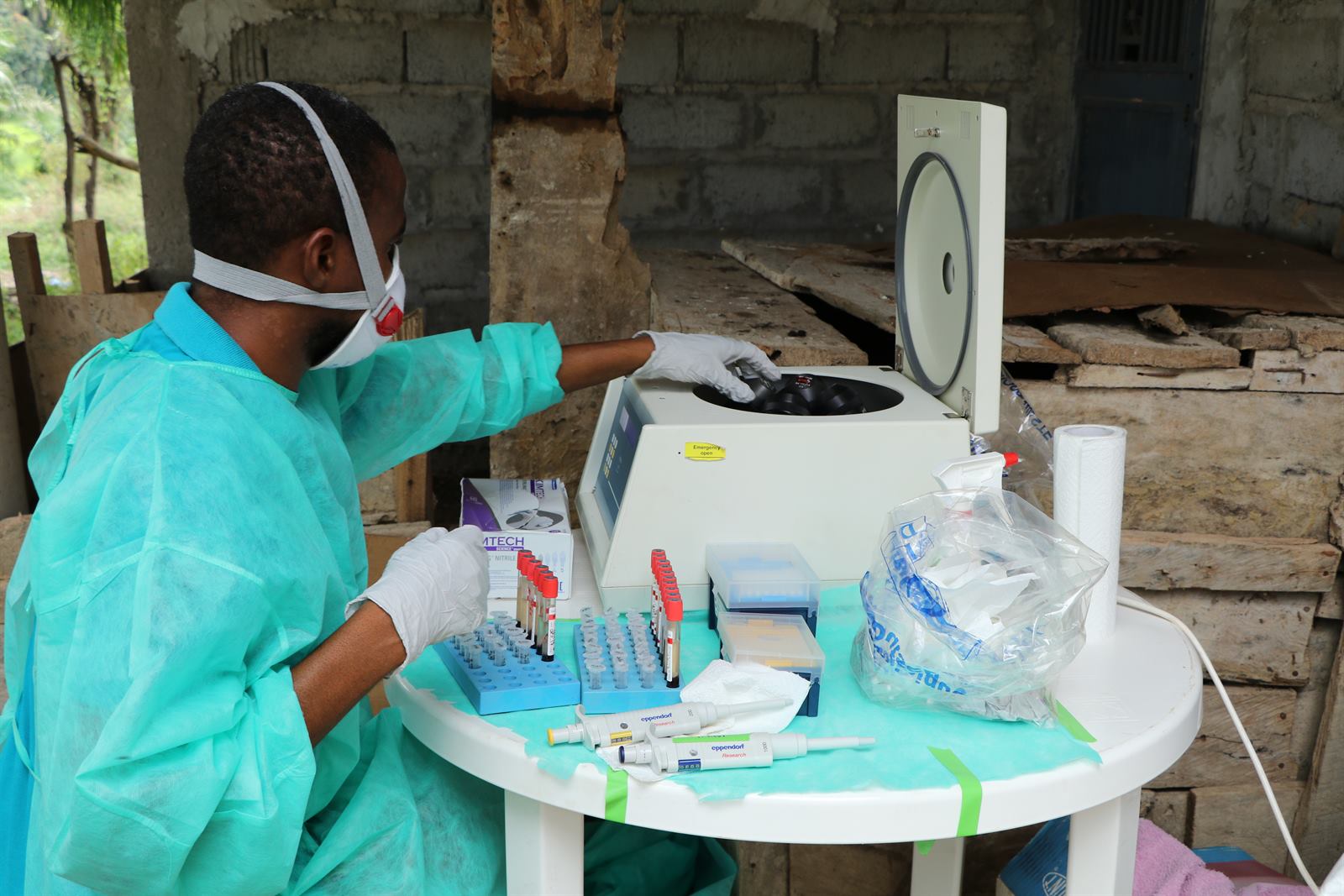
The project supports the development of rapid disease testing and innovative diagnostic tools to improve the detection of emerging and re-emerging zoonotic diseases.
During the Marburg outbreak in Rwanda, highly sensitive PCR assays and an ELISA for bat surveillance were developed, while rapid diagnostic tools for Mpox are being prepared for deployment in several countries.
Understanding how pathogens circulate in wildlife before they become outbreaks.
Analysis of Ebola virus antibodies in bats across 50 sampling sites revealed differences between species and geographic areas where the virus may have circulated, helping lay the groundwork for future risk maps.
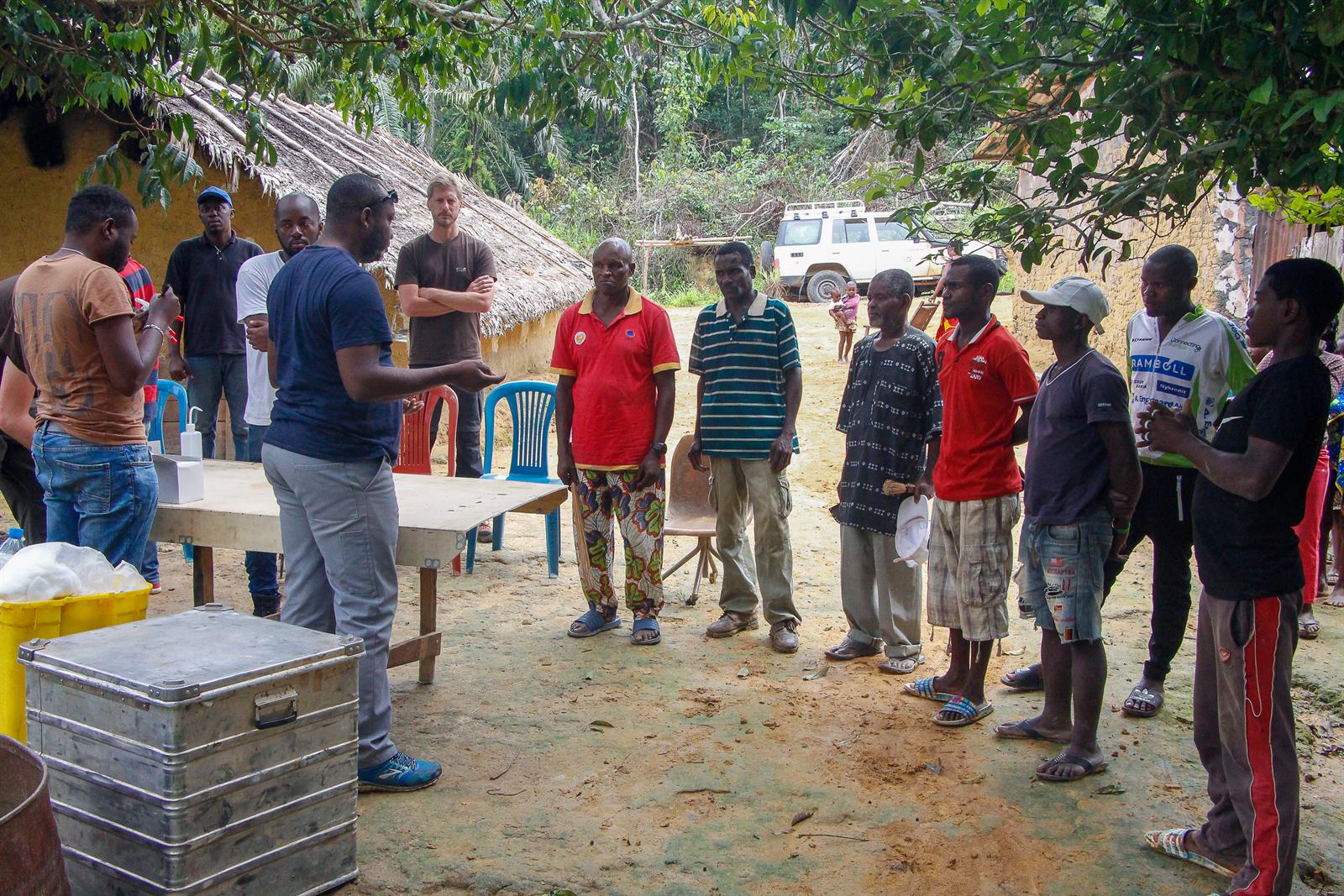
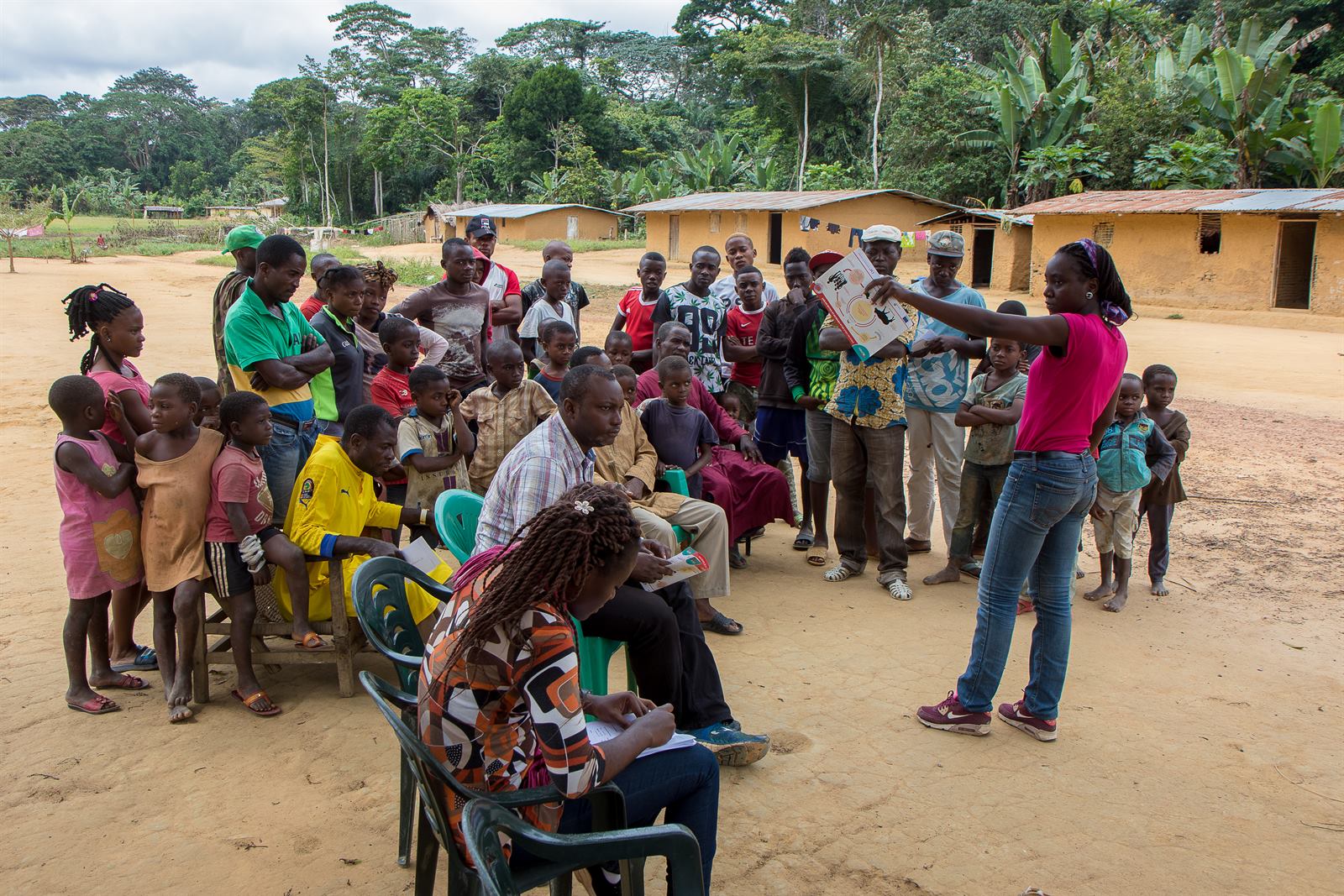
Bringing communities into the early warning system through One Health approaches.
In the Central African Republic, AVADAR was deployed to connect community health workers with national authorities, while community awareness activities reached villages and schools across several countries.
Bringing prevention closer to people
ZOOSURSY raises awareness of zoonotic disease risks through locally adapted communication approaches, including community radio programmes and theatre performances.
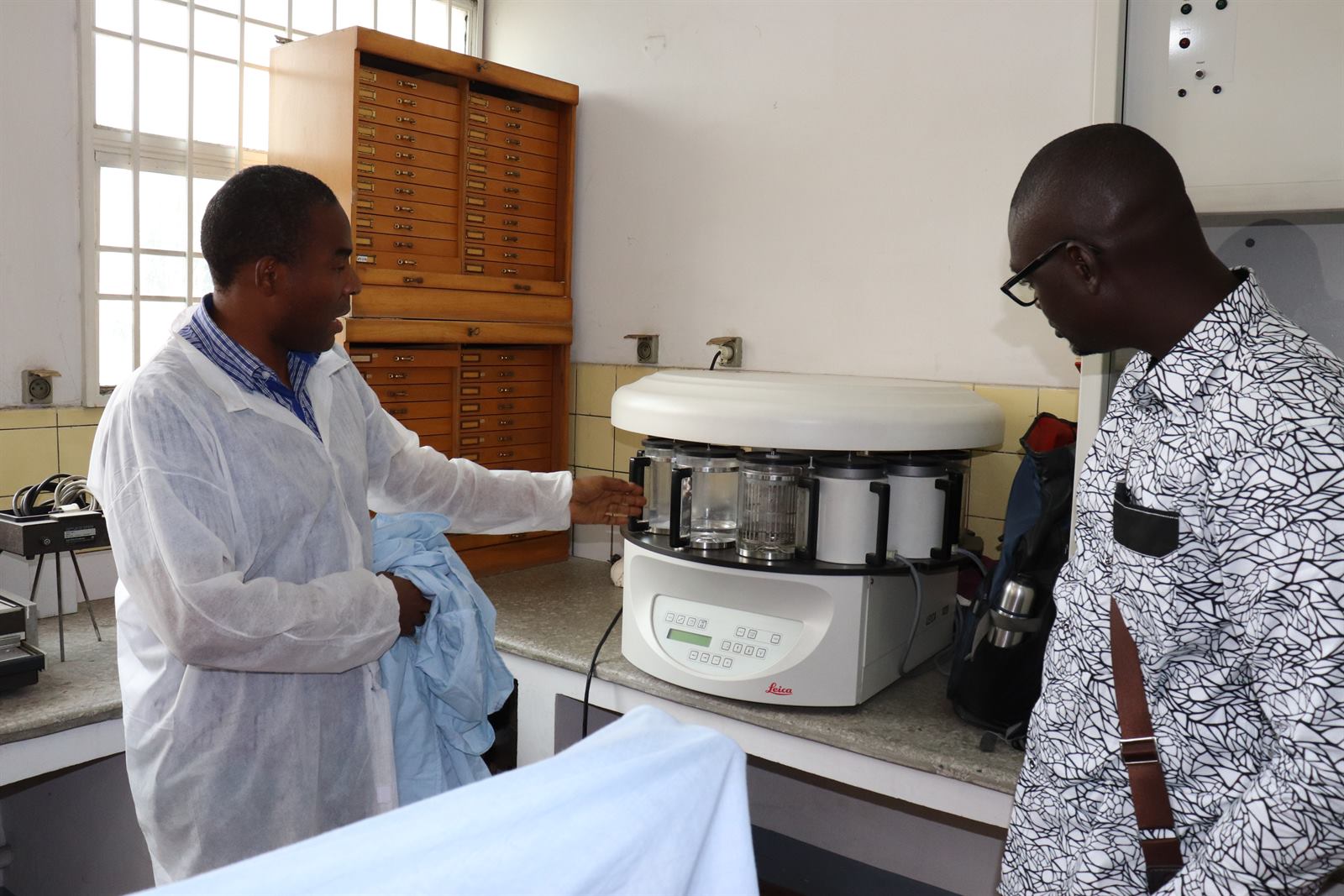
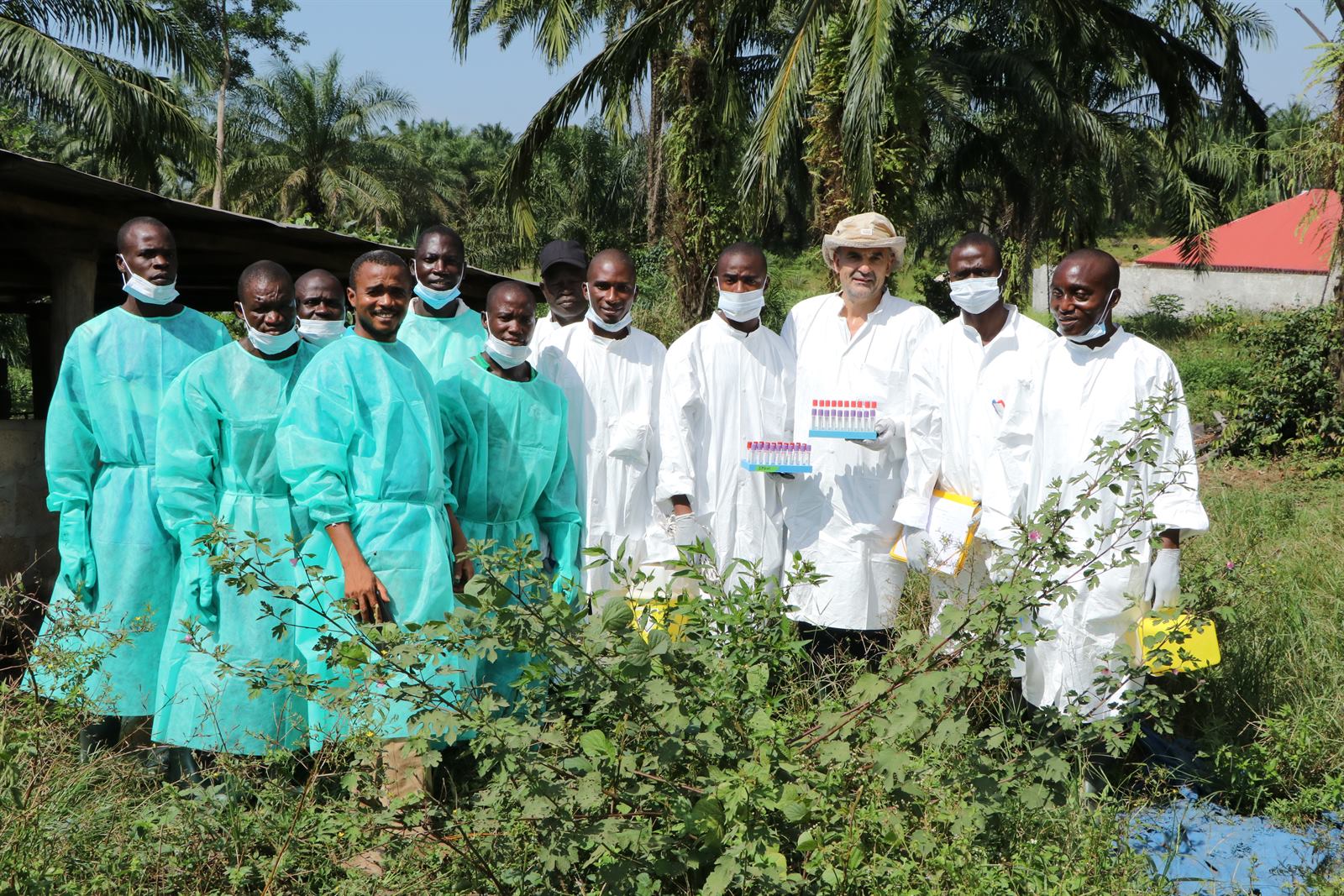
Building sustainable expertise in wildlife health and zoonotic disease surveillance.
Thirty-three Master’s, PhD and MPhil students were engaged during the first year, alongside professional training in biosafety, wildlife sampling and laboratory diagnostics.