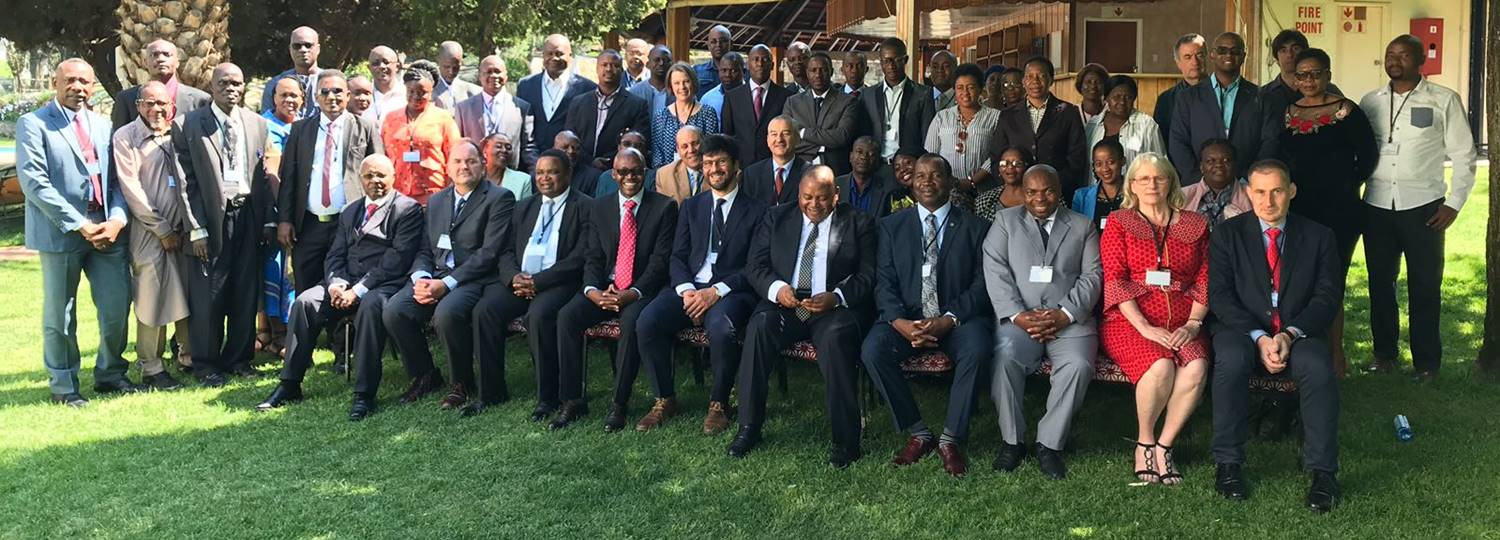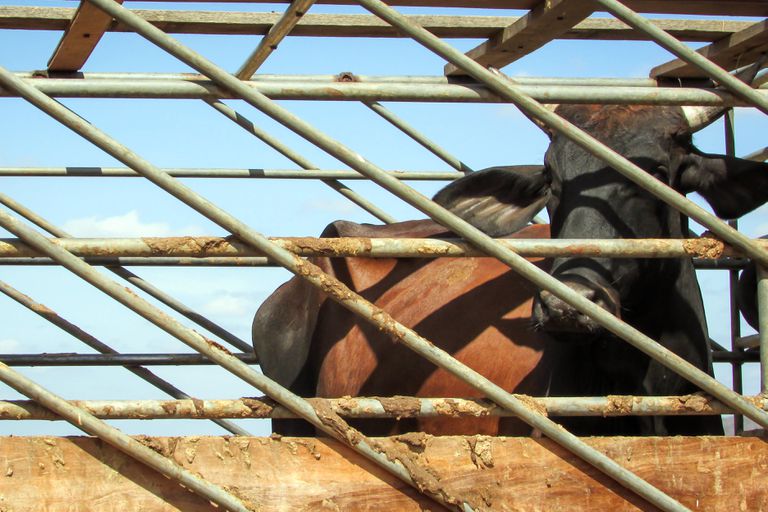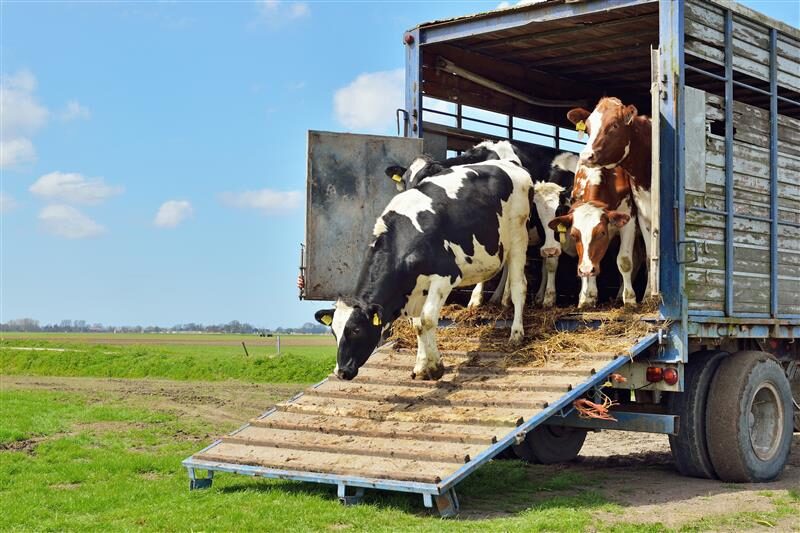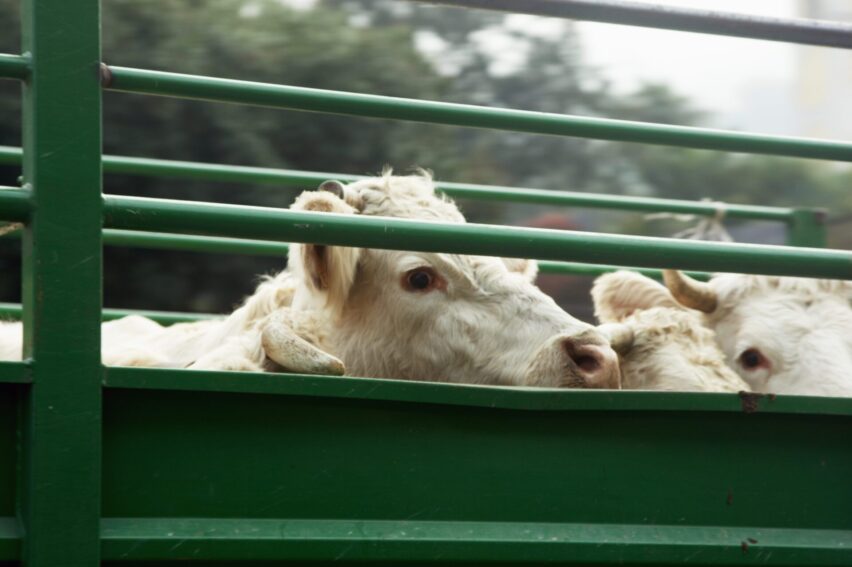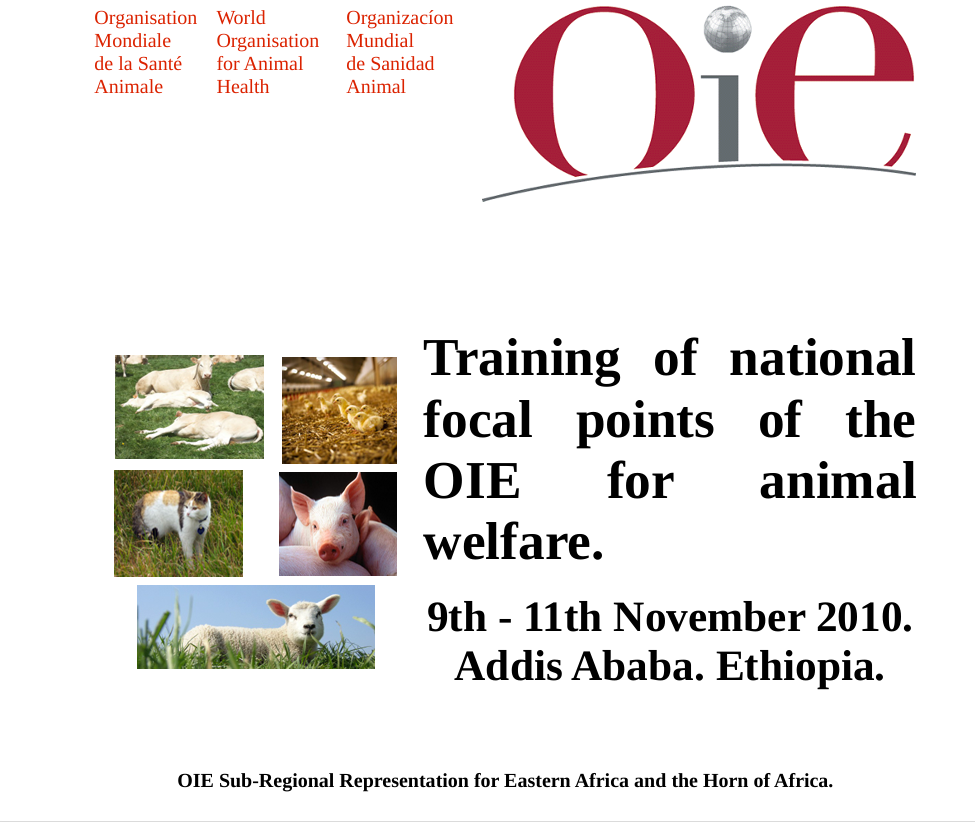
Emphasis on transport and slaughter at the 3rd cycle training of animal welfare focal points in Nairobi
September 05, 2024
Read more
Animal welfare means the physical and mental state of an animal in relation to the conditions in which it lives and dies. An animal experiences good welfare if the animal is healthy, comfortable, well nourished, safe, is not suffering from unpleasant states such as pain, fear and distress, and is able to express behaviors that are important for its physical and mental state. Good animal welfare is not only about avoiding negative experiences for animals but also providing them with opportunities to have positive experiences. Good animal welfare requires disease prevention and appropriate veterinary care, shelter, management and nutrition, a positively stimulating, comfortable and safe environment, humane handling and humane slaughter or killing. While animal welfare refers to the state of the animal, the treatment that an animal receives is covered by other terms such as animal care, animal husbandry, and humane treatment.
Animal welfare is a complex and sensitive issue. It puts into question our relationship with animals and our ethical into question our relationship with animals and our ethical responsibility towards those species used or affected by human communities for various purposes. A topic of growing public interest, particularly from an ethical perspective, animal welfare should also be considered through the lens of more sustainable and responsible human interactions with animals. Indeed, animal welfare cannot be tackled in isolation from a broader context, where trade-offs must be made to strike a balance between societal needs and constraints. Modern social perceptions and scientific considerations are
challenging current practices, particularly regarding animal production systems, which one fifth of the global population is engaged in.
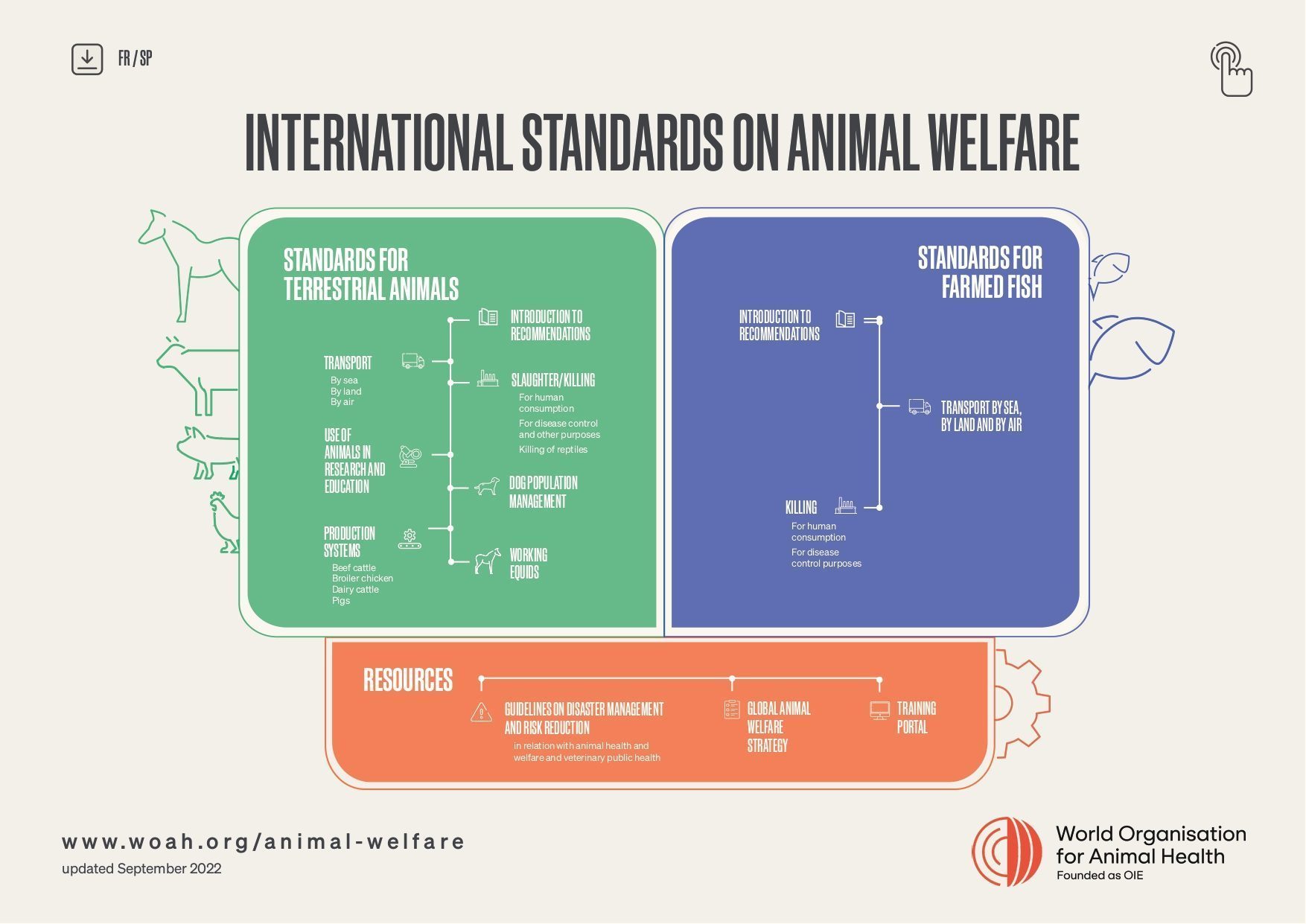
Animal welfare has been identified as a strategic priority for WOAH since 2001, under a mandate granted by all Members. In setting the animal welfare standards, WOAH used its Animal Welfare Working Group (AWWG) until 2016, as well as supporting ad-hoc groups (AHG). WOAH standards for animal welfare are covered respectively in Section 7 of the Terrestrial Animal Health Code (WOAH), as well as Section 7 of the Aquatic Animal Health Code (WOAH) and comprise of:
Chapter: 7.1. Introduction to the recommendations for animal welfare
Chapter: 7.2. Transport of animals by sea
Chapter: 7.3. Transport of animals by land
Chapter: 7.4. Transport of animals by air
Chapter: 7.5. Animal welfare during slaughter
Chapter: 7.6. Killing of animals for disease control purposes
Chapter: 7.7. Dog population management
Chapter: 7.8. Use of animals in research and education
Chapter: 7.9. Animal welfare and beef cattle production systems
Chapter: 7.10. Animal welfare and broiler chicken production systems
Chapter: 7.11. Animal welfare and dairy cattle production systems
Chapter: 7.13. Animal welfare and pig production systems
Chapter: 7.14. Killing of reptiles for their skins, meat and other products
Chapter: 7.1. Introduction to recommendations for the welfare of farmed fish
Chapter: 7.2. Welfare of farmed fish during transport
Chapter: 7.3. Welfare aspects of stunning and killing of farmed fish for human consumption
Chapter: 7.4. Killing of farmed fish for disease control purposes
The WOAH Terrestrial Animal Health Code contains standards for the quality of Veterinary Services and the WOAH PVS Tool is designed to help Veterinary Services in Member (countries and territories) to identify weaknesses in their ability to comply with these standards.
Animal welfare has been included in the veterinary school curriculum in Africa, as a way of increasing professional knowledge of animal welfare by linking it with animal health. This initiative has been undertaken with support from WOAH-convened meeting of the Deans of veterinary schools in Africa. In addition, the World Veterinary Association (WVA) and Commonwealth Veterinary Association (CVA) play a major part as drivers for animal welfare improvement in Africa. Within African countries there are many development partners working on various related issues.
Perceptions of animal welfare differ from one region to another and between one culture and another, as do in the ways animals contribute to human society. It is for this reason that the WOAH’s work in developing international standards must have a solid scientific basis, must involve wide engagement of all stakeholders, must ensure a holistic view of the systems within which animals are kept and used by humans, and must aim to have a tangible impact on the welfare of animals.
The Global Animal Welfare Strategy aims to be a source of ongoing guidance for the WOAH’s activities in this area. Presented at the 4th Global Conference on Animal Welfare, in December 2016, the Strategy was adopted by all Members in 2017. It was developed to deliver: “A world where the welfare of animals is respected, promoted and advanced, in ways that complement the pursuit of animal health, human well-being, socio-economic development and environmental sustainability”.
The strategy focuses on the development of international standards on animal welfare. It was developed in consultation with Members and key international stakeholders and emphasised the need for the development of the capacity of Veterinary Services, for improving the communication with stakeholders and governments to raise awareness on the welfare of animals and for supporting Members in the implementation of these standards.
The Animal Welfare Strategy for Africa(AWSA, African Union) is closely linked to the WOAH Global Animal Welfare Strategy, as it serves as the African framework for implementing global animal welfare principles in a way that reflects the continent’s specific needs and priorities. While the WOAH Global Strategy provides the overall vision, international standards, and guidance for improving animal welfare worldwide, AWSA translates these goals into practical actions for African countries.
Both strategies recognize that animal welfare is closely connected to animal health, human wellbeing, economic development, and environmental sustainability. They promote the adoption of science-based animal welfare standards, capacity building, stakeholder engagement, and the integration of animal welfare into national policies and legislation.
In Africa, AWSA is implemented through the support of the African Union and the African Platform for Animal Welfare (APAW), which work with governments and partners to encourage the adoption of WOAH standards and strengthen animal welfare practices across the continent. In this way, AWSA acts as the regional mechanism through which the objectives of the WOAH Global Animal Welfare Strategy are achieved in Africa. Therefore, the relationship between the two strategies can be viewed as one of global guidance and regional implementation, with AWSA adapting and advancing the goals of the WOAH Global Animal Welfare Strategy within the African context.
WOAH’s Global Strategy recognizes that implementation is most effective through regional animal welfare platforms. In Africa, this role is played by the African Platform for Animal Welfare (APAW), which was established alongside AWSA. APAW facilitates collaboration among AU Member States, Regional Economic Communities, civil society, and WOAH
The guiding principles which inform the World Organisation for Animal Health’s work on the welfare of terrestrial animals include the ‘Five Freedoms’. Developed in 1965, and widely recognised, the five freedoms describe society’s expectations for the conditions animals should experience when under human control, namely:
The WOAH has developed international standards for the welfare of farmed fish (excluding ornamental species) in the Aquatic Code and advocates the use of ‘handling methods appropriate to the biological characteristics of the fish and a suitable environment to fulfil their needs’.
All African WOAH Member states now have an Animal Welfare Focal Point with responsibilities to establish a network on welfare experts within their countries; establishing and maintaining dialogue with competent authority for animal welfare in their countries; receiving from WOAH reports of Specialist Commission(s); conducting in-country consultation process with recognized animal welfare experts on drafts and texts, proposed for the codes and preparing comments for WOAH delegate on each of the relevant meeting reports reflecting the scientific view and position of the individual WOAH Member country.
Effective collaboration with Animal Welfare Focal Points involves regular training, knowledge sharing, and capacity-building initiatives to strengthen their ability to support policy development, implementation, monitoring, and reporting on animal welfare issues. Through engagement with these focal points, countries can better align their national animal welfare frameworks with WOAH standards and the objectives of AWSA. In Africa, AU-IBAR and WOAH work closely with the Animal Welfare Focal Points to enhance coordination among Member States, share best practices, identify implementation challenges, and promote good animal welfare practices across the continent. This collaboration helps ensure that animal welfare considerations are integrated into livestock production, transport, disease control, conservation, and other animal-related sectors.
PDF - 127.52KB
PDF - 179.27KB