



You Tube
Oral Rabies Vaccination (ORV) in Dogs: History, Principles, Concepts and Requirements for Vaccines Thomas Muller and Conrad Freuling Friedrich Loeffler Institute
Read more
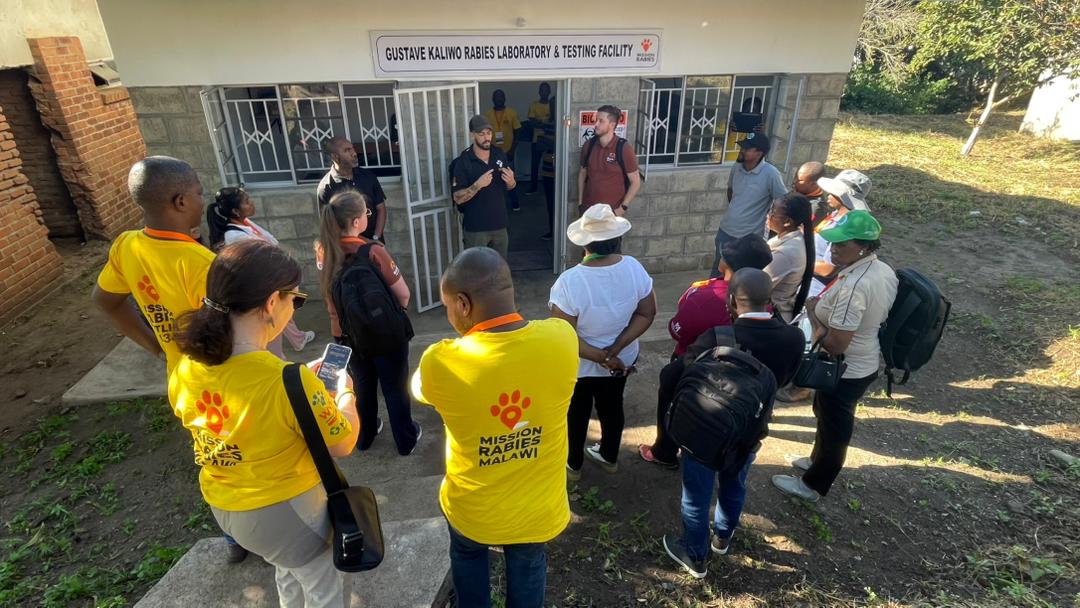
Visit of the Blantyre rabies laboratory. Picture (c) T. Tenzin (woah) 2026.
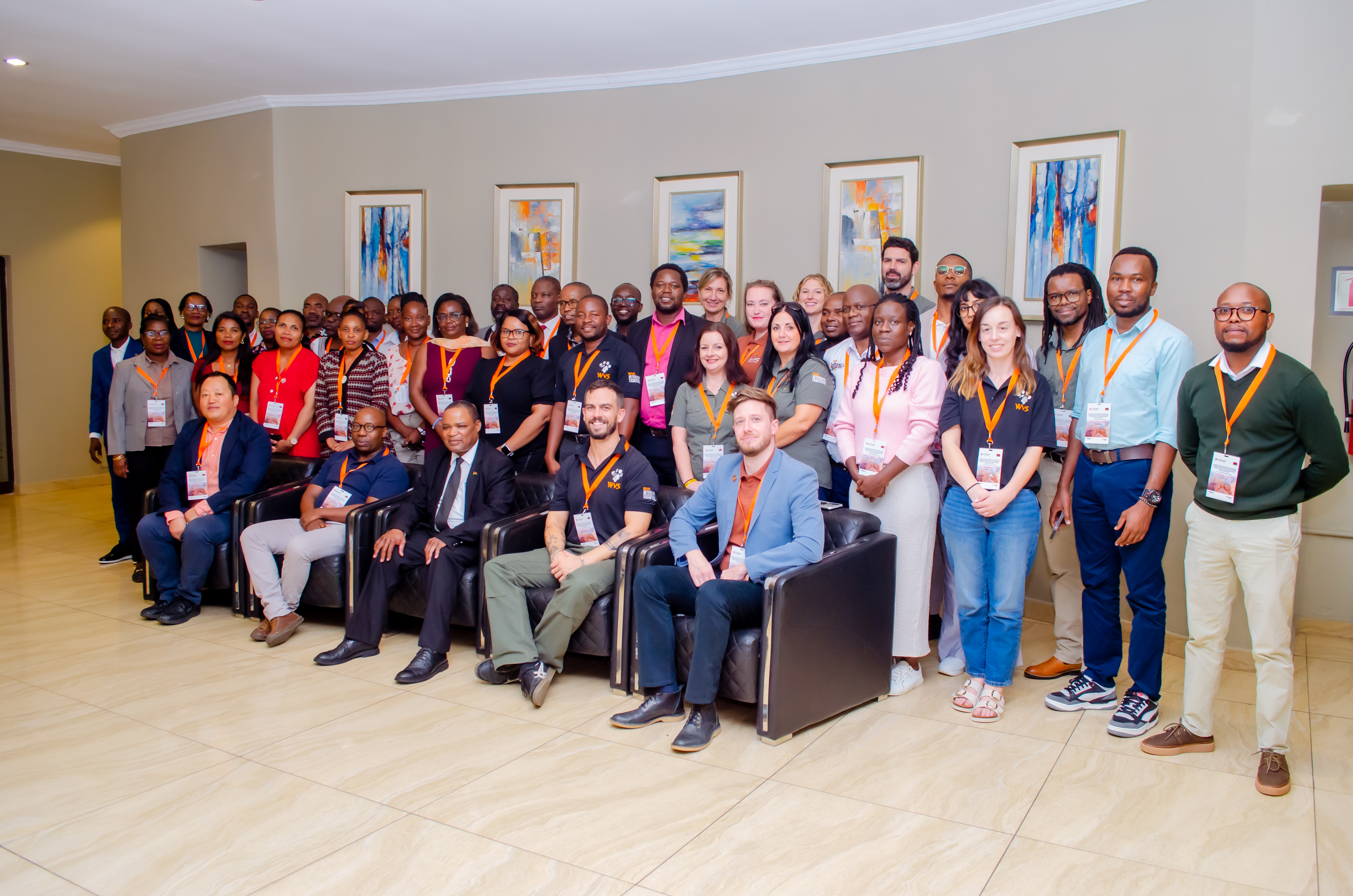
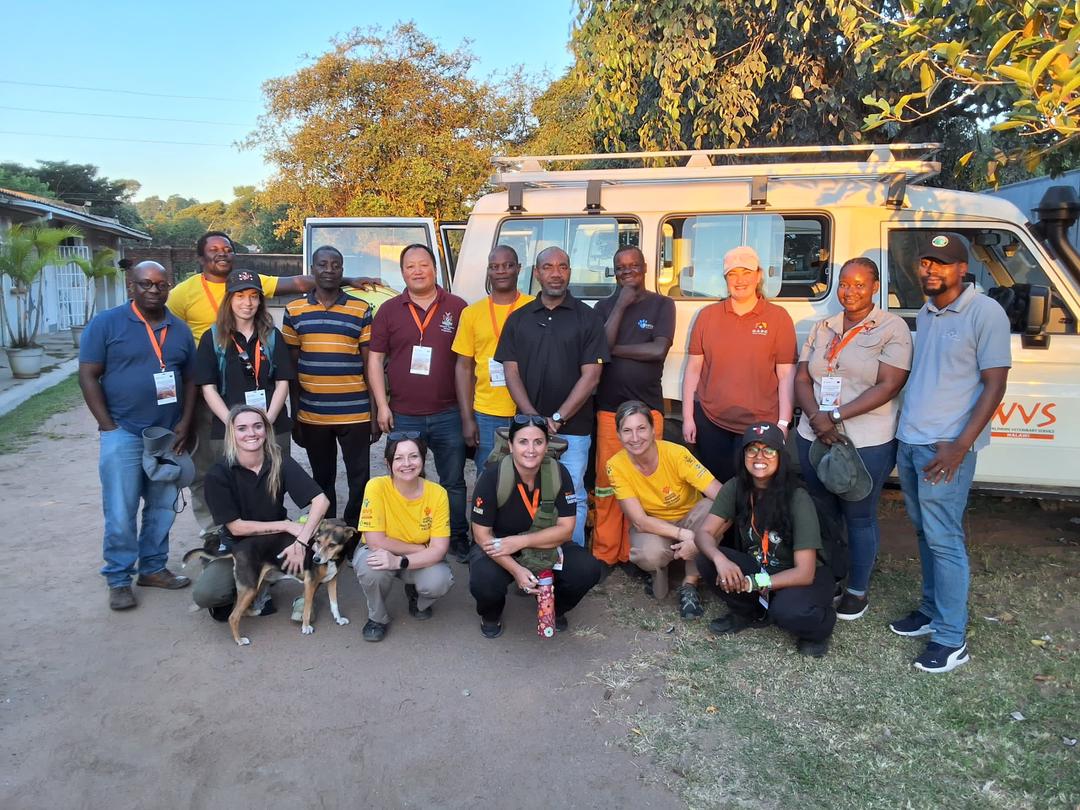
The World Organisation for Animal Health (WOAH) in collaboration with Mission Rabies, Worldwide Veterinary Services (WVS), and Malawi’s Department of Animal Health and Livestock Development (DAHLD), hosted a four-day Regional Training Workshop on Strengthening Capacity for Rabies Control in Blantyre, Malawi from 21-24 April 2024.
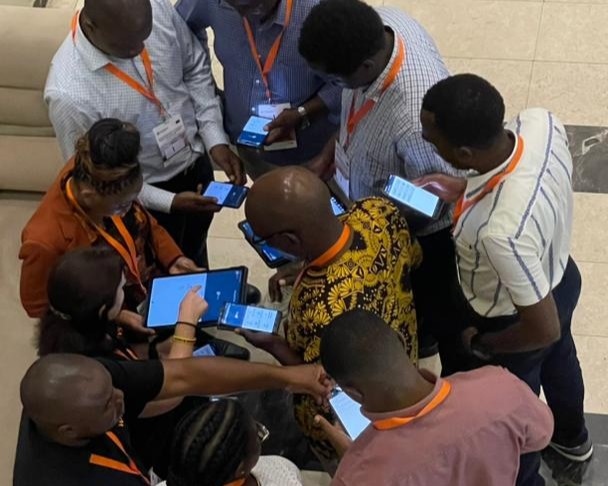
Treasure hunt on data collection using the mobile app. Picture (c) T. Tenzin (woah) 2026.
The event focused on collective action for dog-mediated rabies elimination by 2030, combining global expertise, regional experiences, and practical training. The training was facilitated by rabies control experts from WOAH, Mission Rabies, WVS, and the Global Alliance for Rabies Control (GARC) with online presentations by Friedrich Loeffler Institute (FLI) Germany, Ceva Santé Animale (CEVA) in France and the Istituto Zooprofilattico Sperimentale delle Venezie, in Legnaro, Italy.
The workshop opened with remarks from WOAH, GARC, Mission Rabies, and Malawi’s WOAH Delegate, thus setting the tone for collaboration and underscoring the global importance of rabies control. The opening remarks emphasised that eliminating dog‑mediated rabies by 2030 is of critical importance to meeting the global target of zero human deaths from rabies by 2030. Achieving this goal requires strong regional collaboration across SADC countries, since rabies does not respect borders. It also calls for investment in tools and training to improve vaccination coverage, surveillance, and diagnostics, as well as community engagement to ensure public participation and awareness.
The morning session provided an overview of global, regional and national progress toward dog-mediated rabies elimination. Presentations highlighted the WOAH standards and UAR tools on rabies, including the WOAH Rabies Vaccine Bank, WOAH endorsement of official control programmes against rabies, and the Roadmap for achieving the “Zero by 2030” goal.
Mission Rabies and GARC spoke about activities for rabies control at the global level, and WOAH about rabies control activities in SADC countries including a donation of around 2.45 million doses of rabies vaccines for conducting MDV campaigns and support for the development of national strategic plans for rabies. Participating Members shared country updates that highlighted national rabies control efforts, programme progress, challenges and priorities with most countries still struggling to achieve the recommended 70% dog vaccination coverage needed to interrupt rabies virus transmission.
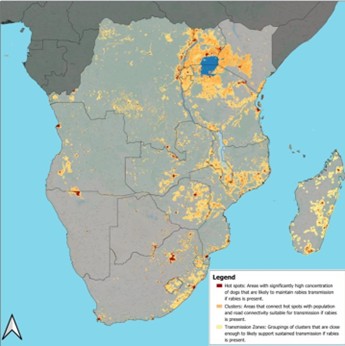
Map on the right : Rabies hot spots and transmission zones map of the SADC countries using STARC mapping tool (red color areas indicate significantly high concentration of dogs that are likely to maintain rabies transmission if rabies is present; orange color mean clusters – areas that connect hot spots with population and road connectivity suitable for transmission if rabies is present and light yellow color is the transmission zones with a grouping of clusters that are close enough to likely support sustained transmission if rabies is present. Image source from the presentation.
The afternoon sessions emphasised on dog ecology and population estimation as a foundation for effective mass dog vaccination (MDV), including practical guidance on population estimation methodologies and introduction to the Settlement Type and Road Connectivity (STARC) Mapping for rabies hotspot mapping, strategic targeting and vaccination planning. These tools are critical because rabies elimination requires vaccinating at least 70% of the dog population.
Accurate population data ensures campaigns are efficient, cost-effective, and targeted on rabies hotspots. Interactive breakout sessions allowed participants to explore application of these tools in their national contexts.
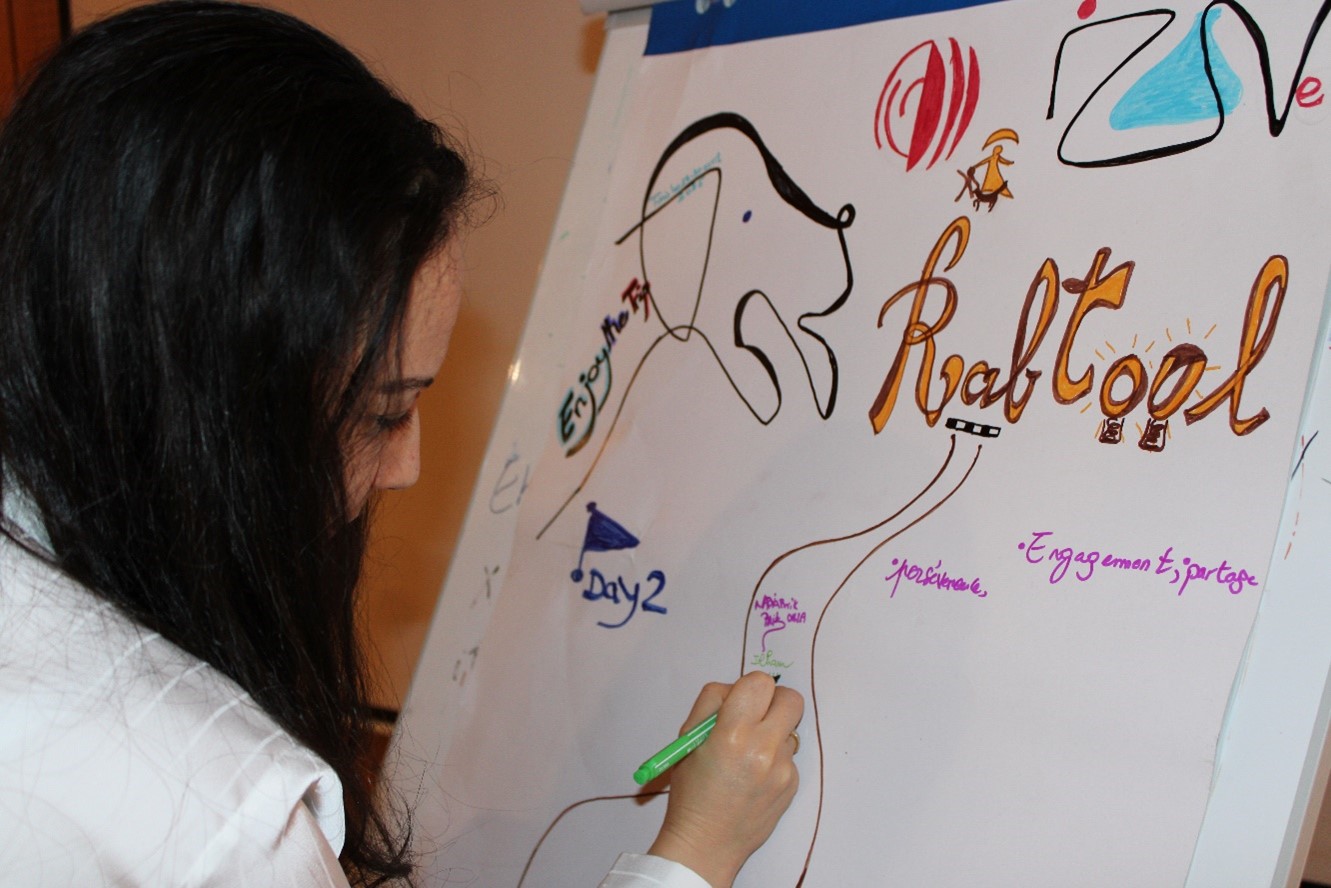
Day two focused on planning and delivery of high-impact Mass Dog Vaccination (MDV) campaign strategies. Participants reviewed dog population structures – owned and free roaming dogs – and explored vaccination delivery approaches tailored to these structures.
The session also covered campaign design and the use of planning tools, including the Global Dog Rabies Elimination Pathway (GDREP tool), which enables public health officials to plan national strategies by predicting required resources and campaign duration. Additional tools highlighted included the VaxPlan Tool for designing effective campaigns and the Rabies Economic Model, which estimates dog‑to‑dog and dog‑to‑human rabies virus transmission rates while assessing the cost‑benefit of rabies control measures.
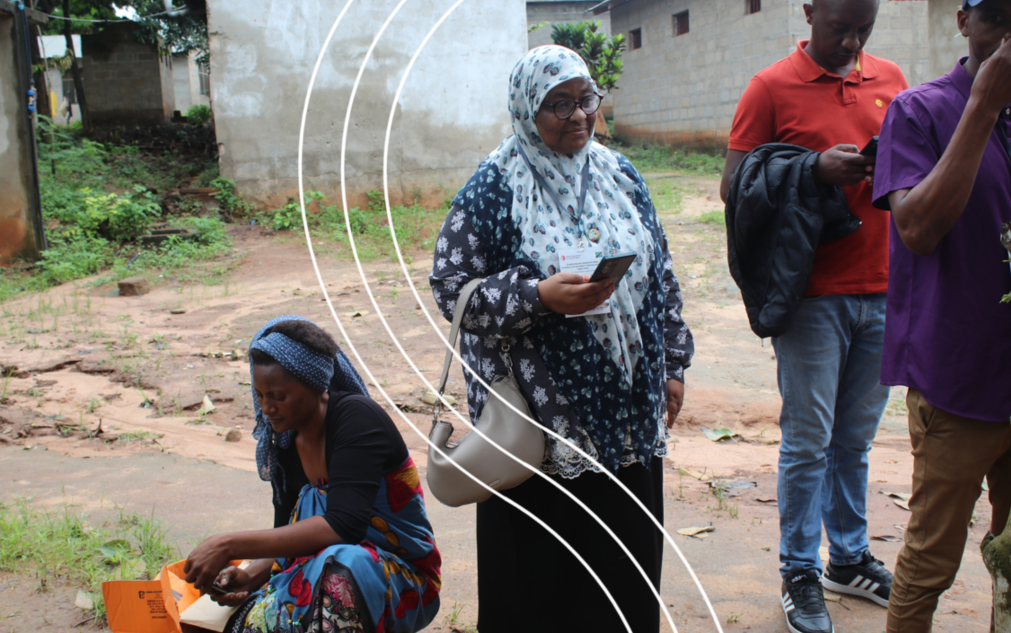
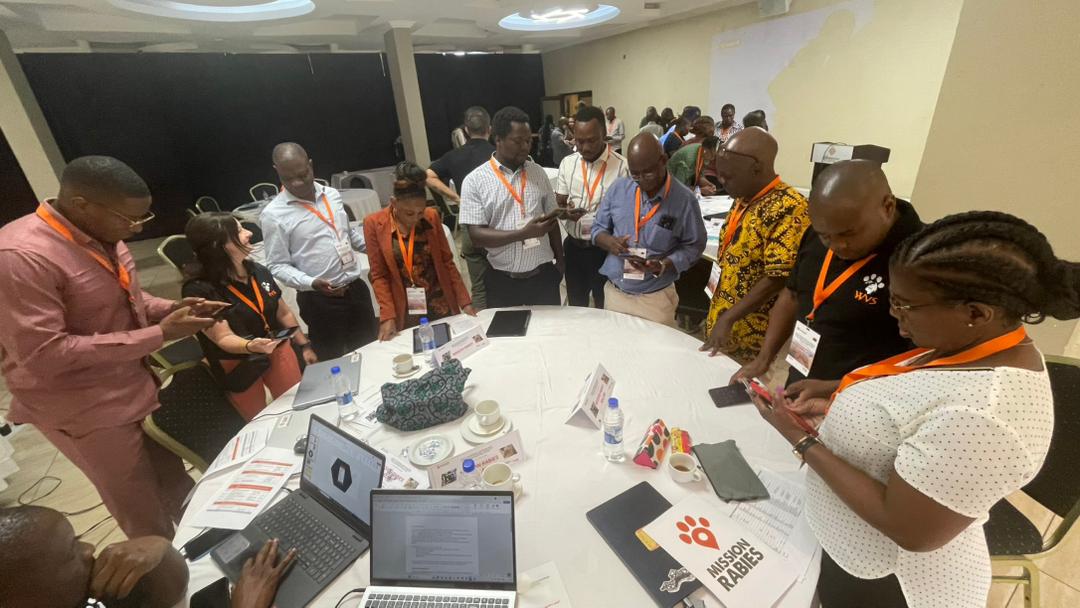
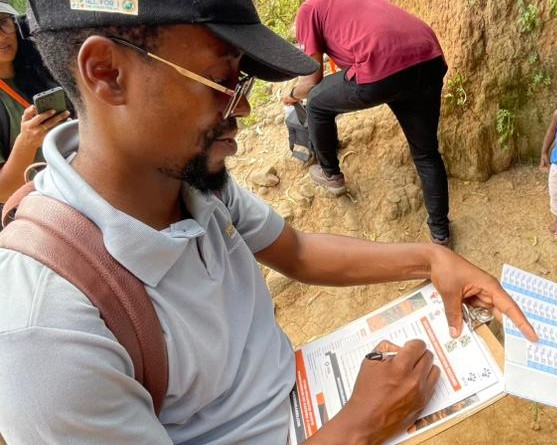
Participants practicing mobile Apps (WVS App and GARC Data Platform App) to collect rabies vaccination data and track vaccination campaign. Picture (c) T. Tenzin (woah) 2026.
Extensive practical training was provided on digital tools from both Mission Rabies/WVS and GARC for campaign planning, field data capture, monitoring and evaluation, reflecting the importance of interoperable and practical digital solutions for countries in the region.
Participants undertook hands-on WVS App and GARC Data Platform App exercises to track vaccination progress in real time and visualise campaign data. Post-vaccination evaluation methods, and discussions on community engagement and awareness to improve campaign uptake and effectiveness were covered reinforcing the importance of awareness in sustaining rabies control.
These tools transform vaccination campaigns from guesswork into data-driven operations, ensuring coverage targets are met and resources are used wisely.
Participants practicing mobile Apps (WVS App and GARC Data Platform App) to collect rabies vaccination data and track vaccination campaign. Picture (c) T. Tenzin (woah) 2026 IIIIIIIIIIII Les participants s'entraînent à des applis mobiles (WVS App et GARC Data Platform App) pour collecter des données de vaccination contre la rage et suivre les campagnes de vaccination. Photo (c) T. Tenzin (omsa) 2026
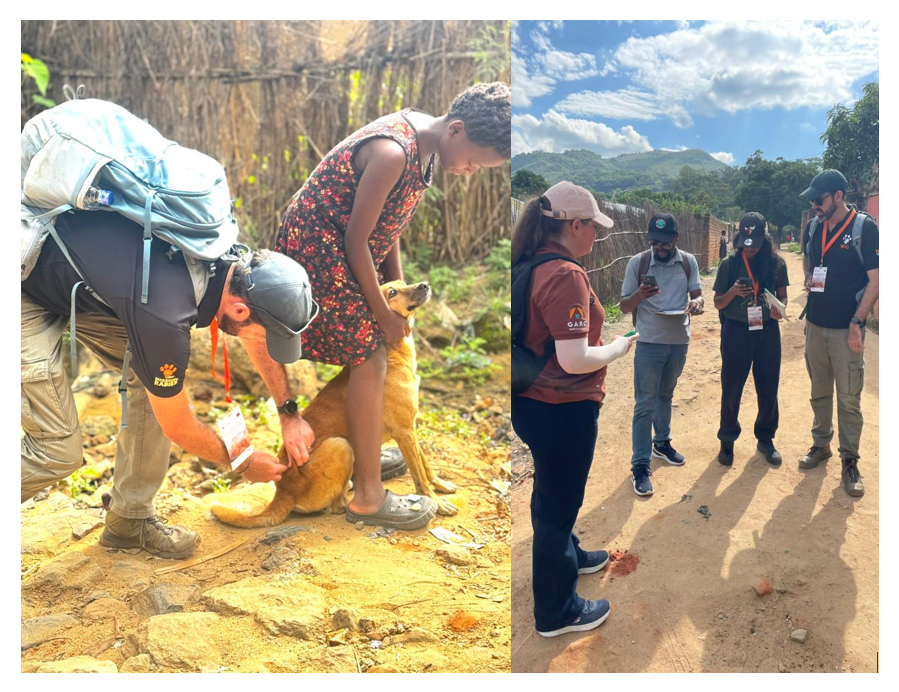
Participants visited villages and vaccination sites in Blantyre, which provided them with practical exposure to vaccination campaign operations. This hands-on experience enabled consolidation of previous learning through direct involvement in vaccination methods, dog handling, vaccine management, and field data collection using both the WVS and GARC Data Platform apps. The collected data were subsequently reviewed and visualised on a map, demonstrating the value of real-time digital monitoring of the vaccination campaigns. Participants also visited the Blantyre Veterinary Laboratory, where a demonstration was held on brain tissue sampling from dog carcasses using the occipital foramen method —a safe sampling technique—as well as the use of lateral flow devices (LFDs) to support rapid diagnosis of rabies in the field in line with WOAH RABLAB guideline. Practical dog handling exercises at the Mission Rabies office complex and dog shelter rounded off the day, blending theory with real-world application.
Hands-on practice of dog vaccination and data collection using mobile Apps during a door-to-door vaccination programme in Blantyre. Picture (c) T. Tenzin (woah) 2026 IIIIIIIIIIII Exercice pratique de la vaccination des chiens et de la collecte de données à l'aide d'applications mobiles lors d'un programme de vaccination porte-à-porte à Blantyre. Photo (c) T. Tenzin (omsa) 2026
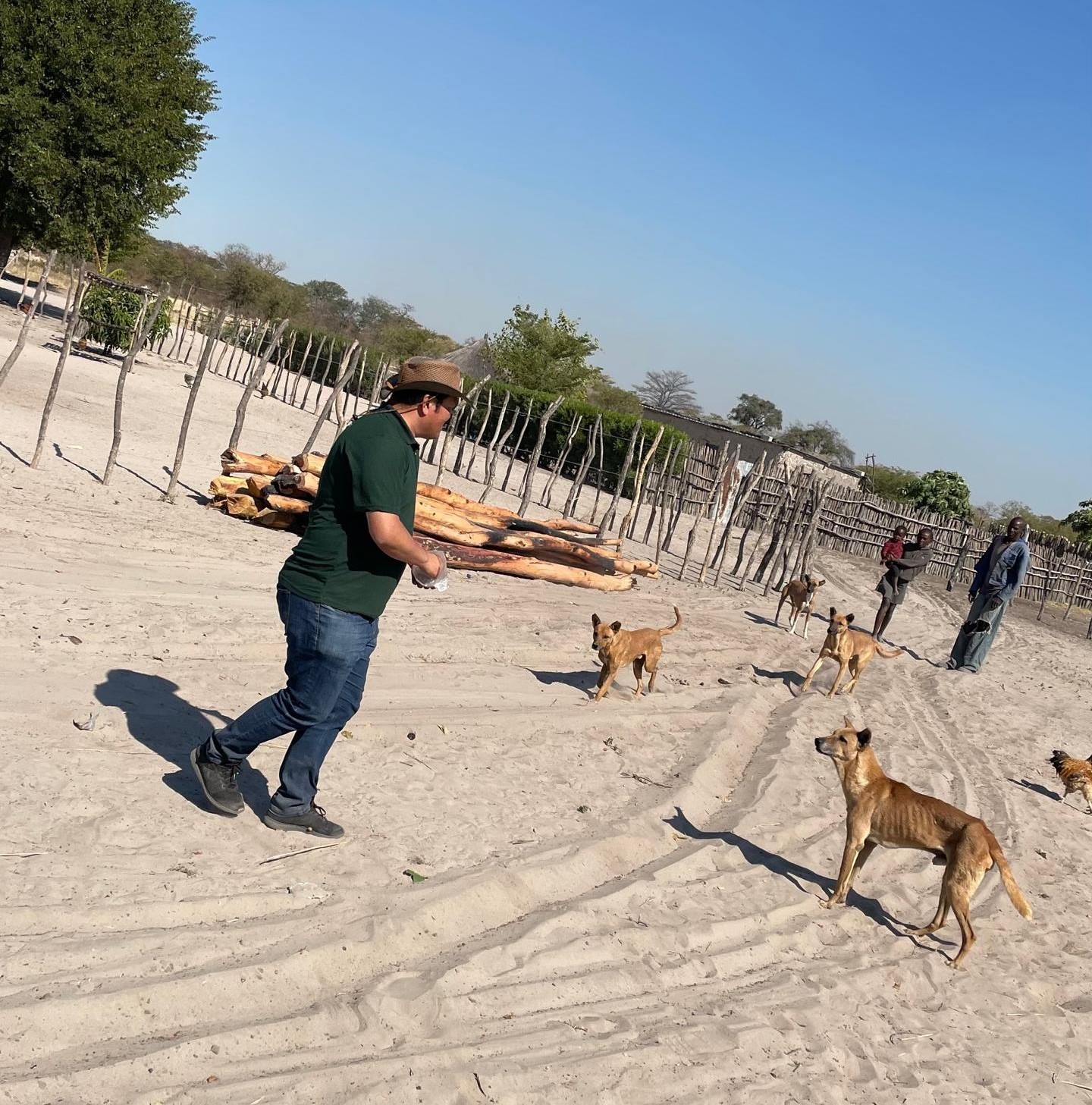
The final day introduced Oral Rabies Vaccination (ORV) as a complementary tool to parenteral vaccination. ORV baits are crucial for reaching free-roaming and hard-to-access dog populations, improving vaccination coverage closer to the elimination threshold. International experts from FLI and CEVA presented the ORV principles, planning, field implementation and country experiences, including ORV operational experience from Namibia, followed by placebo bait demonstrations to the participants.
Subsequent sessions addressed surveillance requirements for freedom from dog-mediated rabies, Integrated Bite Case Management (IBCM), and practical application of digital tools with hands-on exercise on – International Rabies Taskforce REACT App and GARC bite case tracker and animal case tracker App – to strengthen surveillance and response systems. Further discussions covered use of LFDs, regional data sharing, and establishment of a “SADC Rabies Control Coordinator Network” to strengthen ongoing collaboration and collective action across Members. The workshop concluded with evaluations, certificate awards, and closing remarks. Dr. Tenzin Tenzin of WOAH delivered the final take home messages, highlighting the importance of proper planning, scaling up MDV, increasing vaccination coverage, applying digital tools for planning and monitoring, strengthening surveillance, fostering regional solidarity, and promoting collective responsibility to achieve the elimination of dog-mediated human rabies deaths by 2030.
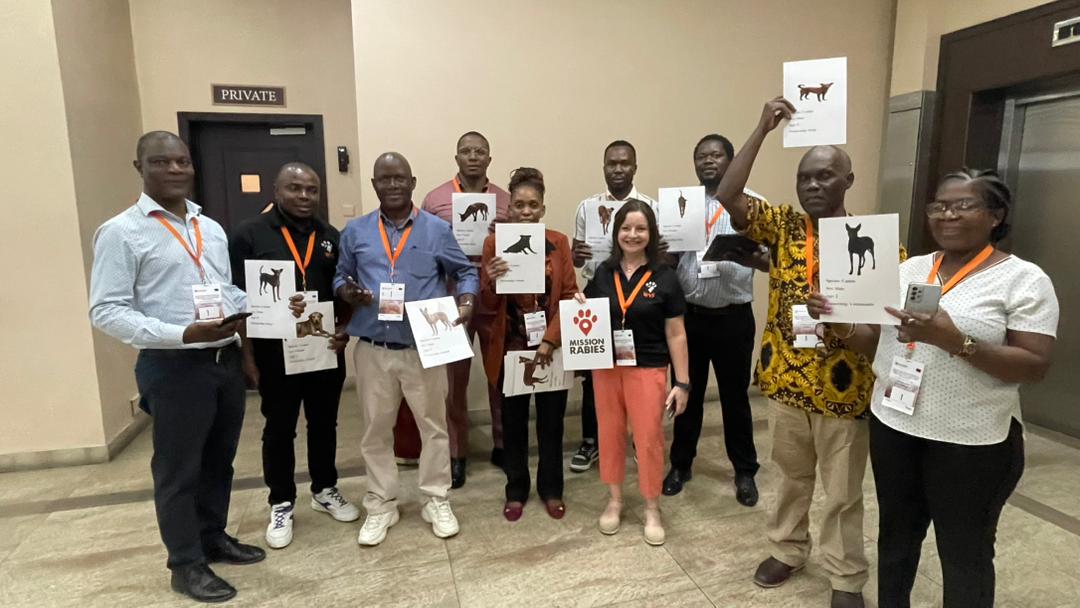
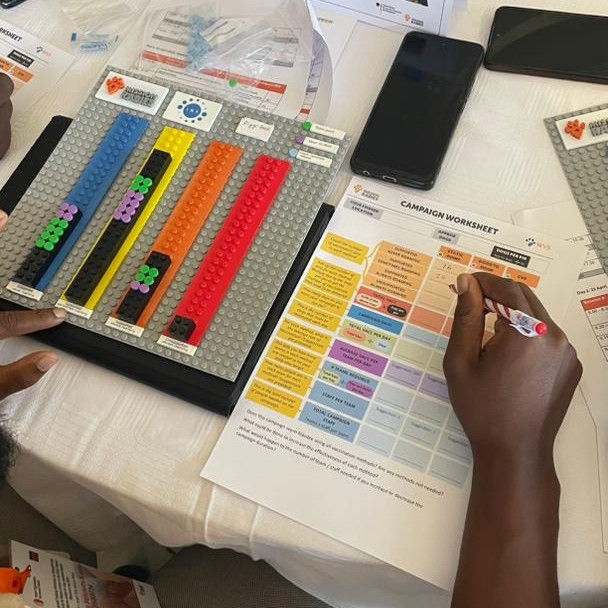
LEGO (TM) exercise, calculating a dog population structure. Picture (c) T. Tenzin (woah) 2026.
This workshop marked a significant milestone in Africa’s rabies elimination journey. By equipping participants with practical skills, innovative tools, and strengthened networks, the SADC region is now better prepared to accelerate progress toward a rabies-free future.
https://journals.plos.org/plosntds/article?id=10.1371/journal.pntd.0004824
https://journals.plos.org/plosntds/article?id=10.1371/journal.pntd.0006159
https://journals.plos.org/plosntds/article?id=10.1371/journal.pntd.0008004
https://www.nature.com/articles/s41467-022-30371-y
https://journals.plos.org/plosntds/article?id=10.1371/journal.pntd.0008948
https://www.mdpi.com/2076-393X/7/3/108
https://journals.plos.org/plosntds/article?id=10.1371/journal.pntd.0011631
https://www.sciencedirect.com/science/article/pii/S2352771423000824?via%3Dihub
https://www.nature.com/articles/s41598-026-38405-x
https://rr-asia.woah.org/app/uploads/2020/11/day-1_2-dr-isloor_sampling_oie-vt_final_05112020.pdf
https://www.cabidigitallibrary.org/doi/full/10.1079/9781800622975.0017
The Federal Ministry for Economic Cooperation and Development (BMZ) of the Republic of Germany, through the World Organisation for Animal Health (WOAH), funds the Project “One Health Approach Towards Control of Rabies and Transboundary Animal Diseases (OHRT)” which supported this training workshop
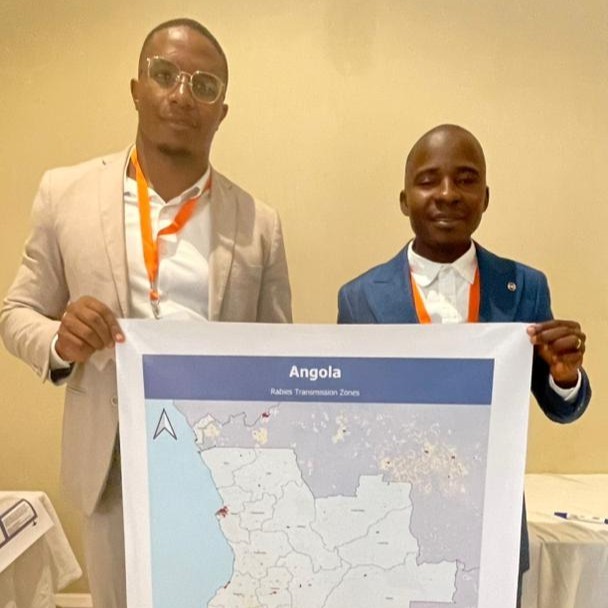
Presenting the rabies transmission zones for Angola. Picture (c) T. Tenzin (woah) 2026.