



FLICKR
Photo album
Read more
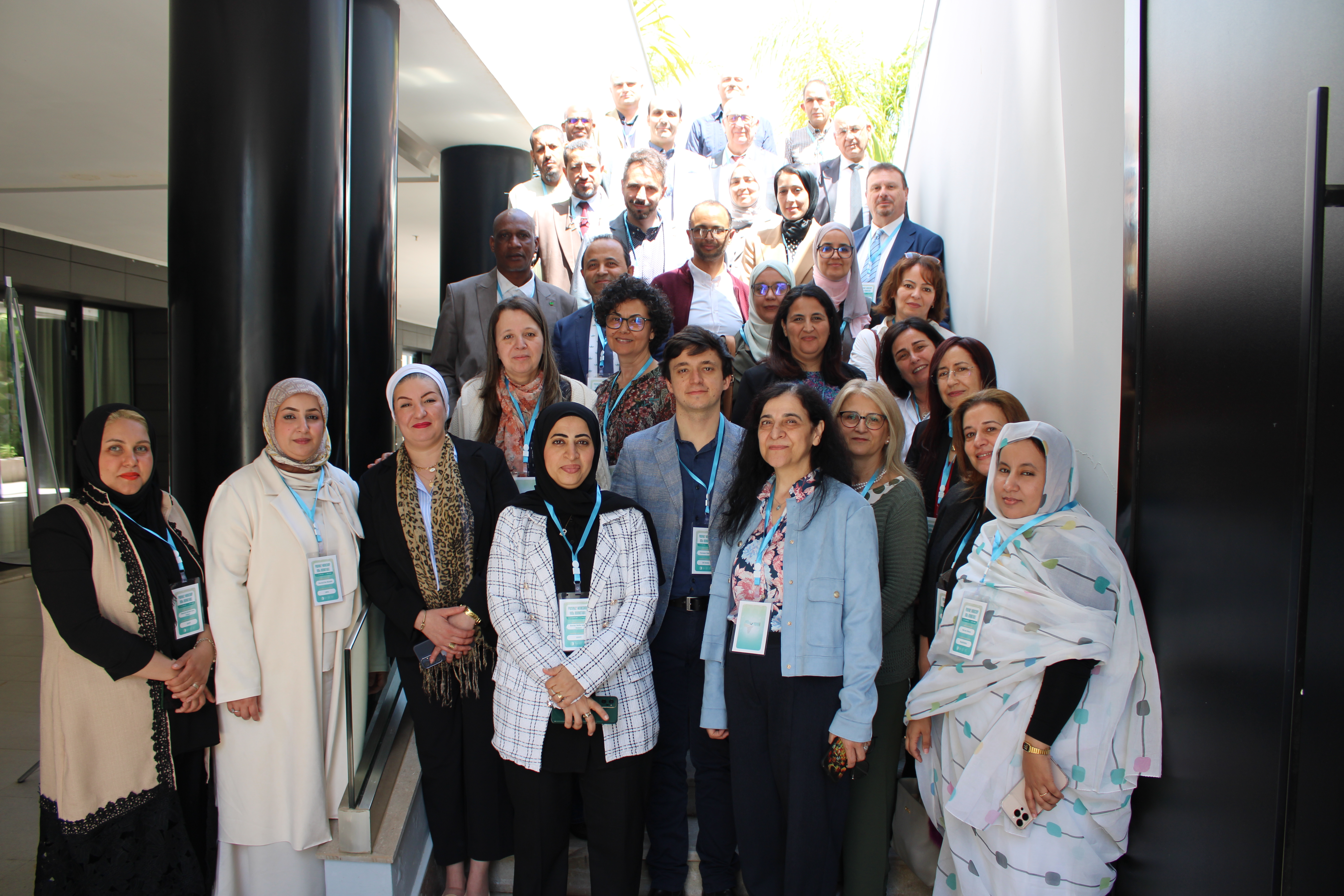
The WOAH Sub-Regional Representation for North Africa convened a four-day regional dialogue from 21 to 24 April, bringing together Member Countries, technical partners and donors to strengthen a coordinated One Health approach to the surveillance and control of vector-borne diseases (VBDs) in the region. The discussions combined the
creating a structured process to move from technical analysis to strategic alignment and forward-looking action.
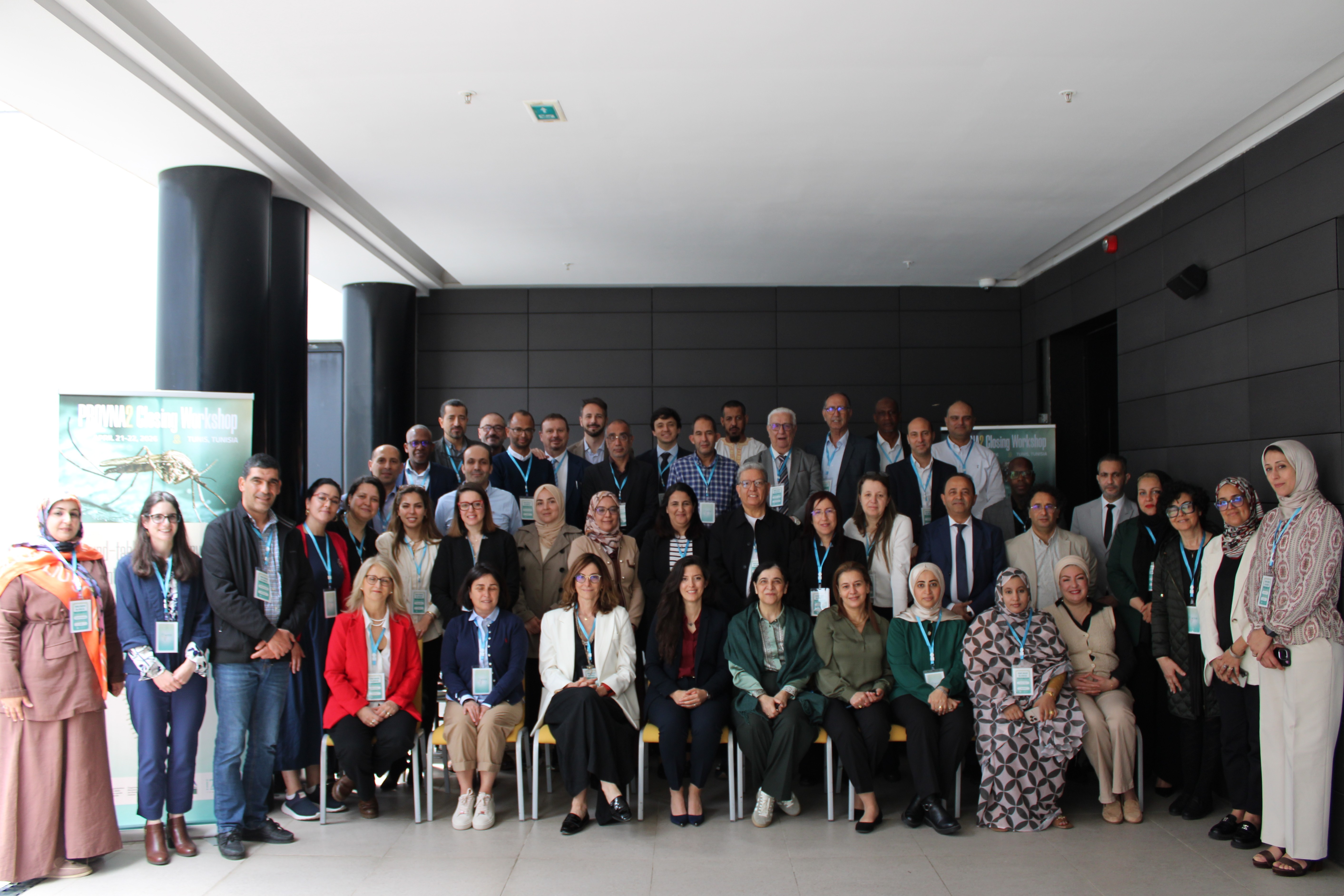
The PROVNA Phase 2 Closing Workshop provided an opportunity for participating countries to review progress, share experiences, and assess the implementation of activities under the project.
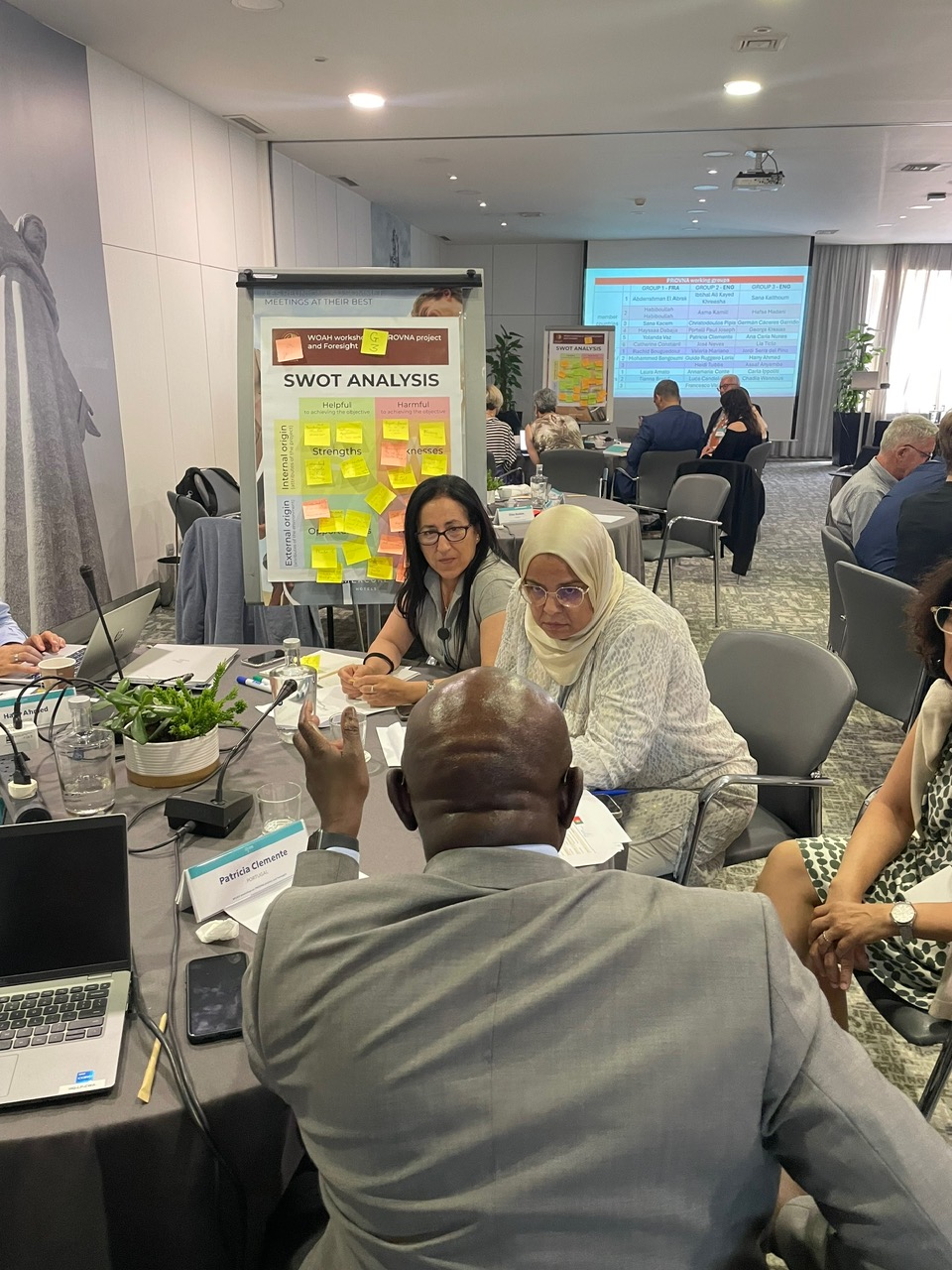
Through structured discussions—including a SWOT analysis and the review of project action plans/country cards—countries identified key strengths, challenges and opportunities, and defined priority needs and expected results for a potential next phase.
Six key priority areas emerged across countries:
These priorities reflect both technical and systemic challenges, including the need to strengthen coordination, ensure sustainability, and better translate data into decision-making.
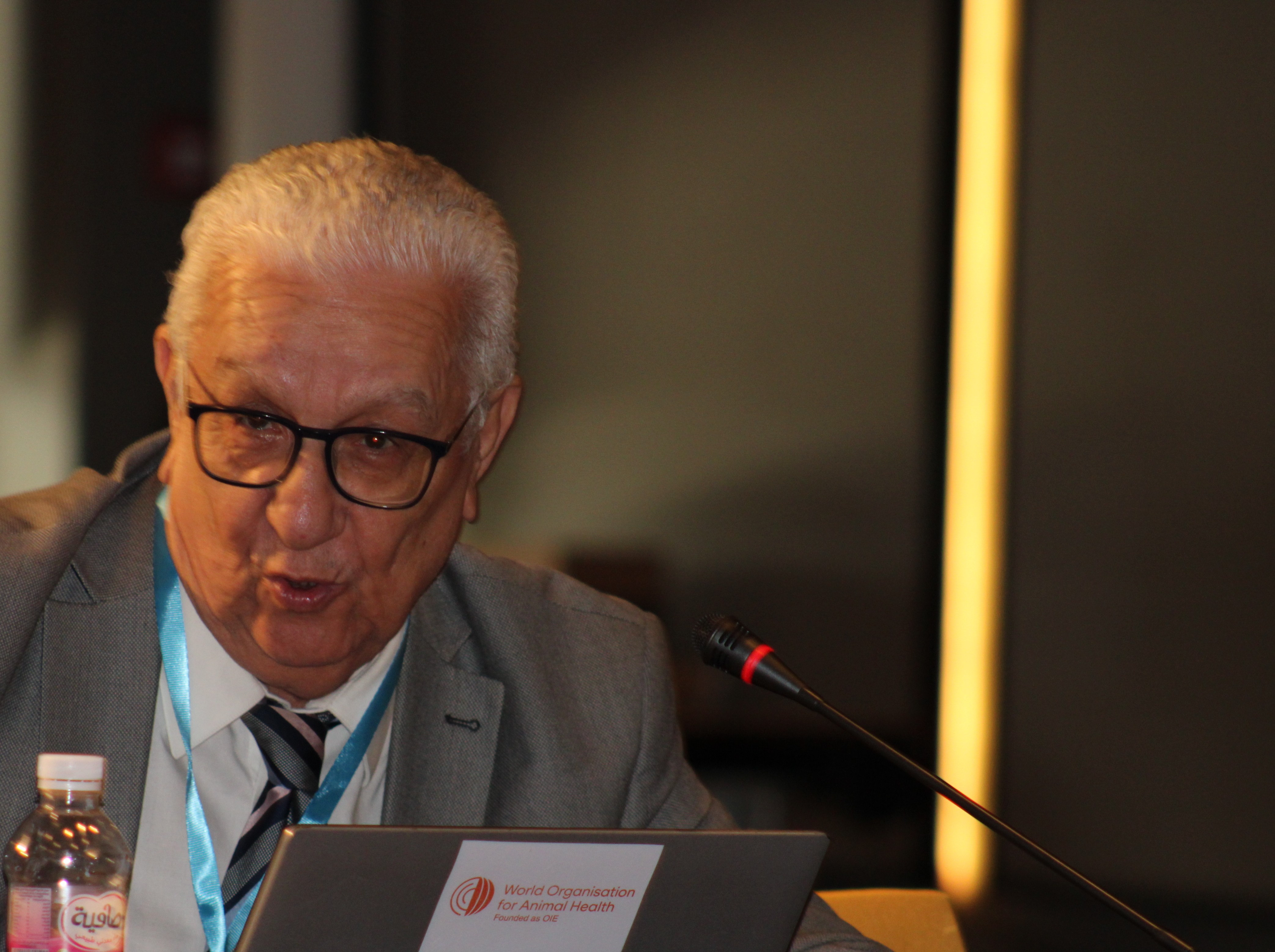
Dr Rachid Bouguedour, WOAH Sub-Regional Representative for North Africa. Picture © N. Brik (woah) 2026
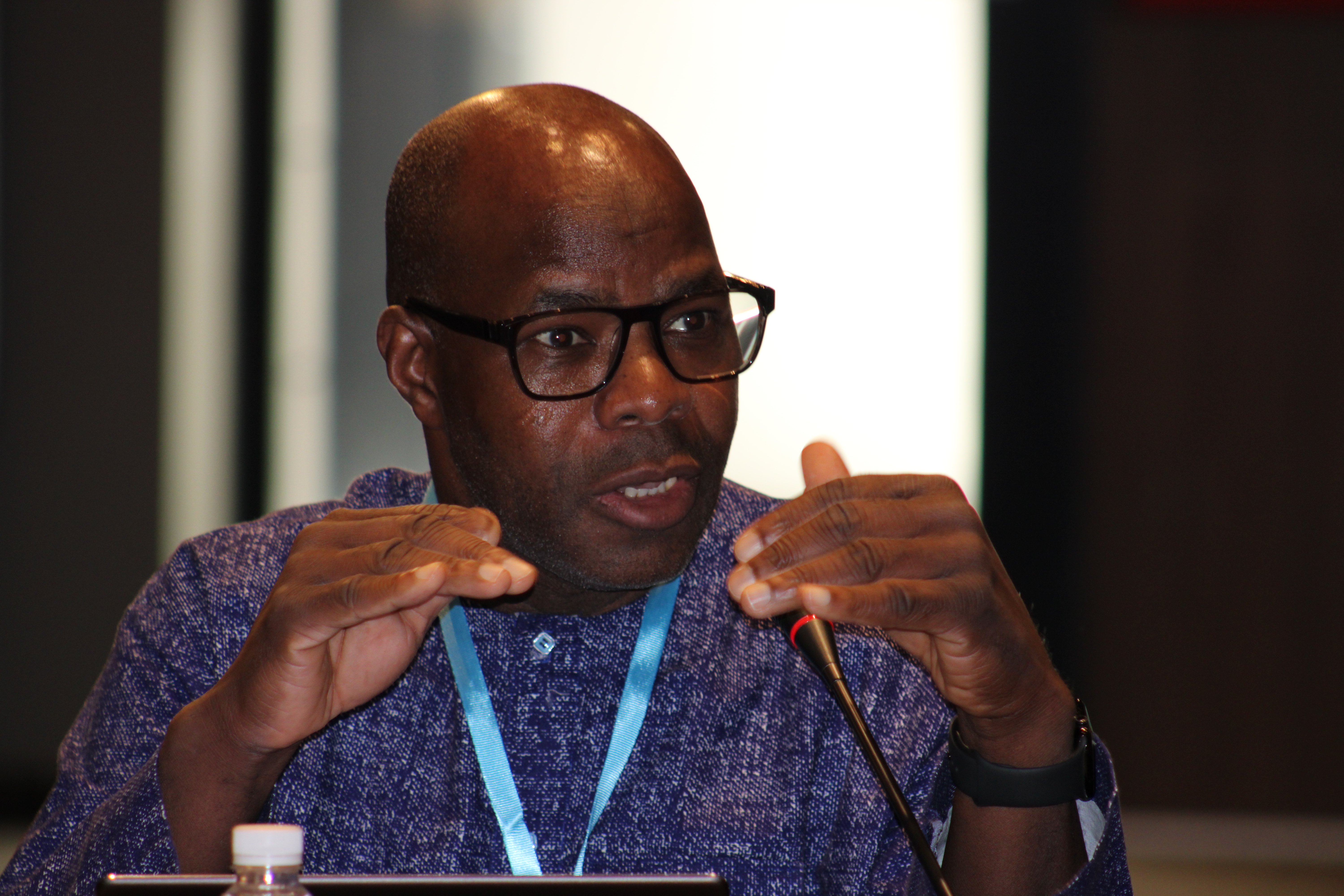
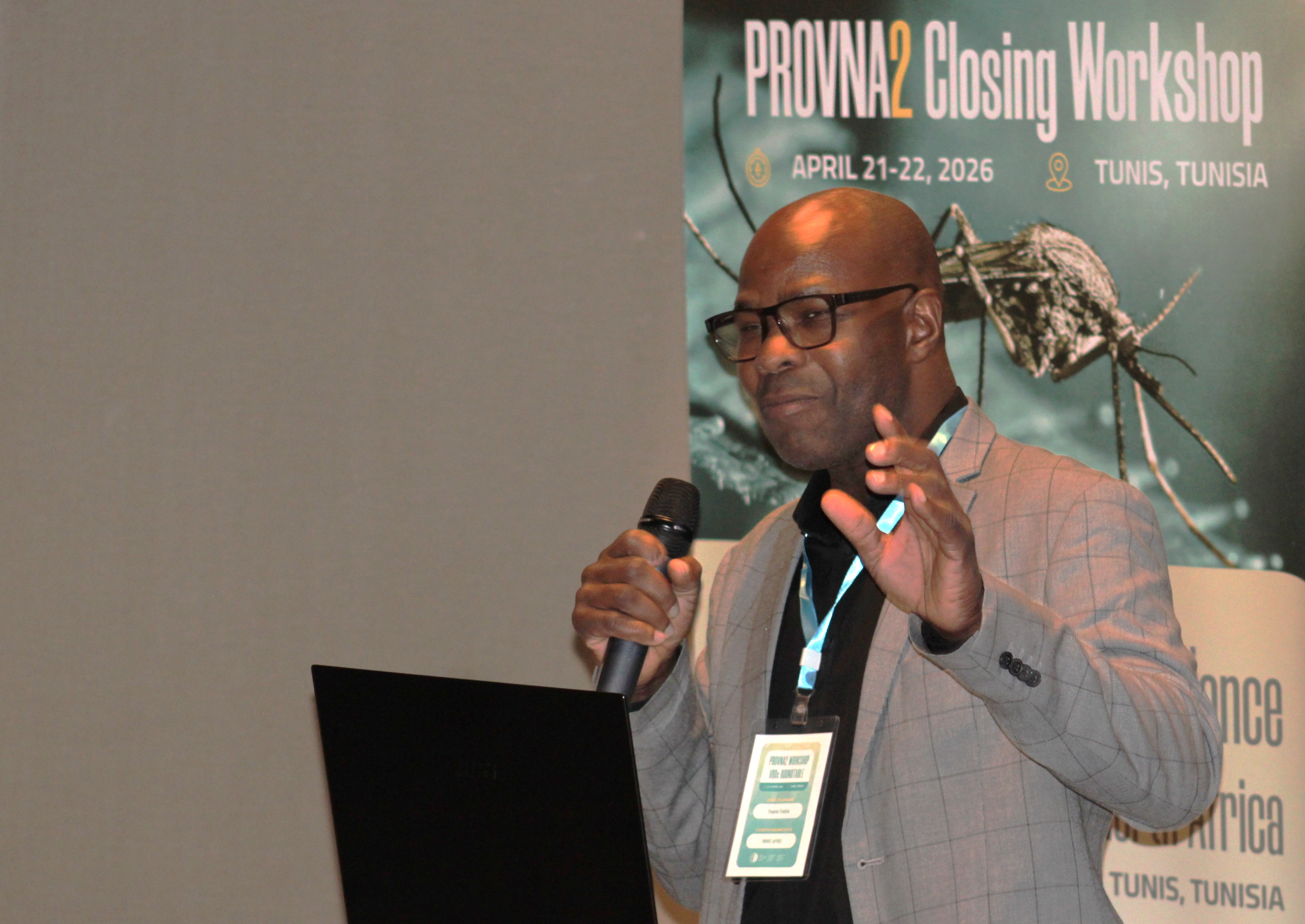
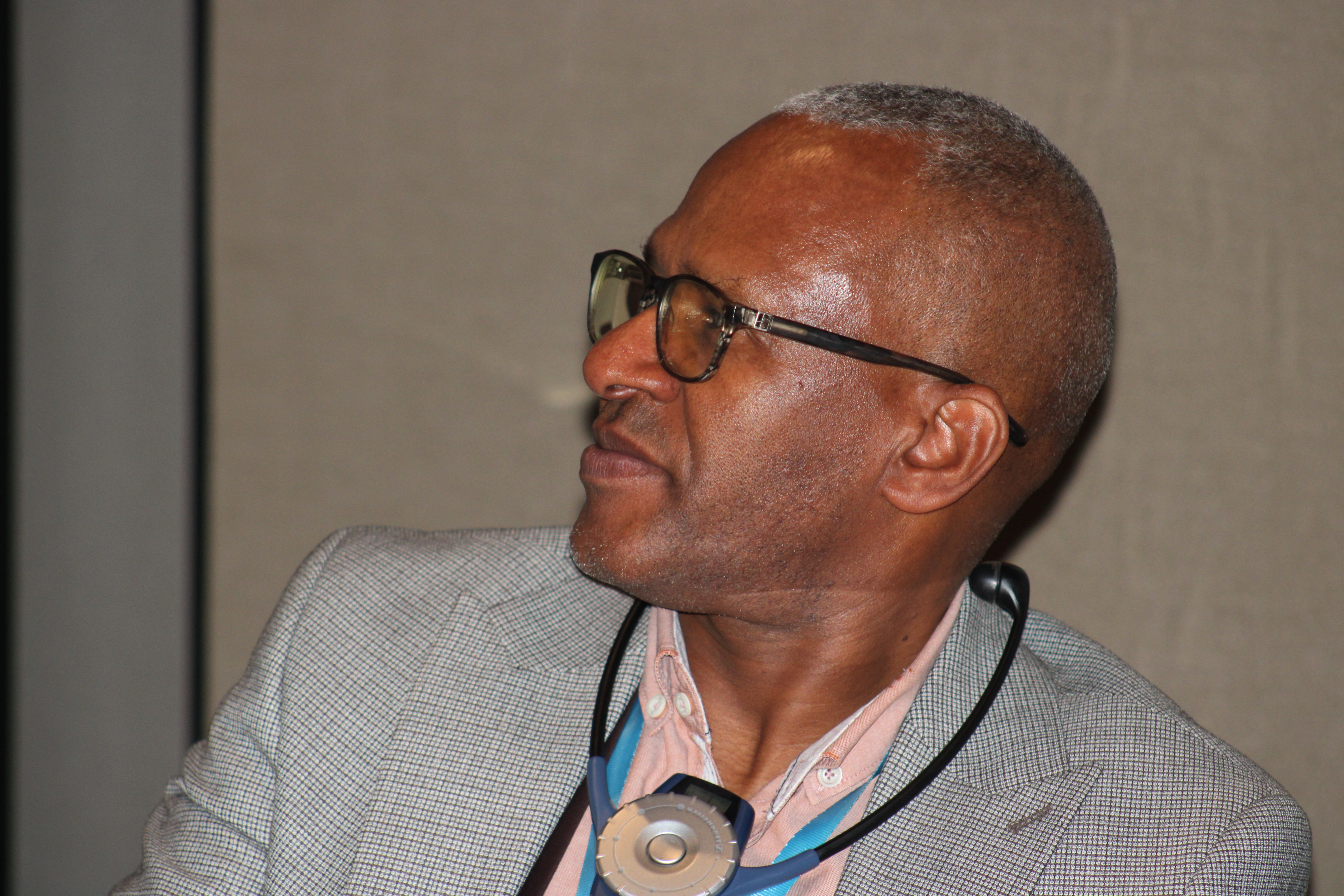
Dr Tieble Traore, One Health Technical Officer, Health Emergency, Pandemics & Threats Preparedness (HEP) , World Health Organization (WHO) Regional Office for Africa (AFRO). Picture © N. Brik (woah) 2026
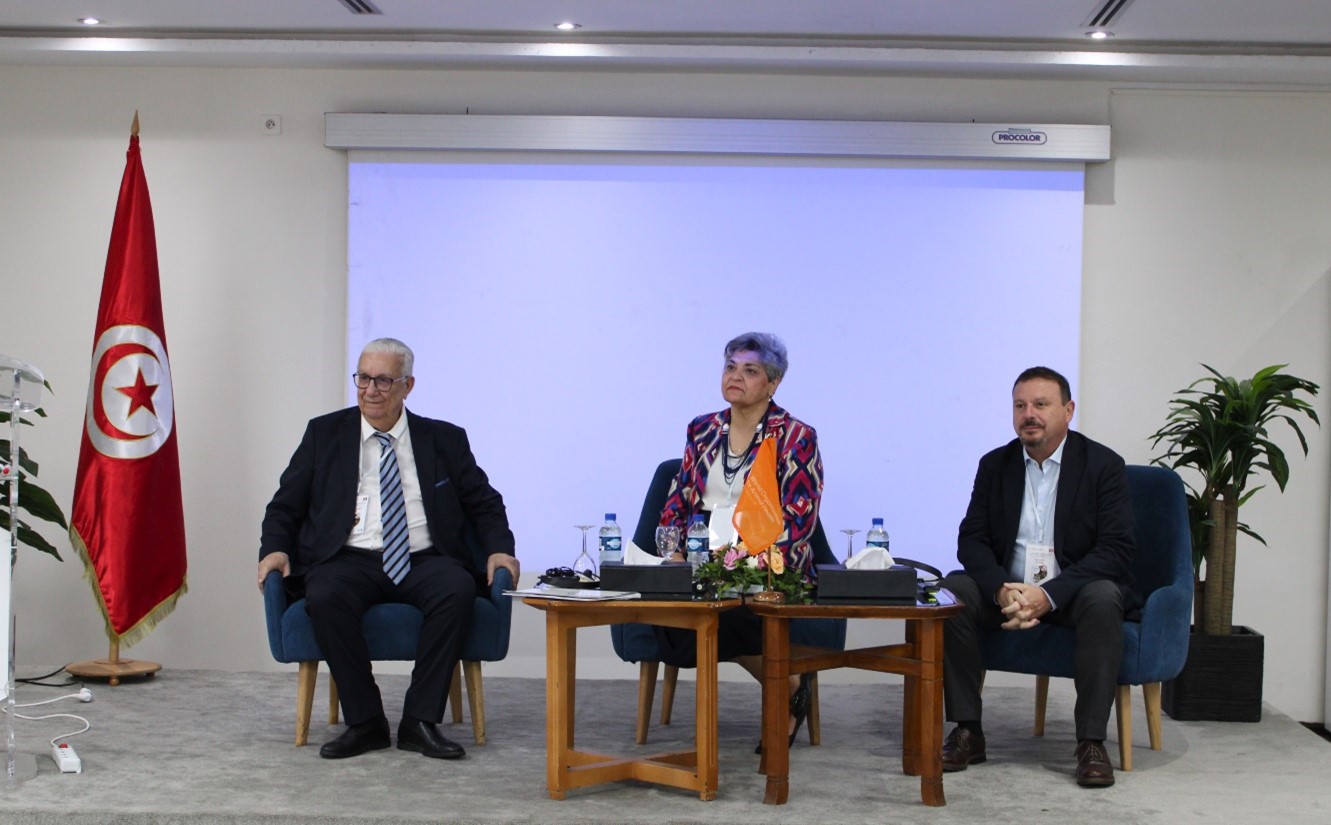
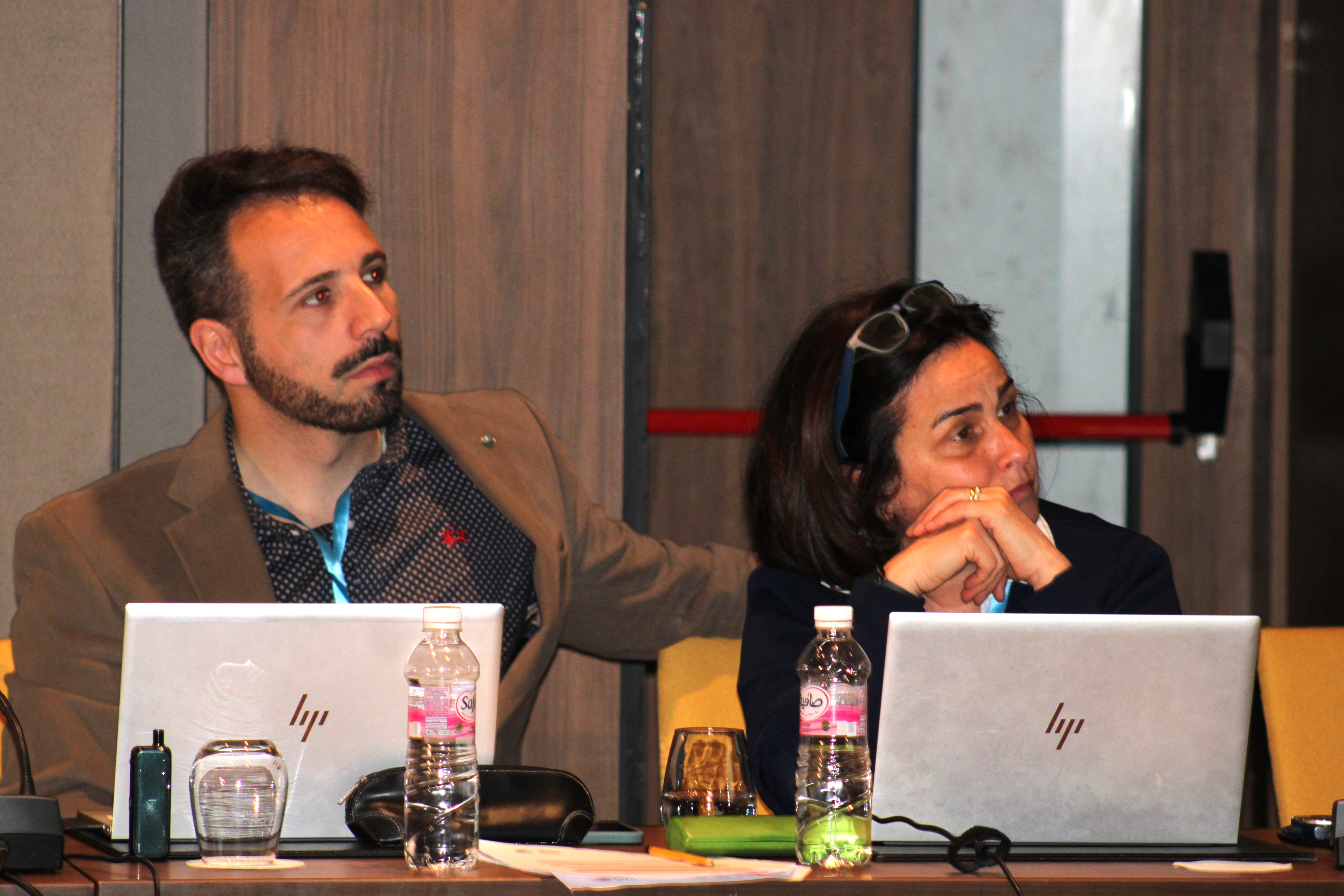
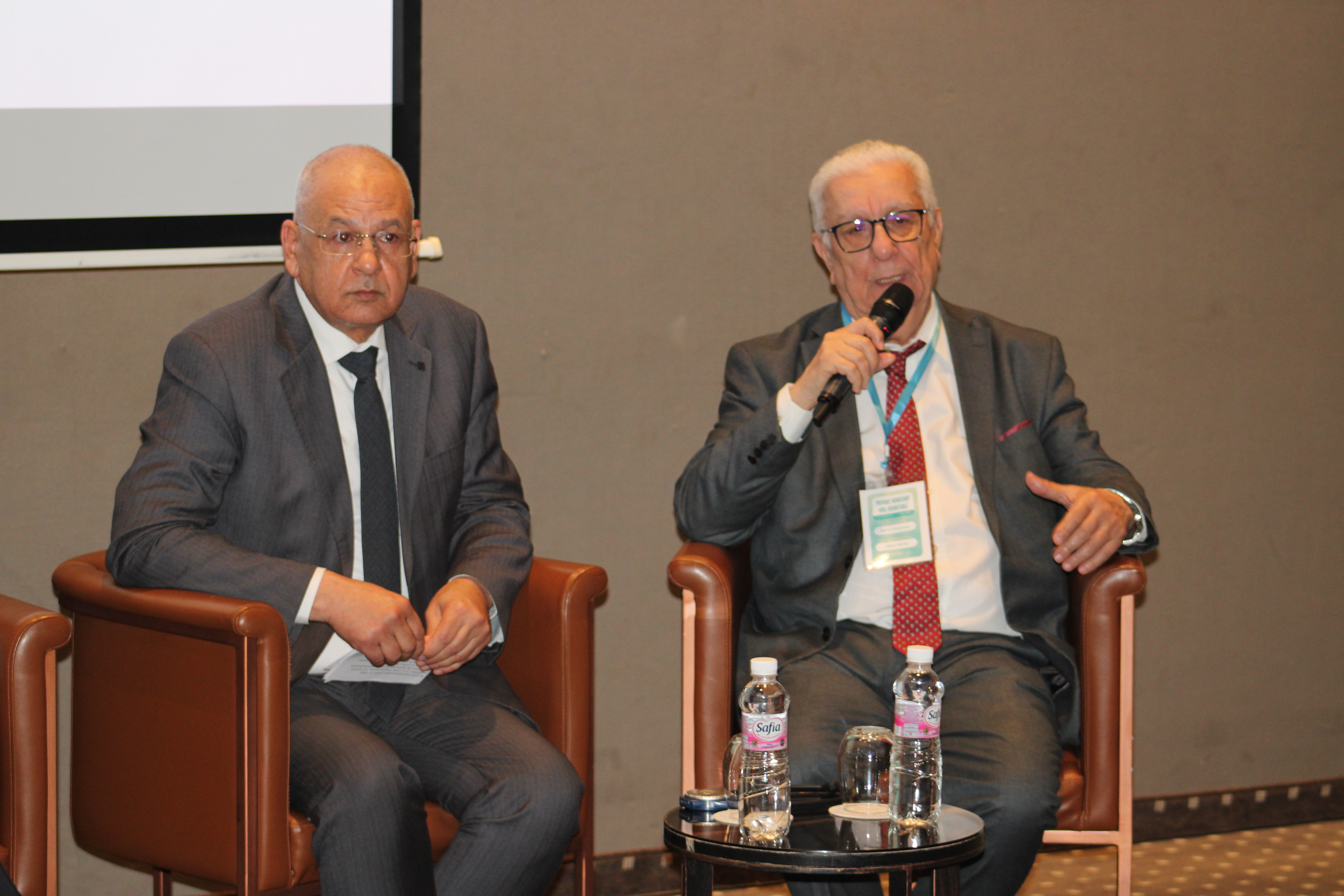
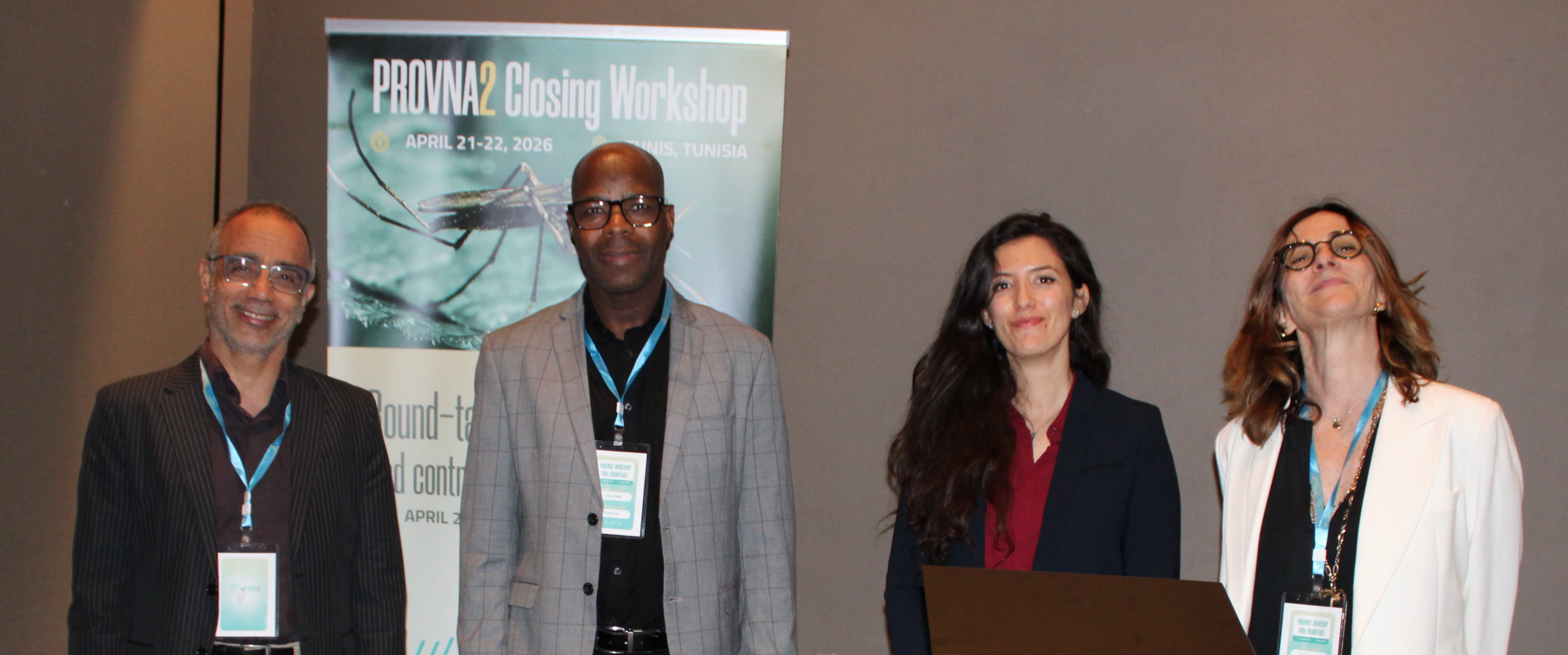
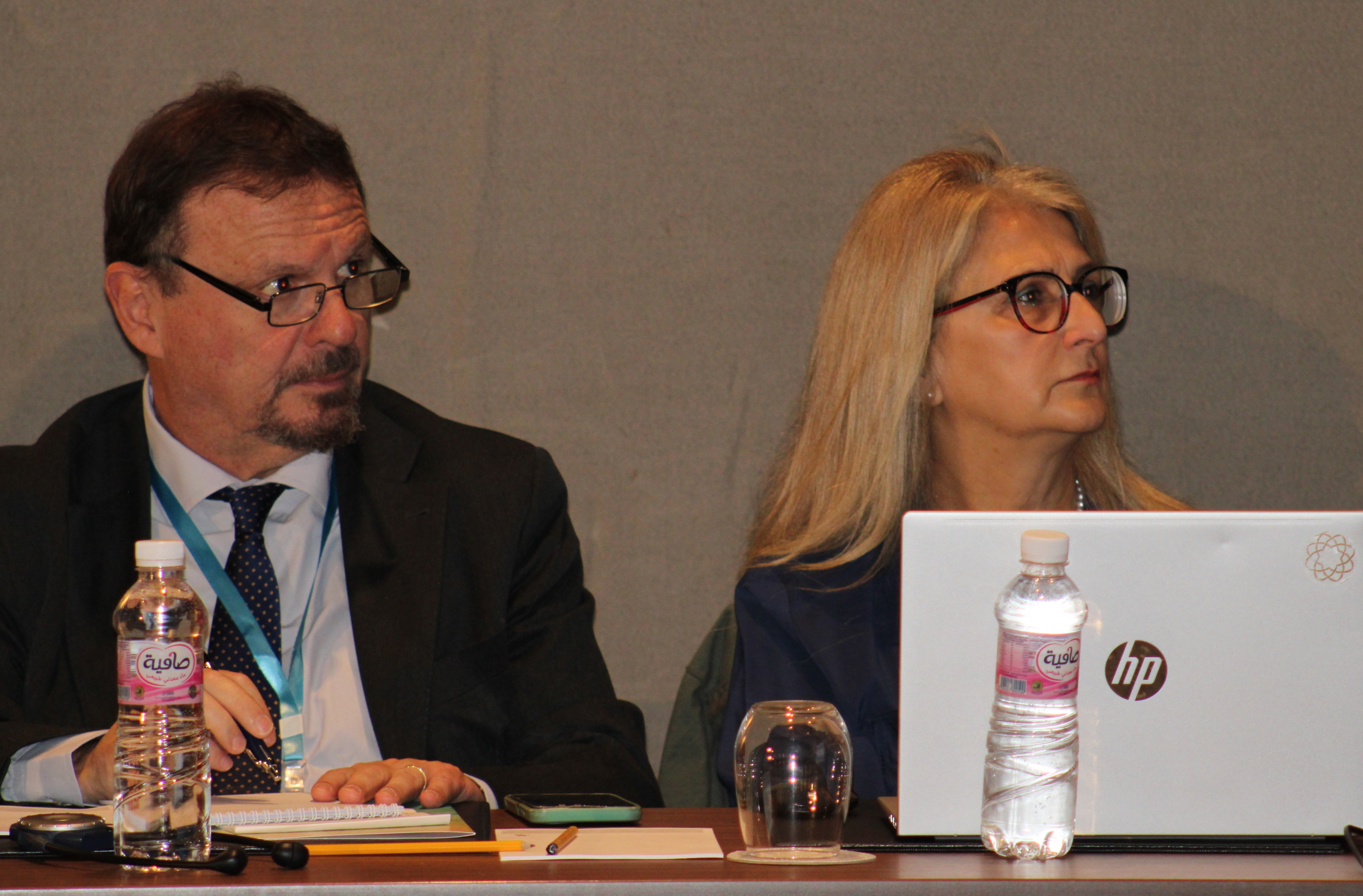
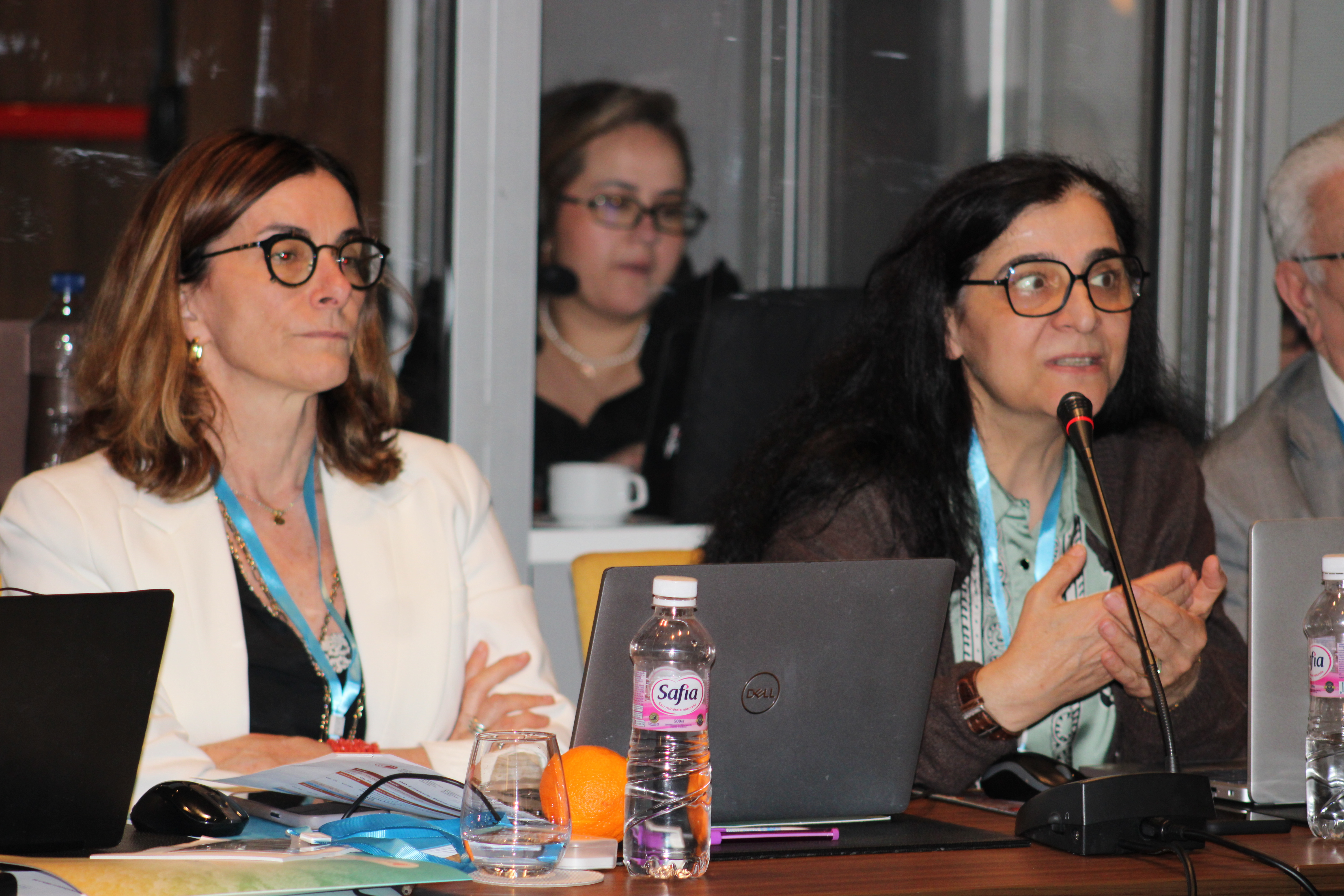
Dr Wahib Mehri, WOAH Delegate (Tunisia, left) and Dr Rachid Bouguedour, WOAH Sub-Regional Representative for North Africa (right). Picture © N. Brik (woah) 2026
Dr Tieble Traore, One Health Technical Officer, Health Emergency, Pandemics & Threats Preparedness (HEP) , World Health Organization (WHO) Regional Office for Africa (AFRO). Picture © N. Brik (woah) 2026
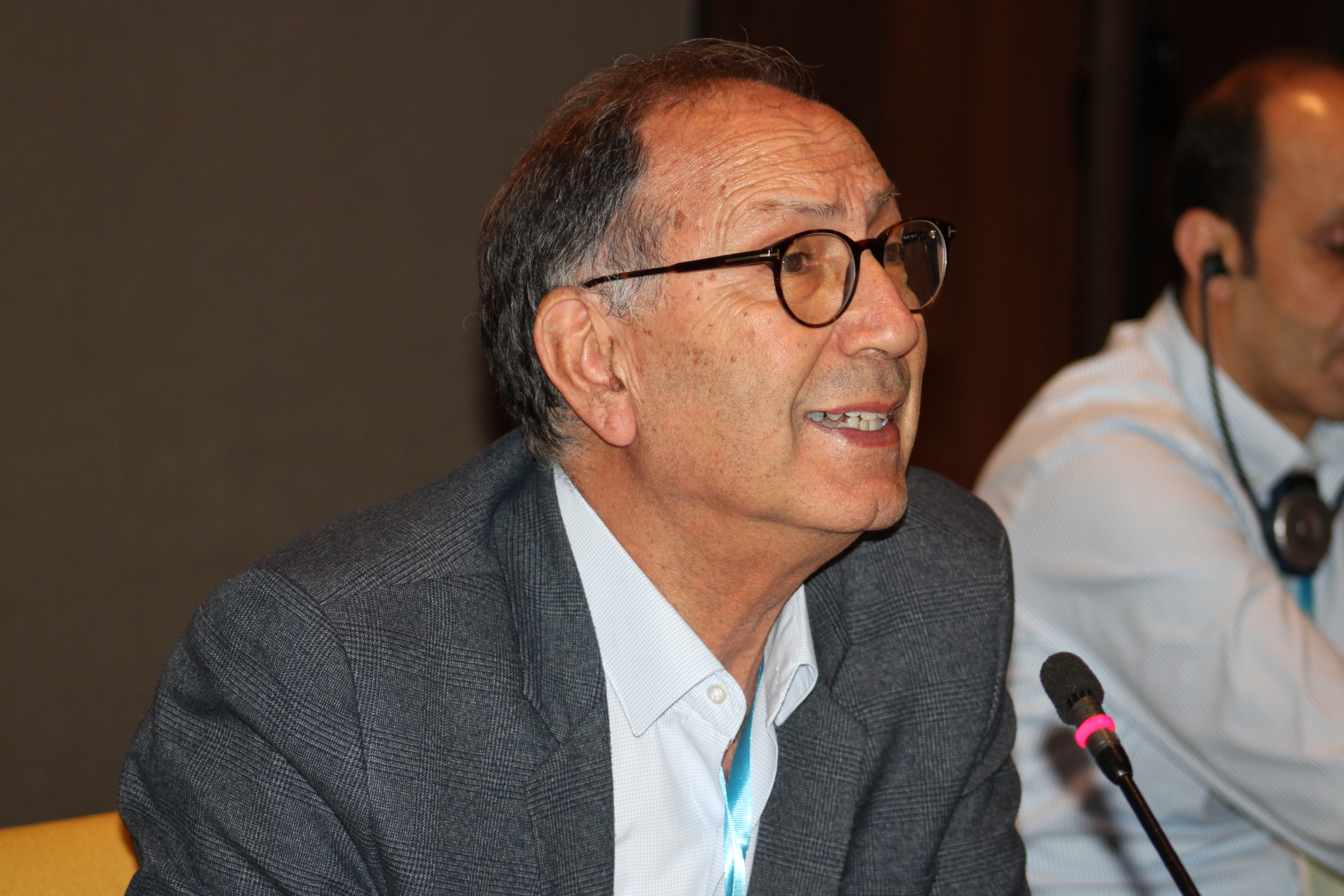
Dr Ismail Abograra, Country participant, Libya. Picture © N. Brik (woah) 2026
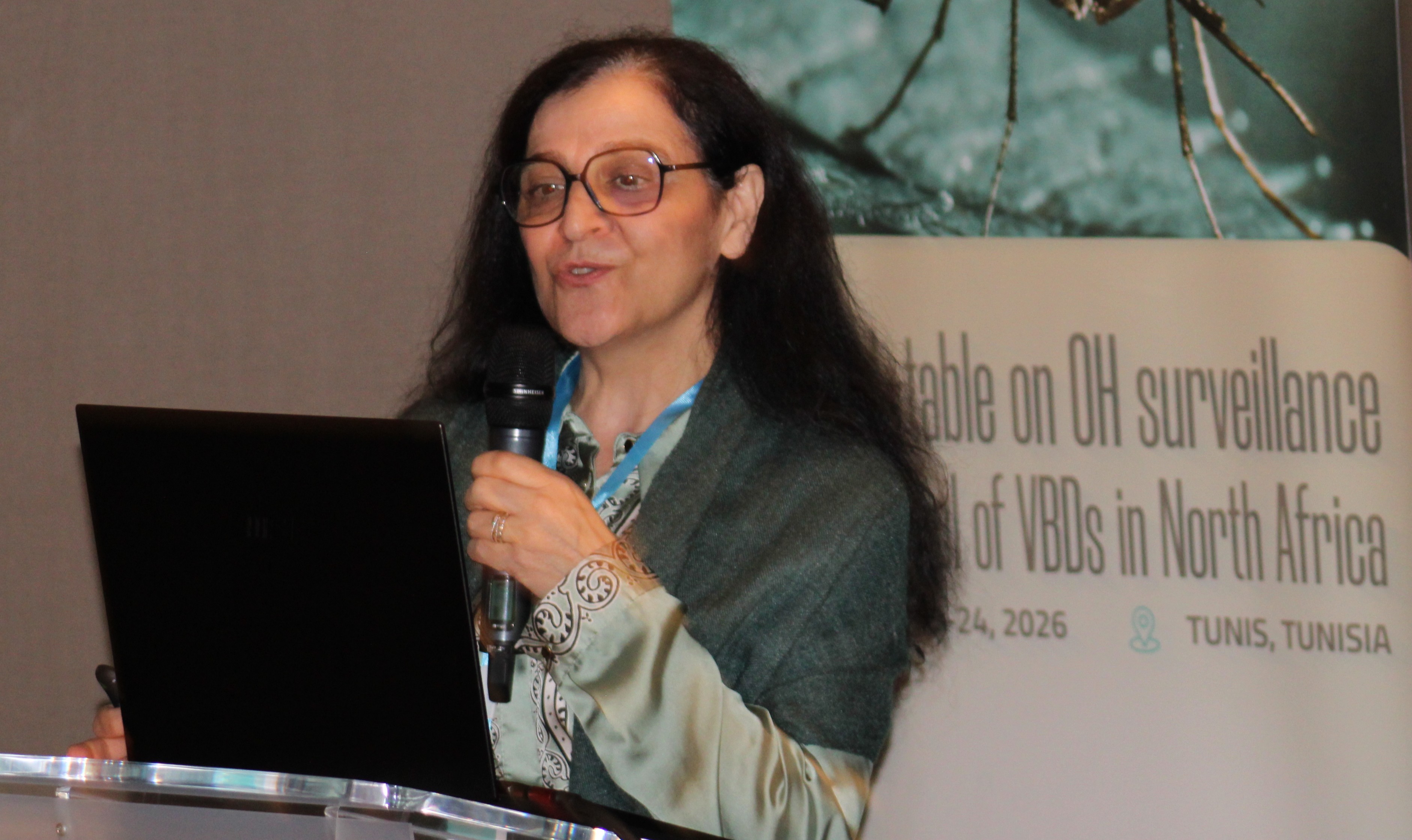
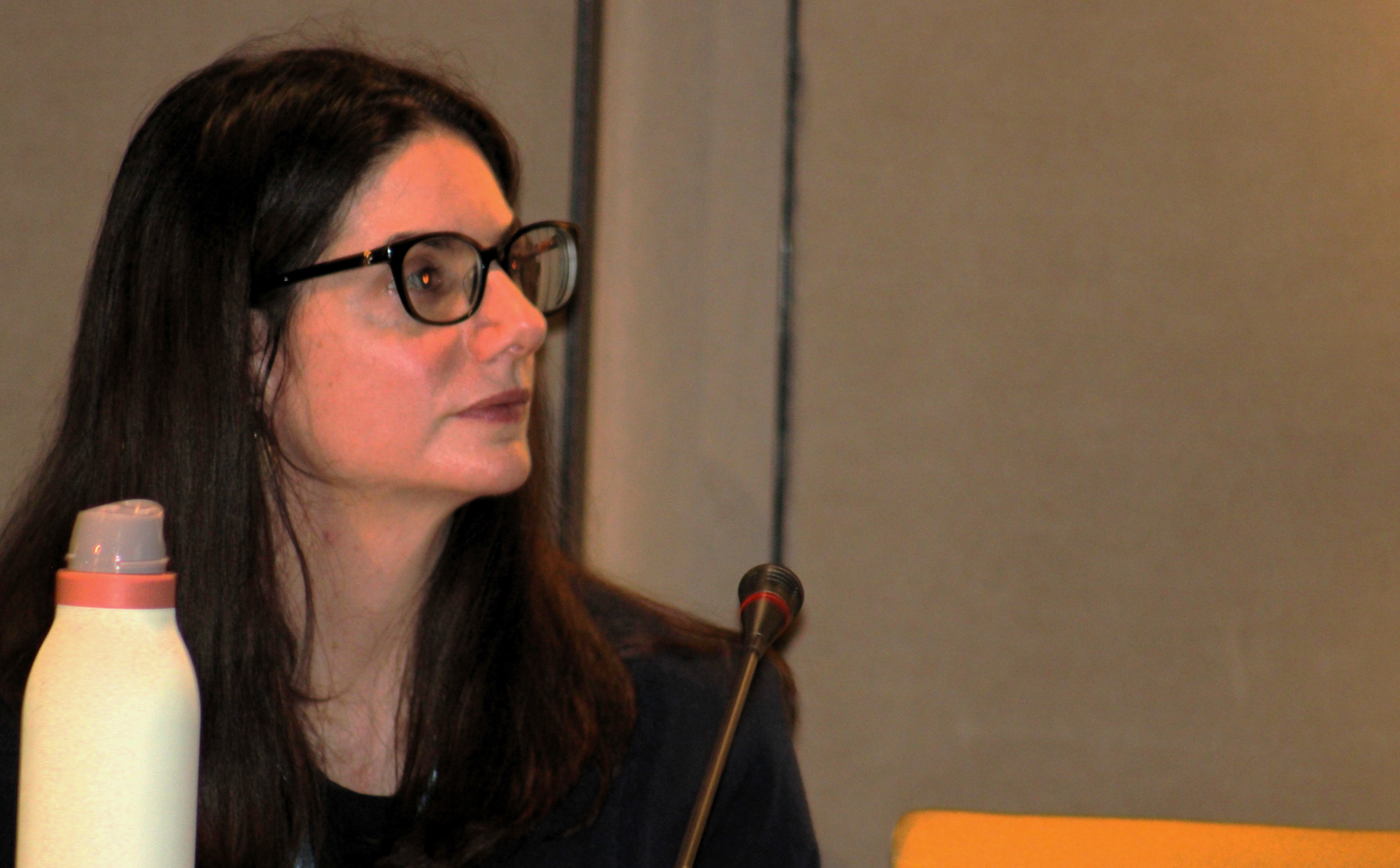
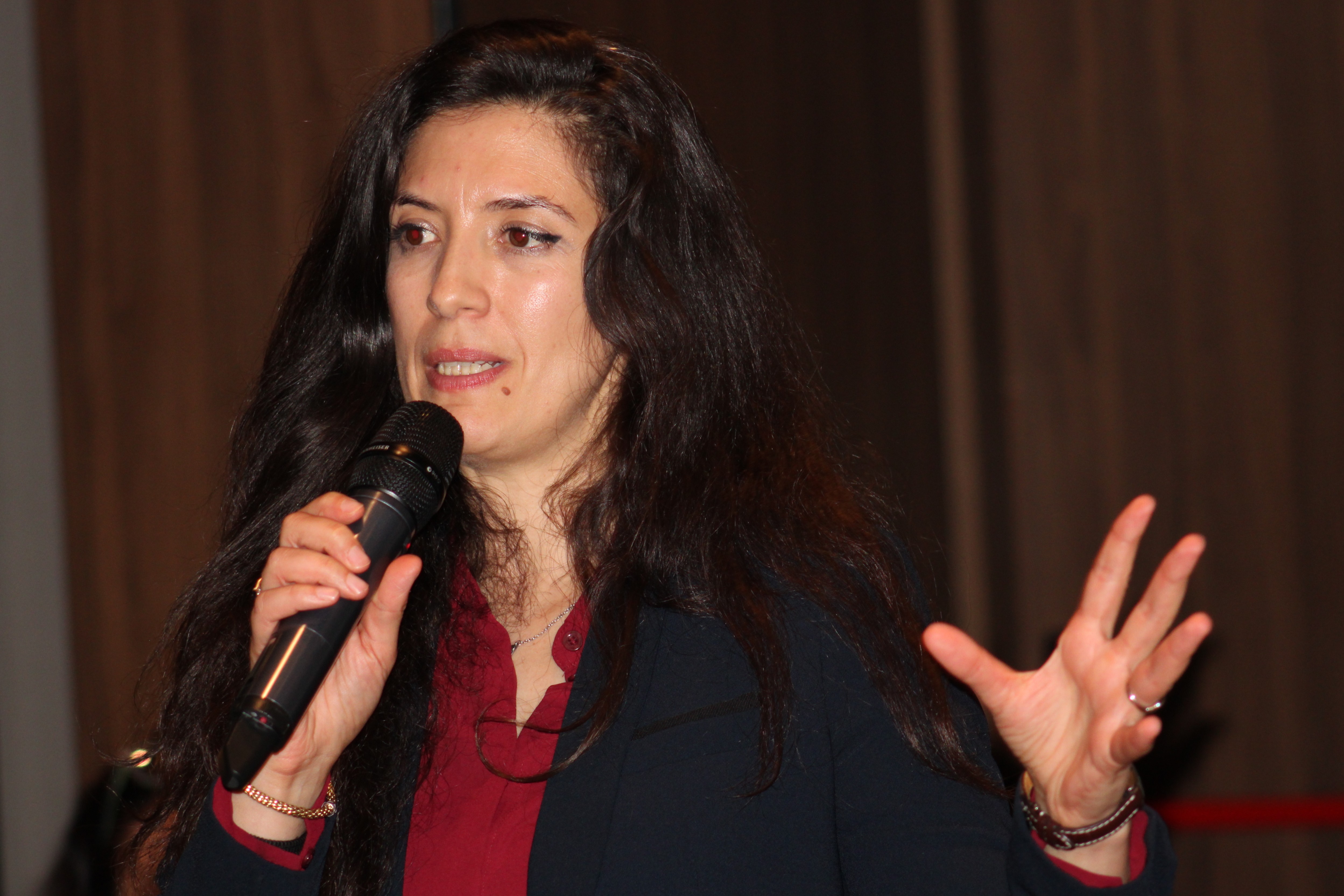
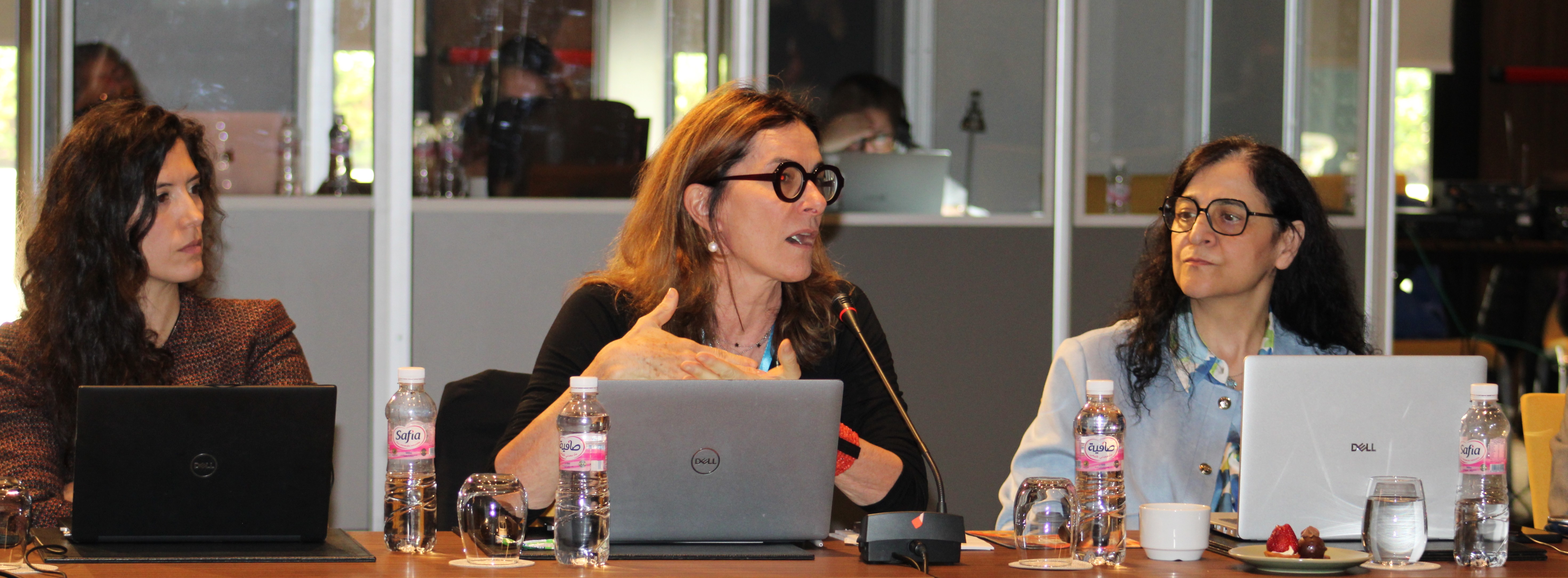
Dr Chadia Wannous, Global One Health Coordinator, WOAH. Picture © N. Brik (woah) 2026
Building on these results, the Round Table brought together countries, technical partners and donors to align identified needs with available and potential support.
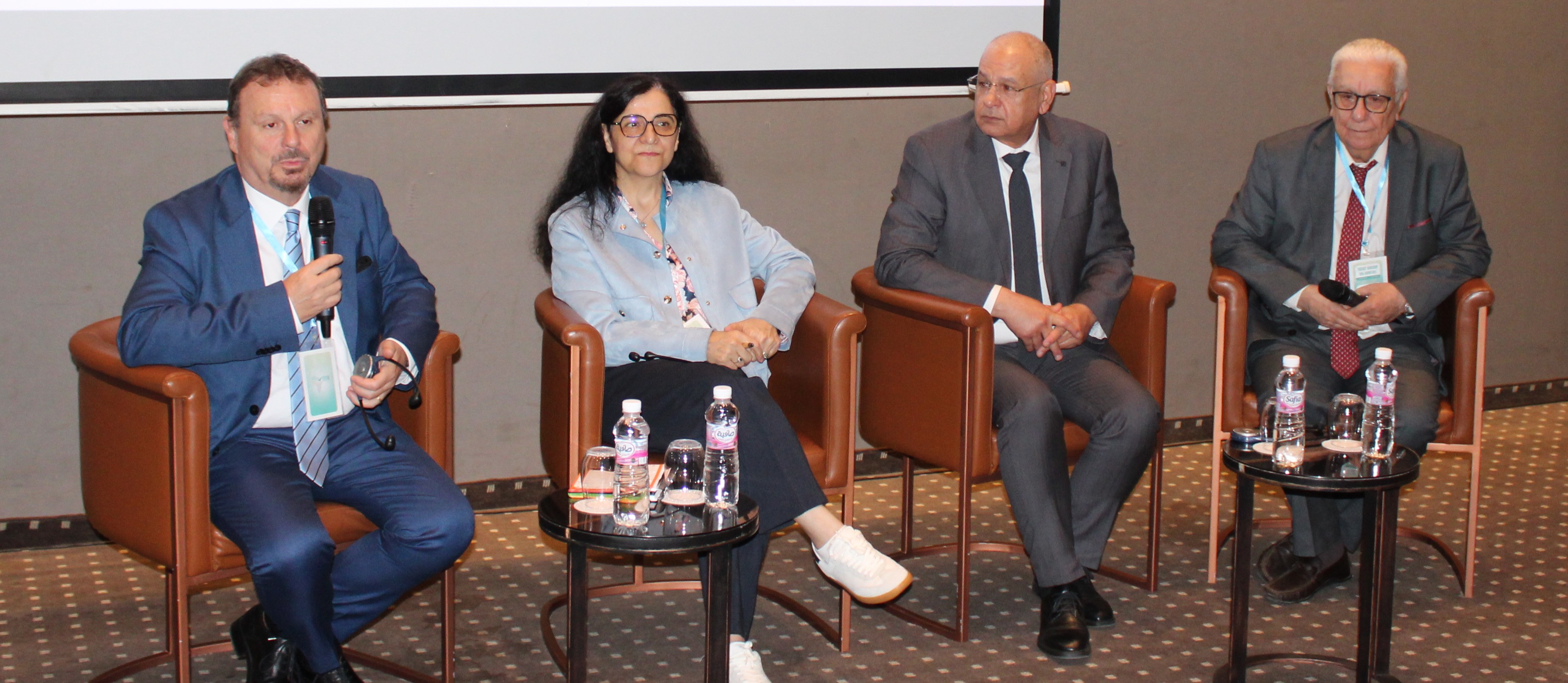
Countries presented their national priorities, while partners—including international organisations, research networks and regional institutions—outlined their ongoing and planned activities, tools and areas of expertise. A dedicated plenary discussion enabled participants to explore how to better match demand and supply, highlighting opportunities to strengthen collaboration, build on existing initiatives, and improve coordination across sectors and countries.
On the second day of the round table, donors and funding partners shared their strategic priorities and perspectives, providing a basis for identifying opportunities for collaboration across the six priority areas.
These discussions led to the definition of concrete priority actions, with indicative actors and timelines, focusing on feasible steps to support countries in strengthening VBD surveillance and control under a One Health approach.
The outcomes of the discussions will be consolidated by WOAH, including the identified priority needs, gaps and proposed actions therefore will support the development of a structured mapping of available support and follow-up activities.
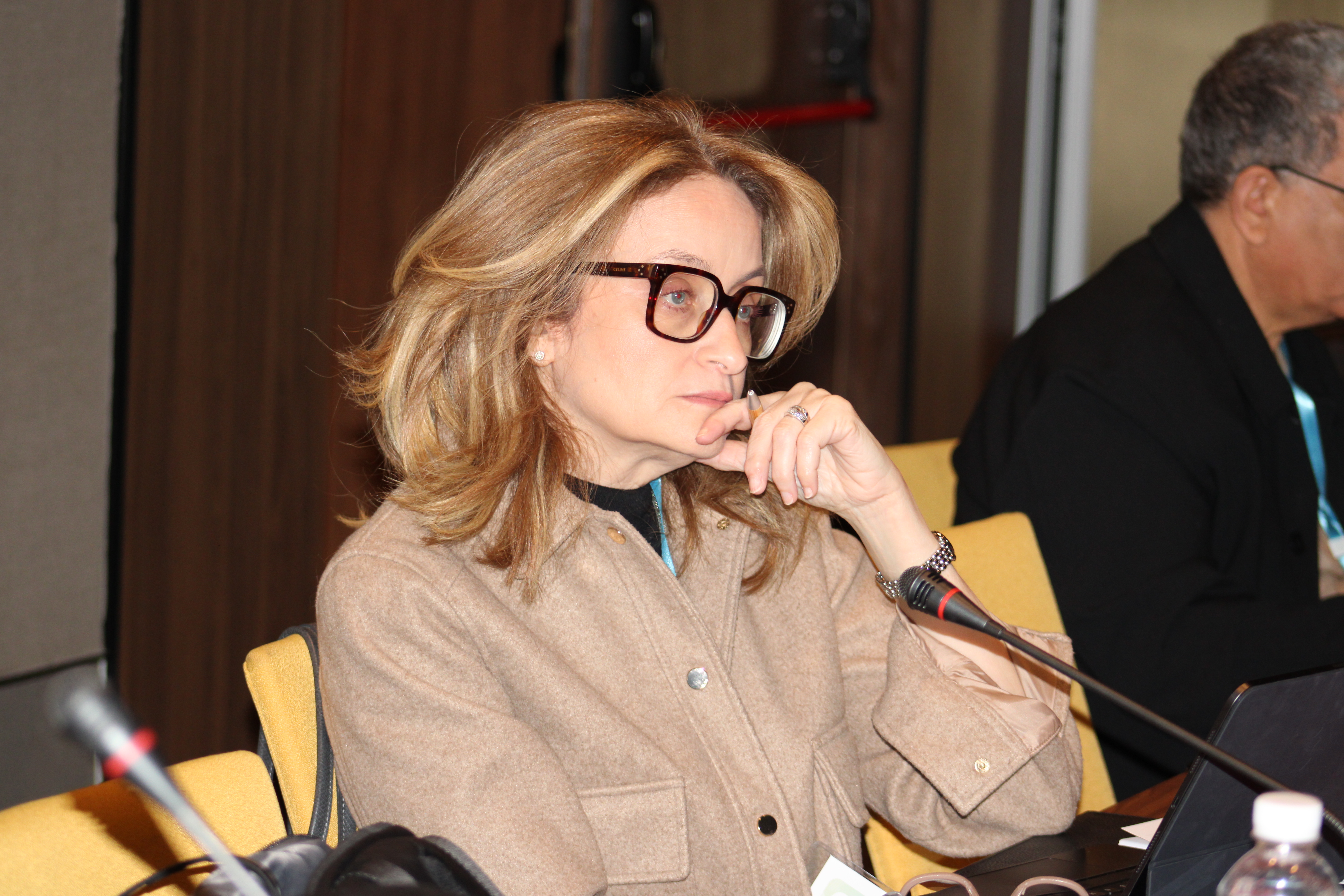
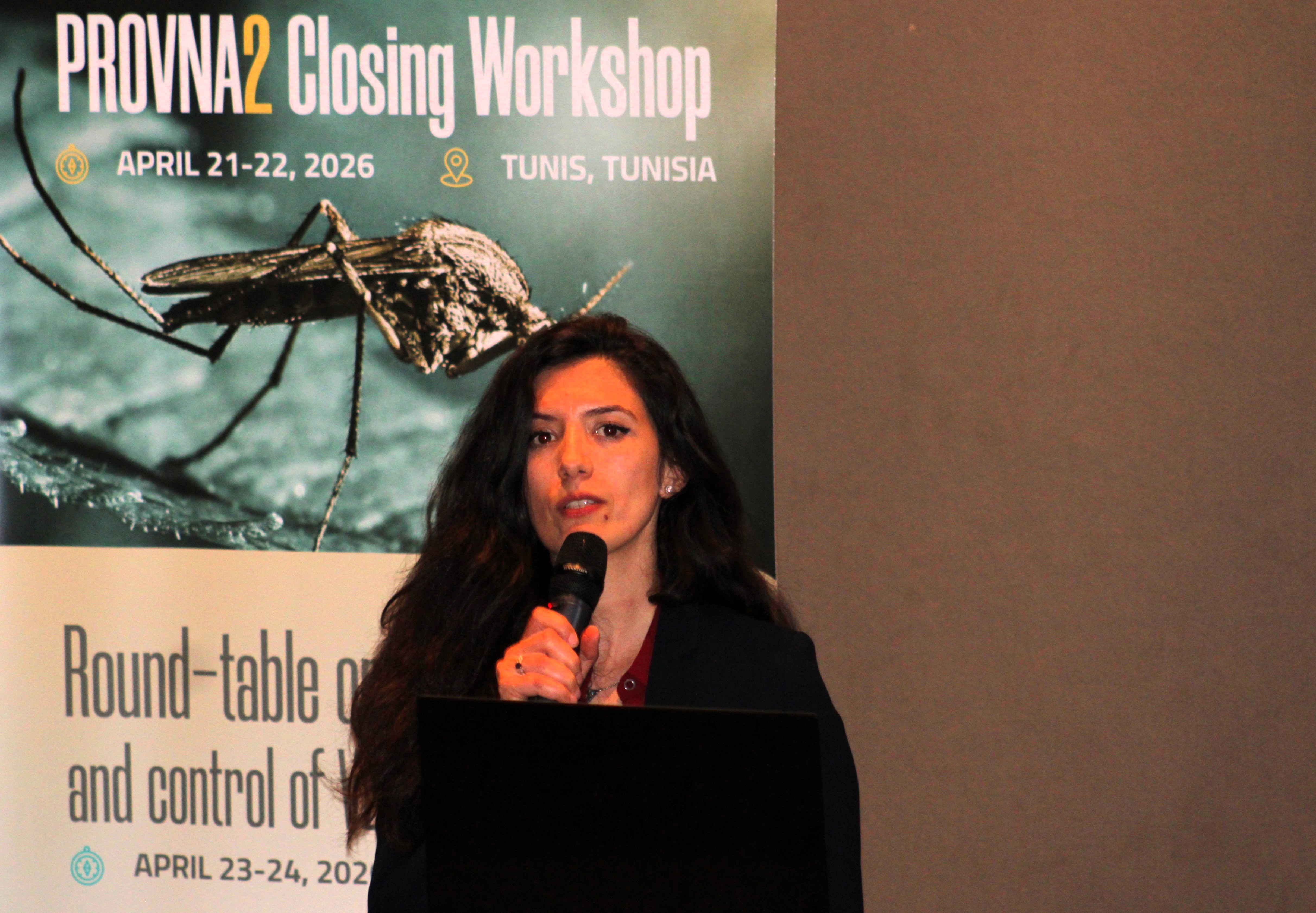
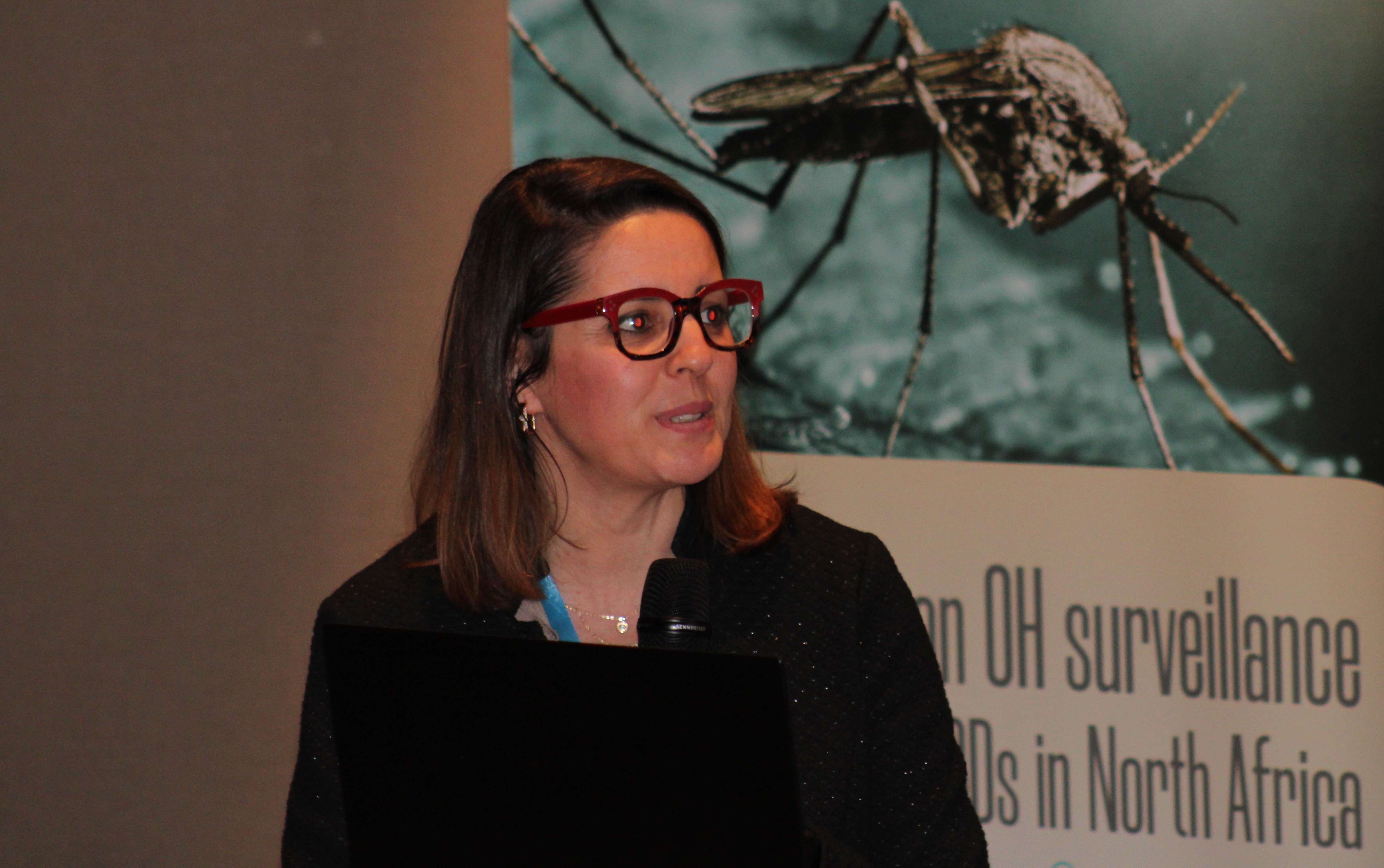
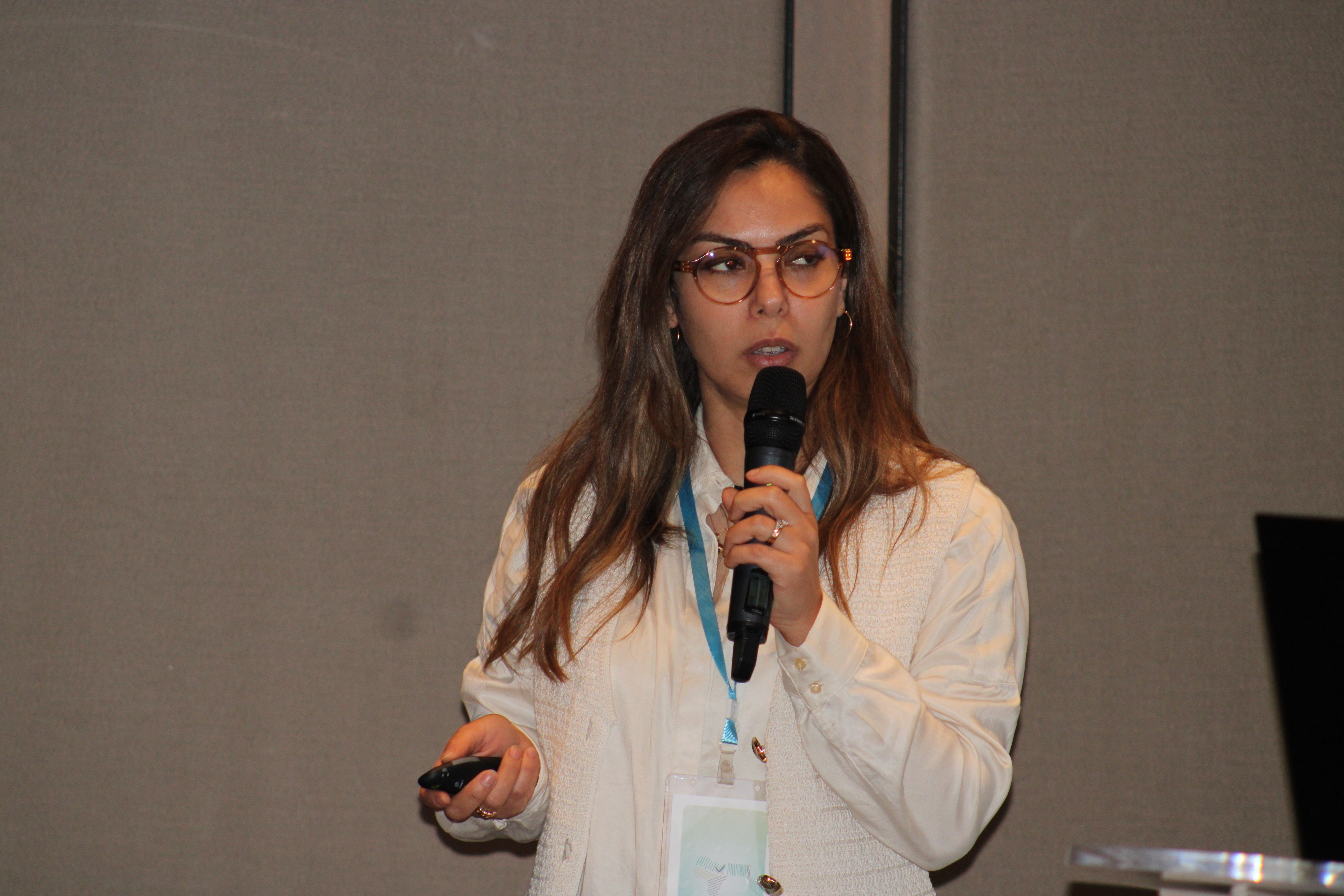
Dr Asma Saidouni, Veterinary Epidemiologist , Technical Officer (One Health), World Health Organization (WHO) Libya Country Office. Picture © N. Brik (woah) 2026
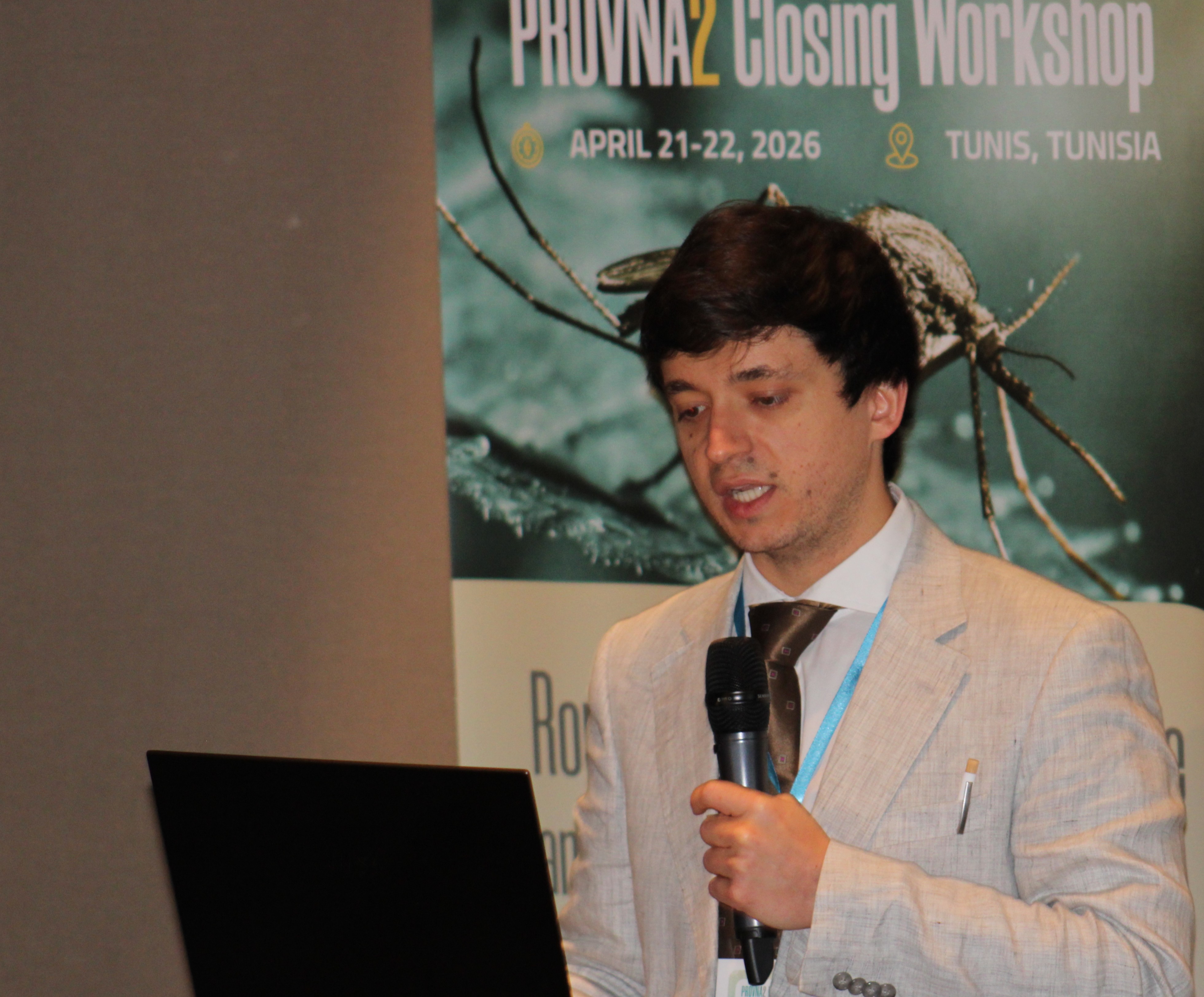
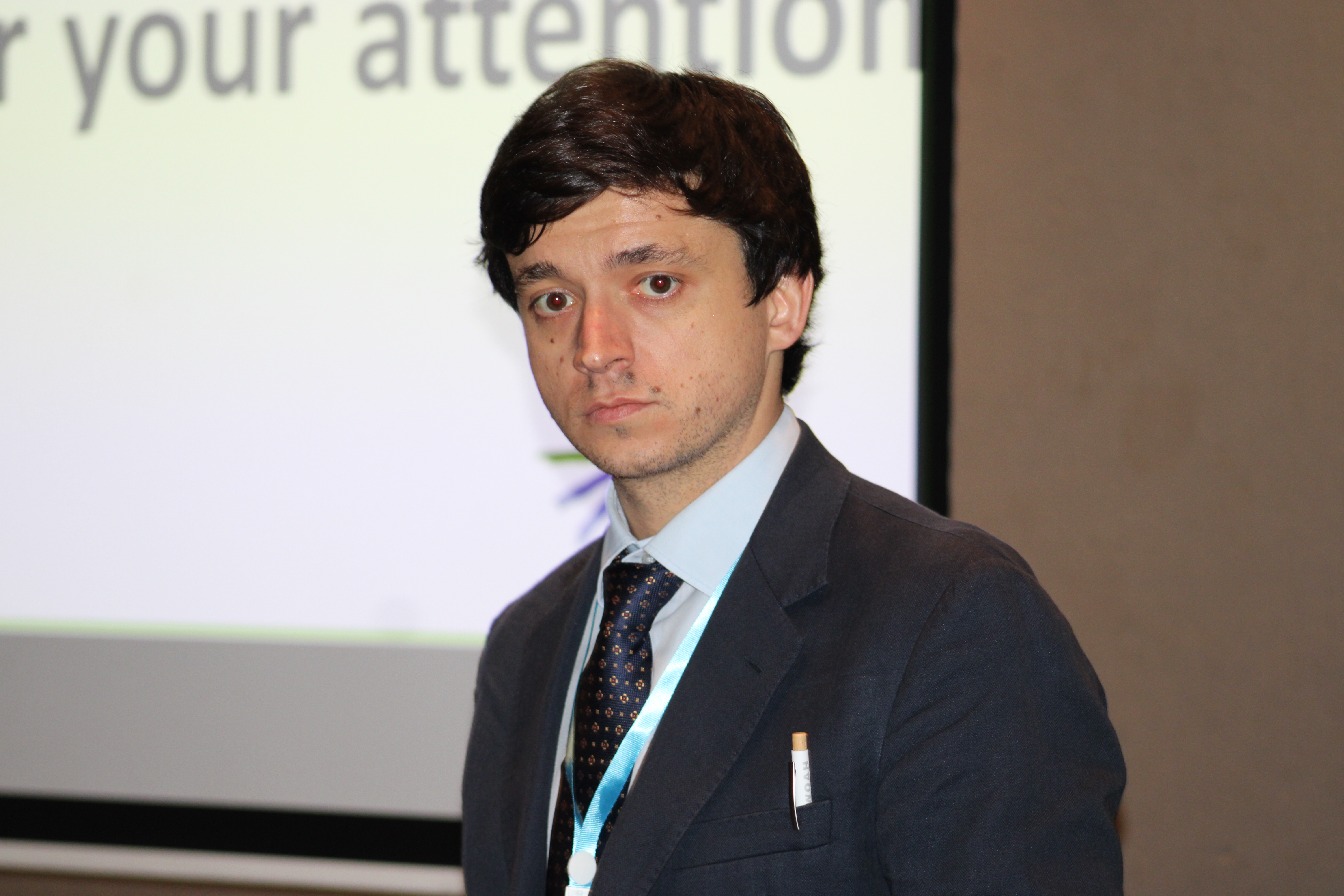
Dr Francesco Valentini, IZS (Teramo) Italy. Picture © N. Brik (woah) 2026
Dr Asma Saidouni, Veterinary Epidemiologist , Technical Officer (One Health), World Health Organization (WHO) Libya Country Office. Picture © N. Brik (woah) 2026
Dr Francesco Valentini, IZS (Teramo) Italy. Picture © N. Brik (woah) 2026
The combined workshop and round table reaffirmed the importance of a collaborative and coordinated One Health approach to address the complex and evolving challenges posed by vector-borne diseases in North Africa.
By bringing together countries, technical partners and donors in a structured dialogue—from analysis to action—this initiative represents an important step towards building more resilient, integrated and sustainable systems for the prevention and control of VBDs in the region.