



FLICKR
Album Photo
Read more
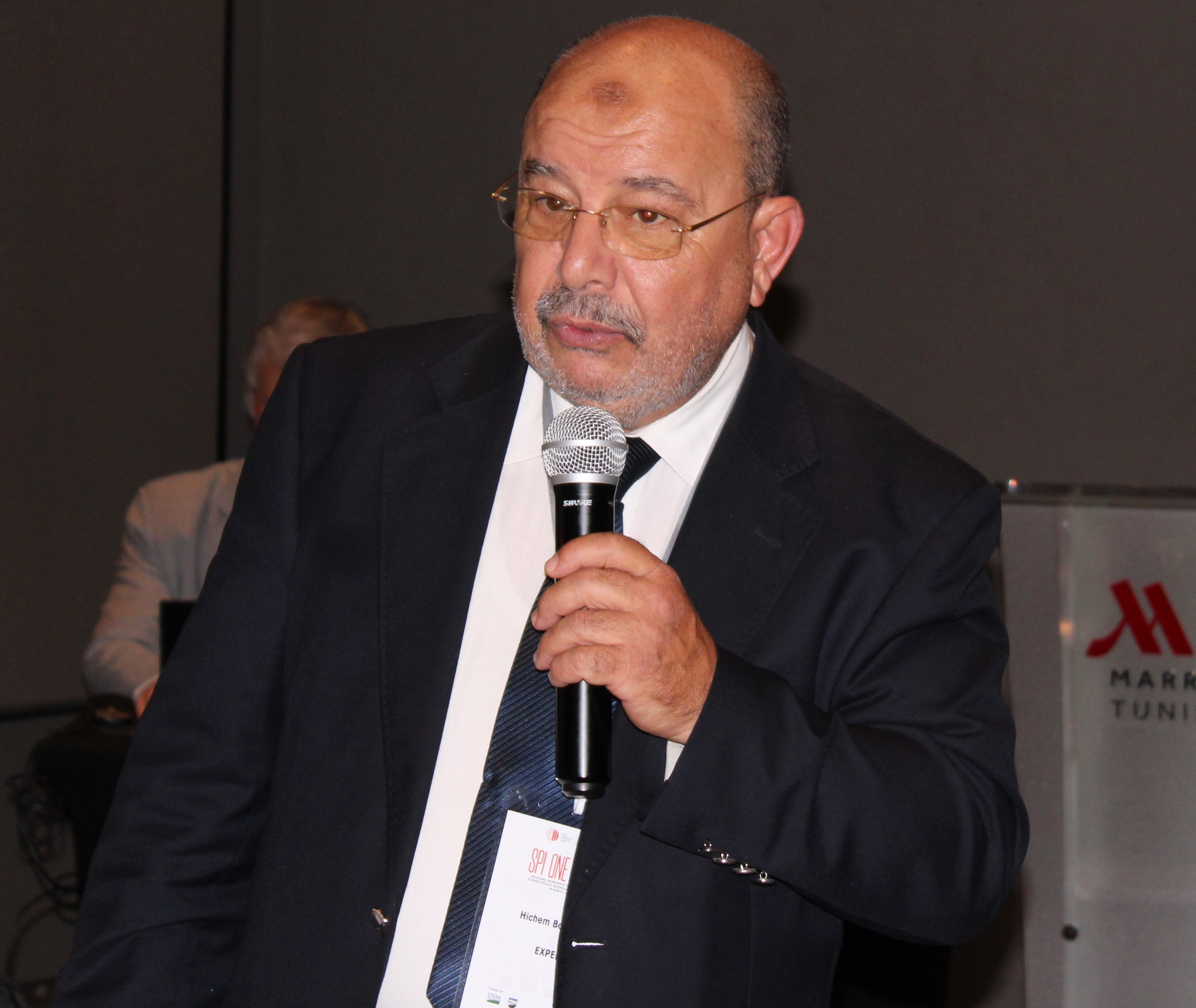
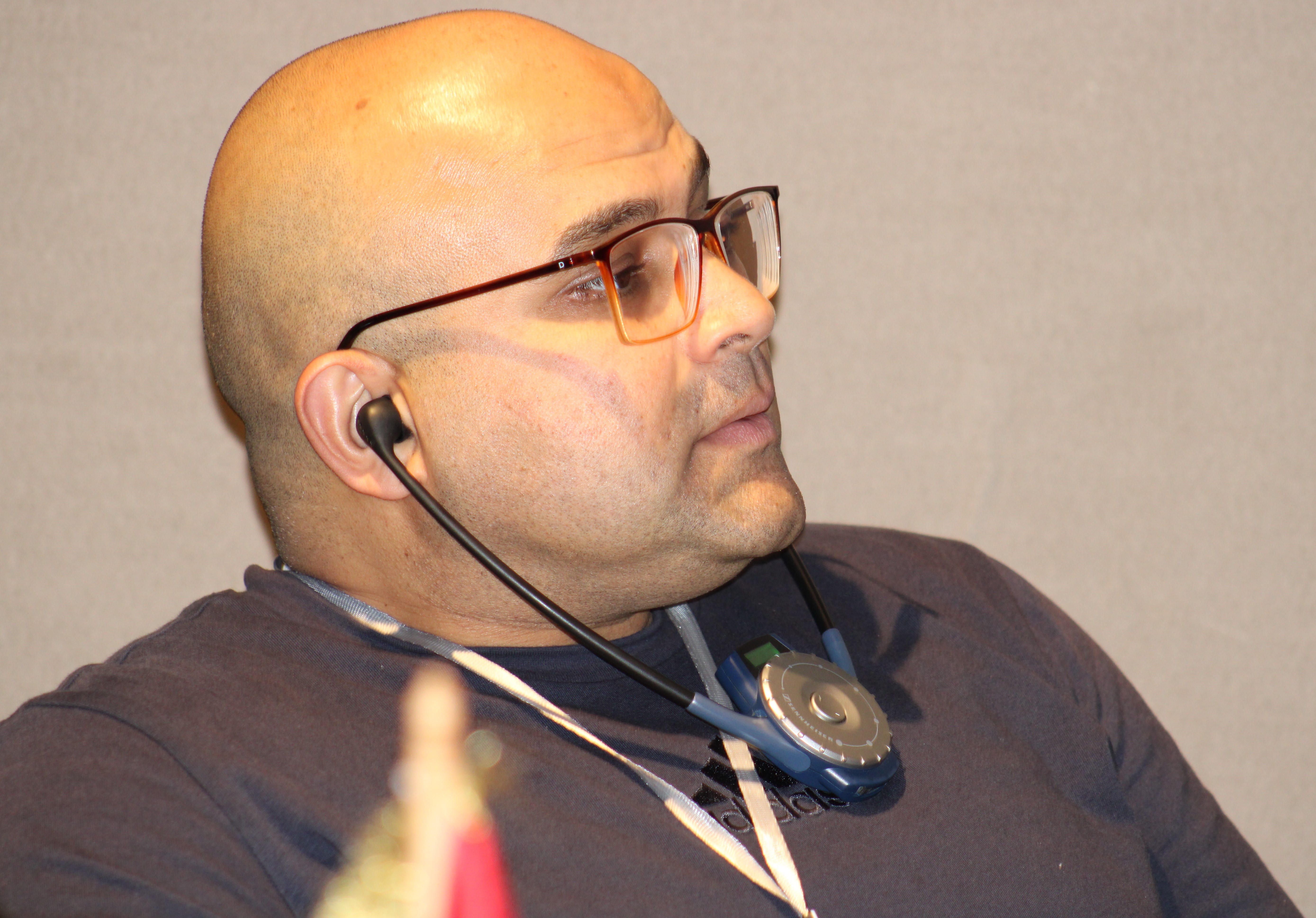
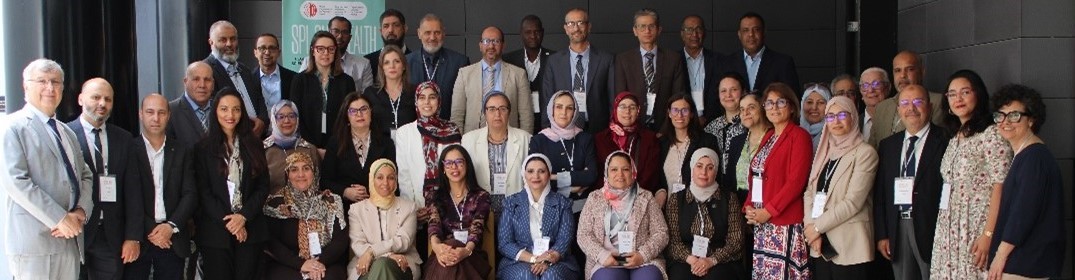
From 5 to 7 May 2026, the Sub-Regional Representation of the World Organisation for Animal Health for North Africa organized in Tunisia the first sub-regional workshop dedicated to strengthening science–policy interfaces (SPI) within the One Health approach. This event brought together six countries from the region — Algeria, Egypt, Libya, Mauritania, Morocco, and Tunisia — marking a key milestone in strengthening regional cooperation on shared health challenges.
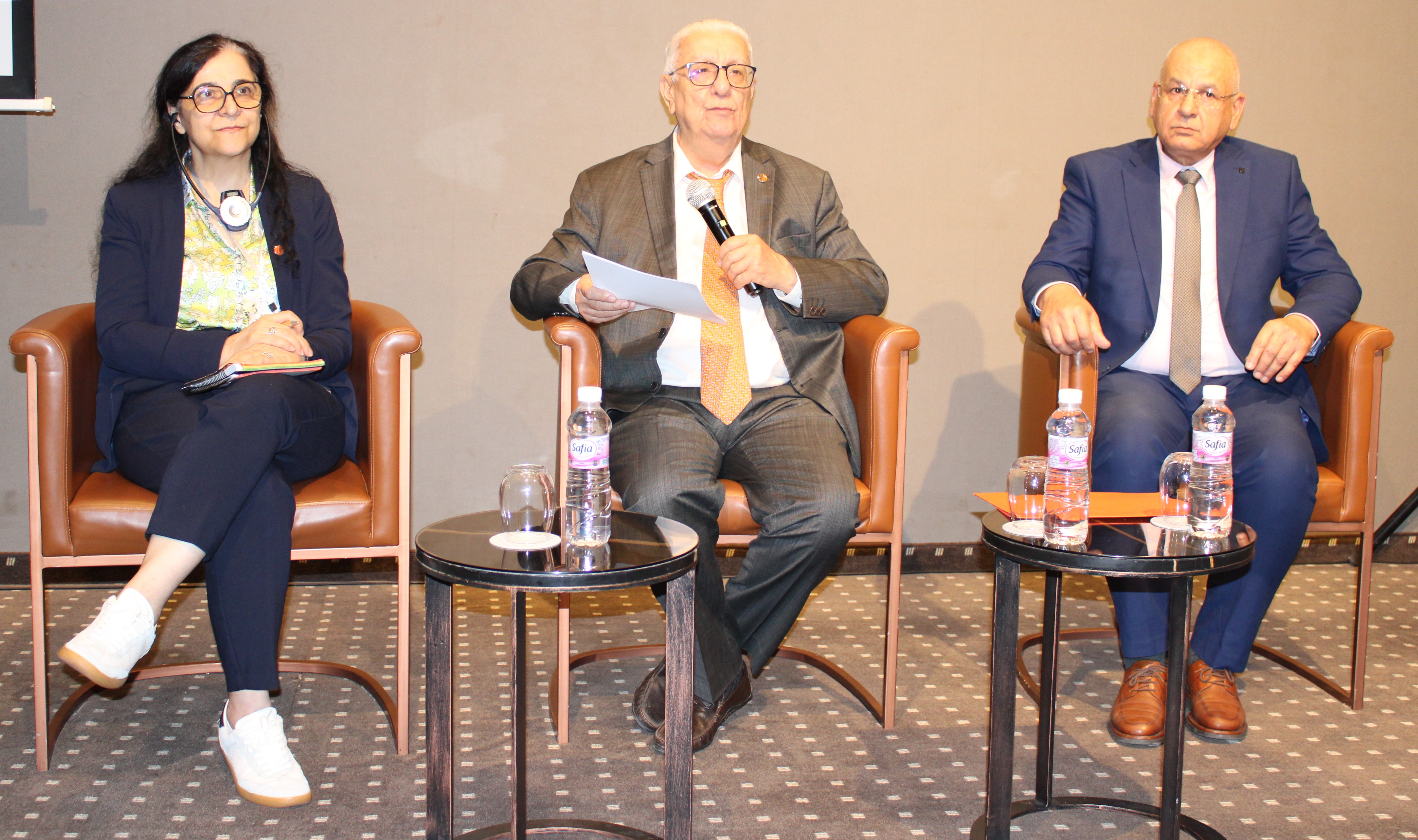
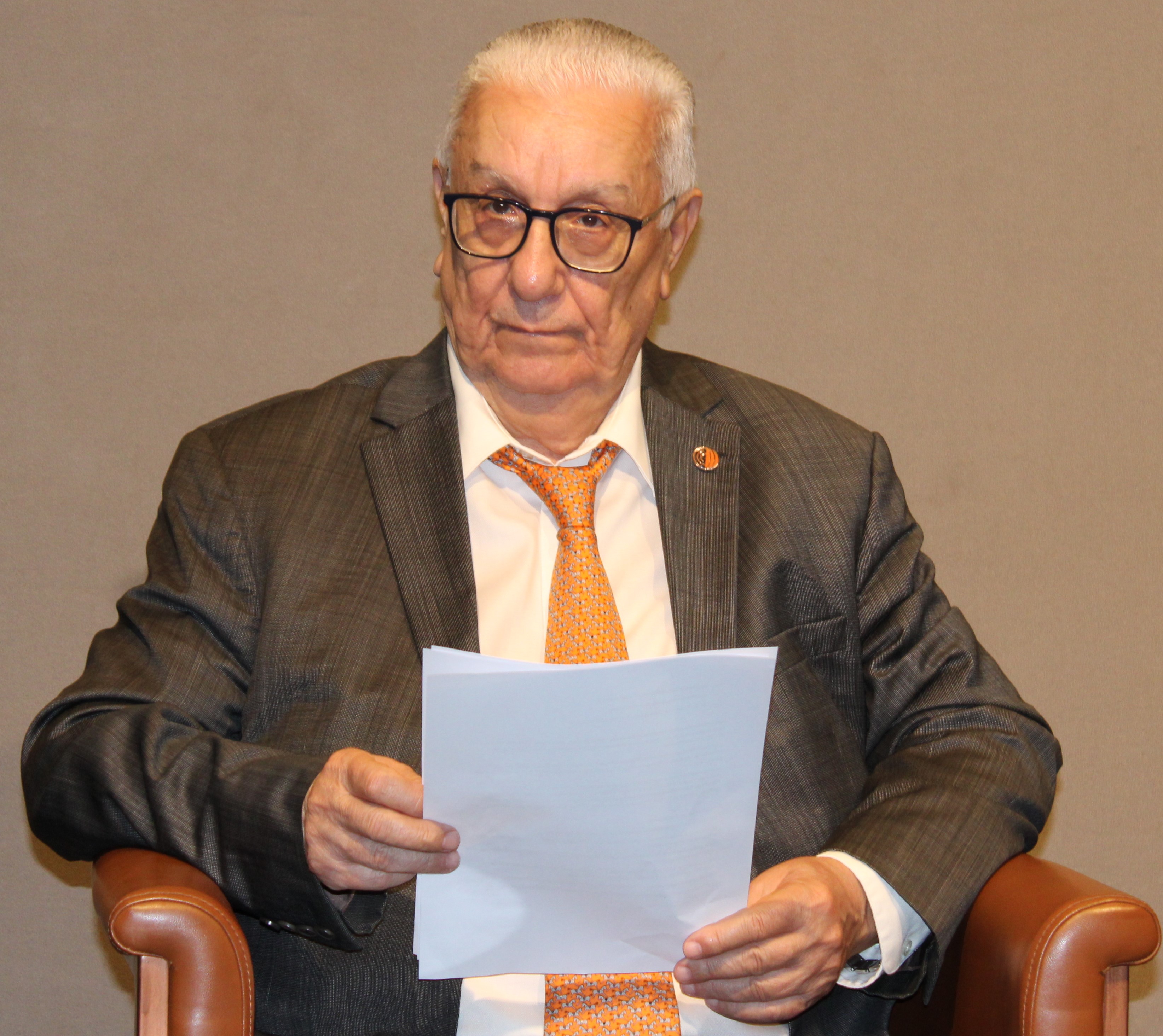
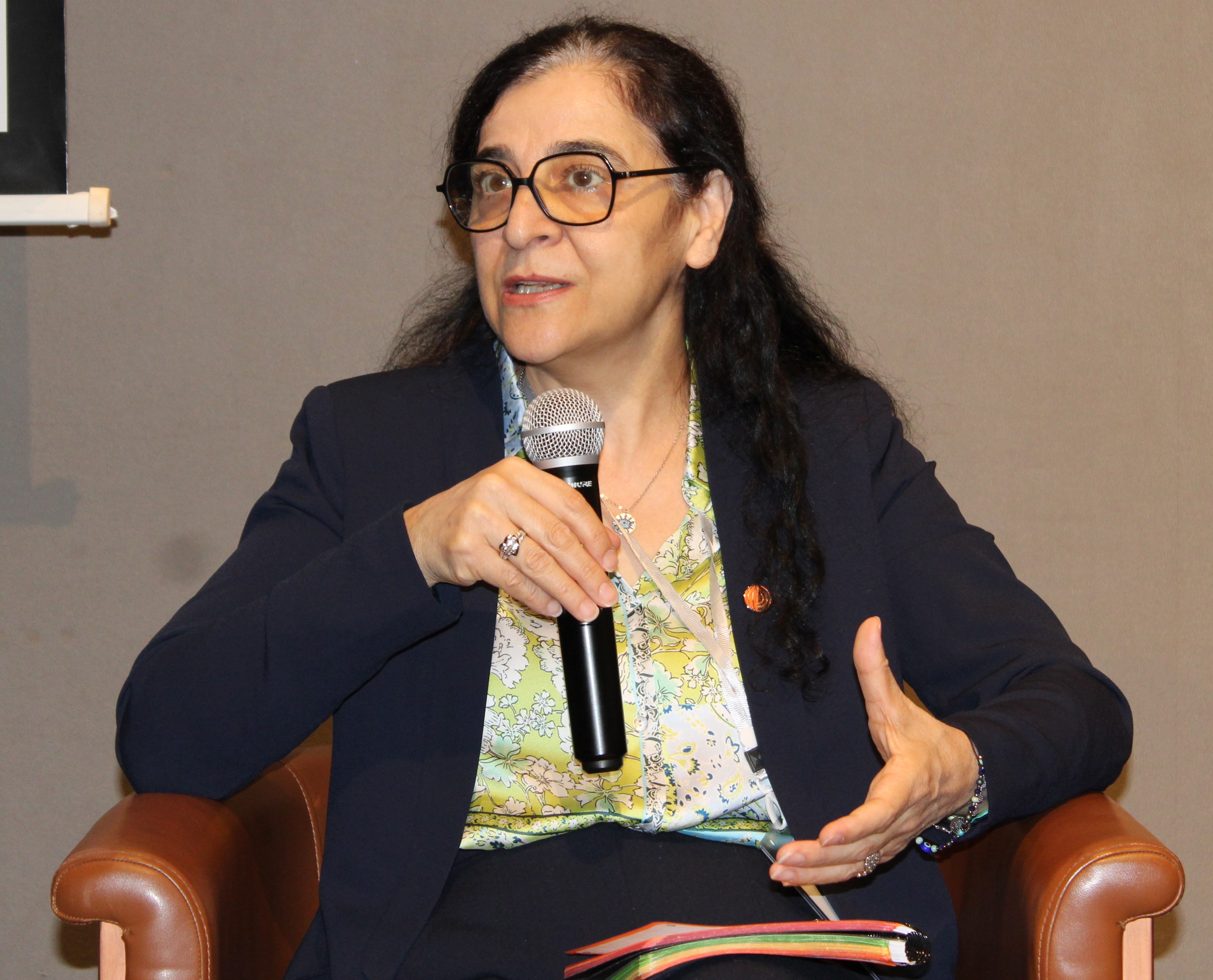
FLTR : Dr Chadia Wannous, One Health Department, WOAH, Dr Rachid Bouguedour, Sub-Regional Representation for North Africa, WOAH, and Dr Wahib Mehri, WOAH Delegate for Tunisia. Picture (c) communication (woah) 2026.
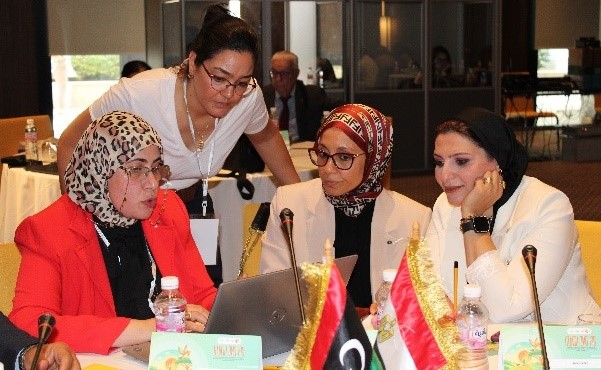
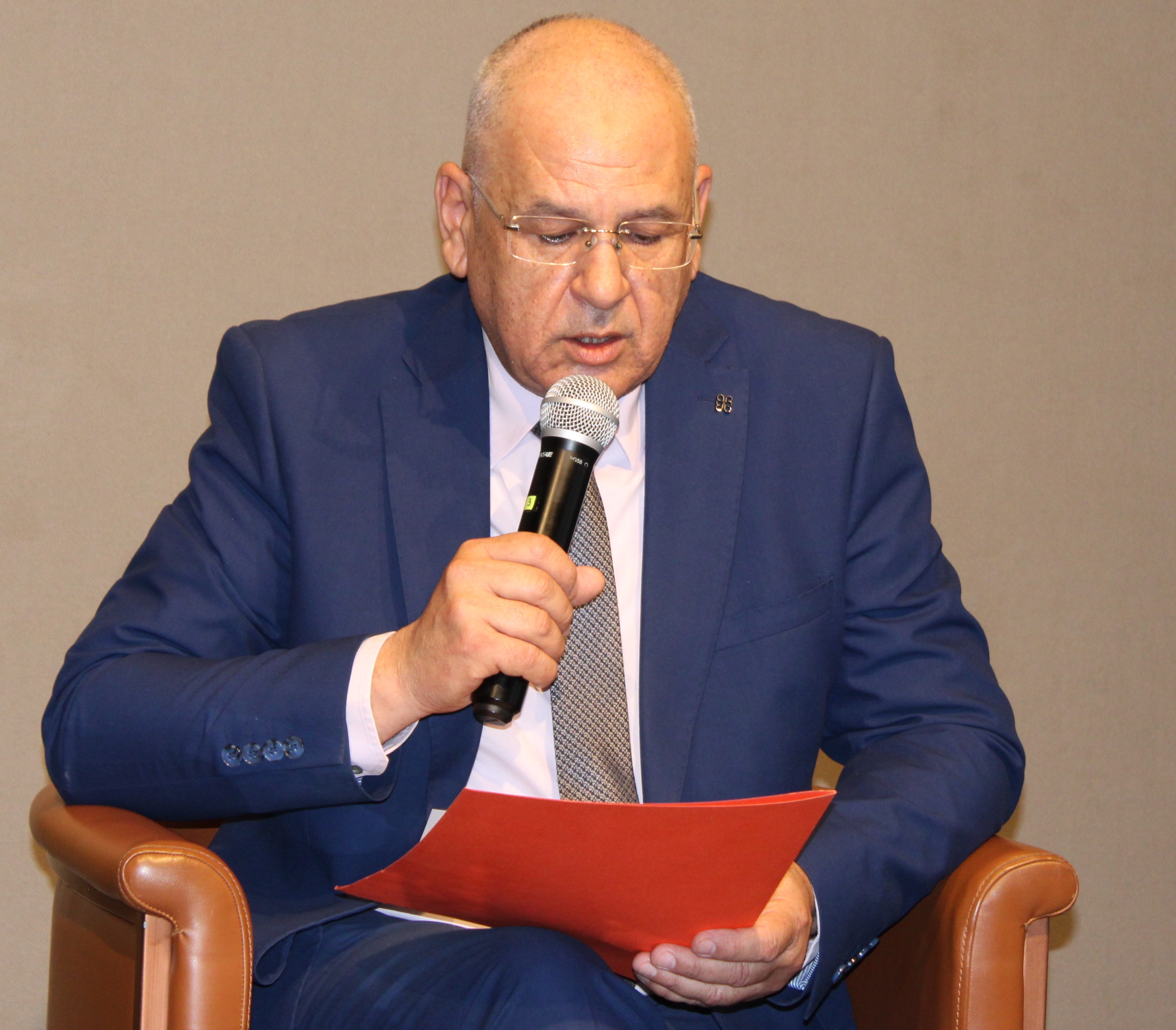
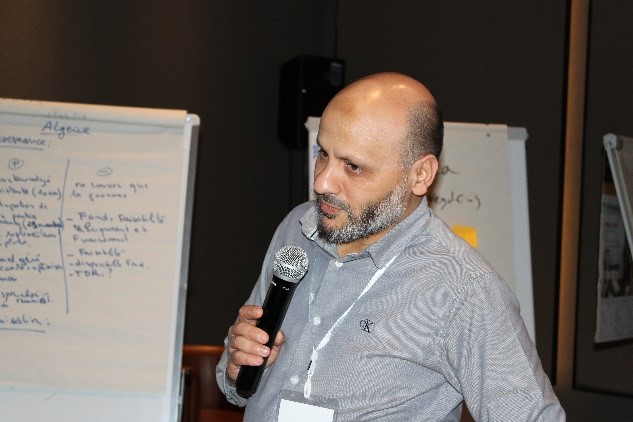
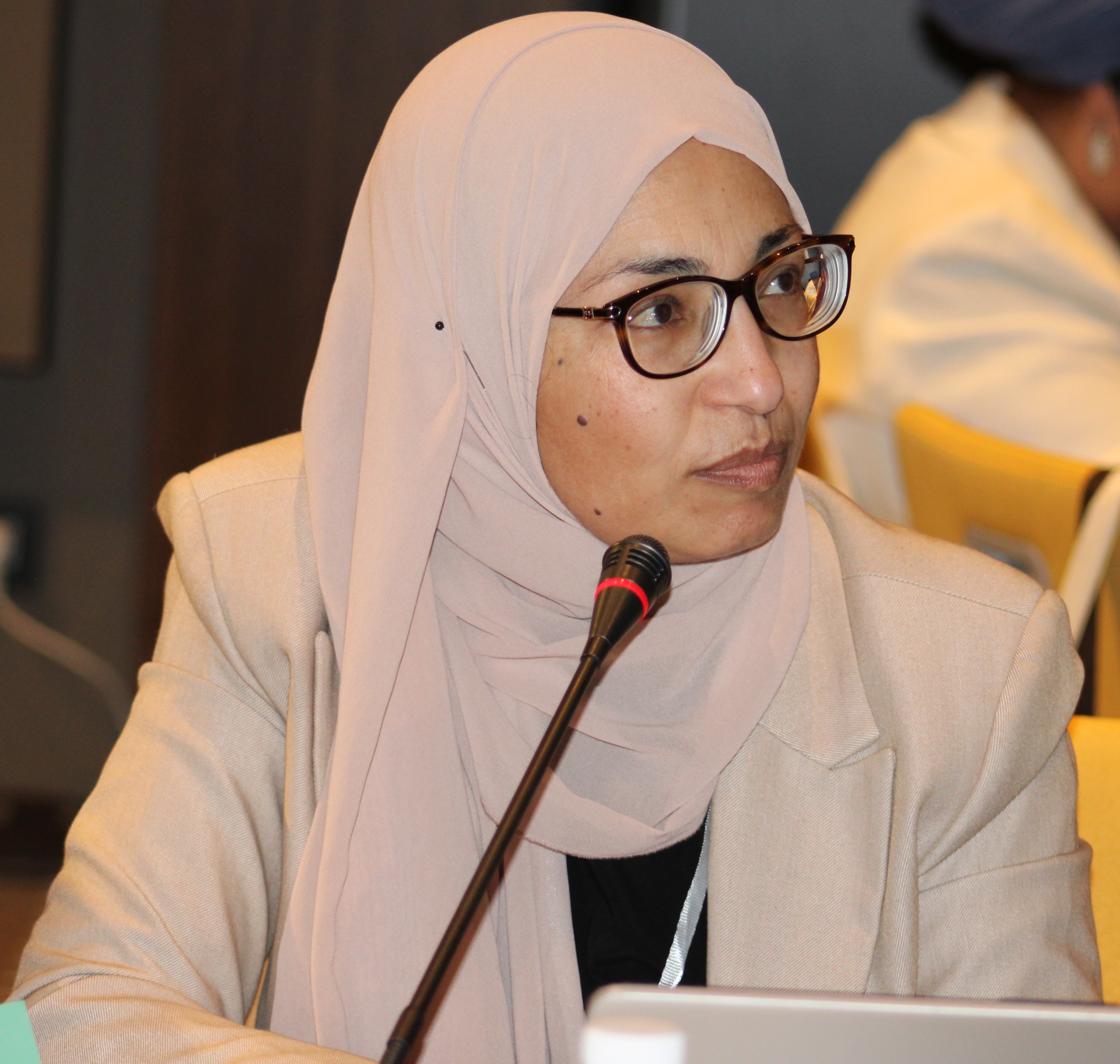
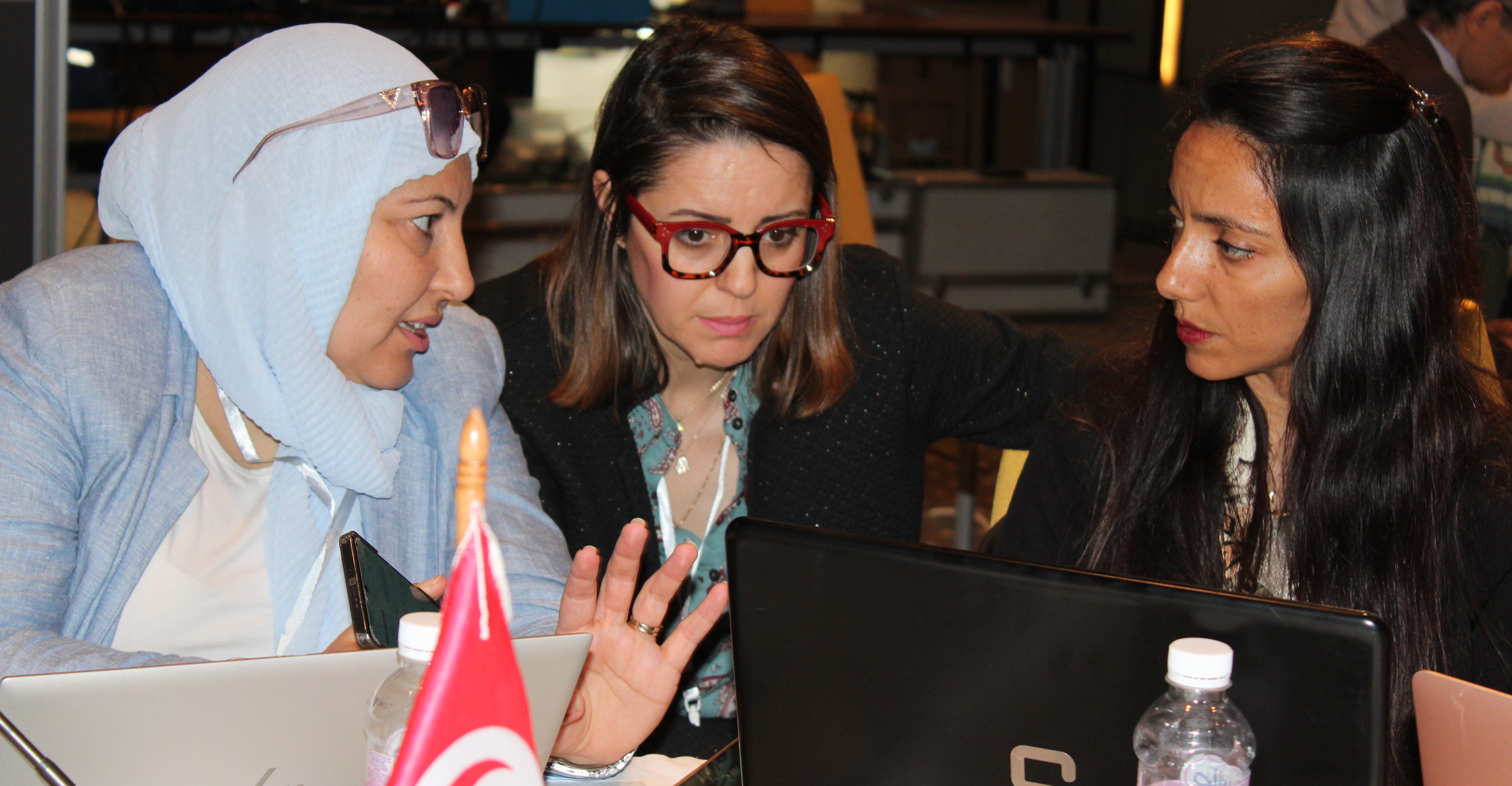
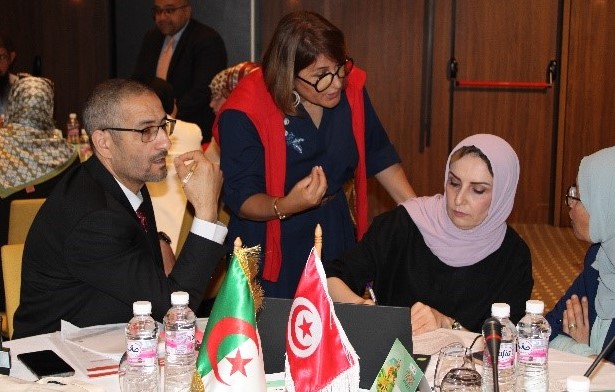
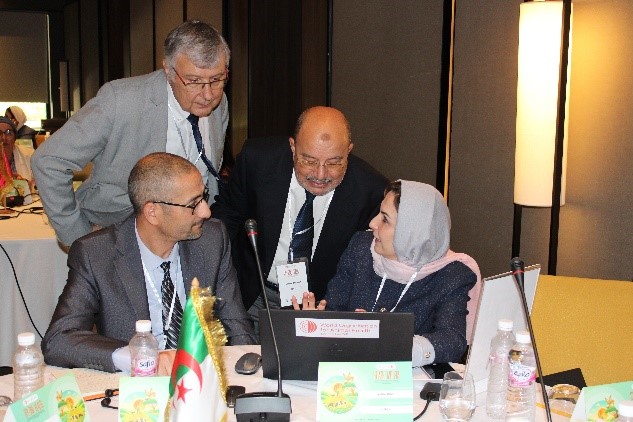
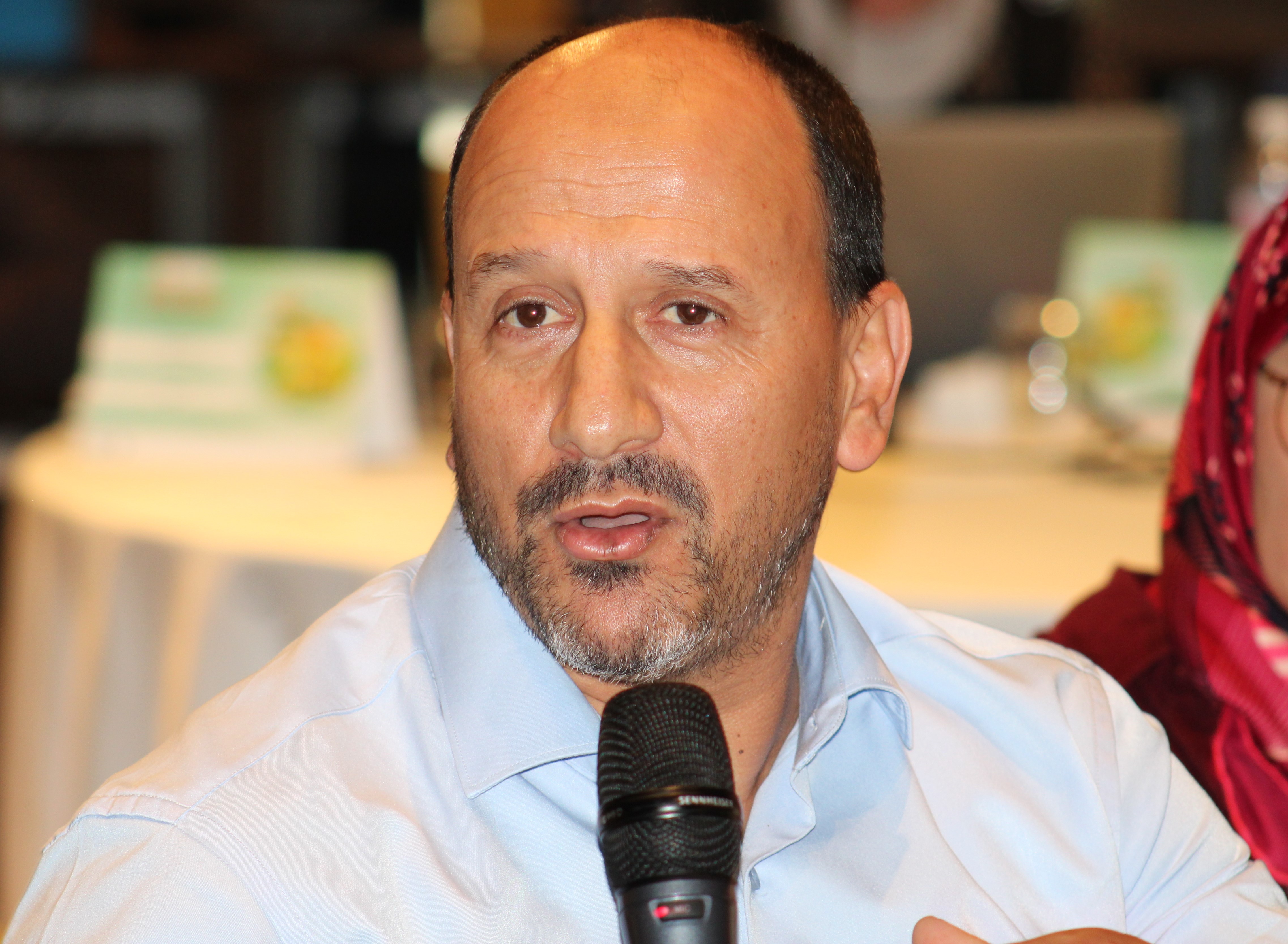
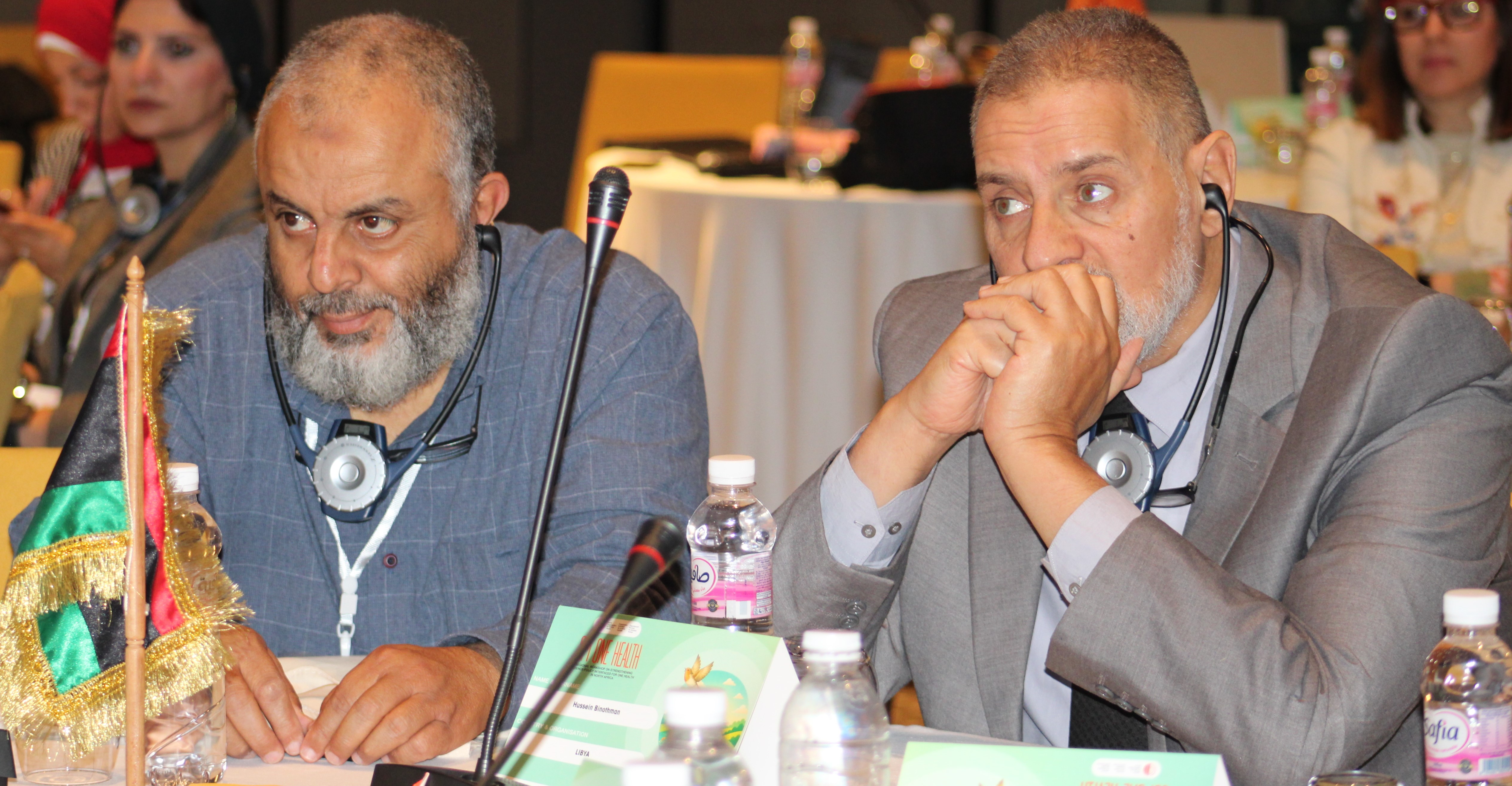
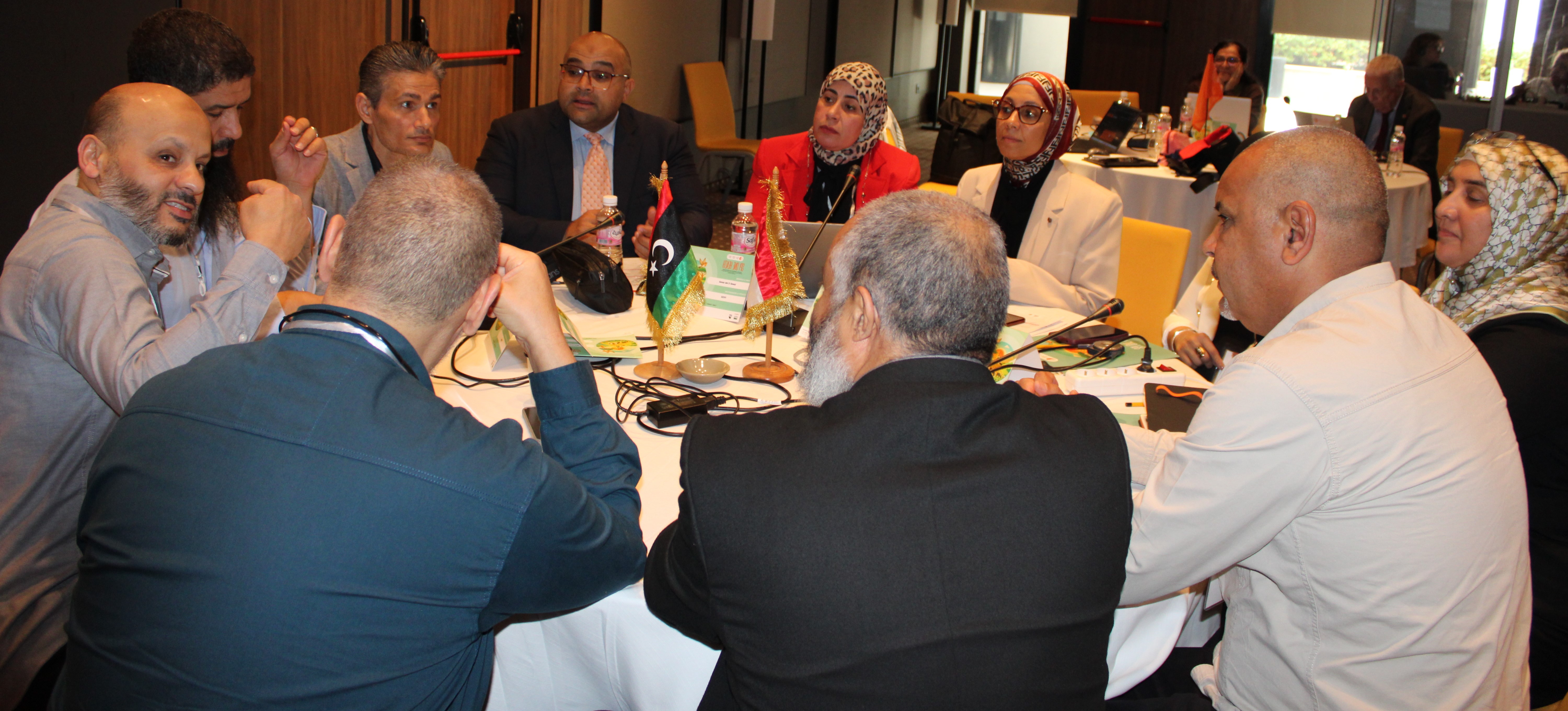
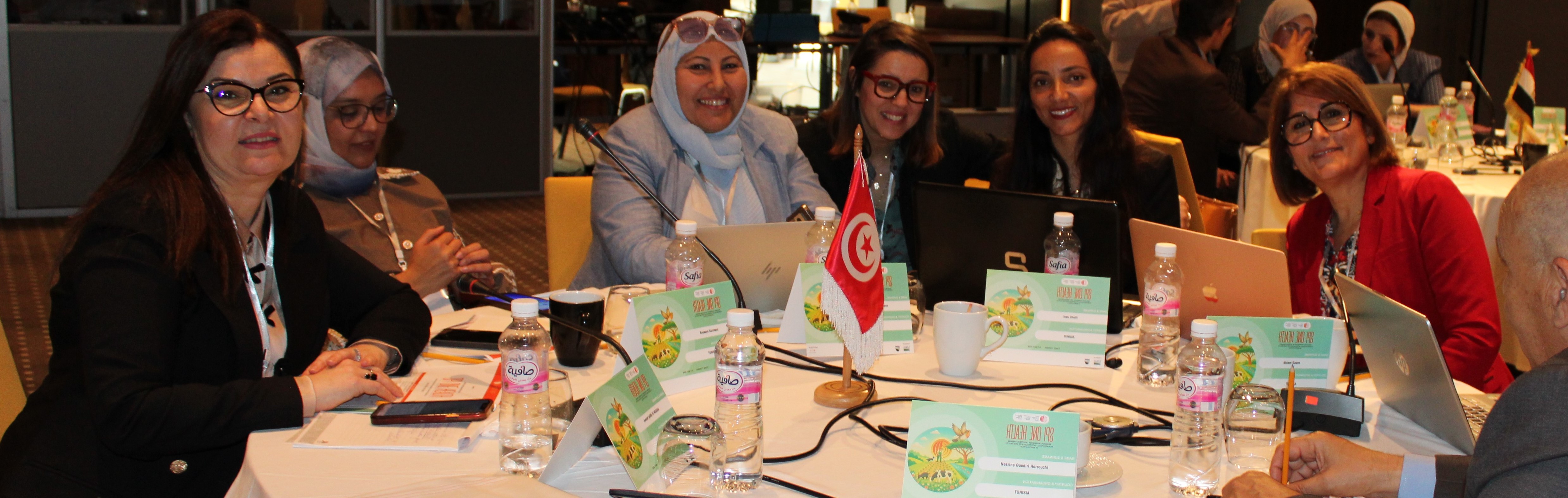
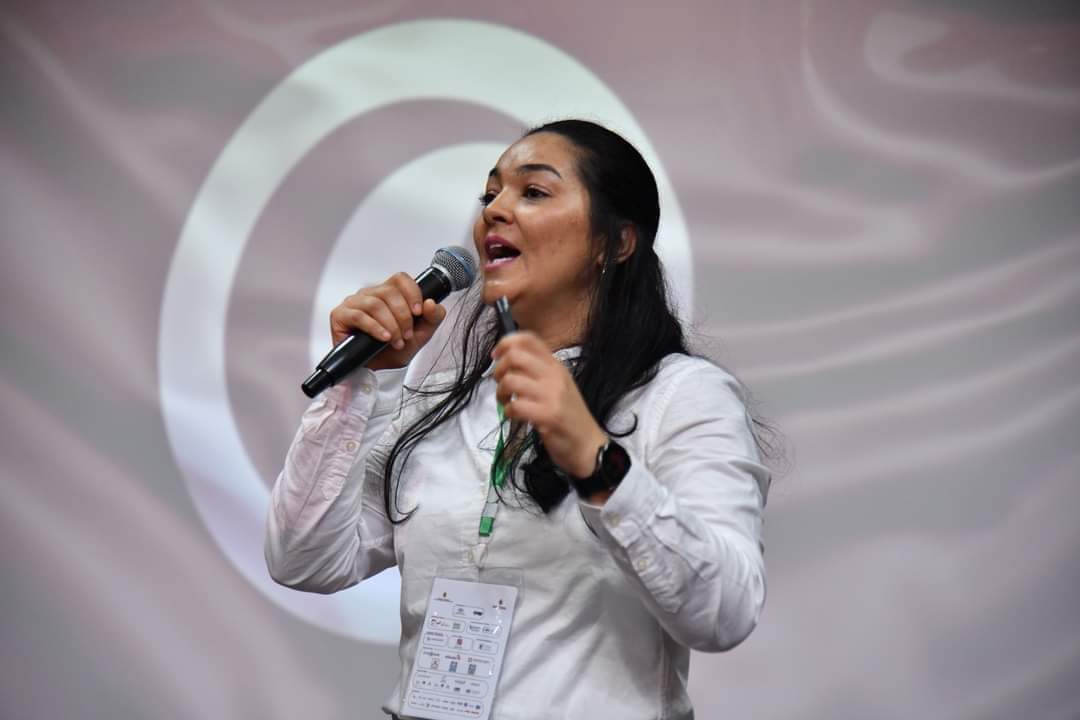
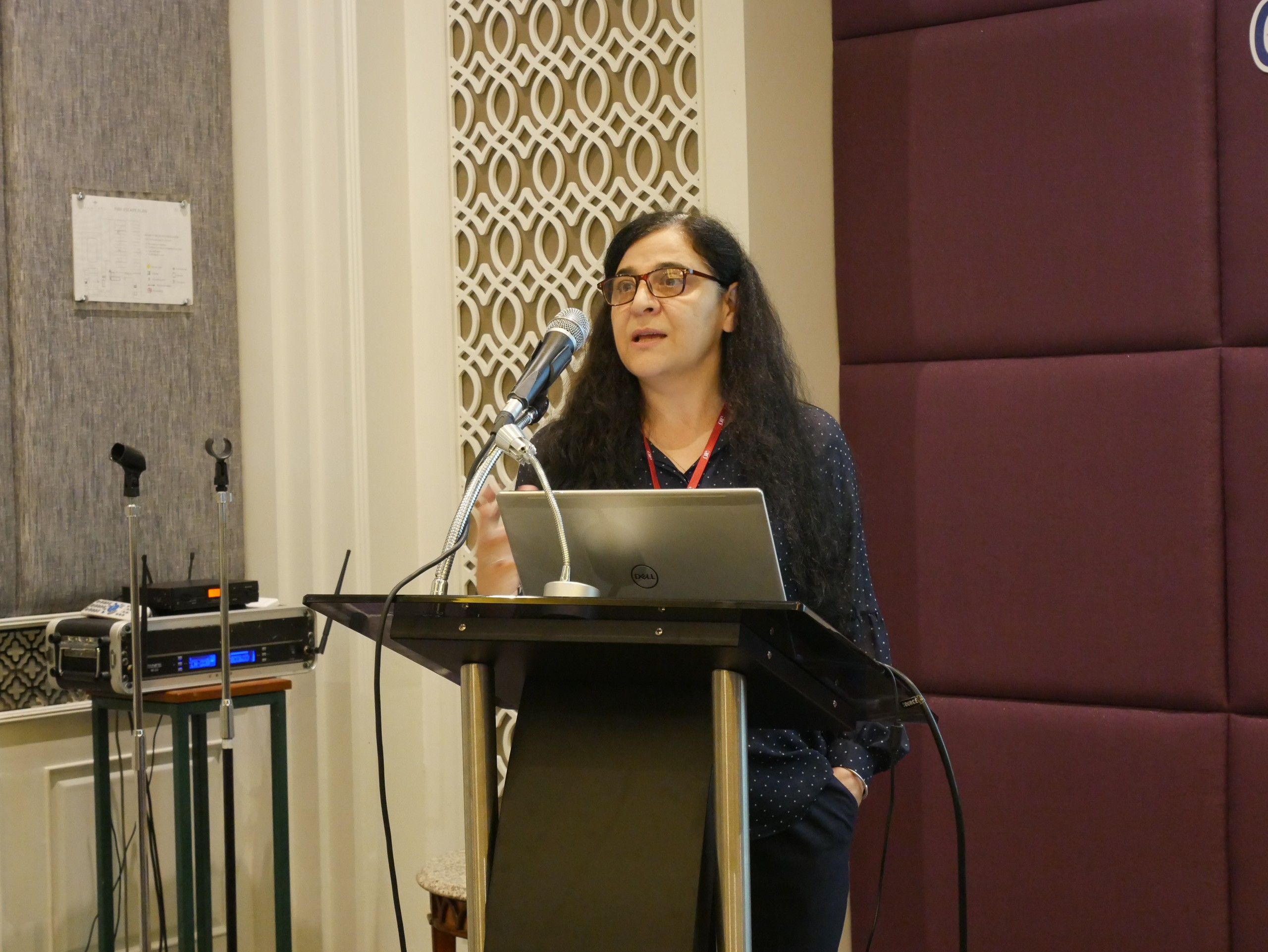
Over three days, participants from the animal health, human health, and environmental sectors worked in a fully collaborative dynamic. Through technical presentations, group work, country exercises, and regional exchanges, they engaged in collective reflection aimed at strengthening mechanisms that connect science and public decision-making.
Through this initiative, WOAH demonstrates its leadership by bringing the three key sectors around the same table. This multisectoral mobilisation is fully aligned with the vision of the One Health Joint Plan of Action (2022–2026), implemented in partnership with the World Health Organization, the Food and Agriculture Organization of the United Nations, and the United Nations Environment Programme.
The science–policy interface (SPI) is today a critical lever for the effective implementation of the One Health approach. It enables:
By facilitating structured dialogue between scientists, technical experts, and policy-makers, SPIs contribute to improving the quality, legitimacy, and overall impact of public policies across animal, human, and environmental health sectors.
The workshop is aligned with the three Pathways of Change of the One Health Joint Action Plan:
Within this framework, the main objectives were to strengthen institutional capacities across countries, enhance understanding of SPI mechanisms, and support the co-development of national action plans tailored to each country’s specific realities. Particular attention was given to shared regional challenges, including zoonotic diseases, antimicrobial resistance, and climate change.
Facilitated by experts from Phylum, the workshop promoted a participatory learning approach based on experience sharing and regional collaboration. Participants were able to:
This workshop lays the foundations for strengthened collaboration and a more integrated One Health governance framework in North Africa. By promoting evidence-informed decision-making and reinforcing multisectoral coordination mechanisms, it contributes to enhancing the resilience of health systems in the face of current and emerging health challenges.
Follow-up meetings, webinars, and technical support will be implemented after the workshop to assist countries in translating outcomes into action and operationalising the recommendations developed during the sessions.
Dr Chadia Wannous, Head of the One Health and Global Frameworks Department, WOAH (Paris)