

GF-TADs for Africa
Third CBPP Standing Group of Experts (SGE) meeting stresses importance of abattoir surveillance
May 15, 2025
Read more
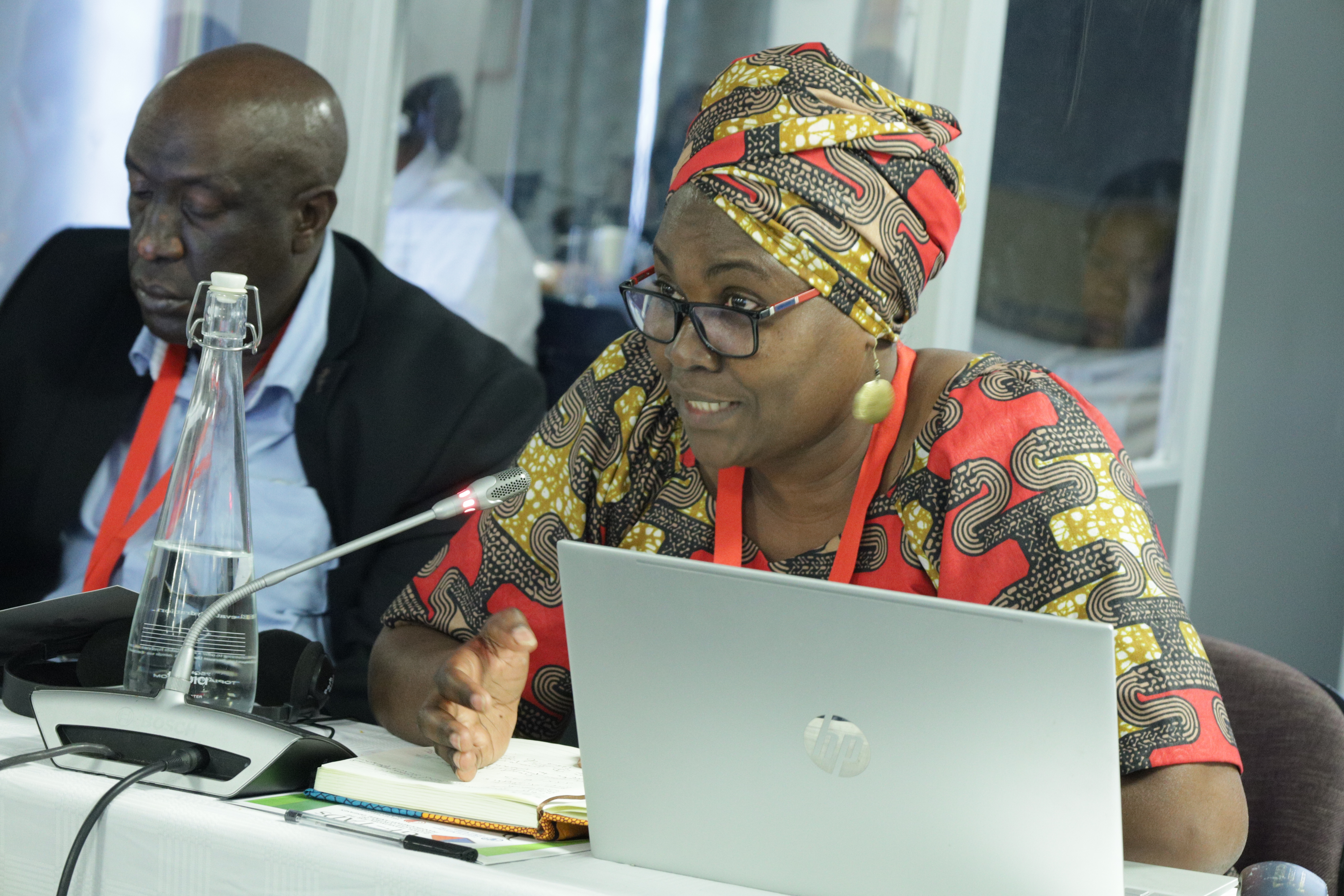
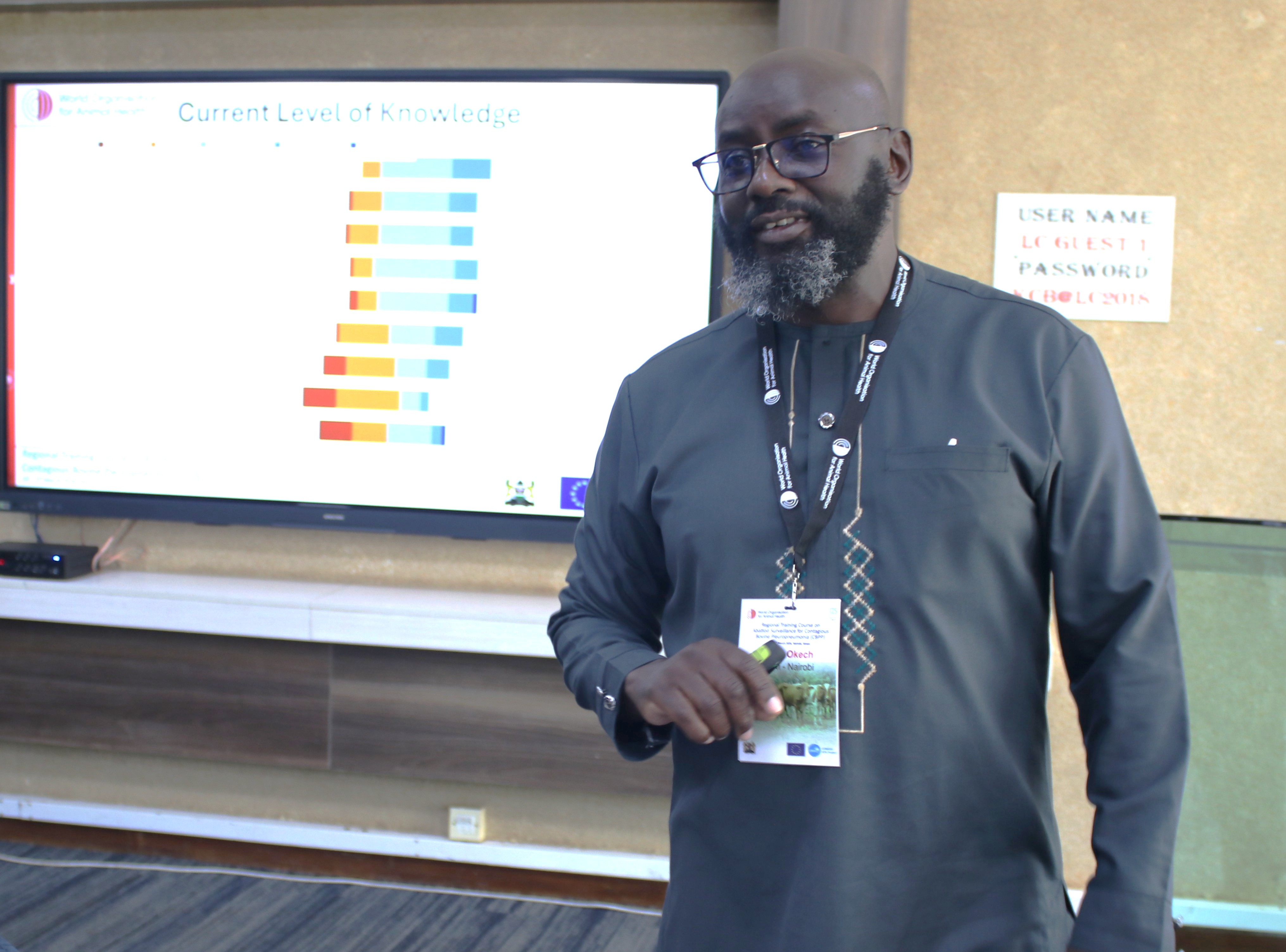
Dr. Daniel Otieno, Adult Learning Expert. Department of Educational Management Policy and Curriculum Studies at Kenyatta University (Kenya). CBPP : Regional training course on abattoir surveillance. Picture (c) T. Tenzin (woah) 2026
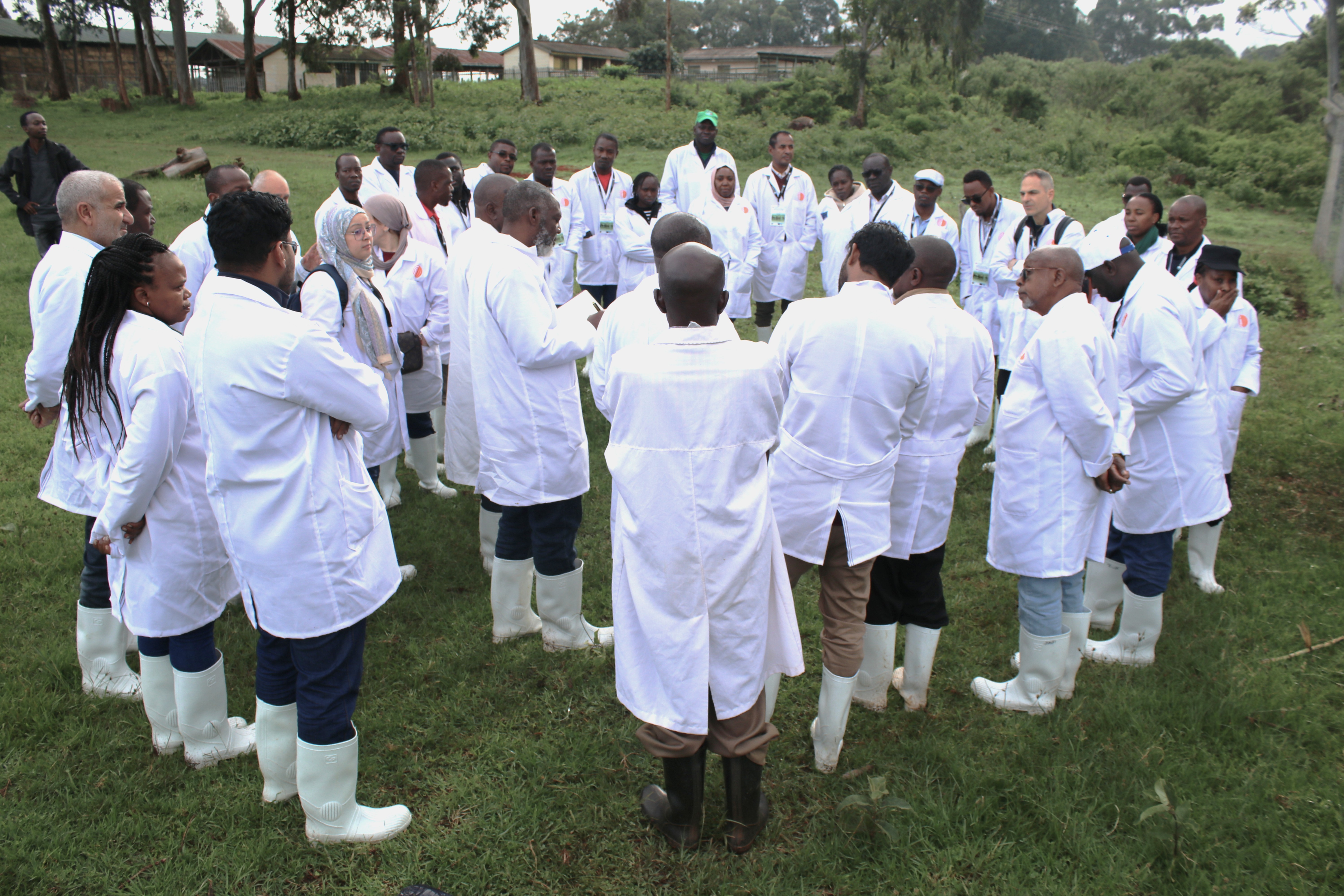
From 23 to 27 March 2026, the World Organisation for Animal Health, through its Sub‑Regional Representation for Eastern Africa, convened a regional training workshop in Nairobi to strengthen capacity for abattoir-based surveillance as a key entry point for the detection and control of Contagious Bovine Pleuropneumonia (CBPP) and other priority diseases. Abattoirs offer a low-cost yet highly effective surveillance opportunity, particularly in settings where field surveillance is constrained by resources, mobility, or geography. The workshop brought together government veterinarians , frontline abattoir inspectors, laboratory and epidemiology experts, regional and global experts. This balance ensured a comprehensive ToT delivery, strengthening capacity to detect, report, and respond not only to CBPP but also to other diseases that can be identified during slaughter. The training reinforced a shared commitment to tackling one of Africa’s most persistent transboundary animal diseases and zoonoses.
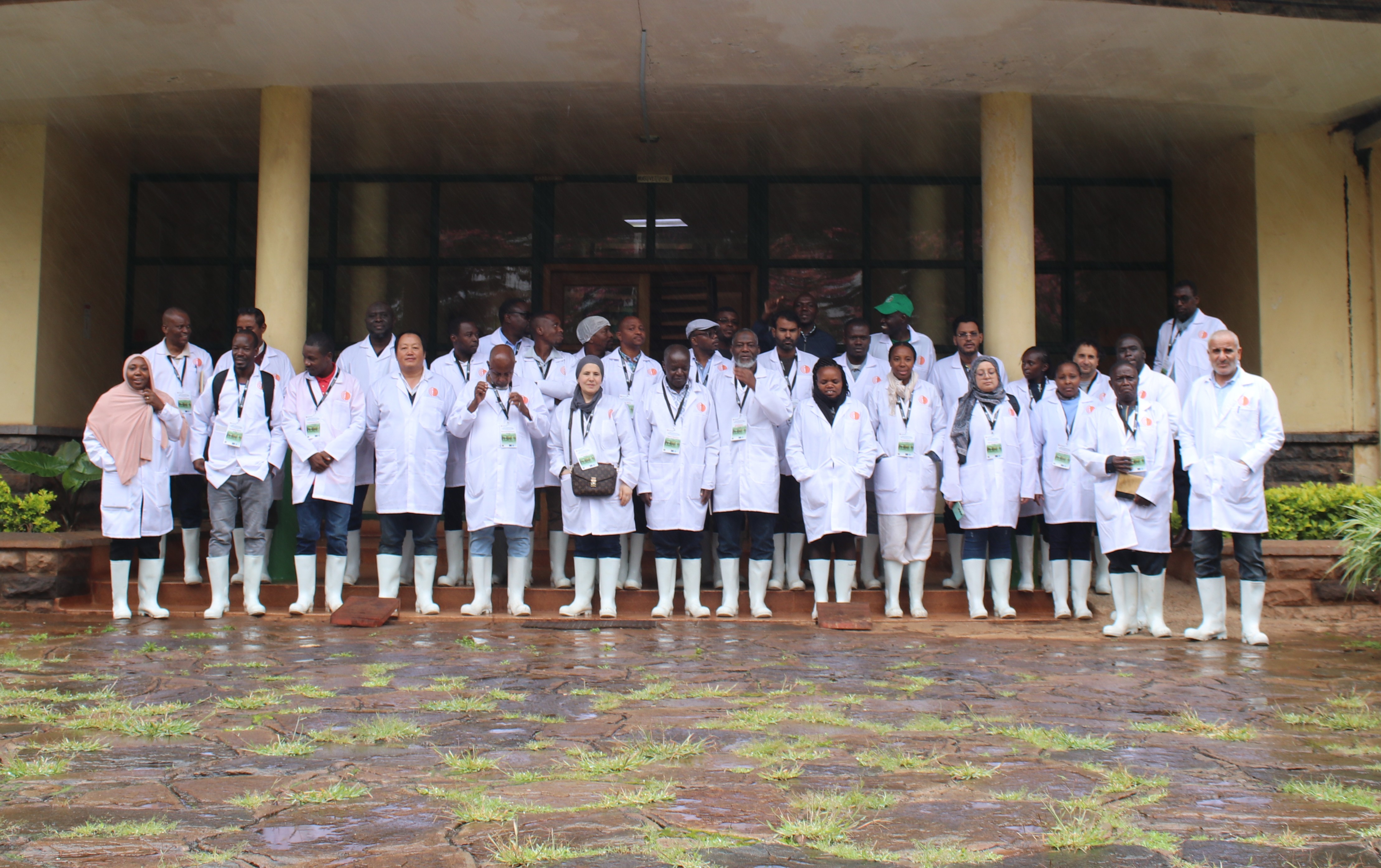
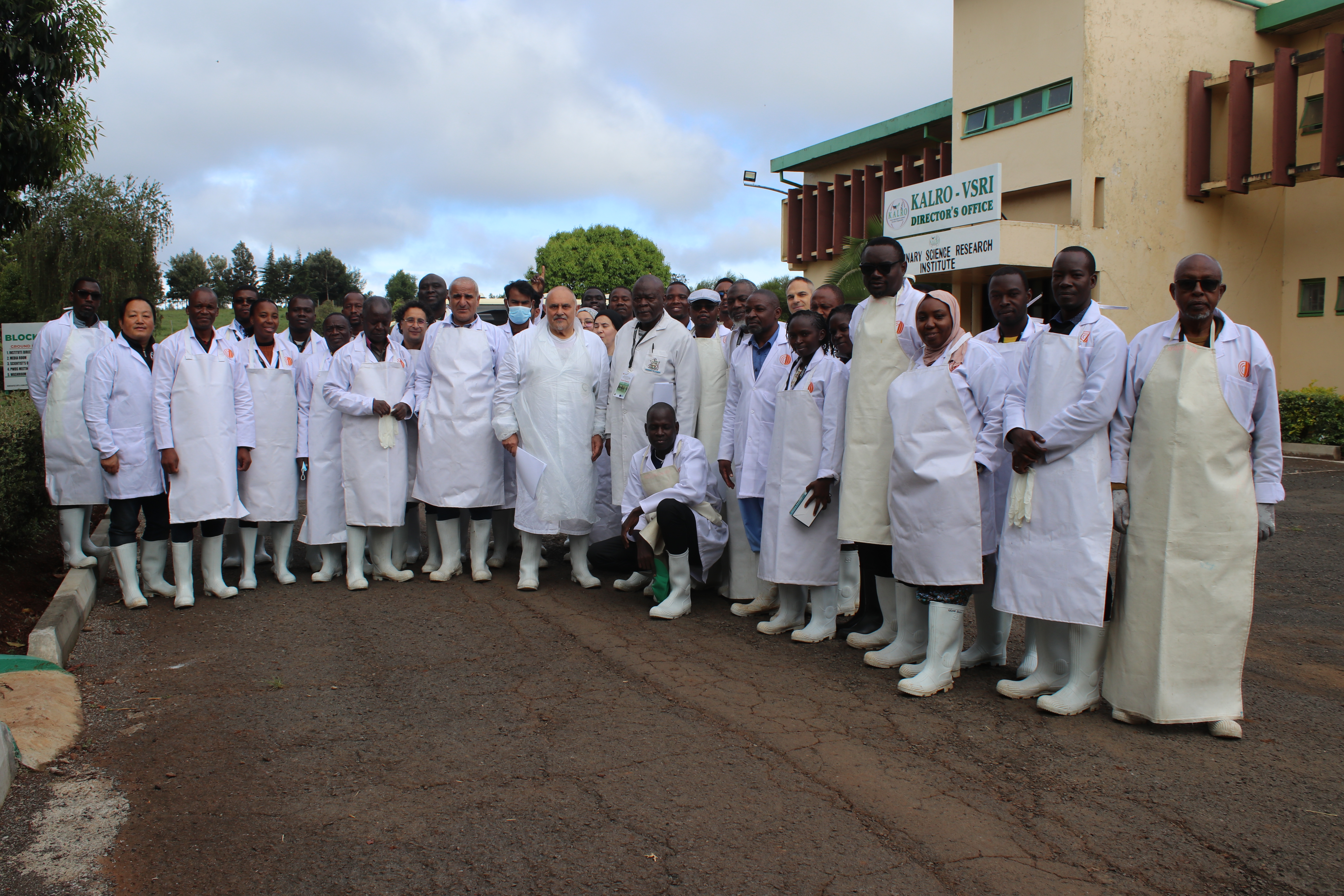
Group photograph. CBPP : Regional training course on abattoir surveillance. Picture (c) Communication (KALRO) 2026 ----- Photo de groupe. PPCB : Formation régionale sur la surveillance des abattoirs. Photo (c) Communication (KALRO) 2026
CBPP remains endemic in many parts of sub-Saharan Africa, particularly in pastoral production systems where livestock mobility increases the risk of transmission. Despite its significant economic impact through livestock mortality, reduced productivity, and trade restrictions the disease continues to be underreported and underprioritised. Participants highlighted the urgent need to improve surveillance systems and generate more accurate data to better inform policy and investment decisions.
During technical and practical sessions, participants exchanged insights on a wide range of other important conditions detectable during post‑mortem inspection, many of which have significant public health, diagnostic, or economic implications. Abattoir surveillance therefore provides a unique, cost‑effective opportunity to capture valuable intelligence on multiple diseases simultaneously.
In addition to CBPP‑like lesions, participants discussed the detection of:
The participants also reviewed several respiratory and systemic diseases that may mimic CBPP or be encountered during slaughter, reinforcing the role of abattoirs as strategic surveillance points. These included:
Highlighting this broader set of diseases reinforced the message that investing in strong abattoir surveillance systems yields multiple co‑benefits, improving animal health intelligence, strengthening zoonotic disease detection, enhancing meat safety, and protecting the integrity and value of livestock value chains.
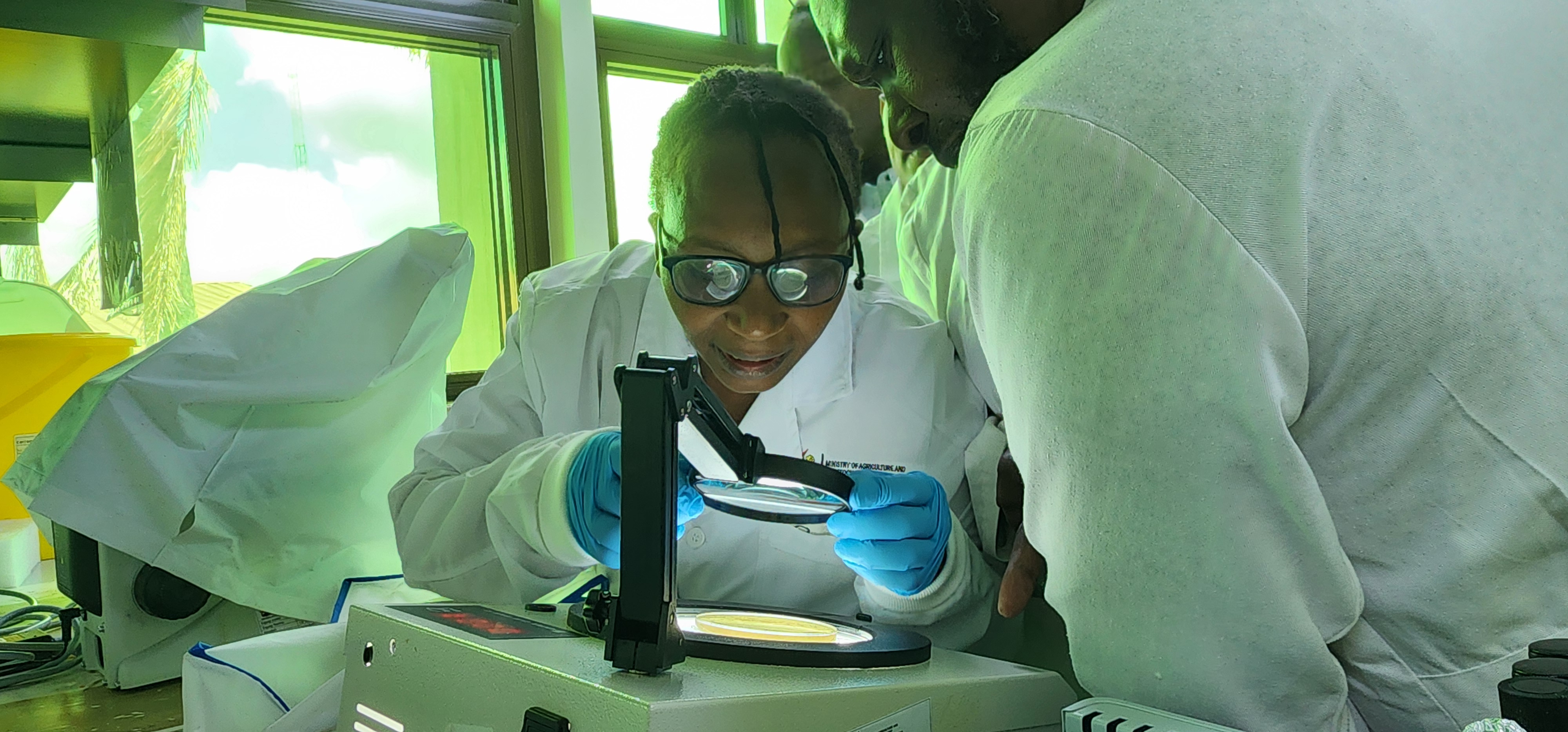
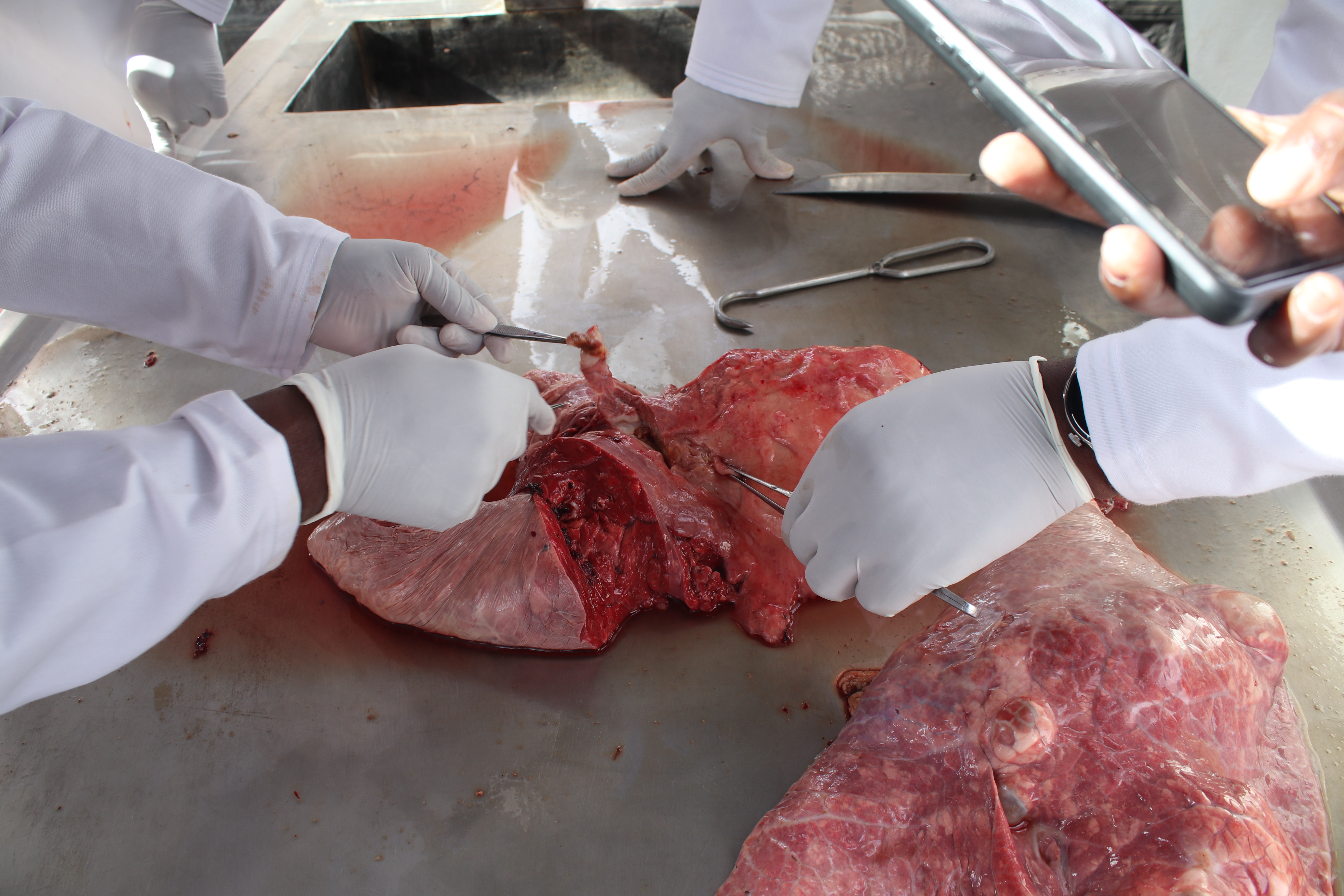
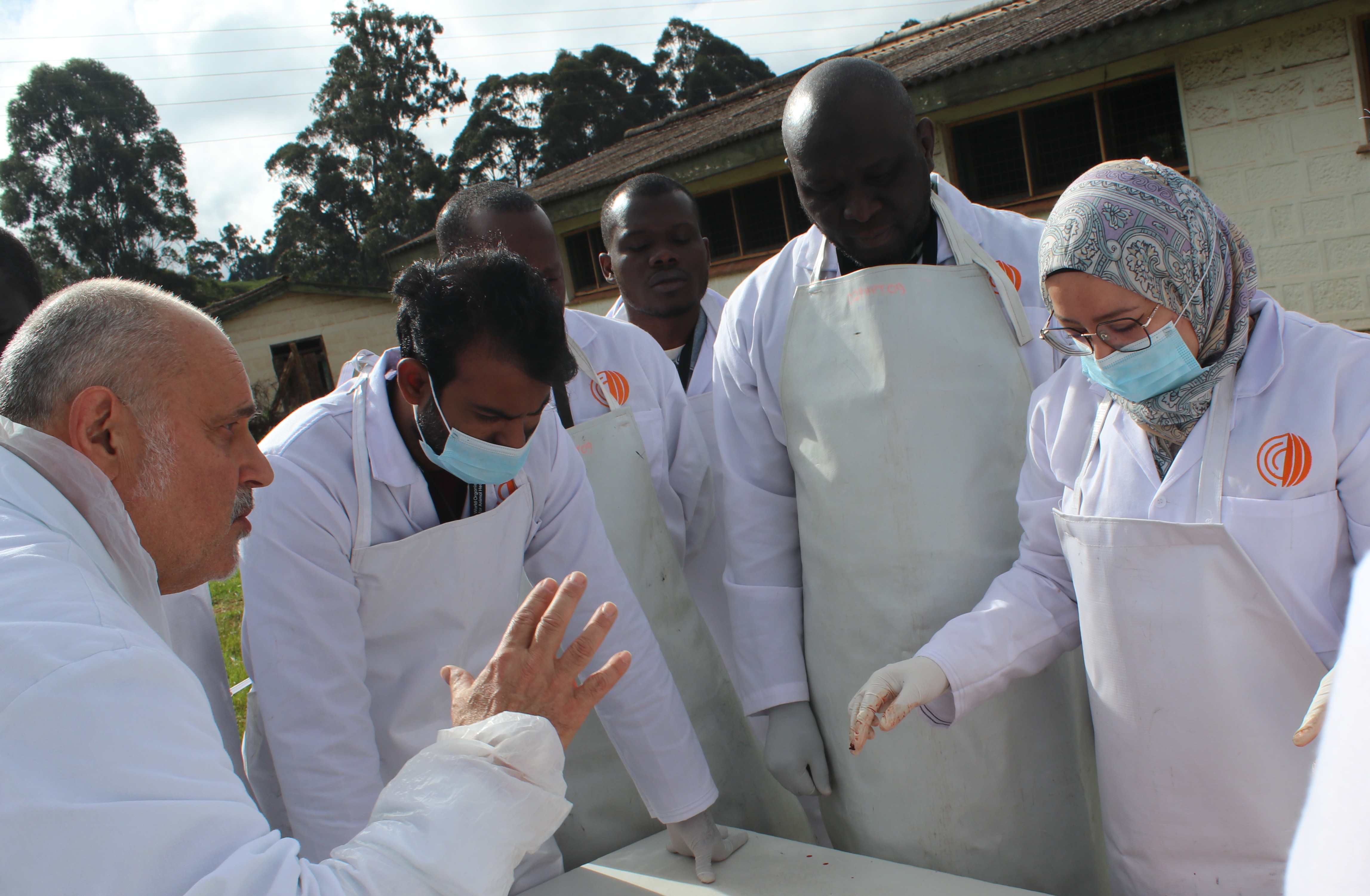
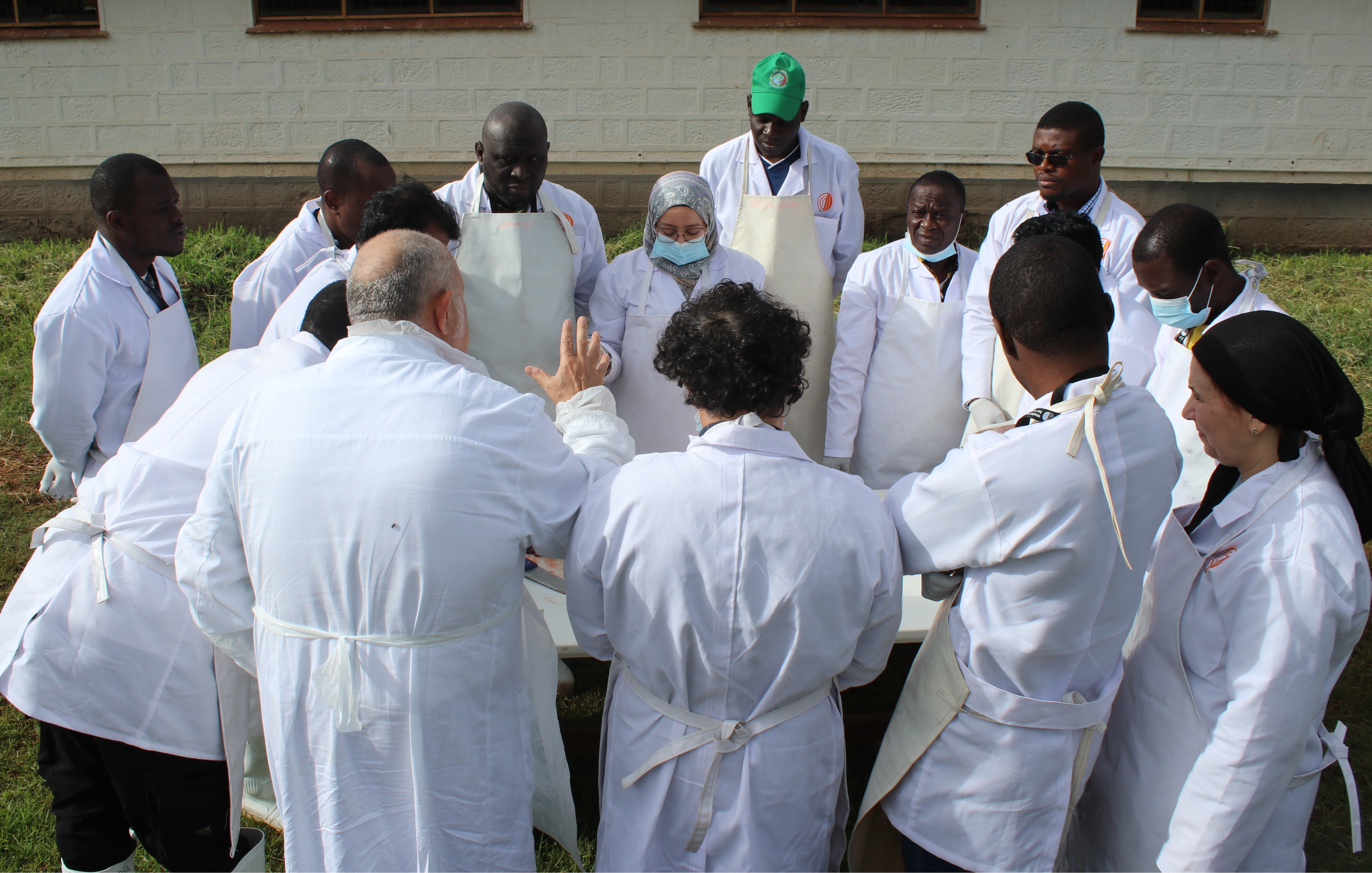
Examination of CBPP infected lung with sequestra; preparation for sample collection. CBPP : Regional training course on abattoir surveillance. Picture (c) V. Chemis (woah) 2026.
The workshop combined technical presentations with practical, field-based learning. Participants were trained on:
A key highlight was the practical sessions conducted in abattoir settings, where participants directly observed characteristic CBPP lesions and strengthened their diagnostic skills.
The workshop was designed as a Training of Trainers (ToT) programme, equipping participants not only with technical knowledge but also with the tools to cascade training within their respective countries.
Through interactive sessions, participants practiced delivering training modules and discussed strategies for adapting materials to national contexts. This approach ensures that the impact of the workshop extends beyond the initial participants to reach a broader network of veterinary professionals.
Discussions emphasised the importance of:
Participants also explored the use of digital tools and communication platforms to improve data sharing and coordination across countries.
A strong consensus emerged on the need to translate knowledge into action. Key priorities identified include:
Participants committed to maintaining communication through established platforms and to sharing progress as they implement training activities in their home countries.
To translate the momentum of this regional training into sustained progress, targeted investment and coordinated national action are urgently needed. Countries were encouraged to build on the Nairobi workshop (Cohort 1) by:
By committing to these actions—and by mobilising the necessary financial and institutional support—countries can transform abattoirs into strategic, cost‑effective surveillance hubs, capable of detecting CBPP and a wide range of other priority diseases. Such investment not only advances animal health but also protects public health, strengthens the livestock sector, and supports resilient, high‑value meat supply chains across the region.
Left : Dr Massimo Scacchia (IZS). CBPP : Regional training course on abattoir surveillance. Picture (c) V. Chemis (woah) 2026.
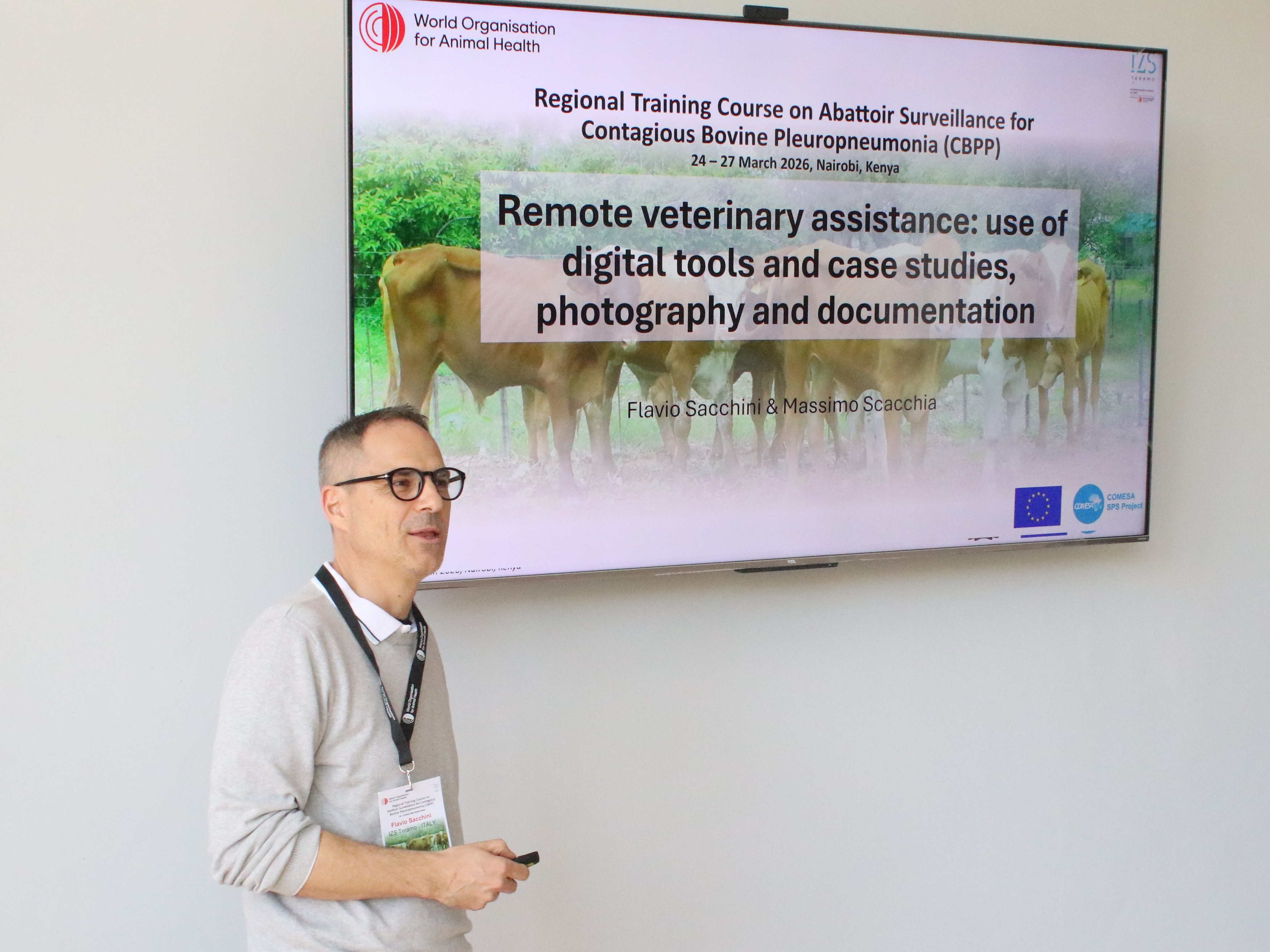
Dr Flavio Sacchini (IZS). CBPP : Regional training course on abattoir surveillance. Picture (c) V. Chemis (woah) 2026.
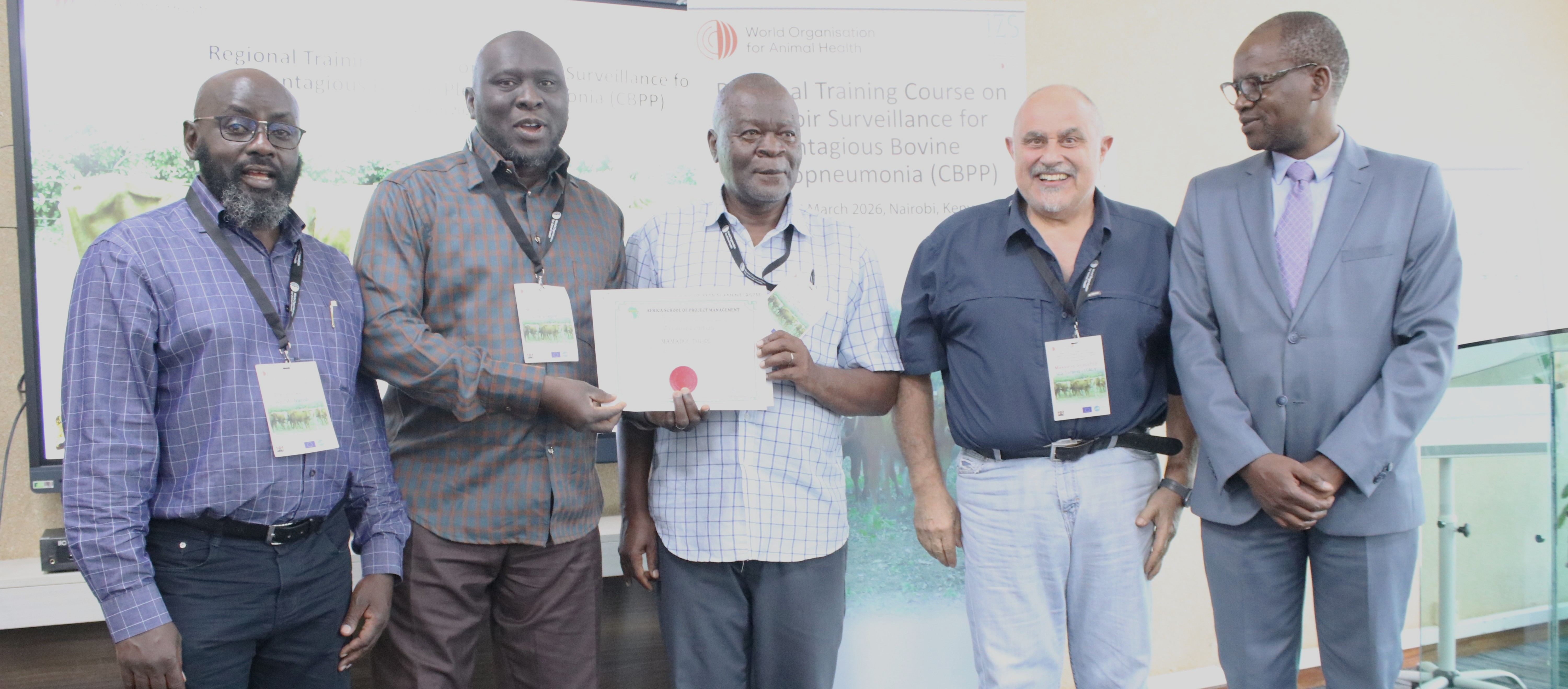
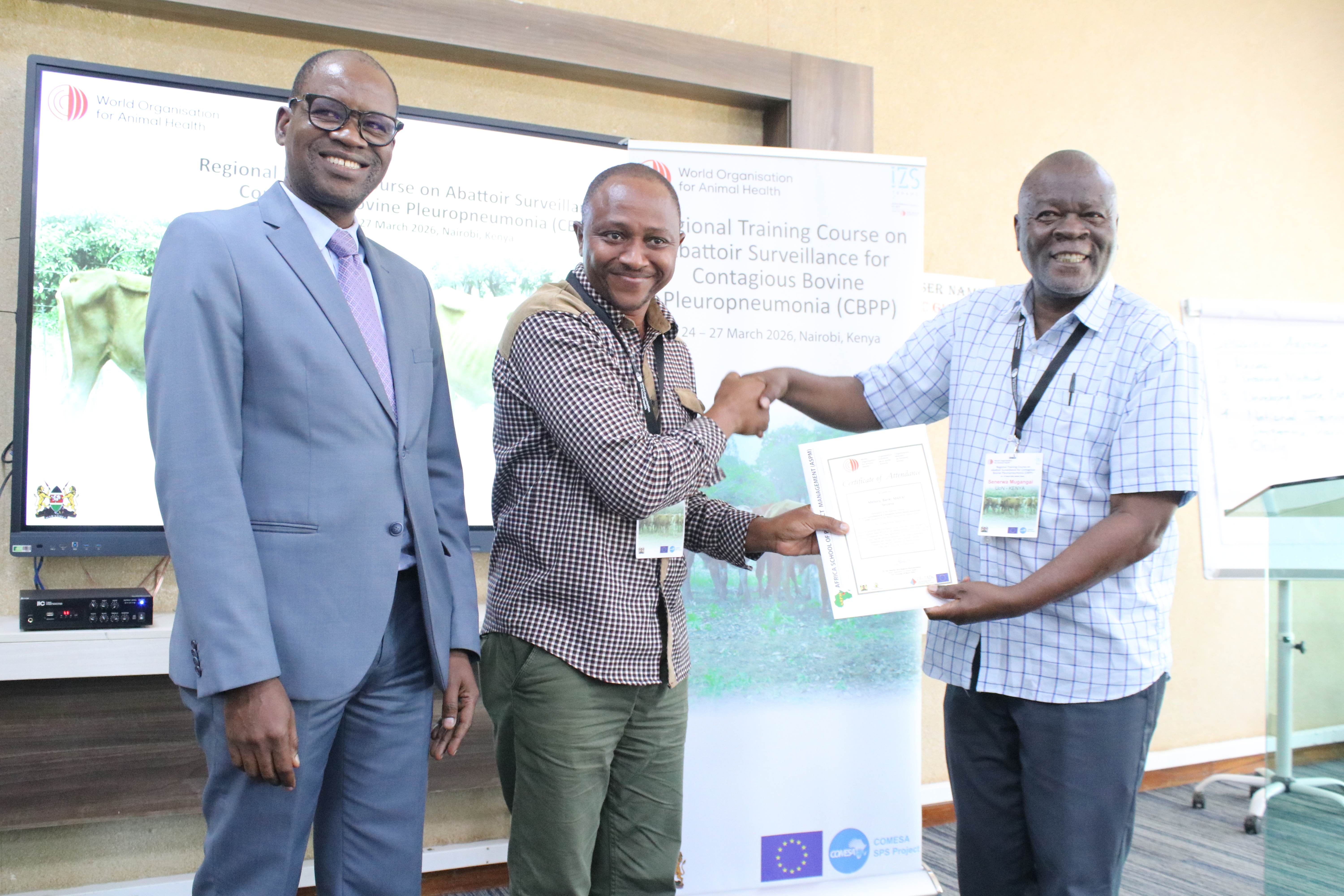
Left : Neo Mapitse (WOAH). Middle : Meliory Mariki (Tanzania). Right : Daniel Senerwa (UoN). CBPP : Regional training course on abattoir surveillance. Picture (c) V. Chemis (woah) 2026.
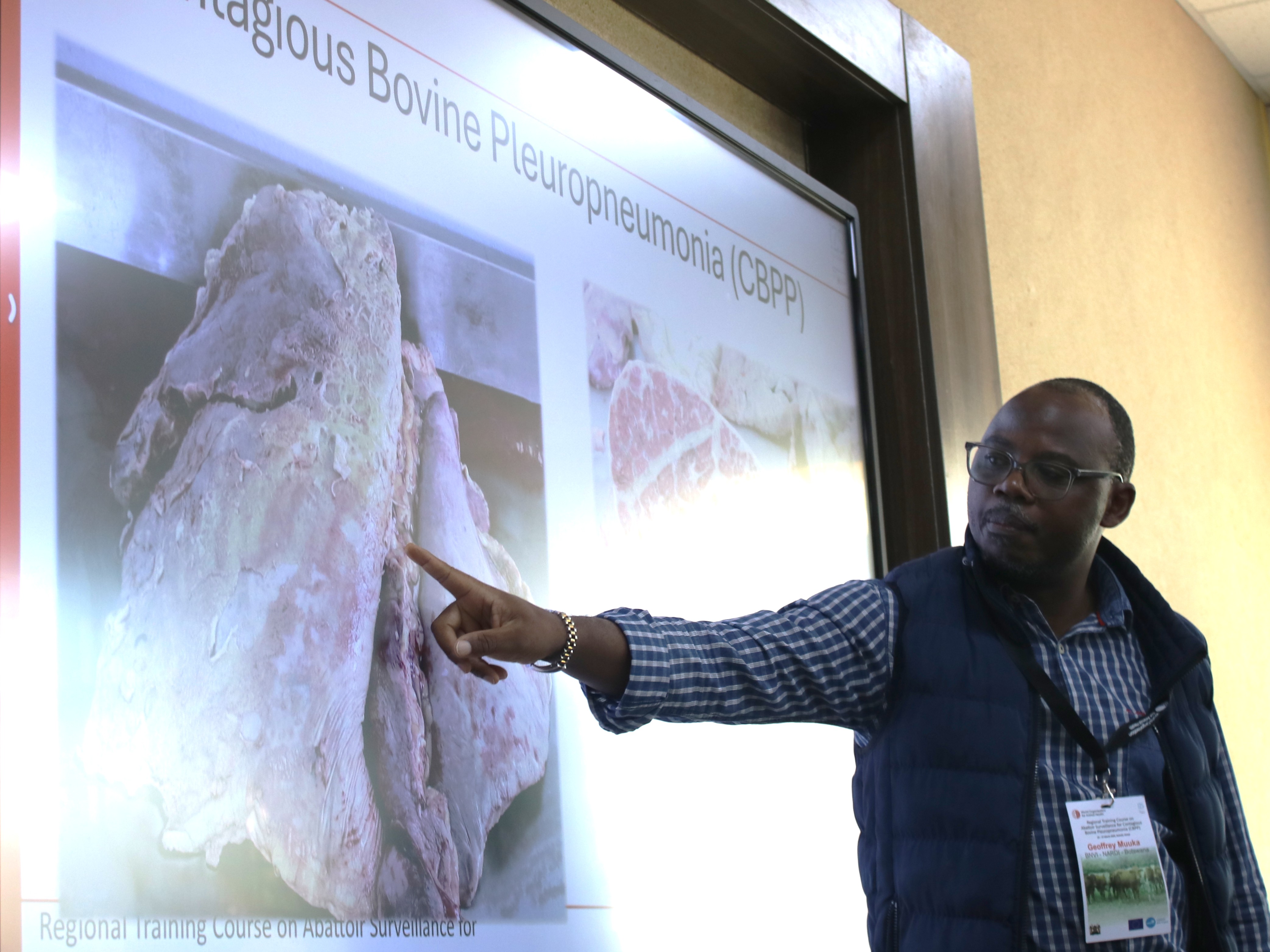
Dr Geoffrey Muuka (BNVL). CBPP : Regional training course on abattoir surveillance. Picture (c) V. Chemis (woah) 2026.
CBPP : Regional training course on abattoir surveillance. Picture (c) V. Chemis (woah) 2026.
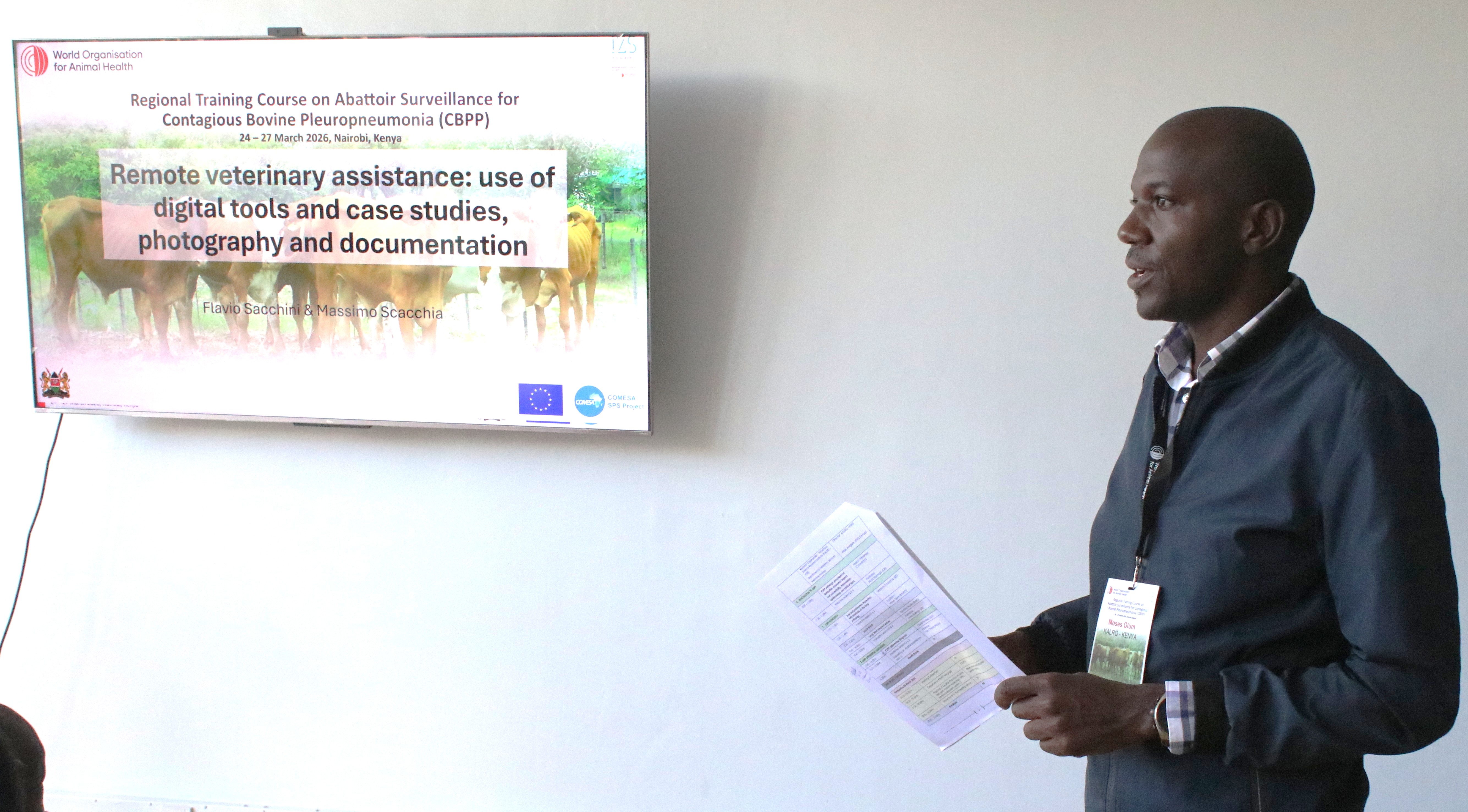
Dr Moses Olum (KALRO). CBPP : Regional training course on abattoir surveillance. Picture (c) V. Chemis (woah) 2026.
Front L-R: Benson Bowa, (Zambia), Humphrey Banda (Zambia), Evariste Bassene (Senegal); Back L-R: Mamadou Toure (Cote d'Ivoire), Cyril Tokpa (Cote d'Ivoire), Massimo Sacchia (IZS), El Heni Ammar (Tunisia). CBPP : Regional training course on abattoir surveillance. Picture (c) V. Chemis (woah) 2026.
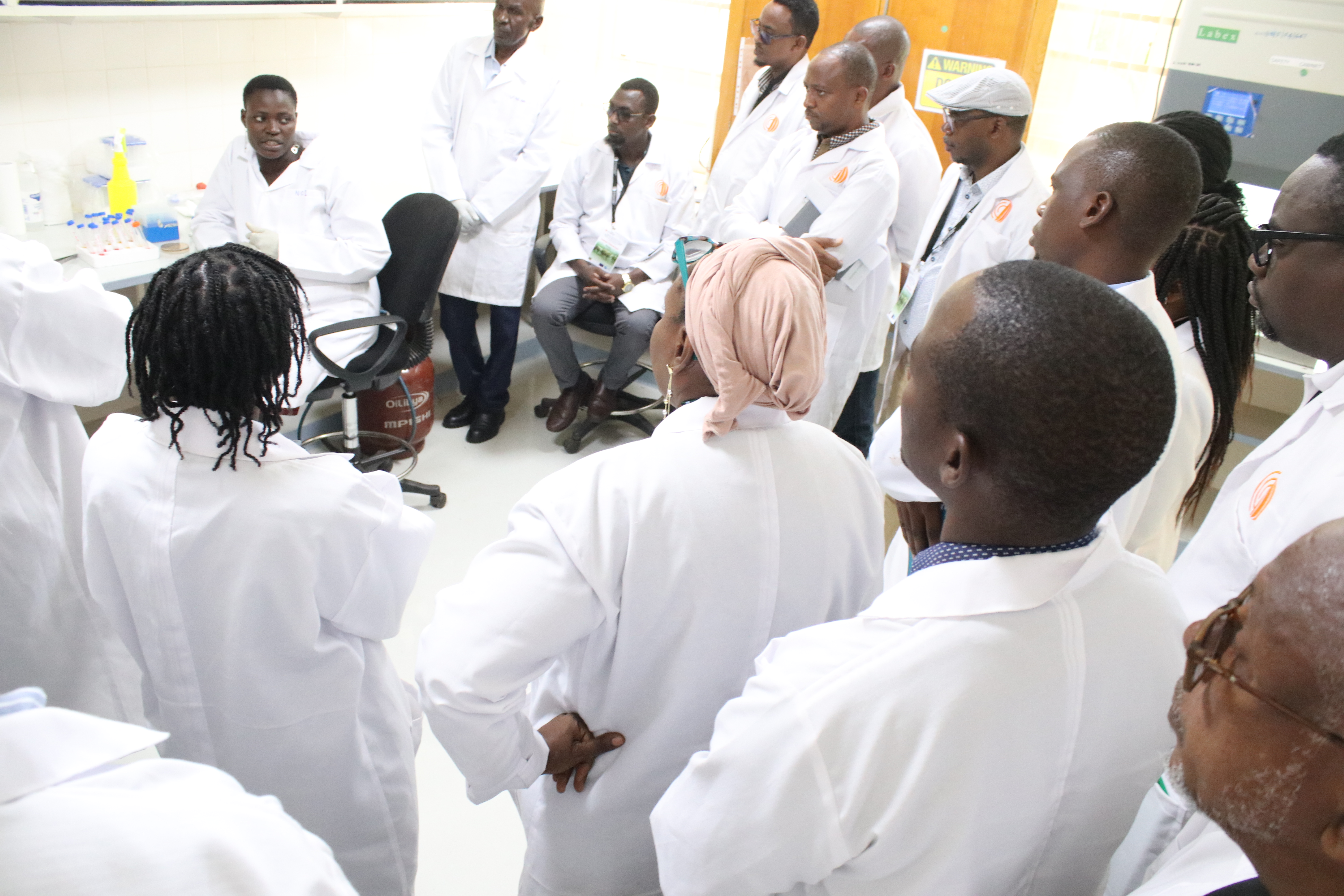
Visit of the KALRO Pathology laboratories. CBPP : Regional training course on abattoir surveillance. Picture (c) V. Chemis (woah) 2026.
Fltr : Daniel Otieno (KU), Mamadou Toure (Cote d’ Ivoire), Daniel Senerwa (UoN), Massimo Scacchia (IZS) and Neo Mapitse (WOAH). CBPP : Regional training course on abattoir surveillance. Picture (c) V. Chemis (woah) 2026.