

WOAH supports a CBPP Diagnosis Training for Kenya
March 18, 2024
Read more
On 2 December 2025, WOAH, jointly with the Istituto Zooprofilattico Sperimentale dell’Abruzzo e del Molise “Giuseppe Caporale”, Teramo, Italy, a WOAH Reference Laboratory for Contagious bovine pleuropneumonia (CBPP), hosted an online training on abattoir surveillance for CBPP, as one of the outcomes of the work of the third meeting of the Standing Group of Experts on CBPP (GF-TADs for Africa).
The meeting started at 9 am GMT and ended at 1 pm GMT. Simultaneous interpretation was available for both French and English. At the height of the webinar 92 participants were online (out of 177 registered participants, 52%).
According to the registration records, participants hailed from :
The meeting focused on the methodologies to conduct surveillance for Contagious Bovine Pleuropneumonia (CBPP) at abattoir level. Drs Karim Tounkara (WOAH) and Massimo Scacchia from the Reference Laboratory in Teramo provided opening remarks, emphasizing the need for clinical and abattoir surveillance to control the disease. The oversight presentation by Dr Geoffrey Omarch (TVLA, Dar es Salaam, Tanzania) covered CBPP’s history, clinical signs, and economic impact. He explained that CBPP, caused by Mycoplasma mycoides subspecies mycoides, affects cattle and is characterized by slow progression and direct contact transmission. Geoffrey emphasized the importance of vaccination and control programs, noting that while Europe has eradicated the disease, it remains a significant problem in sub-Saharan Africa, where it causes substantial economic losses and trade restrictions. The presentation concluded with a discussion of clinical symptoms, including respiratory distress and high mortality rates, and the challenges of diagnosing and treating the disease. In his comments, participant Dr William Amanfu emphasized the importance of field observations for detecting CBPP, including signs like distended nostrils, laboured breathing and spread-out limbs among other signs.
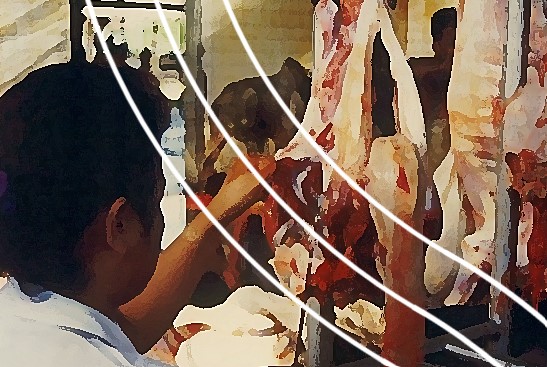
Dr Massimo Scacchia (Designated Expert, WOAH Reference Laboratory for CBPP, IZS, Teramo, Italy) then presented on abattoir inspection techniques, highlighting the importance of ante-mortem and post-mortem examinations for detecting clinical symptoms and lesions associated with CBPP. The meeting also addressed the role of informal abattoirs in disease surveillance and the need for training local communities in proper inspection practices.
Dr Massimo Scacchia further presented on post-mortem examination techniques for detecting chronic CBPP in abattoirs, emphasizing the importance of lung inspection and the challenges of antibiotic residue detection. He discussed the limitations of rapid tests in the African context and highlighted the need for proper documentation and future development of an electronic system.
The discussion included questions about distinguishing small sequestrae from other abscesses and the status of CBPP in Ethiopia, with Dr Scacchia explaining that sequestrae are characterized by their firm consistency and lack of capsule, unlike abscesses. Dr William Amanfu shared insights from Botswana’s experience with rapid tests, noting their non-specificity and the subsequent shift to more reliable tests.
Dr Geoffrey Muuka, incoming Designated Expert, WOAH Reference Laboratory for CBPP, BNVL, Sebele, in Botswana, presented on frequent lesions found in the chest cavity and lungs, emphasizing the importance of a two-tier inspection system for animals entering quarantine to minimize the risk of exporting CBPP. He discussed various pathological conditions, including hydrothorax, pleuritis, adhesions, and emphysema, and highlighted the need for careful post-mortem examinations to avoid misdiagnosing diseases like CBPP. Geoffrey also stressed the importance of ruling out CBPP when encountering suspicious lesions, especially in areas where laboratory support is limited.
Dr Muuka also presented the differential diagnosis of mycotic pneumonia and other lung lesions, emphasizing the importance of recording findings during post-mortem examinations to identify patterns.
Dr Massimo Scacchia followed with a detailed presentation on CBPP pathology, showcasing various stages and lesions, and highlighting the fibrinous nature of the pneumonia. The discussion included questions about serological testing for CBPP, with recommendations for further investigation of positive results, and participant Dr Peter Migwi (Kenya) suggested training meat inspectors in abattoirs to enhance diagnosis of the disease.
Dr Leruo Keokilwe, Department of Veterinary Services and outgoing Designated Expert, WOAH Reference Laboratory for CBPP, BNVL, Sebele, in Botswana, presented on differential diagnoses, including Mannheimia hemolytica, Pasteurella multicida, Bovine herpes virus 1, Bovine respiratory syncytial virus, Mycoplasma bovis, Bovine tuberculosis (bTB) and Actinobaccillosis. Dr. Leruo Keokilwe presented detailed comparisons of CBPP lesions with those of other diseases, highlighting key distinguishing features.
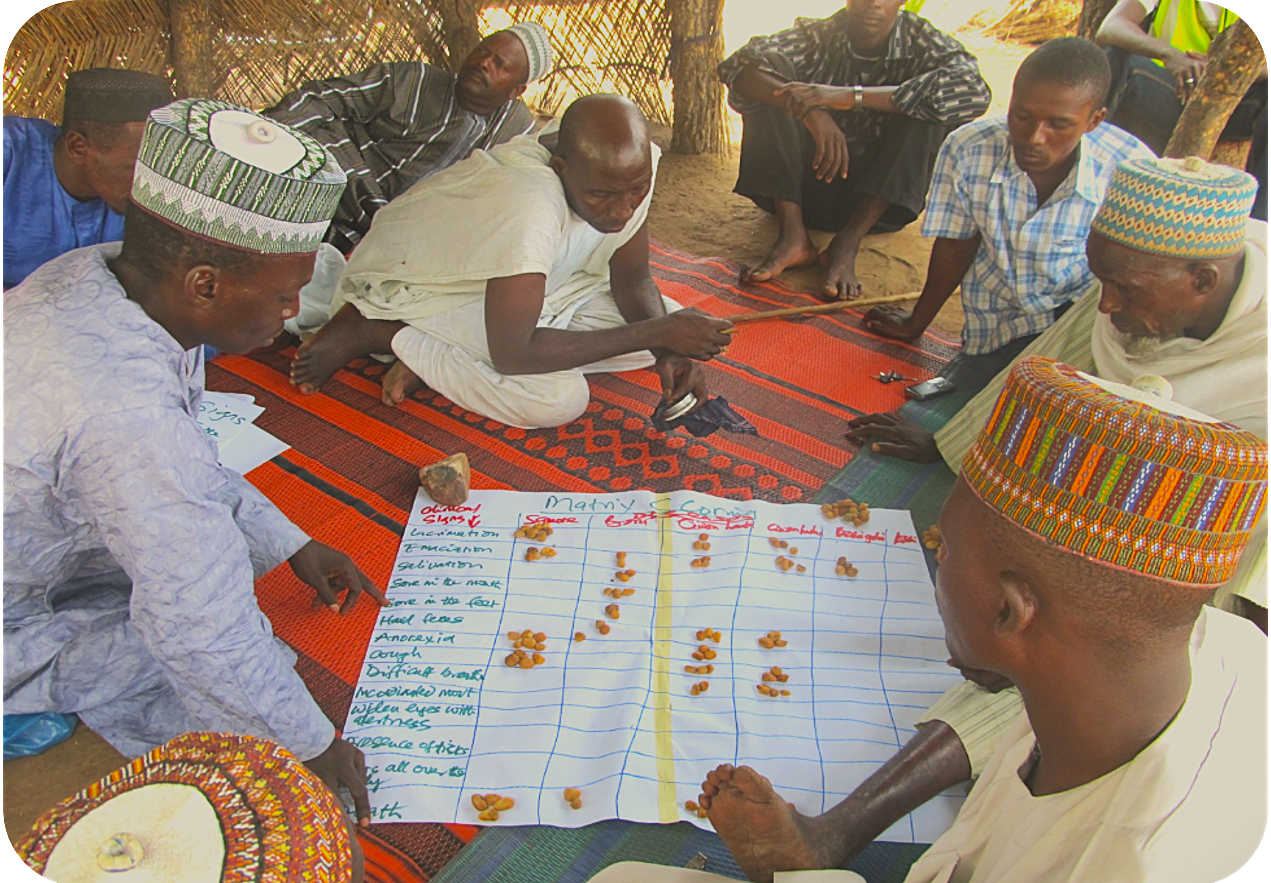
The session concluded with a brief break before transitioning to a discussion on participatory epidemiology in abattoir surveillance, with Dr. Garoma Desa of the Animal Health Institute (AHI) in Sebeta, Ethiopia. Dr Desa presented on participatory abattoir surveillance for contagious bovine pleuropneumonia (CBPP) in Africa. He explained the principles, purposes, and approaches of participatory epidemiology, highlighting its importance in detecting and controlling CBPP. He also discussed the limitations of the method and provided recommendations for improvement.
The presentation sparked a discussion on the role of different types of abattoirs in surveillance efforts, with participants weighing the benefits of urban industrial versus local, rural slaughterhouses.
Dr Garoma Desa Hedeta, AHI, Sebeta, Ethiopia
The last session of the training focused on remote veterinary assistance and photography techniques for disease surveillance, particularly in abattoirs. Dr Massimo Scacchia described how to take quality photos of gross lesions and explained the importance of proper documentation and data collection. Participants discussed the use of WhatsApp and other tools for remote assistance in veterinary work. The group also addressed challenges in implementing these practices in different contexts, including in Africa and other regions.
The webinar concluded with a poll to gather feedback on the presentation and future training needs. Certificates of participation were requested by some attendees for continuing professional development. The meeting was closed by Dr Neo Mapitse (WOAH) and Dr Massimo Scacchia (IZS, Teramo).
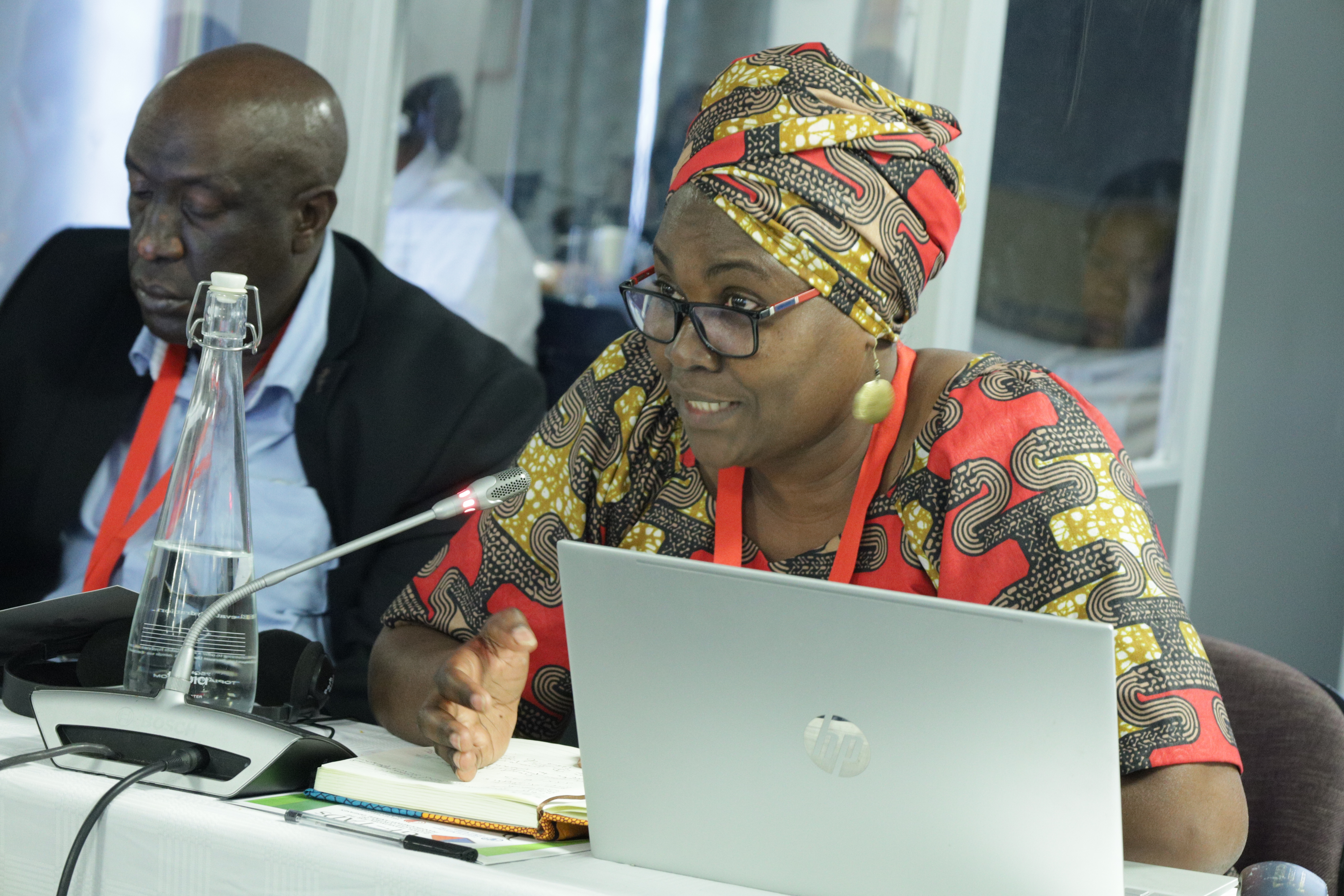
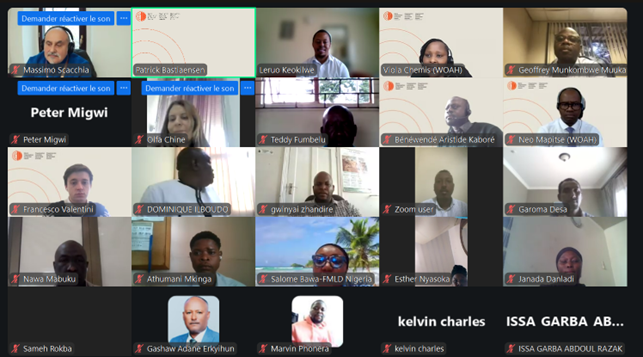
Overview of some of the participants and facilitators.