P3V Project Page
Professionalising Veterinary Paraprofessionals
Read more
In Africa, access to Veterinary Services in rural areas remains a major challenge for animal health and development, severely hampered by a shortage of qualified personnel. To address this, the “Professionalisation of Veterinary Para-professionals” Project (P3V), led by WOAHand funded by the French Development Agency (AFD), has been implementing a structural approach in Senegal and Togo since September 2020, subsequently extended to Benin. As the initiative draws to a close, the project is taking stock and building on more than five years of transformation and learning.
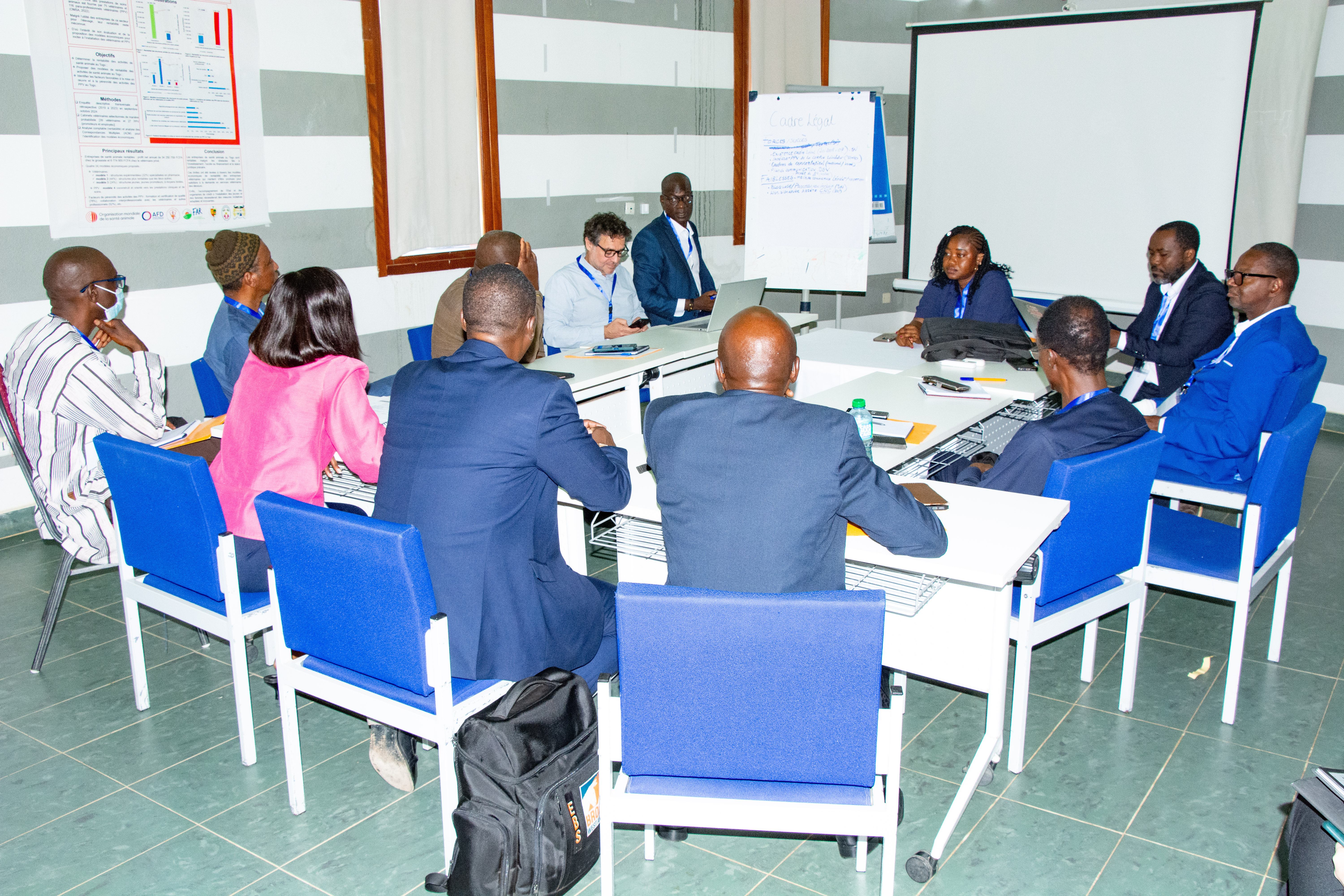
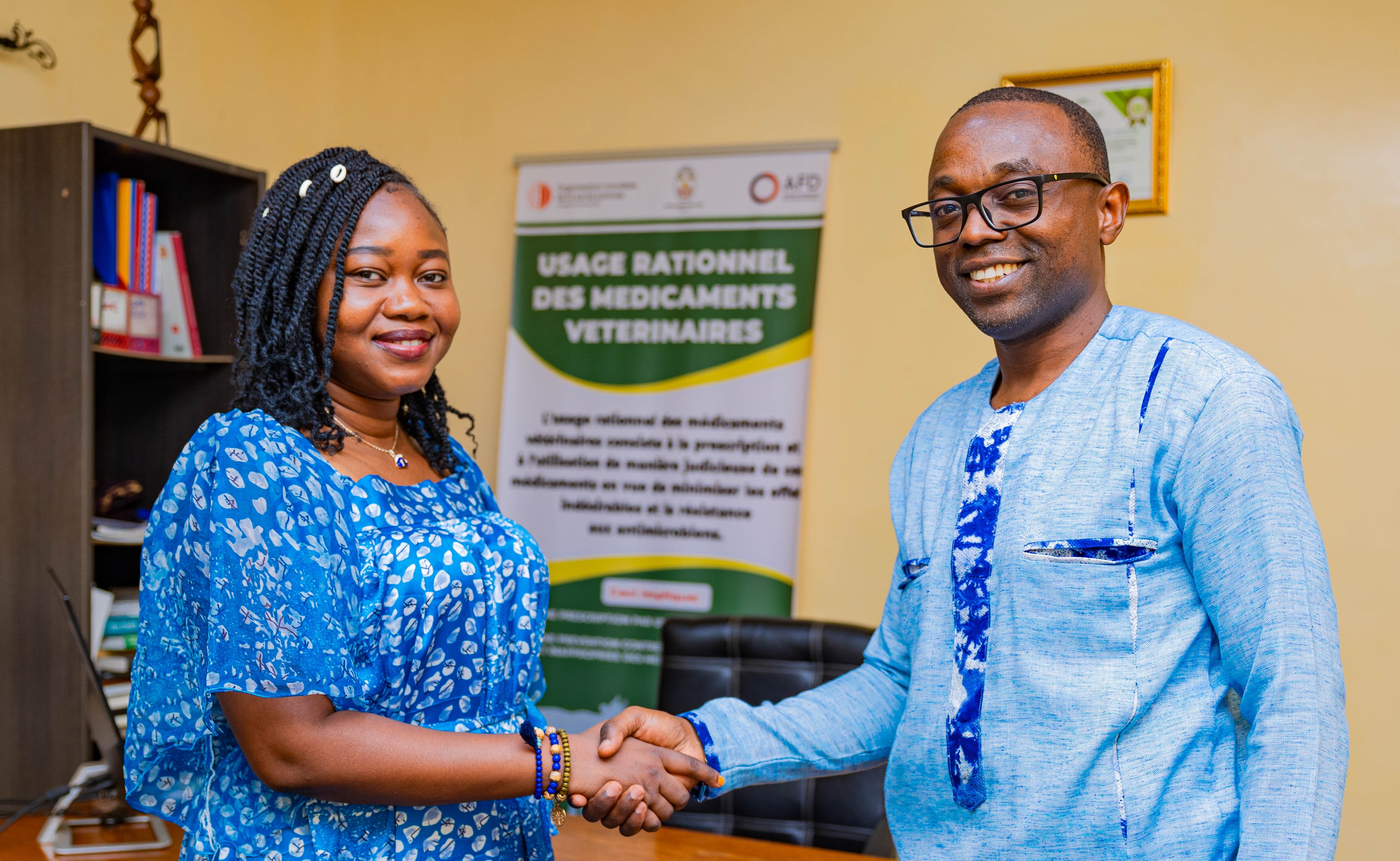
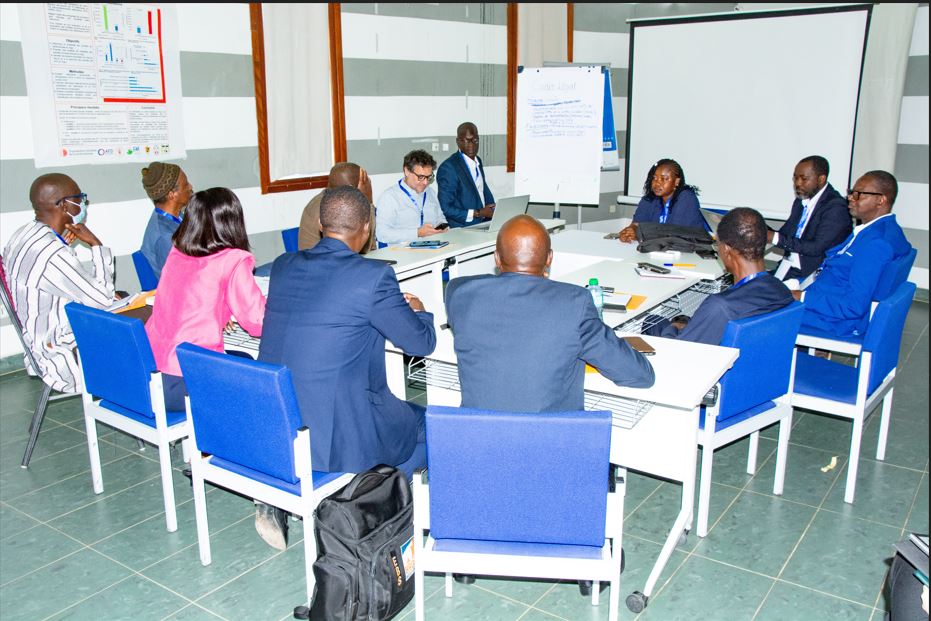
Group work activities. Picture (c) communication (woah) 2025.
The P3V has established itself as a model of success by tackling systemic barriers within the sector. Its interventions have enabled:
A comprehensive analysis of the veterinary network and demographics in beneficiary countries was carried out, providing an overview and enabling the identification of priority human resource needs, taking gender dimensions into account.
Unprecedented diagnostic expertise: In-depth studies have clarified the situation of veterinary paraprofessionals (VPPs), from demographics to the profitability of animal health business models, including professional integration and gender equity.
A strengthened institutional framework: The project supported beneficiary countries in developing regulatory frameworks clarifying the role and responsibilities of VPPs, whilst promoting their effective integration and structured collaboration with veterinarians and other sector stakeholders. The project also facilitated the development of two national strategies in Senegal and Togo, as well as the establishment of national and regional consultation frameworks. These bodies strengthen inter-professional collaboration and consensus regarding the remit of each profession to effectively combat the illegal practice of veterinary medicine.
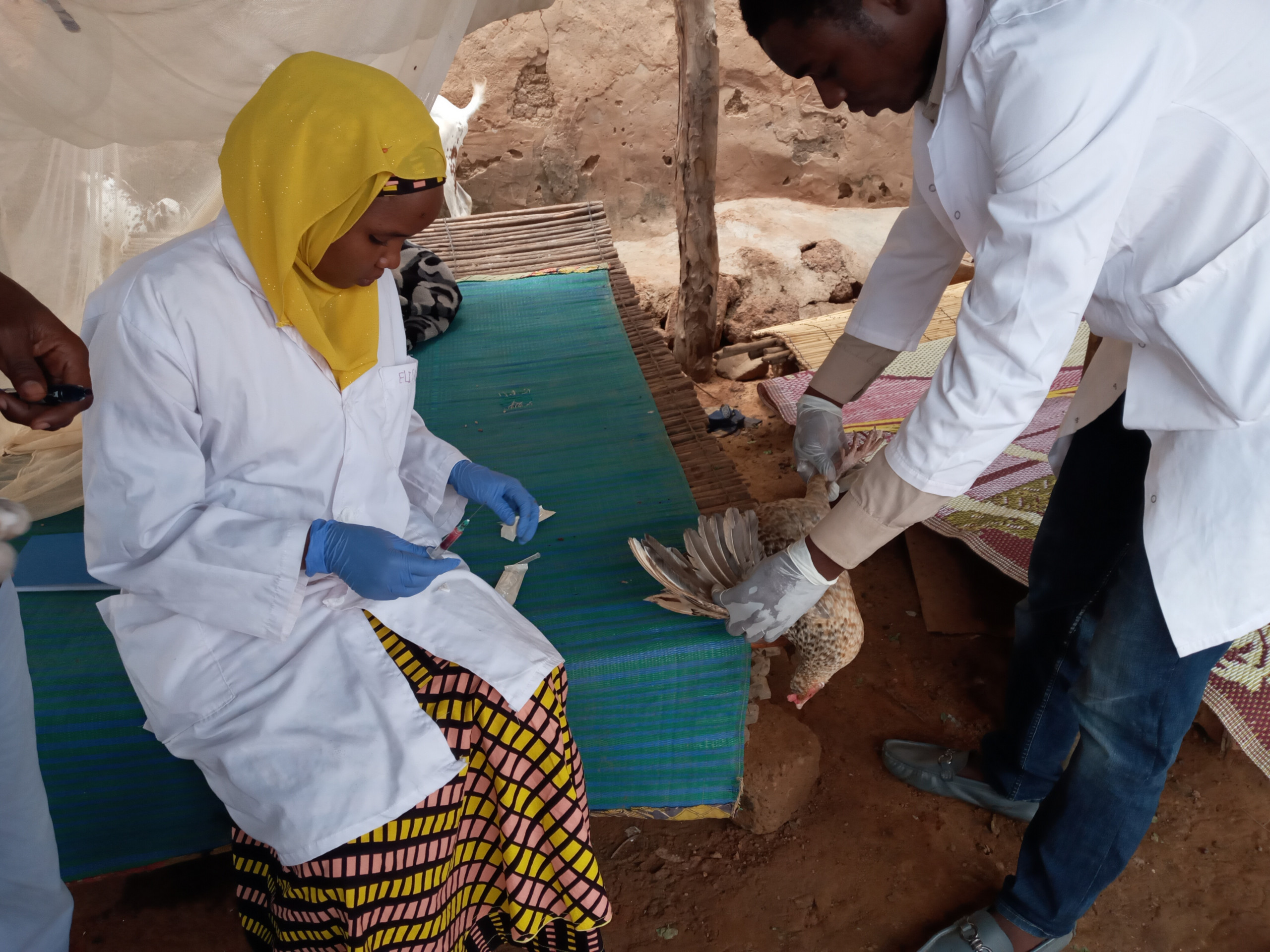
Excellence in vocational education: The updating of eight training curricula in line with WOAH guidelines was accompanied by practical and educational support for partner institutions. The Project also provided continuing professional development to 595 healthcare professionals (27% of whom were women) and supported the initial training of 1,331 students (33% of whom were women) as well as 1,293 trainees in vocational training programmes in Togo, Senegal and Benin.
A training approach and educational resources for beneficiary countries and beyond.
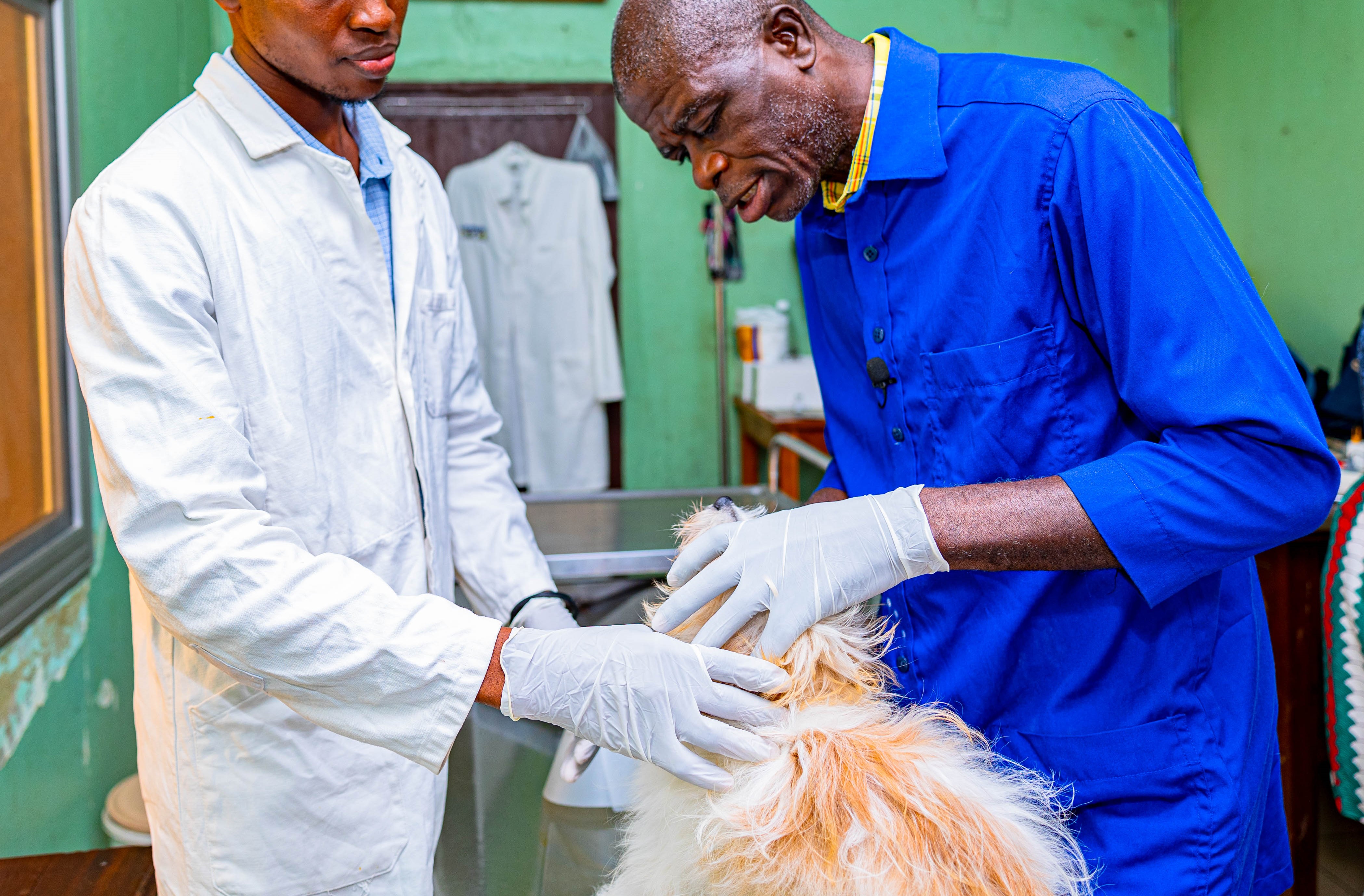
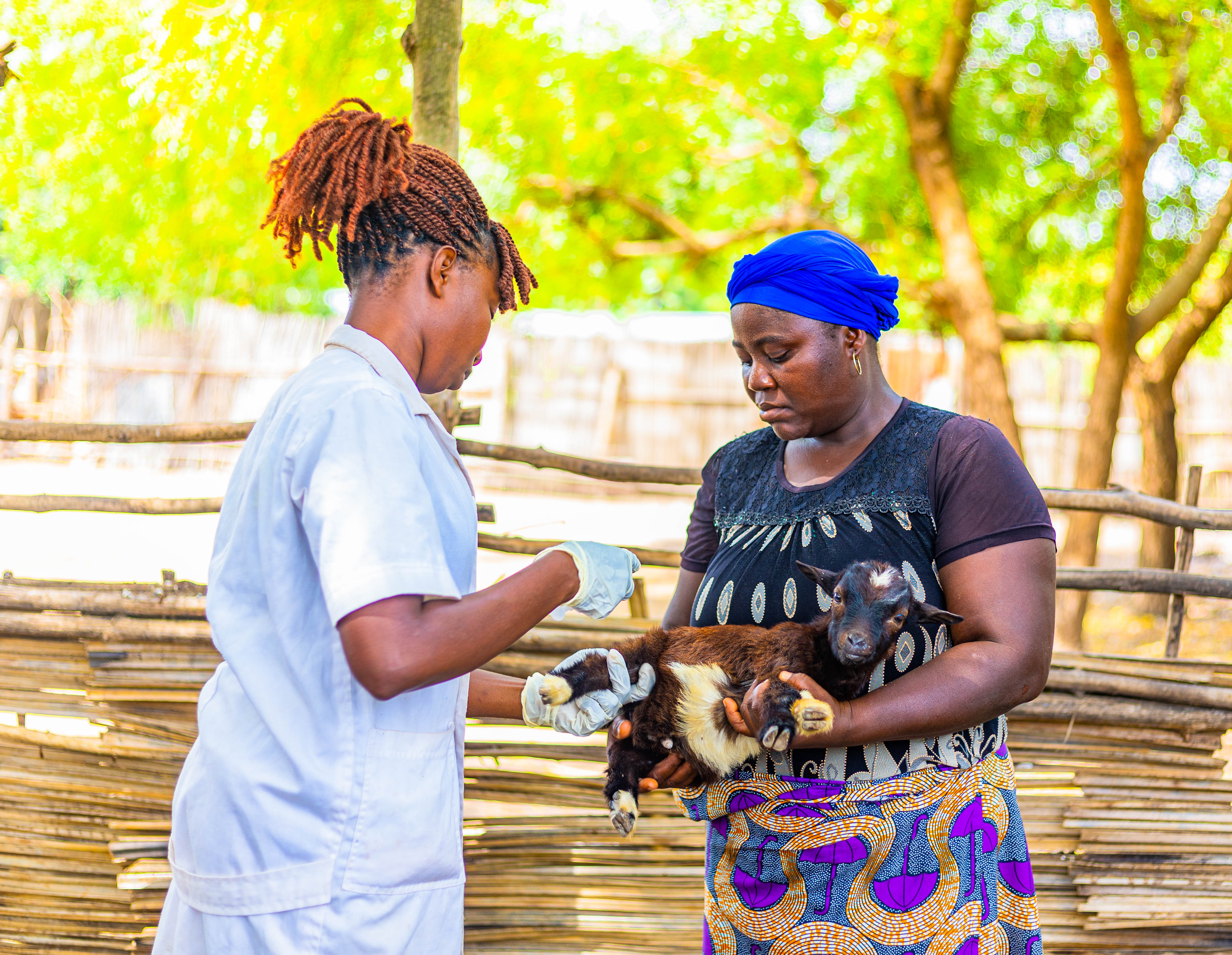
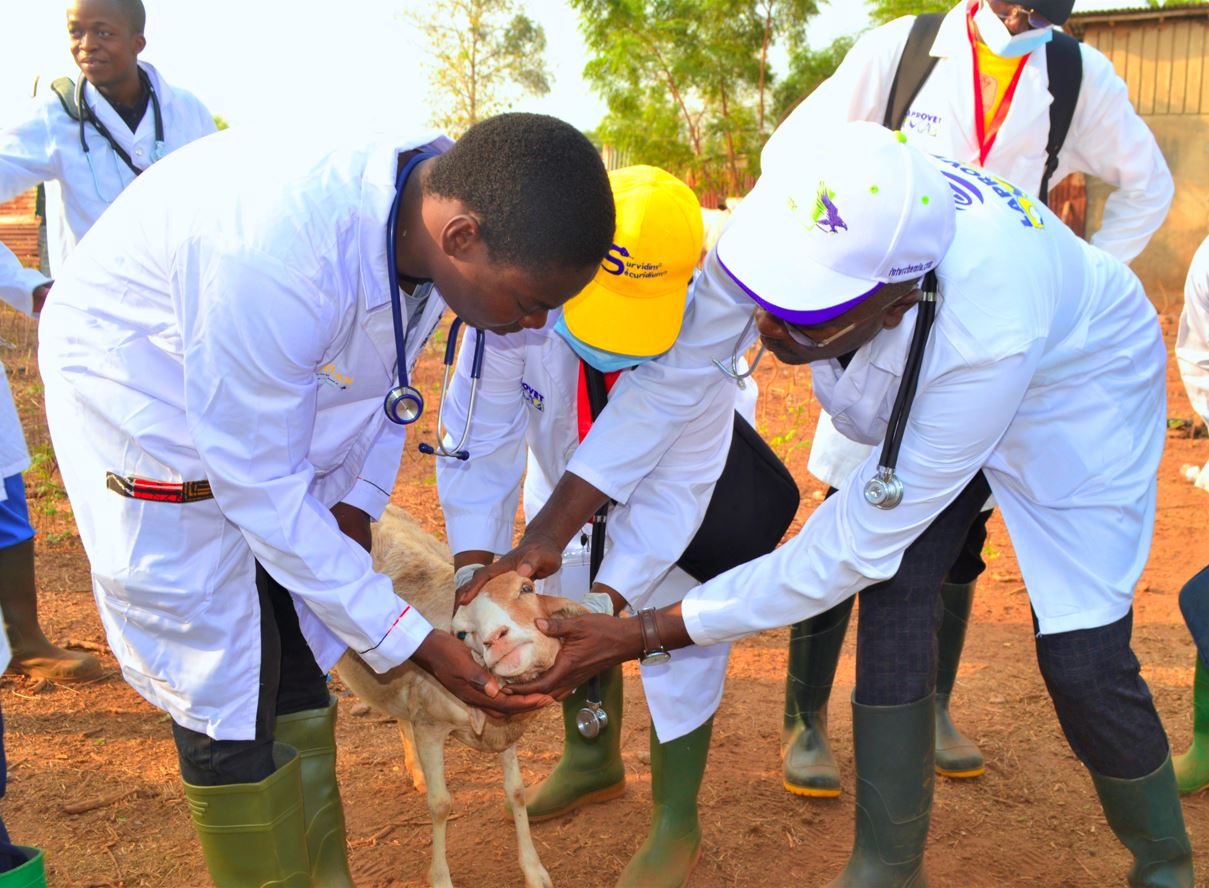
Practical skills learning. Picture (c) communication (woah) 2025.
The P3V Project has laid the foundations for a sustainable model. Now that the technical and educational foundations have been consolidated, the focus is shifting towards ensuring that key animal health stakeholders take ownership of the tools and towards scaling up the initiative. To support this ambition, knowledge capture tools detailing the methodology and lessons learnt have been developed. These resources are now available on the WOAH portal (Tools and resources) for all stakeholders wishing to sustainably consolidate the essential role of VPPs in the resilience of veterinary systems in rural Africa.
Each of these tools has been developed in a participatory manner with all Project beneficiaries and enables the implementation processes and lessons learnt to be documented.
Lessons-learned tools from the P3V Project (WOAH) in French. Video (c) P3V (woah) 2026