



FLICKR
Photo album
Read more
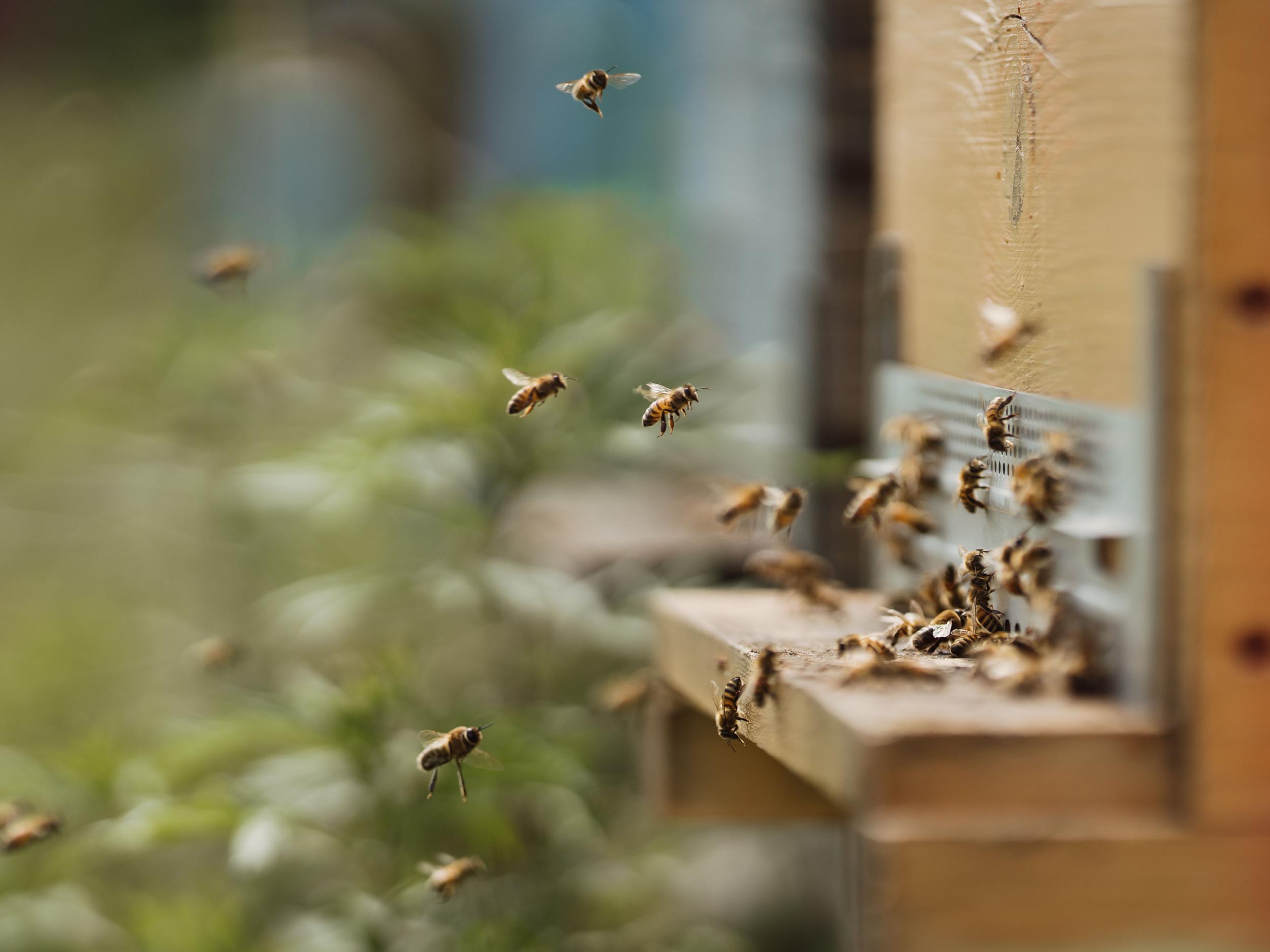
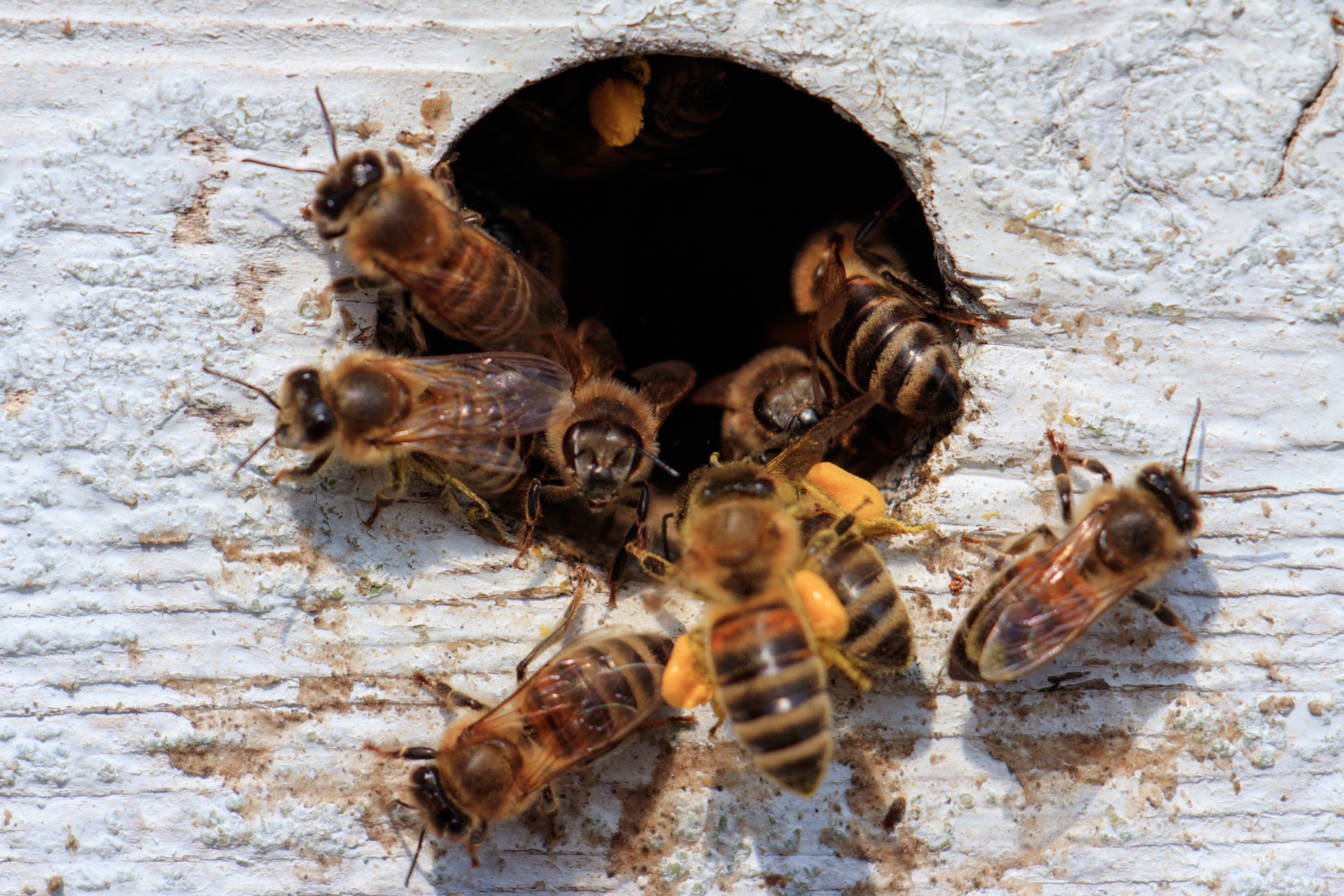
A closeup of honeybees flying out of a hole in a wooden surface under the sunlight at daytime IIIIIIIIII Gros plan sur des abeilles sortant d'un trou dans une surface en bois, sous la lumière du soleil en pleine journée
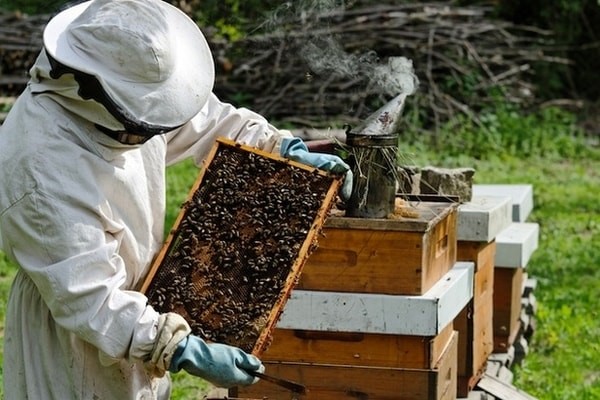
There is an urgent need to strengthen antimicrobial use (AMU) surveillance and reporting of bee diseases, development of guidance on treatment of bee diseases, research into alternatives for treatment of bee pests and diseases including American and European foulbrood diseases and awareness creation to beekeepers on of potential AMR risks in apiculture.
Bees and hive products get exposed to antimicrobials and other agrochemicals, through treatments applied within hives, environmental contamination, application of pesticides and herbicides and interactions between livestock and beekeeping systems. Implications of residues of veterinary products including antimicrobials in honey impact food safety, consumer confidence and market access. The role of bee diseases and pests’ detection, prevention, biosecurity and appropriate disease management practices in reducing the need for antimicrobial treatments was accentuated.
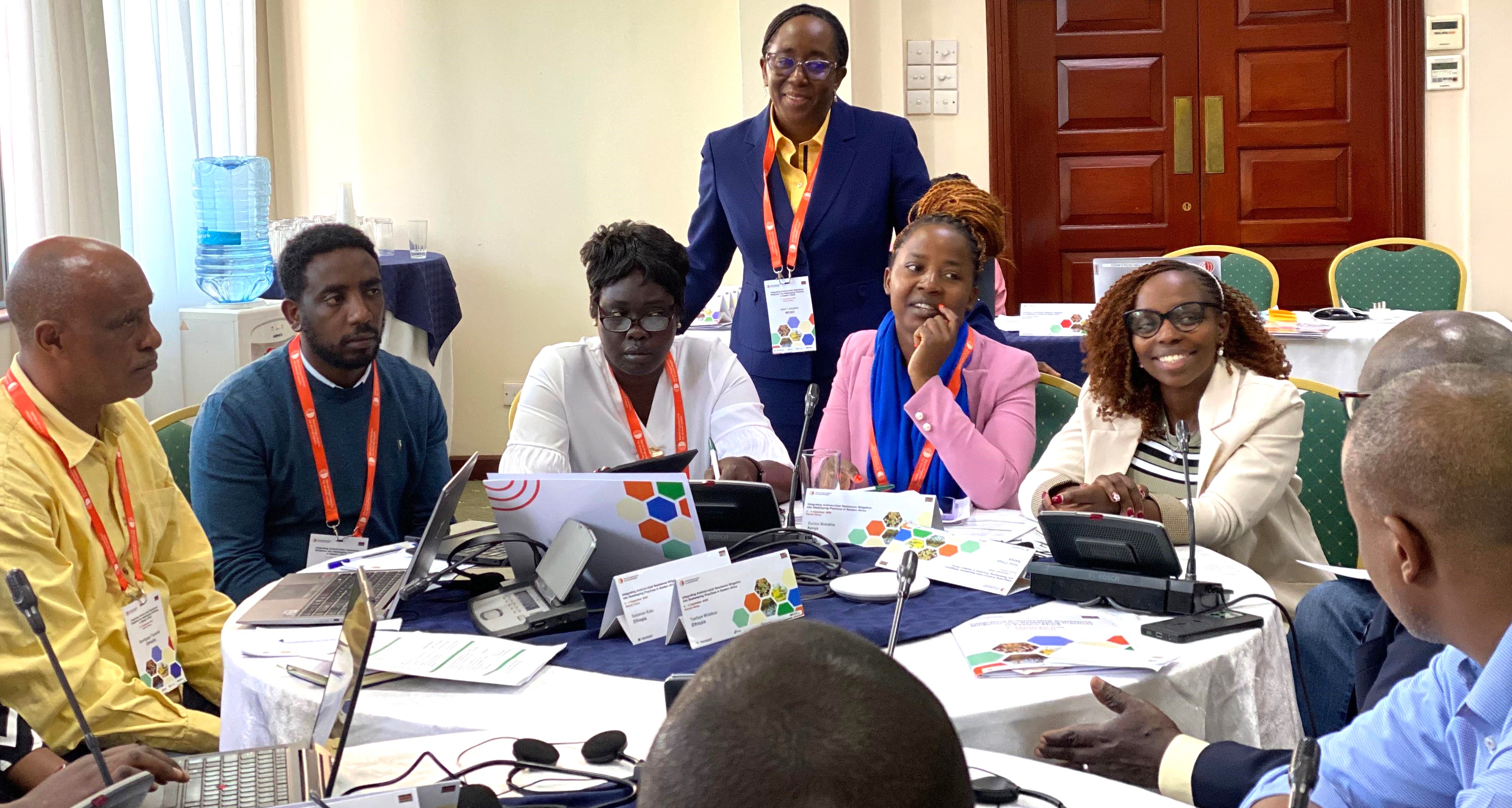
Dr Neo Mapitse, WOAH Sub-Regional Representative for Eastern Africa. Picture (c) B. Barasa (woah) 2026.
Dr Neo Mapitse (WOAH) underscored the importance of honeybees to agricultural productivity and ecosystem health and highlighted the need for better data reporting on antimicrobial use and bee diseases through WOAH platforms.
Dr. Beatrice Nganso of icipe highlighted the importance of bee health for livelihoods, food production, and environmental resilience, calling for better surveillance and understanding of antimicrobial use in beekeeping.
Dr. Abraham Sangula (DVS) emphasised the need for safe apiary products and advocated for the development of codes of practice for regulators and beekeepers to define clear roles of stakeholders, regulation of herbicides, designating bee keeping areas and use of pesticides in apiaries. He noted the importance of building trust among stakeholders through awareness raising to sensitise value chain actors.
The continent has a diverse native bee species with potential for increased production. Present bee keeping challenges include pesticide use, landscape fragmentation, and climate change impacts on bee health.
African beekeeping practices differ significantly from Europe. Use of antimicrobials is not documented (currently not being monitored) but the risk of hive contamination is high considering mixed farming practices. Recent research findings depict colony losses, pest management, and the need for improved hive types and best practices were shared. Continued investment in capacity building, infrastructure, and strengthening surveillance systems was recommended.
These spotlighted bee pests and diseases, antimicrobial use in beekeeping, alternatives to antimicrobials, biosecurity in apiculture, the role of veterinary services in safeguarding bee health and reporting AMU to the WOAH ANIMUSE platform. The critical need for collaboration between veterinarians, bee keeping departments and beekeepers was unanimously endorsed.
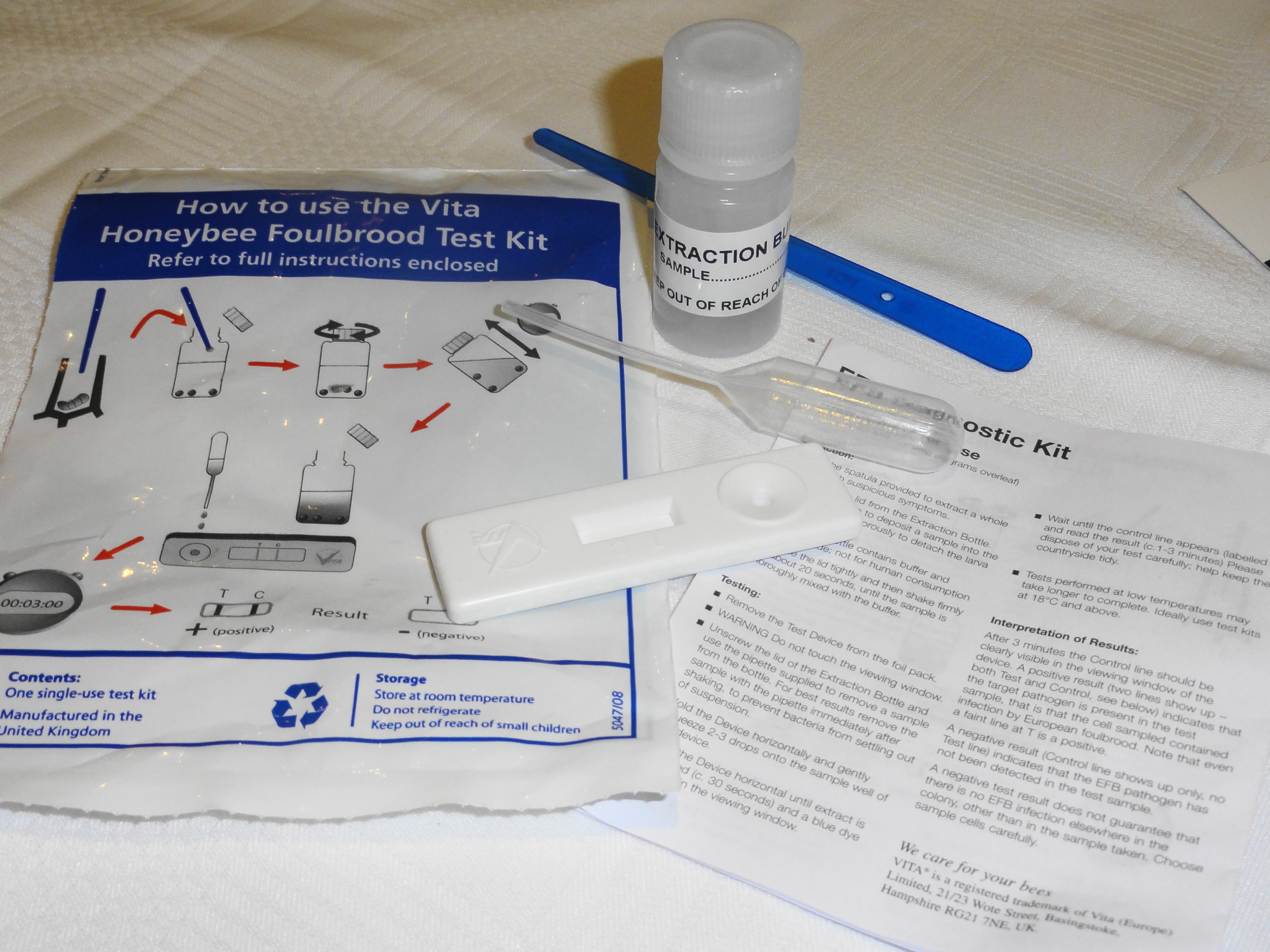
WOAH highlighted honeybee health and international standards; with a focus on honeybees of the genus Apis, addressing six specific diseases; American and European foulbrood, small hive beetle infestation, and varroa mite infestation. Reporting of listed bee diseases to WAHIS and how countries can self-declare against bee diseases were demonstrated. The WOAH collaborating centre on “Good Beekeeping Management Practices and Biosecurity Measures in the Apiculture Sector” in Italy, discussed official health controls, disease surveillance methods and approaches to identifying bee diseases and pests; control measures, risk assessment & new detection tools like mobile dividers and DNA analysis from debris.
Experiences from Ethiopia, Kenya, Rwanda, Uganda and Tanzania shared the status of beekeeping, bee health management and antimicrobial use.
Common challenges, including limited surveillance of antimicrobial use and resistance, gaps in diagnostic capacity, limited availability of bee-specific treatment products and the need for stronger biosecurity and disease-prevention practices.
It examined the current needs for beekeeping departments and veterinary services. Listed interventions for prioritisation include strengthening collaboration between national beekeeping and veterinary services, initiating AMU surveillance, data and information sharing between the departments, building technical capacity for bee health, regulatory & legal strengthening on use of antimicrobials and plant protection products, advocacy on “Good Beekeeping Practices” and biosecurity as well as value chain stakeholder engagement.
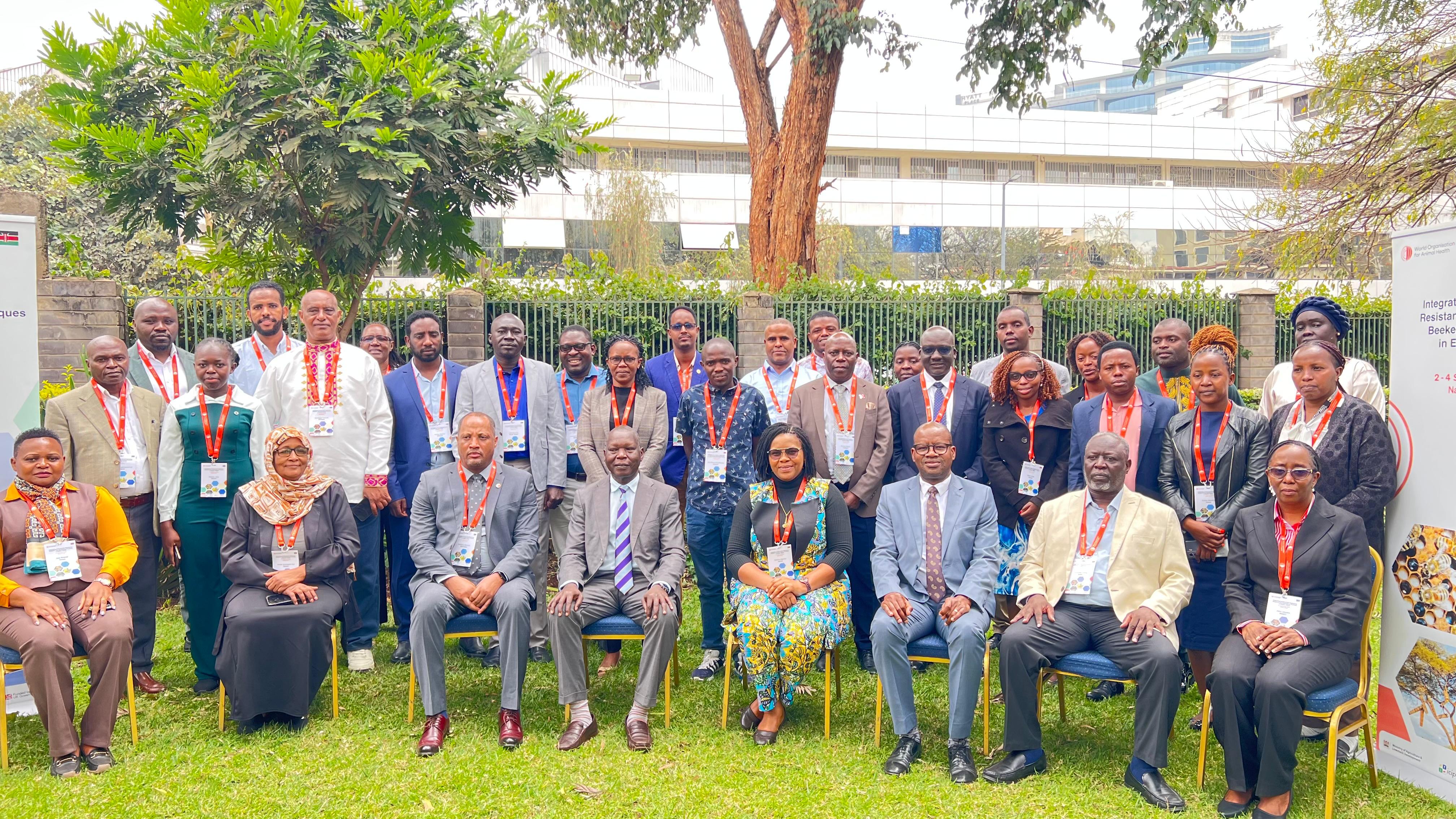
This training was technically supported by Dr. Beatrice Nganso and Ms. Nelly Ndungu at the International Cetre for Insect Physiology and Ecology (icipe) in Kasarani, Kenya, a WOAH Collaborating Centre for diseases of honeybees in Africa.