

Johannesburg, South Africa
GF-TADs Foot-and-mouth Disease (FMD) Risk Assessment Training Workshop
September 21, 2023
Read more
The workshop was organised by the Sub-Regional Representation for Eastern Africa of the World Organisation for Animal Health (WOAH) as a contribution to activities of the Global Framework for the Progressive Control of Transboundary Animal Diseases (GF-TADs). The workshop was facilitated by International and Regional WOAH Experts, among them Dr. Misheck Mulumba (WOAH Scientific Committee for Animal Diseases, SCAD), Dr. Giancarlo Ferrari (Istituto Zooprofilattico Sperimentale delle Regioni Lazio e Toscana , IZS), Dr. David Paton (The Pirbright Institute, TPI), and Dr. Joseph Hyera (Botswana Vaccine Institute, BVI).
Workshop participants included representatives from Eastern African countries:
Partner institutions that actively participated in the training included the FAO Regional Office (Eastern Africa), African Union Pan African Veterinary Vaccine Centre (AU- PANVAC), IGAD Centre for Pastoral Areas and Livestock Development (IGAD-ICPALD), International Livestock Research Institute (ILRI), Global Alliance for Livestock Veterinary Medicines (GALVmed).
The opening address was made by the WOAH Representative for Eastern Africa, Dr. Neo Mapitse and Dr. Sabenzia Wekesa who on behalf of the Government of Kenya, officially opened the workshop.
Dr. Neo Mapitse, WOAH Representative for Eastern Africa
Dr Sabenzia Wekesa, Senior Deputy Director of Veterinary Services, Ministry of Agriculture, Kenya
These remarks set the tone for the workshop, emphasising collaboration, regional commitment to FMD control, and the strategic importance of the PCP-FMD framework. The opening presentation was on meeting objectives and adoption of the agenda made by Viola Chemis of WOAH. She reminded about the meeting objectives which were:
She also took the meeting through the agenda which was adopted as proposed. Ultimately the workshop helped members identify concrete gaps, share possible solutions and build stronger linkages between members, partners and experts for FMD control and promote coordinated action where necessary.
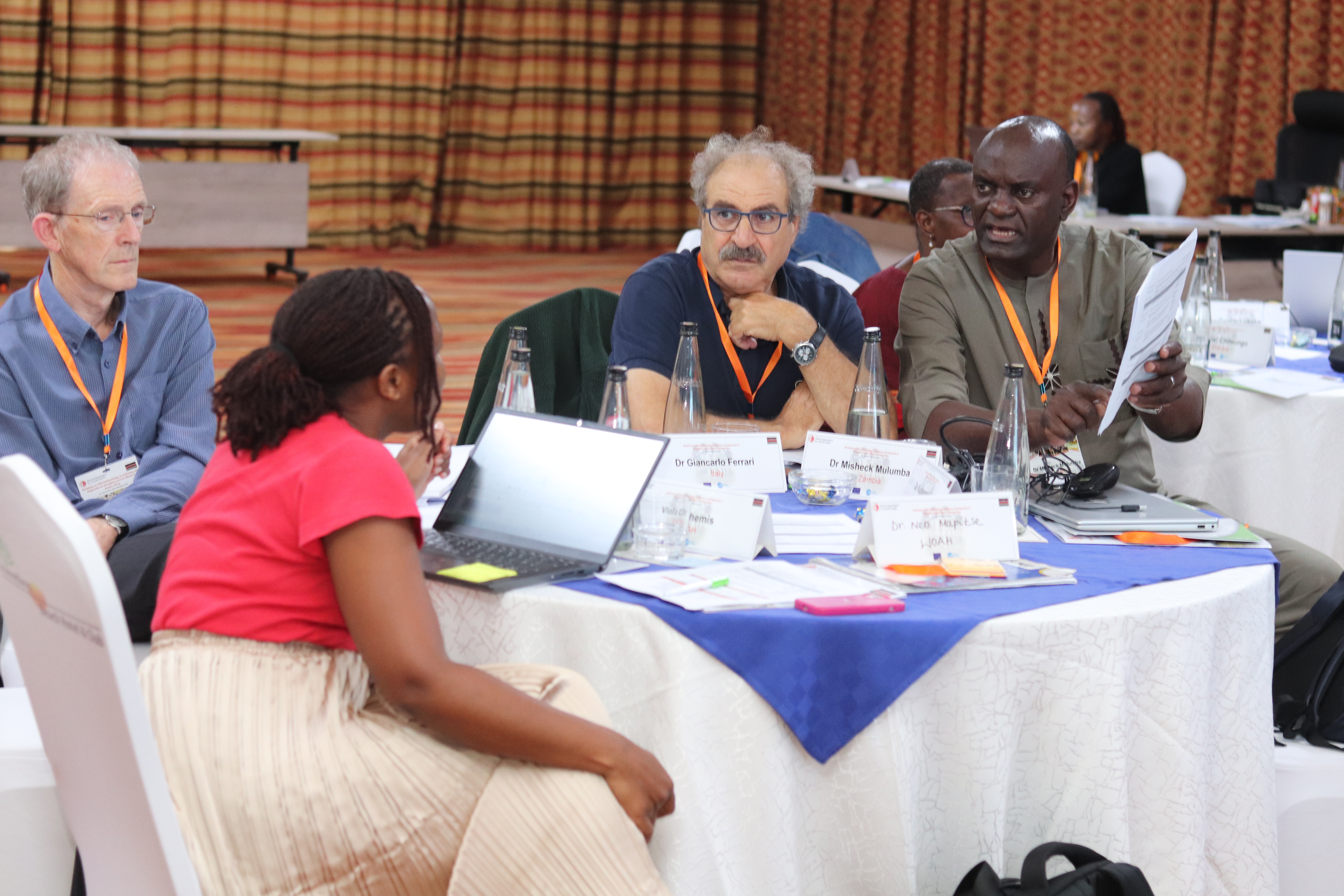
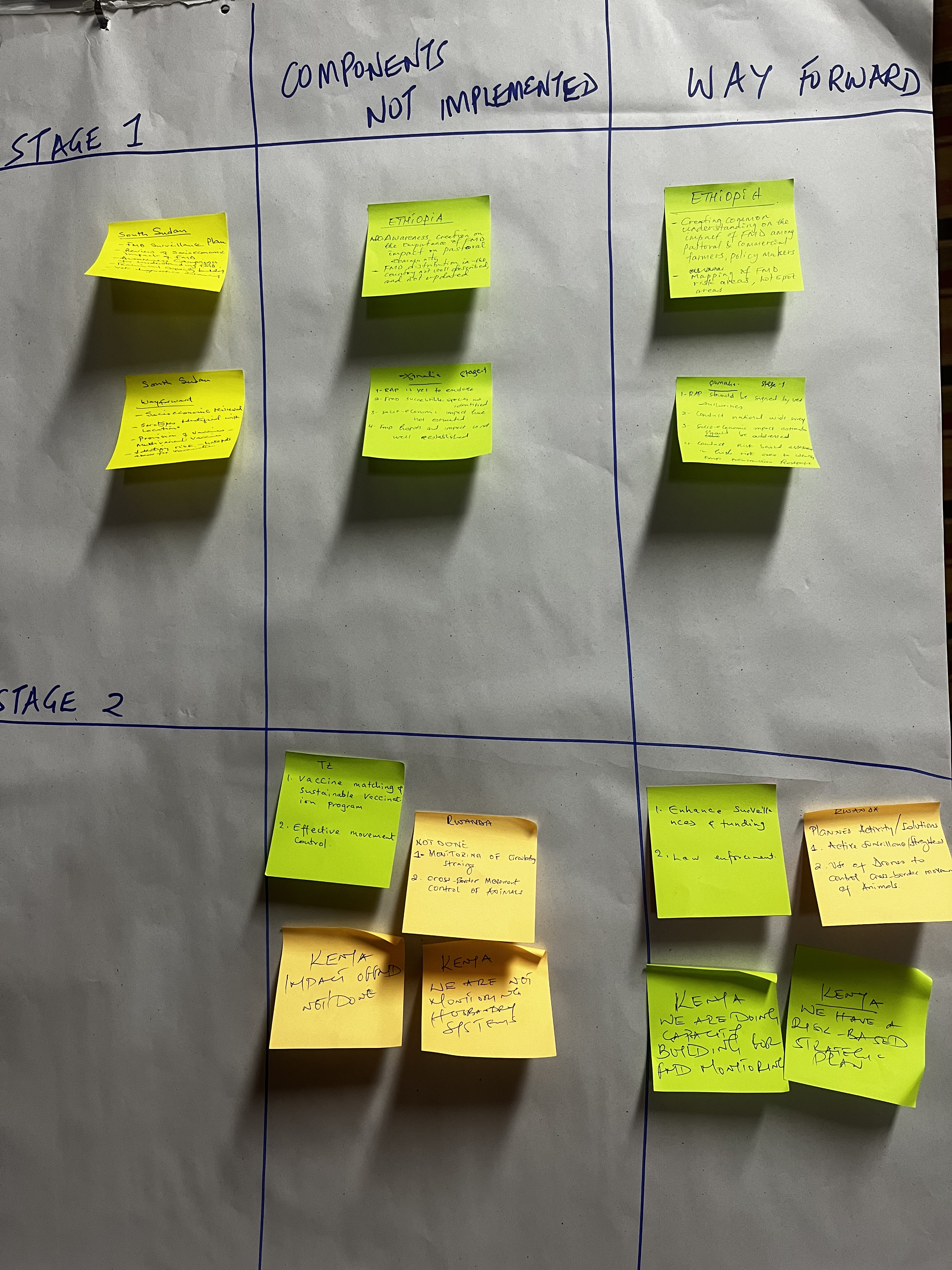
The workshop was organized to provide presentations on the FMD situation, trade opportunities, country-specific control interventions and better understanding of the PCP-FMD stages led by Drs David Paton and Giancarlo Ferrari. This was followed by group work on the GF-TAD focused PCP stages 1 to 3, where countries reflected on their actual status, gaps and opportunities to progress along the PCP-FMD stages.
The group work was organized based on the country’s PCP-FMD stages. The discussions focused on identifying key gaps and proposing practical solutions to advance national FMD control strategies. These were categorised as follows:
PCP-FMD Stage 1 Countries
PCP-FMD Stage 2 Countries
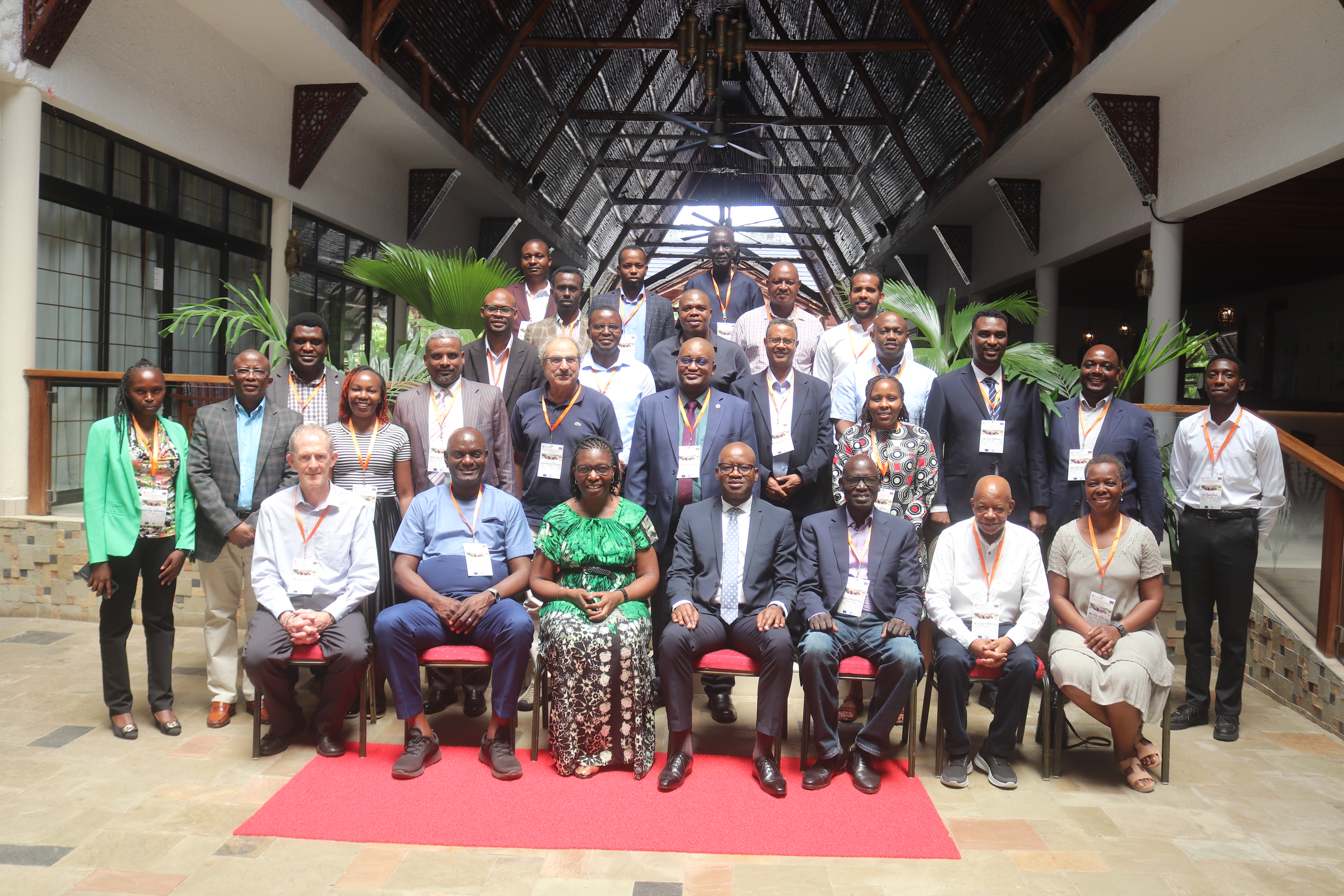
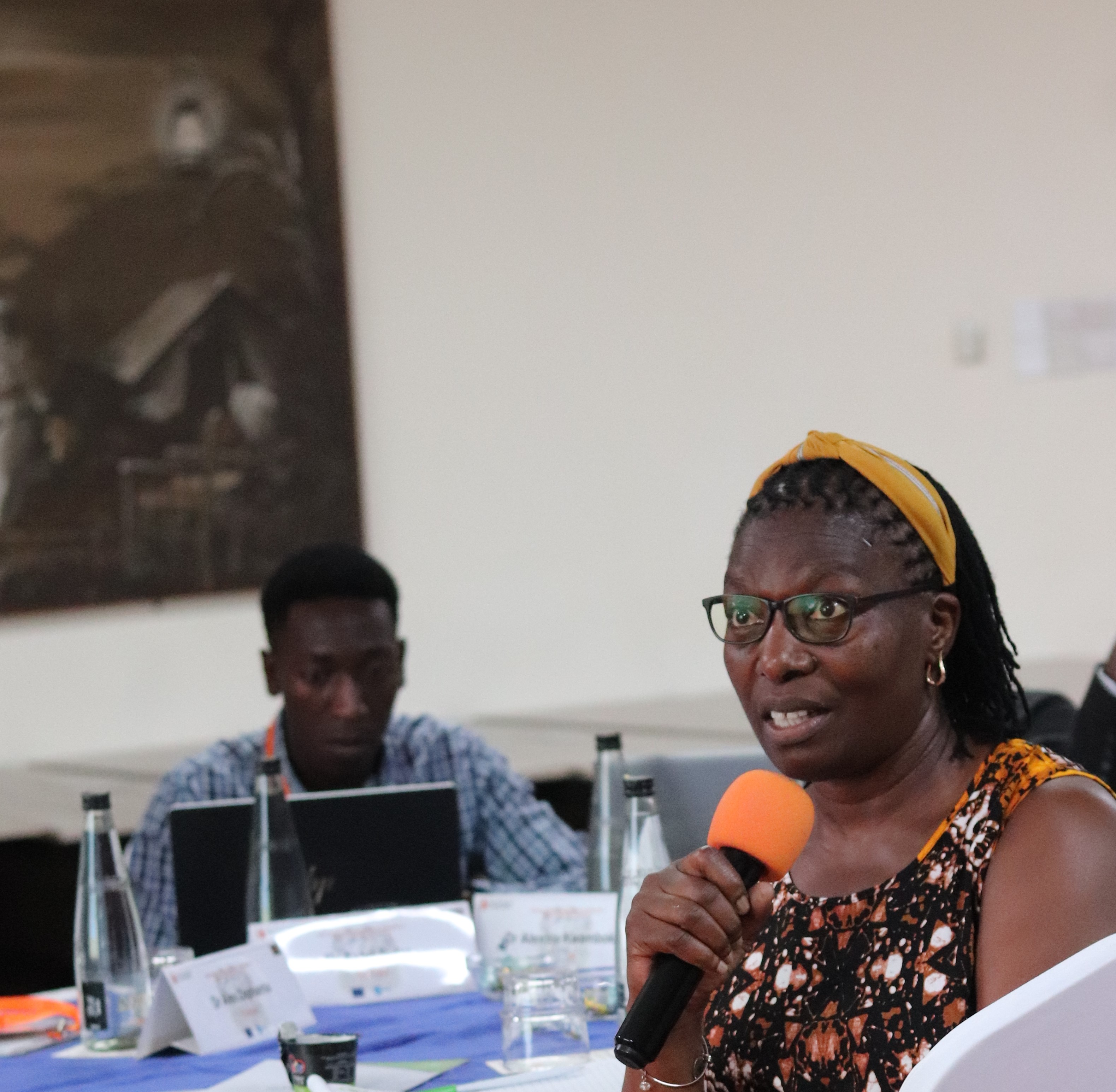
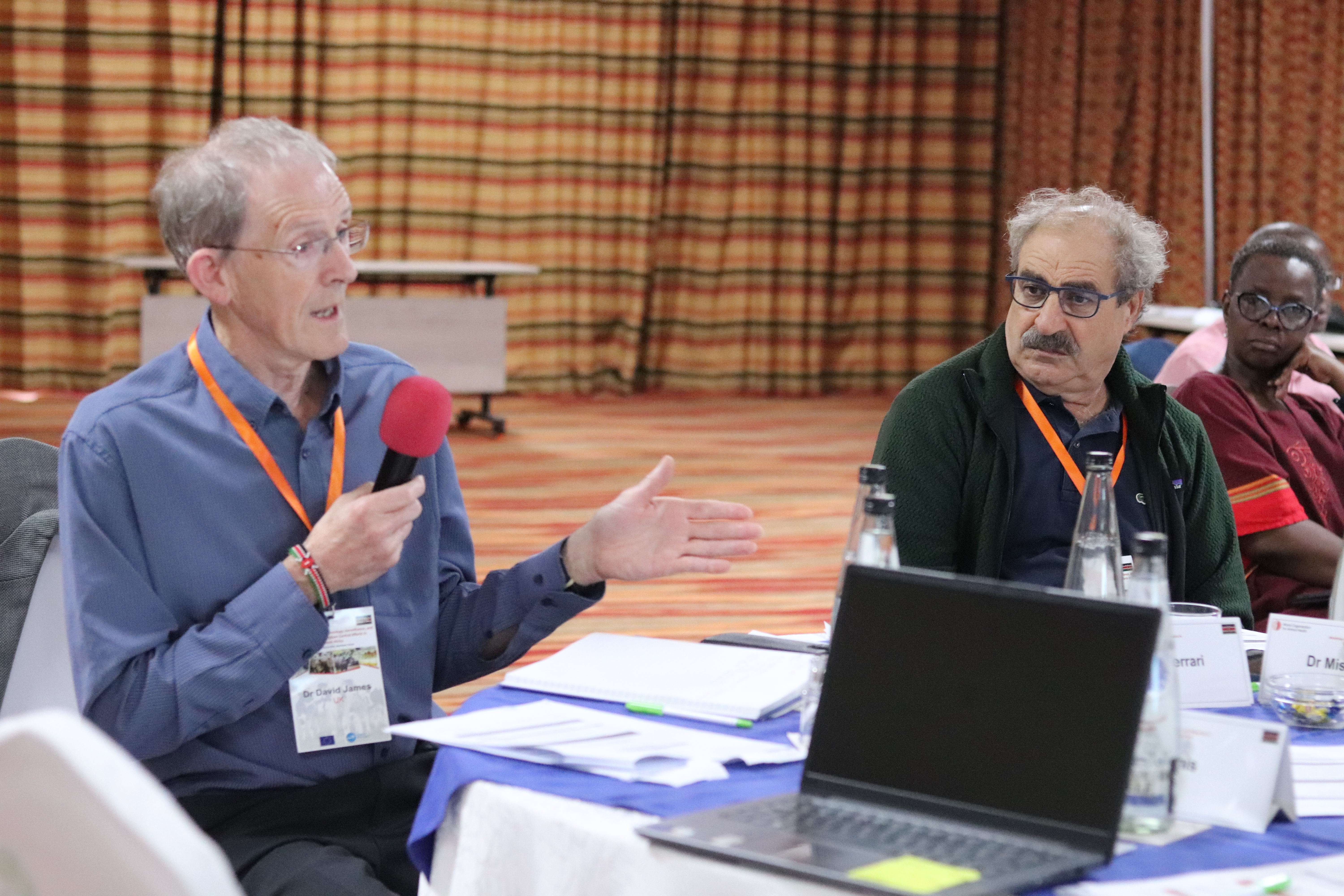
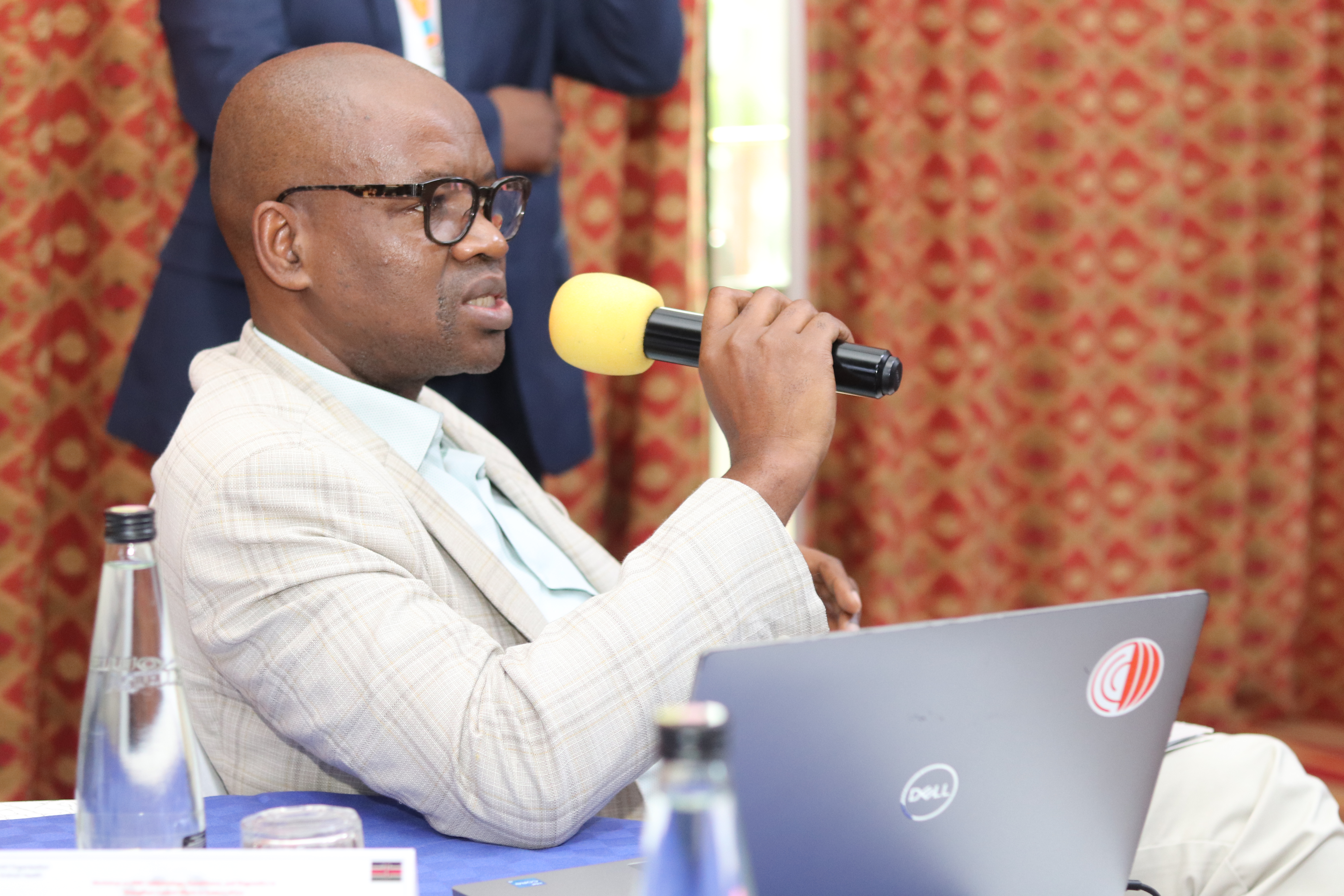
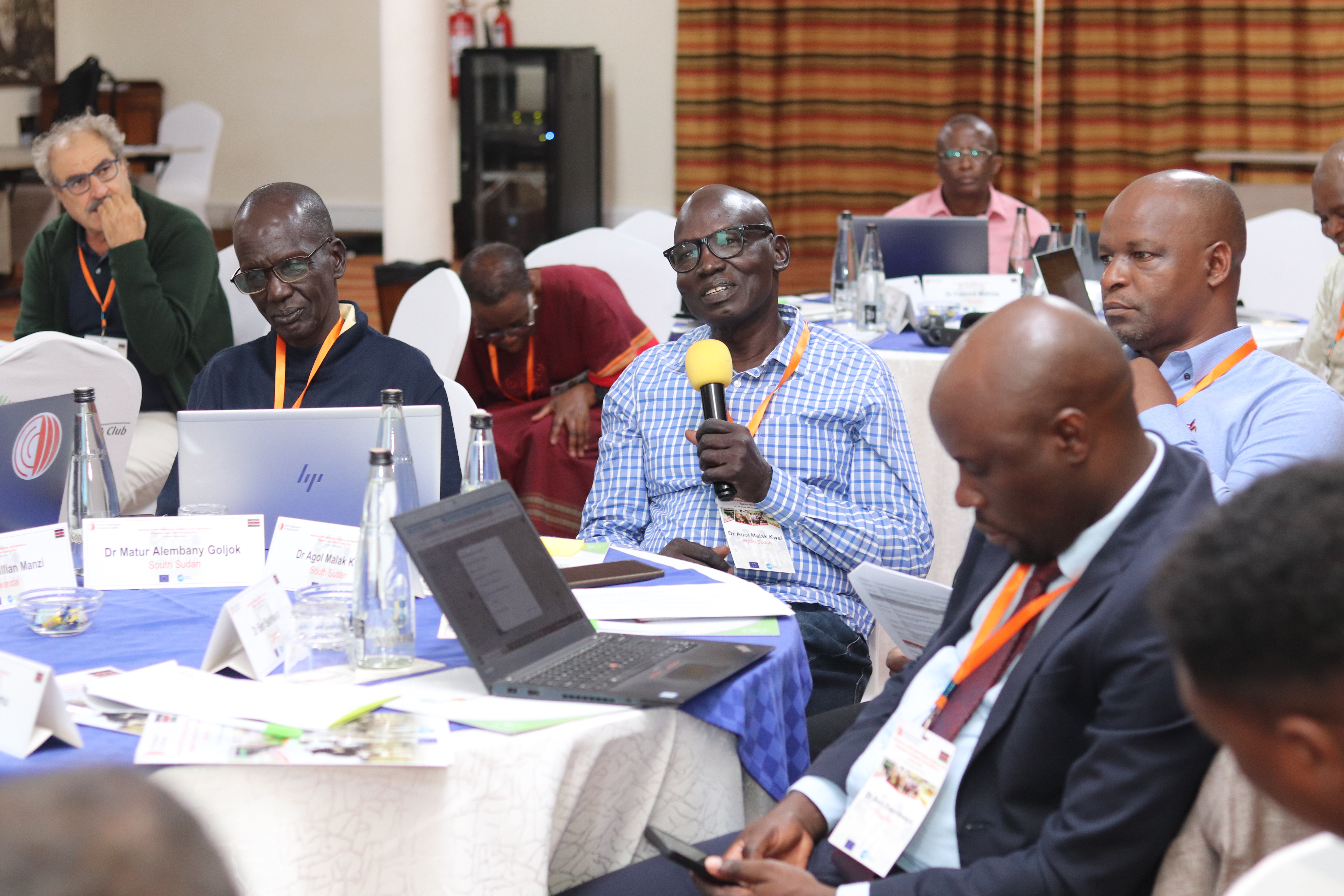
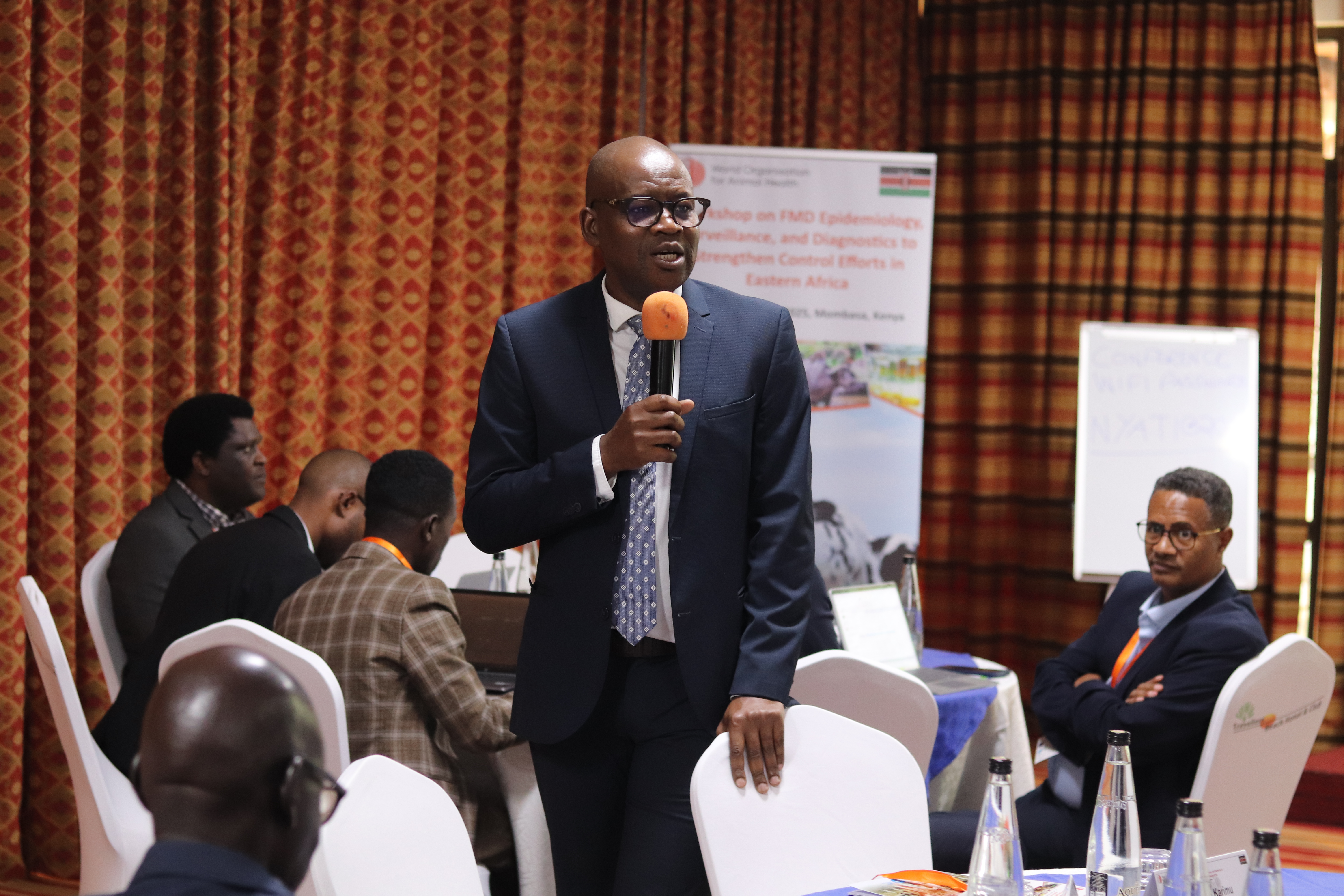
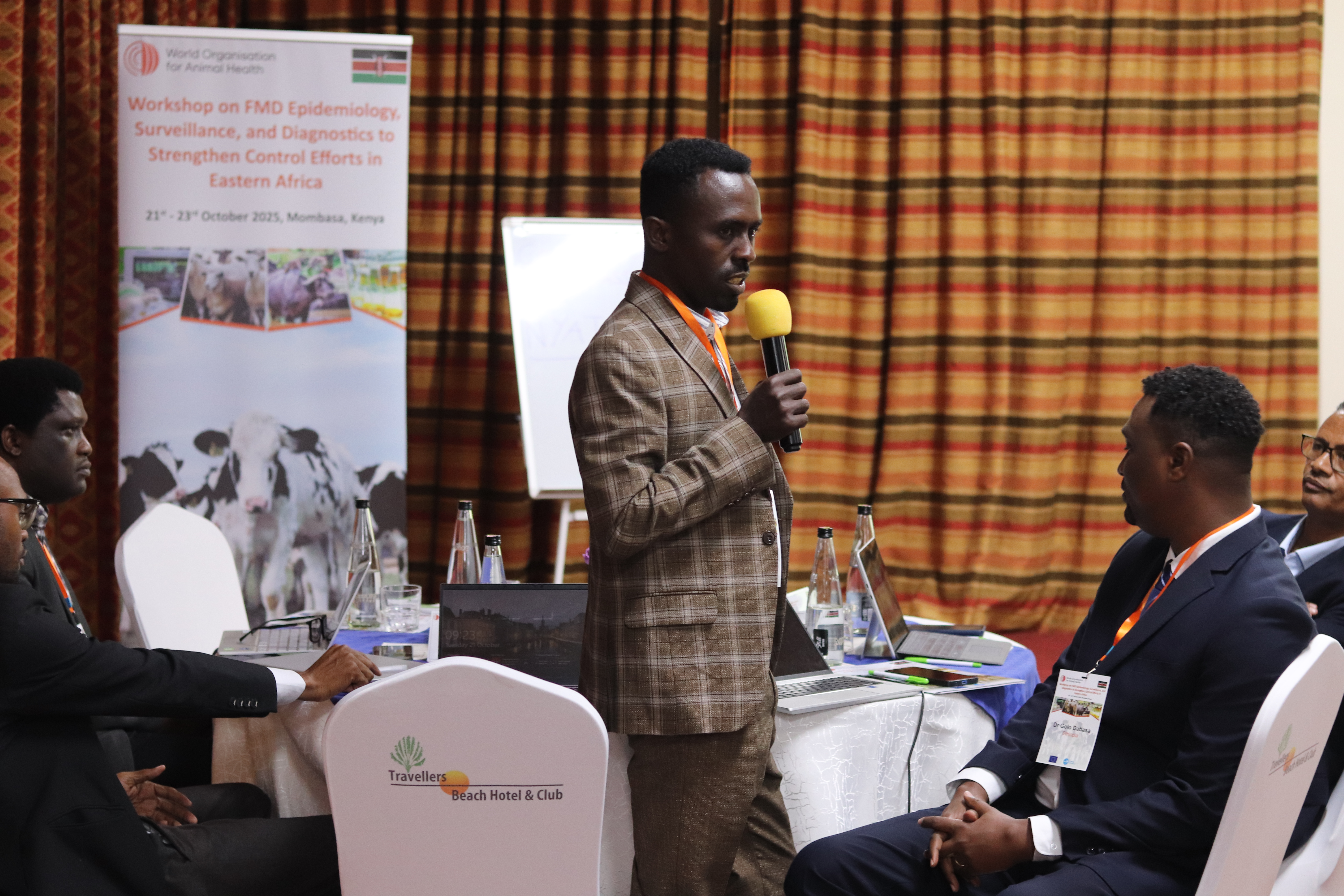
Overview of part of the participants. Training workshop on FMD epidemiology, diagnostics, and surveillance held in Mombasa, Kenya. Picture (c) Communication (woah) 2025.
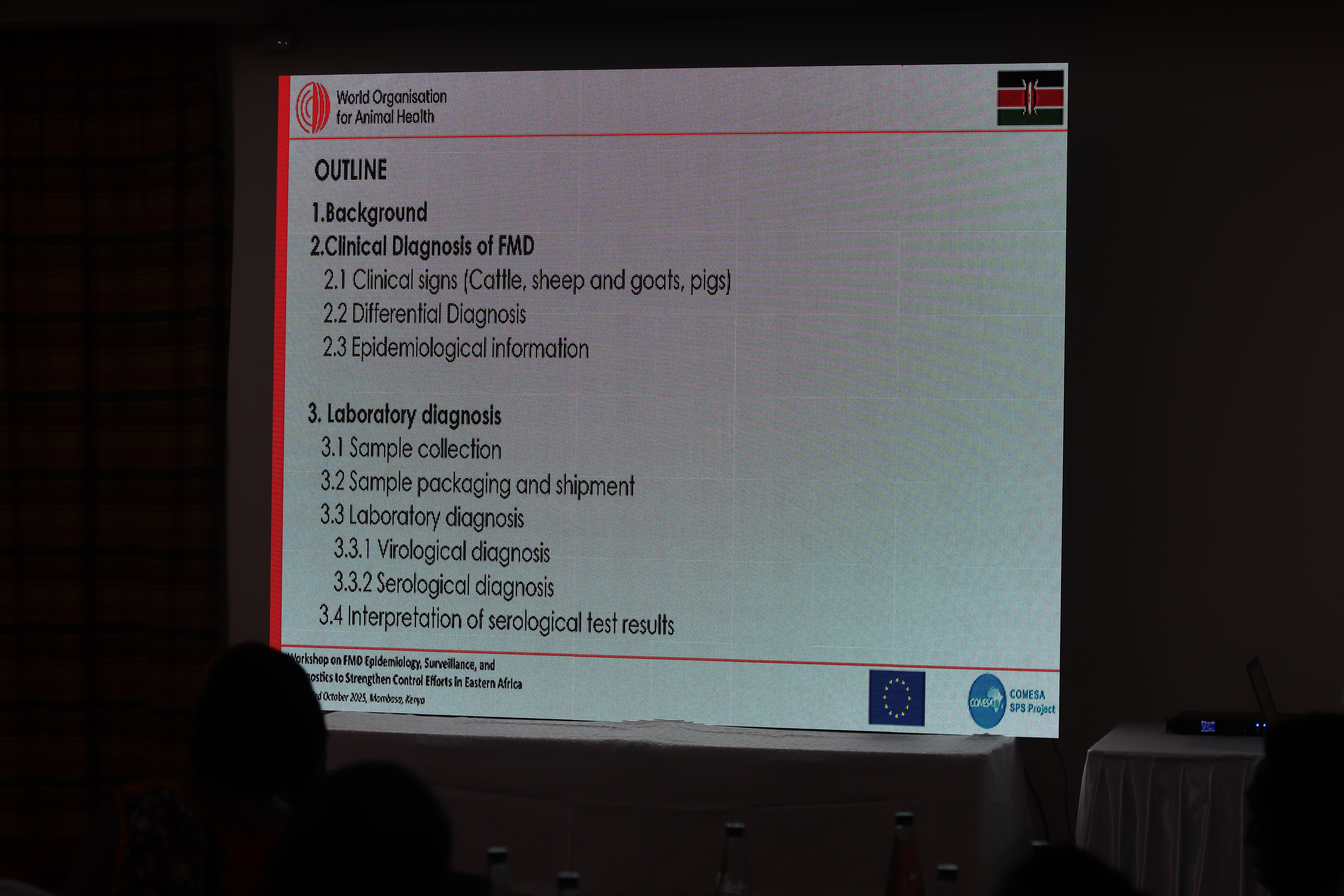
On the second day, experts Dr. Misheck Mulumba and Dr. Joseph Hyera provided presentations and enabled discussions on the WOAH Chapter 8.8 Questionnaire for official control programme endorsement, FMD epidemiology and outbreak response, practices of surveillance and FMD diagnostics.
There was also a presentation on “Insights on How to formulate technical specifications for vaccine procurement, lessons and opportunities from the AgResults Foot and Mouth Disease Vaccine Challenge Project” by GALVmed, “Attributes of effective FMD control and vaccination strategies” by Dr. David Paton and a presentation on FMD vaccine quality control by AU-PANVAC. This was followed by a panel discussion with stakeholders including GALVmed, AU-PANVAC, KEVEVAPI, ILRI, FAO, FAO’s Regional Office for Africa (RAF), NVI-Ethiopia, IGAD-ICPALD, BVI-Botswana, and OVRI-South Africa.
The interactive panel session discussed FMD Diagnosis, Vaccine selection, procurement, quality control and supply. The elaborate discussions of the panel session can be categorized into the following thematic areas:
Dr. Sabenzia Wekesa (Kenya). Training workshop on FMD epidemiology, diagnostics, and surveillance held in Mombasa, Kenya. Picture (c) Communication (woah) 2025.
The third day of the workshop focused on enhancing regional coordination and understanding the roles of key institutions in FMD control. Presentations were delivered by the Botswana Vaccine Institute (BVI) and Onderstepoort Veterinary Research Institute (OVRI), both WOAH Reference Laboratories, outlining their support for FMD surveillance, diagnostics, and control in Eastern Africa.
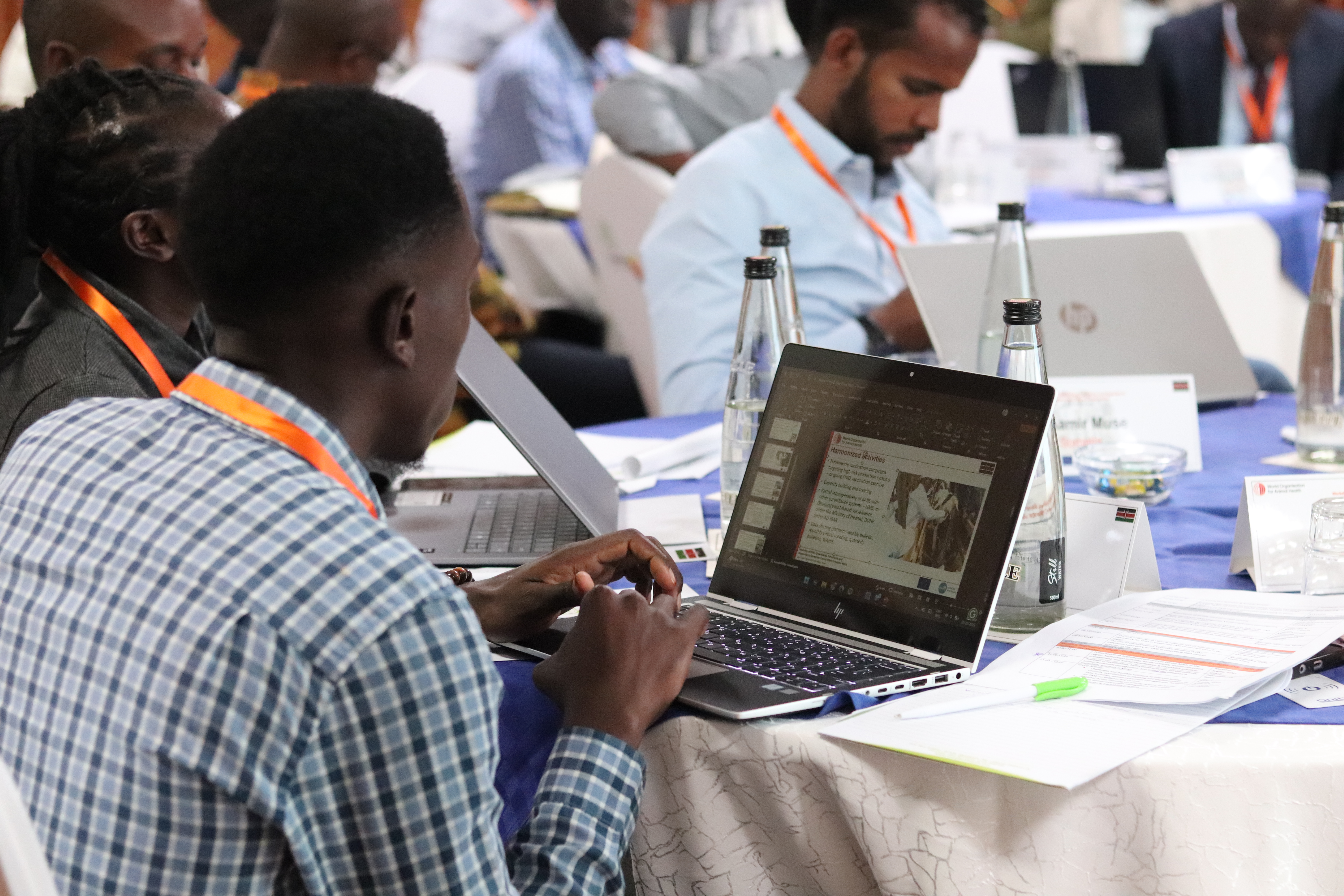
Further contributions came from IGAD-ICPALD and the representative of Kenya, who shared experiences on the implementation of cross-border Memoranda of Understanding (MoUs). These presentations addressed harmonized activities, border control measures, animal movement management, and systems for animal identification and traceability.
Participants engaged in a guided group activity to explore challenges and propose solutions for improving coordination and surveillance across borders.
The regional coordination session focused on strengthening collaborative mechanisms for FMD control across Eastern Africa. Discussions highlighted the following key themes:
Annual Review and Regional Information Sharing:
Coordination and Harmonization of Measures:
Strengthening Laboratory and Epidemiology Networks:
Vaccine Quality Control and Harmonization:
Sharing of Best Practices:
Dr David Paton (TPI). Training workshop on FMD epidemiology, diagnostics, and surveillance held in Mombasa, Kenya. Picture (c) Communication (woah) 2025.
Dr Neo Mapitse (woah). Training workshop on FMD epidemiology, diagnostics, and surveillance held in Mombasa, Kenya. Picture (c) Communication (woah) 2025.
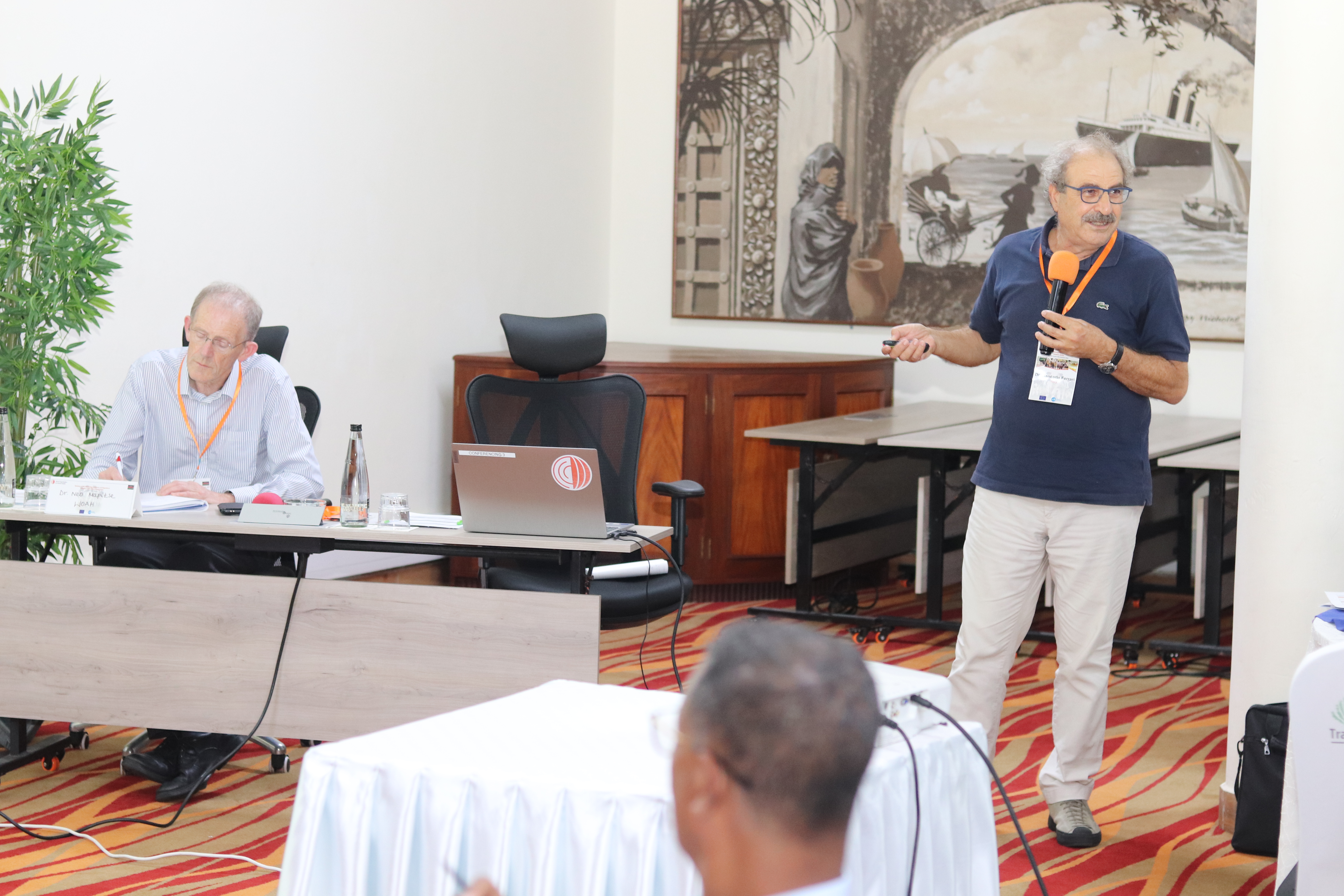
Dr Giancarlo Ferrari (IZS). Training workshop on FMD epidemiology, diagnostics, and surveillance held in Mombasa, Kenya. Picture (c) Communication (woah) 2025.
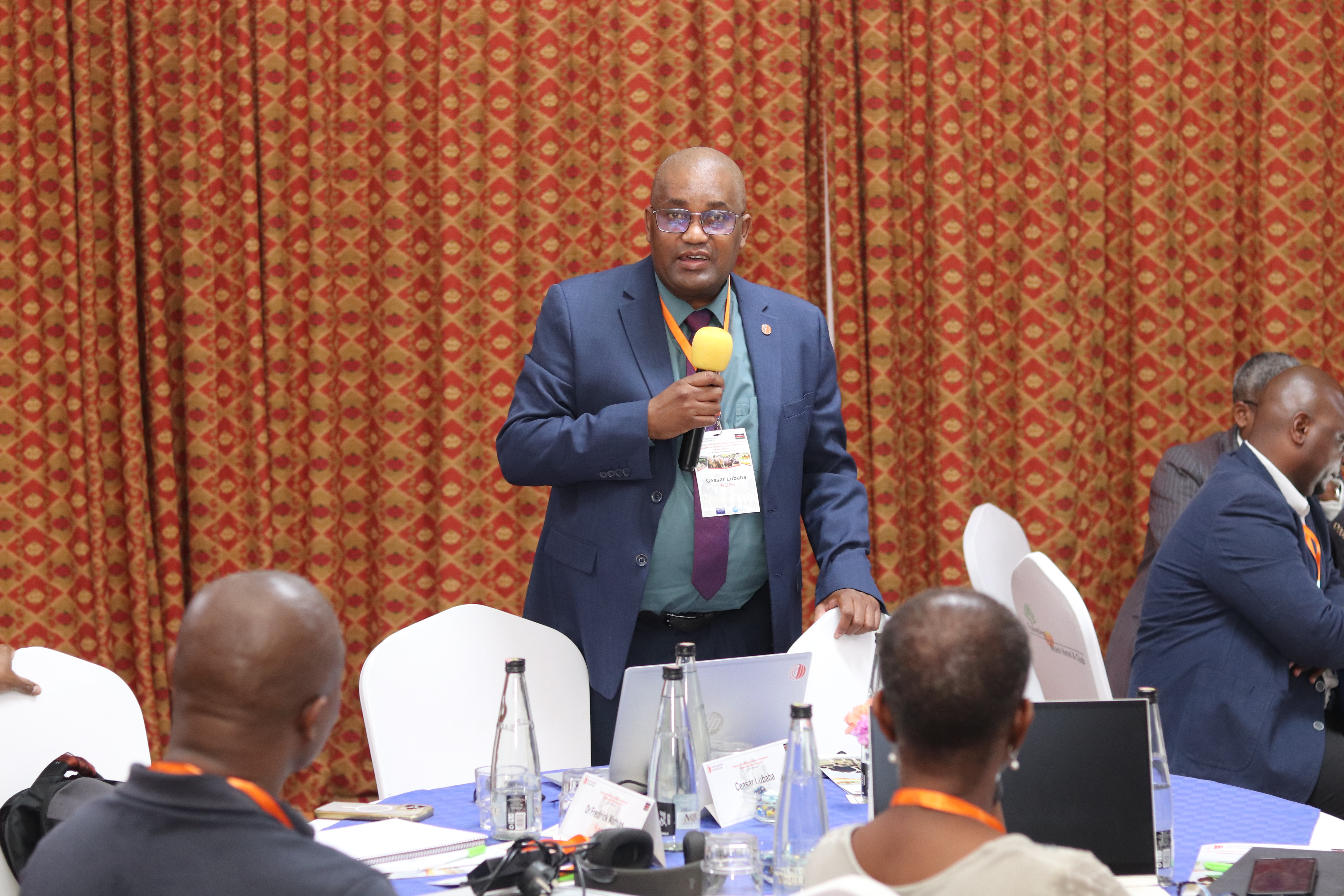
Dr Caesar Lubaba (woah). Training workshop on FMD epidemiology, diagnostics, and surveillance held in Mombasa, Kenya. Picture (c) Communication (woah) 2025.
Dr Neo Mapitse (woah). Training workshop on FMD epidemiology, diagnostics, and surveillance held in Mombasa, Kenya. Picture (c) Communication (woah) 2025.
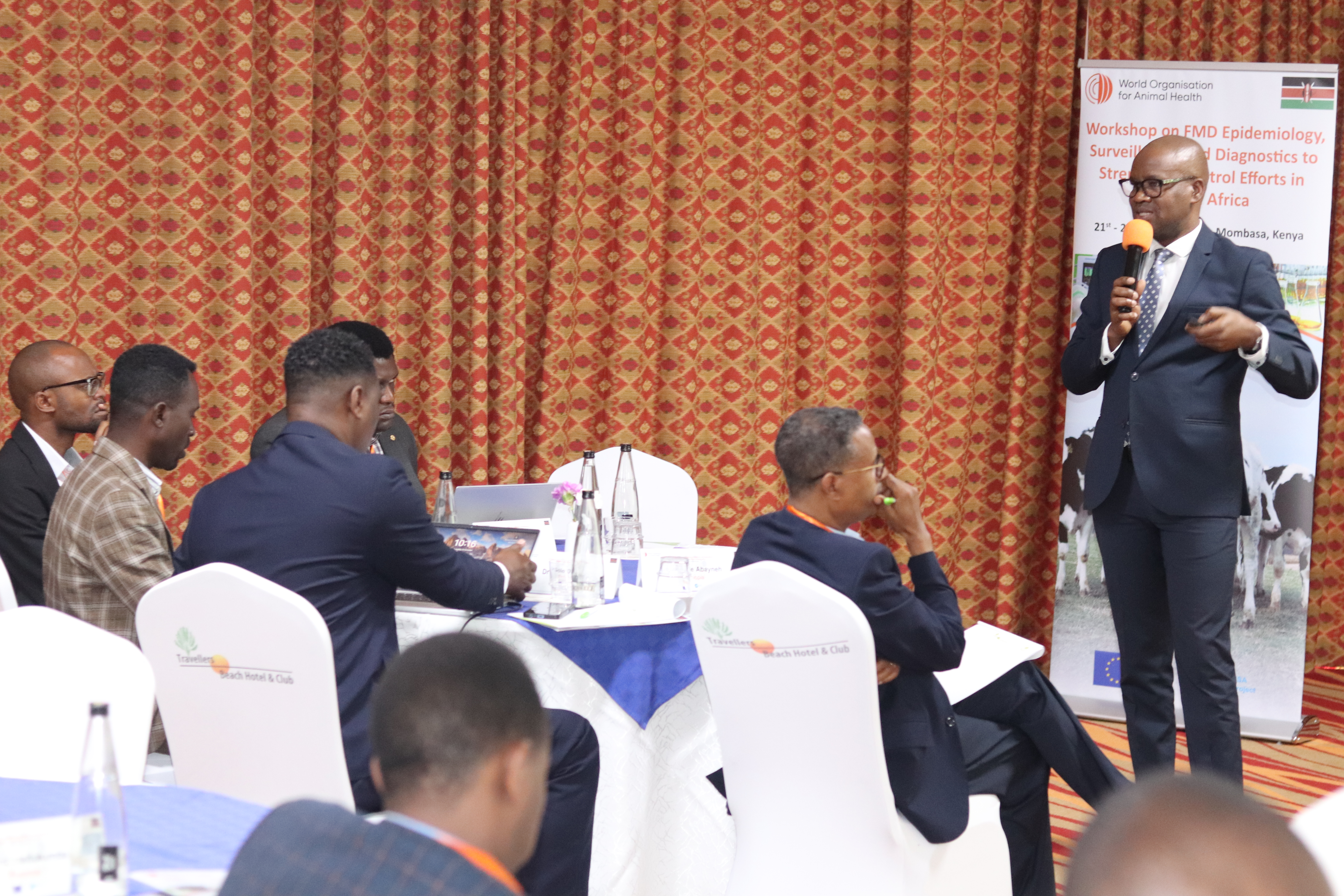
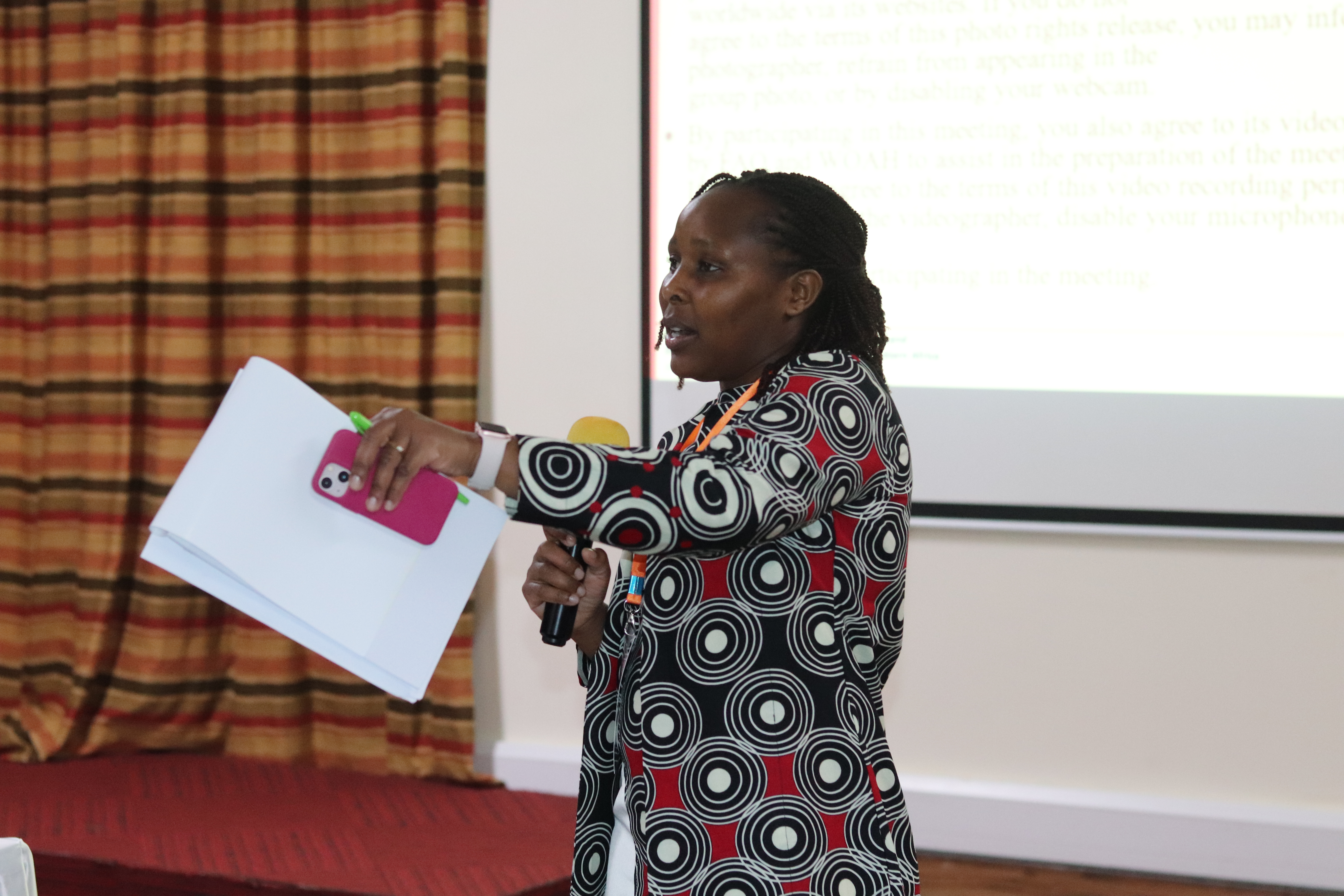
Training workshop on FMD epidemiology, diagnostics, and surveillance held in Mombasa, Kenya. Picture (c) Communication (woah) 2025.
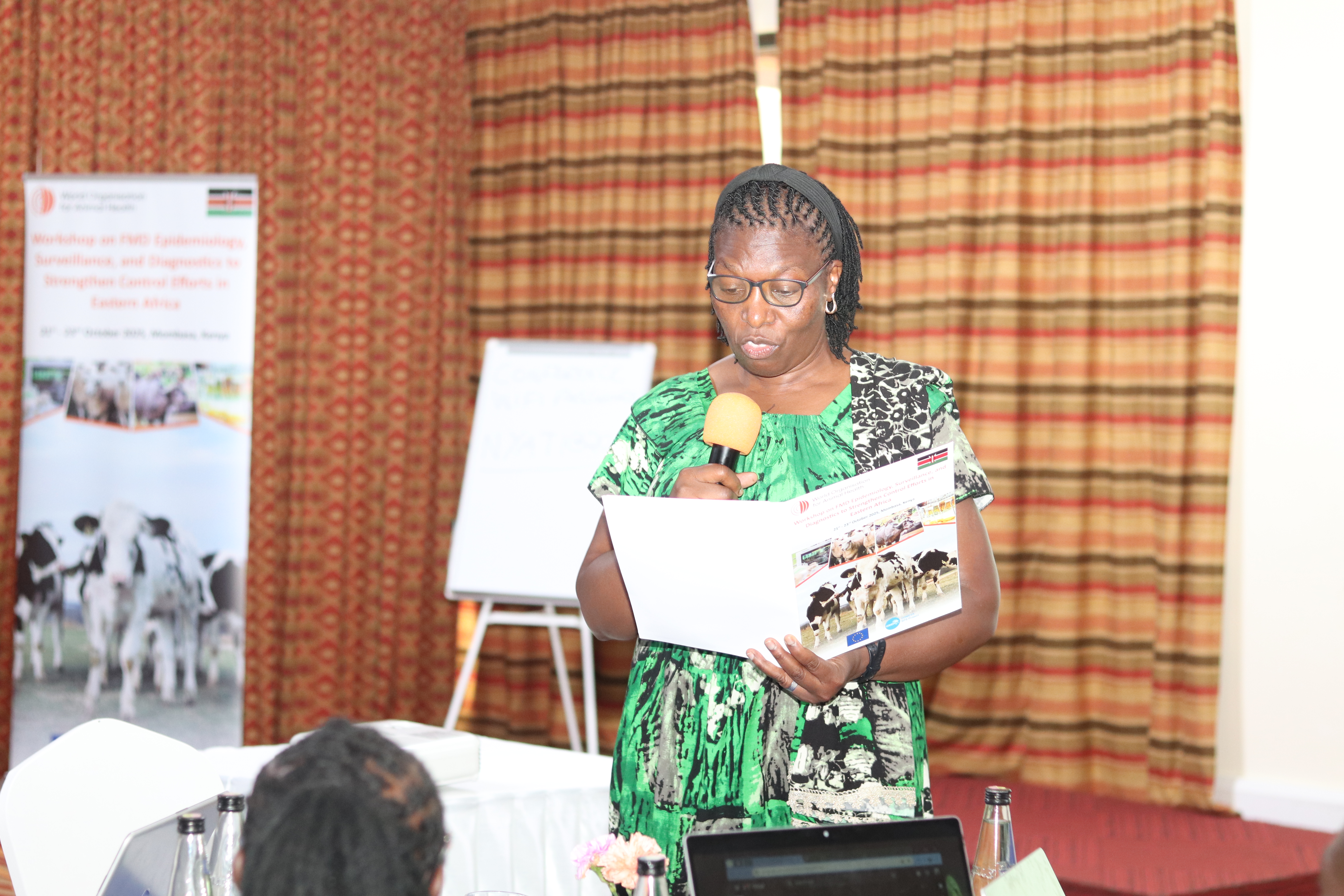
Dr Sabenzia Wekesa (Kenya). Training workshop on FMD epidemiology, diagnostics, and surveillance held in Mombasa, Kenya. Picture (c) Communication (woah) 2025.
Dr Viola Chemis (woah). Training workshop on FMD epidemiology, diagnostics, and surveillance held in Mombasa, Kenya. Picture (c) Communication (woah) 2025.
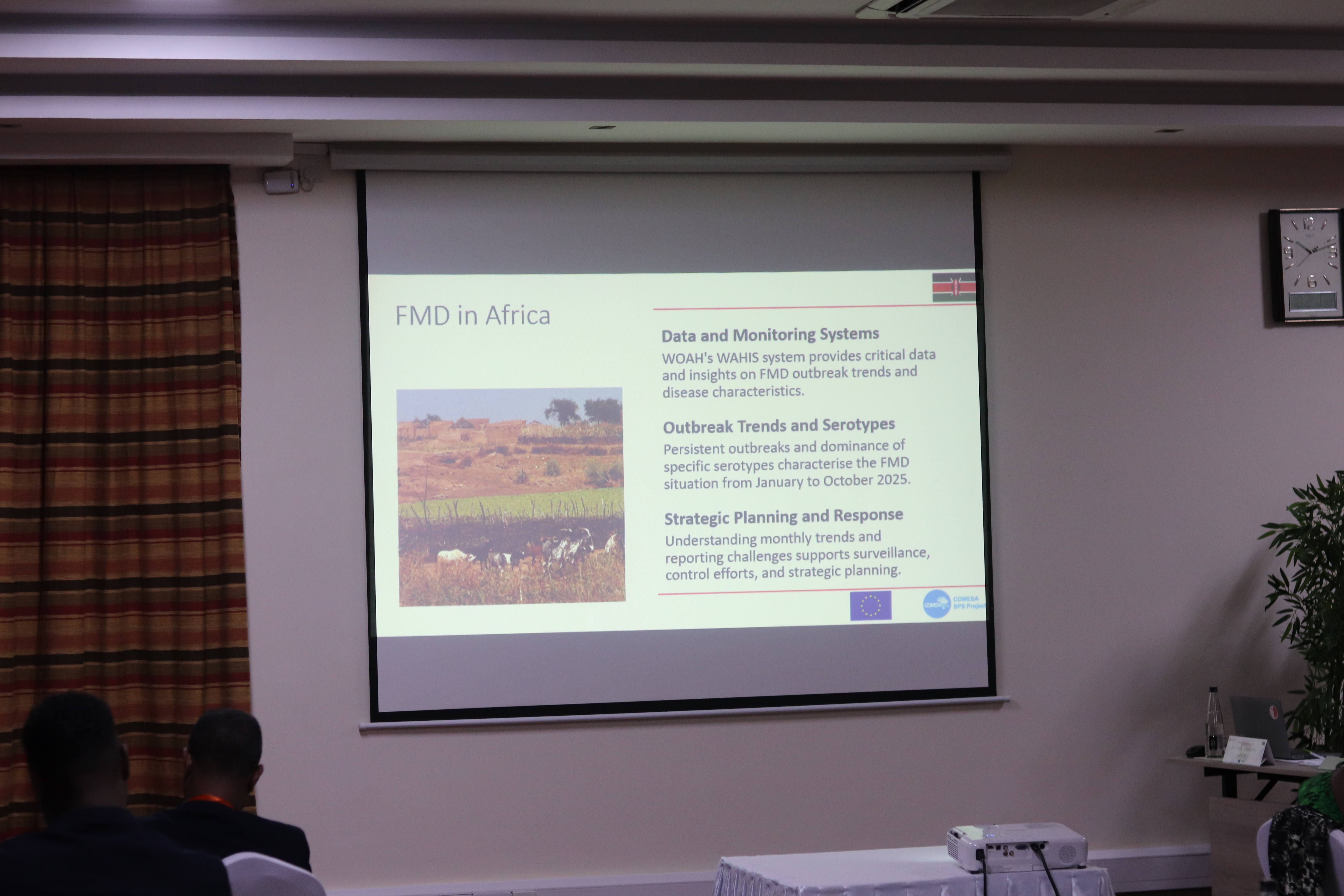
Training workshop on FMD epidemiology, diagnostics, and surveillance held in Mombasa, Kenya. Picture (c) Communication (woah) 2025.
Dr Agol Kwai (WOAH Delegate, South Sudan). Training workshop on FMD epidemiology, diagnostics, and surveillance held in Mombasa, Kenya. Picture (c) Communication (woah) 2025.
Training workshop on FMD epidemiology, diagnostics, and surveillance held in Mombasa, Kenya. Picture (c) Communication (woah) 2025.
Dr Neo Mapitse (woah). Training workshop on FMD epidemiology, diagnostics, and surveillance held in Mombasa, Kenya. Picture (c) Communication (woah) 2025.
Training workshop on FMD epidemiology, diagnostics, and surveillance held in Mombasa, Kenya. Picture (c) Communication (woah) 2025.
This training was generously funded by the European Union's SPS-AfCFTA Project IIIIII Cette formation a été généreusement financée par le projet SPS-AfCFTA de l'Union Européenne.
This activity was labeled GF-TADs (Africa)