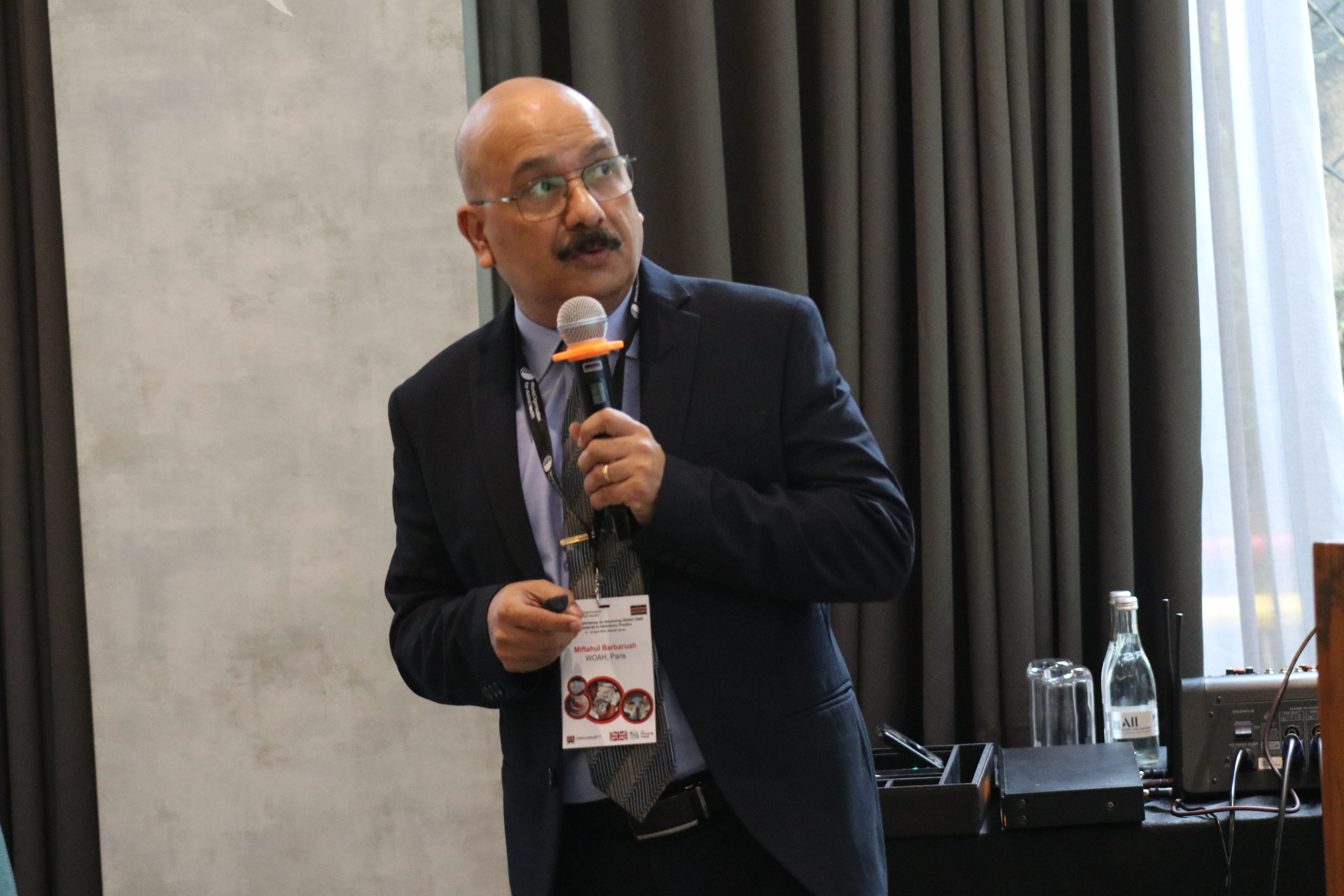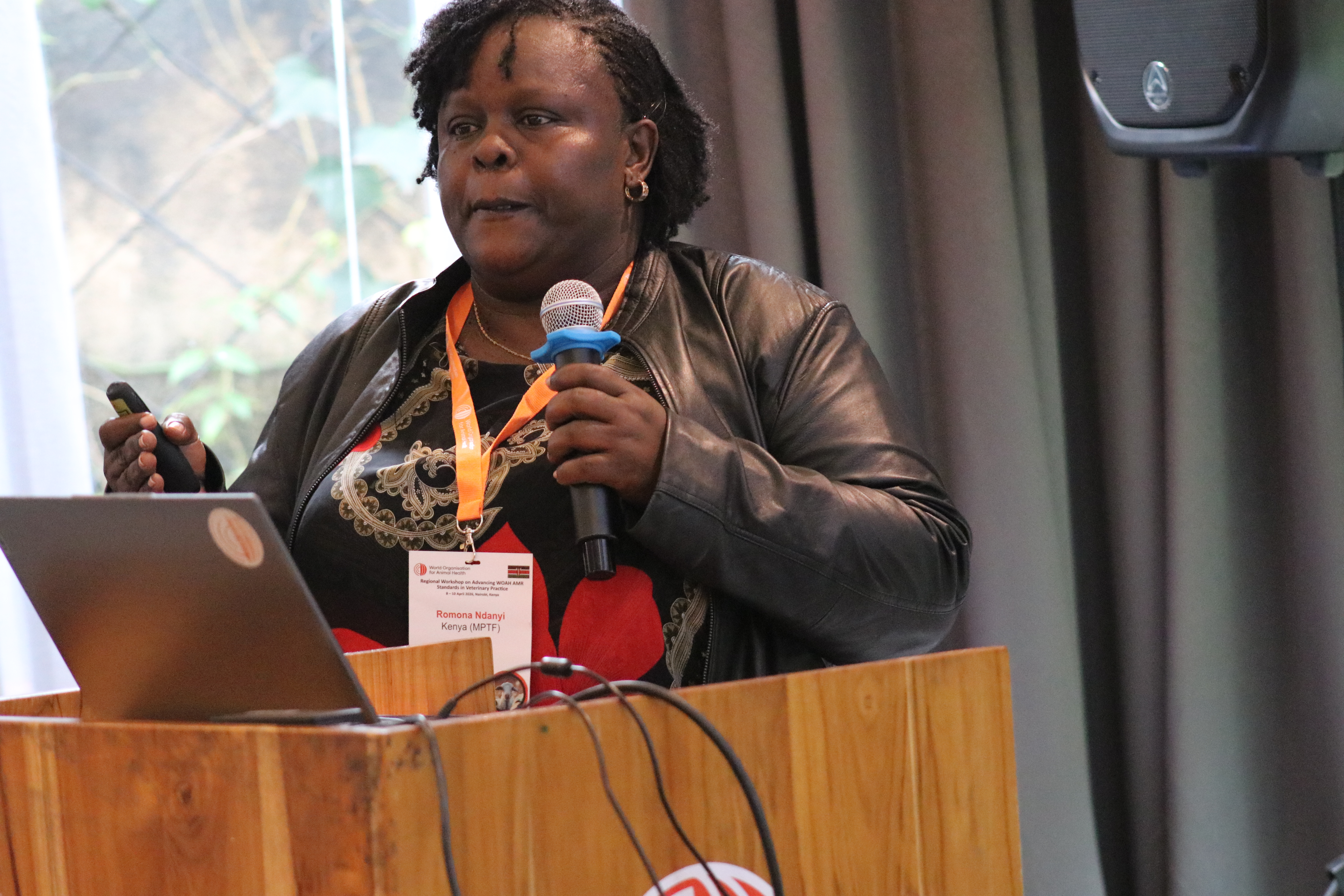



WOAH Africa You Tube Channel
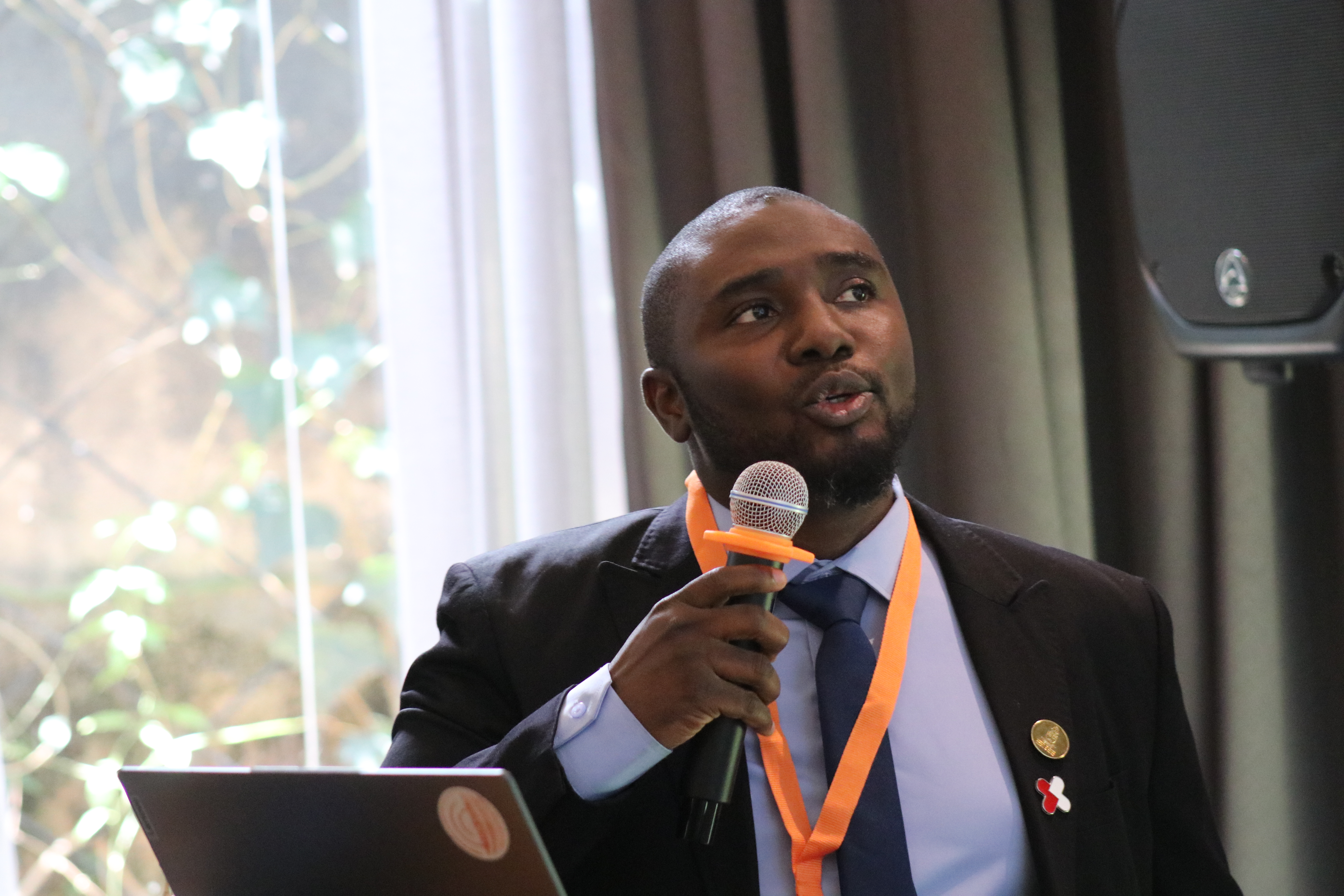
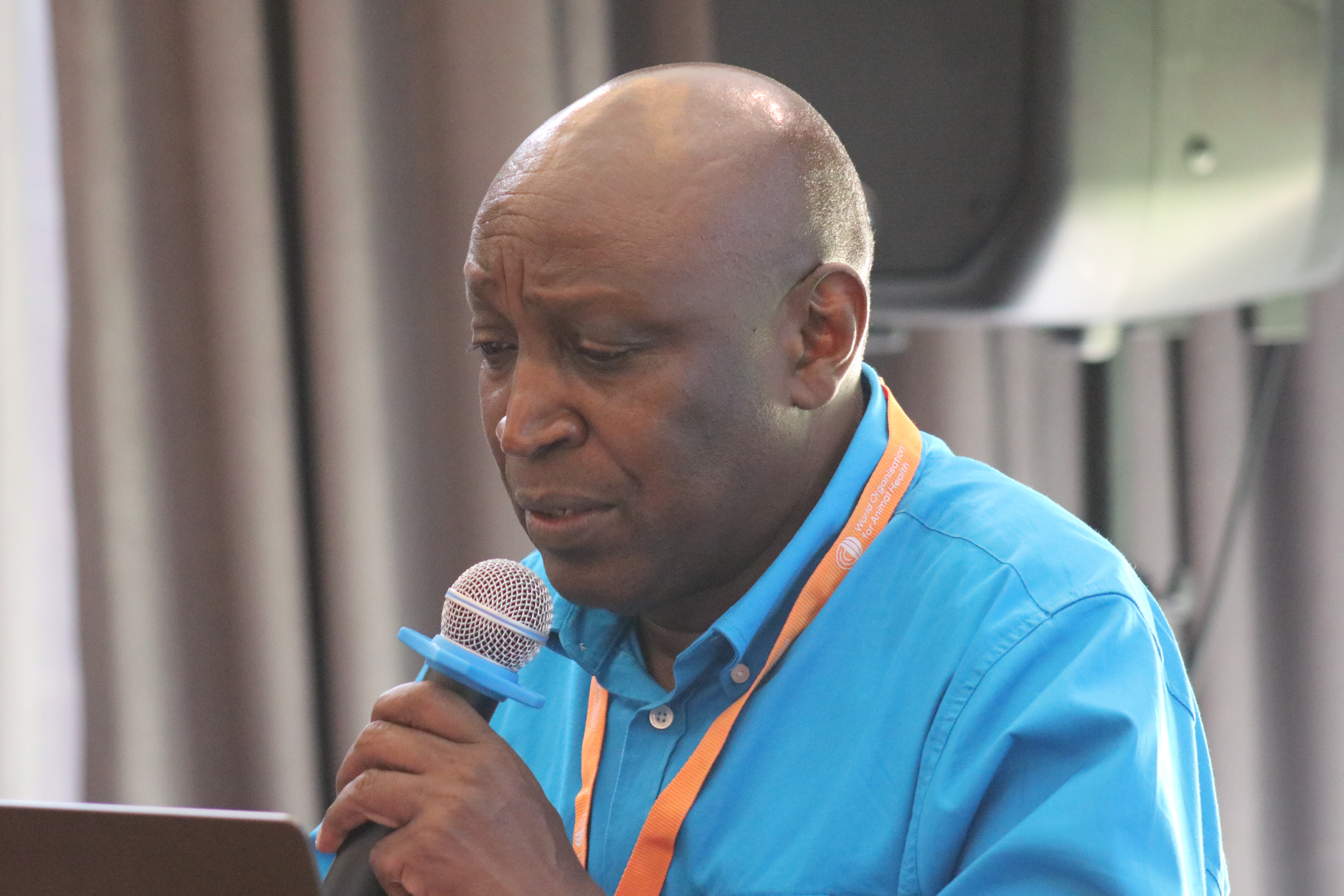
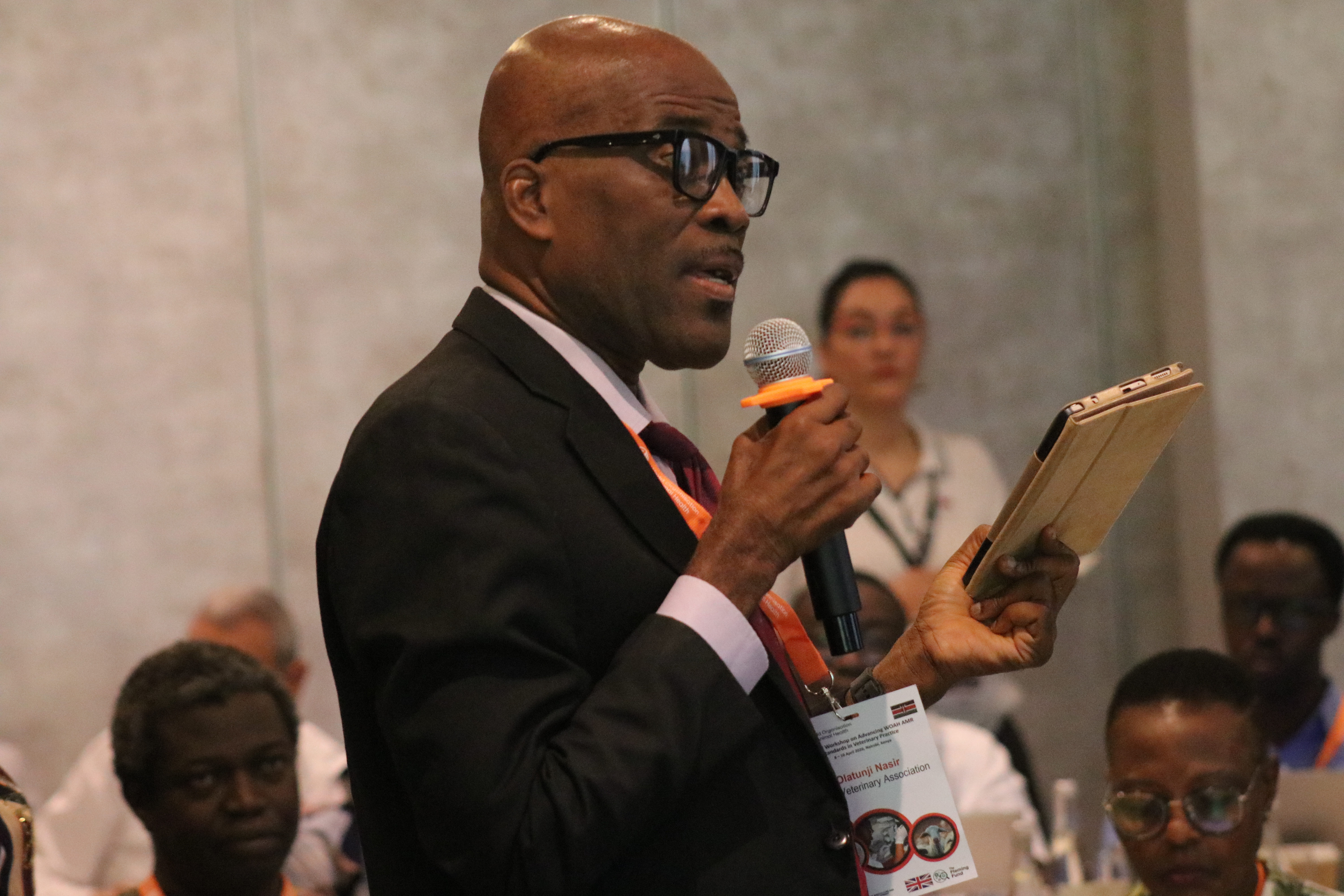
Dr Olatunji Nasir, WVA Chairman, Medicines Stewardship Working Group, President - Elect of the World Veterinary Association (WVA). Video (c) Communication (woah) 2026
Read more
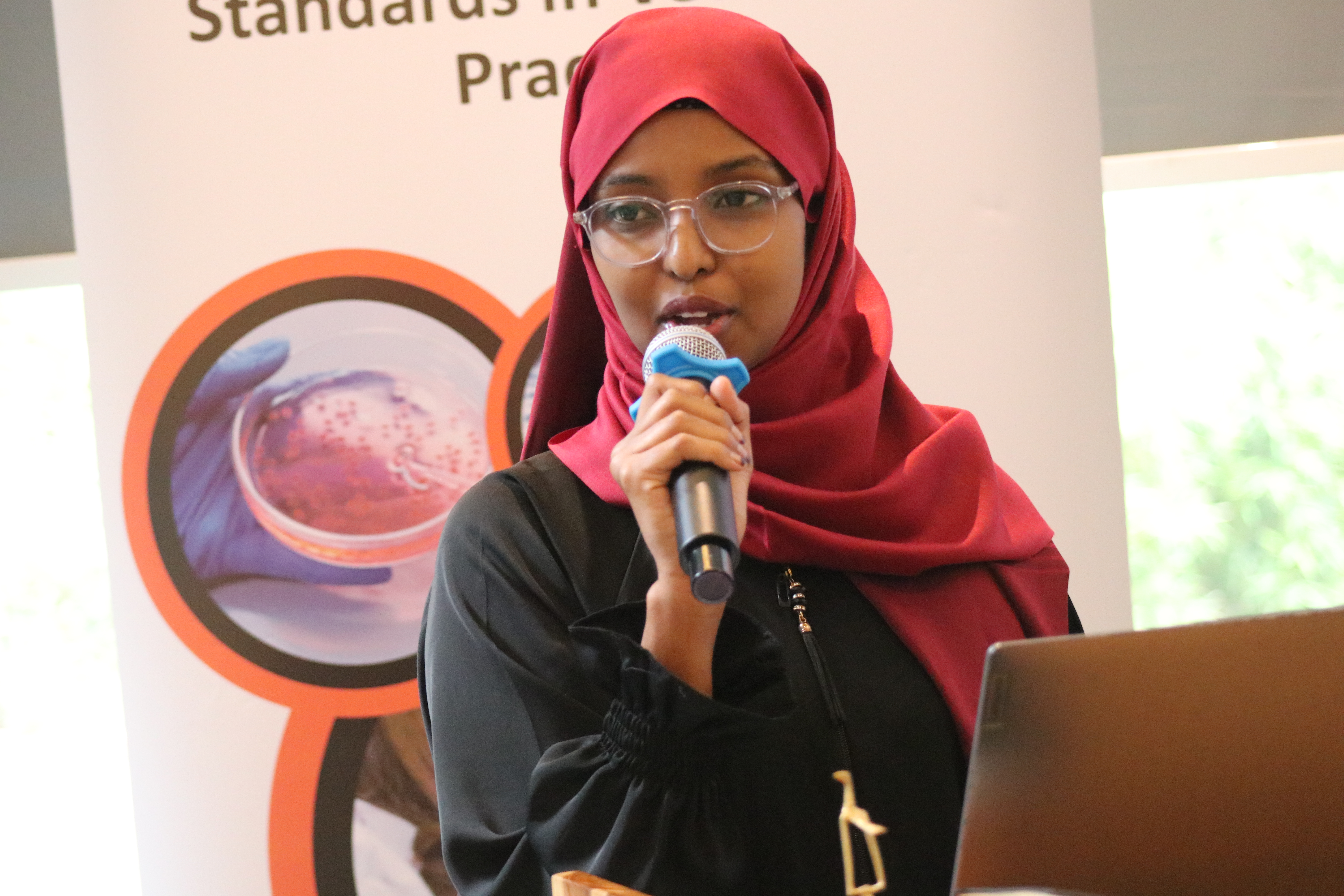
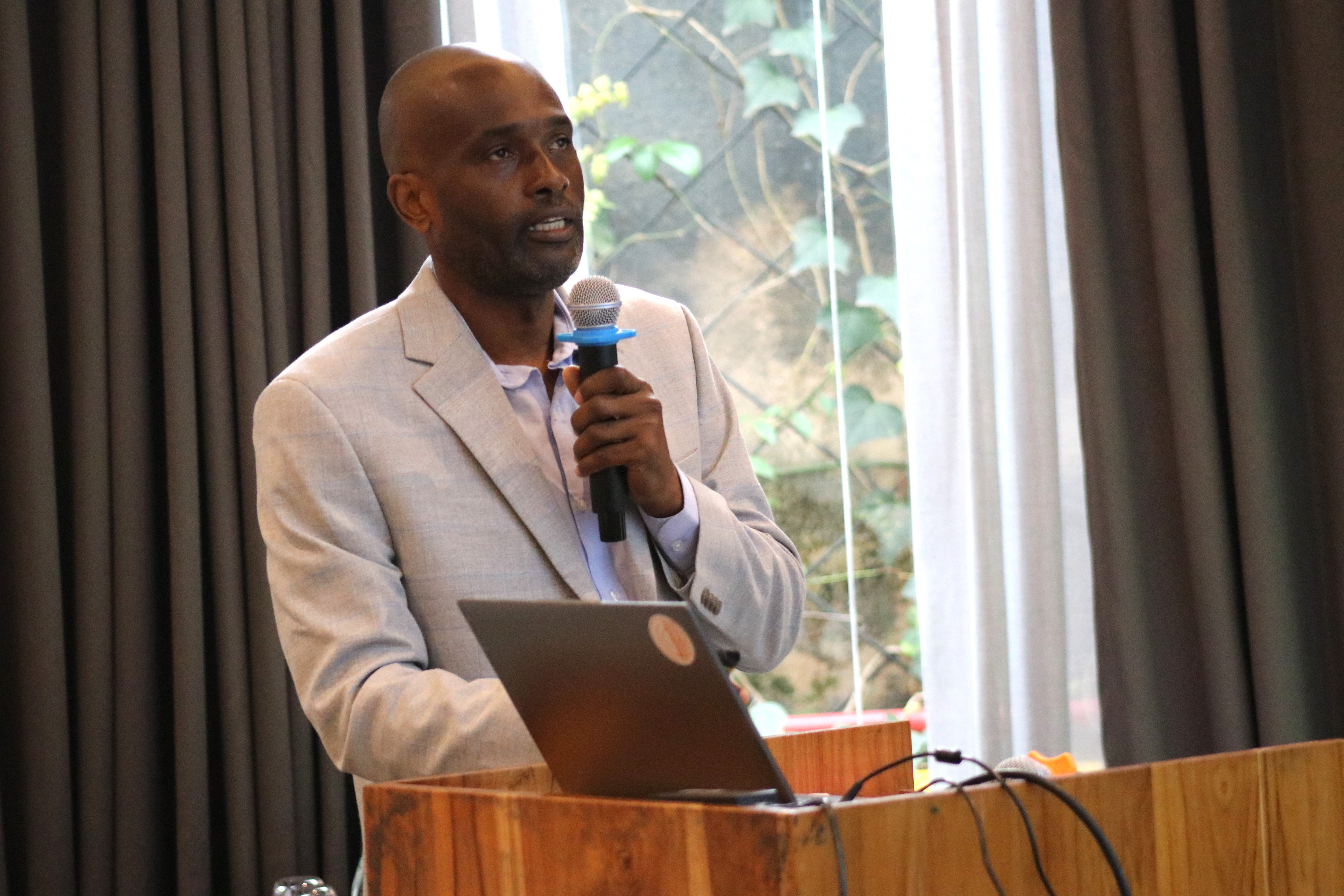
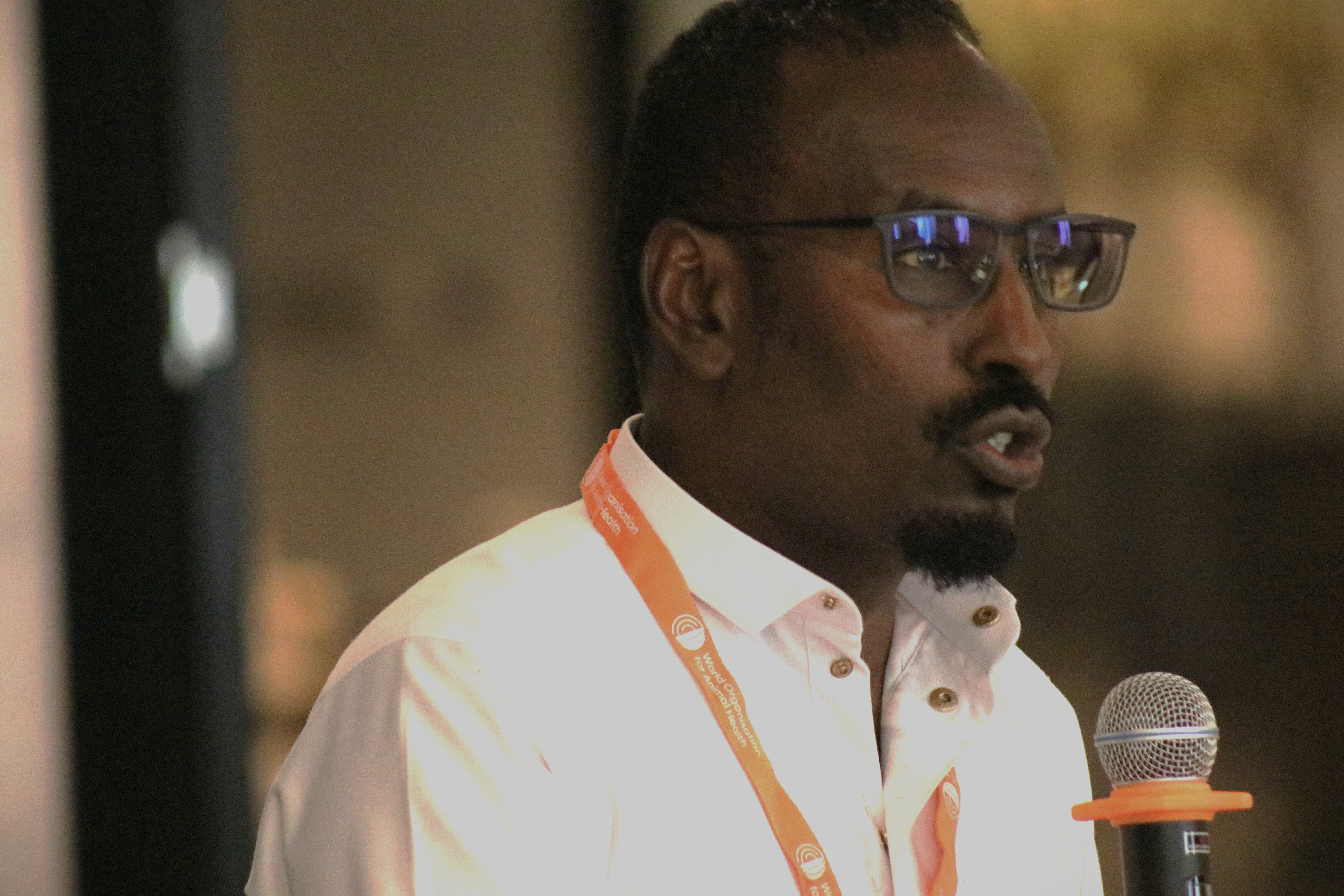
Dr. Abdirahman Ibrahim, representing the IGAD Sheikh Technical Veterinary School in Berbera, Somalia. Picture (c) B. Barasa (woah) 2026.
The Regional Representation of the World Organisation for Animal Health (WOAH) for Africa, in collaboration with the WOAH Capacity-Building Department (CBD), organised two regional workshops on advancing WOAH’s standards on antimicrobial resistance (AMR) in veterinary practice—one for English-speaking countries and the other for French-speaking countries. These workshops brought together representatives from Members’ veterinary education establishments (VEE) and veterinary statutory bodies (VSB).
Held in Nairobi from 8 to 10 April and from 13 to 15 April, the workshops convened participants from 19 English-speaking countries and 17 Francophone countries, respectively. Participants engaged in active reflection on ways to strengthen veterinary practices in addressing AMR across the African continent, with a particular focus on enhancing its integration into veterinary curricula and continuous professional development. The workshops provided an immersive platform for interaction, knowledge exchange, and in-depth reflection, with the overarching objective of strengthening regional capacity to implement WOAH standards on AMR and antimicrobial stewardship (AMS) in veterinary education, continuing professional development, and professional practice, integrated within a One Health framework.
The workshops specifically aimed to:
By the end of the workshop, the following outcomes were anticipated:
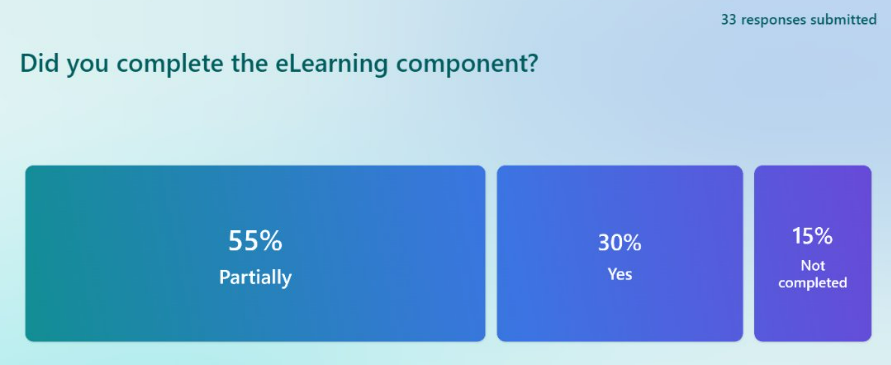
Prior to the in-person event, registered participants were enrolled into the WOAH eLearning platform and were invited to complete several eLearning modules. As part of this process, participants were also encouraged to complete the initial learner self-assessment associated with the AMR modules, as a reflective exercise to familiarise themselves with key concepts and terminology. In the end, based on the satisfaction survey, 85 % of English-speaking participants completed the learning modules entirely or in part (83 % for the French speaking group).
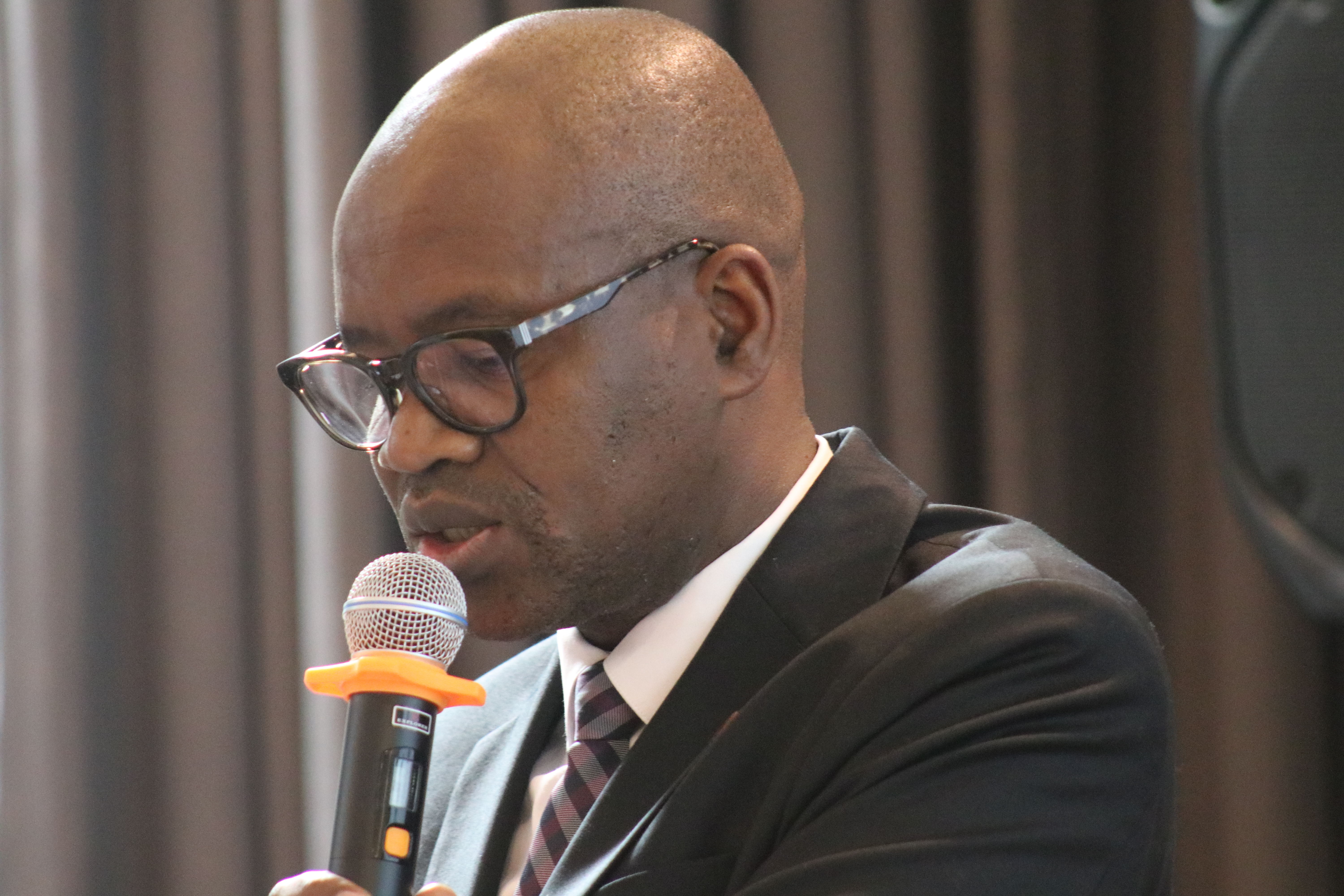
Dr Lee-Monique Anderson, State Veterinarian, Ministry of Agriculture, Fisheries, Water and Land Reform (Directorate of Veterinary Services). Representative of a Veterinary Statutory Body. Namibia. Picture (c) B. Barasa (woah) 2026.
Dr. Jean Bosco Ntivuguruzwa, Dean of the School of Veterinary Medicine and Life Sciences, University of Rwanda (left) and Dr Cecelia Zandile Nompumelelo Mlangeni, Veterinary Education Officer, Ministry of Agriculture. Eswatini (right). Picture (c) B. Barasa (woah) 2026.
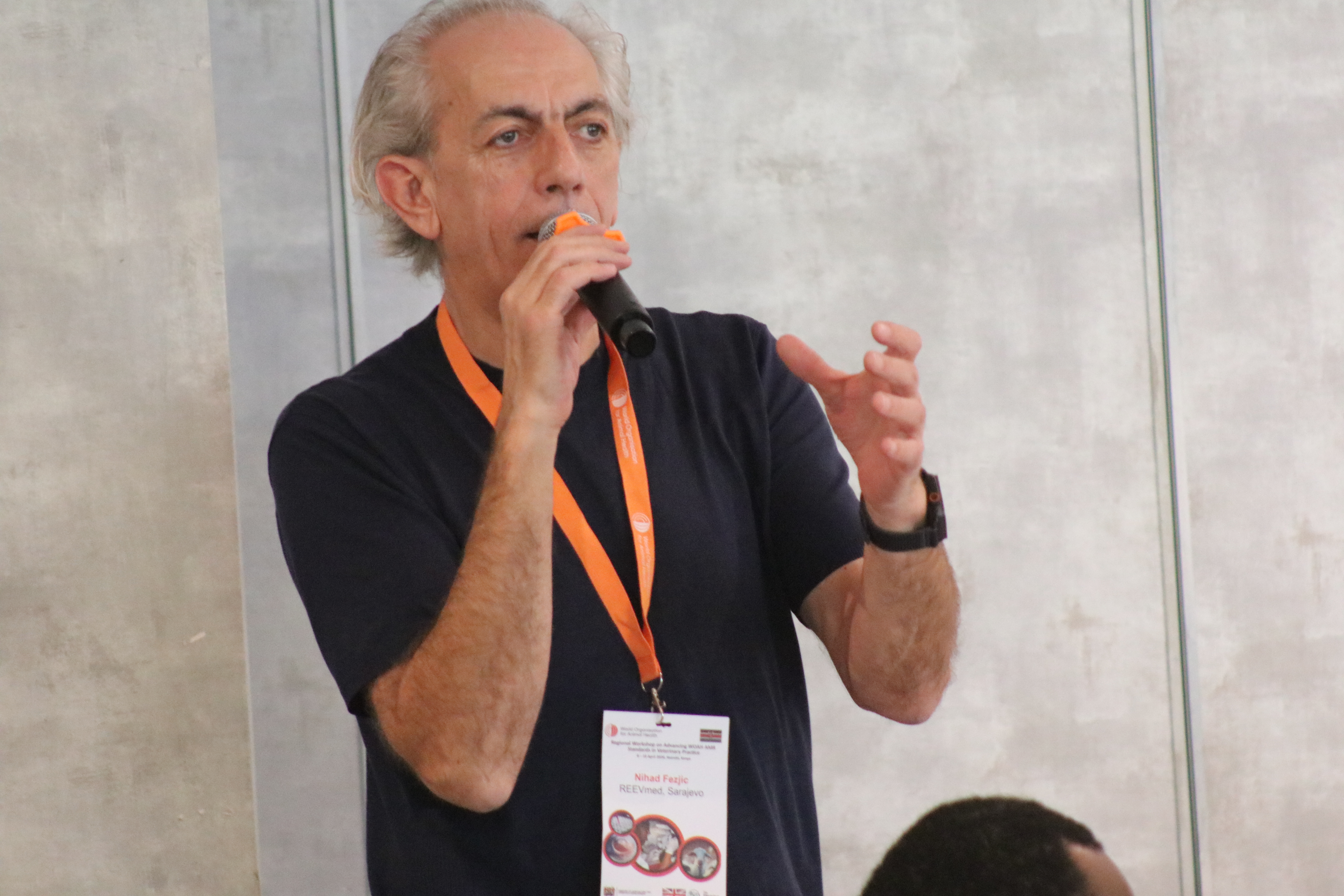
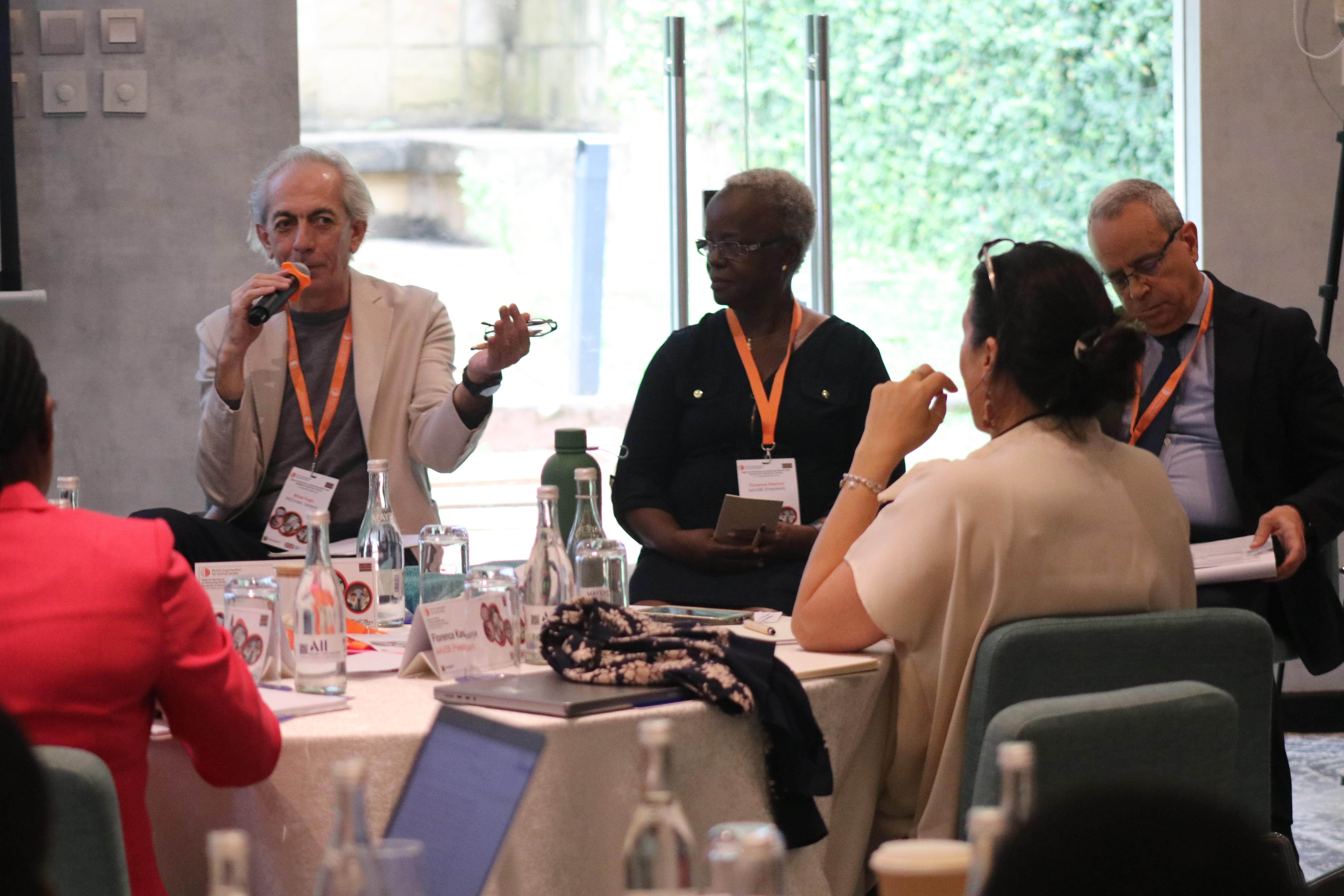
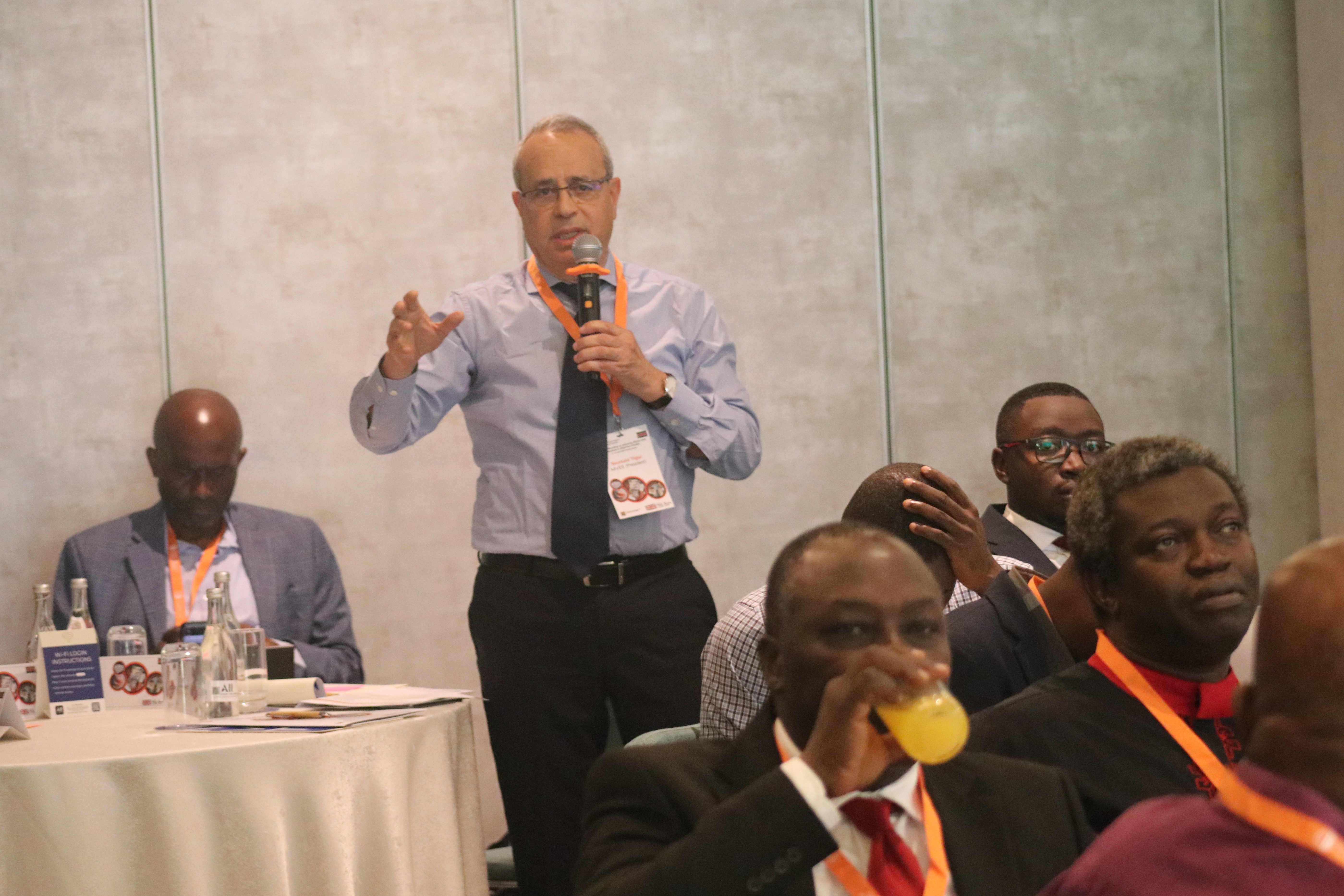
Panel discussion with Prof. Nihad Fezjic (left), Veterinary School, University of Sarajevo (Bosnia-Herzegovine) and Chair of the Network of VEE in the Mediterranean (REEVMED) with Dr Florence Kasirye, Uganda Veterinary Board, and Chair of the African Association of VSBs (middle) and Prof. Noursaid Tligui, Dean, Veterinary School, University Mohammed VI, Morocco, and Chair of the African Association of VEEs. Picture (c) B. Barasa (woah) 2026.
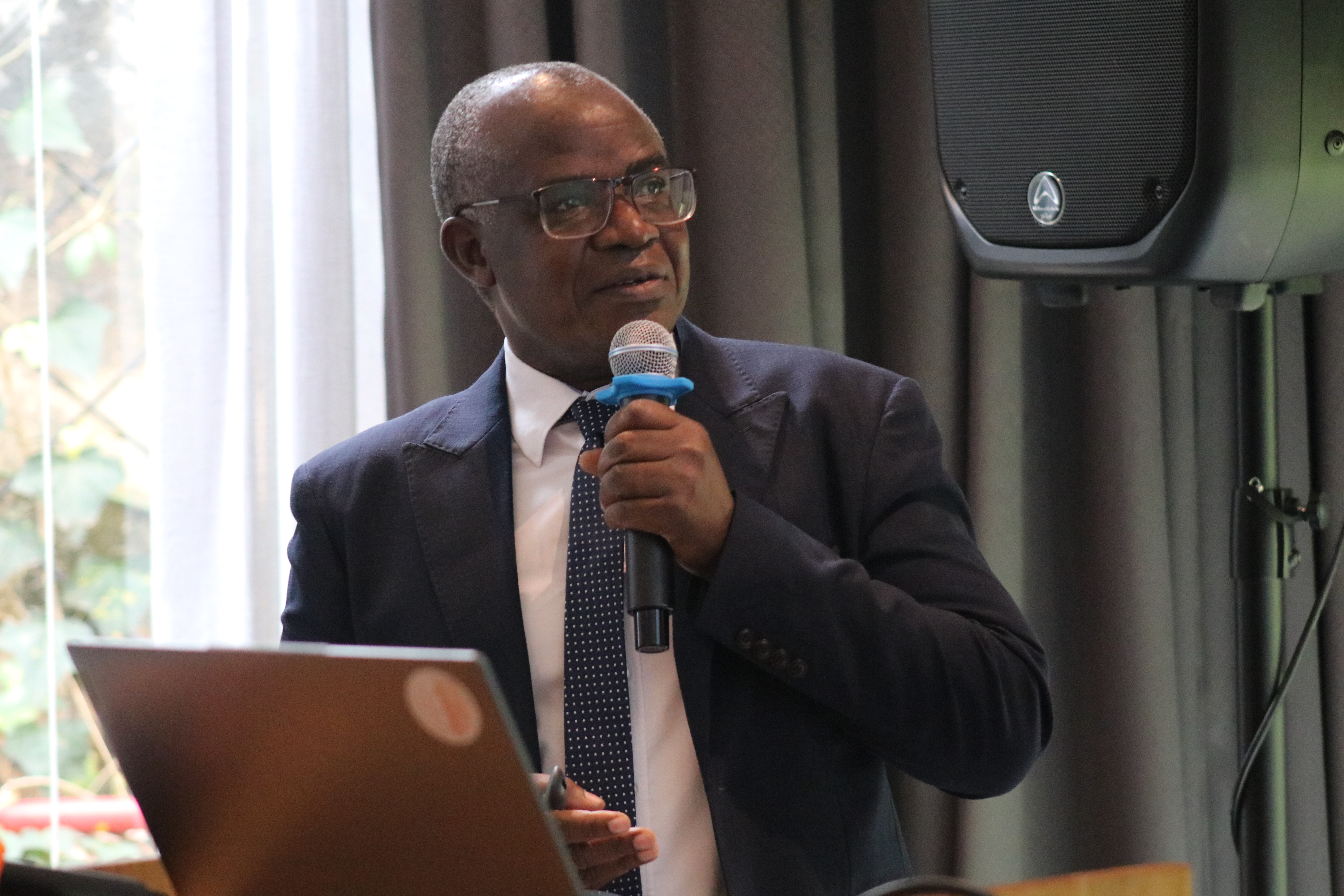
Prof. Noursaid Tligui, Dean, Veterinary School, University Mohammed VI, Morocco, and Chair of the African Association of VEEs. Picture (c) B. Barasa (woah) 2026.
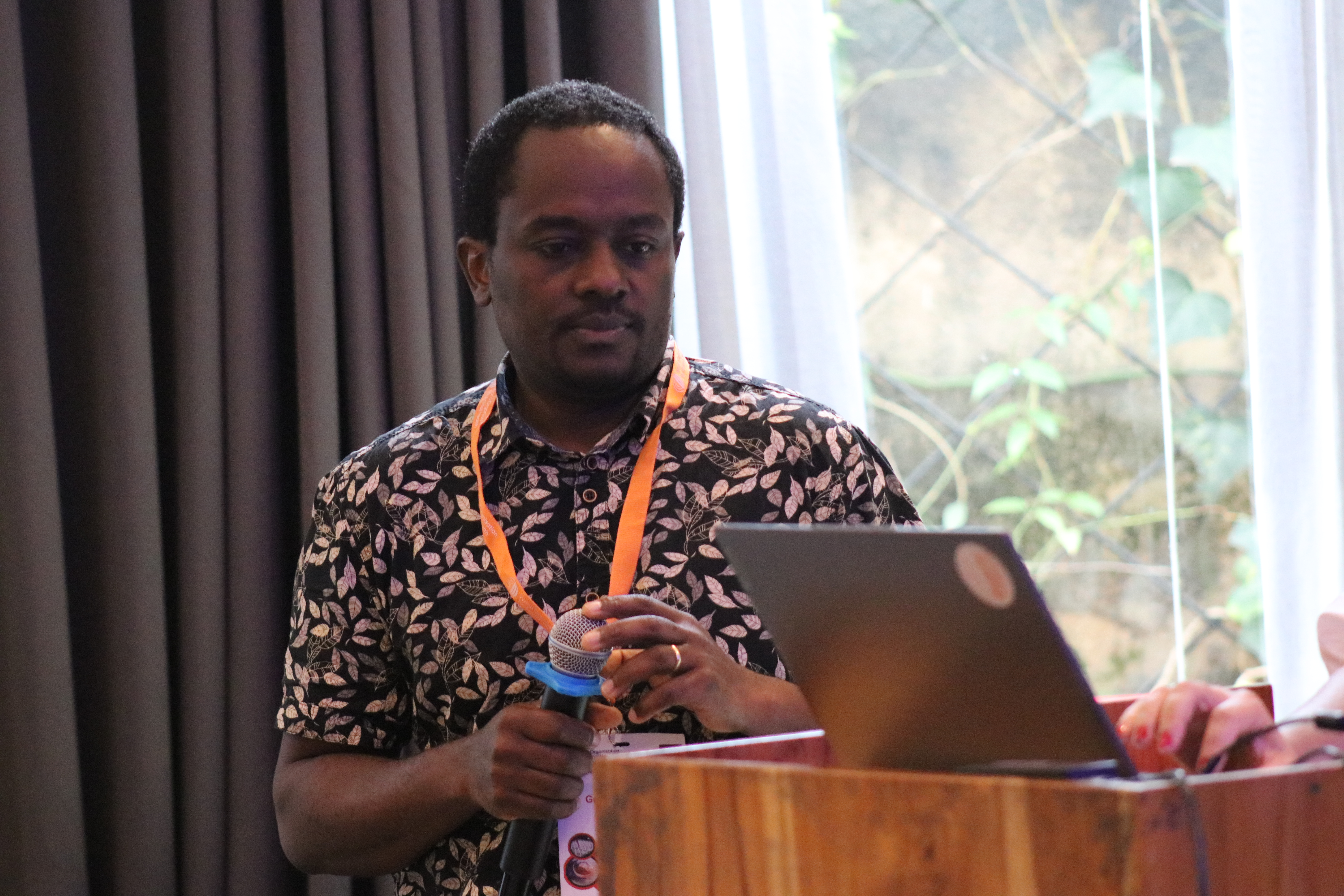
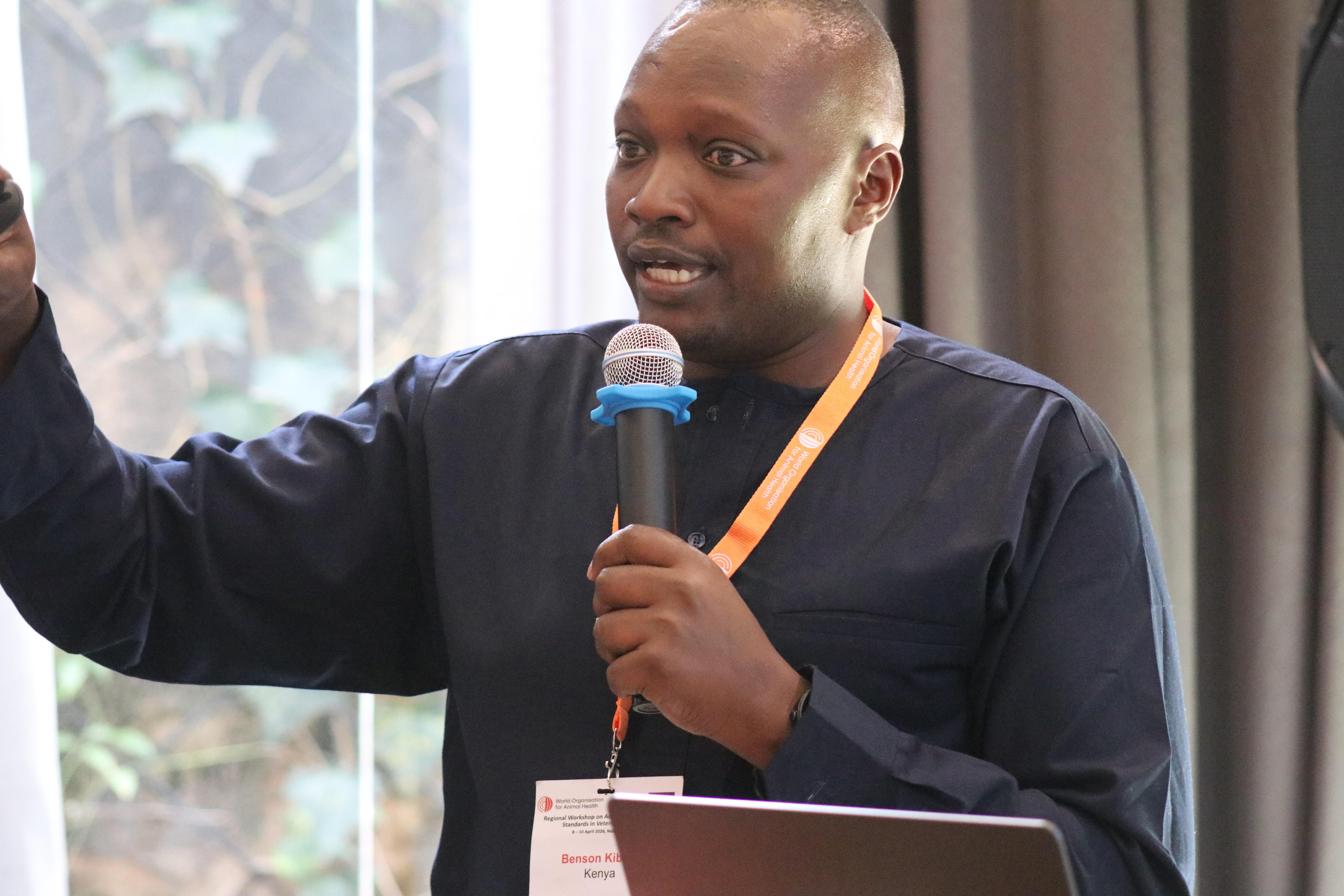
Dr. Benson Kibore, representing the Kenya Veterinary Board (KVB). Picture (c) B. Barasa (woah) 2026.
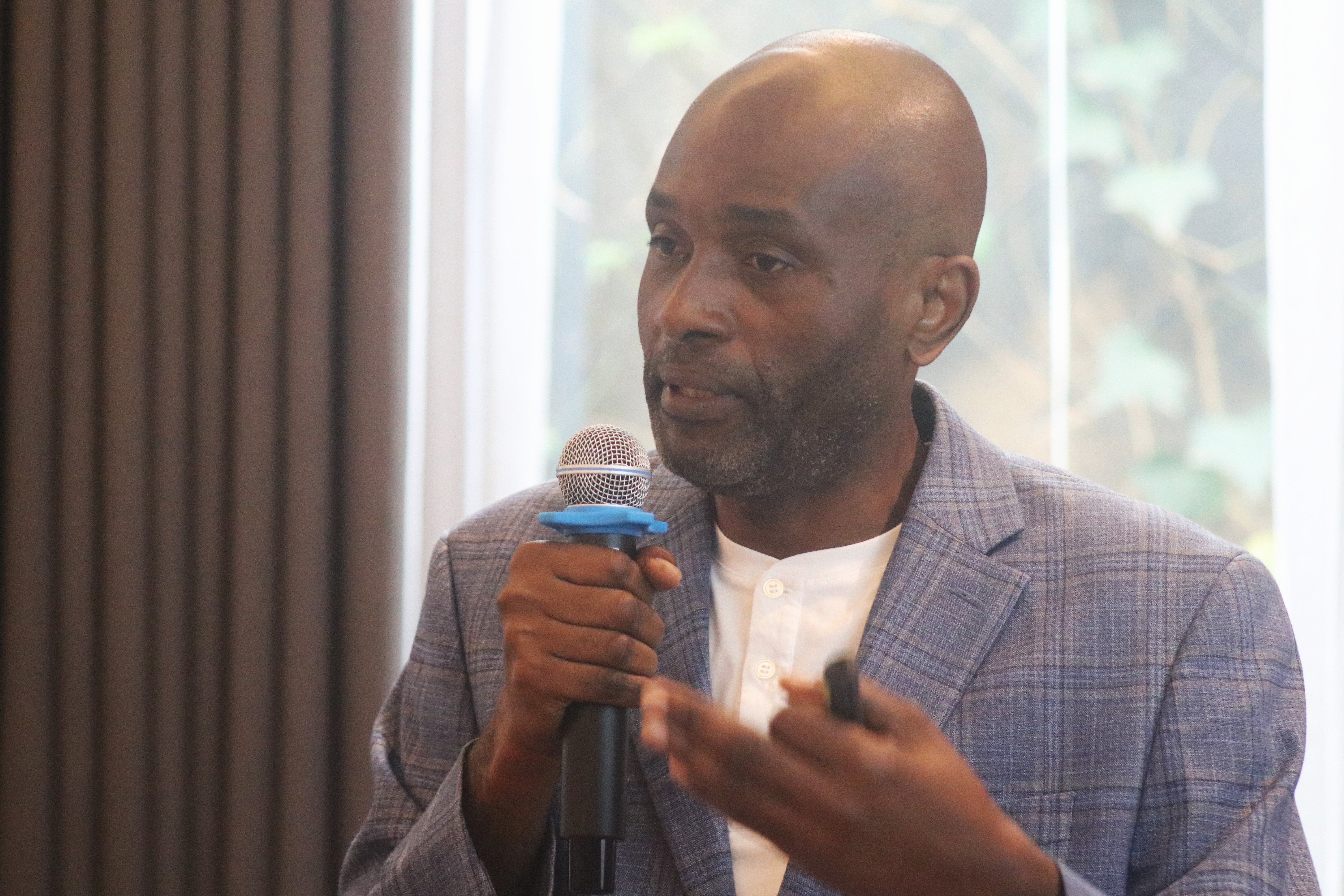
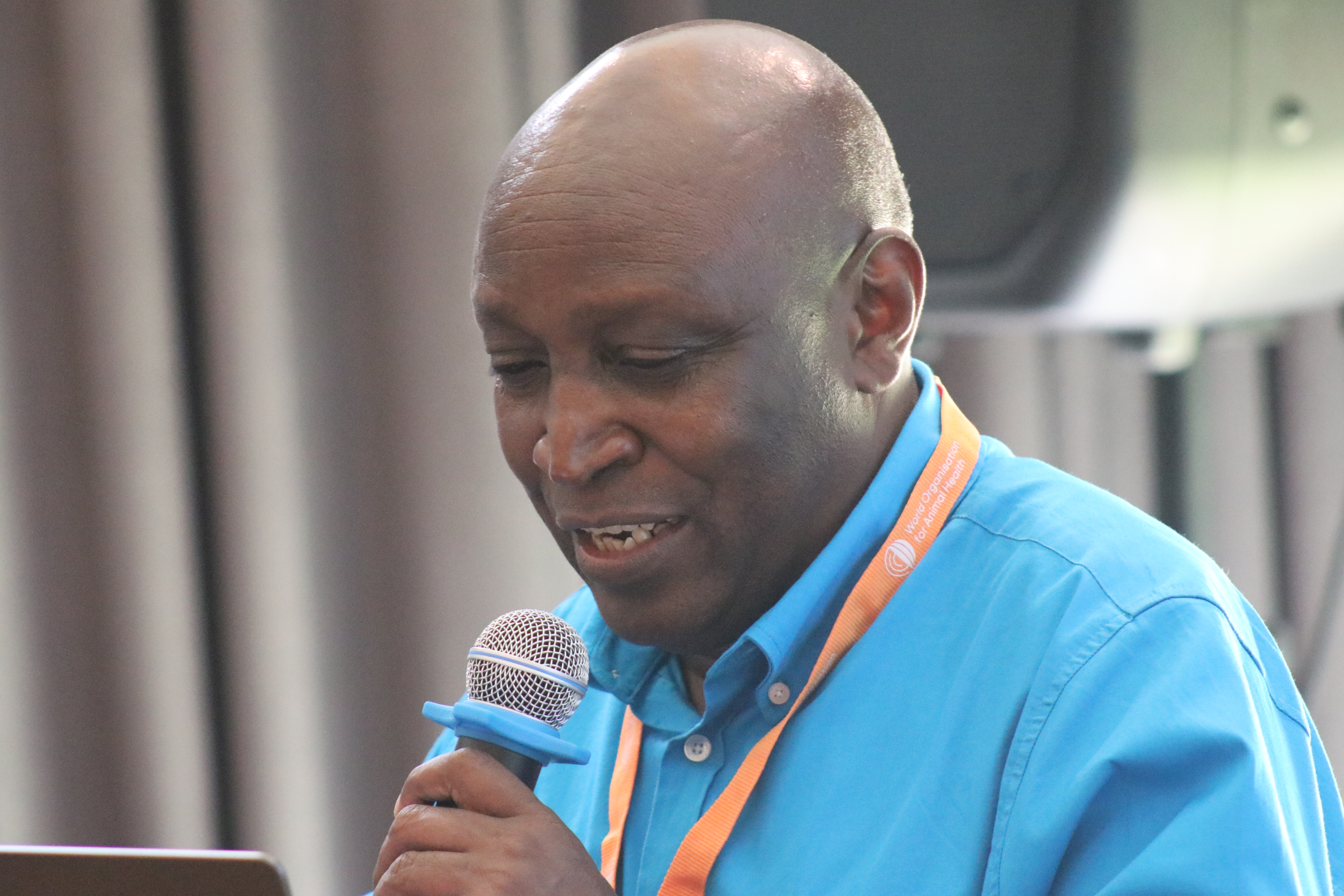
Dr. Savino Biryomumaisho, Associate Professor and Head of Department, Makerere University. Kampala, Uganda Picture (c) B. Barasa (woah) 2026.
Participants attending the English-language workshop hailed from the following Members (countries and territories), with their affiliation:
VSB = Veterinary Statutory Body, VEE = Veterinary Education Estabishment,
DVS = Directorate or Department of Veterinary Services (Veterinary Authority)
For the French-language attendance, please refer to the French version of this page here.
| Member | VSB | VEE | DVS |
| 1. Botswana | | ||
| 2. Eswatini | | | |
| 3. Ethiopia | | ||
| 4. Gambia | | ||
| 5. Kenya | | | |
| 6. Lesotho | | ||
| 7. Liberia | | ||
| 8. Malawi | | ||
| 9. Mozambique | | | |
| 10. Namibia | | | |
| 11. Nigeria | | | |
| 12. Rwanda | | | |
| 13. Sierra Leone | | | |
| 14. Somalia | (ISTVS) IGAD | | |
| 15. South Africa | | | |
| 16. Tanzania | | | |
| 17. Uganda | | | |
| 18. Zambia | | ||
| 19. Zimbabwe | | |
Prof. Armando Hoet, College of Veterinary Medicine, Ohio State Univeristy, Columbus, Ohio, US
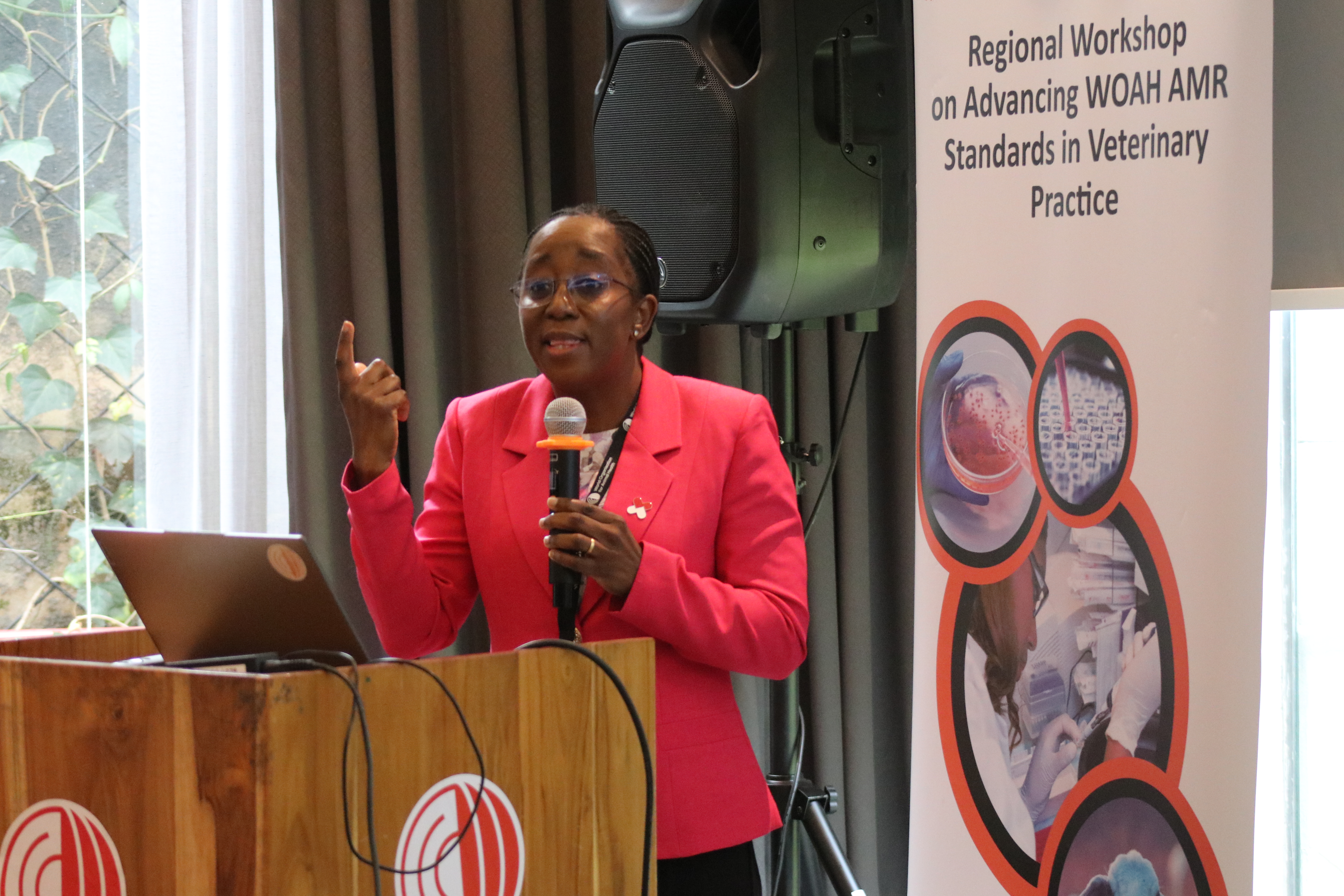
Dr Neo Mapitse, WOAH Representative (Eastern Africa), delivers the opening address (workshop in French). Picture (c) B. Barasa (woah) 2026.
Over the three days, participants benefited from the expertise of international and regional specialists, who presented WOAH-aligned tools, e-learning platforms, and regional experiences. These contributions highlighted practical opportunities to strengthen the integration of AMR and AMS considerations into national activities, particularly within veterinary curricula and continuous professional development programmes.
Beyond the technical presentations, participants engaged in a series of reflective group activities and interactive sessions designed to foster collaboration, encourage the exchange of experiences, and deepen collective insight. These immersive engagements enabled participants to better identify context-specific challenges and opportunities related to AMR and AMS. Highly valued by attendees, the interactive sessions not only helped participants become more familiar with relevant content and shared experiences but also introduced diverse pedagogical approaches to enhance learning and knowledge retention.
On the final day, participants worked collaboratively to develop two distinct roadmaps—one for Veterinary Education Establishments (VEEs) and another for Veterinary Statutory Bodies (VSBs). Based on the collective reflections generated through the workshop’s various activities, each sector reached consensus on relevant and realistic actions to be implemented as initial steps at the continental level.
As critical actions identified as a follow-up were:
Feedback provided by participants (from both language groups) through an online feedback survey are largely aligned and can be summarised as follows:
These results confirm that the workshops successfully met their objectives and will generate a lasting multiplier effect for AMR mitigation across Africa.
Professor Monia Daaloul (ENMV, Tunisia)
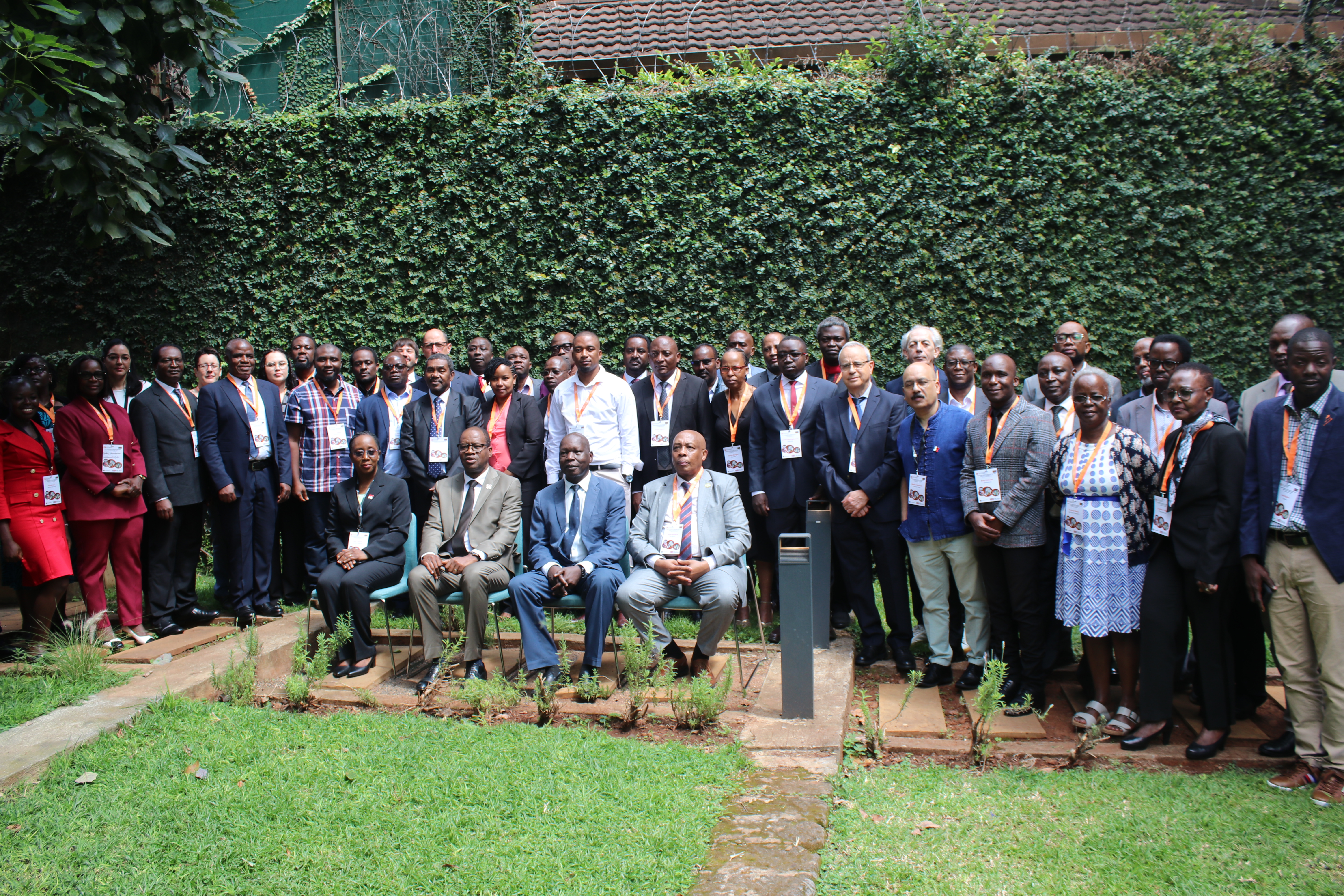
Regional Workshop on Advancing WOAH’s AMR Standards in Veterinary Practice. Workshop (1) English IIIIIII Atelier régional sur la promotion des normes de l'OMSA en matière de résistance aux antimicrobiens dans la pratique vétérinaire. Atelier (1) Anglais. Photo (c) B. Barasa (woah) 2026.
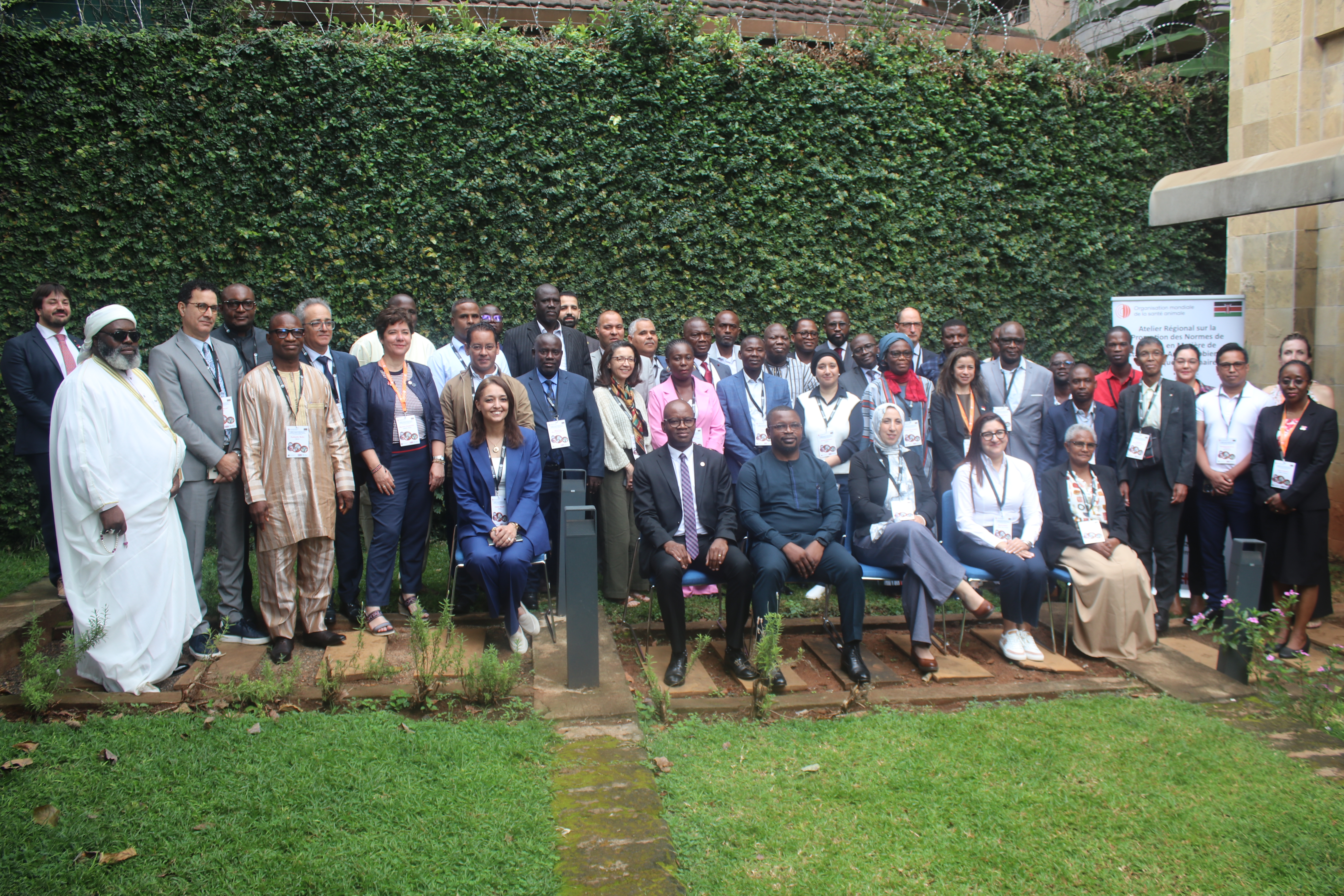
Regional Workshop on Advancing WOAH’s AMR Standards in Veterinary Practice. Workshop (2) French IIIIIII Atelier régional sur la promotion des normes de l'OMSA en matière de résistance aux antimicrobiens dans la pratique vétérinaire. Atelier (2) Français. Photo (c) B. Barasa (woah) 2026.
PDF - 1.36MB
PDF - 4.01MB
PDF - 1.24MB
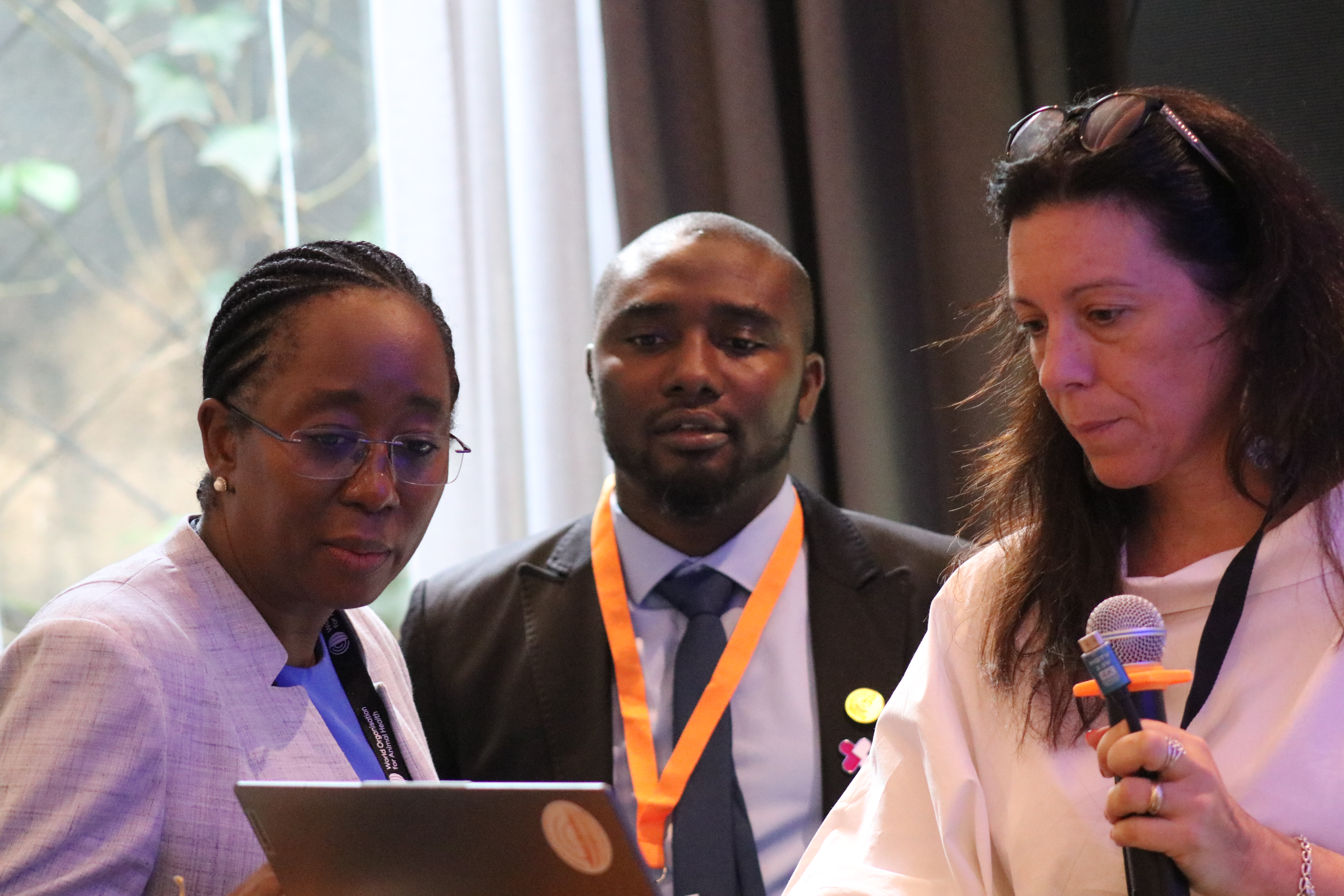
Fltr : Drs Jane Lwoyero (WOAH), Ibrahim Zubairu Hassan (University of Pretoria) and Carole Goulet (facilitator). Picture (c) B. Barasa (woah) 2026.
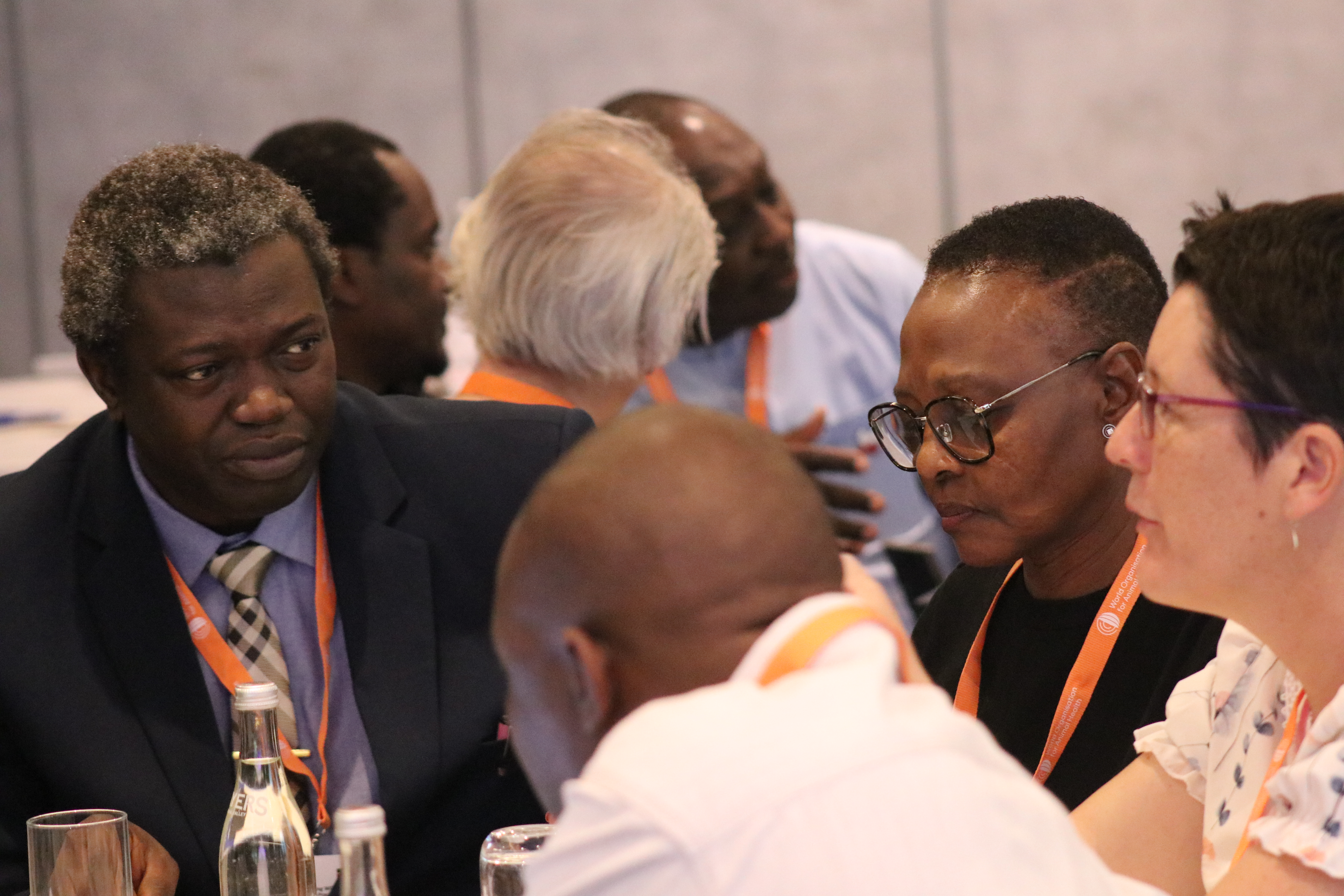
Fltr : Dr Pwaveno Bamaiyi, Dean, University of Jos, Jos, Nigeria; Dr Gaby Monteiro, Representing the Veterinary Statutory Body of Mozambique. Maputo, Mozambique; Dr Aletta Kruger – Raath, Head of Department: Companion Animal Clinical Studies (Senior Clinician), University of Namibia. Windhoek, Namibia. Picture (c) B. Barasa (woah) 2026.
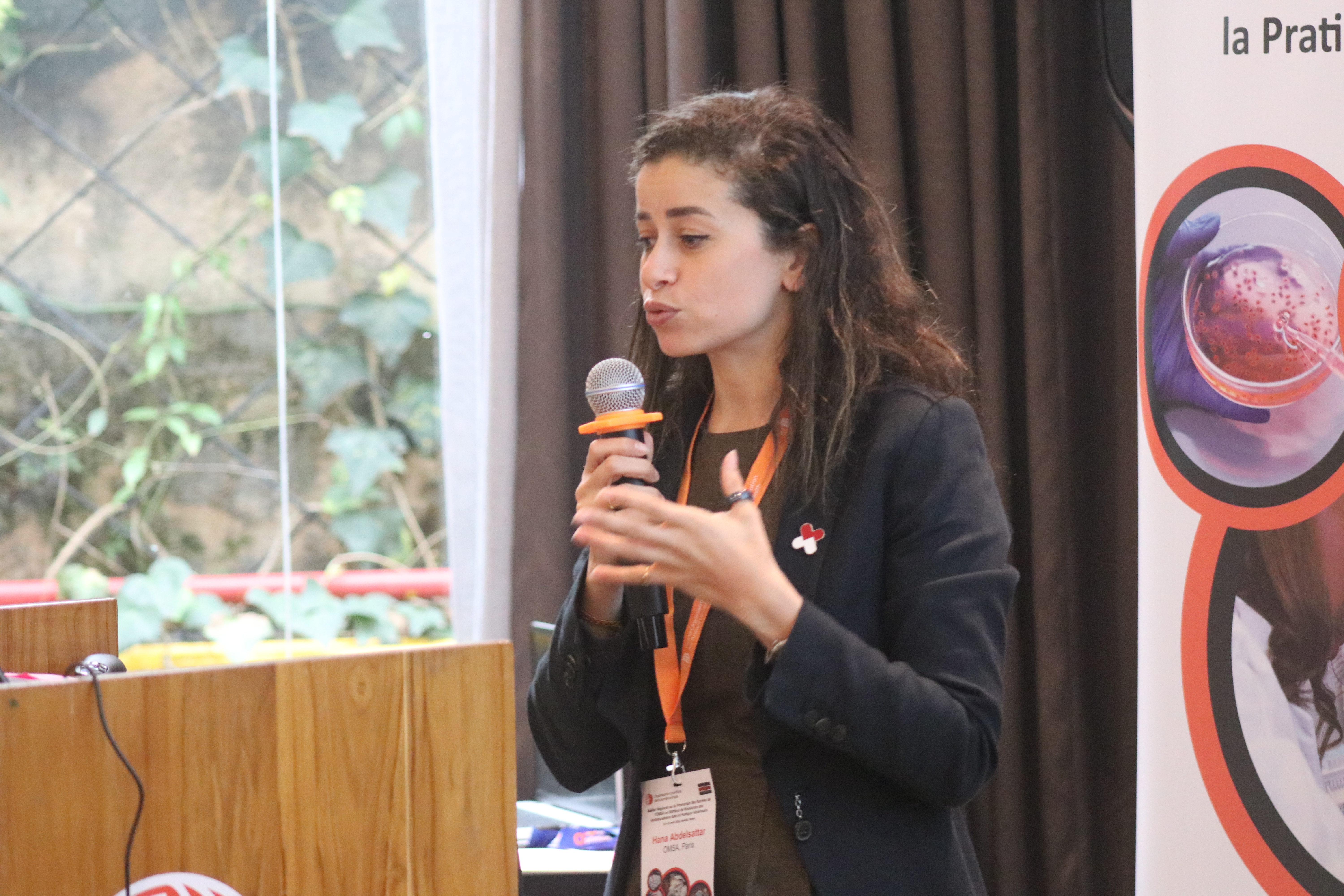
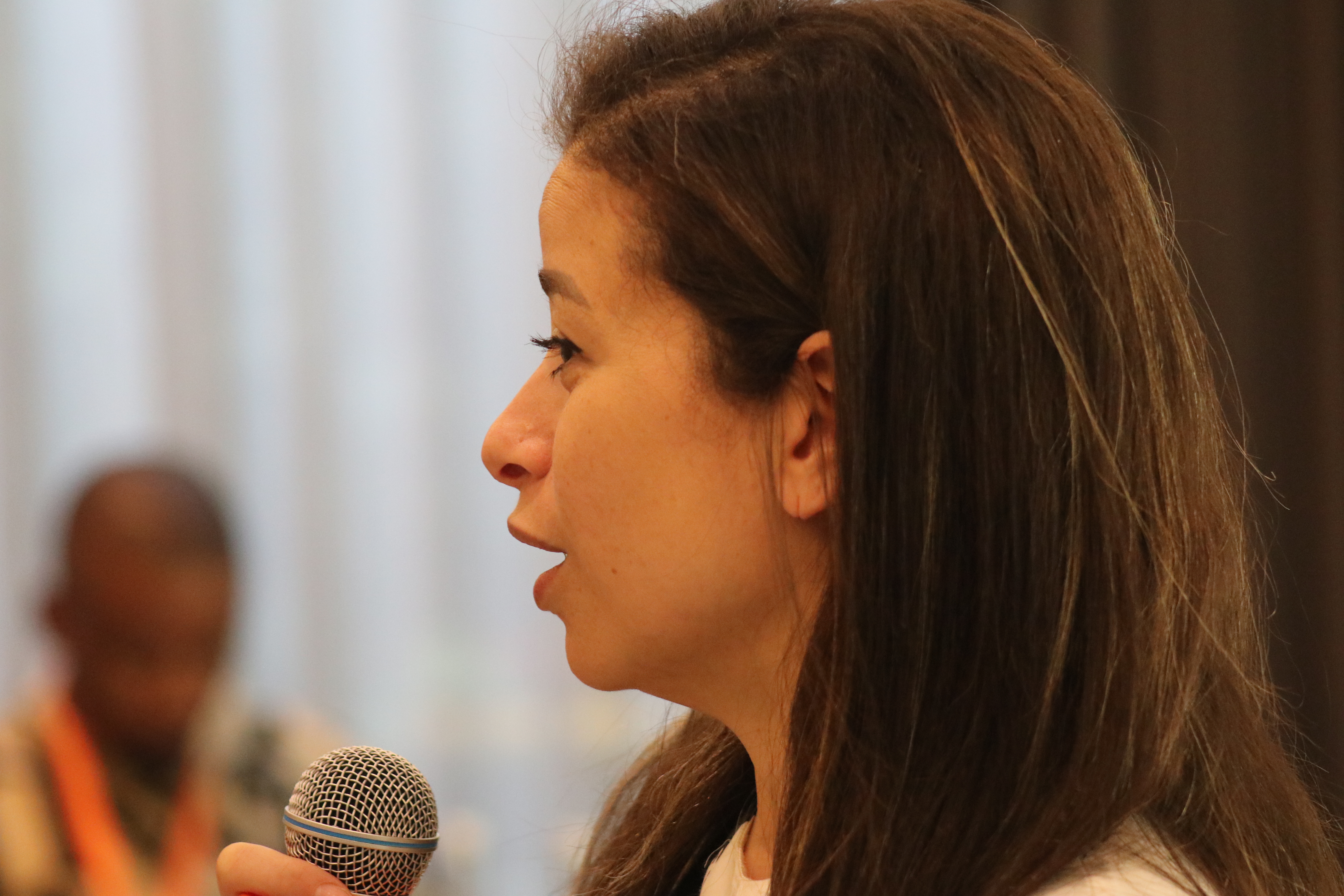
Dr Hana Abdelsattar (WOAH). Picture (c) B. Barasa (woah) 2026.
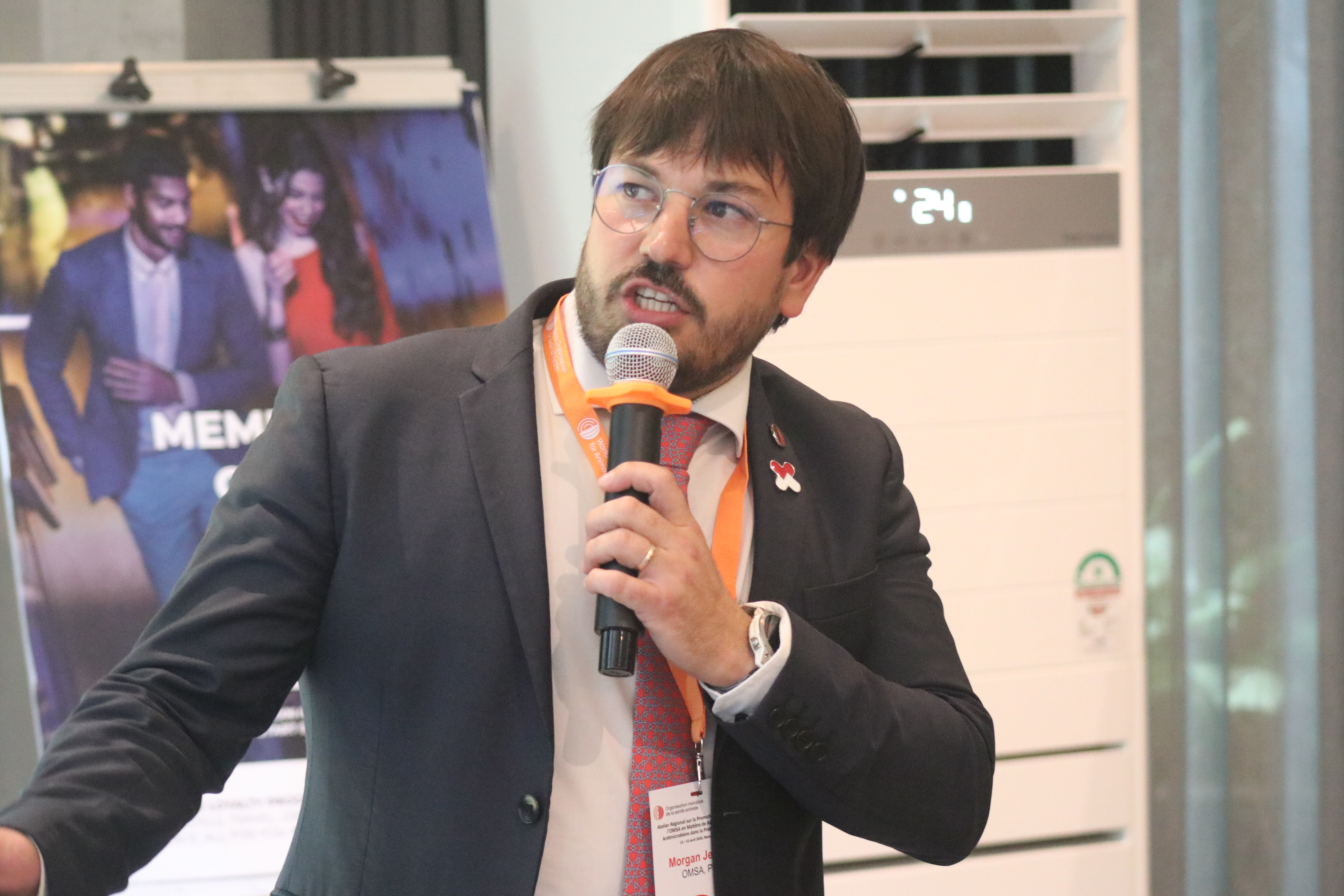
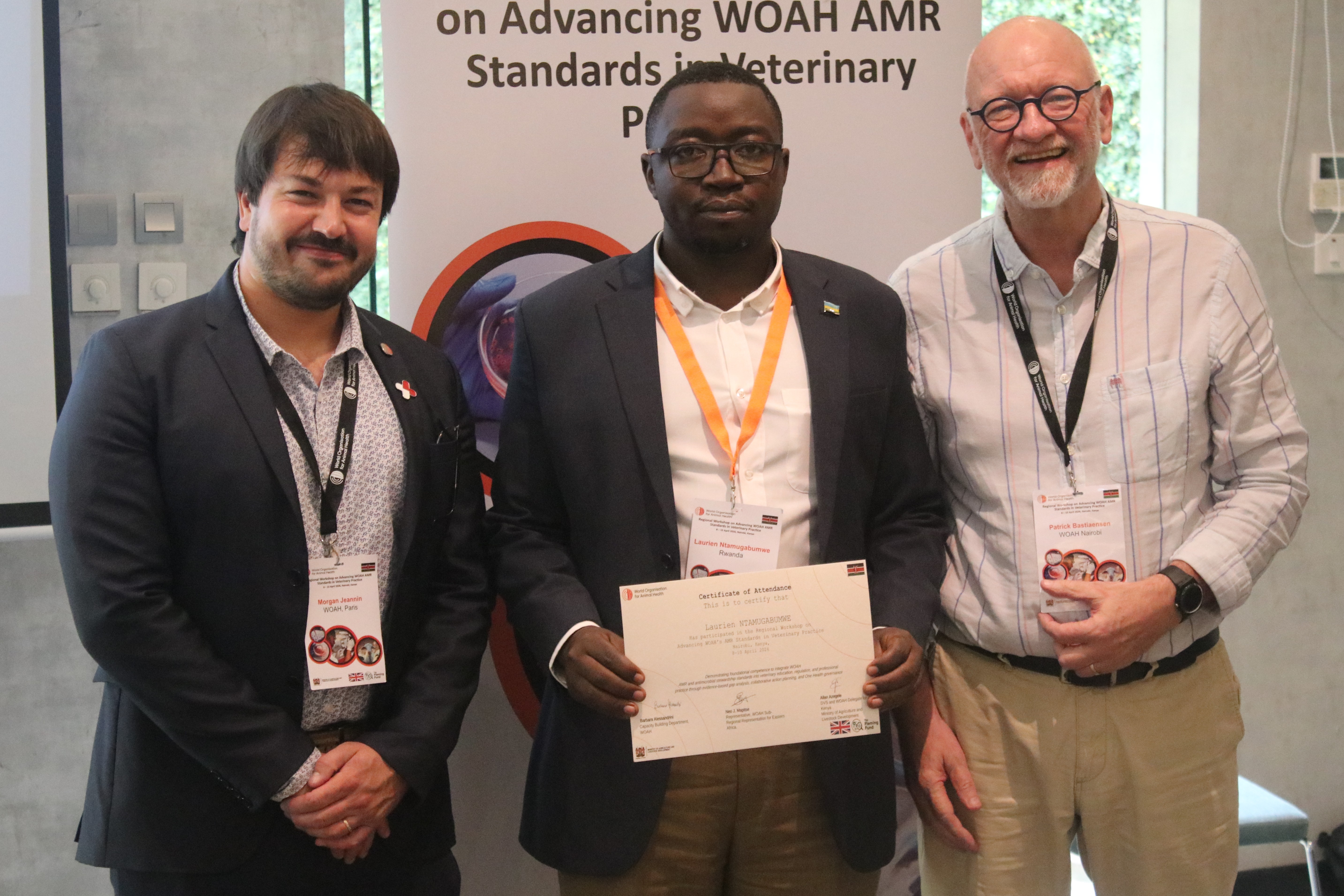
Fltr : Drs Morgan Jeannin (WOAH), Dr Laurien Ntamugabumwe (Rwanda Council of Veterinary Doctors) and Dr Patrick Bastiaensen (WOAH). Picture (c) B. Barasa (woah) 2026.
Dr. Savino Biryomumaisho, Associate Professor and Head of Department, Makerere University. Kampala, Uganda Picture (c) B. Barasa (woah) 2026.
Dr Lineo Regina Bohloa Niyonzima, Registrar, Lesotho Veterinary Council, Maseru, Lesotho. Picture (c) B. Barasa (woah) 2026.