







FLICKR
Photo album
Read more
From 29 – 31 July 2025, the World Organisation for Animal Health (WOAH) conducted the third cycle of its Regional Training Seminar for French-speaking National Focal Points for Veterinary Laboratories in Dakar, Senegal. This seminar follows previous editions held in Tunis, Tunisia (2018) and Harare, Zimbabwe (2016), continuing WOAH’s commitment to building laboratory capacity and regional collaboration across Africa.
WOAH National Focal Points for Veterinary Laboratories—typically senior laboratory professionals leading national veterinary reference laboratories—play a crucial role in supporting their country’s WOAH Delegate carry out responsibilities related to veterinary laboratories. These responsibilities include contributing to the development and implementation of WOAH laboratory standards, strengthening national laboratory capacity, and fostering participation in regional and global laboratory networks.
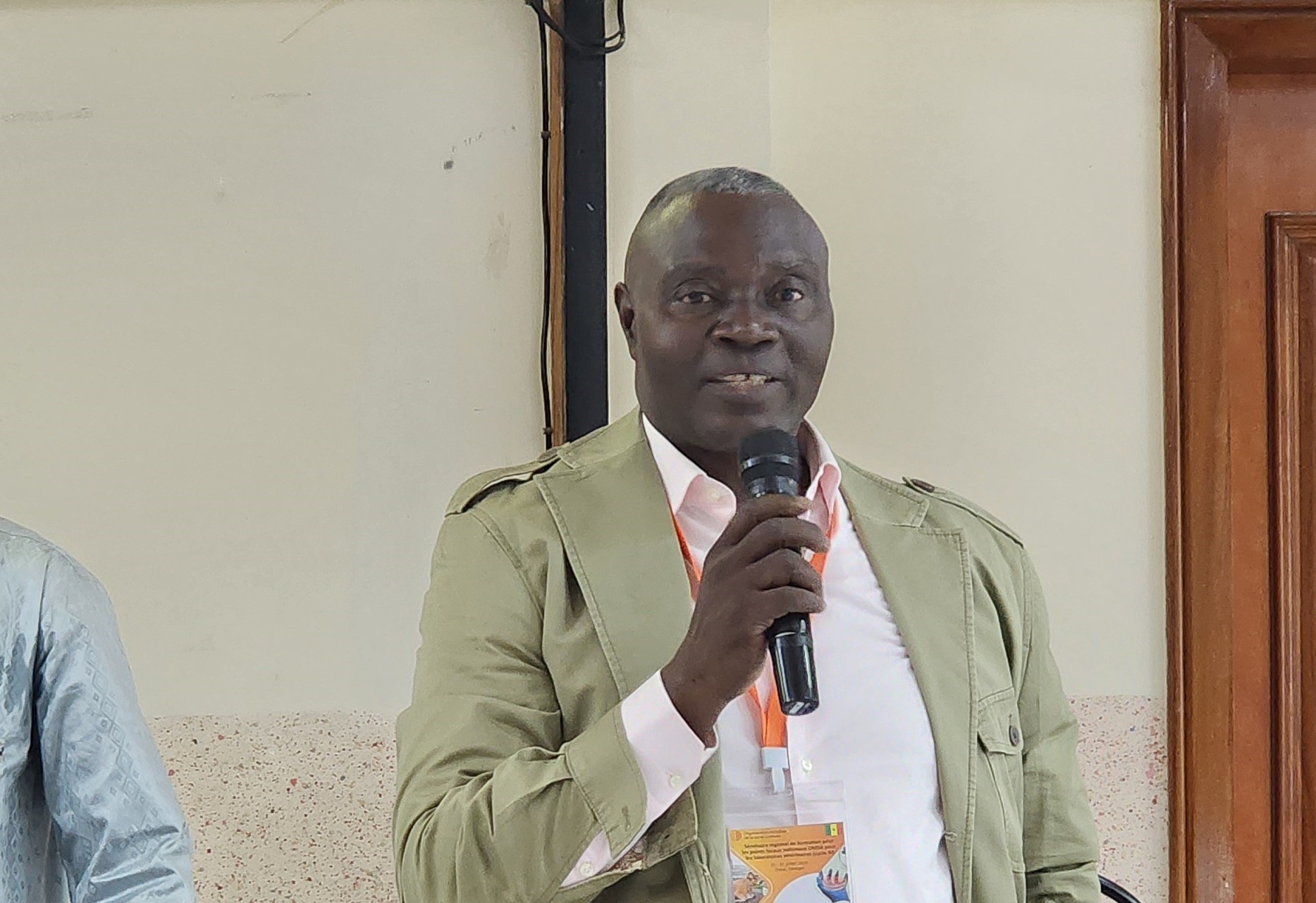
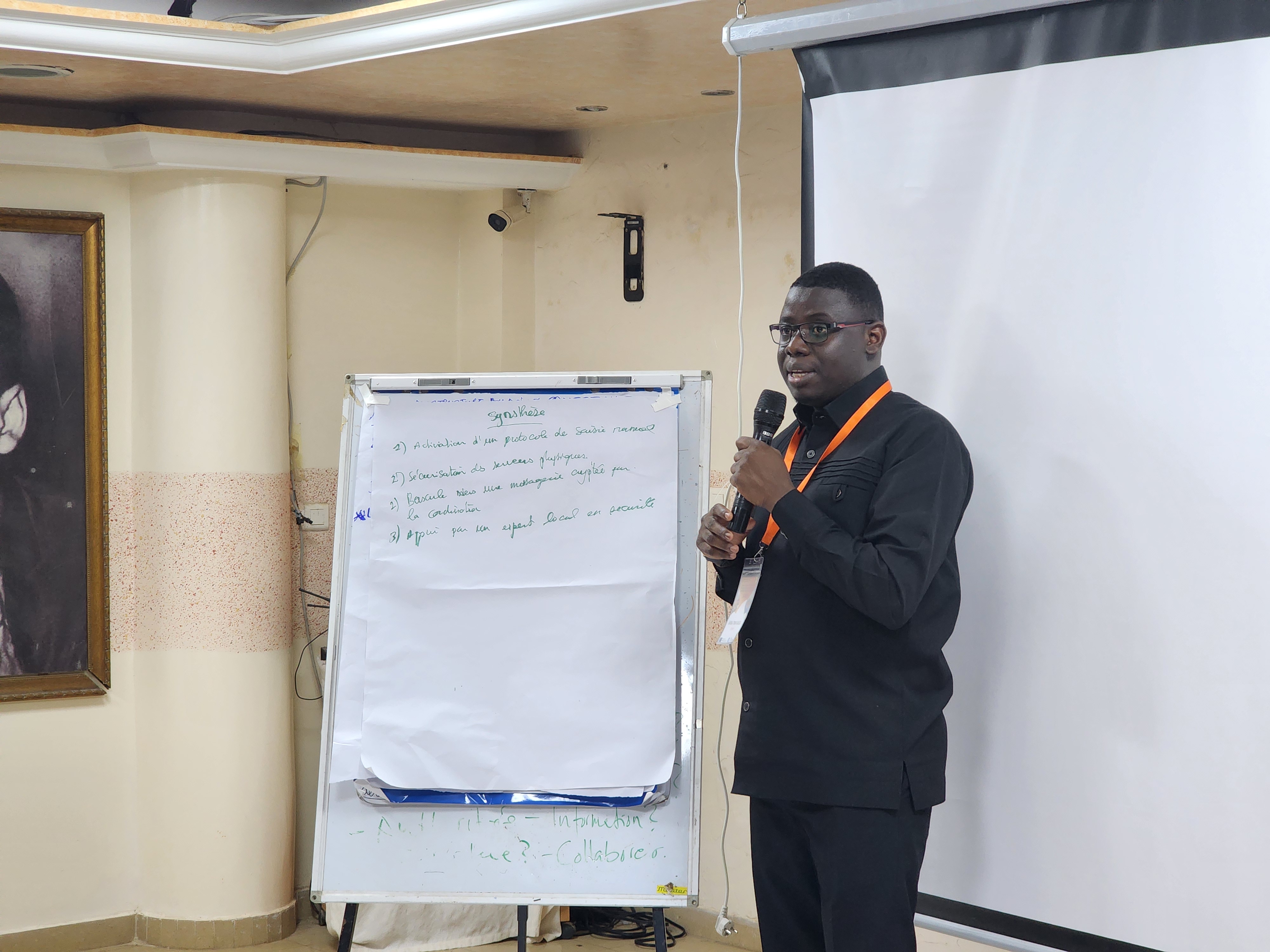
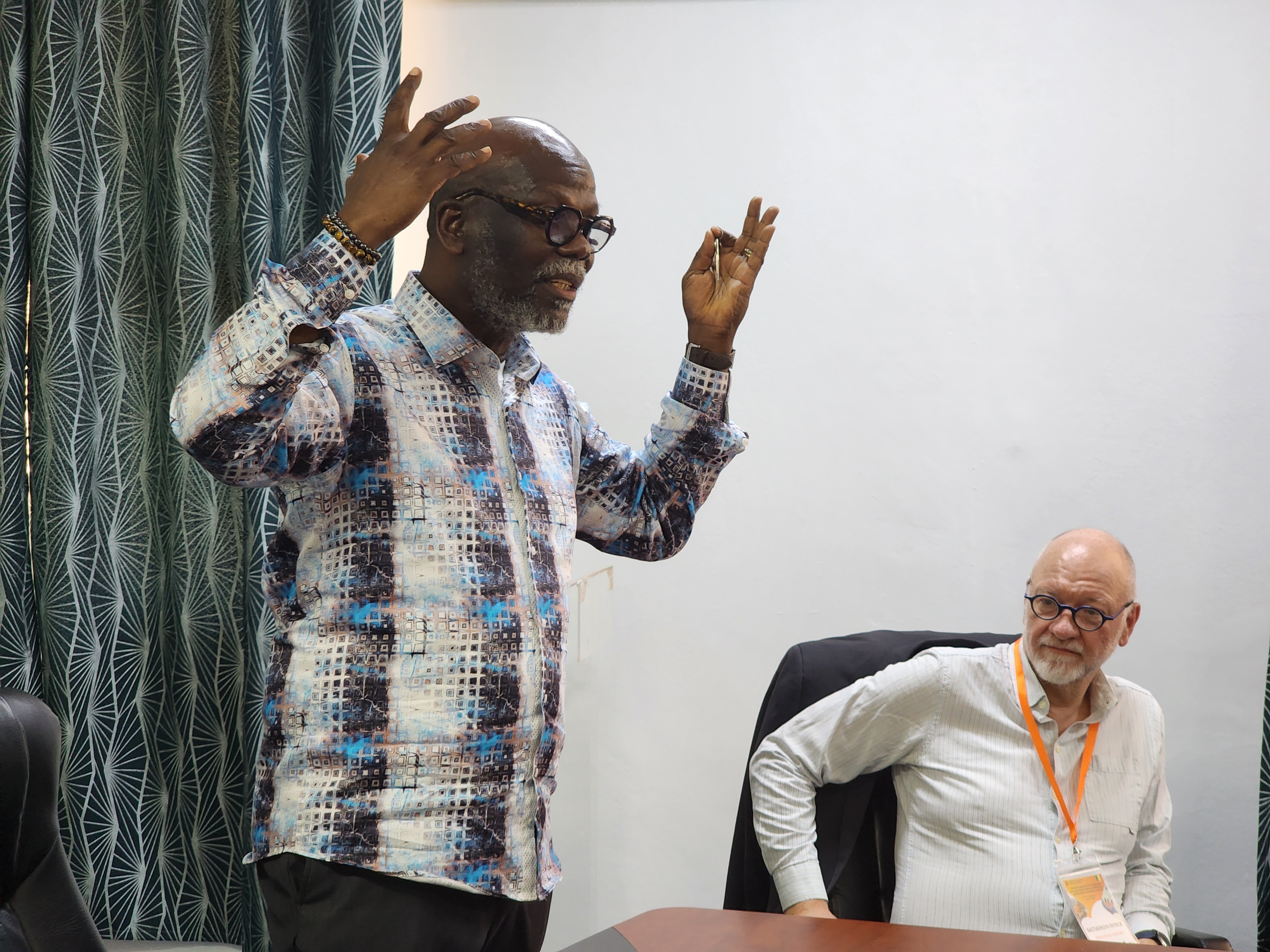
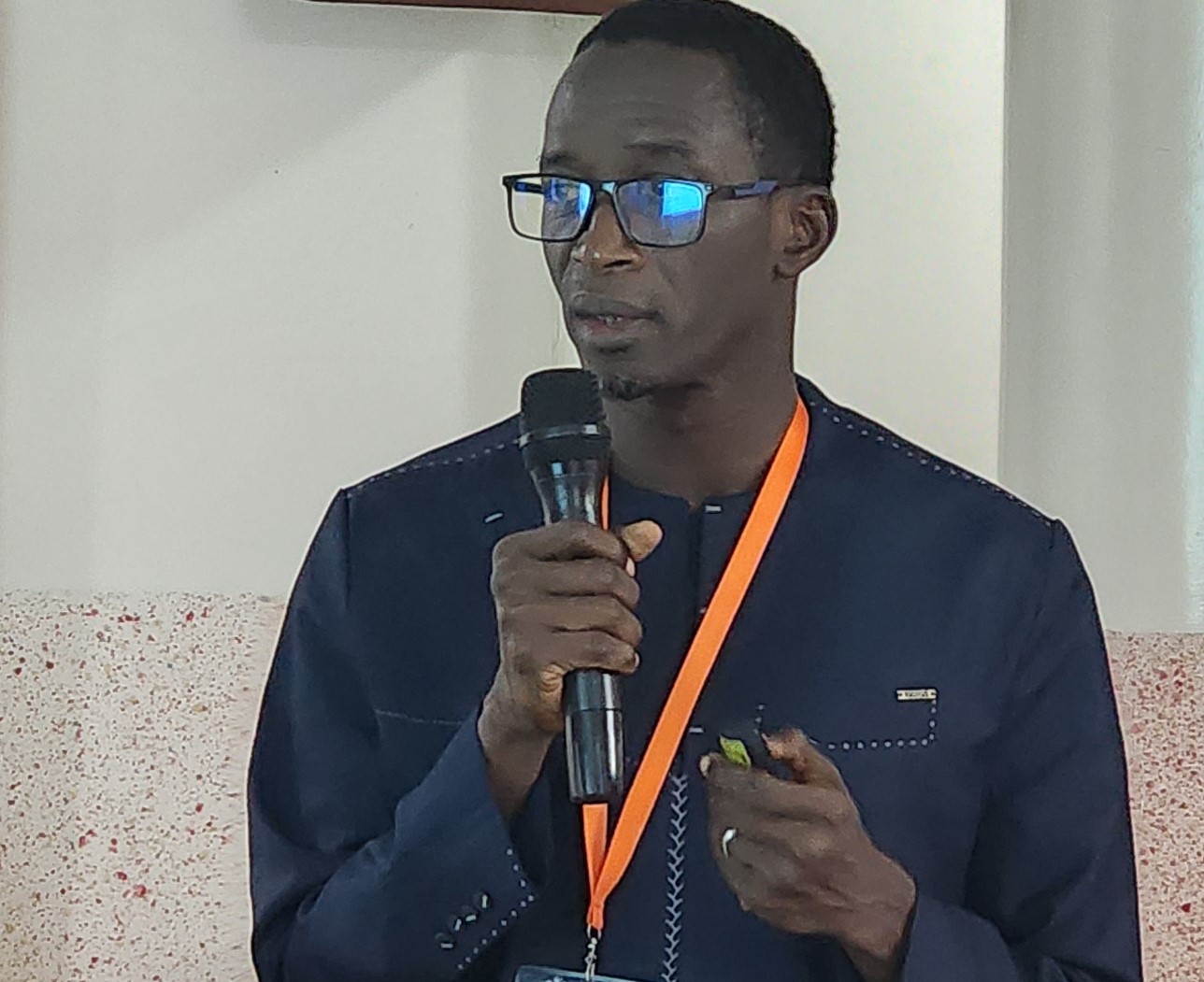
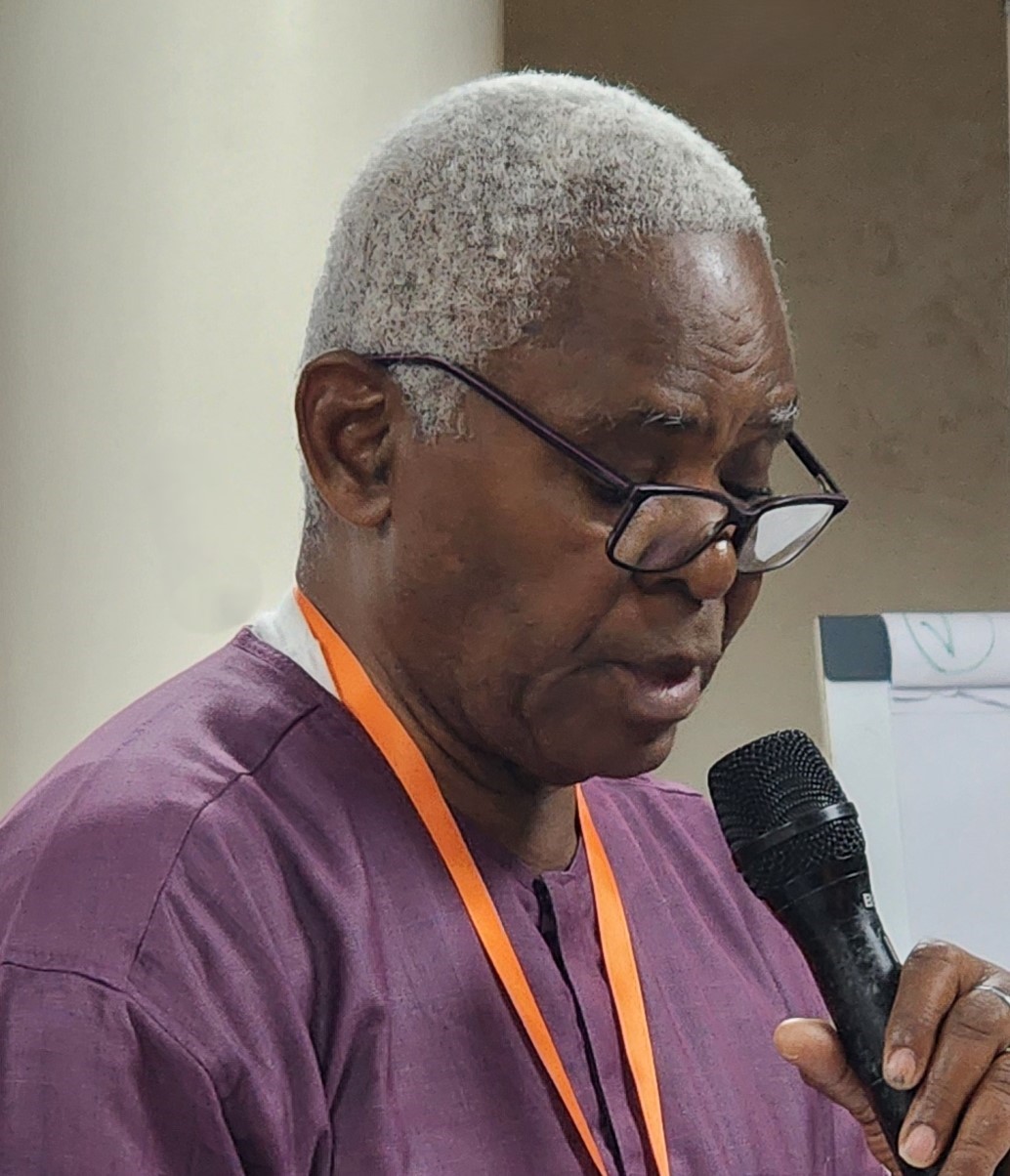
Prof. Emmanuel Couacy-Hymann, the President of WOAH's Biological Standards Commission, speaking during the training. Picture © P. Bastiaensen (woah) 2025
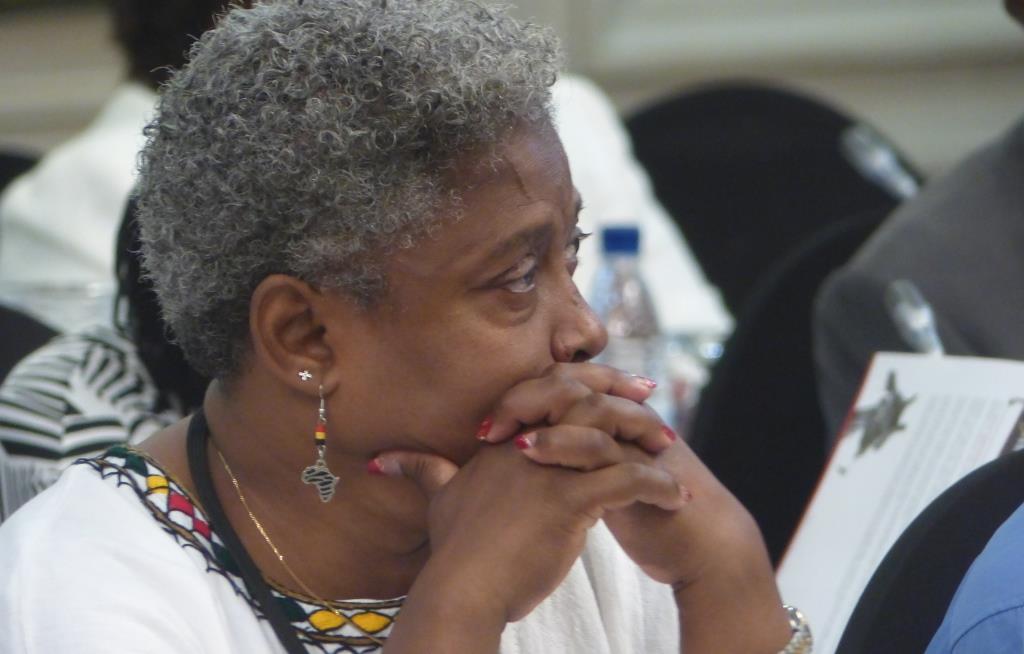
This year’s seminar brought together focal points from 23 out of 26 French-speaking WOAH Member Countries in Africa, aiming to equip them with the knowledge, tools, and peer connections needed to align with and contribute to the implementation of WOAH international standards, promote economic and operational sustainability of veterinary laboratories, strengthen biosafety and biosecurity practices to counter traditional and emerging biological threats, and enhance preparedness and response capacities for a wide range of emergencies.
Prof. Emmanuel Couacy-Hymann, the President of WOAH’s Biological Standards Commission, speaking during the training. Picture © P. Bastiaensen (woah) 2025
Dr Mbargou Lô, WOAH Delegate for Senegal and Member of the WOAH Council, delivering his opening remarks. Picture © I.P. Busuulwa (woah) 2025
Dr Mbargou Lô, WOAH Delegate for Senegal and Member of the WOAH Council, delivering his opening remarks. Picture © I.P. Busuulwa (woah) 2025
In his opening remarks, Dr. Mbargou Lô, representing the Hon. Minister Mabouba Diagne, Minister of Agriculture, Food Sovereignty and Animal Husbandry (Ministre de l’Agriculture, de la Souveraineté alimentaire et de l’Elevage), welcomed participants to Senegal and urged participants to pay close attention to this training session, which he was confident focal points would find extremely beneficial. He also assured the audience that his country will spare no effort in implementing the relevant conclusions and recommendations that emerge from the discussions, within the limits of its resources, but also with the support of technical and financial partners.
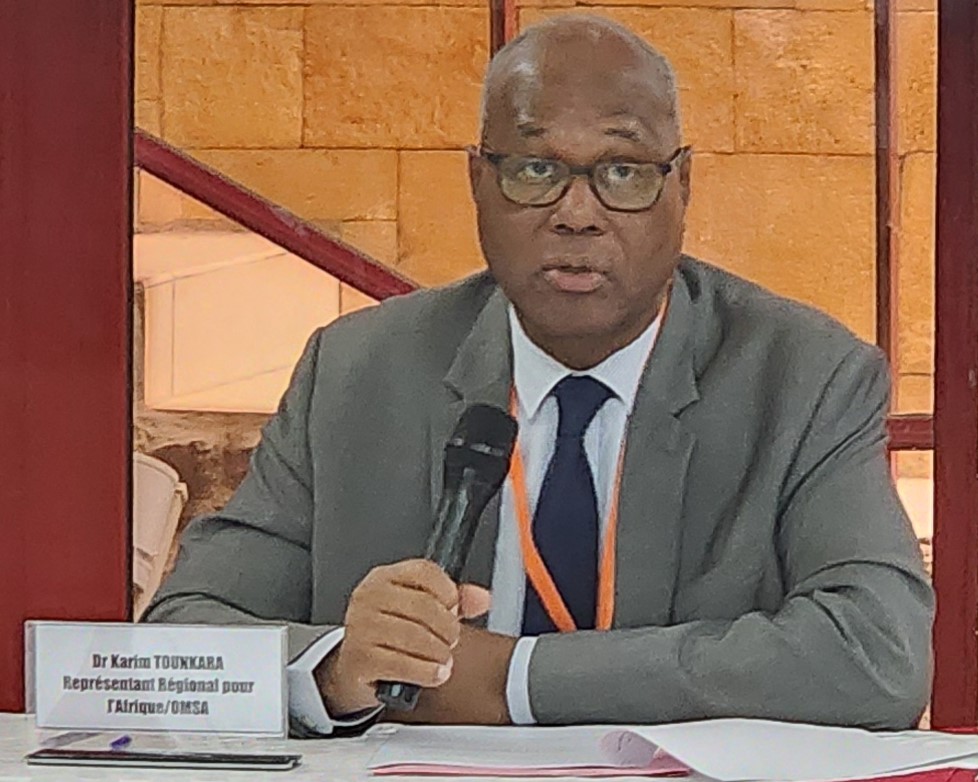
Dr Karim Tounkara, WOAH Regional Representative for Africa
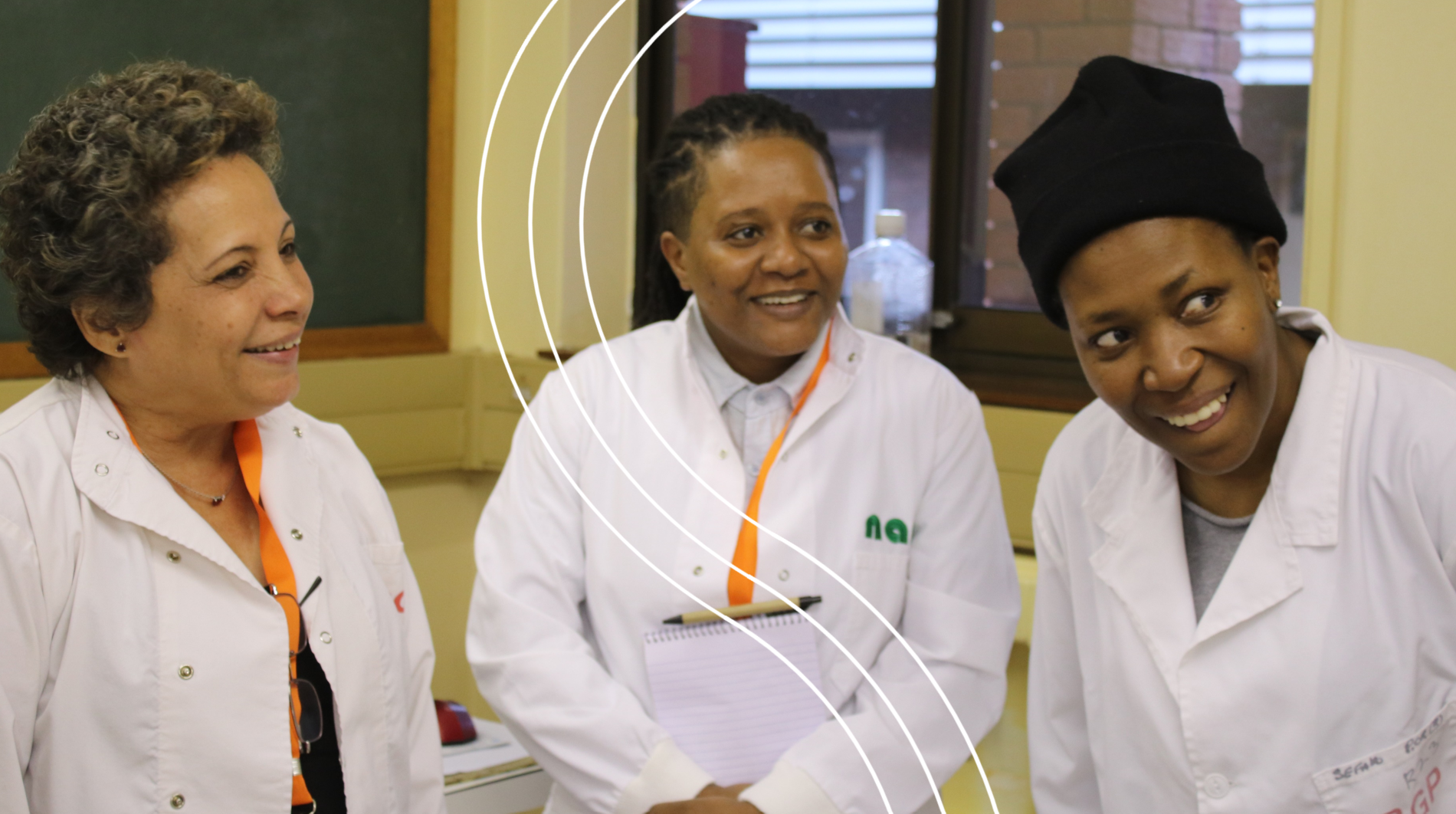
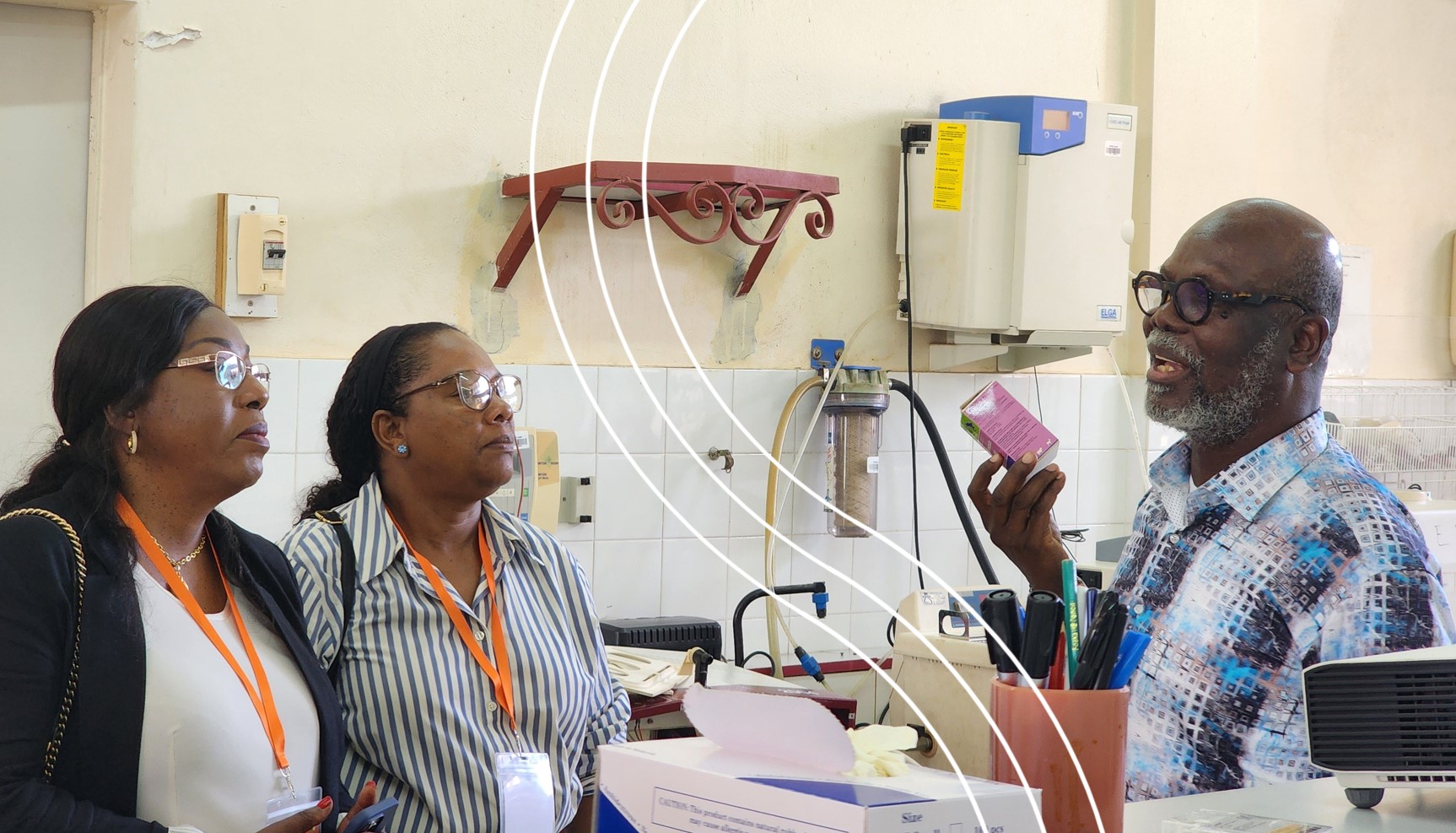
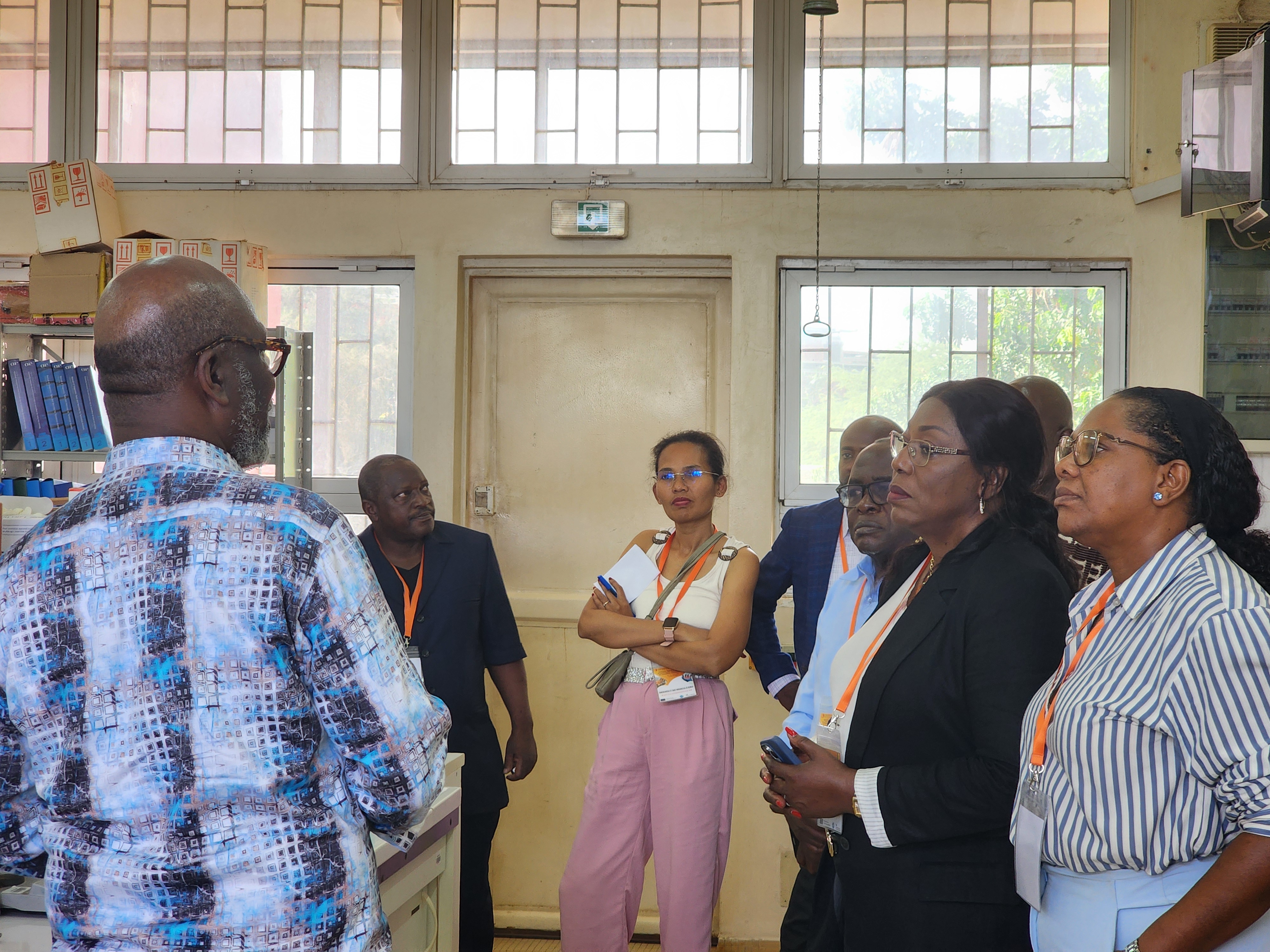
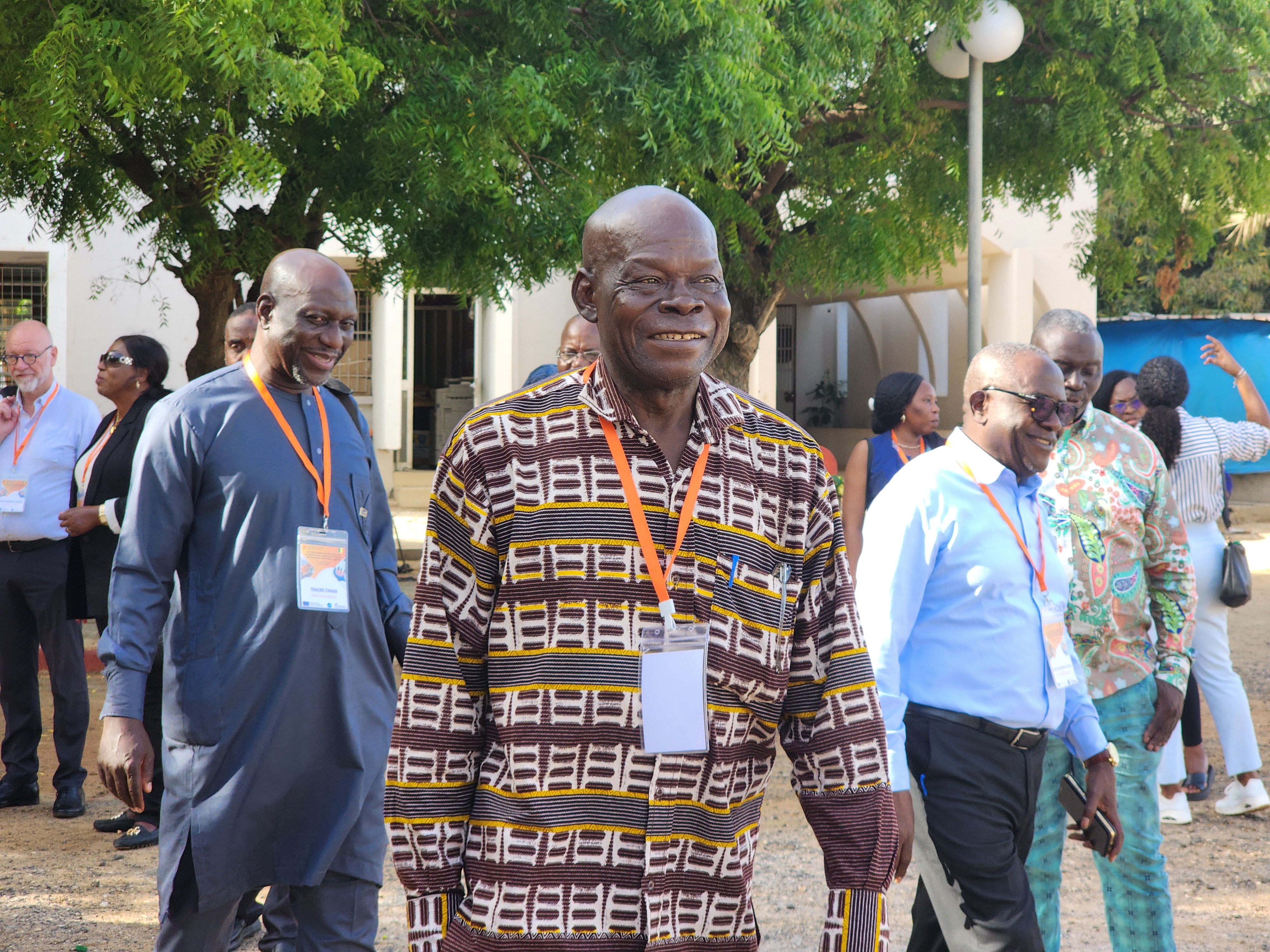
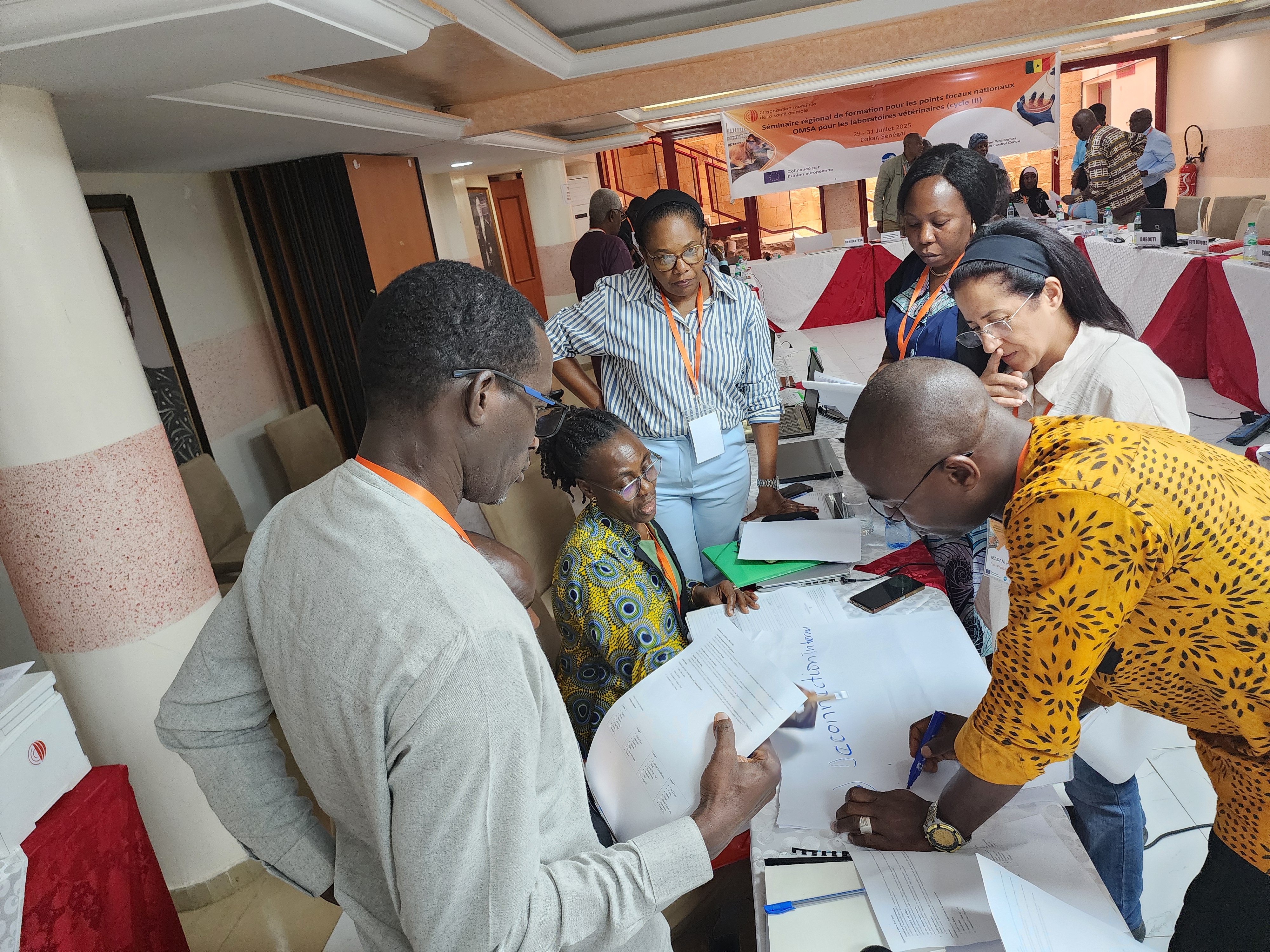
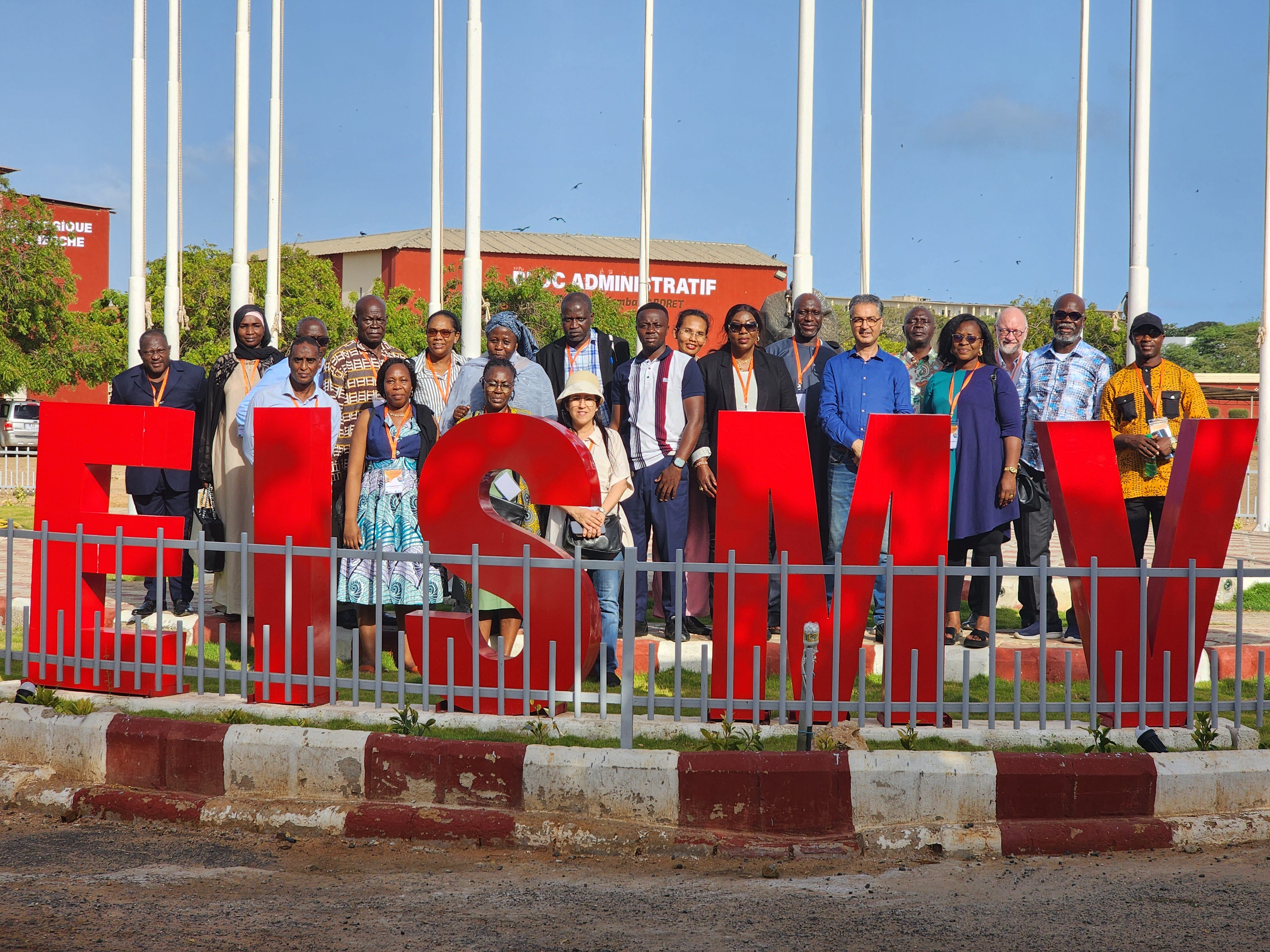
The training featured a dynamic mix of expert presentations, country experience sharing, group discussions, and a field visit to the Inter-Governmental School for Veterinary Sciences and Medicine (Ecole Inter-Etats des Sciences et Médecine Vétérinaires – EISMV) in Dakar – a WOAH Collaborating Cente for the official training of veterinarians, diagnosis of infectious animal diseases and zoonoses, and control of veterinary drugs in West and Central Africa. Topics covered included the WOAH standard-setting process, laboratory evaluation tools, innovations in diagnostics, emergency management, biological threat reduction, and regional laboratory networking and collaboration.
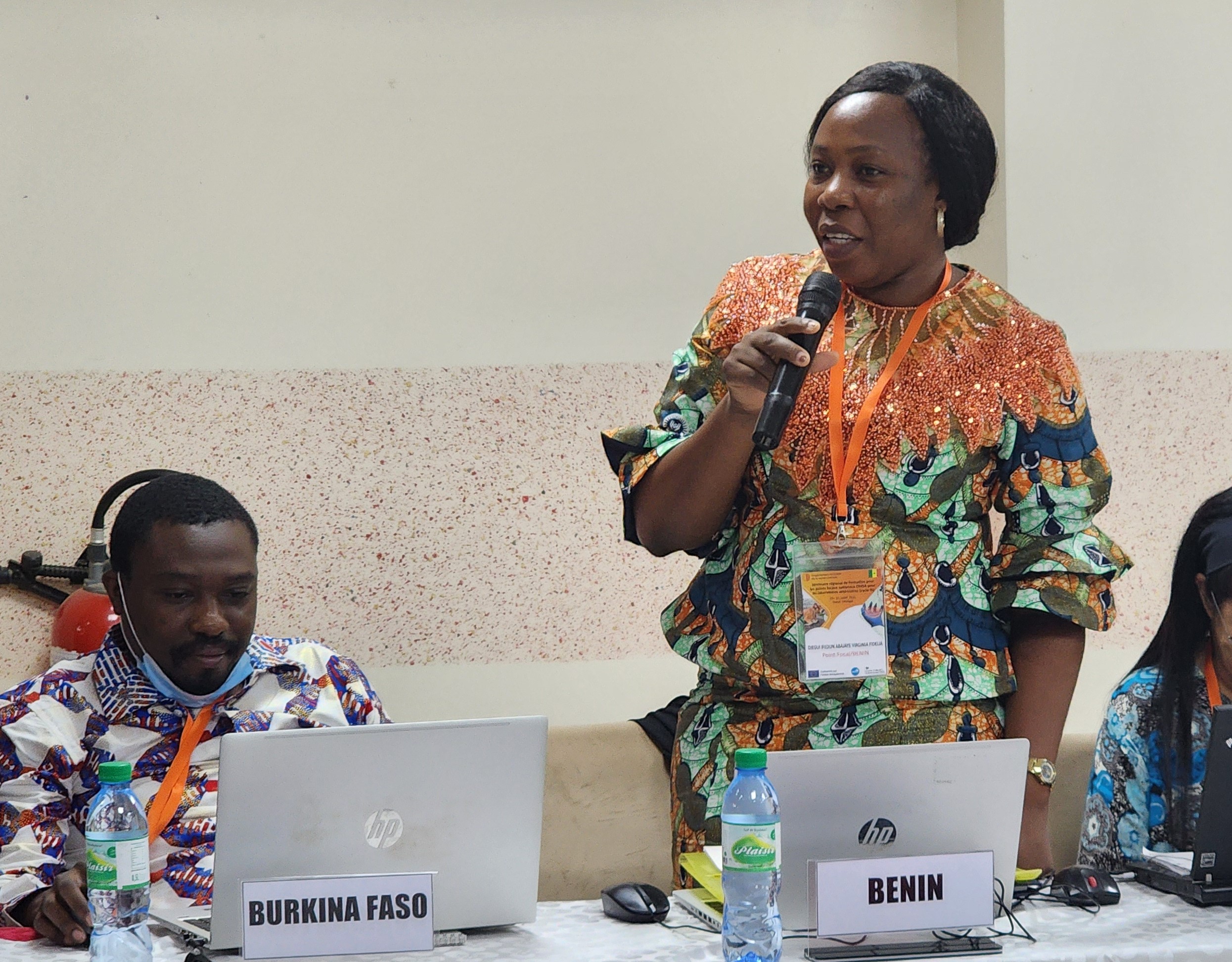
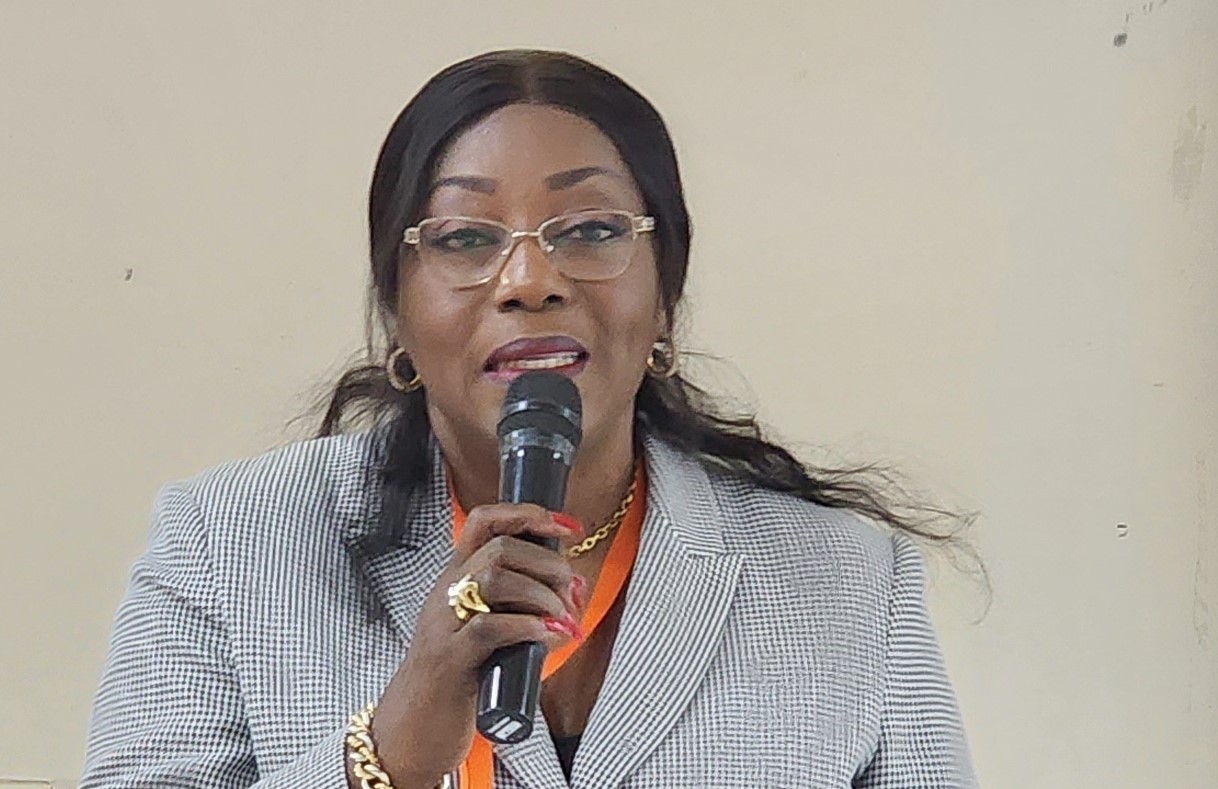
Mme. Fidelia Ifedun Djegui, Focal Point from Benin. Picture © I.P. Busuulwa (woah) 2025
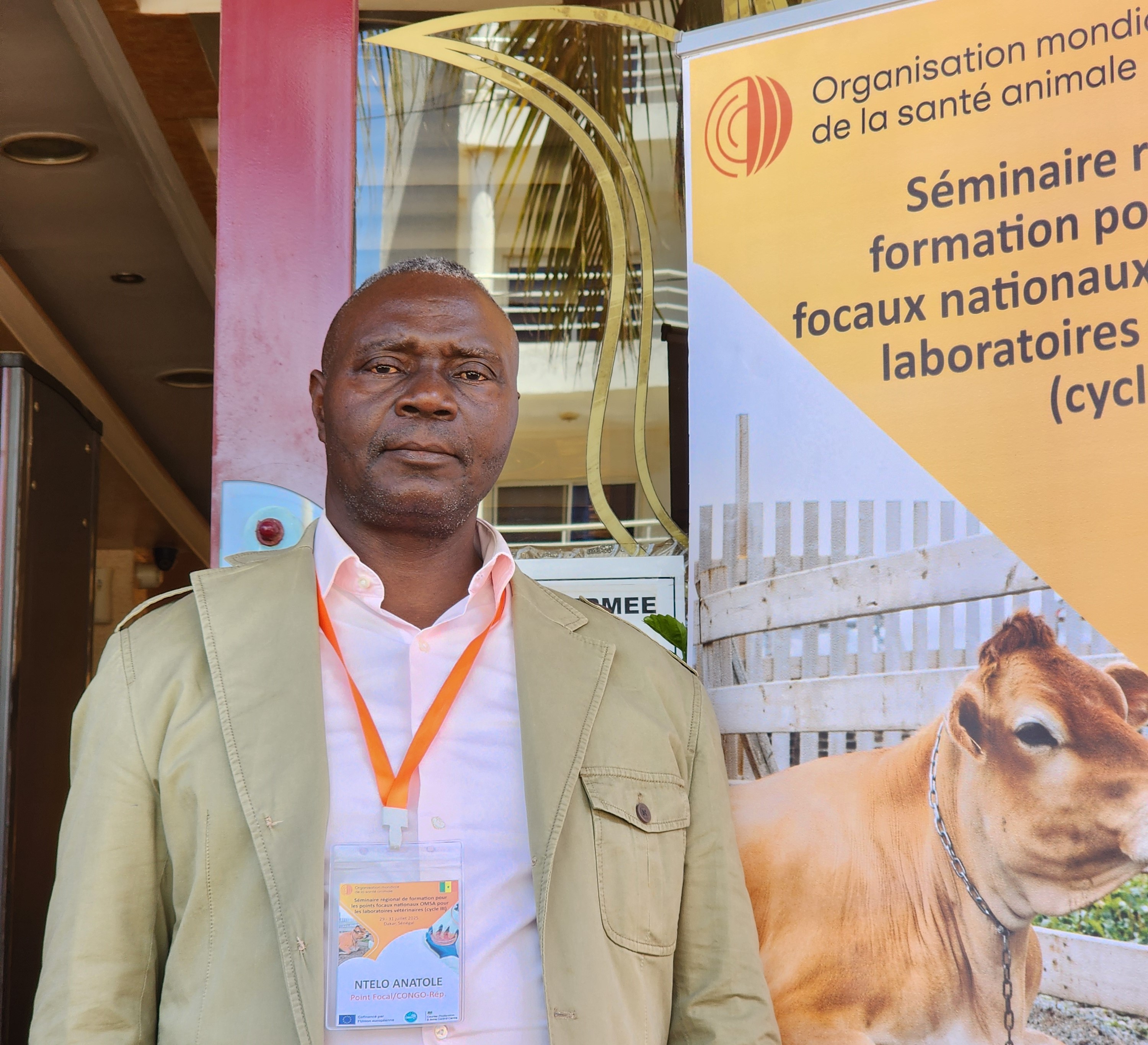
Dr. Anatole Ntelo, Focal Point from Congo. Picture © I.P. Busuulwa (woah) 2025
Dr Karim Tounkara, WOAH Regional Representative. Picture © I.P. Busuulwa (woah) 2025
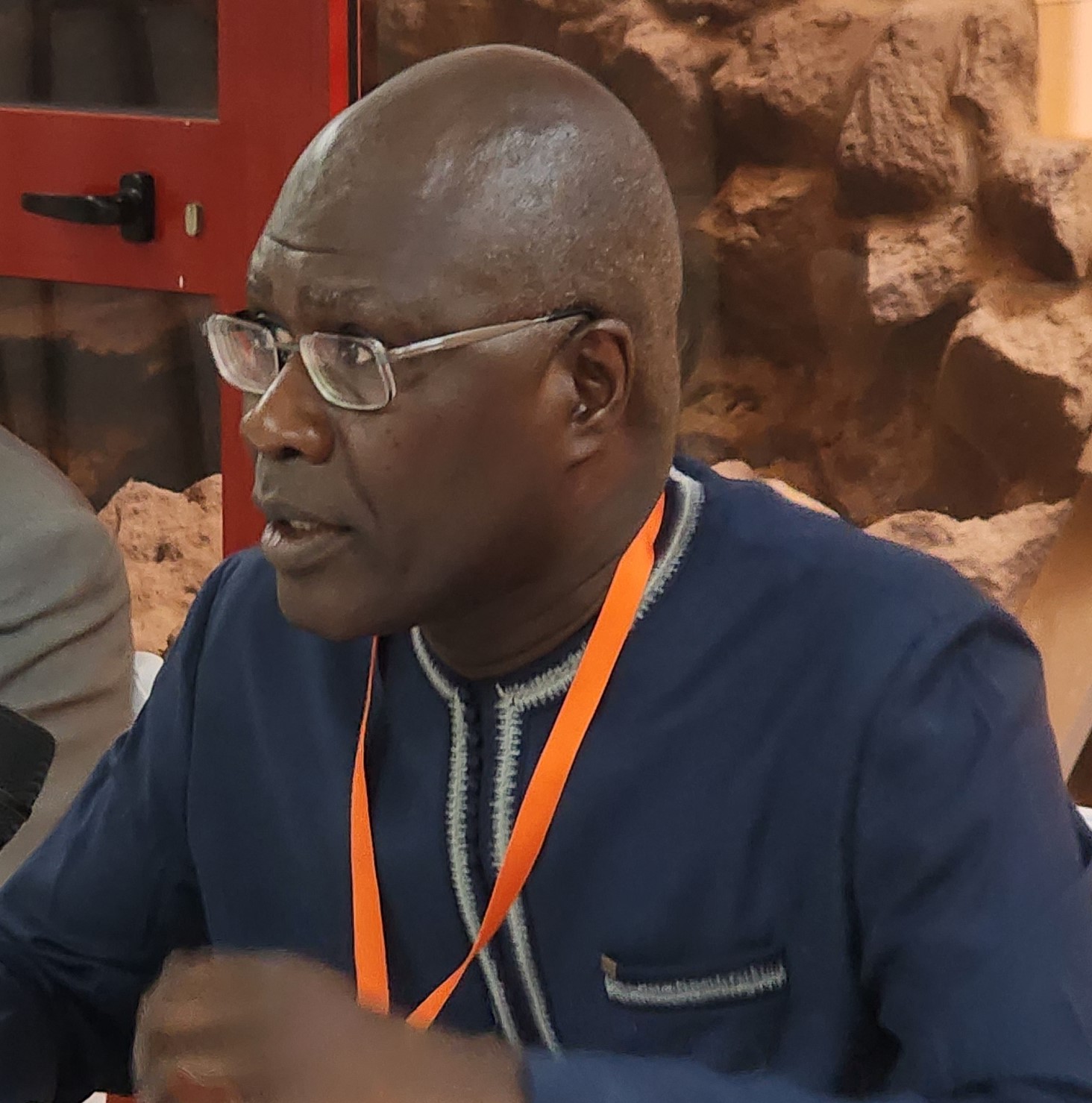
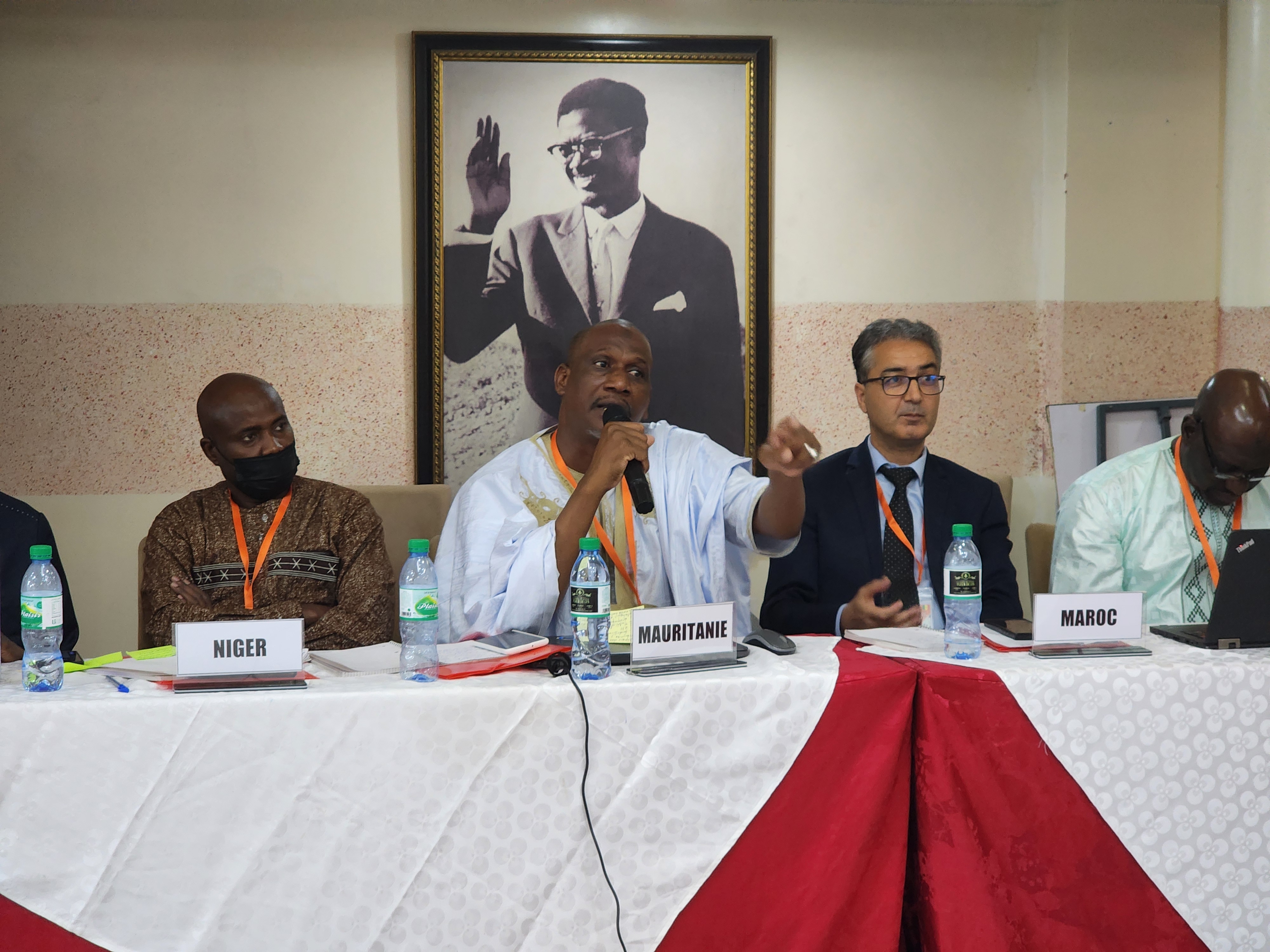
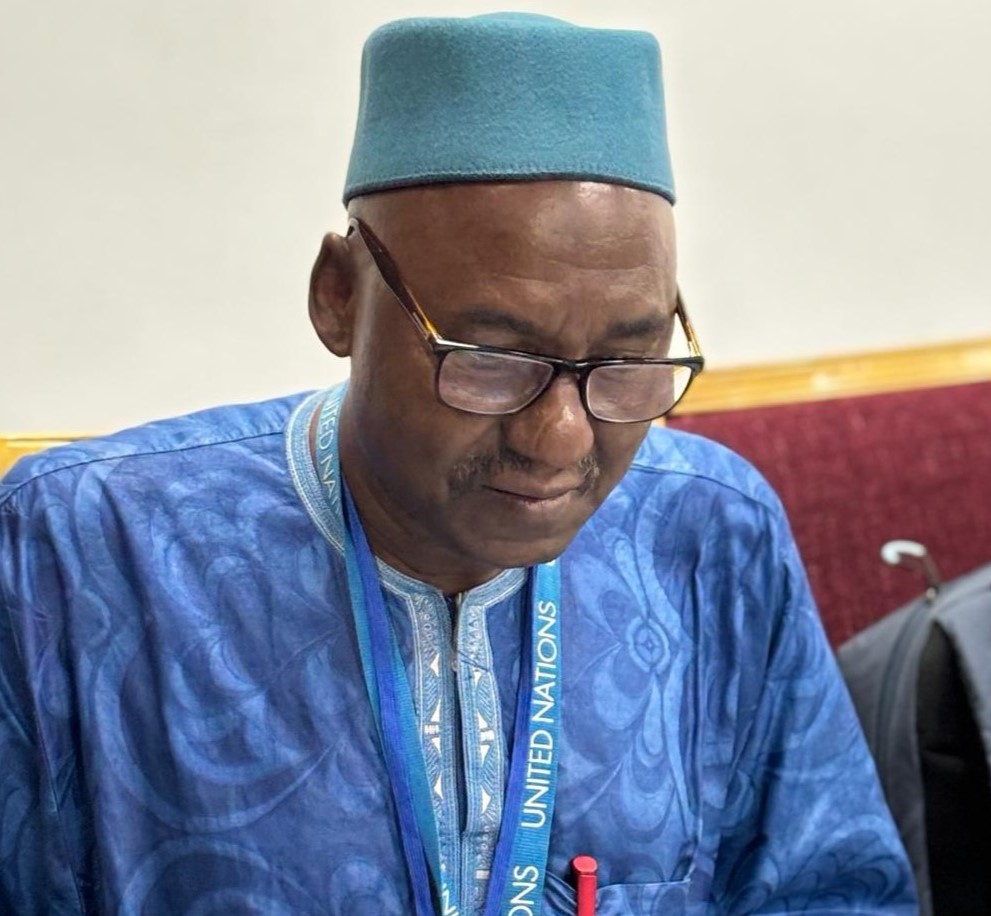
Dr. Yahya Barry, Focal Point from Mauritanie. Picture © I.P. Busuulwa (woah) 2025
Mr. Garba Tinni Kailou, PRAPS, WOAH. Picture © I.P. Busuulwa (woah) 2025
Visit of the lab facilities at EISMV. Picture © I.P. Busuulwa (woah) 2025
Dr. Etienne Nguertoum, Delegate and Focal Point from CAR. Picture © I.P. Busuulwa (woah) 2025
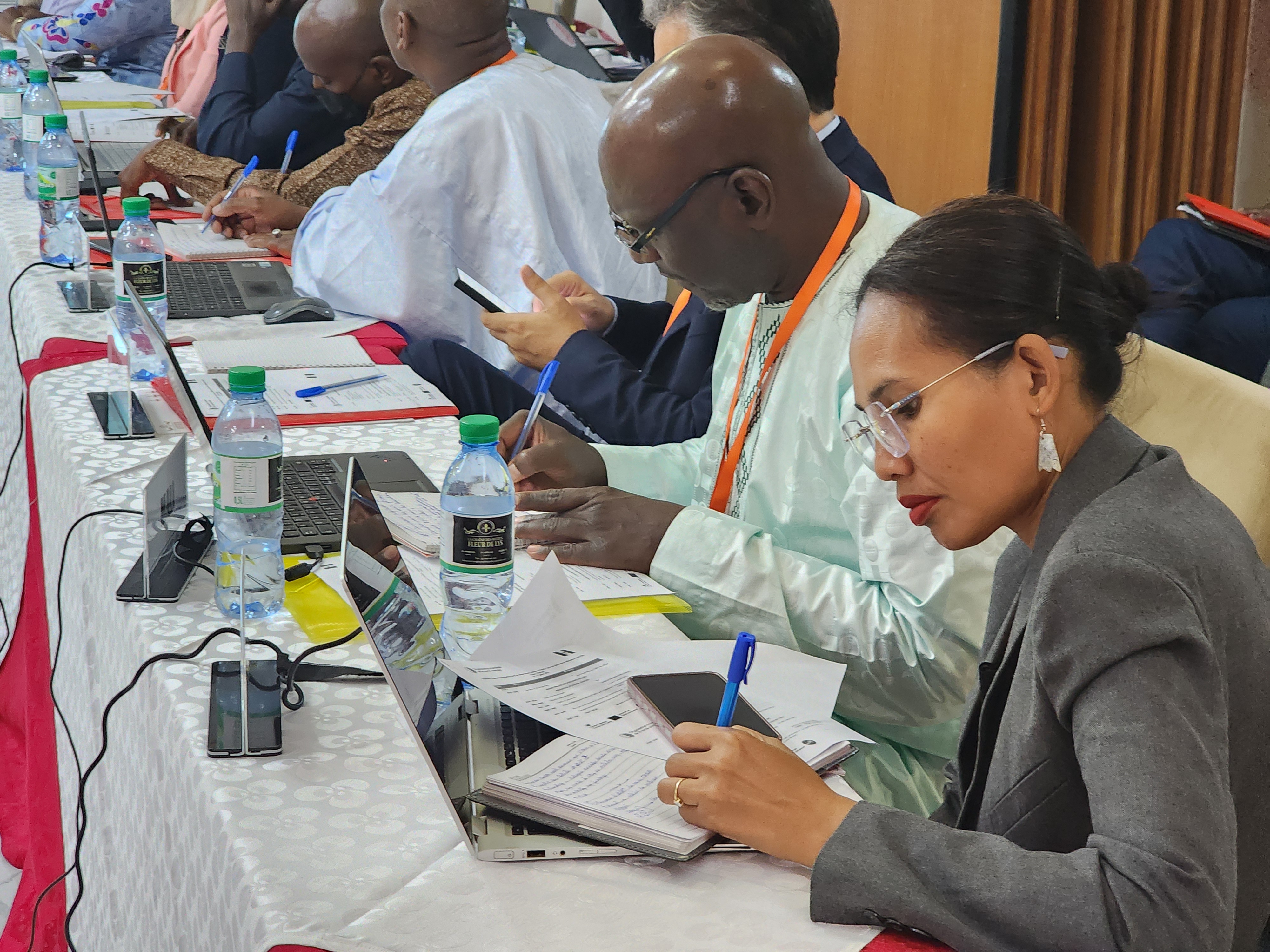
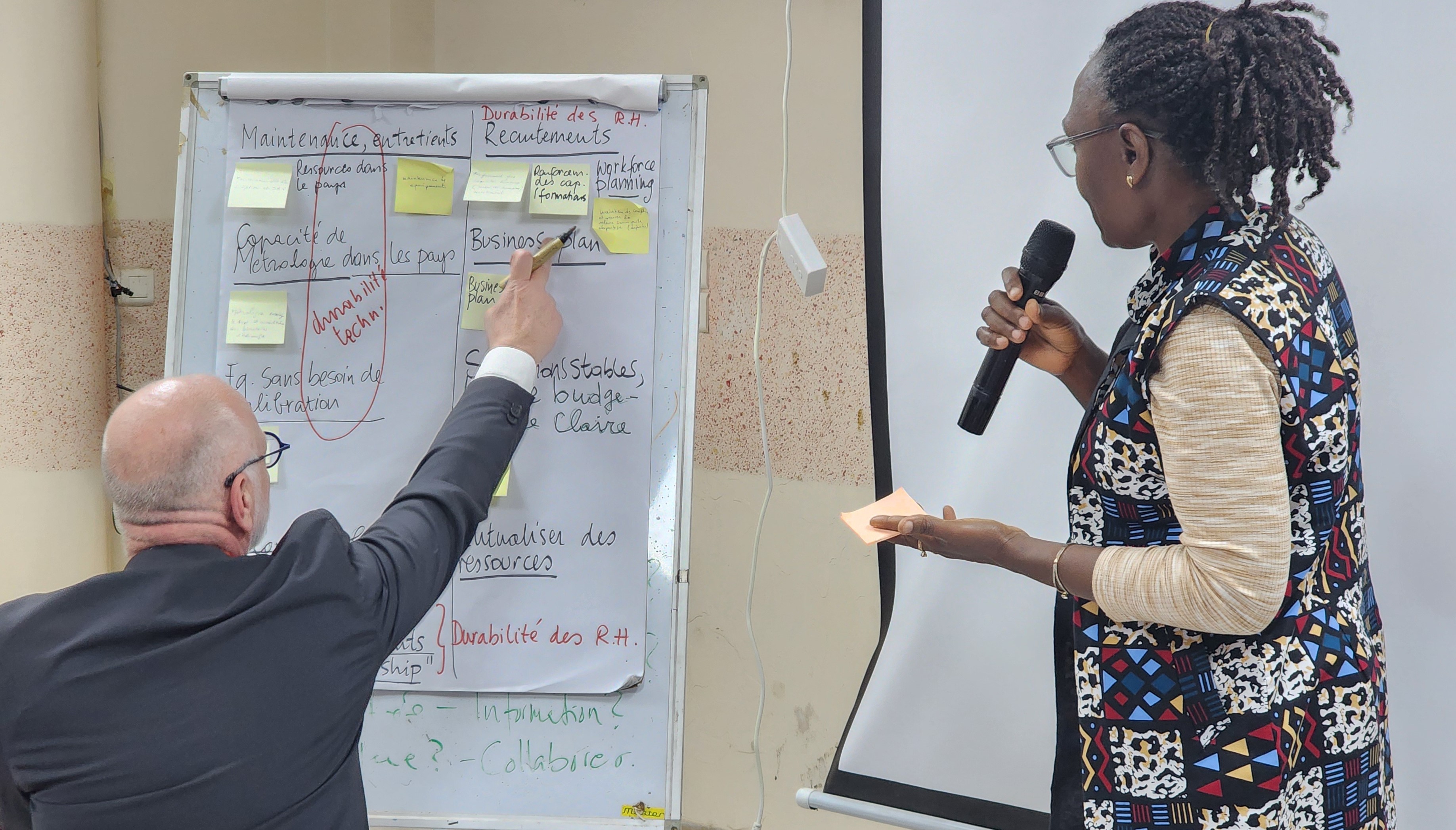
Partial overview of the participants during a group work session. Picture © I.P. Busuulwa (woah) 2025
Dr. Assiongbon Teko-Agbo during the visit to the EISMV in Dakar. Picture © I.P. Busuulwa (woah) 2025
WOAH extends its sincere appreciation to the Government of the United Kingdom and the European Union for their generous financial support, and to the Government of Senegal for graciously hosting the training. We also thank the dedicated team of experts and partners who contributed technically to the success of the seminar, including representatives from the Africa Centres for Disease Control and Prevention (Africa CDC), the Food and Agriculture Organization of the United Nations (FAO), the African Union Pan African Veterinary Vaccine Centre (AU PANVAC) and the Inter-Governmental School for Veterinary Sciences and Medicine (Ecole Inter-Etats des Sciences et Médecine Vétérinaires – EISMV) in Dakar.
PDF - 5.39MB
Picture © I.P. Busuulwa (woah) 2025
Picture © I.P. Busuulwa (woah) 2025
Dr. Anatole Ntelo, Focal Point from Congo. Picture © I.P. Busuulwa (woah) 2025
Picture © I.P. Busuulwa (woah) 2025
Picture © I.P. Busuulwa (woah) 2025
Picture © I.P. Busuulwa (woah) 2025
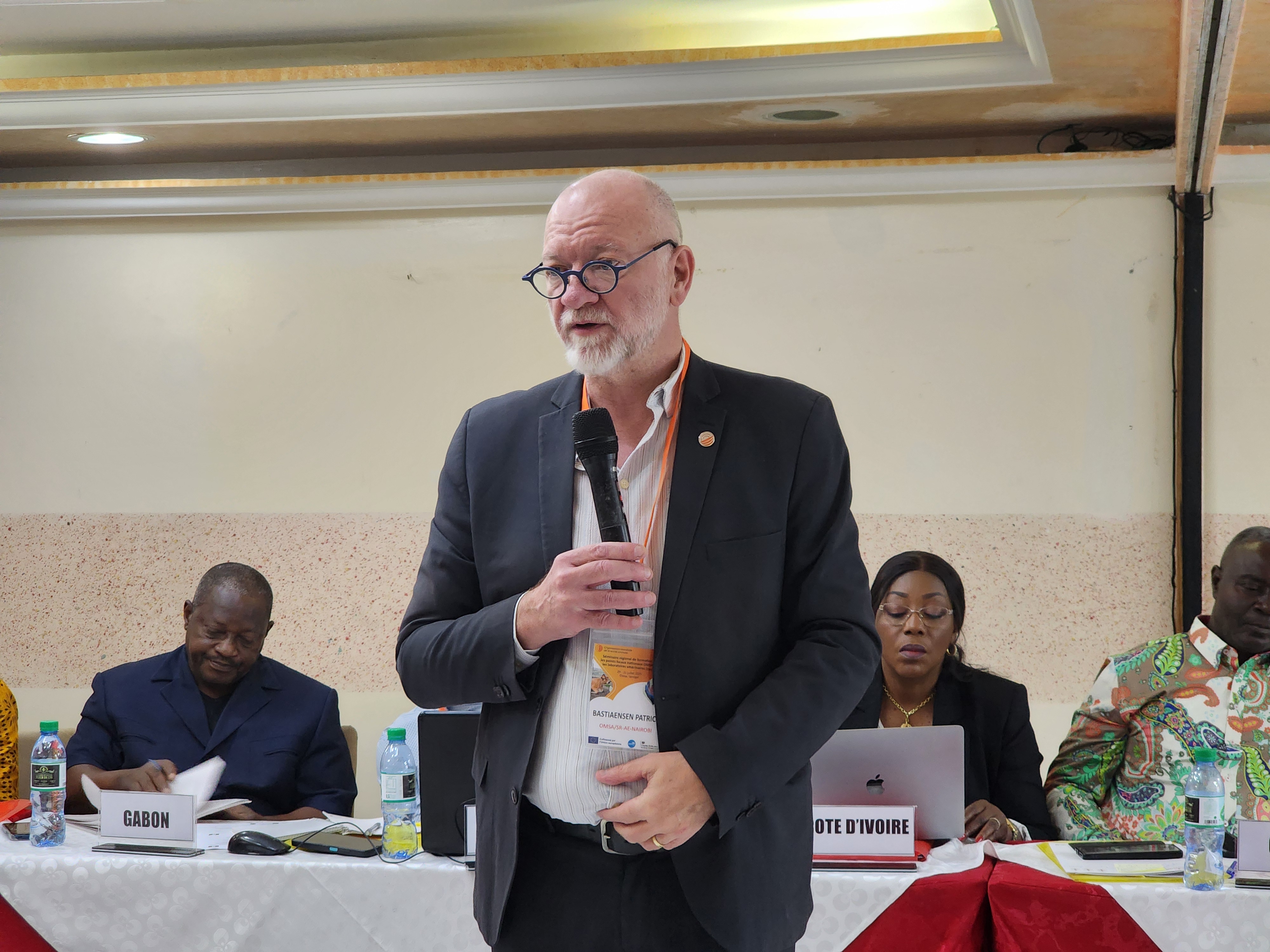
Dr. P. Bastiaensen, WOAH. Picture © I.P. Busuulwa (woah) 2025
Picture © I.P. Busuulwa (woah) 2025
Picture © I.P. Busuulwa (woah) 2025