

FLICKR
Photo Album
Read more
Simulation exercises are a crucial component of emergency preparedness. They can assess the overall
capability and capacity of the Veterinary Services, train staff in disease outbreak response, identify gaps or deficiencies in preparedness, and support continuous learning. Moreover, they can be used to validate and test contingency plans, ensuring that these remain “living documents”. Additionally, they can enhance multisectoral and interdisciplinarity preparedness for zoonotic diseases or deliberate release events. Recognizing this importance, the World Organisation for Animal Health (WOAH) supports its Members to strengthen their capacity to conduct simulation exercises through the WOAH Guidelines for Simulation Exercises, leading conduct of table-top simulation exercises such as “Exercise Phoenix” in 2023, as part of the joint WOAH-FAO–INTERPOL project Building Resilience Against Agro-Crime and Agro-Terrorism, training in 2025 on conducting simulation exercises as part of the Fortifying institutional resilience against biological threats (FIRABioT) project, supporting Kenya in developing and conducting a national tabletop exercise in 2026, and more.
WOAH further encourages the use of simulation exercises with an all-hazards approach, noting that they can help foster coordination between sectors such as those of the Veterinary Services and Law Enforcement with agro-crime or agro-terrorism scenarios. Despite their importance, simulation exercises remain underutilised in the African region. Since 2002, WOAH Members have reported organising 550 simulation exercises. However, only 16 of these were conducted in the African region.
Therefore, as part of the FIRABioT project, two regional multi-country tabletop simulation exercises (TTX) were planned with technical assistance by the The European Commission for the Control of Foot-and-Mouth Disease (EuFMD). One for English-speaking (21 – 23 July 2026) and one for French-speaking (4 –6 August 2026) beneficiary countries of the FIRABioT project. The two TTX build on previous activities within the FIRABioT project, notably training on simulation exercises in 2025 (English and French), a strategic workshop on agro-crime and agro-terrorism in 2025, and investigation of suspicious biological events in 2026. Working with EuFMD, the material for Exercise Phoenix was modified and adapted to the relevant regional contexts and time available. Funding came from the FIRABioT Project, which is supported by Global Affairs Canada’s Weapons Threat Reduction Programme.
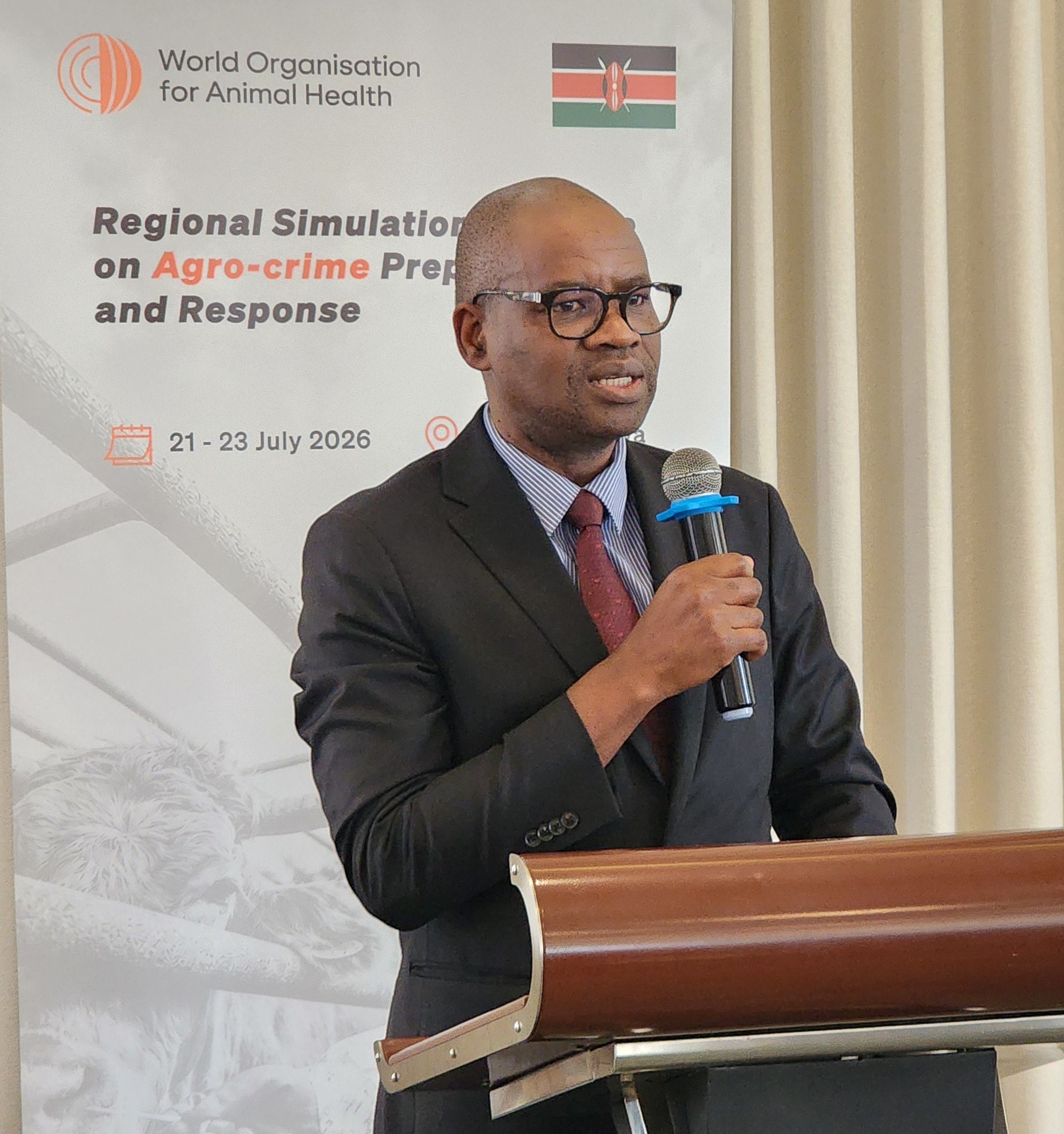
Dr. Neo Mapitse, WOAH Eastern Africa Sub-Regional Representative. Photo © E. Wijers (woah) 2026
Welcome remarks were delivered by Dr. Neo Mapitse on behalf of WOAH and acknowledged the participants commitment to strengthening collaboration between law enforcement, veterinary services, and other agencies in preparedness for agroterrorism. He noted that the exercise supported WOAH’s 8th Strategic Plan by strengthening interagency preparedness and coordination and building resilient animal health systems. He emphasized that biological threats have far-reaching consequences on public health, food security, trade, and national stability, stressing that the true measure of preparedness lies in the ability to rapidly assess, investigate, detect, and respond effectively, rather than relying solely on identification.
Opening remarks for INTERPOL, were delivered by Mr. Adrien Sivignon, Head of the Bioterrorism Unit at INTERPOL, highlighting that effective response to biological threats requires coordinated action between law enforcement and veterinary services at national, regional, and international levels. He underscored that partnerships must be established before a crisis, for effective assessment, prevention, and response.
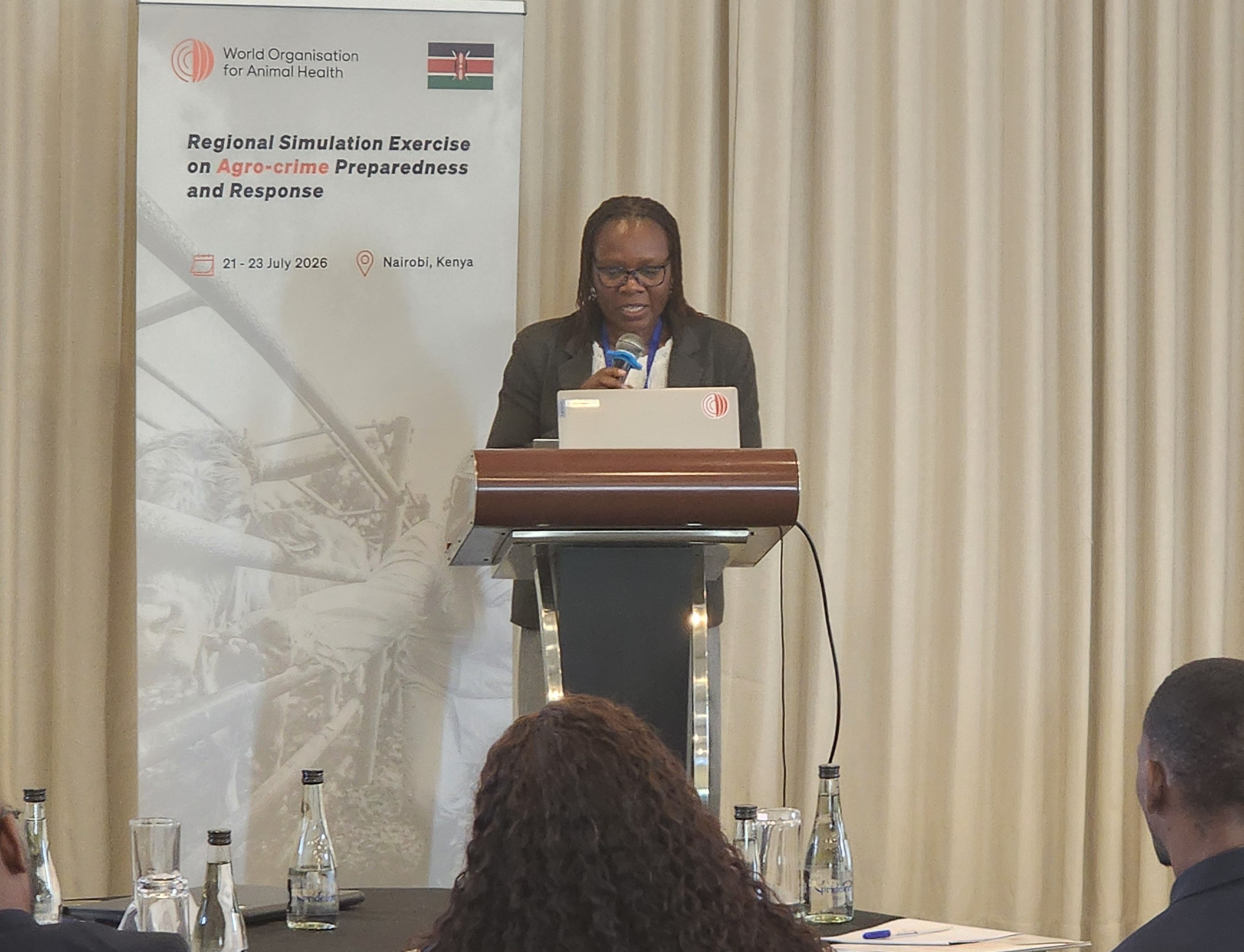
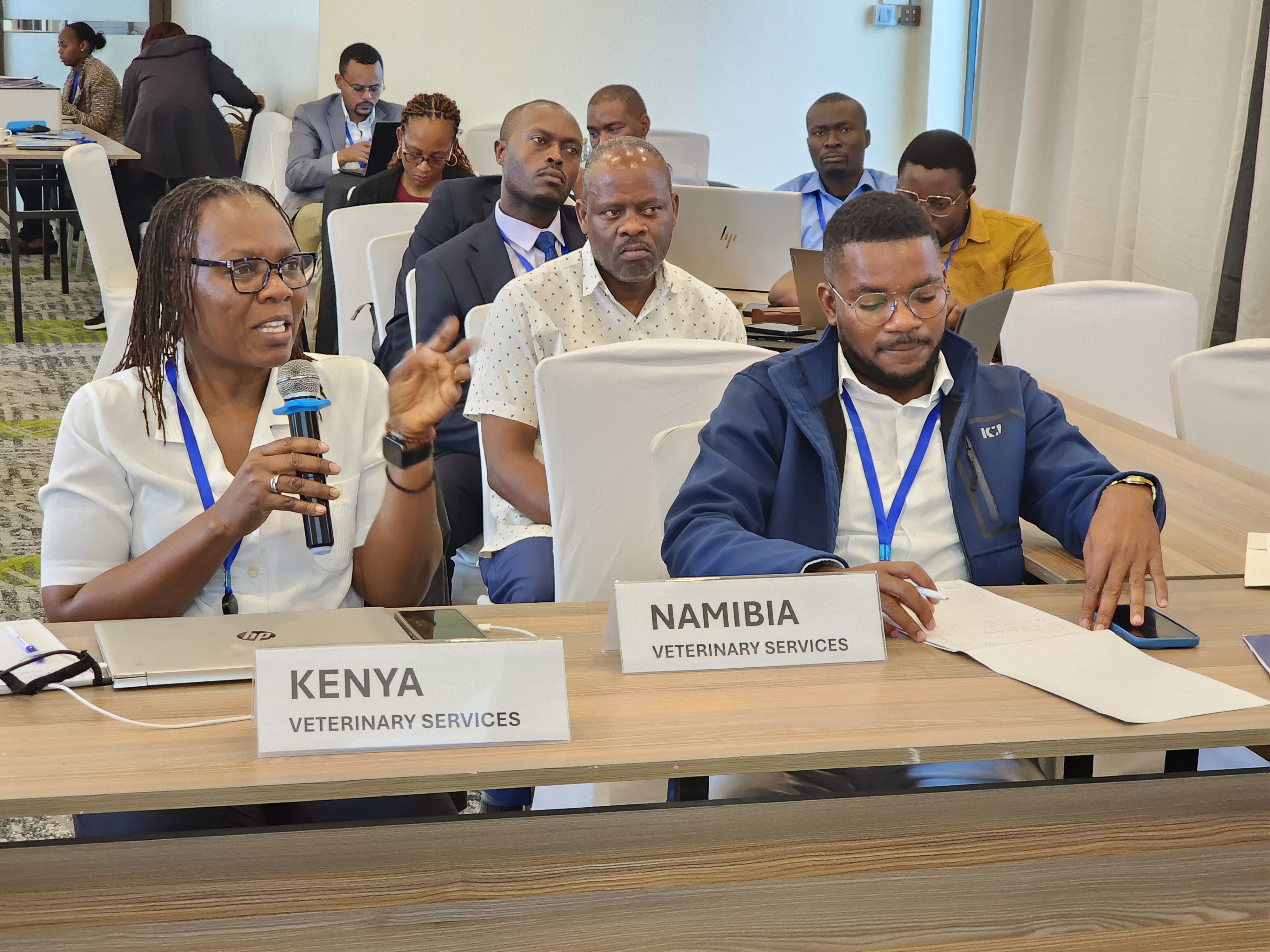
Dr. Jacqueline Lichoti Kasiiti, Deputy Director of Veterinary Services, Kenya. Picture © E. Wijers (woah) 2026
Speaking on behalf of Global Affairs Canada, Ms. Siobhan Kerr highlighted that shared threats require shared solutions. She noted that limited capacity and inadequate coordination continue to hinder effective risk mitigation and response, underscoring the need for law enforcement and veterinary services to collaborate at all stages. She further explained The Signature Initiative to Mitigate Biological Threats in Africa, a Global Partnership initiative of the G7-led Global Partnership Against the Spread of Weapons and Materials of Mass Destruction, aimed at strengthening biothreat preparedness and reduce biological threats across Africa.
Dr Jacqueline Kasiiti speaking on behalf of Dr. Allan Azegele, Director of Veterinary Services (and Delegate to WOAH), welcomed the regional and international delegates and officially opened the workshop. She noted that the increasingly complex and transboundary nature of biological threats requires coordinated, multi-sectoral action and added that the simulation exercise would test preparedness systems, partnerships, communication channels, and decision-making processes while identifying operational gaps and strengthening collective readiness.
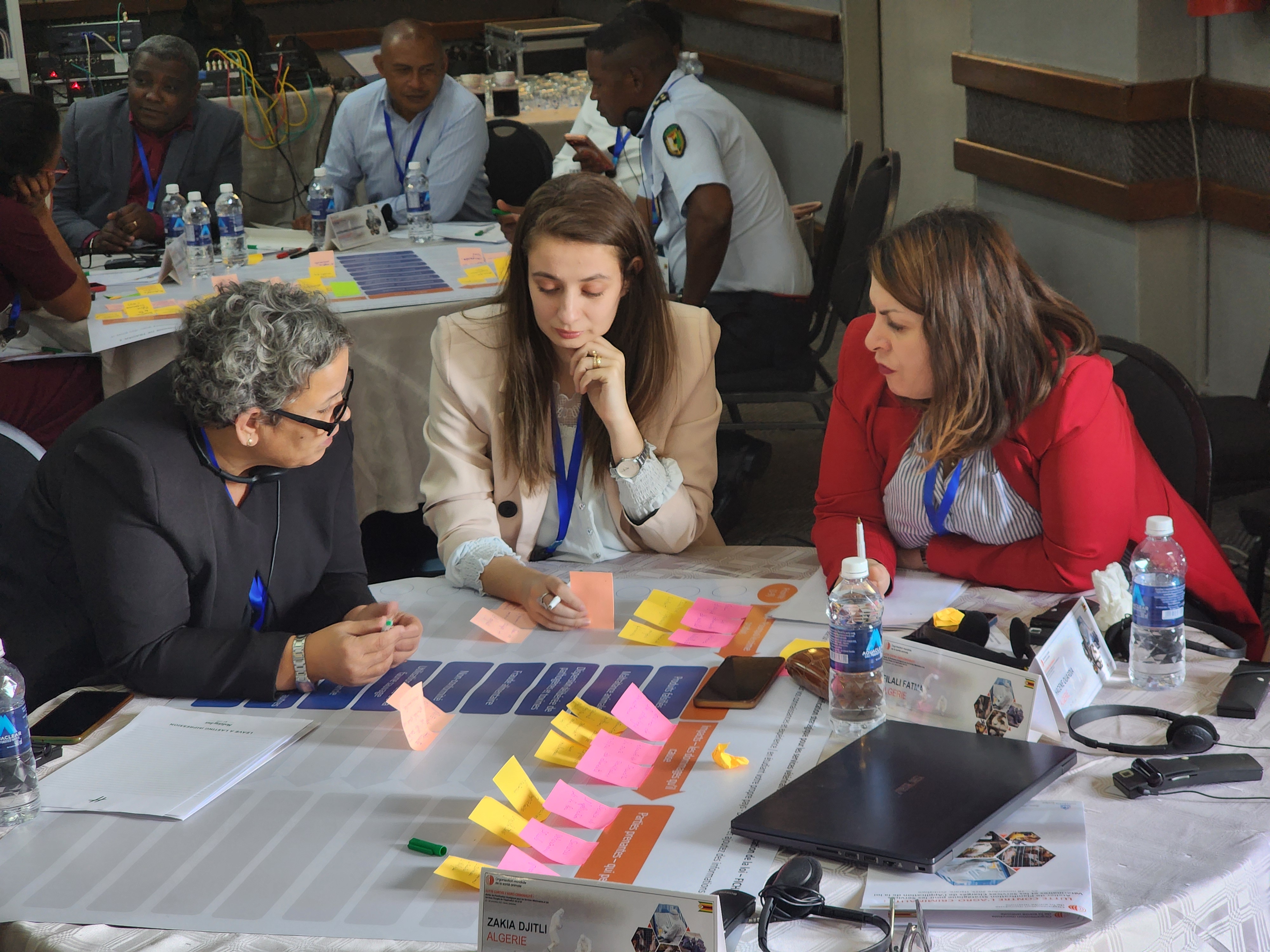
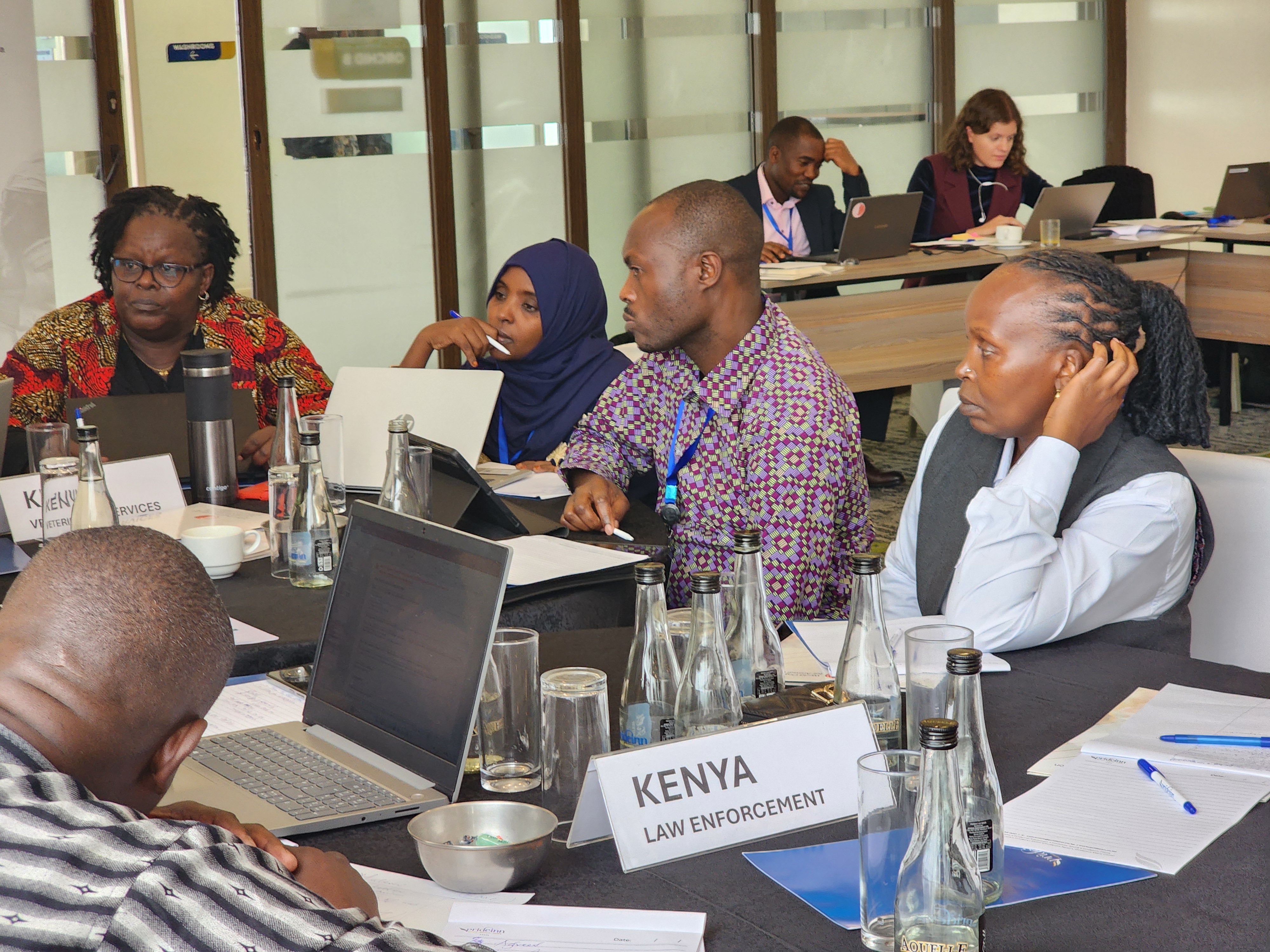
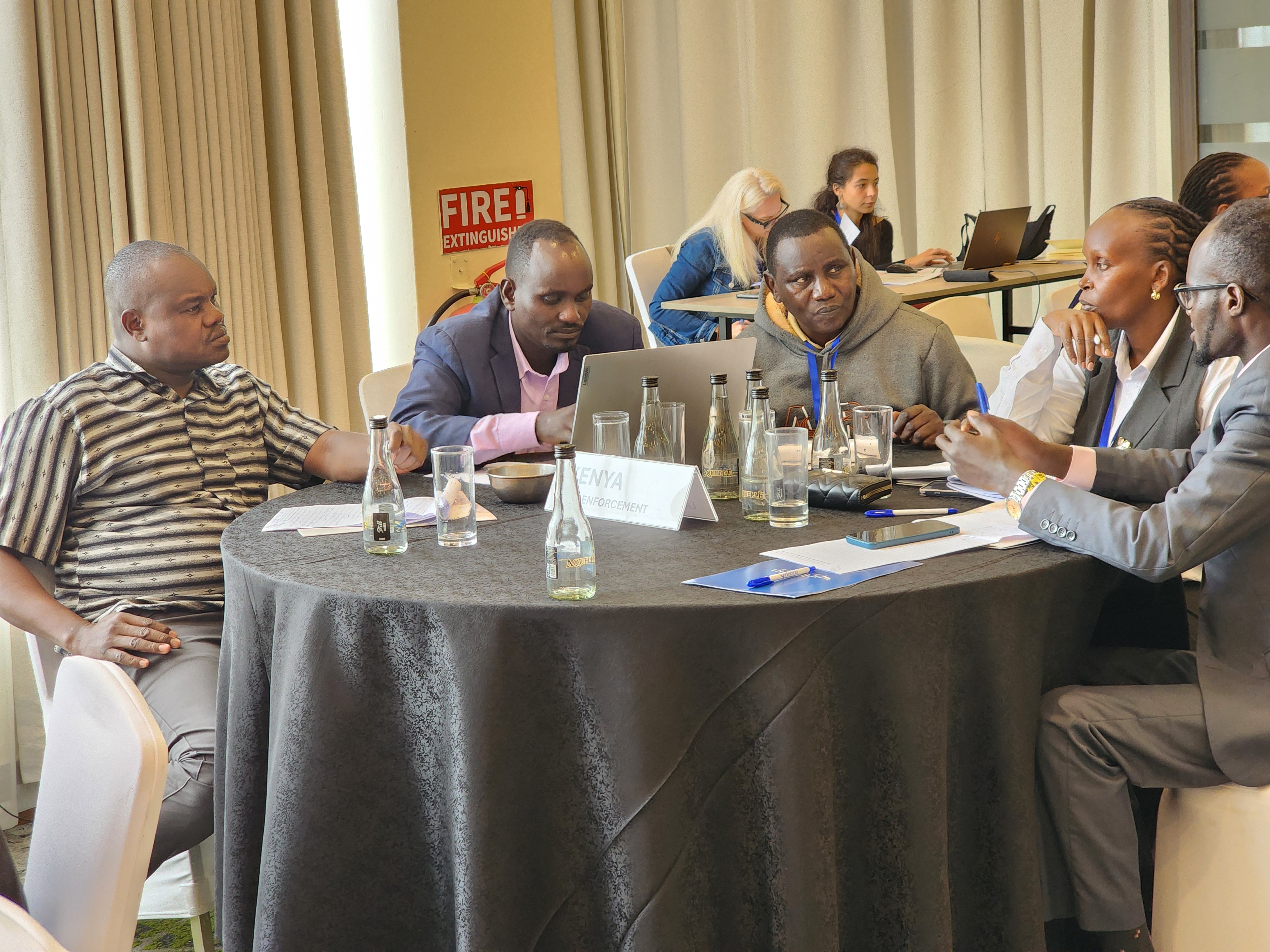
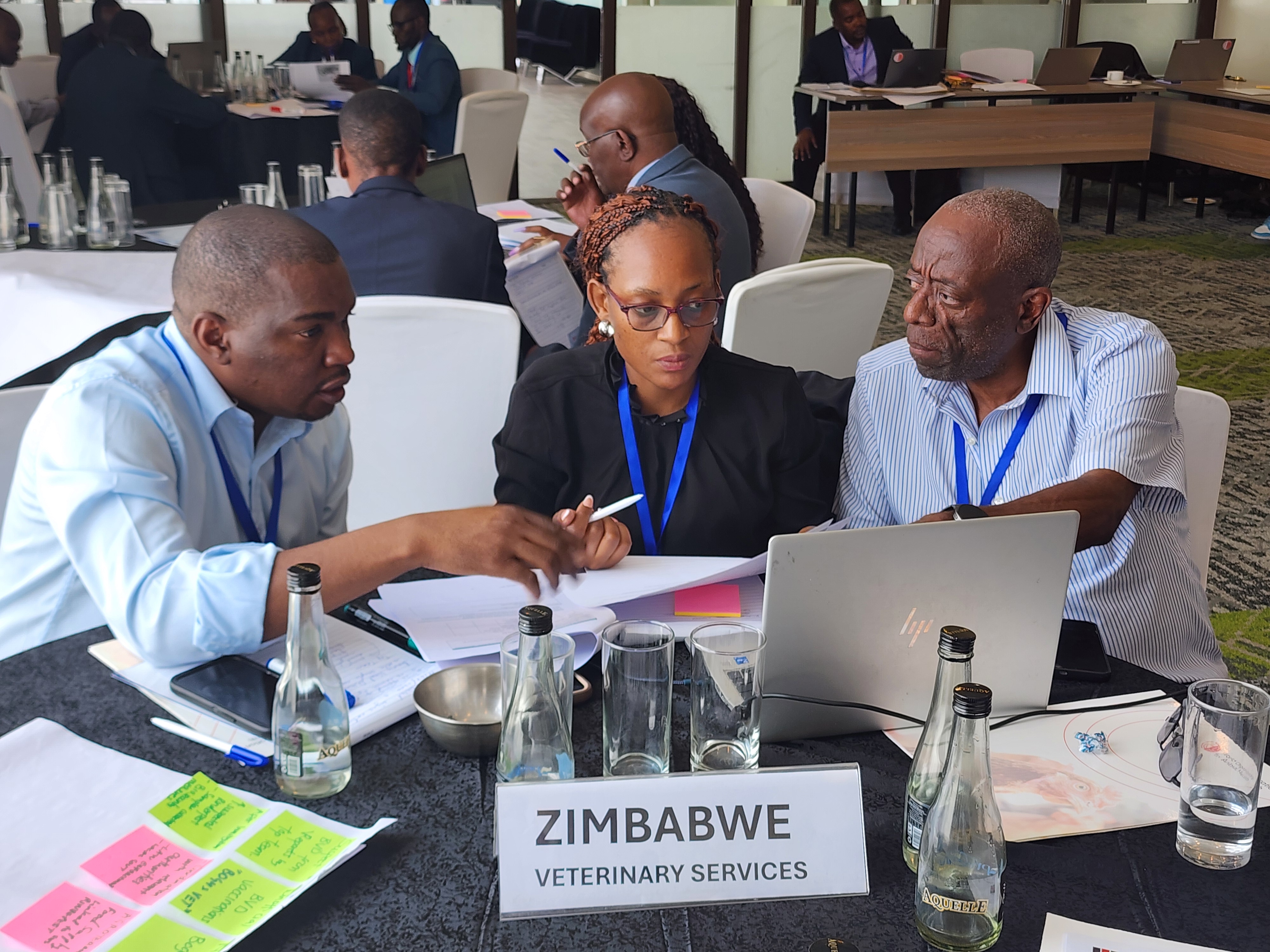
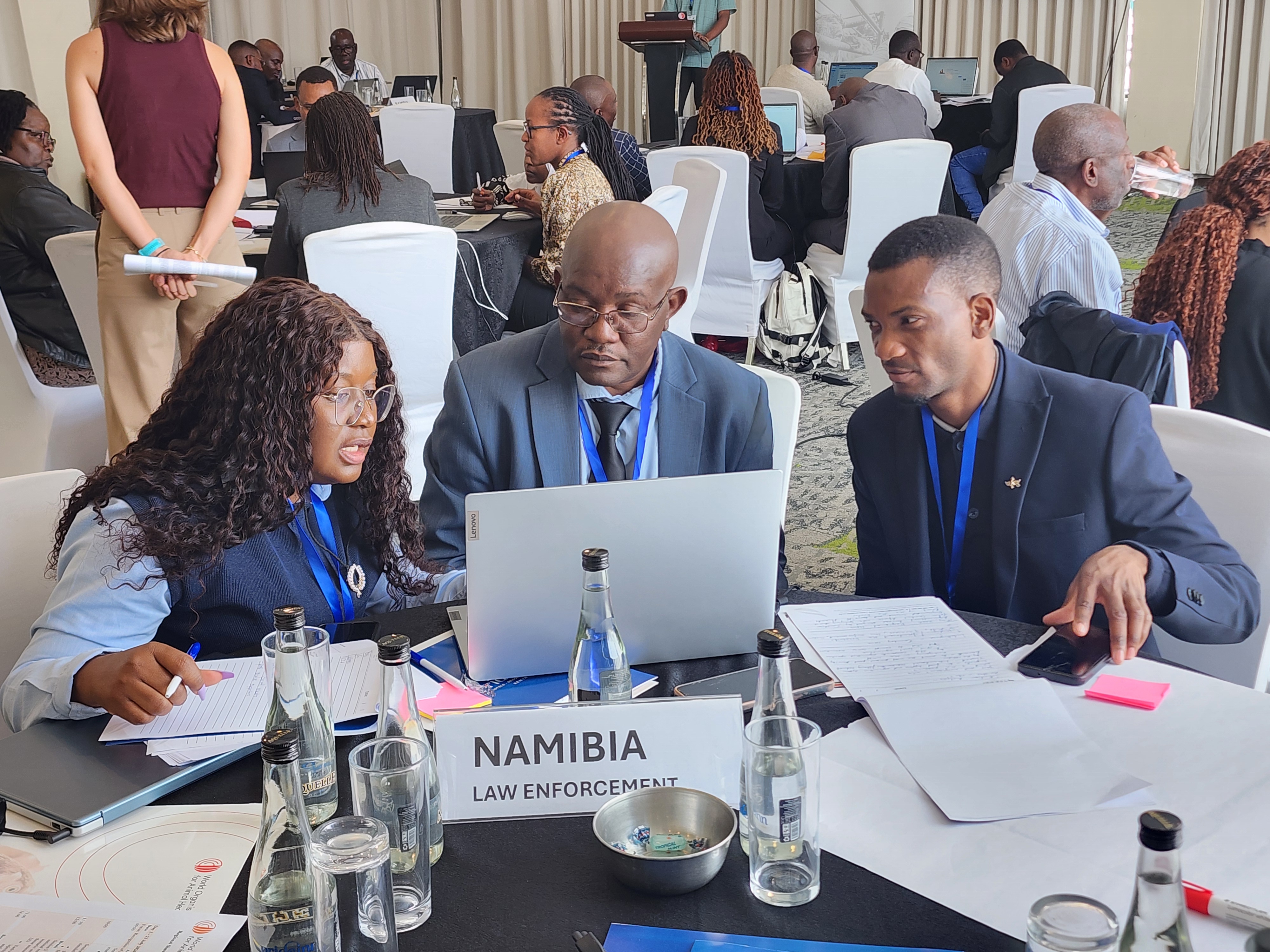
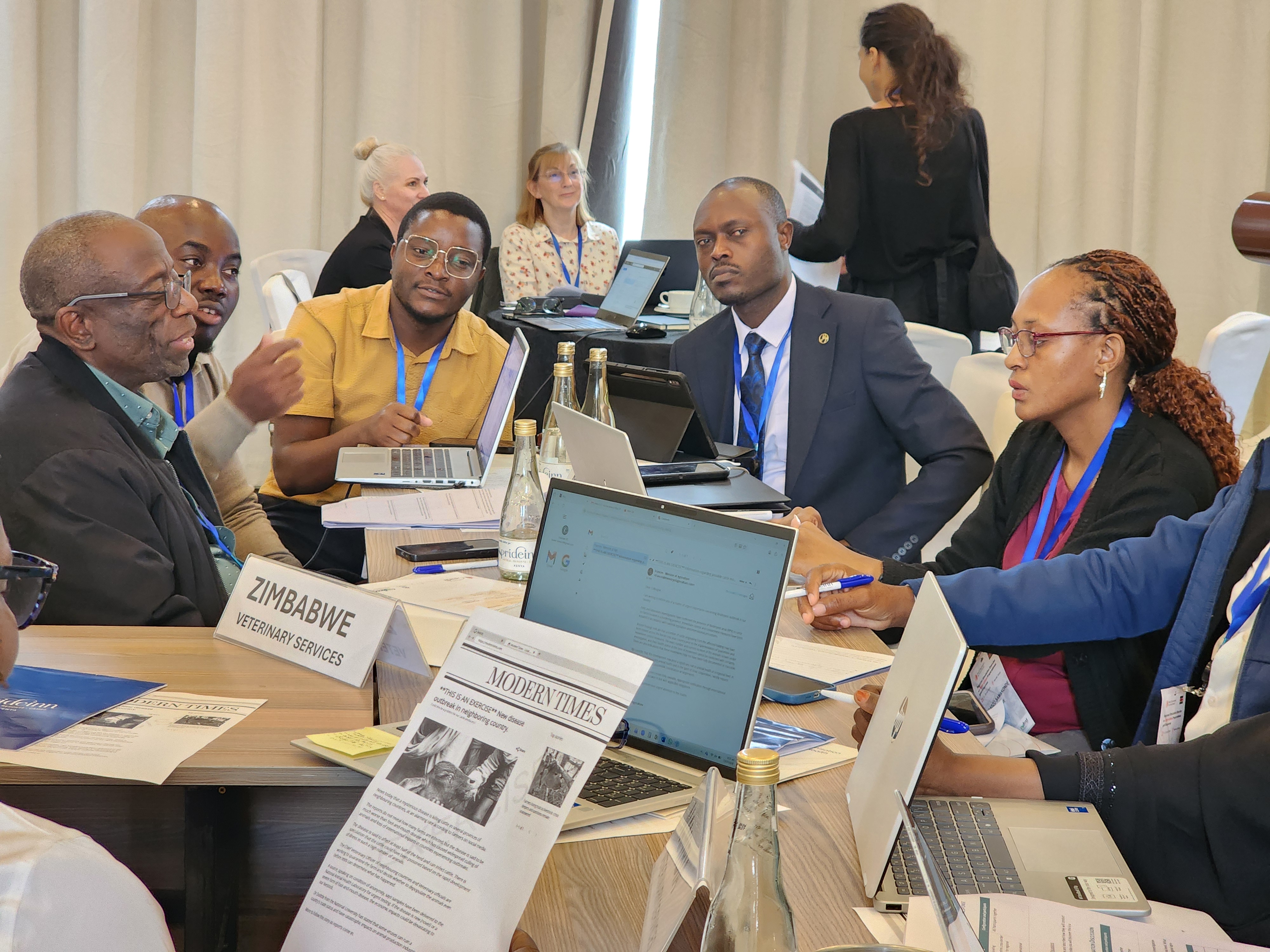
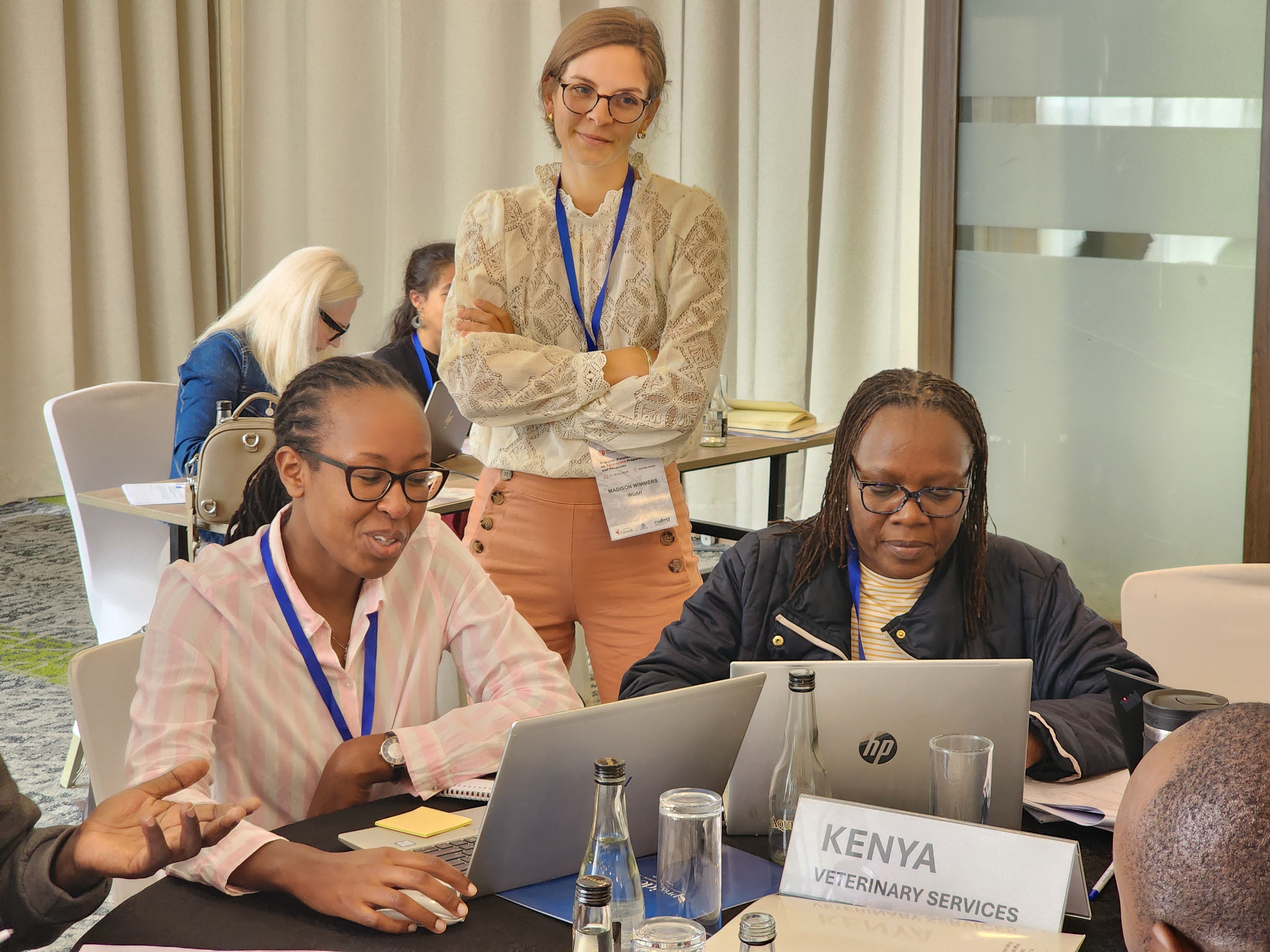
Each scenario incorporated tailored injects that were tested through group discussions and review sessions involving participants, facilitators, SIMEX evaluators, and observers. Participants were divided into groups according to the simulation exercise, with each group supported by assigned facilitators to guide discussions. Within their groups, participants reviewed and tested each scenario to assess and improve the current preparedness, response, and coordination capacities of national and regional veterinary services, law enforcement agencies, and international organizations in responding to an agroterrorism incident.
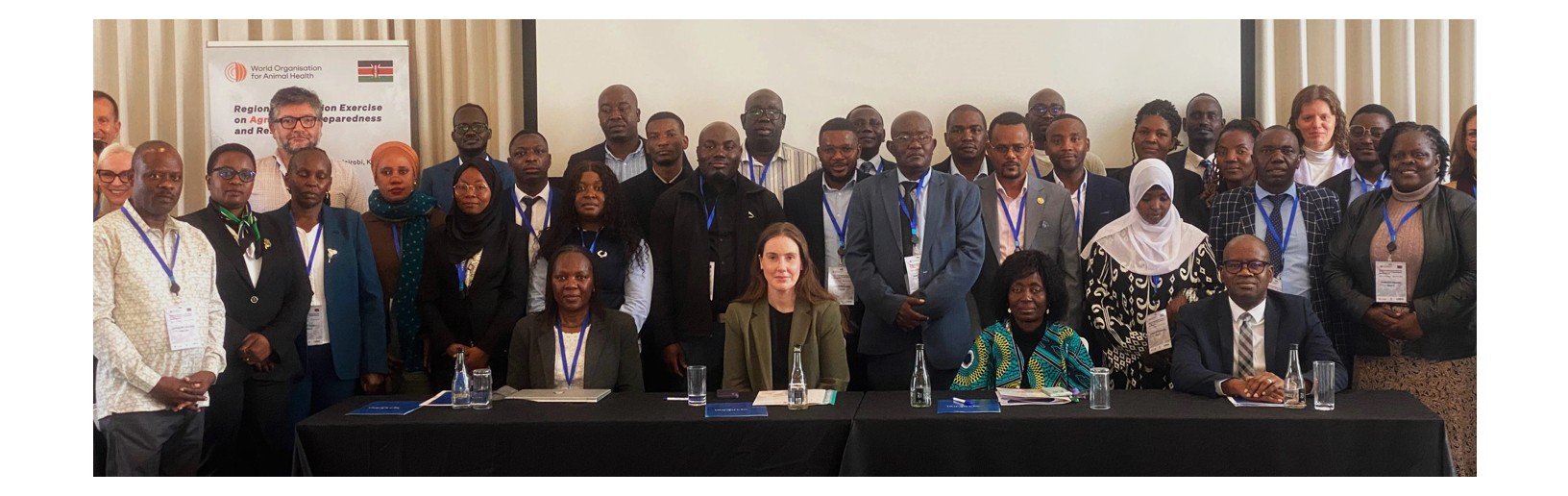
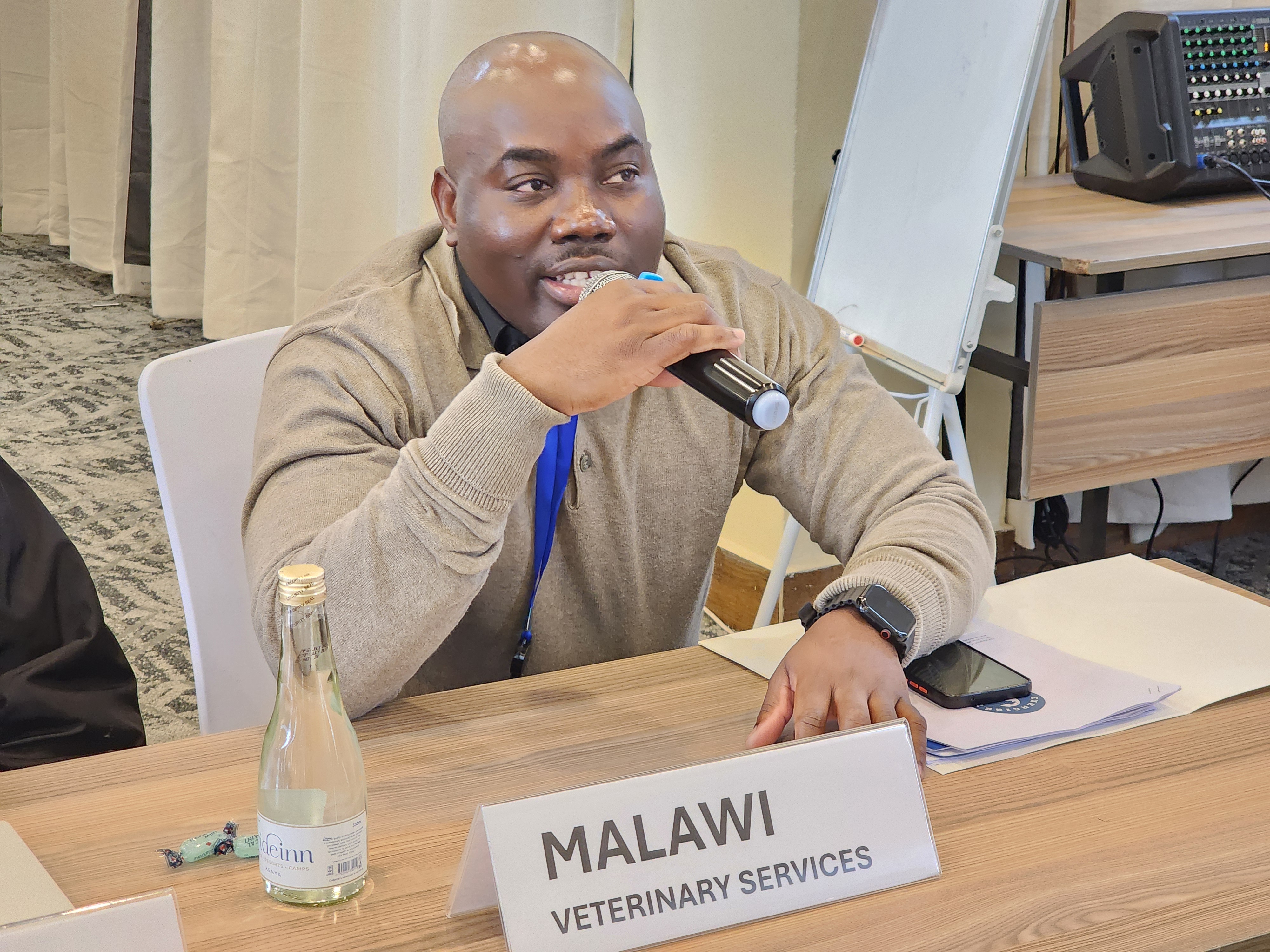
Each group documented its findings in a PowerPoint presentation, which was subsequently presented to all participants and followed by an interactive question-and-answer session involving fellow participants. Key observations and recommendations from the discussions were documented by the rapporteur for reporting purposes. The workshop brought together 47 registered participants (45% female) representing either the Veterinary Services or Law Enforcement from the English-speaking FIRABioT beneficiary Members, including Kenya, Tanzania, Malawi, Morocco, and Zimbabwe.
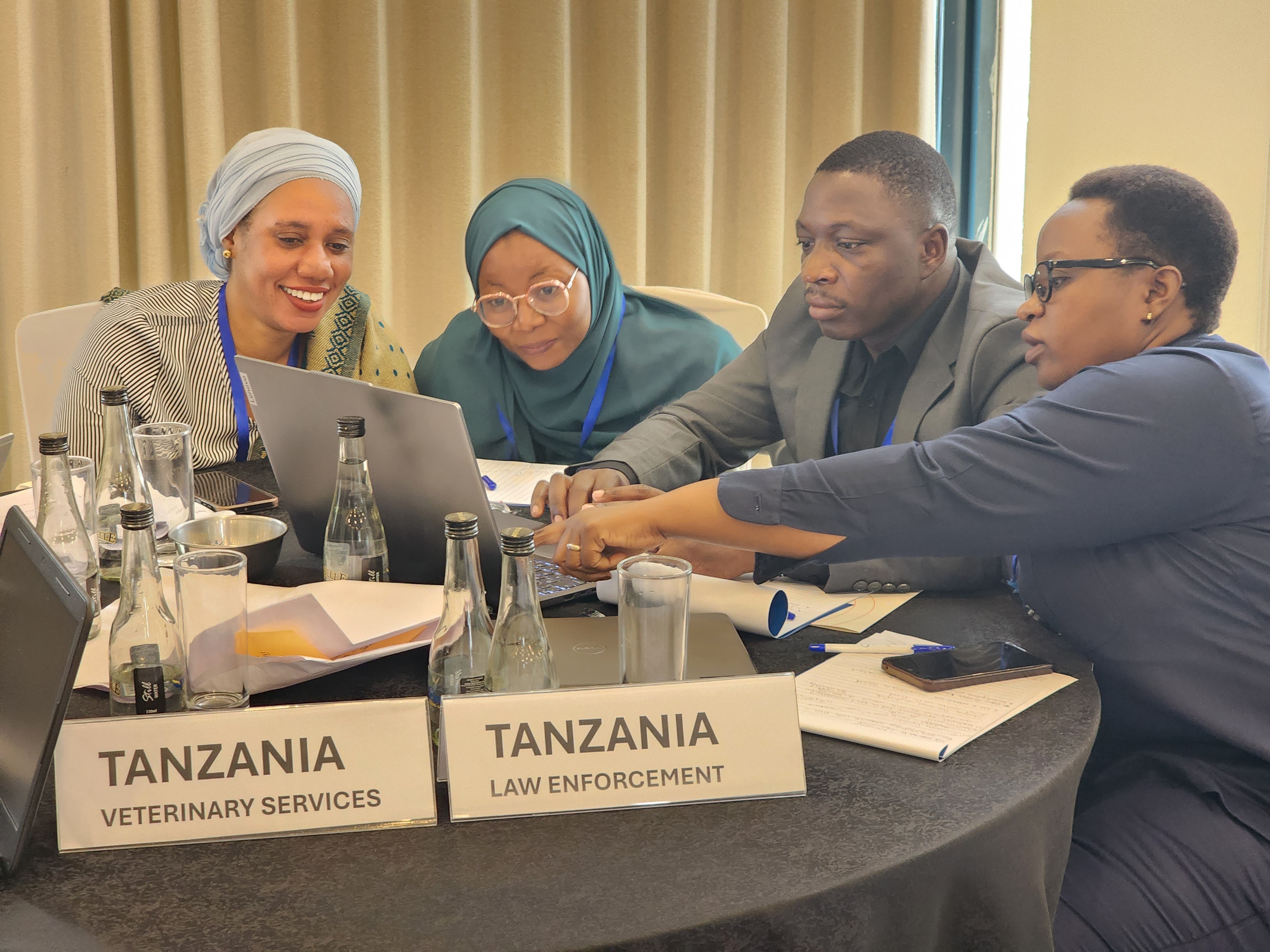
Participants from the National Veterinary Services and National Law Enforcement agencies of each participating country, were presented with a scenario involving an agency crisis meeting following the discovery of information that had raised concerns within their respective agencies. The first session focused on an agency crisis meeting, during which participants reviewed events that had occurred over the preceding weeks. They discussed the available information, developed a situation analysis, and prepared an investigation timeline to assess the likelihood of agroterrorism.
Based on their assessment, participants decided whether to request a joint threat assessment meeting with their counterparts, either from Veterinary Services or Law Enforcement. This session was followed by a joint threat assessment exercise, where the Veterinary Services and Law Enforcement teams from each country met to exchange relevant information, assess the likelihood of agrocrime and agroterrorism, and determine whether to initiate a joint response. During the final session, participants reflected on the key triggers in their situation analysis that informed the initiation of an official joint investigation, discussed coordination challenges encountered during the exercise, and identified key lessons learned.
…commenced with a recap session and situation update, during which participants received confirmation that the disease event was intentional. This was followed by a discussion on the importance of recognizing a potential agrocrime/agroterrorism event and the need for collaboration between Veterinary Services and Law Enforcement. In session two, participants undertook a national single-agency exercise, where the Veterinary Services and Law Enforcement teams identified their respective priorities, roles, and responsibilities in a joint investigation and response, including areas requiring interagency collaboration. The exercise was followed by a report-back session, during which each group presented its agreed roles and responsibilities. Session four involved a joint national agroterrorism investigation, where participants developed a coordinated response and prepared a joint briefing for their Minister outlining how the two agencies would work together during an agroterrorism event. Progress on the joint response reports was then presented during a report-back session. The final exercise focused on joint agroterrorism investigation and response communication at the national level. Participants discussed the information that needs to be communicated to the public, the process for agreeing on joint key messages, and strategies for managing misinformation and disinformation during an event.
The first session began with a recap and situation update from the facilitator, where the scenario indicated that the incident had become a cross-border event and may have spread to other countries. This was followed by a briefing on the role of international organizations in supporting the region in responding to agroterrorism and agrocrime. Session three focused on regional response coordination, during which regional single agencies discussed the triggers for activating regional networks and their roles in information sharing.
This was followed by a report-back session on regional response, coordination, and the role of regional networks in agroterrorism investigation and response. Session four focused on the role of international organizations in responding to the incident, including the support, assistance, and coordination they provide. The agencies first discussed these aspects individually, followed by a report-back session to present their findings. The final session featured overall feedback from the SIMEX Observer, Mr. Hassen Gelaw, and preliminary evaluation remarks from the Exercise Evaluator, Mr. Emmanuel Bouquot. This was followed by the closing session, which featured remarks from, Mr. Gift Likoswe on behalf of the participants, Ms. Zorana Mehmed on behalf of the facilitators, Mr. Ian Peter Busuulwa, Ms. Madison Wimmers and Dr. Neo Mapitse on behalf of WOAH, and lastly Dr. Allan Azegele on behalf of the Directorate of Veterinary Services of the Republic of Kenya.