Disease Card
Anthrax
Read more
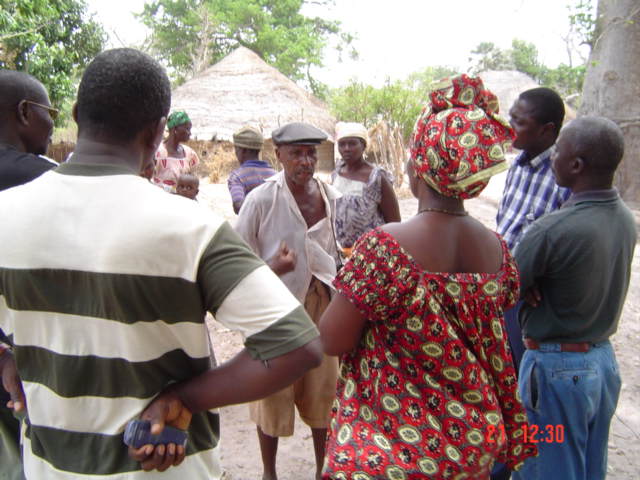
Sensitisation of villagers in Guinea Bissau, following an anthrax outbreak. Picture (c) B. Cassama (PACE) 2004
The World Organisation for Animal Health (WOAH) notes with concern the recent occurrence of anthrax events in several African Member countries, including outbreaks affecting livestock and wildlife populations. These events serve as an important reminder of the continued threat posed by anthrax and the need for strong animal health systems, effective surveillance and timely reporting.
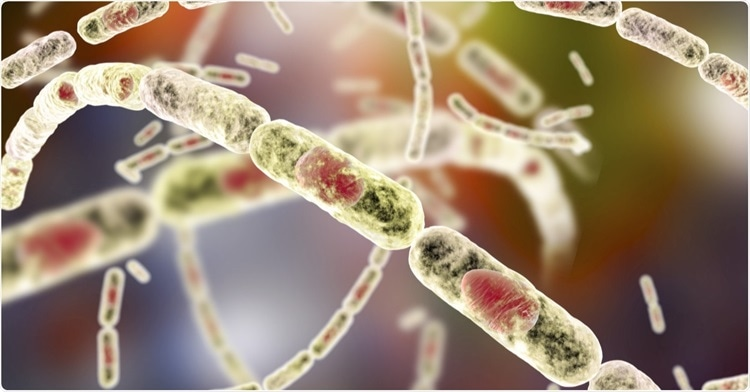
Anthrax is a zoonotic disease caused by Bacillus anthracis that affects a wide range of domestic and wild animals and can also infect humans. In many parts of Africa, where livestock, wildlife and people interact closely, environmental conditions such as drought, flooding and other ecological changes may increase exposure to anthrax spores present in the environment.
WOAH underscores the importance of strengthening surveillance at the animal-human-environment interface and advancing a One Health approach at national, cross-border and regional levels.
Effective prevention and response depend on close collaboration between Veterinary Services, wildlife authorities, public health institutions, environmental agencies and law enforcement, supported by strong laboratory capacity, information sharing and coordinated outbreak investigations.
WOAH strongly encourages routine vaccination of susceptible livestock in endemic and high-risk areas, in accordance with WOAH international standards and recommendations on vaccines and vaccination. Sustained vaccination programmes protect animal health, safeguard livelihoods and reduce the risk of disease spread.
Appropriate carcass management is equally important. Animals suspected to have died from anthrax should not be opened, as this can lead to spore formation and long-term environmental contamination. WOAH recommended methods for the disposal of dead animals and on general disinfection provide guidance to Members. Safe disposal through deep burial with formaldehyde or controlled incineration, together with appropriate biosecurity measures, is critical to preventing further transmission among animals and humans.
Anthrax is a WOAH-listed disease. WOAH therefore encourages its Members to promptly report outbreaks and relevant epidemiological information through the World Animal Health Information System (WAHIS). Timely reporting supports global transparency, facilitates risk assessment and strengthens preparedness and response efforts.
WOAH is collaborating with its Members and partners to support anthrax prevention, preparedness and response. This includes:
Anthrax remains both a public health concern and a biological threat capable of affecting animal health, food security, livelihoods, biodiversity and national preparedness systems. Strengthening surveillance, vaccination, biosafety, biosecurity and One Health coordination is essential to reducing the impact of anthrax and enhancing resilience against future zoonotic and biological threats across Africa.