


P3V
P3V: Ensuring the sustainability of the Project’s achievements. Tangible commitments in Senegal, Togo and Benin
March 06, 2026
Read more
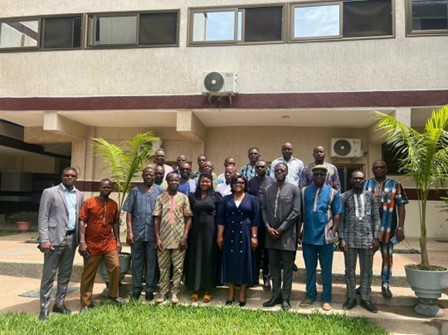
Photo de groupe lors de l'atelier de validation des textes techniques par les parties prenantes au Togo. Photo (c) Communication P3V (omsa) 2026
Group photo during the validation workshop for the technical texts by the stakeholders in Togo. Picture (c) Communication P3V (woah) 2026
Since 2020, the World Organisation for Animal Health (WOAH) has been implementing, with the financial support of the French Development Agency (AFD), the “Professionalising Veterinary Paraprofessionals” Project (P3V) in three pilot countries: Senegal, Togo, and Benin with a clear objective: to improve farmers’ access to quality veterinary services by strengthening the skills and institutional framework of animal health actors.
Project Component 1 offers the pilot countries the opportunity to benefit from the support of WOAH experts, mobilized within the framework of the Veterinary Legislation Support Programme (VLSP), a type of targeted support under the Organisation’s PVS Pathway. This assistance aims to review and modernize national veterinary legislation to ensure a coherent framework for the different categories of professionals, including veterinary para-professionals (VPPs). In this context, Togo benefited from this support to update and harmonize its legislation governing the practice of the veterinary profession, in order to make it more modern, inclusive, and adapted to the country’s needs and priorities.
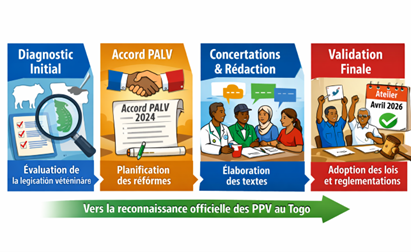
An identification mission conducted in 2021 made it possible to assess the strengths and weaknesses of Togolese veterinary legislation. On this basis, the country requested the support of WOAH to strengthen its legal framework. In December 2024, Togo signed a VLSPAgreement, providing for two phases:
The interventions also concerned the 2005 law establishing the National Council/Board of Veterinarians of Togo (’Ordre national des médecins vétérinaires du Togo, ONMVT), in order to clarify the respective roles of ONMVT and the Directorate of Veterinary Services (DVS) in the registration and regulation of VPPs.
Les étapes du programme de soutien au Togo
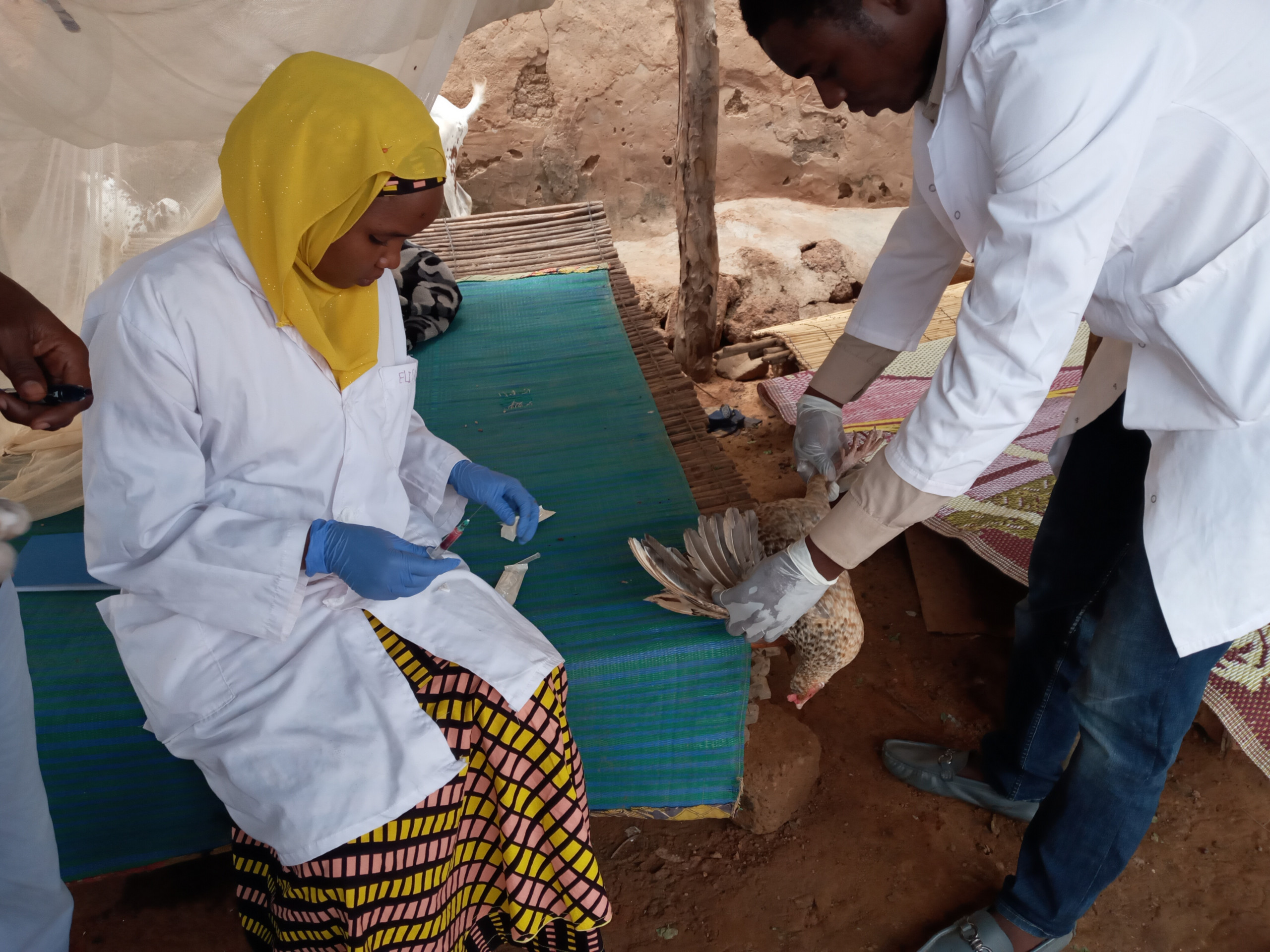
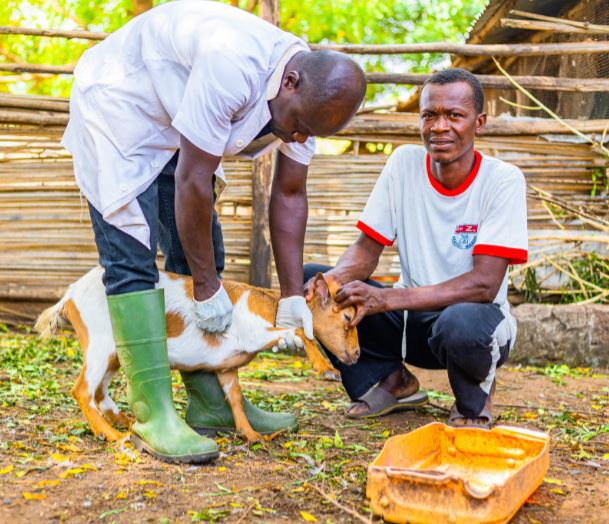
Une assistante vétérinaire (à gauche) au travail. Photo (c) P3V Communications (omsa) 2026
The “Legislation” working group, composed of ministerial representatives, the ONMVT, the private sector, and lawyers, met several times in 2025. These consultations made it possible to reach major consensuses:
These advances led to the development of a Bill, technically validated on February 24, 2026, via videoconference.
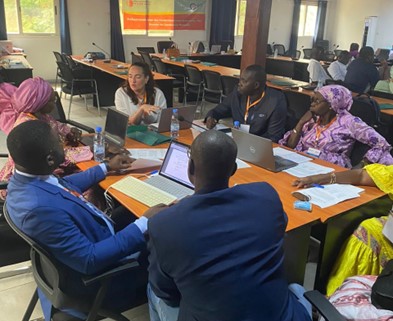
A decisive step, a national validation workshop was held on April 8 and 9, 2026 in Kpalime, with the support of the P3V Project. It brought together all stakeholders in the sector: DVS, ONMVT, VPP associations, training institutions, NGOs, the private sector, and international experts.
The participants examined and validated three draft texts:
A report signed by all stakeholders formalised their commitment to the adoption of the texts.
The validation of the texts marks a major advance: it paves the way for the official integration of VPPs into Togo’s animal health system. The DVS and the Board (ONMVT) will ensure the technical finalization and the submission of the texts to the Government for adoption. A monitoring mechanism is planned from June 2026, along with an operational action plan to cover the territory with Veterinary Services after the adoption of the Bill. However, a persistent challenge remains gender inclusion. The Kpalimé workshop revealed very limited female participation, highlighting the need to strengthen awareness and integration actions for women in future activities.
The process underway in Togo illustrates the relevance of the P3V and VLSP Projects: by modernising veterinary legislation and recognising the role of paraprofessionals, the country is providing itself with a solid framework to sustainably improve animal health and support farmers. This exemplary approach could inspire other countries in the region by promoting an inclusive and sustainable professionalization of Veterinary Services.