



P3V
Project Pages
Read more
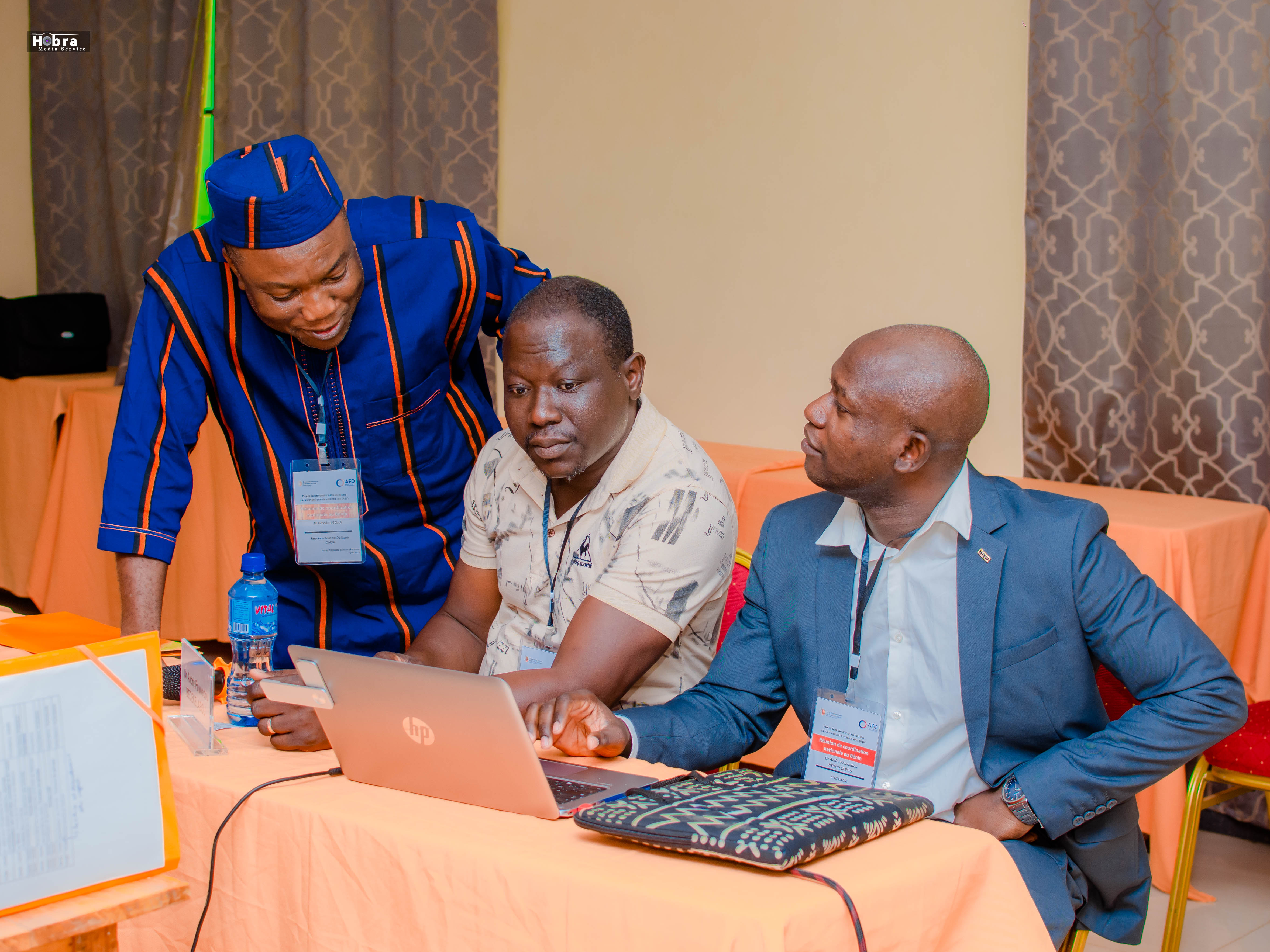
Rencontre entre l’équipe projet et les partenaires institutionnels du projet P3V au Togo. Photo (c) P3V (omsa) 2026
Meeting between the project team and the institutional partners of the P3V project in Togo. Picture (c) P3V (woah) 2026
3Pilot countries Sénégal · Togo · Bénin |
19Partner entities Commited to sustainability |
90+Formal engagements With monitoring indicators |
2027
Sustainable M&E mechanisms |
Launched in September 2020, the ‘“Professionalising Veterinary Paraprofessionals” Project addresses a situation observed in many West African countries: veterinary paraprofessionals (VPPs), who are frontline workers in contact with livestock farmers and rural communities, often practise without official recognition, without a clear regulatory framework and without training aligned with WOAH international standards. The P3V Project’s structured intervention, comprising four (4) complementary components, covered all the key stages of the VPPs’ career path: an in-depth assessment based on studies of veterinary and gender demographics (Component 0); strengthening of the institutional and regulatory framework (component 1); improvement of the quality of initial and continuing training (component 2); and support for professional integration and the economic viability of community veterinary services (component 3).
Over the course of five (5) years, the P3V Project has, in particular, supported the three pilot countries in improving the regulatory framework to facilitate the integration of veterinary and para-veterinary professionals, enhancing understanding of staffing requirements for veterinary and para-veterinary personnel, and developing training programmes on priority topics, revising and adopting new training curricula aligned with WOAH guidelines, building the capacity of teachers in partner institutions, providing them with teaching materials and equipment, and establishing national support mechanisms to facilitate the integration of qualified veterinary practitioners. These achievements, the relevance of which is widely recognised by all stakeholders, now needed to be embedded beyond the Project’s lifespan.
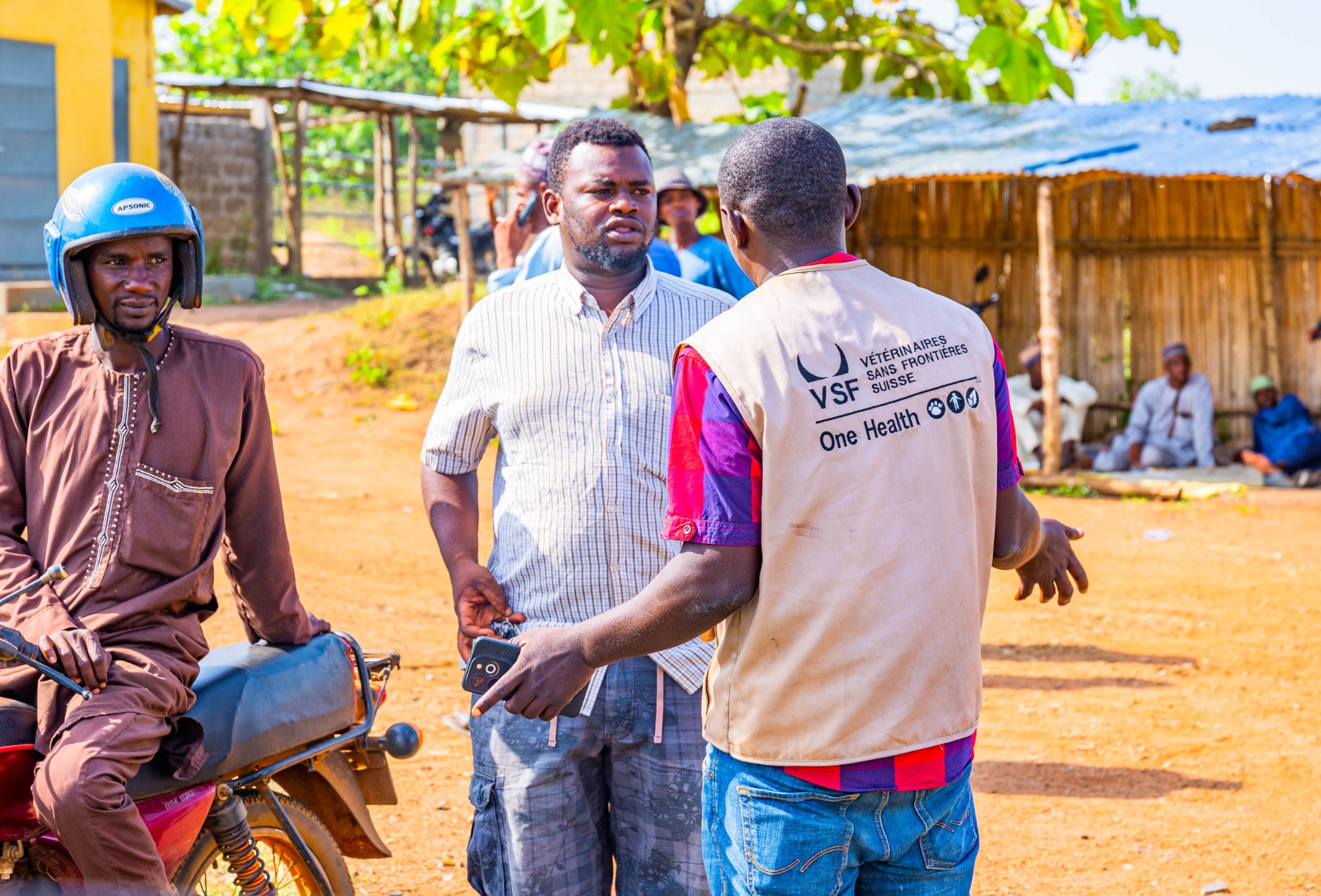
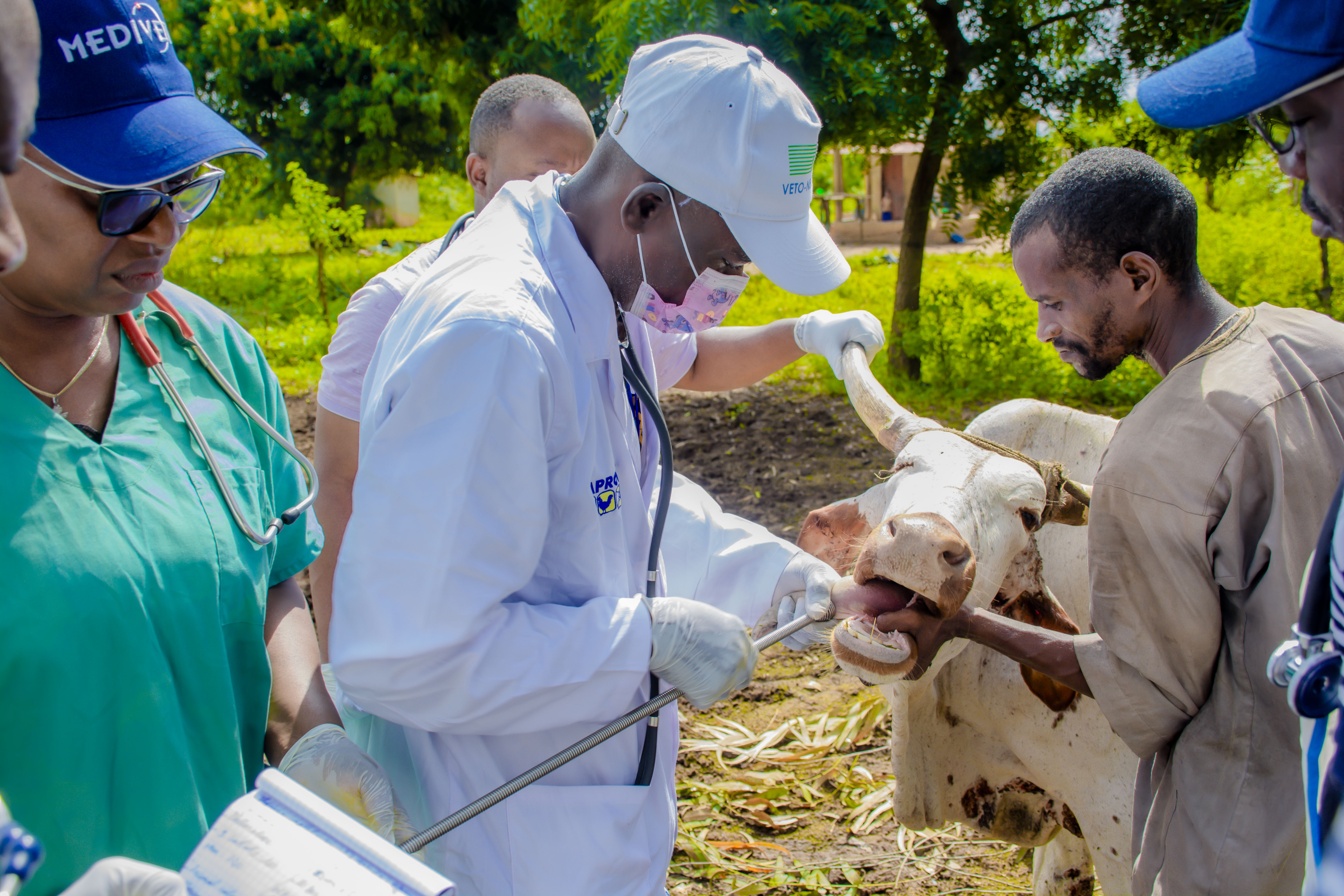
Dans le cadre du projet P3V, sensibilisation des éleveurs et des PPVs sur les bonnes pratiques en santé animale. Photo (c) P3V (omsa) 2025.
As part of the P3V Project, raising awareness among farmers and VPPs on best practices in animal health. Picture (c) P3V (woah) 2025.
In November 2025, following the regional knowledge-sharing workshop held in Saly (Senegal), the relevance of the Project’s achievements was confirmed and a key recommendation was made: the need to formalise autonomous commitments by national stakeholders to ensure the Project’s sustainability. In response, the P3V team conducted targeted field missions in each of the pilot countries to help structure this national ownership. Conducted on the basis of an interview guide shared in advance with each institution, these tours aimed to: draw up a shared summary of the support received up to 31 December 2025, assess the actual level of ownership of the tools and mechanisms developed, and gather formalised commitments, accompanied by measurable monitoring indicators, to enable structured post-project monitoring.
The missions took place in Togo from 12 to 17 January 2026, in Senegal from 26 to 31 January 2026, and in Benin from 3 to 6 March 2026.
These tours brought together stakeholders from all sectors of the veterinary system: public authorities, professional bodies, training institutions, NGOs and associations of veterinary paraprofessionals. It is precisely this cross-sectoral approach that ensures the strength of the commitments secured.
| Category | Senegal | Togo | Benin |
| Veterinary Services | Direction des Services Vétérinaires (DSV) | Direction des Services Vétérinaires (DSV) | Direction de l’Élevage / MAEP (DE-MAEP) |
| Veterinary Statutory Bodies | Ordre des Docteurs Vétérinaires du Sénégal (ODVS) | Ordre National des Médecins Vétérinaires du Togo (ONMVT) | Ordre National des Médecins Vétérinaires du Bénin (ONMVB) |
| Veterinary Education Establishments | ISFAR Bambey · CNFTEIA · USSEIN | INFA · ISMA | EPAC · LAMS |
| Partner NGOs | Brooke West Africa | Vétérinaires Sans Frontières Suisse in Togo (VSF) | — |
| VPP Associations | Association des PPV du Sénégal (being constituted) | Association des PPV du Togo | ADENAPE · AMEVEP |
Training and curricula
Partner institutions in the three countries have confirmed their commitment to maintaining the educational frameworks established through the Project: continuing practical training, maintaining equipment, supporting trainees, and integrating the revised curricula into official programmes. Continuing education for VPPs will henceforth be funded by drawing on existing partner projects and the institutions’ own resources, without relying exclusively on the P3V.
Regulation and governance
The Veterinary Services and statutory bodies of the three countries have committed to maintaining consultation frameworks as far as possible, to including VPPs in national budgets, and to finalising the regulatory texts governing their operations. These institutional commitments, which lie at the heart of the official recognition of VPPs, constitute the most fundamental building blocks for the Project’s sustainability.
Career integration and veterinary paraprofessional associations
The veterinary paraprofessionals’ associations in Senegal, Togo and Benin have all made commitments to strengthen their internal operations, identify active veterinary paraprofessionals and assert their role within national consultative bodies. The network of partner veterinary practices – comprising more than 50 establishments in Togo, Benin and Senegal – is the main channel for the integration of graduates.
In Senegal, where VPPs already operate within a relatively well-structured institutional framework, several stakeholders had prepared for the visit by taking concrete action even before the mission began. The seven organisations visited demonstrated a good grasp of the Project’s outcomes. The main challenge remains the ongoing tensions between VPPs and private veterinarians regarding the professional standing of VPPs, and the reliance on external funding for continuing professional development (CPD) and equipment maintenance.
Togo has seen the most remarkable progress: when the Project began in 2020, VPPs were not recognised within the national regulatory framework. Today, their integration into national policies is a given, and the P3V tools are being used in other partner projects. The key challenge remains the finalisation of the regulatory texts, which the DVS has begun, and the legal formalisation of the Association of VPPs of Togo, whose WhatsApp group —created to facilitate coaching for graduates— already demonstrates its vitality.
In Benin, the curricular review is still ongoing and the official recognition of veterinary paraprofessionals is gradually taking shape. The six organisations visited demonstrated strong commitment and a clear understanding of the issues at stake. The complementary relationship between AMEVEP (practising veterinarians) and ADENAPE (veterinary paraprofessionals) illustrates a promising model of inter-association collaboration, whilst the Department of Livestock Services (Direction de l’Elevage)-MAEP is committed to including activities aimed at strengthening the capacity of veterinary paraprofessionals in the national budget from 2027 onwards.
Beyond specific commitments, the stakeholders interviewed identified six (6) systemic conditions without which the achievements of the P3V risk being undermined:
Rencontre entre l’équipe projet et les partenaires institutionnels du projet P3V au Togo. Photo (c) P3V (omsa) 2026
Meeting between the project team and the institutional partners of the P3V project in Togo. Picture (c) P3V (woah) 2026
These conditions reflect the profoundly systemic nature of the change sought by the P3V: it is not merely a matter of maintaining training activities or educational resources, but rather of consolidating an institutional ecosystem in which VPPs are recognised, trained to a standardised level, supervised by competent professionals, and integrated in a sustainable manner into the livestock and animal health value chains.
The commitments gathered during these tours will serve as the official reference point for discussions at the Project’s final Project Steering Committee (PSC) meeting, at which national delegates will be invited to report on the progress of their implementation. These commitments will also inform the knowledge-sharing activities planned between now and the Project’s conclusion in June 2026, aimed at documenting best practices, local innovations and lessons learnt in each of the three countries.
In parallel, the Project is conducting an in-depth transferability study designed to identify, beyond the three pilot countries, those most suitable for replicating the P3V model. This forward-looking approach draws on the contextual analyses produced during field missions and on the lessons learned from the veterinary workforce and professional integration studies carried out throughout the Project. The P3V experience demonstrates that targeted and consistent investment in the training and professionalisation of veterinary paraprofessionals can bring about significant and sustainable changes in animal health systems. The commitments made in Senegal, Togo and Benin are the most concrete manifestation of this: wherever the mission has been carried out, national ownership of the Project’s achievements is now underway.