

NCA, Namibia
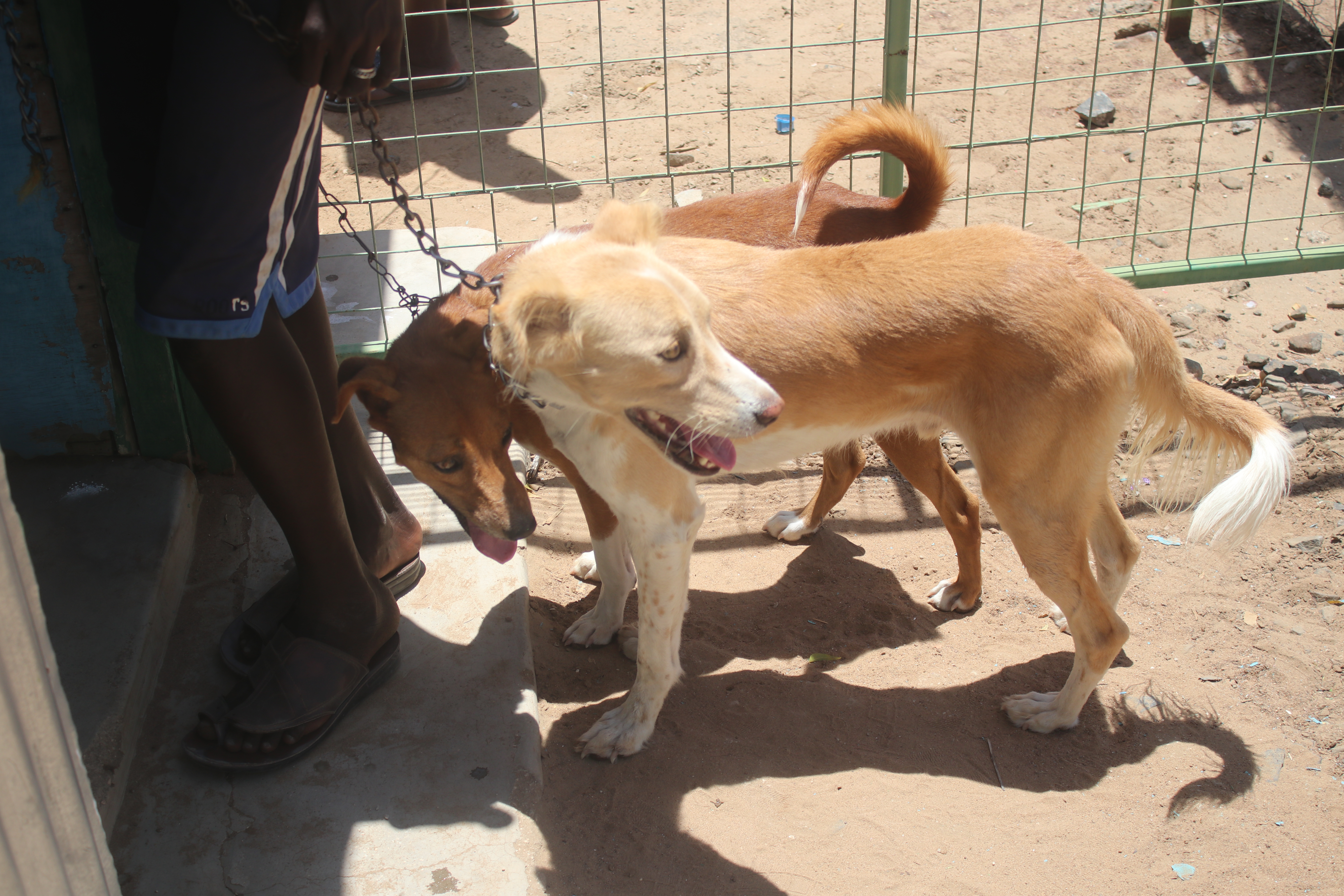
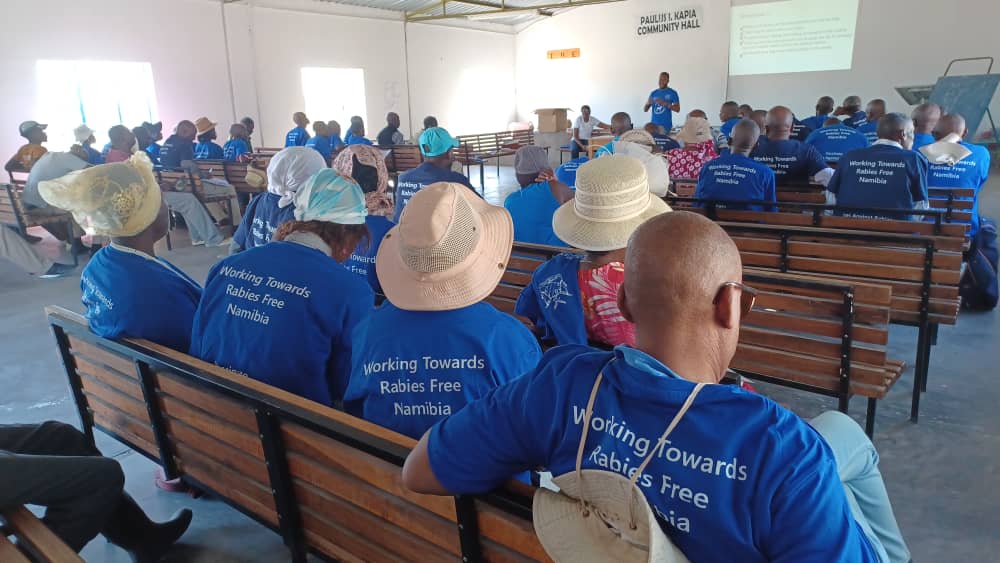
Community engagement on the rabies control programme in the Northern Communal Area (NCA) of Namibia.
August 30, 2024
Read more
Every year, rabies kills tens of thousands of people worldwide the overwhelming majority in Africa and Asia, and nearly 40% of them children under 15. Almost every case traces back to the bite of an infected dog, and almost every case is preventable. This World Rabies Day (28 September 2026), underpins the importance of partnerships and collaborations, with the theme “Stronger Together.”
The World Organisation for Animal Health (WOAH) is spotlighting five stories from across Africa that show what coordinated action with partners looks like in practice; From vaccinating dogs difficult to capture to communities reshaping their own risk messages, countries using data to plan smarter campaigns, International recognition of national control programmes, laboratory partnerships at the center of monitoring the spread and emergence of rabies in unusual host species and how regional cooperation efforts are advancing control and prevention of rabies .
Mass dog vaccination is the cornerstone of dog-mediated rabies control, with the goal being to reach the 70% vaccination coverage needed to interrupt transmission of the disease. However, many countries in Africa have significant populations of free-roaming and semi-owned dogs that are often aggressive, or difficult to catch and handle safely. This presents a major challenge as the conventional vaccination protocols rely on injectable vaccines, requiring the dog to be presented for vaccination and restrained by its owner or a veterinary professional.
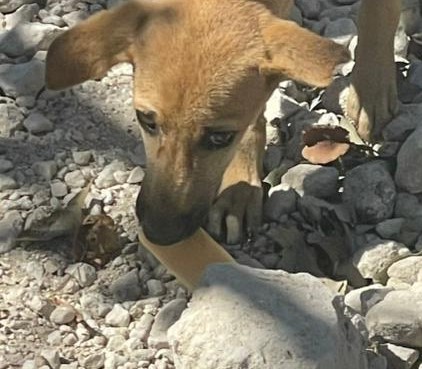
Namibia’s introduction of oral rabies vaccines (ORV) delivered in an edible bait, rather than by the needle, offers a complementary approach to reaching these inaccessible dog populations. This vaccination approach closes this persistent gap, fast-tracking the attainment of the 70% recommended vaccination coverage, while protecting people and veterinary practitioners from potentially getting the disease from infected free-roaming dogs.
WOAH has coordinated research on ORV for dogs for decades and in 2023, published a joint technical guideline with FAO and WHO, on integrating oral vaccination into national rabies control programmes. For Namibia, a country whose national dog rabies control programme was itself among the first in Africa to receive WOAH’s endorsement, this ORV approach is complementing its existing vaccination efforts and demonstrating the power of partnerships towards the global goal of zero human deaths from dog-transmitted rabies.
Watch Dr Reinhold Haimbodi’s discussion with WOAH on the oral rabies vaccination efforts in Namibia here.
Oral Rabies Vaccine baits (Rabitec) in Namibia. Picture (c) T.Tenzin (woah) 2026
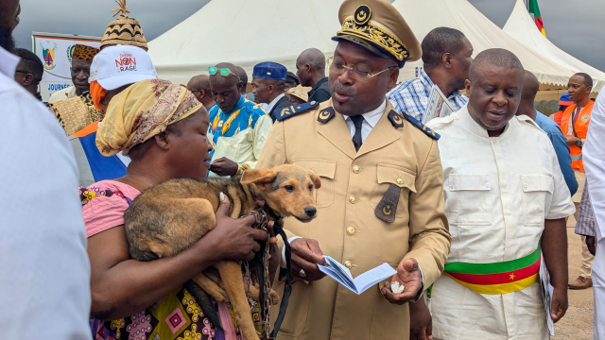
Dog Vaccination Campaign in Cameroon, Picture (c) S. Mpouam (woah) 2026
Rabies starts and ends in communities, which is why community engagement and ownership are at the heart of successful rabies elimination efforts. Indeed, vaccines alone cannot stop rabies if a dog bite goes unrecognized or untreated. The progression of rabies in a person that has been bitten by rabid dog or animal is often rapid and 100% fatal, if left untreated. Cameroon’s work on risk communication and community engagement puts local knowledge, culture, and language at the center of rabies prevention by training communities to recognize suspected case of rabid dog and dog bites early. Communities readily adopt preventive practices and trust the messages they are given because those messages were shaped with them, not just for them.
Dr Jonas Temwa, Director of Veterinary Services and WOAH Delegate for Cameroon.
Cameroon has been implementing national rabies elimination activities through vaccination of companion animals (cats and dogs), public awareness, capacity building of stakeholders and collaboration between the animal and human health sectors. While information on rabies prevention needs to remain consistent, how it is communicated must reflect the communities it is intended to reach. Across Cameroon, key information on rabies prevention and response is harmonized nationally to maintain consistency between the animal and human health sectors, while its delivery is adapted to the different social, cultural and linguistic contexts across the country.
Community radio stations, local community networks, civil society organizations, the Women Veterinary Doctors of Cameroon, the Association of Veterinary Epidemiology and Public Health, and schools are among the channels used to bring information closer to communities, including those in rural areas. Messages are also adapted to be age appropriate to reach children, who are often most vulnerable to dog bites and rabies.
For Dr. Jonas, rabies awareness means trusting the messages with respected community champions who can lead the way in disseminating them, this approach also recognizes the role communities can play in prevention, from recognizing and reporting suspected bites and unusual animal behavior to following the appropriate reporting channels to veterinary and medical services as well as participating in dog vaccination campaigns.
“A well-informed community, capable of raising the alarm quickly, is a vital part of the fight against rabies,” emphasised Dr Jonas.
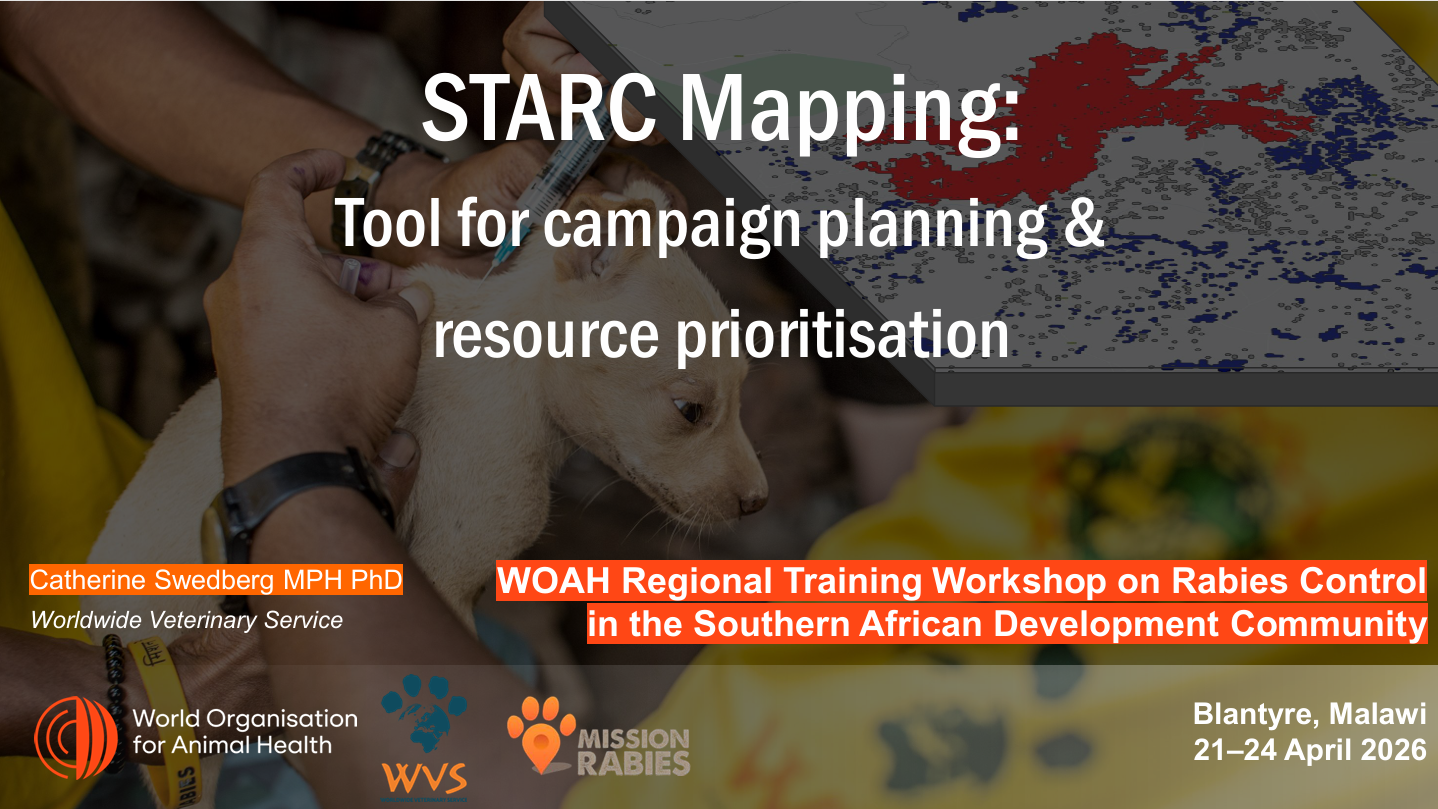
Mass dog vaccination only works if it is planned well to reach the targeted dogs, in the right places, at the right time. Guinea is using the Settlement Type and Road Connectivity (STARC) tool to inform how it plans and target its campaigns. The STARC tool helps to map areas with high human and dog population densities and road connectivity thereby focusing vaccination resources in areas that are most likely to sustain and spread rabies transmission.
This approach is being used by Guinea to eliminate rabies by 2030 and is built through partnerships, whereby government funding is complemented by support from WOAH, Mission Rabies and the World Bank, through the Health Security Programme in West and Central Africa (HeSP).
“When we talk about planning, planning is important, but we also need financial support,” says Dr Mohamed Idriss Doumbouya, Guinea’s National Director of Veterinary Services and WOAH Delegate. In the field, vaccinators use a mobile mission rabies mapping tool to record vaccinations and map campaign progress in near real time
The STARC technology is designed for the realities of field work, when it comes to rabies vaccination, because campaigns often take place during the rainy season when roads can be difficult to navigate and mobile connectivity is unreliable. The STARC is a mapping tool developed by Mission Rabies, which helps to optimize campaign design, helping planners determine where vaccination should be implemented to interrupt rabies transmission more effectively. With partners, around 80% of field staff now travel by motorcycle, allowing teams to cover more ground. This tool also works offline, storing records until a connection becomes available.
But data alone cannot bring a dog to a vaccination team. Guinea also invests in community mobilization before campaigns begin. Village, district and neighborhood leaders are informed in advance, while imams, church leaders and other trusted community figures help spread information about vaccination days.
“Involvement is needed at every level,” says Dr Doumbouya.”
Following each campaign, post-vaccination surveys are done to assess vaccination coverage against the estimated dog population. Guinea’s experience illustrates a wider lesson for rabies control: data is most useful when it connects directly to action. When real-time information is combined with field logistics and community engagement, vaccination teams can see where they are making progress, channel resources effectively, identify gaps and respond while the campaign is still underway
Dr Mohamed Idriss Doumbouya, Guinea's National Director of Veterinary Services and WOAH Delegate
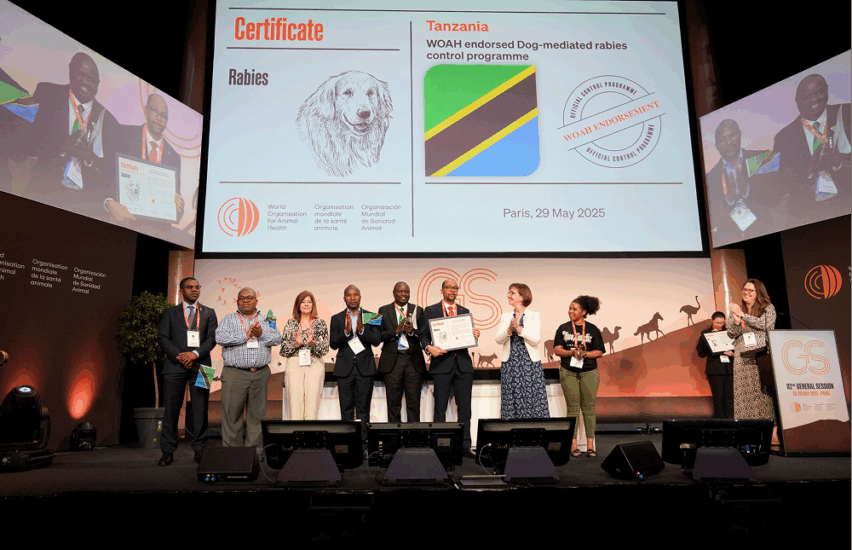
Official rabies control endorsement for Tanzania at the 92nd WOAH general session in Paris, 2025. Picture (c) comms woah
In May 2025, at WOAH’s 92nd general session, Tanzania became the first country in Eastern Africa to receive WOAH’s official endorsement for its dog-mediated rabies control programme. The endorsement followed years of work bringing together local communities, health professionals, veterinarians, community leaders, non-state actors including the private sector around a single national strategy.
An endorsement may be a formal milestone on paper, but its significance is measured by the consequent efforts. In Tanzania, the endorsement of the country’s National Strategic Plan by WOAH propelled a fresh momentum to efforts already underway to tackle rabies.
The certificate was formally received by H.E. the Tanzania Ambassador in Paris, and the news, which was shared across the President’s office and the Prime Minister’s office brought visibility to a country where rabies had long been treated as a routine animal health matter. “Immediately we got the endorsement,” he says, “the government was aware that we have the commitment to eliminate rabies by 2030.”
By June 2025, the President of Tanzania, Samia Suluhu Hassan launched the national mass animal vaccination campaign. Dr Lutege noted that over USD 10 Million government disbursement was allocated for dog vaccination across the country, coupled with 100,000 rabies doses donated by WOAH and technical support for rabies surveillance and reporting.
The endorsement also strengthened Tanzania’s One Health coordination, bringing together human health, animal health, the private sector jointly in the fight against rabies, the experience highlights the practical value of partnerships. This endorsement isn’t a finish line; it’s a foundation Tanzania is now building on, scaling up efforts on the ground in ways that embody this year’s theme directly: progress that depends on sectors working as one system rather than in parallel.
Dr Benezeth Lutege Director of Veterinary Services and WOAH Delegate, Tanzania.
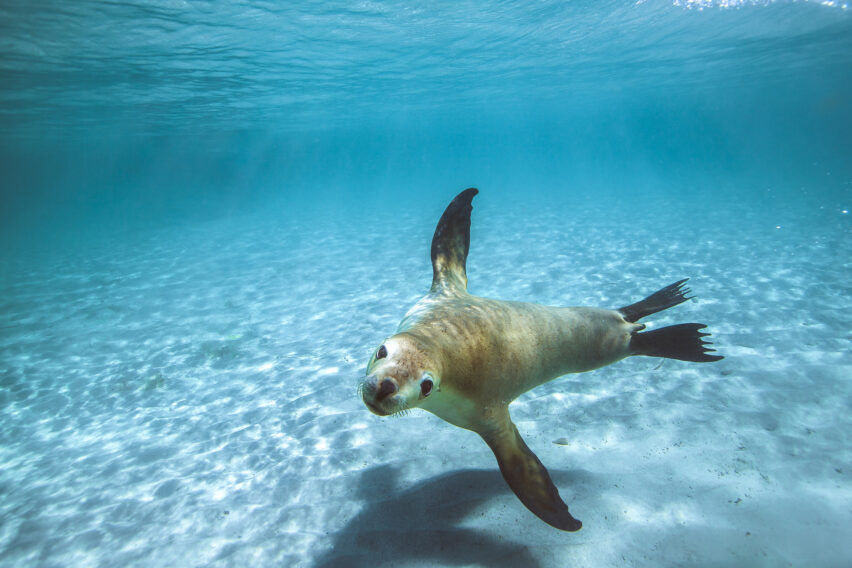
Rabies rarely makes headlines outside dogs and wildlife carnivores. In South Africa, however, an unexpected occurrence in cape fur seals, drew attention as rabies had never been detected in this species ever in Africa. Professor Claude Sabeta at the University of Pretoria, a designated Rabies expert affiliated to the Agricultural Research Council’s Onderstepoort Veterinary Research (a WOAH Rabies Reference Laboratory), was closely involved in the laboratory investigation that followed.
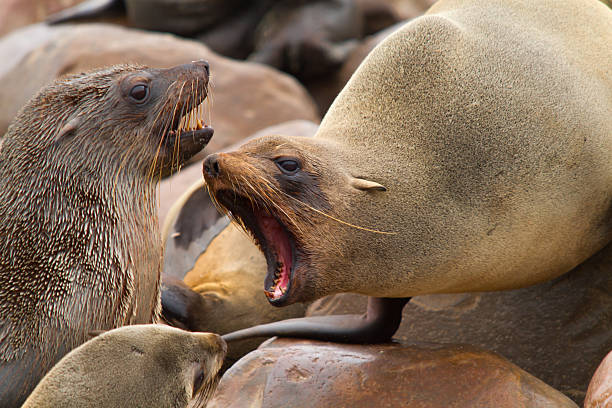
The investigation began in Cape Town in May 2024, when a three-year-old dog showing signs of rabies tested positive at the rabies reference laboratory Onderstepoort Veterinary Research institute. The dog was reported to have been bitten by Cape fur seals about two weeks earlier. This led to two seals being tested, and both were positive for rabies, prompting wider surveillance of the seal population. The seals were also showing unusual signs, including aggression, weakness, and convulsions. Some were found dead on beaches, these observations added to the need for closer surveillance and laboratory investigation.
Professor Claude Sabeta, University of Pretoria, a designated Rabies expert affiliated to the Agricultural Research Council Onderstepoort Veterinary Research
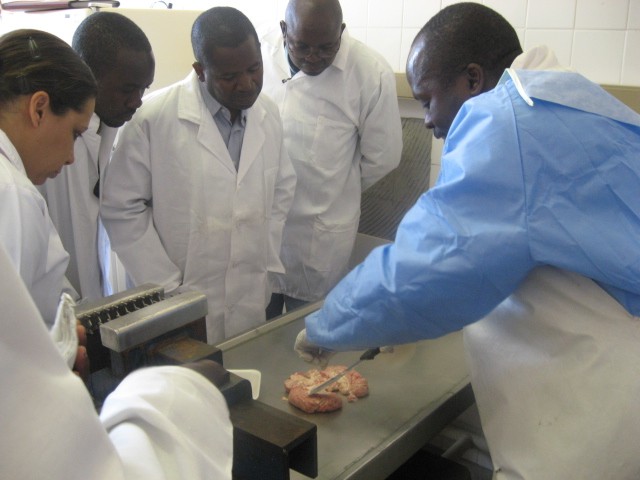
Laboratory diagnostics at the WOAH Reference Laboratory, Onderstepoort
Aggressive behaviour observed among affected seals
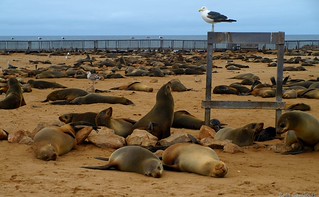
Cape fur seal colony on the South African coast
As Prof. Sabeta noted, “The only case that has been documented in history was confirmed in Norway in 1980 in what is called a ringed seal.” That infection was linked to an Arctic fox and did not lead to secondary infections.
The situation in Southern Africa shows evidence of sustained transmission within the Cape fur seal populations. Prof. Sabeta notes that according to the research done, the initial introduction of rabies into the Cape fur seal population was likely from a black-backed jackal. Once the virus entered the seal population, it continued to spread between seals. Transmission between seals is not the only issue, spillover infections can occur from Cape fur seals to terrestrial mammals, with transmission to domestic dogs, and to people as already identified in this investigation. This could be detrimental to the efforts to eliminate human deaths from rabies by 2030.
These findings are a reminder that surveillance cannot stop at familiar transmission routes or species. Wildlife, domestic animals, and people are part of the same environment, and unexpected connections can emerge at their interface, underscoring the importance of the One Health approach in all these efforts. Coordinated surveillance and strong laboratory networks involving various stakeholders including veterinary services, public health, environment actors, and communities are therefore essential for monitoring the disease, and identifying isolated events that may underline changing transmission patterns.
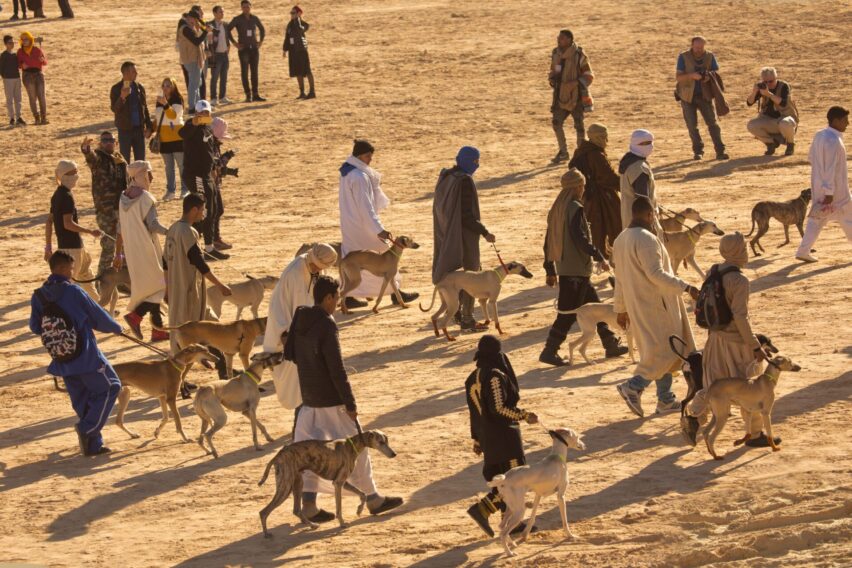
Community members taking stray dogs for vaccination; to save human lives; Picture (c) comms (woah) 2026
For over three decades, Tunisia has maintained sustained national approaches in control and prevention of rabies; a free nationwide vaccination campaign for dogs and cats delivered year by year as part of a broader rabies control programme. In 2025, the campaign reached approximately 500,000 dogs and 70,000 cats through 197 well distributed vaccination centers complemented by mobile teams that extended vaccination services to hard-to-reach communities. For Tunisia, vaccination is not a siloed intervention, it’s part of the wider national surveillance, laboratory diagnostics network, and community engagement.
Each year, Tunisia’s veterinary services conduct diagnostics for over 1900 animal samples for rabies coupled with awareness efforts extended to high-risk groups like school going children across primary and secondary schools. With these complementary efforts, rabies prevention falls beyond veterinary services. By improving knowledge on animal behavior, bite prevention and reporting, communities become proactive participants in reducing exposure and supporting early response.
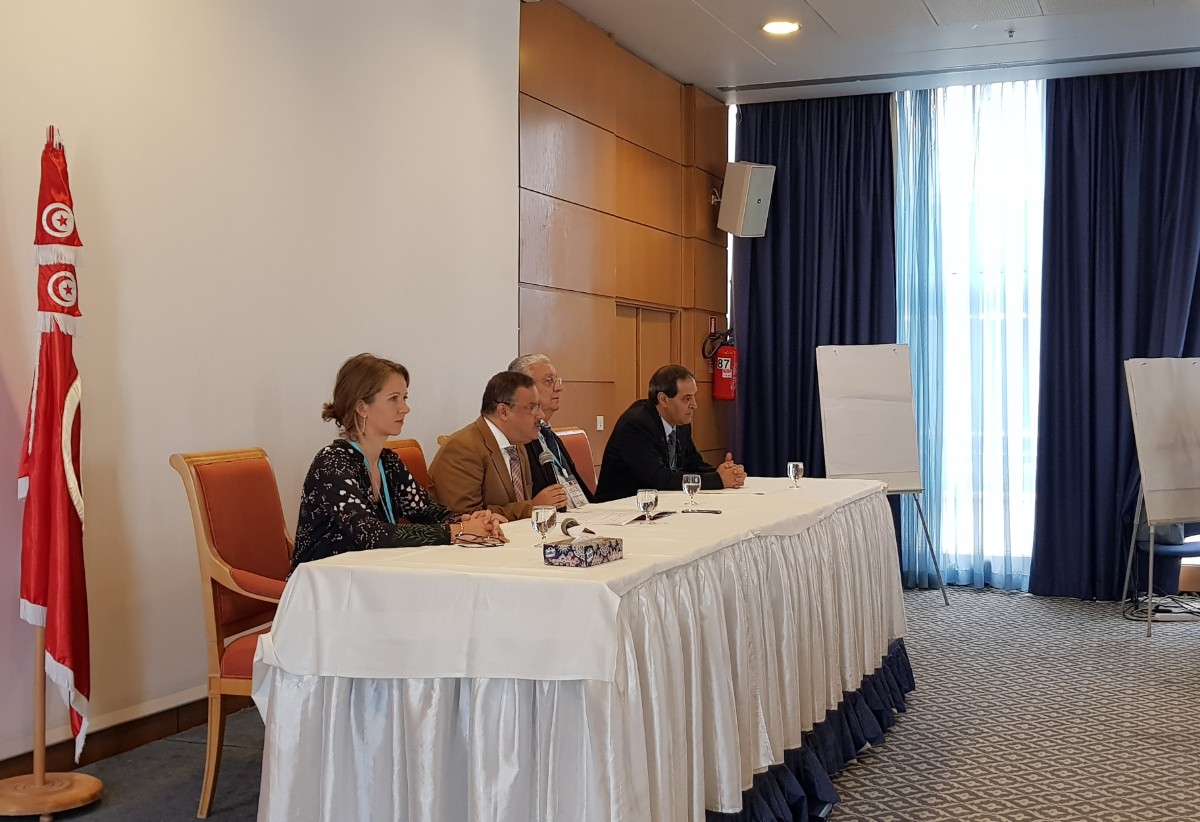
Tunisia’s experience also illustrates why rabies cannot be addressed by one sector alone. Dr Wahib Mehri the Director General of Veterinary Officer (DGSV) describes rabies prevention as a shared responsibility involving veterinary services, human health professionals, private sector, local authorities and the public. The DGSV points out the importance of regional cooperation as well as the value of data sharing and harmonization of approaches among North African countries recognizing that regional coordination is essential when addressing a disease that can cross borders through animal populations.
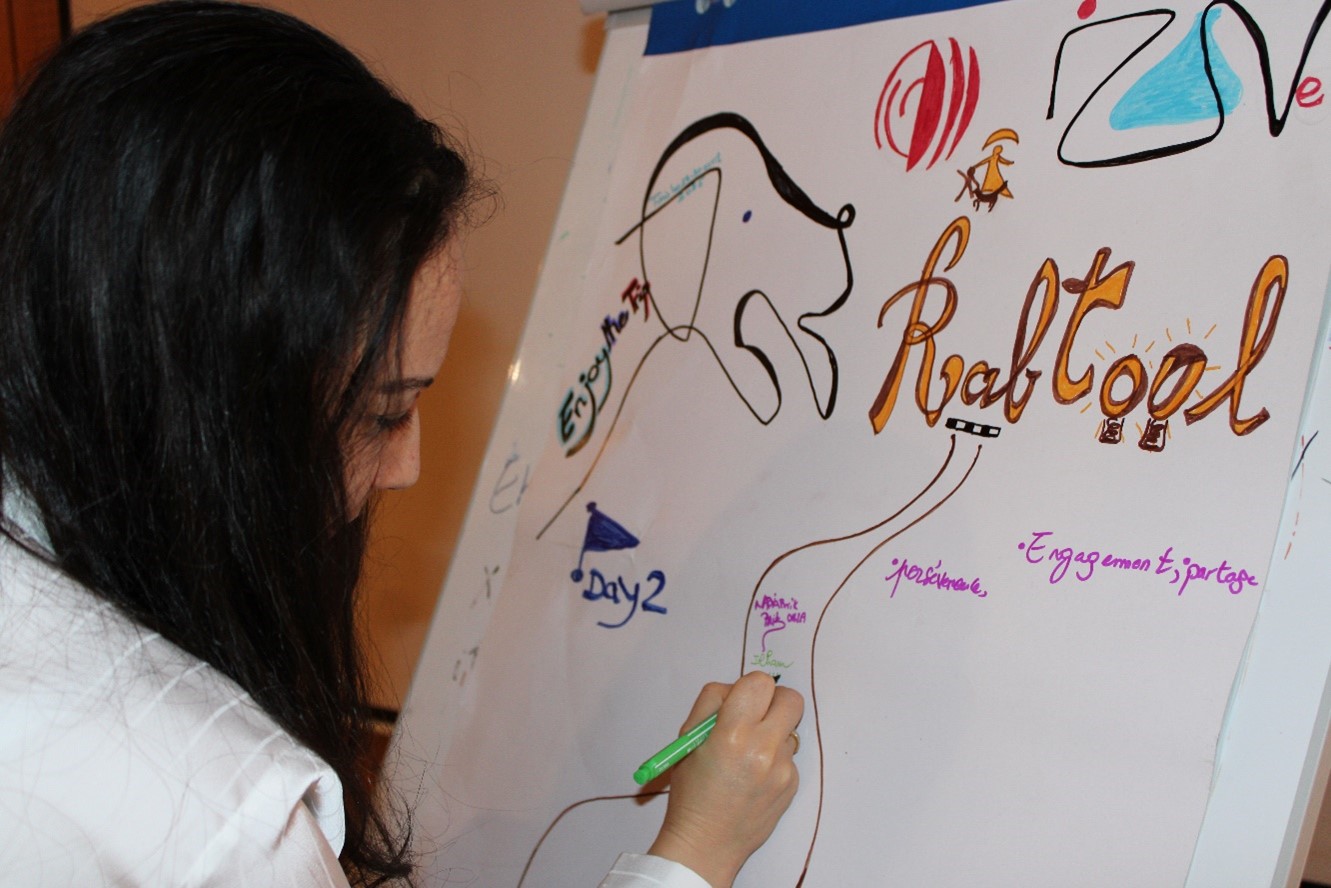
The regional cooperation efforts are being translated into practice through the Rab Tool Project launched in Tunis in April 2025 to support the implementation of a harmonized canine rabies control programme across North Africa. Implemented by Istituto Zooproflattico delle Venezie (ZSVe), with support from Global Alliance for Rabies Control (GARC) and the Italian Ministry of Health, the initiative brings countries together around three key pillars; updating national strategic plans, strengthening surveillance and diagnostic capacities and building mechanisms for regional collaboration.
This story lies at the heart of this year’s World Rabies Day Theme,” Stronger together” for rabies elimination depends on sustained collaboration, aligned action and stronger connections between veterinary and public health systems.
Across Africa, Rabies partnerships are happening; Namibia’s innovation, Cameroon’s community trust-building, Guinea’s data-driven vaccination scale-up, Tanzania’s cross-sector endorsement, WOAH’s reference laboratory network’s vigilance over an unexpected spillover and Tunisia’s regional cooperation efforts to advance cross border surveillance and diagnostics are just but a tip of the iceberg showing the power of partnerships in accelerating the trajectory towards eliminating human deaths from dog-mediated rabies by the year 2030.