
FLICKR
PHOTO ALBUM
Read more
Namibia has taken an important step towards strengthening preparedness for biological threats by bringing together national experts from veterinary, public health, environmental, law enforcement and academic institutions in Windhoek to validate its National Anthrax Contingency Plan (NACP).
The workshop took place on 28–29 October 2026, followed by a technical editing session on 30 October, building on a drafting workshop held in Swakopmund in September. Organised by the Ministry of Agriculture, Fisheries, Water and Land Reform (MAFWLR), with support from the World Organisation for Animal Health (WOAH) and facilitation by Ruadh Consulting Pty Ltd, it brought together representatives of veterinary services, the Central Veterinary Laboratory, the Ministry of Health and Social Services, the Ministry of Environment, Forestry and Tourism, the Namibian Police Force and academia to review the draft and external feedback.
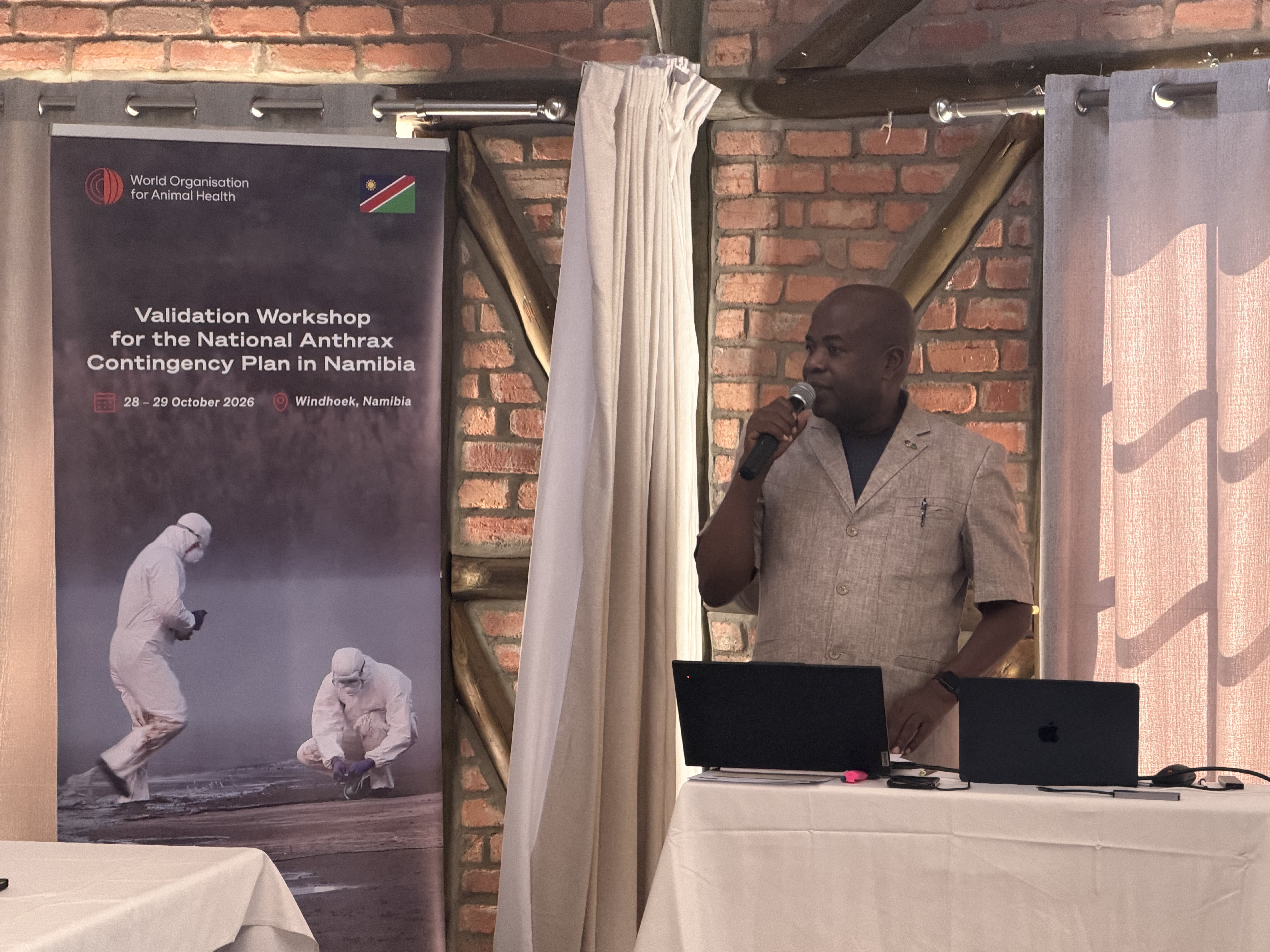
The Chief Veterinary Officer, Dr. Kennedy Shoombe, opens the NACP validation workshop. Picture © N. Atama (woah) 2026
Opening the workshop, Chief Veterinary Officer Dr. Kennedy Shoombe emphasised the shared responsibility of national institutions in responding to anthrax emergencies, including incidents involving the suspected deliberate misuse of anthrax spores. The activity forms part of Namibia’s engagement under WOAH’s Fortifying Institutional Resilience Against Biological Threats (FIRABioT) project, funded by Global Affairs Canada’s Weapons Threat Reduction Program in support of the Global Partnership’s Signature Initiative to Mitigate Biological Threats in Africa.
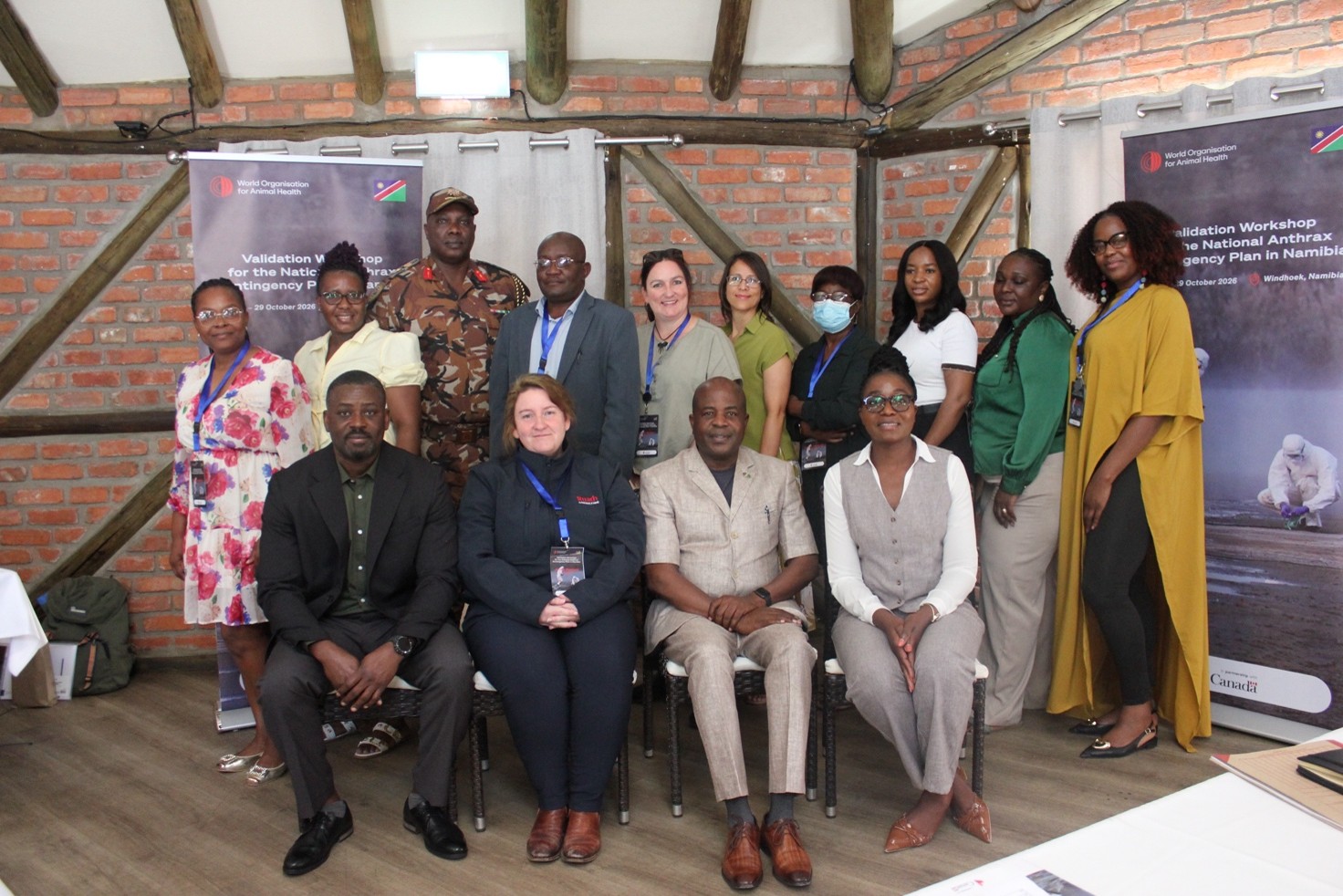
Group photo of participants and facilitators during the NACP validation workshop. Picture © S. Badger (Ruadh Consulting) 2026
Participants tested the draft through a tabletop simulation that followed an evolving anthrax outbreak across several regions, including human cases and a suspected deliberate event. At each stage, they assessed how the plan would guide detection, reporting, decision-making, response and recovery, and how veterinary and public health authorities would coordinate with law enforcement where necessary.
Anthrax is endemic in parts of Namibia, particularly the Kunene Region and Etosha National Park, and its spores can persist in soil for decades. People may be exposed through handling infected carcasses or consuming contaminated meat. These risks, alongside the potential for deliberate misuse, underline the need for coordinated animal health, public health, wildlife and law enforcement preparedness.
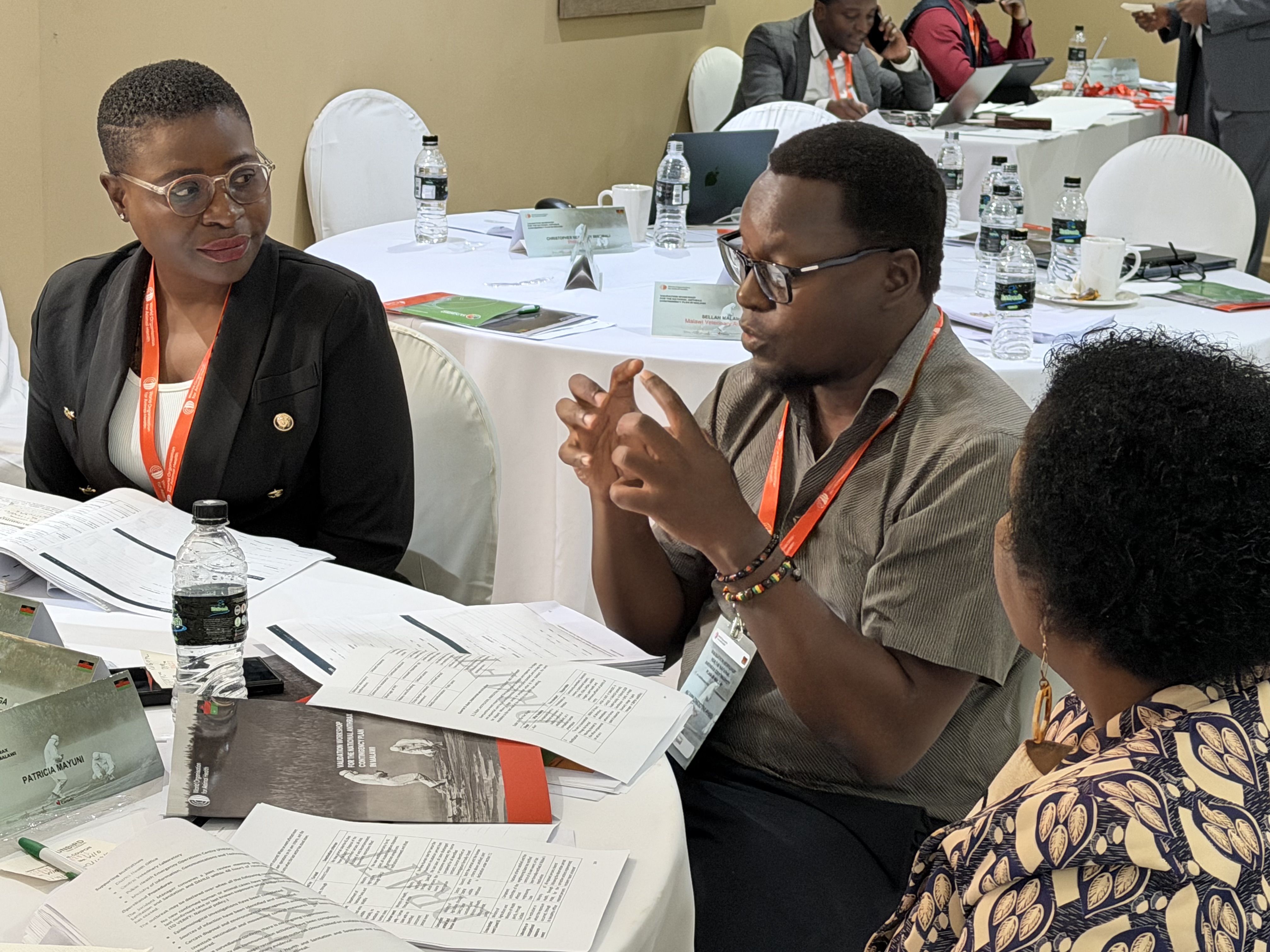
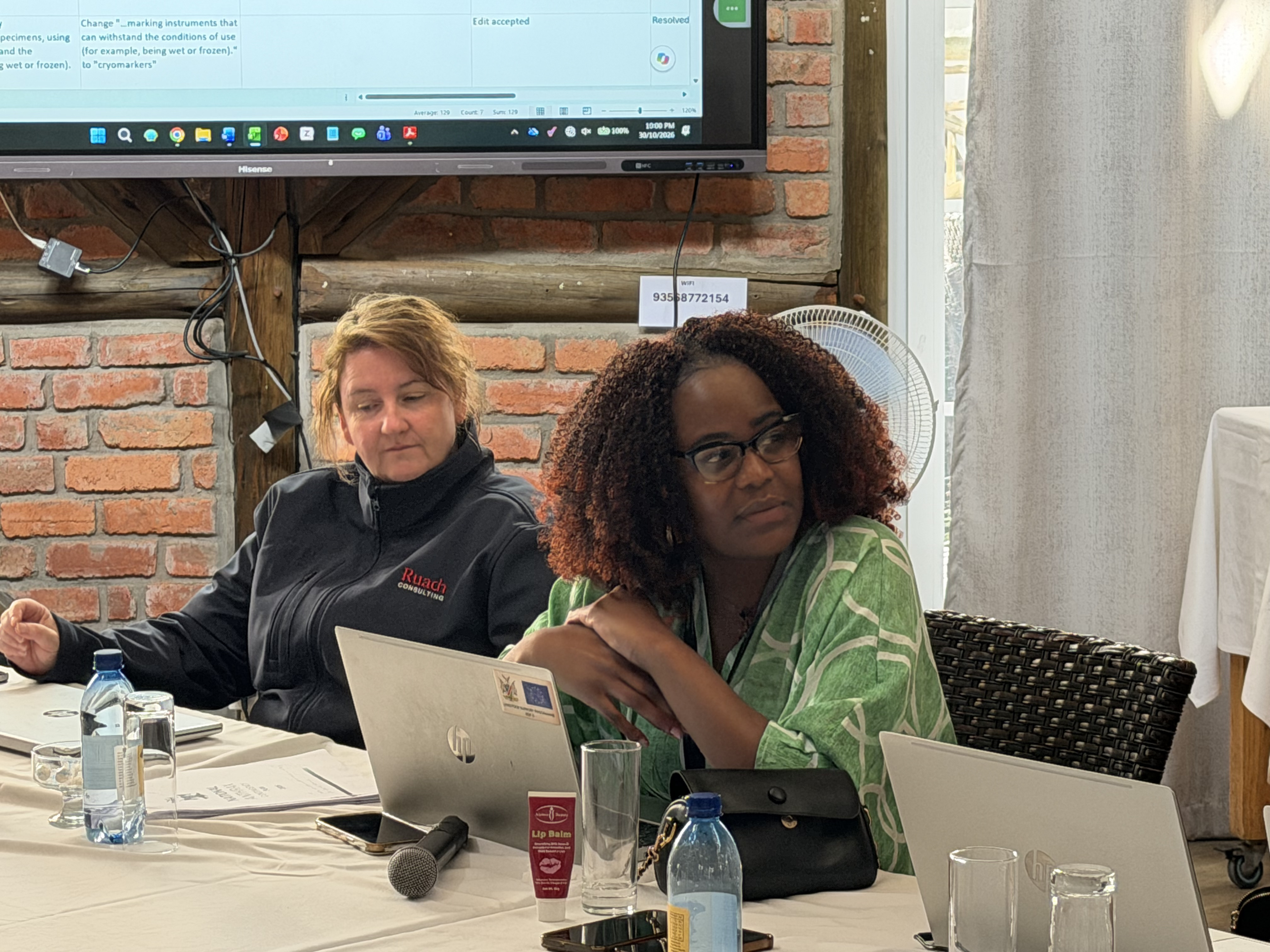
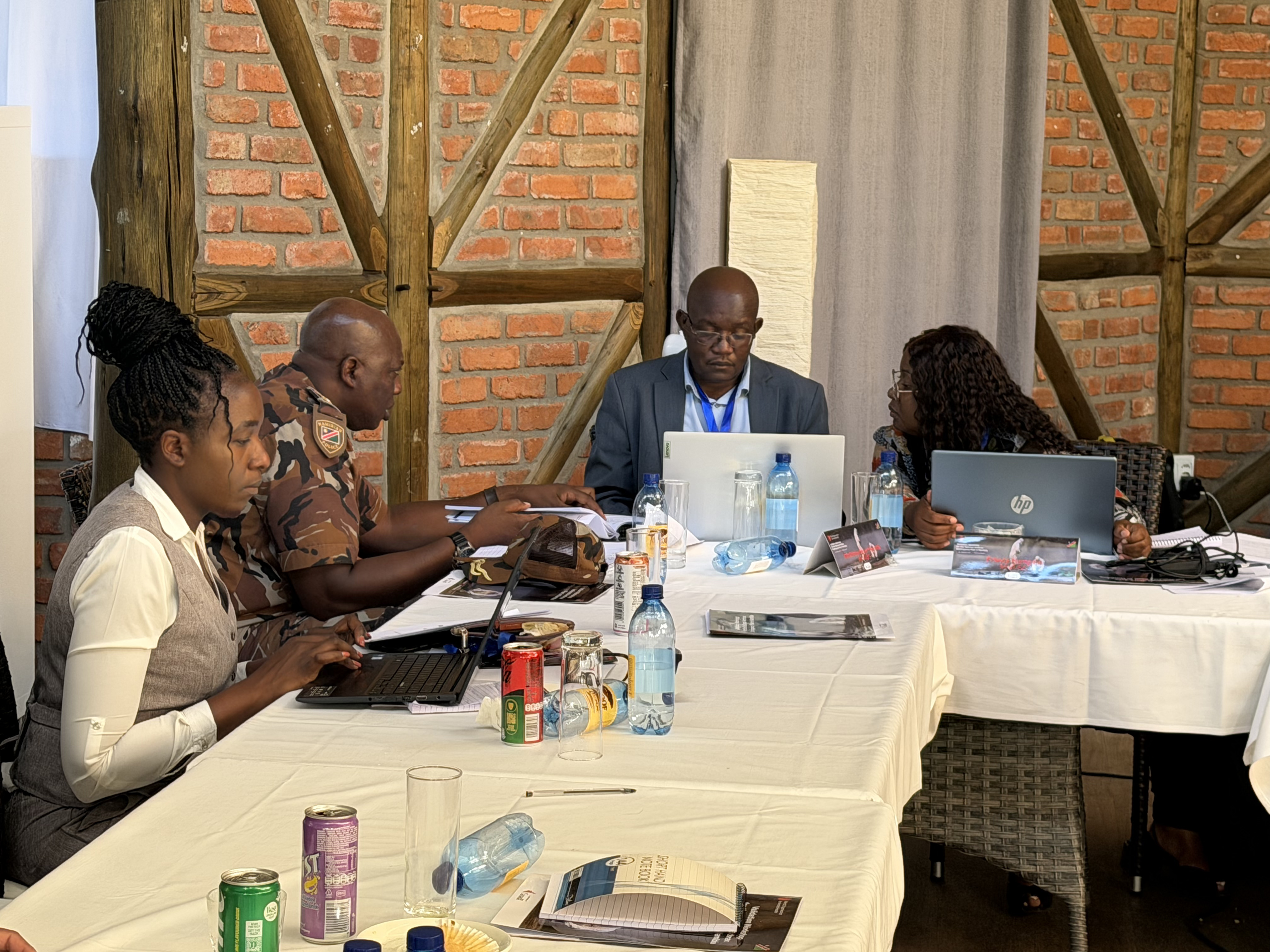
Participants review the draft NACP during a plenary session. Picture © N. Atama (woah) 2026
The review clarified institutional responsibilities and practical response measures. Participants reaffirmed the Directorate of Veterinary Services’ legal authority for anthrax control in animals, with environmental authorities supporting detection in protected areas, health services addressing human cases and police involved in suspected deliberate incidents. They also reinforced immediate reporting under the Animal Health Act, safe handling of suspect carcasses and restrictions on livestock movement through the Namibian Livestock Identification and Traceability System. Detailed standard operating procedures will remain in separate supporting documents so the contingency plan can serve as a concise strategic reference during emergencies.
Participants called for stronger cross-sector reporting and better links between animal and human health data. They also agreed that an outbreak would be declared over after 21 days without a new case and that the plan should be reviewed every five years and following major outbreaks. Following the workshop, the validated contingency plan will be shared with the ministries for review and endorsement before publication.