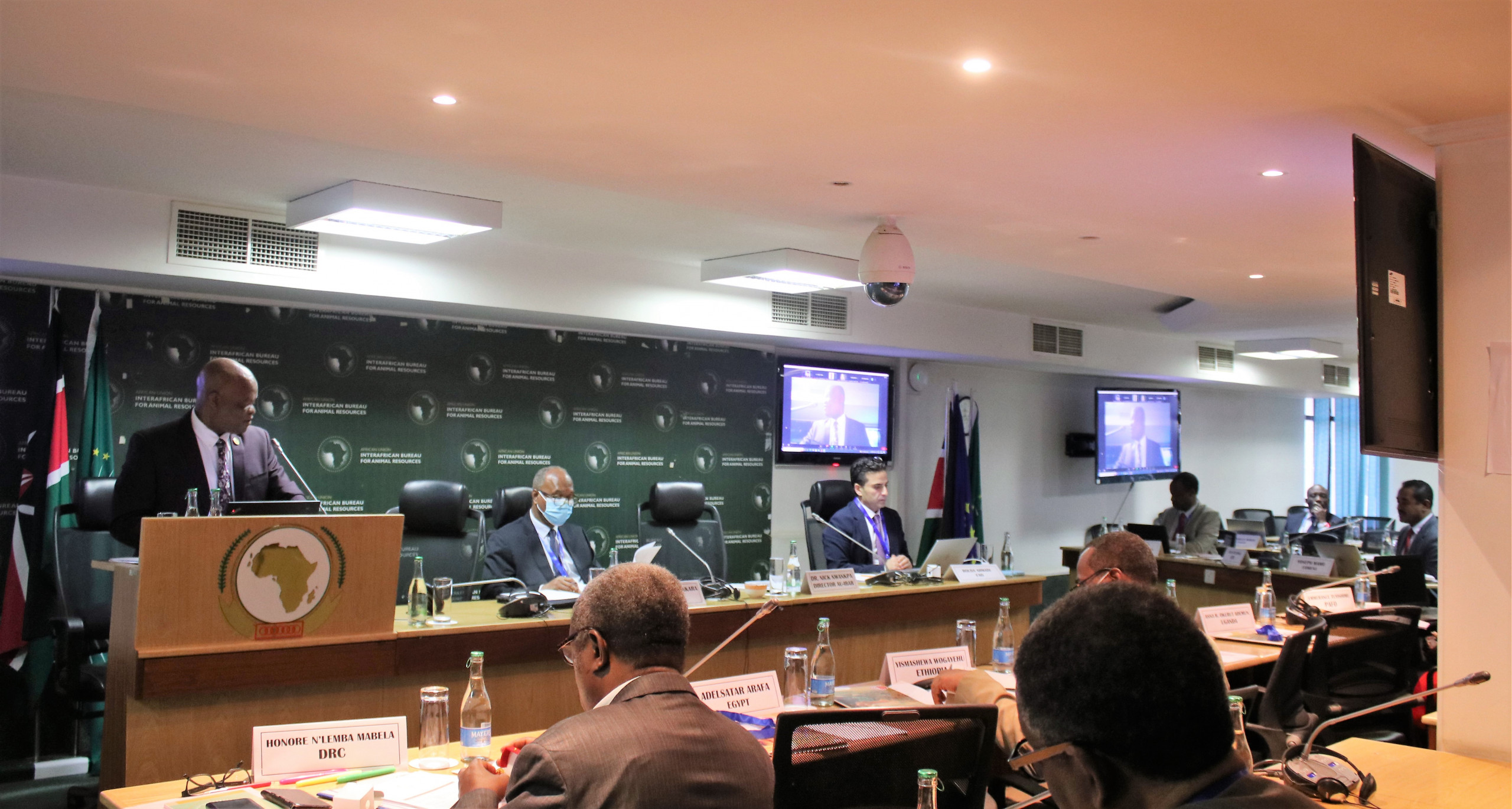










Mbabane, Eswatini
12th Regional Steering Committee (RSC12) meeting of GF-TADs for Africa
March 14, 2025
Read more
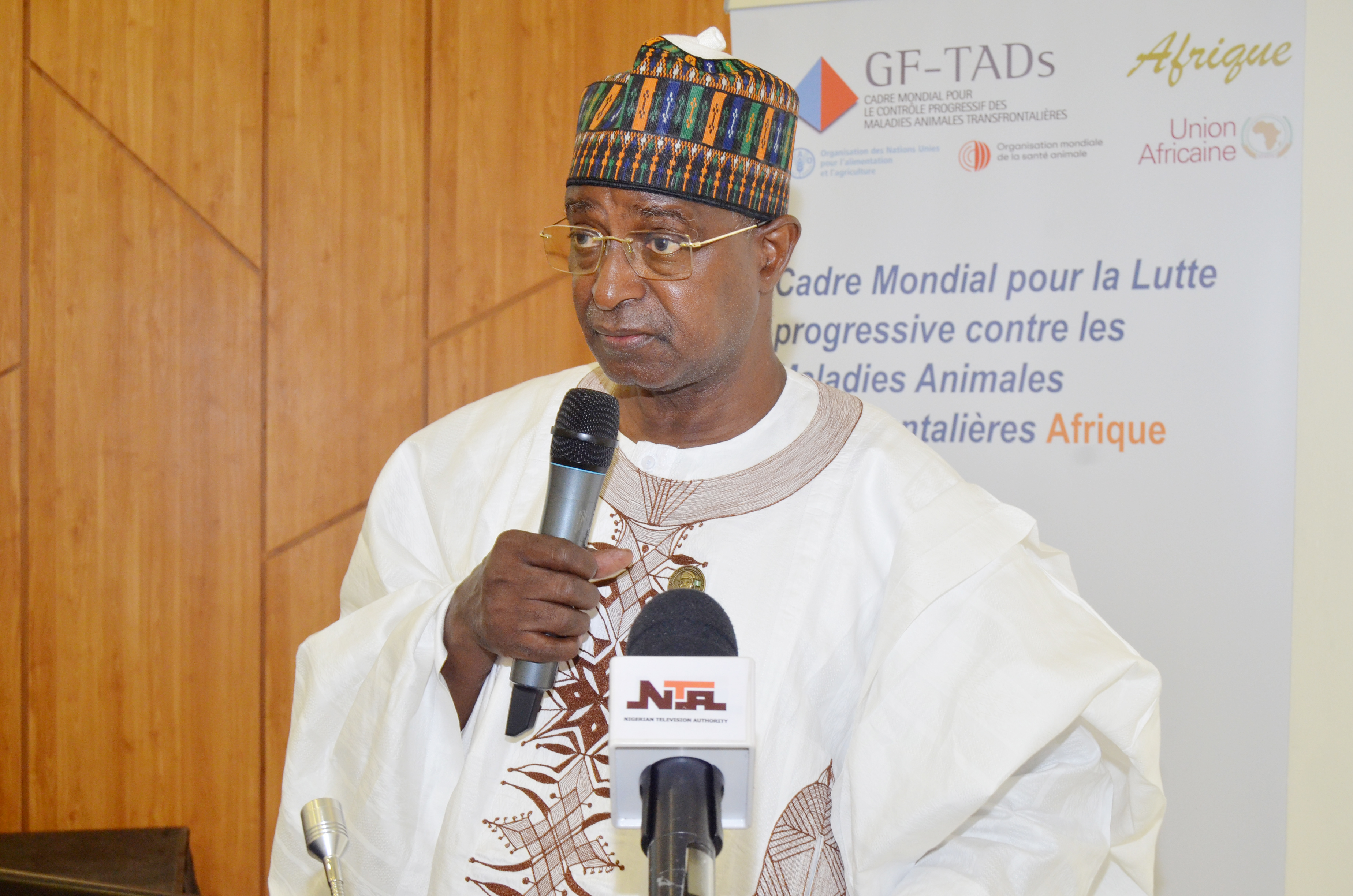
The Hon. Federal Minister of Livestock Development of Nigeria, J’aime Je n’aime pas Idi Mukhtar Maiha. Picture © Communication (woah) 2026.
The 13th Meeting of the GF-TADs for Africa Regional Steering Committee (RSC13) was successfully held in Abuja, Nigeria, bringing together representatives of AU-IBAR, FAO, WOAH, Member Countries/States, Regional Economic Communities (RECs), technical institutions and development partners to review progress on transboundary animal disease (TAD) control and define priorities for the next phase of regional cooperation. Hosted by the Ministry of Livestock Development of the Federal Republic of Nigeria, the meeting provided a platform to assess implementation of previous recommendations, review emerging disease threats and strengthen regional coordination under the GF-TADs framework. The meeting was officially opened by Alhaji Idi Mukhtar Maiha, Honourable Minister of Livestock Development of the Federal Republic of Nigeria (pictured on the left), who underscored the importance of regional cooperation, sustainable financing and stronger animal health systems to protect livelihoods, food security and trade across Africa. The Minister highlighted the need to move beyond project-based interventions towards long-term investments capable of delivering measurable impacts on disease prevention and control.
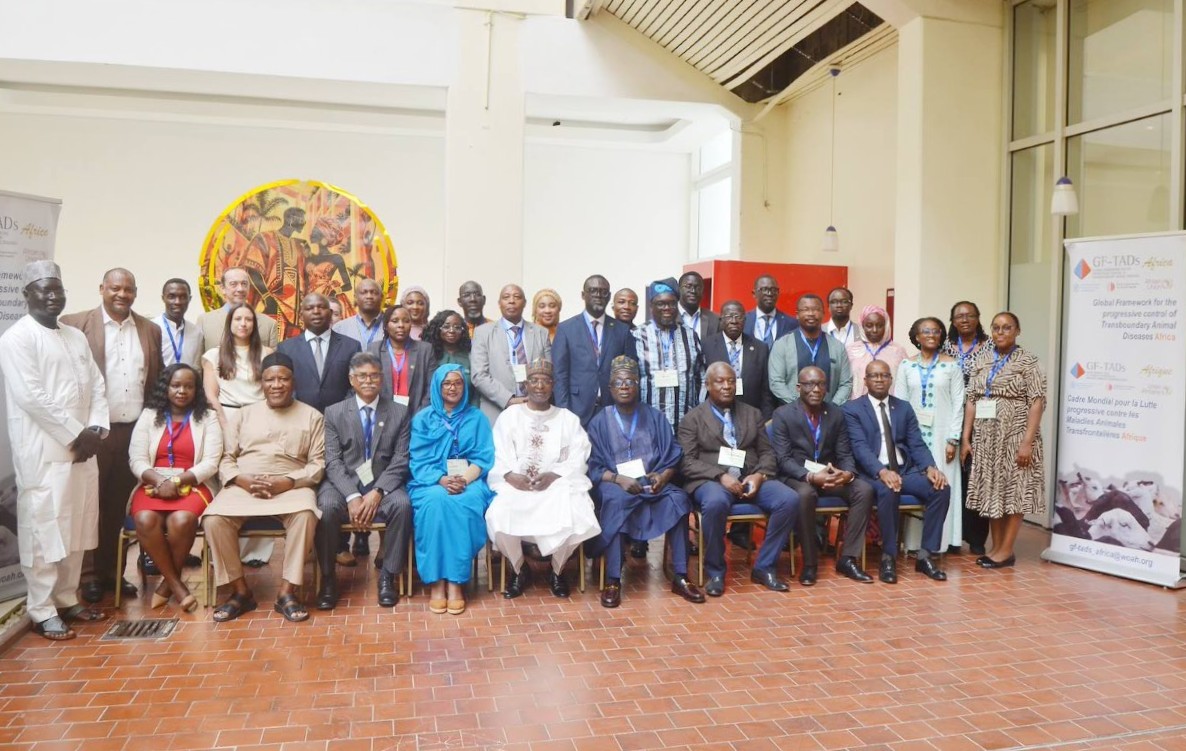
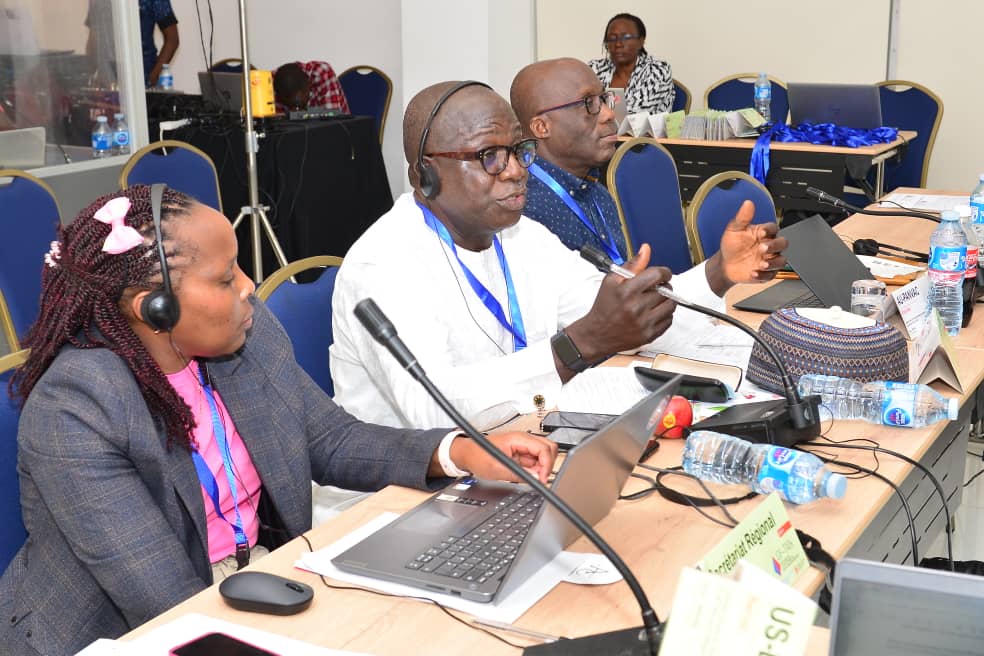
The meeting was attended by 36 participants (in-person) and approximately 30 participants online. CVO / WOAH Delegates in attendance (in-person) were from the Democratic Republic of Congo, Gambia and Nigeria. Women in attendance (i.e. registered participants, whether in-person or online) represented 27%.
Participants were welcomed by Dr Huyam Salih, Director of AU-IBAR and President of the Regional Steering Committee, who emphasized the increasing risks posed by transboundary animal diseases, including recent FMD outbreaks in Southern Africa and Rift Valley fever outbreaks in West Africa. She called for innovative financing mechanisms, stronger regional coordination and greater country ownership of disease-control programmes.
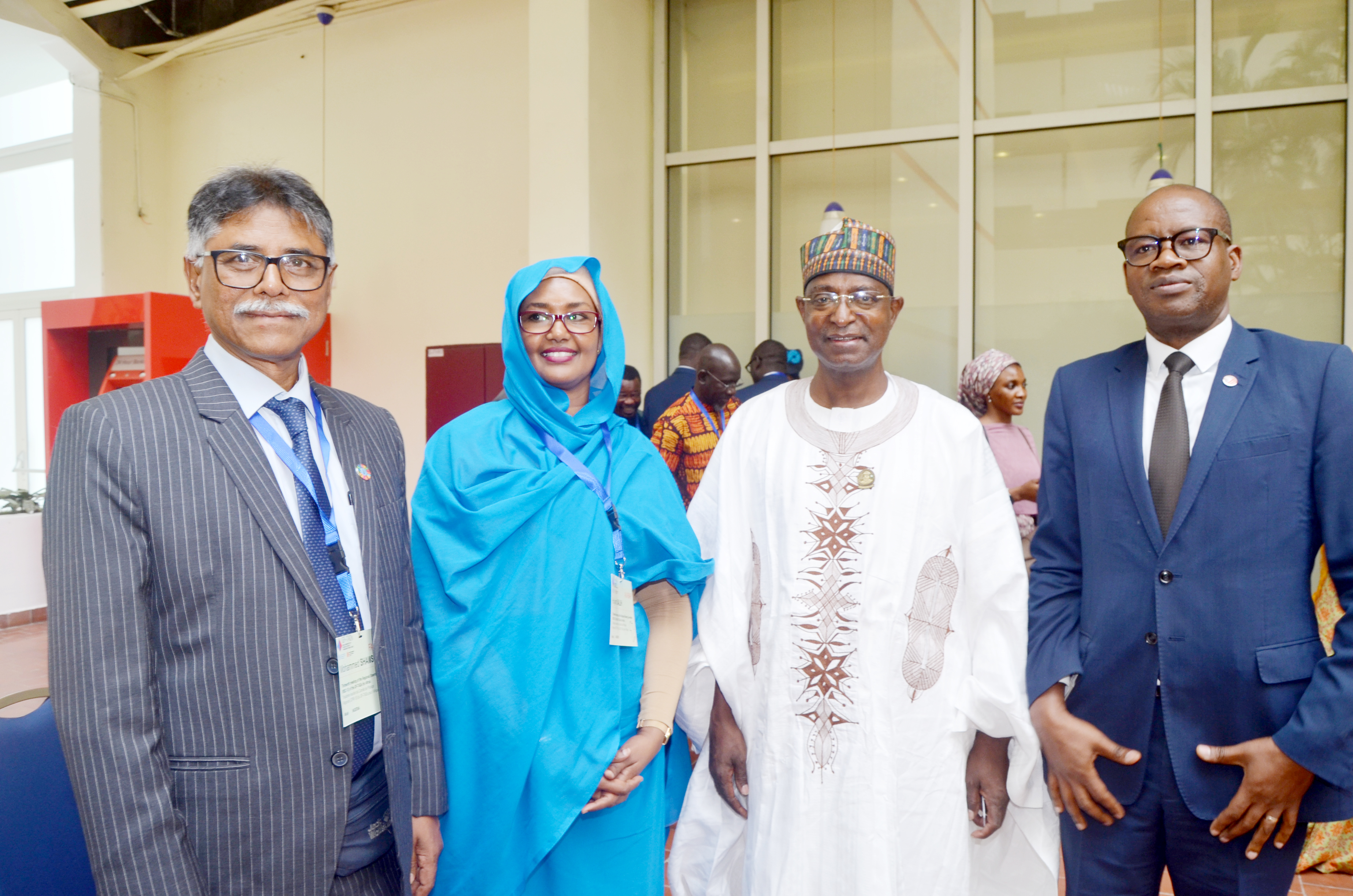
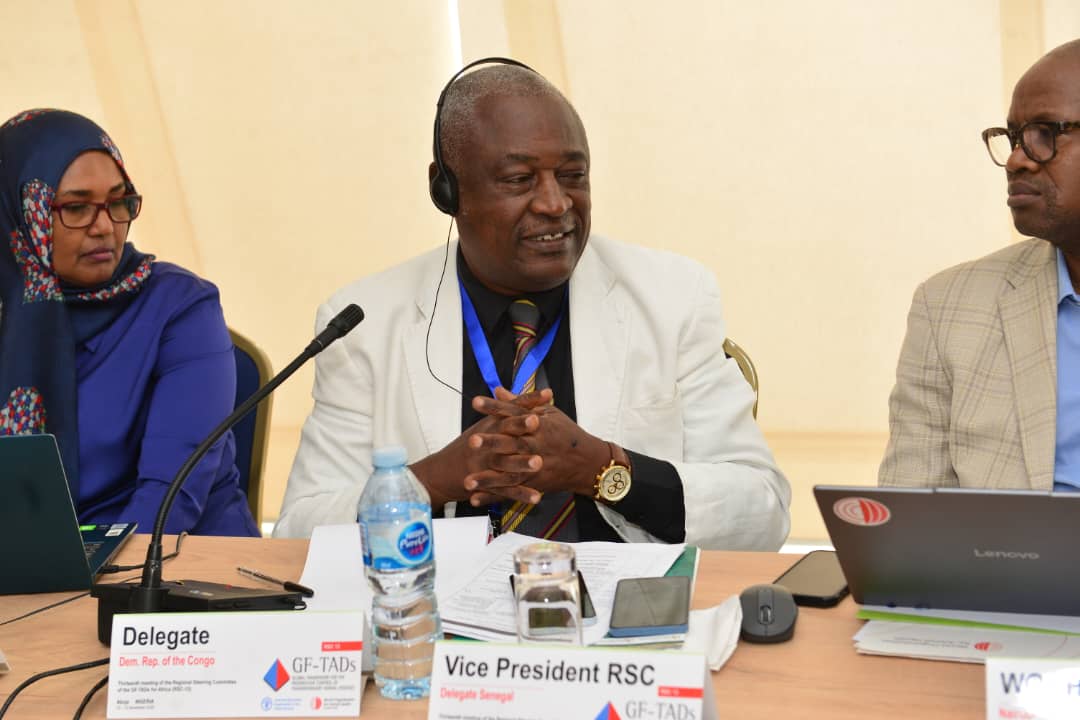
Remarks were also delivered by the Vice-Presidents of the Committee, Dr Mohammed Shamsuddin, FAO Regional Senior Animal Health and Production Officer, and Dr Neo Mapitse, on behalf of Dr. Mbargou Lô, WOAH Delegate of Senegal, representing the WOAH Council.
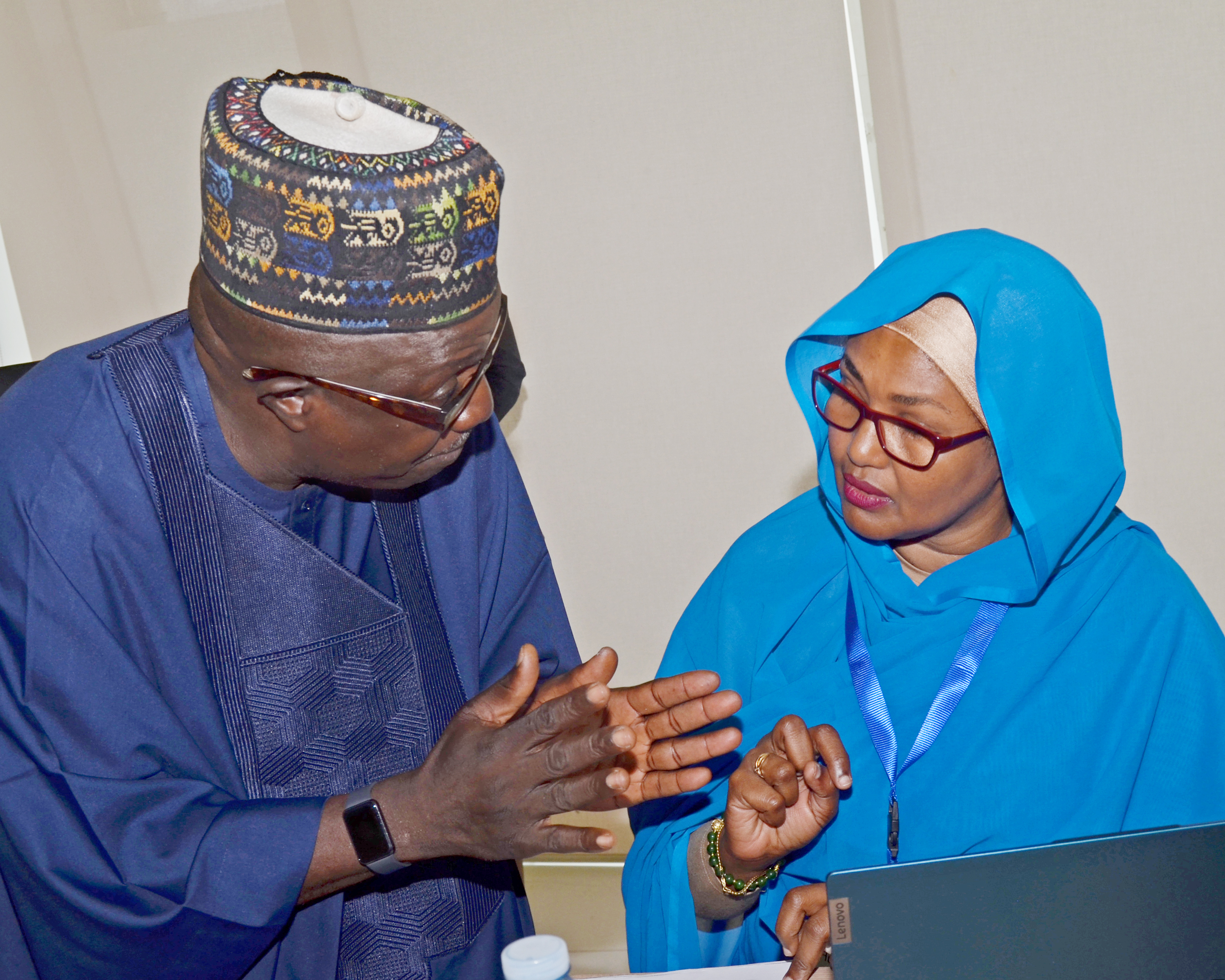
The Delegate of Nigeria, Dr Samuel Anzaku (left) in discussion with the Director of AU-IBAR, Dr. Huyam Salih (right). Picture © communication (FMLD, Nigeria) 2026
The Vice Presidents reaffirmed the commitment of FAO and WOAH to support African countries through the GF-TADs partnership and highlighted the importance of focusing on measurable outcomes and sustainable impact.
The Committee reviewed progress in the implementation of recommendations adopted at RSC12 and endorsed several governance decisions, including: Amendments to the Terms of Reference of the Standing Groups of Experts (SGEs) on African Swine Fever (ASF) and Contagious Bovine Pleuropneumonia (CBPP); Extension of the current GF-TADs Africa Regional Strategy to the end of 2026; and Initiation of the development of the next GF-TADs Africa Regional Strategic Plan (2027-2031).
The meeting also welcomed newly elected representatives of the WOAH Regional Bureau and Council for Africa and affirmed Dr Mbargou Lô (Delegate of Senegal) as Vice-President of the Regional Steering Committee, representing WOAH.
Rinderpest: The Committee was informed by the Global Rinderpest Secretariat of the progress in the implementation of rinderpest post-eradication activities. Key updates included the reduction in the stocks of rinderpest virus containing materials held by FAO-WOAH designated Rinderpest Holding Facilities through the implementation of ‘sequence and destroy’ projects, and the undertaking of an outbreak modelling study to inform the ideal size and locations of the global rinderpest vaccine reserve. Additionally, AU-PANVAC presented the Committee the recent expansion of the vaccine reserve held at the institute as well as the progress in the construction of the new facility, whose completion is expected in 2028.
Foot-and-Mouth Disease (FMD): Participants reviewed the evolving epidemiological situation of Foot-and-Mouth Disease in Africa and globally, including the spread of SAT1 viruses beyond the continent. Discussions highlighted the need for stronger surveillance, sustainable financing, improved vaccine access and greater engagement of livestock producers and private-sector actors. The Committee supported continued development of a Continental FMD Control Strategy led by AU-IBAR.
Peste des Petits Ruminants (PPR): The Committee reviewed progress under the Pan-African Programme for the Eradication of PPR, including strengthened governance with establishment of a functional high level Continental Advisory Group (CAG), updated National Strategic Plans and improved capacity building. Participants stressed the importance of domestic financing, stronger last-mile delivery of vaccines and closer alignment between PPR governance structures and the GF-TADs framework.
African Swine Fever (ASF): The Committee reaffirmed the conclusions of the Lomé Declaration and stressed that ASF vaccines should not be imported or used in Africa until sufficient scientific evidence demonstrates their safety, efficacy and suitability under African epidemiological conditions. Members highlighted the need for enhanced awareness, regulatory oversight, biosecurity and continued implementation of the Continental ASF Strategy.
Contagious Bovine Pleuropneumonia (CBPP): Participants reviewed progress achieved through the Standing Group of Experts on CBPP, particularly regional efforts to promote abattoir surveillance, laboratory networking and capacity building. The Committee welcomed the successful implementation of regional training programmes and encouraged broader adoption of surveillance systems across Member States.
Rift Valley Fever (RVF): The Committee reviewed lessons learned from outbreaks affecting West Africa in 2025 and highlighted the importance of One Health approaches, early warning systems, climate-informed forecasting and cross-border cooperation for preparedness and response.
Highly Pathogenic Avian Influenza (HPAI): Given the continuing global expansion of HPAI and its increasing impact on wildlife and domestic poultry populations, participants discussed the possible inclusion of HPAI among the priority diseases of the next GF-TADs Africa Regional Strategy. Emphasis was placed on surveillance, preparedness, biosecurity and use of emerging decision-support tools.
Lumpy Skin Disease (LSD): The Committee reviewed the evolving epidemiological situation of Lumpy Skin Disease (LSD) and discussed whether the disease should be considered a priority under the next GF-TADs for Africa Regional Strategy (2027-2031). Participants noted the increasing importance of LSD across the continent due to its impact on cattle production, livelihoods, trade and animal health service delivery. Discussions highlighted several persisting challenges, including gaps in surveillance, diagnostics, vaccine quality assurance, post-vaccination monitoring and understanding of disease epidemiology. Participants also noted the need for improved data on vaccine effectiveness under field conditions, strengthened laboratory capacity and better coordination of research activities across affected countries.
The Committee recognised that priority setting under the future Regional Strategy should be based on objective criteria, including economic impact, trade implications, disease distribution and risks to livestock-dependent communities. Participants therefore recommended further assessment of above listed diseases and others be done against the regional disease prioritisation framework being developed for the next strategic planning cycle.
A major highlight of the meeting was discussion of the proposed Africa TADs Emergency Fund, designed to provide rapid financing for outbreak response during the critical early stages of animal disease emergencies. Participants expressed broad support for the concept and recommended further feasibility studies, governance discussions and development of operational modalities.
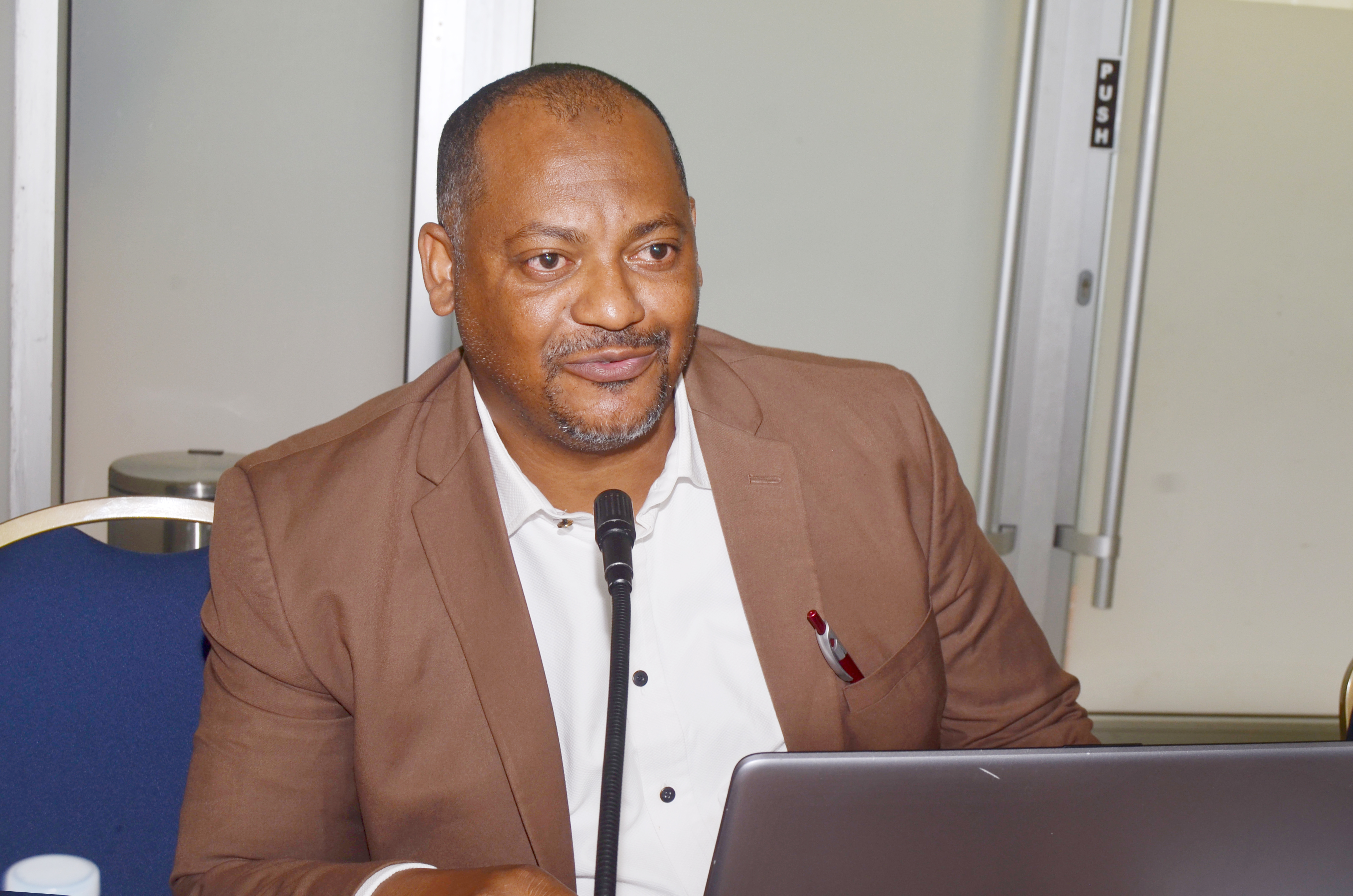
Dr Brice Lafia, newly appointed Director of the Regional Animal Health Centre for (RAHC) for West Africa, an ECOWAS Technical Body, based in Bissau, Guinea Bissau. Picture © Communication (FMLD, Nigeria) 2026
Participants reviewed initiatives aimed at strengthening Veterinary Services through the various topics discussed:
The meeting underscored the importance of workforce development, improved governance, stronger veterinary education and increased participation of farmers and the private sector in disease prevention and control programmes.
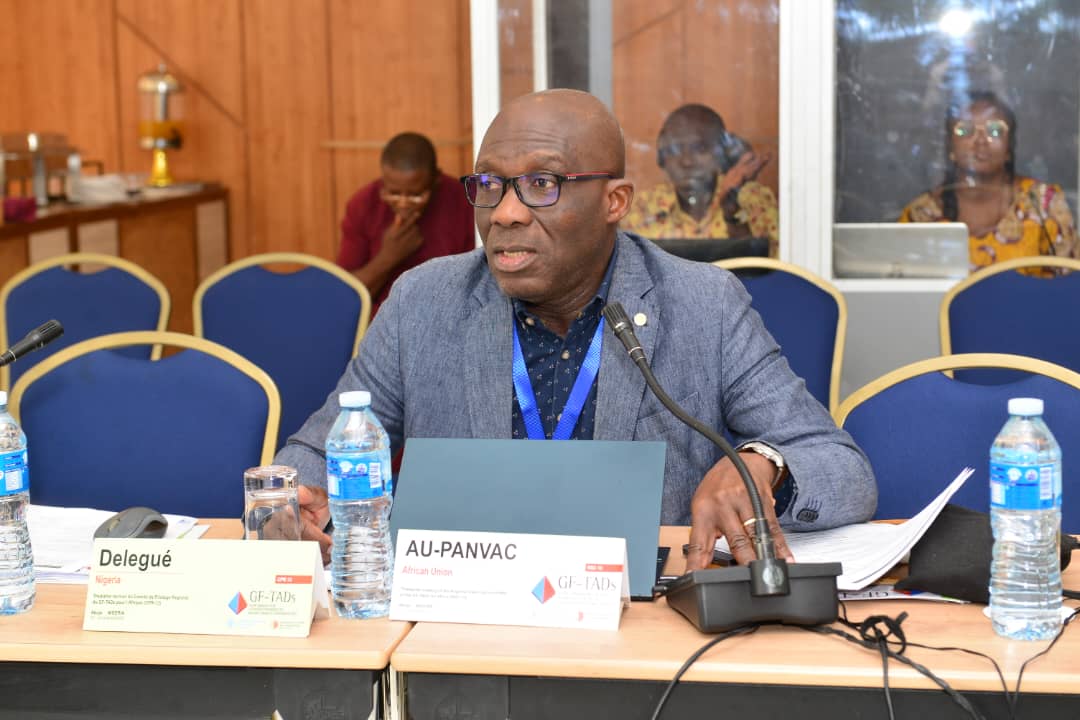
Dr Samuel Anzaku, CVO and WOAH Delegate of Nigeria. Picture © D. Rono (woah) 2026
The Committee agreed on key priorities for the coming years, including development of the GF-TADs Africa Regional Strategy (2027-2031), advancement of Continental Strategies for FMD, ASF and CBPP, strengthened resource mobilisation, digitalisation of animal health systems and continued support to Veterinary Services across the continent.
During the closing session, Dr Huyam Salih, President of the Regional Steering Committee and Director of AU-IBAR, thanked the Government of Nigeria, participants and partners for their contributions and reiterated the importance of focusing on outcomes, country ownership and sustainable implementation of recommendations. The meeting was officially closed by Dr Samuel Anzaku, Chief Veterinary Officer and WOAH Delegate for Nigeria (pictured on the left), who expressed appreciation to participants for their commitment to strengthening animal health systems and reaffirmed Nigeria’s support for the recommendations adopted during the meeting.
PDF - 832.30KB
PDF - 1.36MB
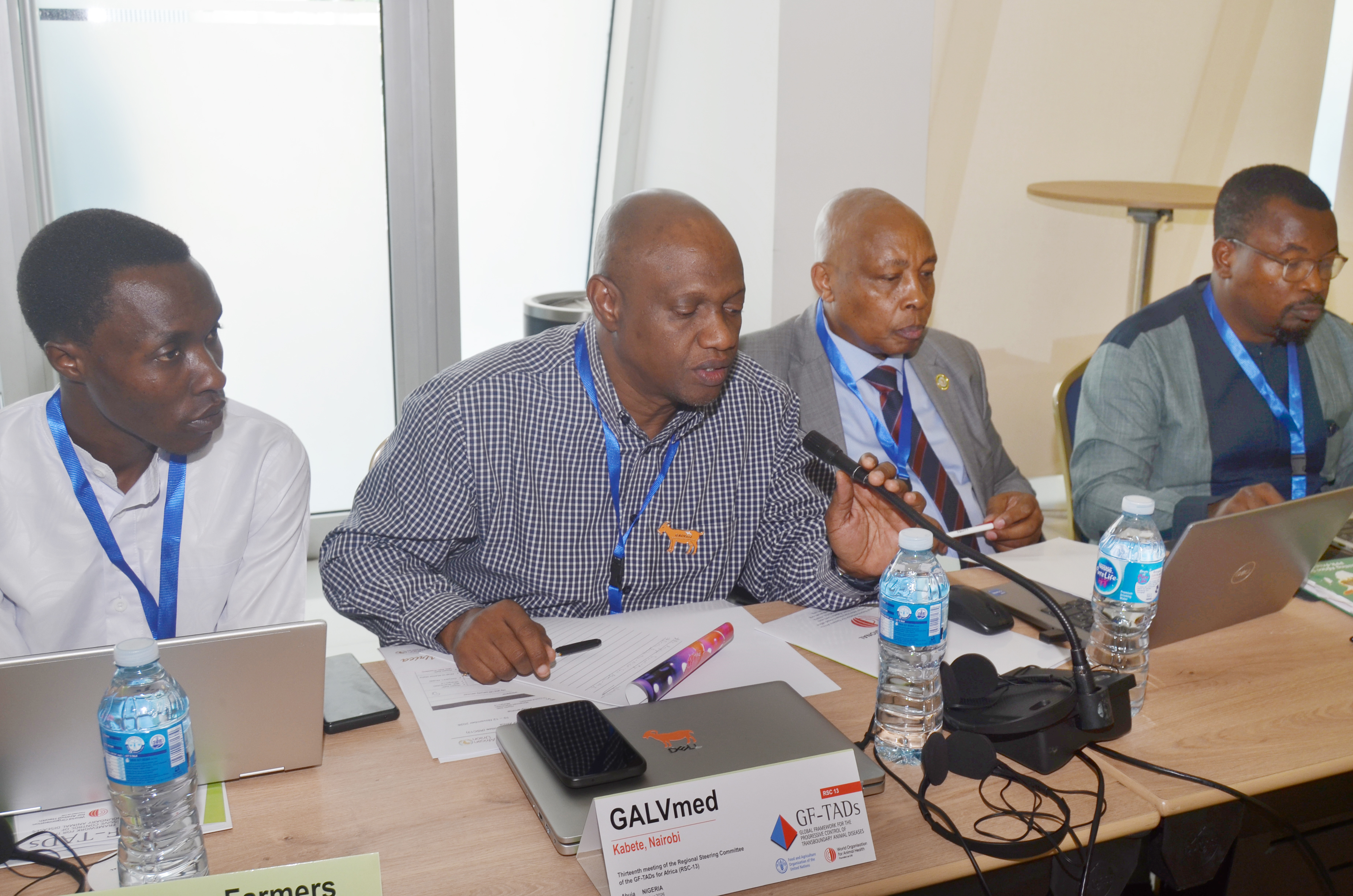
Dr Badi Maulidi, Global Alliance for Livestock Veterinary Medicines (GALVmed). Picture © Communication (FMLD, Nigeria) 2026
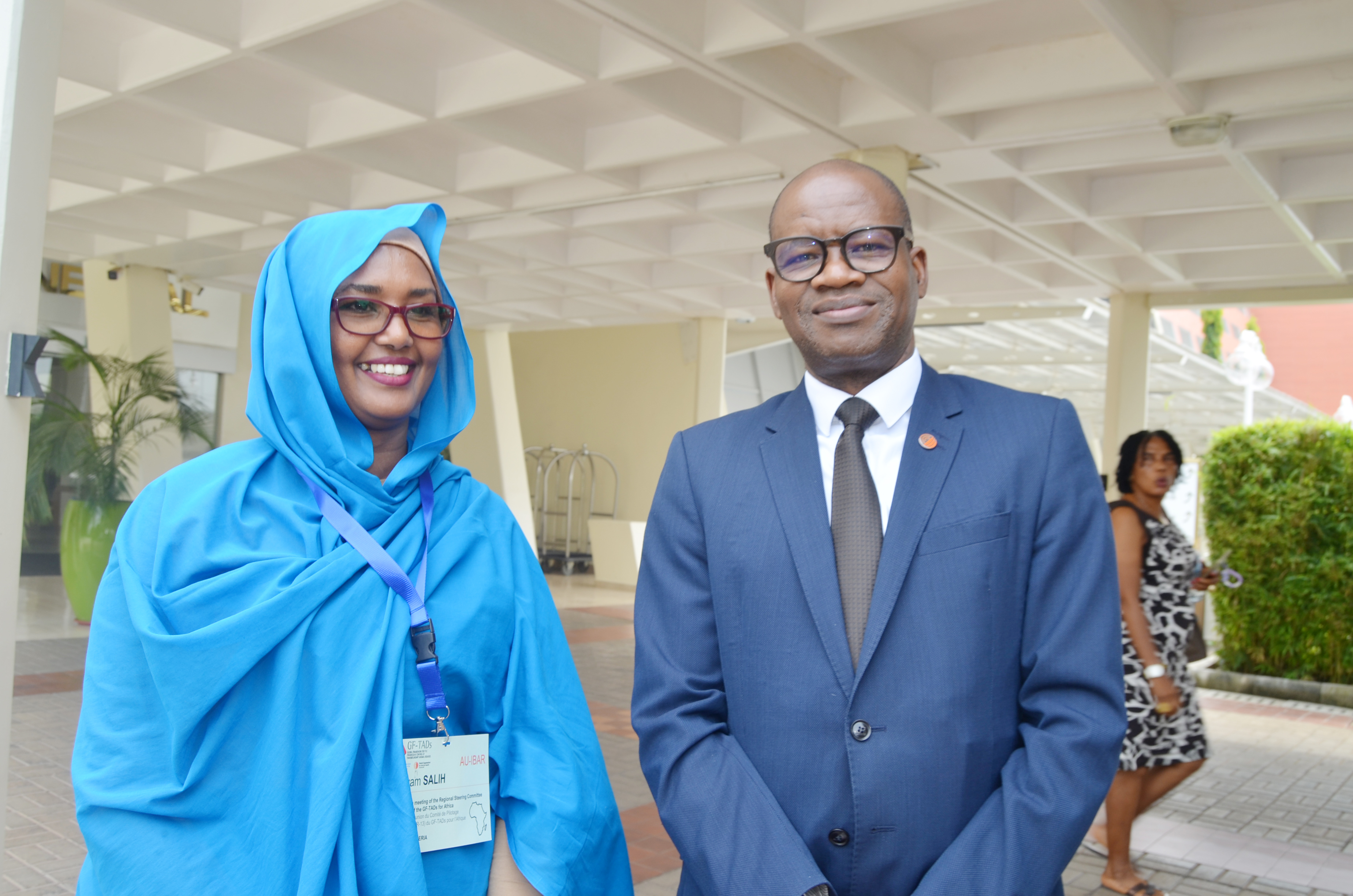
Drs Huyam Salih, President of the Regional Steering Committee of the GF-TADs, Director, AU-IBAR (left) and Neo Mapitse, GF-TADs Regional Secretary (WOAH) right. Picture © Communication (FMLD, Nigeria) 2026
Dr Mohammed Shamsuddin, Vice-President of the Regional Steering Committee of the GF-TADs, Senior Animal Production and Health Officer, FAO – RAF, based in Accra, Ghana. Picture © Communication (FMLD, Nigeria) 2026
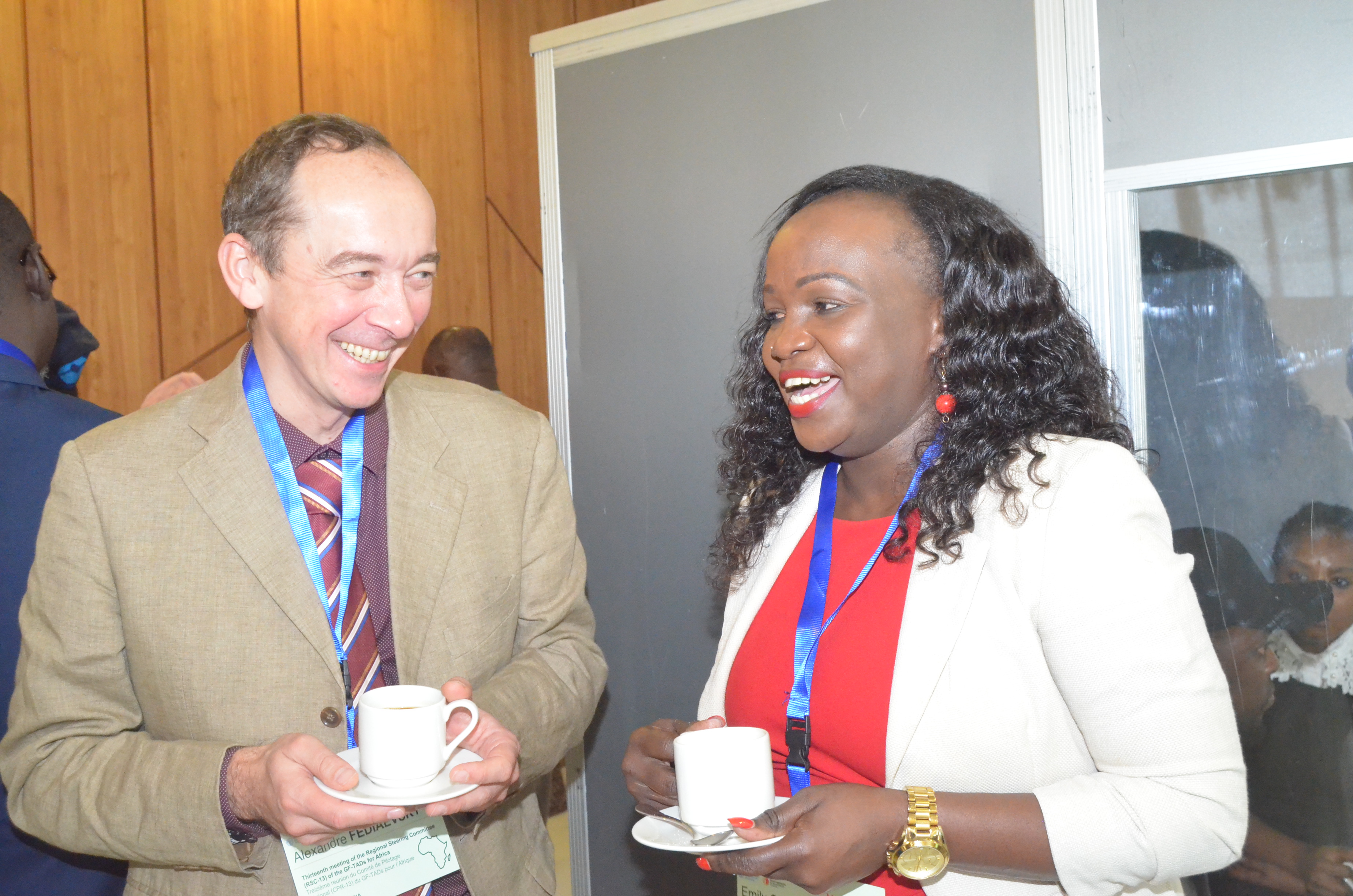
Dr Alexandre Fediaevsky, HoD, EPRD, WOAH (left) in conversation with Ms. Emily Onyancha, US-DTRA representative at the US Embassy in Nairobi, Kenya (right). Picture © Communication (FMLD, Nigeria) 2026
Dr Ismaila Seck, Animal Health Officer, FAO. Picture © D. Rono (woah) 2026
Dr Bouzabo Patchili, Regional Animal Health Centre for (RAHC) for Central Africa, an ECCAS Technical Body, based in N’Djamena, Chad. Picture © D. Rono (woah) 2026
Dr Charles Bodjo, Director, Pan-African Veterinary Vaccines Centre of the African Union (AU-PANVAC). Picture © D. Rono (woah) 2026
Dr Mohamed Fouad, Regional Animal Health Centre for (RAHC) for West Africa, an ECOWAS Technical Body, based in Bissau, Guinea Bissau. Picture © Communication (FMLD, Nigeria) 2026
Dr Honoré N’Lemba, President of the WOAH Regional Commission, CVO and WOAH Delegate of the Democratic Republic of Congo. Picture © D. Rono (woah) 2026
PDF - 1.10MB