Zimbabwe Builds Veterinary Extension Capacity to Enhance Frontline Disease Surveillance
March 20, 2026
Read more
From February to July 2026, JohnBaptist Galiwango had the privilege of undertaking a six-month internship at the WOAH Sub-Regional Representation for Eastern Africa (SRR-EA) in Nairobi, Kenya, under the Fortifying Institutional Resilience Against Biological Threats (FIRABioT) Project funded by the Global Affairs Canada’s Weapons Threat Reduction Program in support of the Global Partnership’s Signature Initiative to Mitigate Biological Threats in Africa (SIMBA).
The placement formed part of his Doctoral Research in Global Biosecurity and Ecosystems Health at Makerere University in Uganda, providing him an opportunity to translate academic knowledge into practical experience in biological threat reduction, Veterinary Services and international animal health. The experience strengthened his understanding of how research, policy, capacity building, emergency preparedness, international cooperation, and multidisciplinary coordination collectively contribute to biological threat resilience, while highlighting the complementary roles of Veterinary Services, public health, and security agencies within One Health and biological threat reduction frameworks.
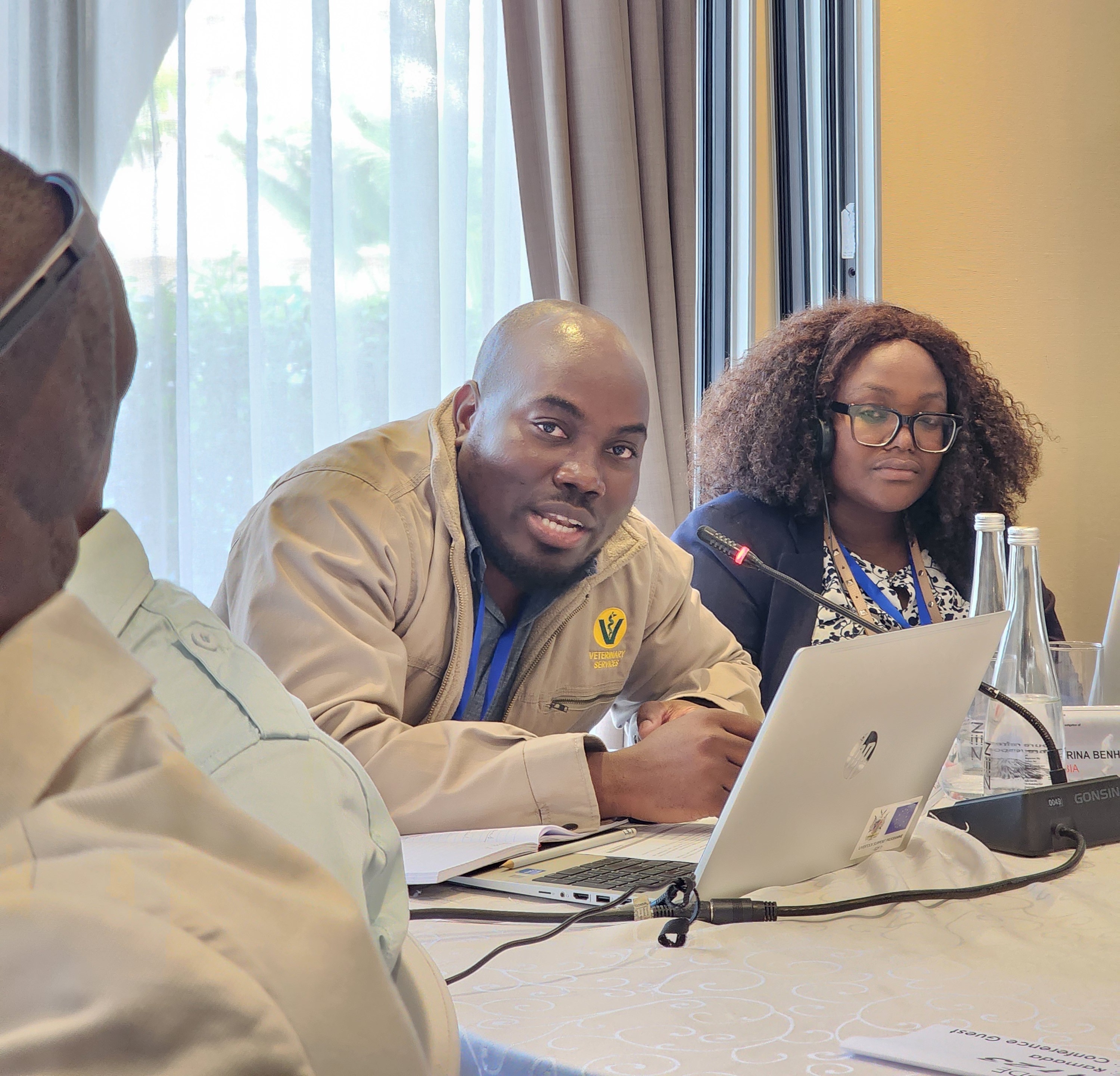
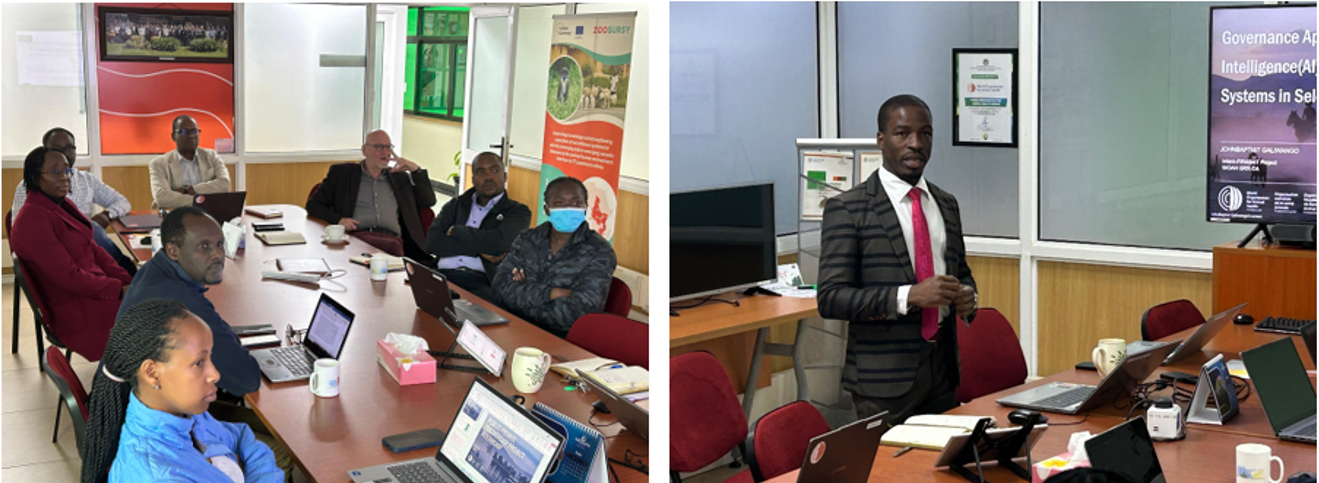
JohnBaptist Galiwango presents findings from his research on AI governance in animal health systems to colleagues at the WOAH Sub-Regional Representation for Eastern Africa in Nairobi
JohnBaptist’s principal research assignment examined Governance Approaches for Artificial Intelligence Use in Animal Health Systems in Selected African Countries. Artificial Intelligence is increasingly creating opportunities for disease surveillance, diagnostics, predictive modelling and other applications relevant to animal health. At the same time, its rapid development raises new governance questions for Veterinary Services: Who governs these technologies? How well are veterinary authorities represented in national AI governance? And are emerging risks at the intersection of AI, cybersecurity and biological security adequately addressed?
To explore these questions, He conducted a qualitative comparative policy analysis covering Cameroon, Egypt, Ethiopia, Kenya, Mauritius, Nigeria and South Africa. Thirty-four policy and regulatory documents, including national AI strategies, data governance frameworks and animal health legislation, were systematically reviewed.
The research identified critical governance gaps in the integration of AI within animal health systems and proposed recommendations to strengthen the management of emerging AI-enabled biosecurity risks. These findings and their broader implications will be presented in greater detail in the forthcoming scientific manuscript from the study, which he presented internally to all WOAH staff on 30 July 2026.
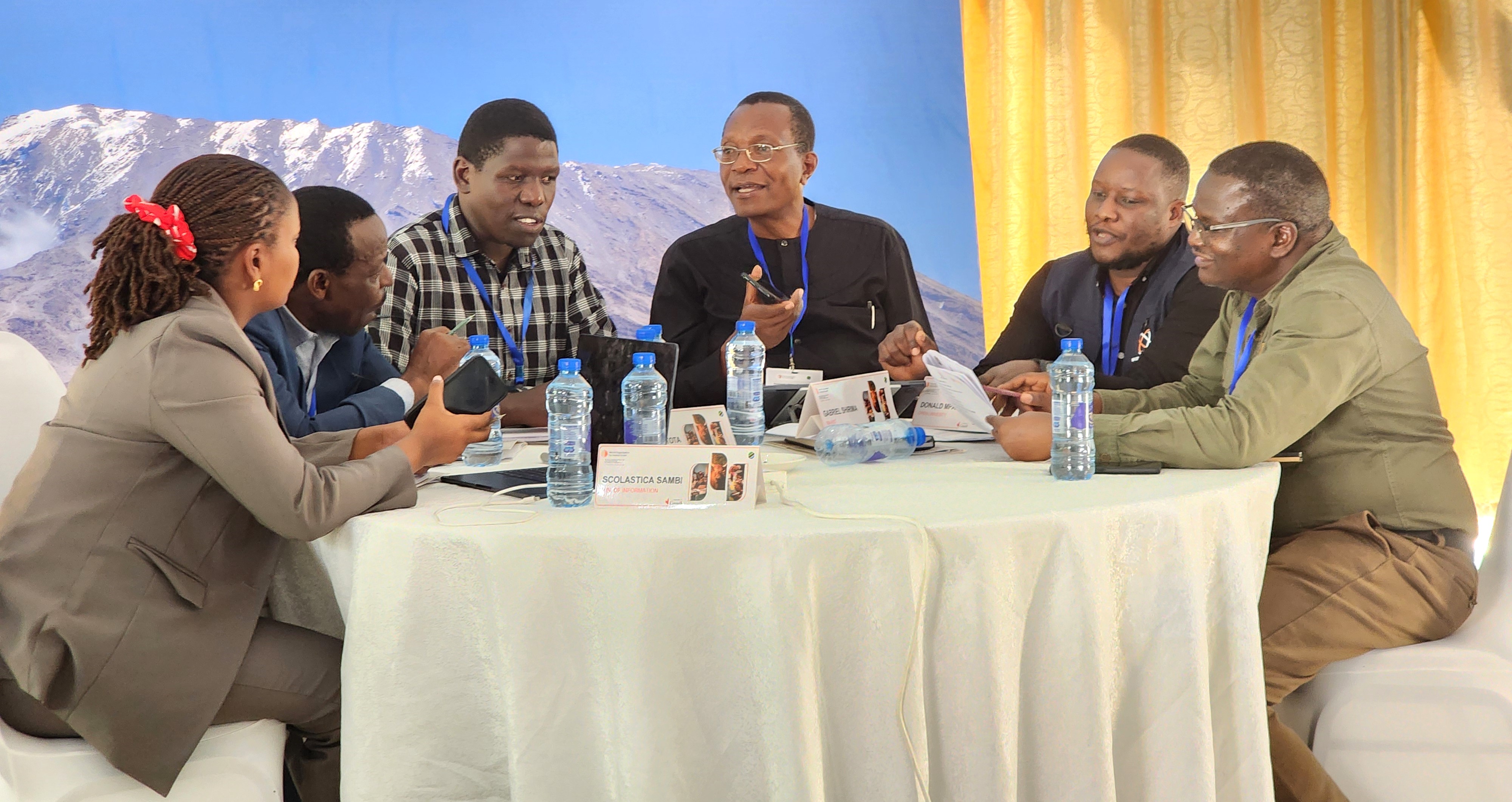
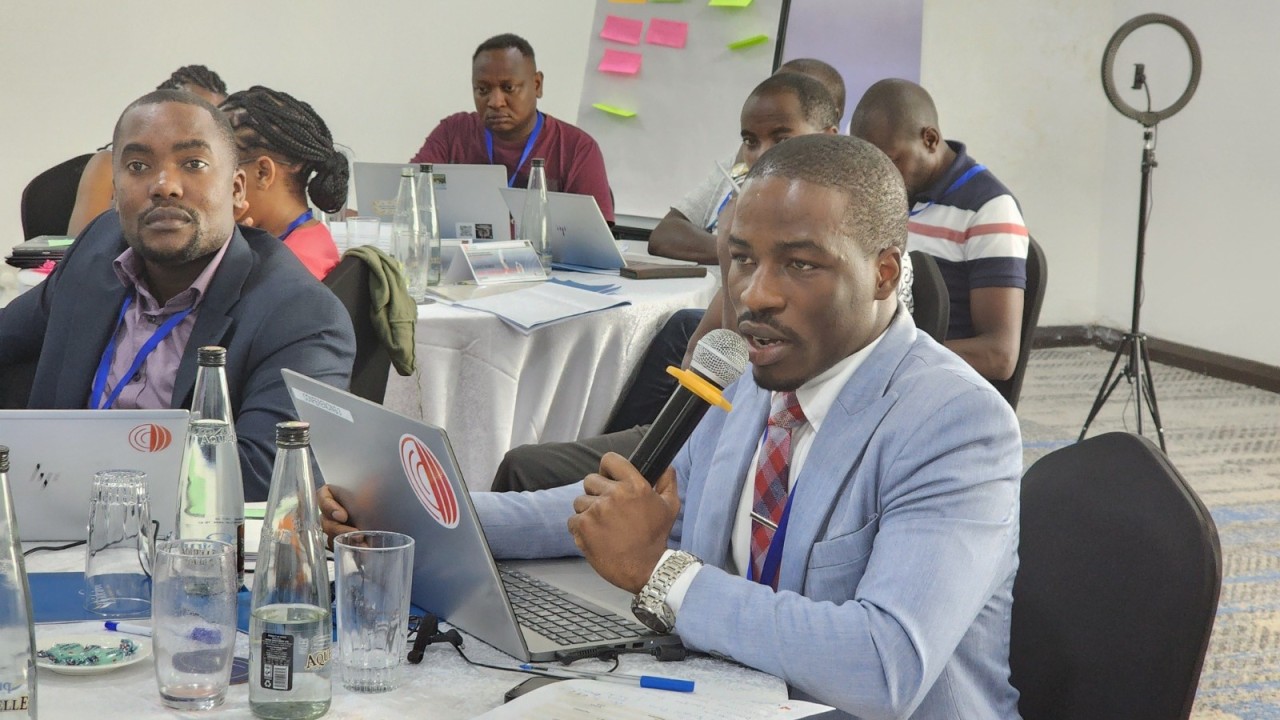
JohnBaptist discovered that biological threat reduction cannot be fully understood from literature and policy documents alone. Working alongside the well-gifted FIRABioT team allowed him to participate in national and regional capacity-building initiatives and technical missions addressing different dimensions of preparedness and resilience. He contributed to technical reports and Back-to-Office Reports, scientific communication materials, workshop concept notes and budgets, while gaining practical exposure to project planning, implementation, monitoring and communication with Member Countries and partners. These experiences took him from his research desk in Nairobi to regional activities in Zimbabwe, Kenya and Tanzania. They provided a much broader understanding of how preparedness is translated from policies and frameworks into operational capacity.
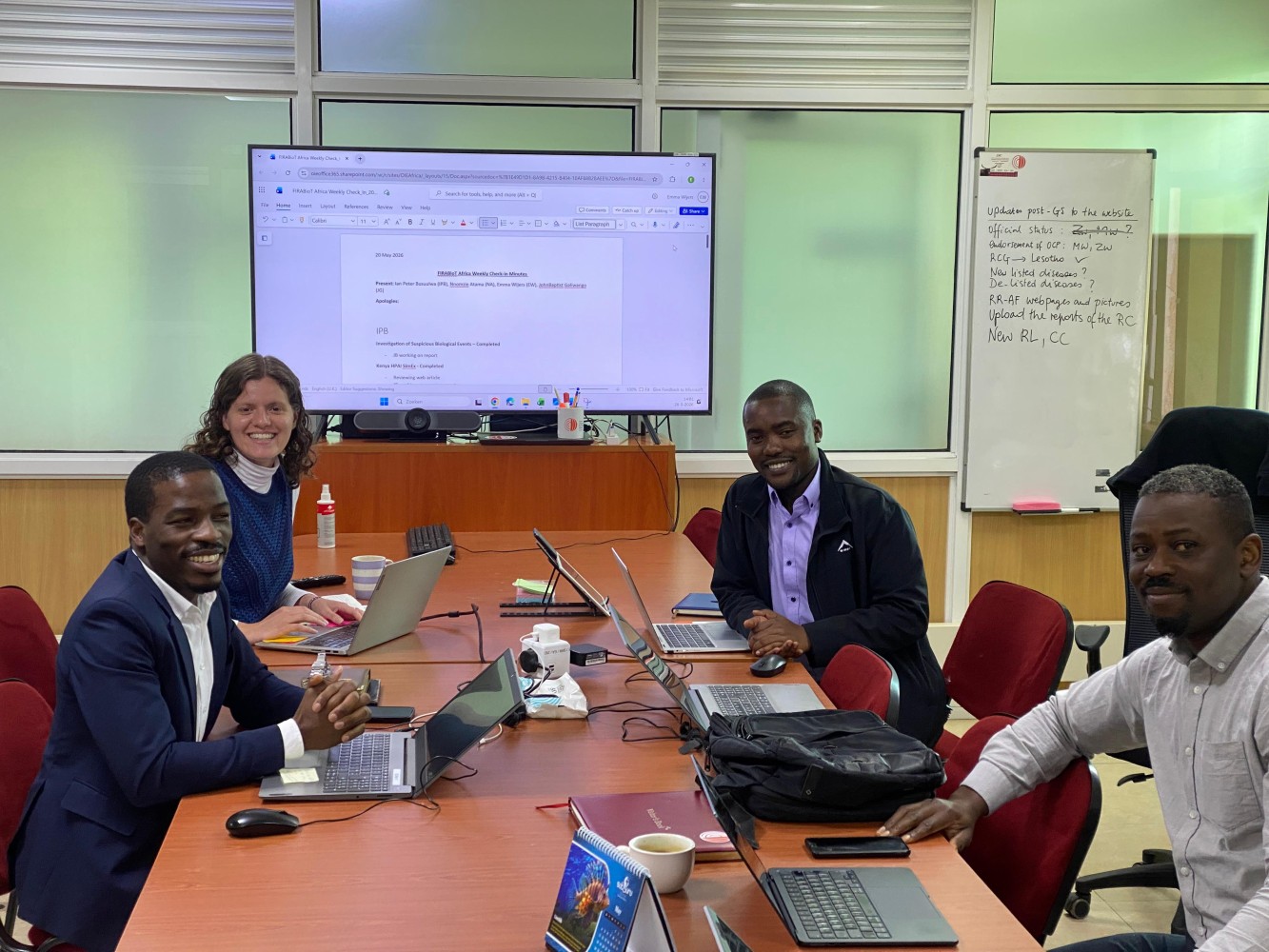
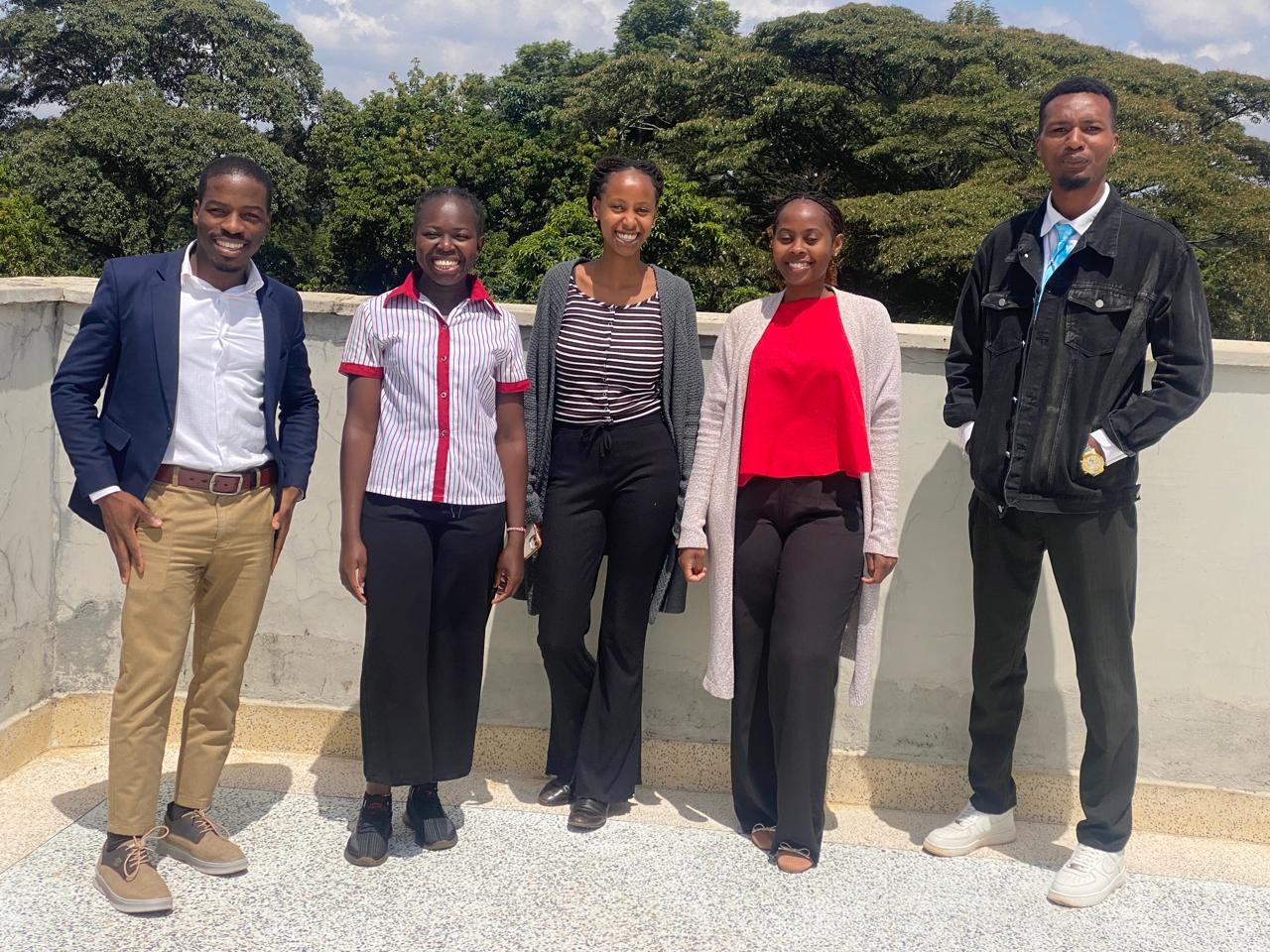
JohnBaptist Galiwango (left) in a meeeting with the FIRABioT Project team; on the left Ms Emma Wijers (Project Consultant); on the right Mr Ian Peter Busuulwa (Project Officer) and Dr Nnomzie Charles Atama (Project Consultant)
The internship also introduced him more closely to the Performance of Veterinary Services (PVS) Pathway. Through internal training on the PVS Information System (PVSIS) with Ms. Jennifer Lasley, John Baptist developed a stronger understanding of how Veterinary Services can identify institutional capacity gaps and support continuous improvement.
Over the course of six months, he strengthened competencies that extended well beyond his original research assignment. Through the AI governance study, he developed practical skills in literature review, qualitative and comparative policy analysis, evidence synthesis and scientific writing. His wider involvement in FIRABioT also expanded his understanding of cyberbiosecurity, Veterinary Services, biological threat reduction, capacity building, project management and scientific communication.
By participating in regional and national trainings, he gained first-hand exposure to the planning and facilitation of capacity-building programmes. From stakeholder engagement and workshop logistics to documentation and technical communication, these experiences gave him a deeper understanding of how knowledge can be translated into practical learning and meaningful engagement. The experience also strengthened his professional skills. He learned to work across cultures, manage competing priorities, communicate with different audiences, adapt to unfamiliar environments, respond to constructive feedback and contribute effectively within multidisciplinary teams.
Living and working in Nairobi gave him an opportunity to improve his Kiswahili and appreciate the importance of multilingual communication when engaging diverse communities and stakeholders.
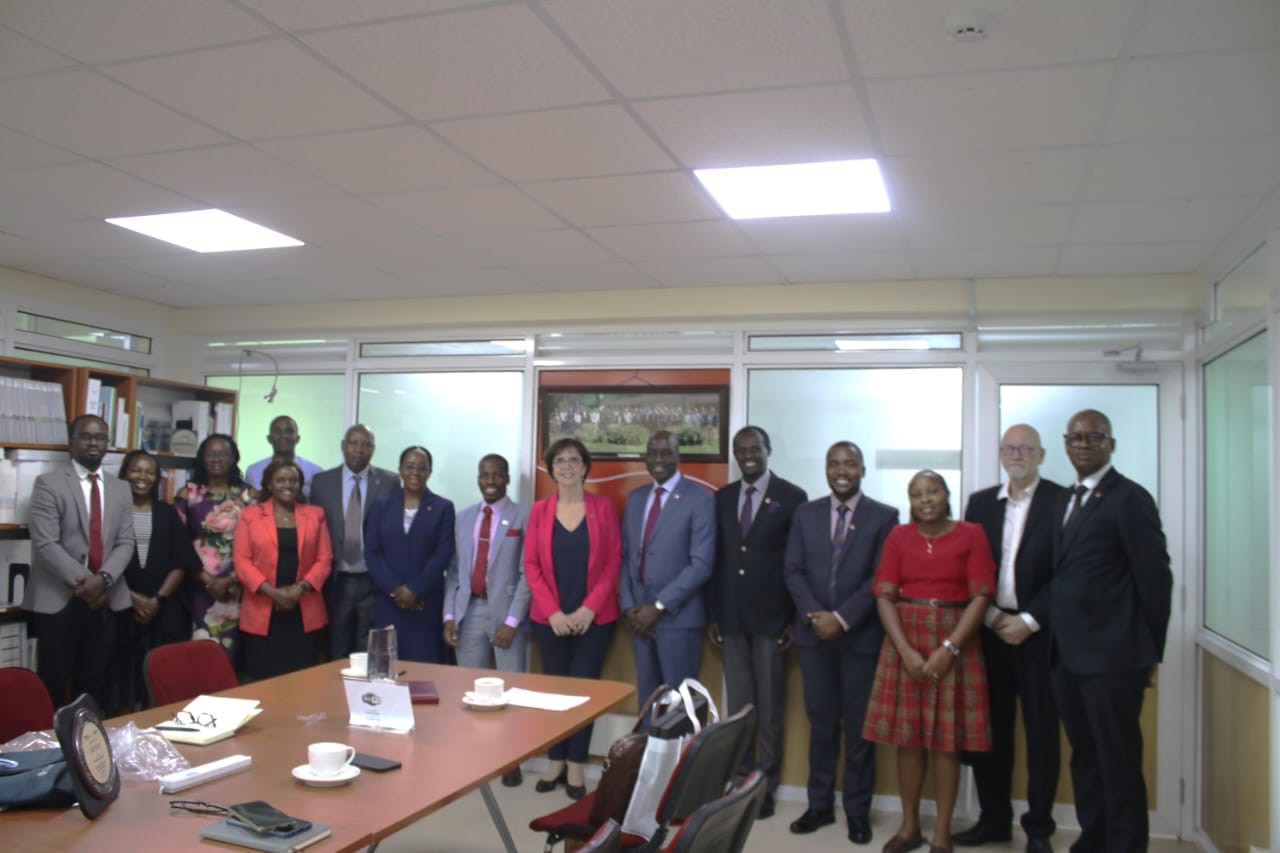
The WOAH Eastern Africa team during the visit of Director General Dr Emmanuelle Soubeyran and Deputy Director General Dr Baba Soumaré to the Nairobi office. Picture (c) L. Iyadi (woah) 2026.
Looking back, the six months represented more than the completion of a research assignment. They marked an important stage in his growth as a researcher, communicator and emerging biorisk management professional, while deepening his understanding of how research, policy, capacity building and communication can work together to strengthen preparedness against biological risks.
A memorable moment during his placement was the opportunity to meet WOAH Director General Dr Emmanuelle Soubeyran and Deputy Director General Dr Baba Soumaré during their visit to the Sub-Regional Representation for Eastern Africa. Listening to discussions between senior leadership and staff about WOAH’s strategic priorities and future direction broadened his understanding of how an international organisation translates its mandate into programmes and action.
Some of his strongest memories from WOAH will not come only from research papers or technical meetings, but from the people he met along the way. The Nairobi office provided a supportive environment where professional excellence existed alongside friendship, teamwork and genuine concern for colleagues.
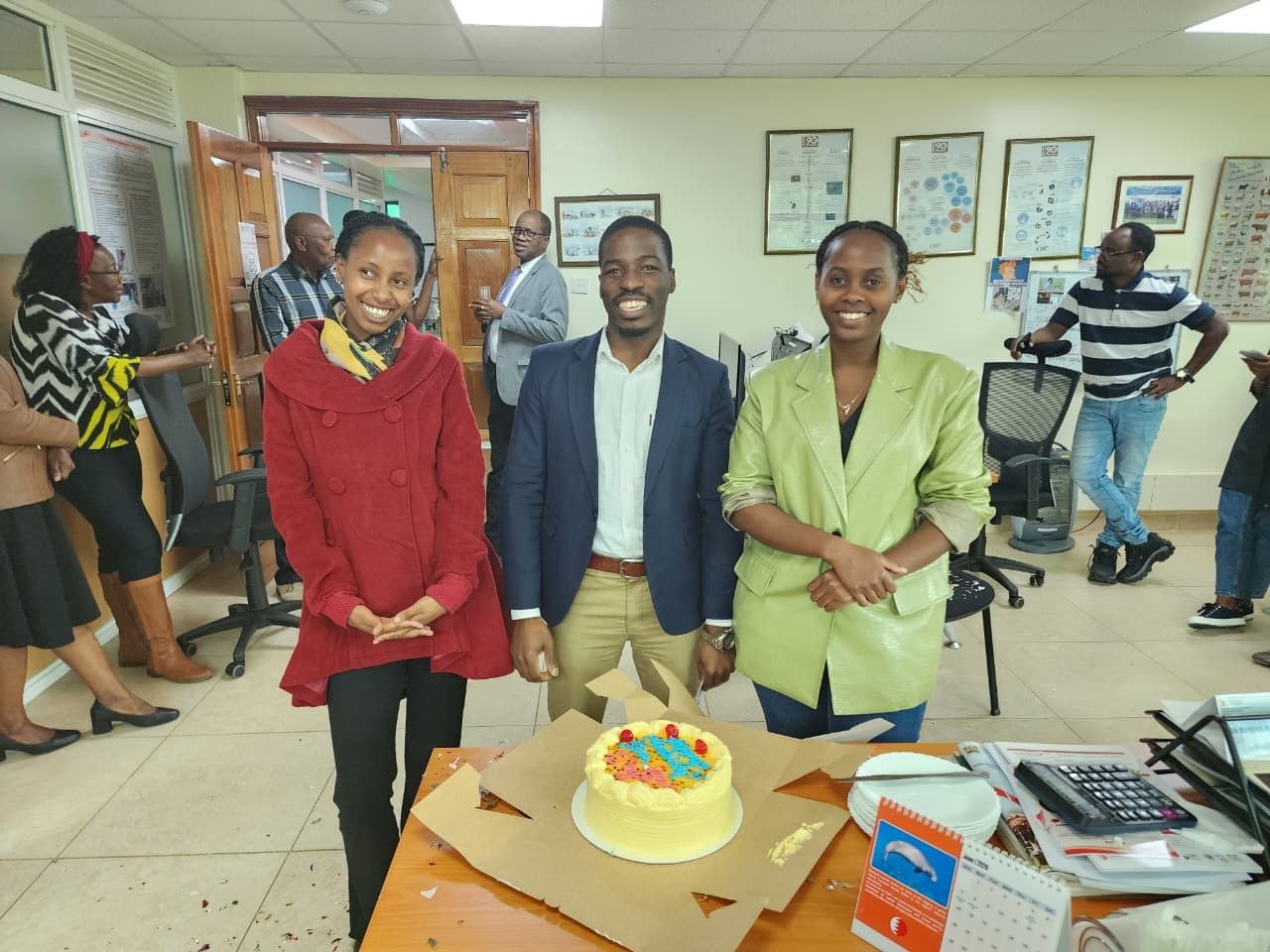
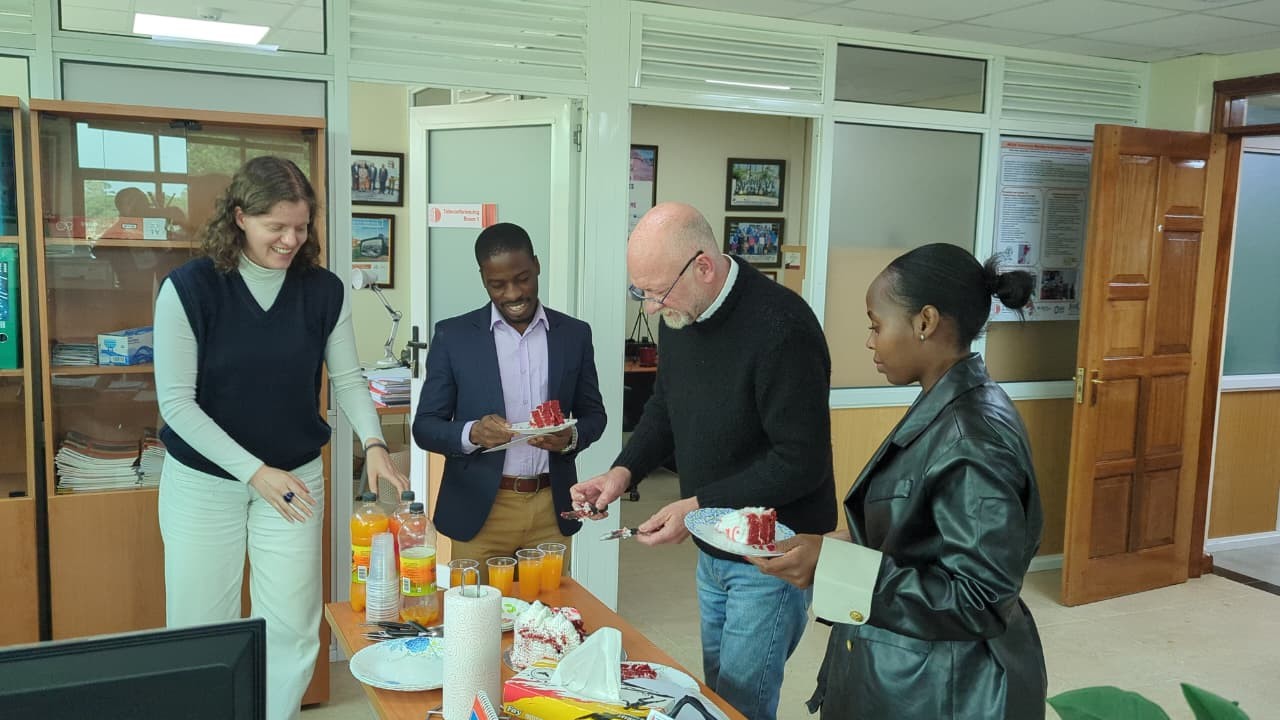
Team Nairobi social activities, celebrations and informal interactions created opportunities to build relationships beyond technical responsibilities. The friendly and supportive working environment, the compassion demonstrated by colleagues, and the birthday and farewell celebrations made him feel genuinely valued and gave the concept of the “WOAH family” a deeply personal meaning. The experience has also reaffirmed his commitment to advancing biosafety and biosecurity through a One Health approach and to using evidence to strengthen preparedness and response to emerging biological threats.More importantly, it has given him a strong foundation for his aspiration to contribute as a researcher, educator, policy adviser and international technical professional, working to strengthen health security in Africa and beyond.
“I am deeply grateful to my WOAH supervisor, Mr Ian Peter Busuulwa, for his mentorship, technical guidance and encouragement throughout the internship; to Dr Neo Mapitse, Sub-Regional Representative for Eastern Africa, for his leadership and support; and to Dr Patrick Bastiaensen for his support during my onboarding and throughout the placement. I also extend my appreciation to colleagues at the WOAH Nairobi offiice, the Emergency Preparedness and Resilience Department at WOAH Headquarters in Paris, FIRABioT partners, Member Countries, collaborating centres and the many experts with whom I had the privilege of working. Finally, I am grateful to my academic supervisor, Prof. Clovice Kankya, and the Department of Biosecurity, Ecosystems and Veterinary Public Health at Makerere University for supporting my academic journey and providing the foundation that made this experience possible”