


Photo Album
FLICKR
Read more
Recognising the importance of simulation exercises as a tool for preparedness, the WOAH supports its Members in strengthening their capacity to plan and conduct simulation exercises (SimEx) through developing guidelines and conducting capacity building activities. This includes supporting the development and implementation of tabletop exercises, such as Exercise Phoenix (2023), conducted under the joint WOAH–FAO–INTERPOL Project called Building Resilience Against Agro-Crime and Agro-Terrorism’ and the recently conducted HPAI SimEx for Kenya.
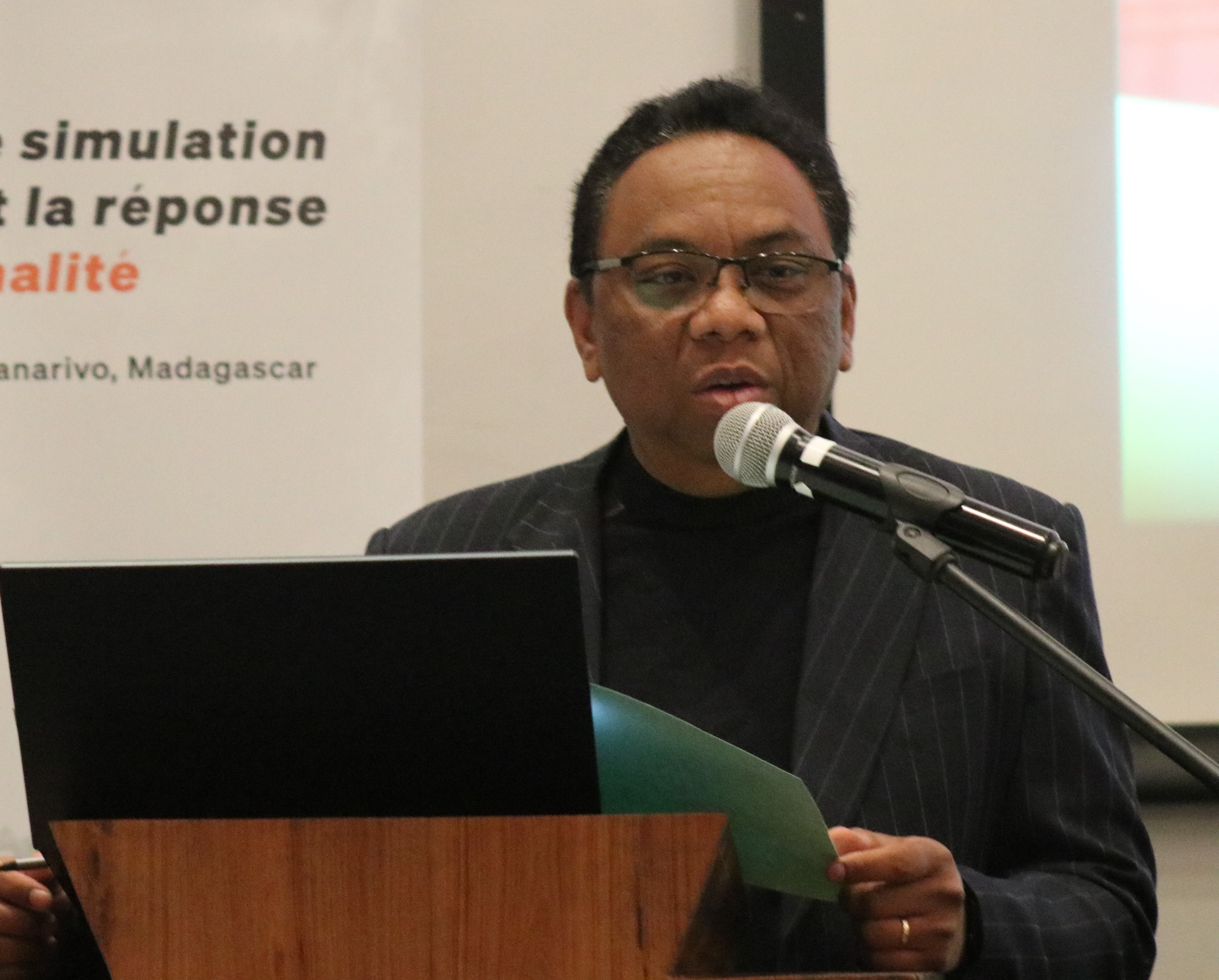
The Minister of Livestock of Madagascar, Dr Randrianomenjanahary Riana Nantenaina, delivering the official opening remarks of the exercise. Picture © E. Wijers (woah) 2026.
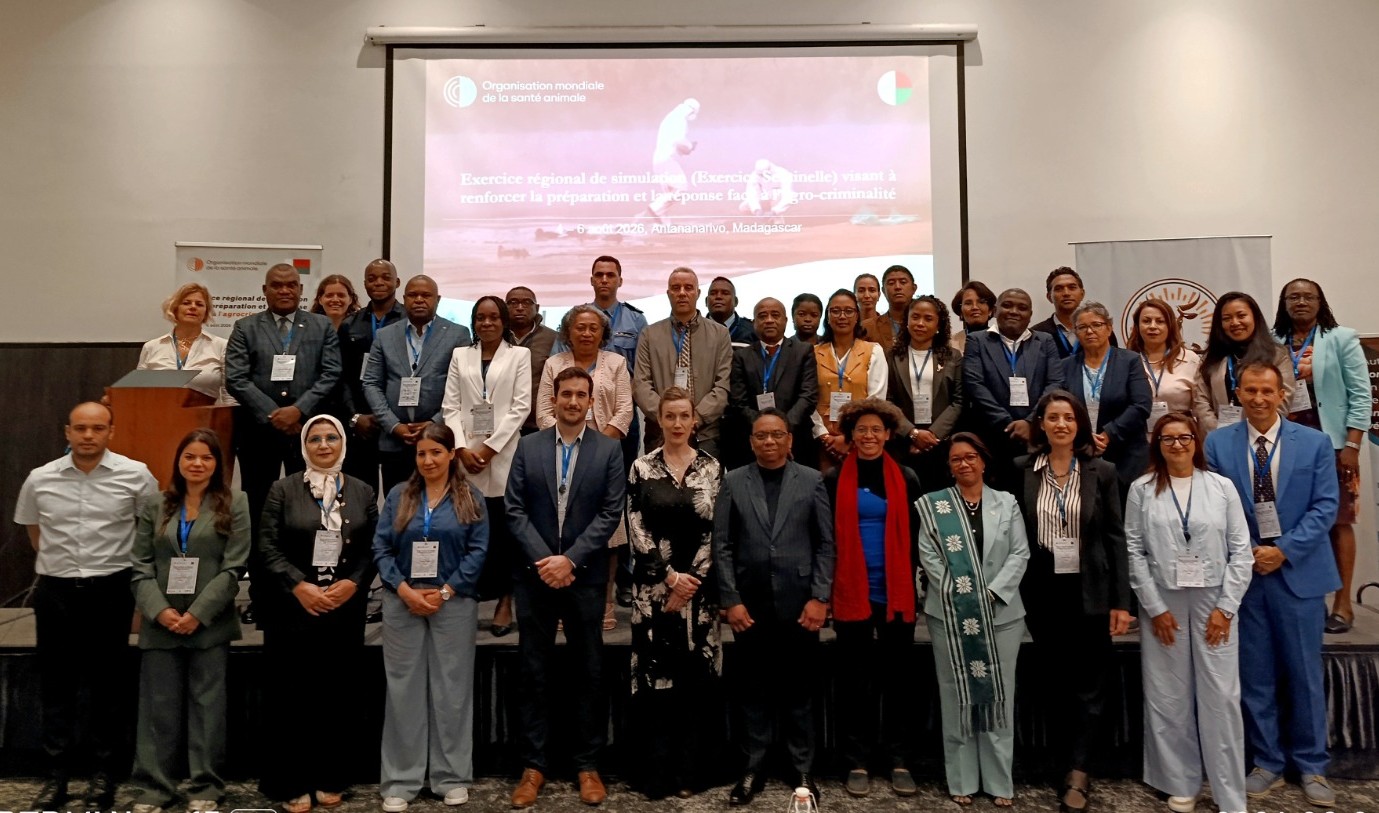
Following a Regional simulation exercise conducted from 21 – 23 July 2026 for English-speaking countries, WOAH and INTERPOL organised a Regional simulation exercise on agro-crime and agro-terrorism preparedness and response in Antananarivo, Madagascar for the French-speaking beneficiary countries of the Fortifying Institutional Resilience Against Biological Threats (FIRABioT) Project. Technical support was provided by the European Commission for the Control of Foot-and-Mouth Disease (EuFMD).
The three-day exercise was officially opened by the Minister of Livestock of Madagascar, Dr Randrianomenjanahary Riana Nantenaina, who highlighted the growing threats posed by agro-crime and agro-terrorism to the livestock sector, and their potential impact on animal and public health, food security, national economies and stability. Opening remarks on behalf of Dr Moetapele Letshwenyo, WOAH Sub-Regional Representative for Southern Africa, were delivered by Dr Géraldine Coronado Pertriaux, WOAH Programme Officer, followed by remarks from Dr Fanny Ewann, CBRNe Specialised Officer, INTERPOL.
Dr Randrianomenjanahary Riana Nantenaina, Minister of Livestock of Madagascar
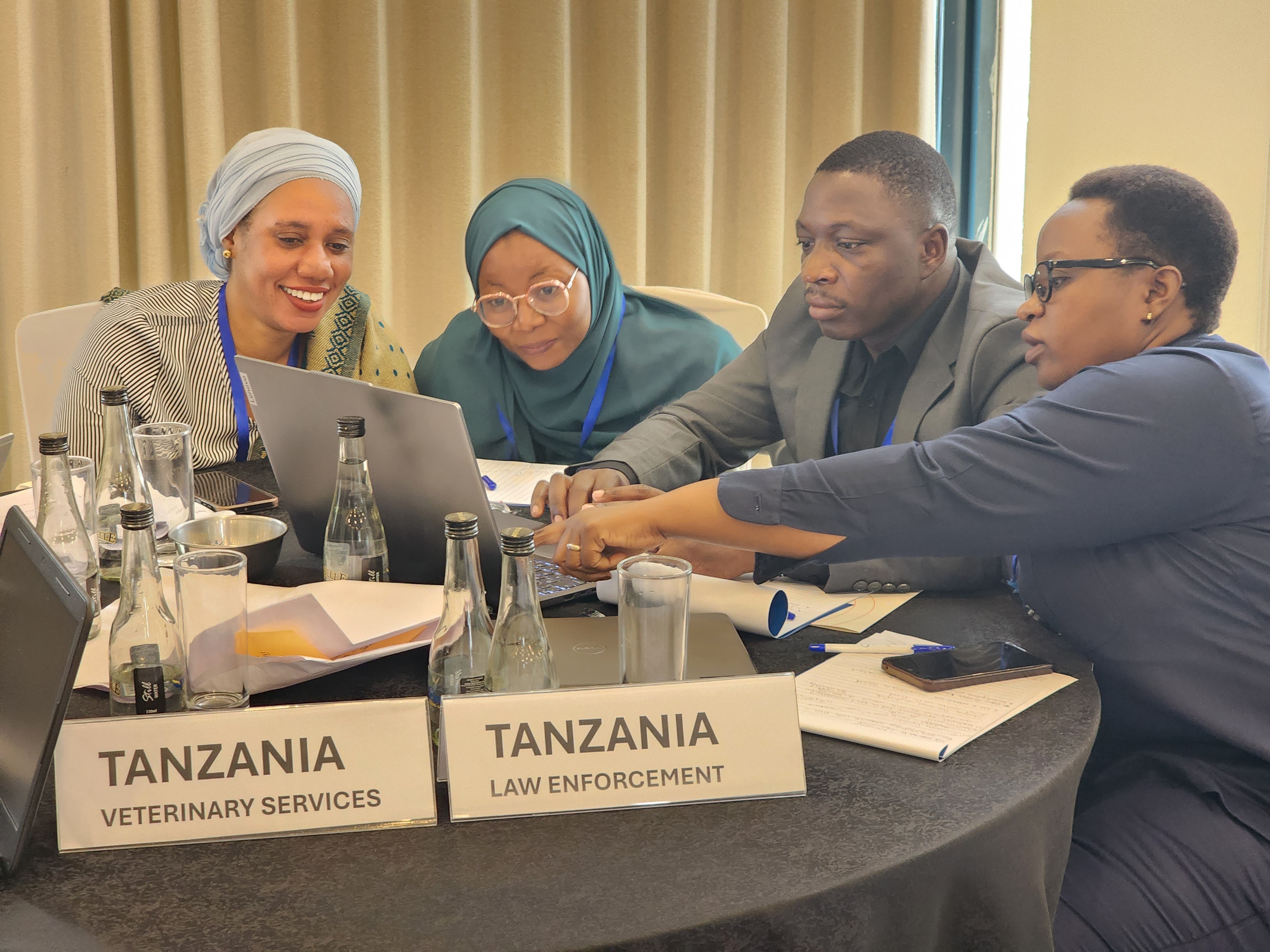
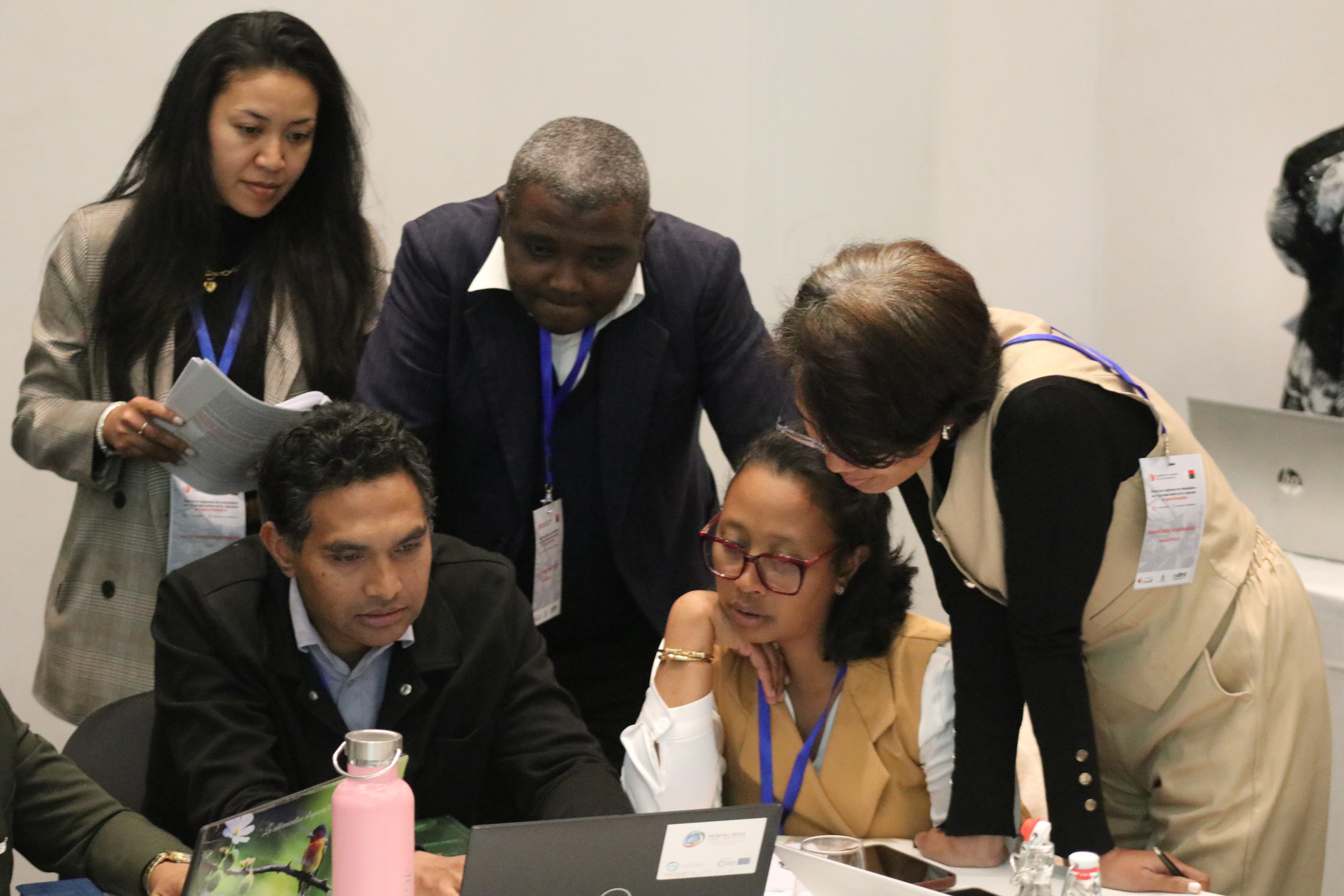
The exercise brought together 25 representatives of Veterinary Services and Law Enforcement from Algeria, Congo (Republic), Madagascar, and Morocco. Over three days, participants worked together at national and regional levels to identify triggers of suspicion, develop an initial coordinated response to a suspected agro-crime incident, and explore mechanisms for coordination, and information-sharing. The exercise progressively strengthened collaboration between the two sectors. On the first day, participants primarily worked within their respective sectors, either Veterinary Services or Law Enforcement. The second day focused on national-level investigation, coordination and communication, while the third day addressed regional and international coordination and information-sharing.
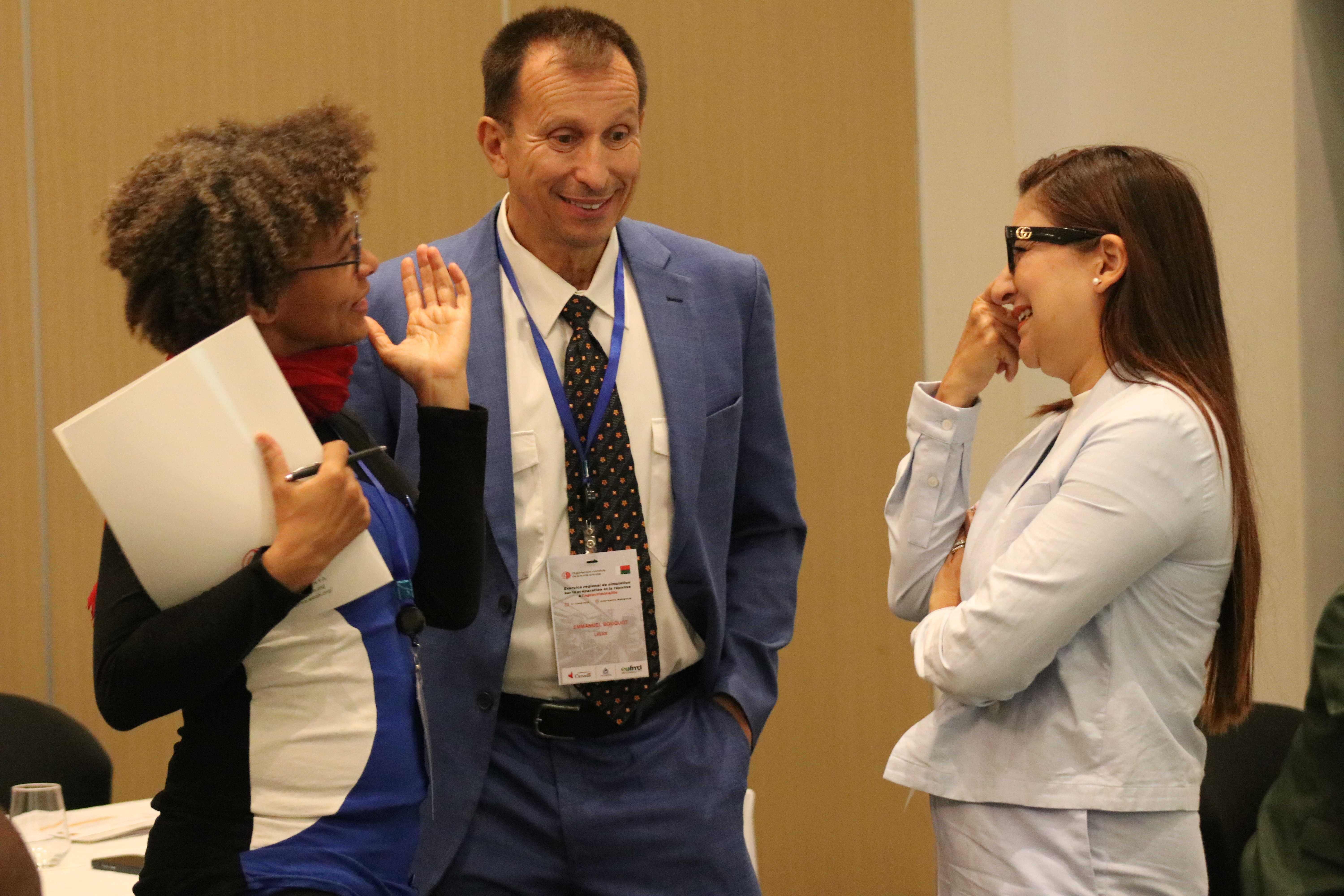
Exercise evaluators and facilitator during the exercise. Fltr: Dr Fanny Ewann, INTERPOL CBRNe Specialised Officer, Emmanuel Bouquet, Evaluator Law Enforcement, and Prof. Monia Daaloul, Evaluator Veterinary Services. © E. Wijers (woah) 2026.
Going forward, participating countries will use the lessons identified during the exercise to further strengthen their National Agro-crime Roadmaps and preparedness and response capacities. This regional simulation exercise was the final regional activity of the FIRABioT Project, funded by Global Affairs Canada’s Weapons Threat Reduction Program, marking an important milestone in the Project’s efforts to strengthen institutional resilience and preparedness against biological threats in Africa.