
Paris, France
WOAH 92nd General Session: its relevance for Africa.
May 30, 2025
Read more
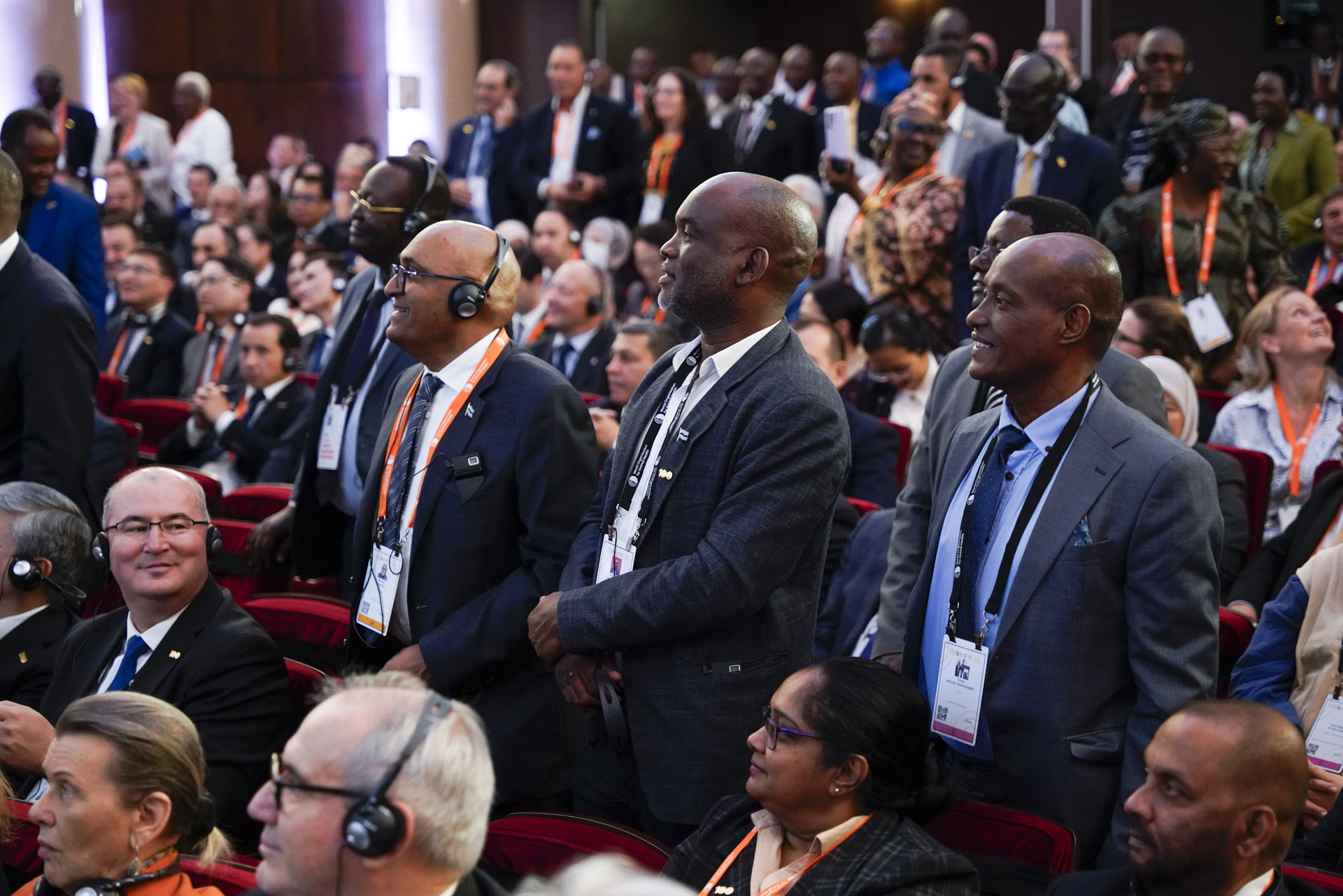
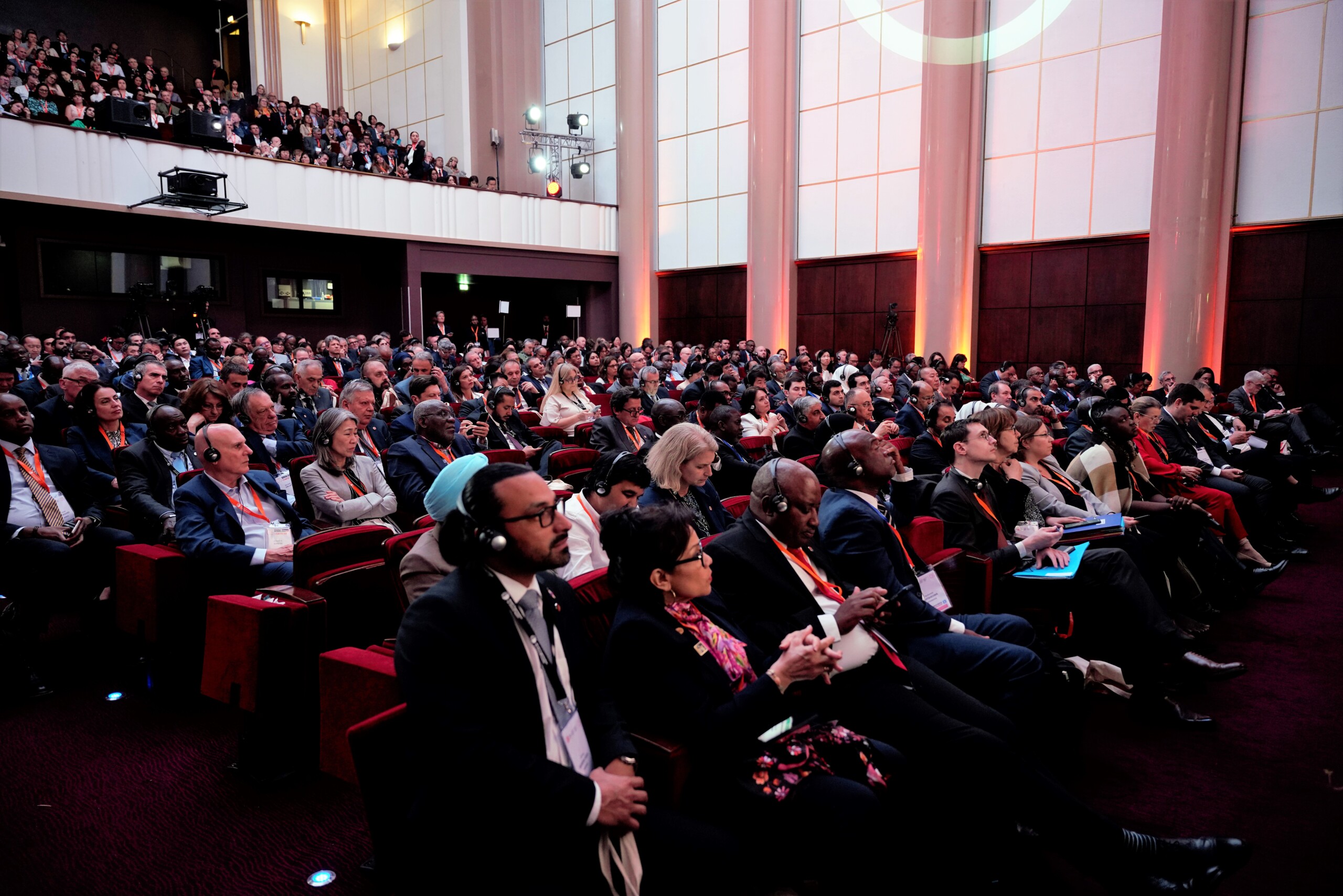
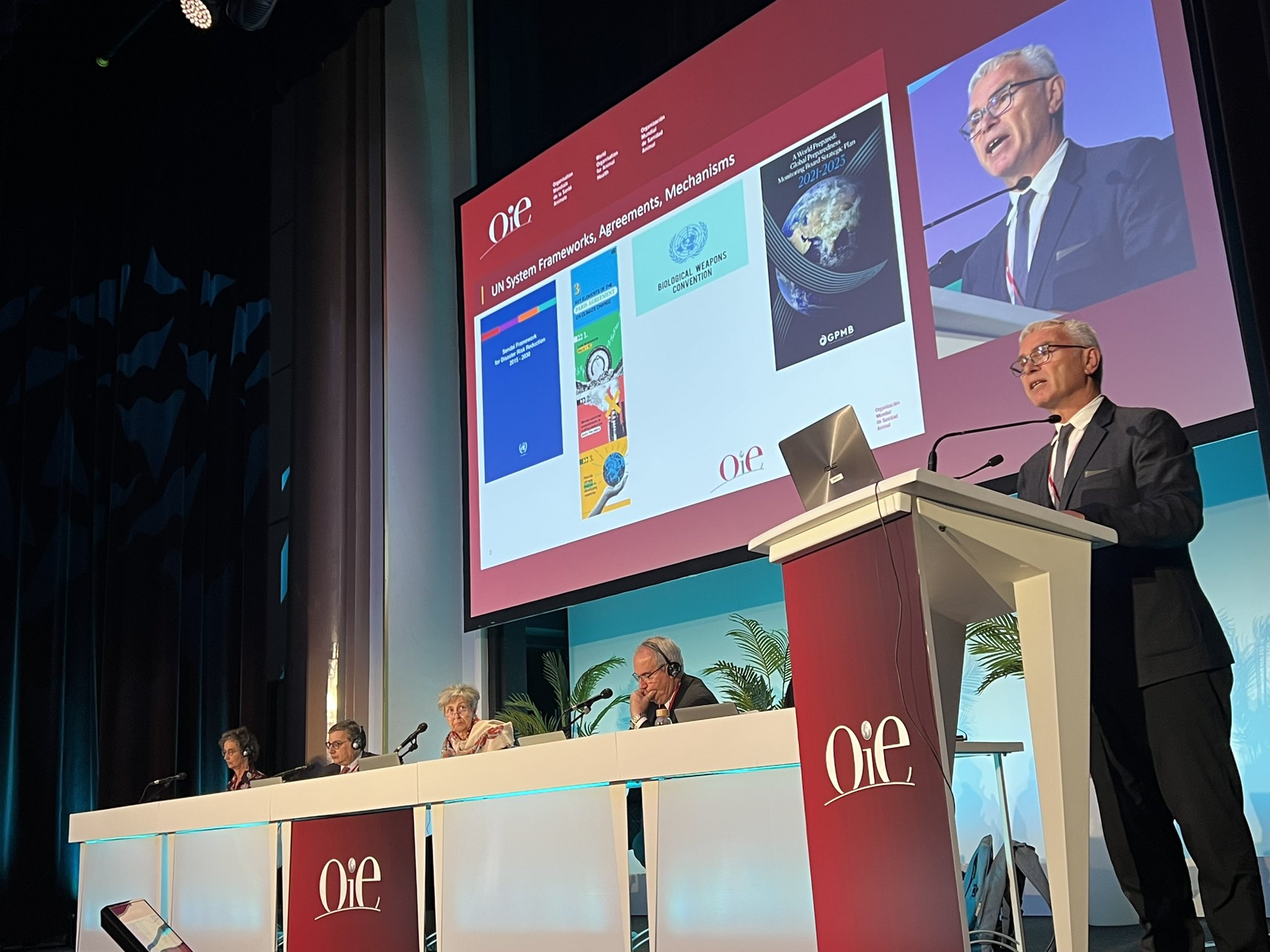
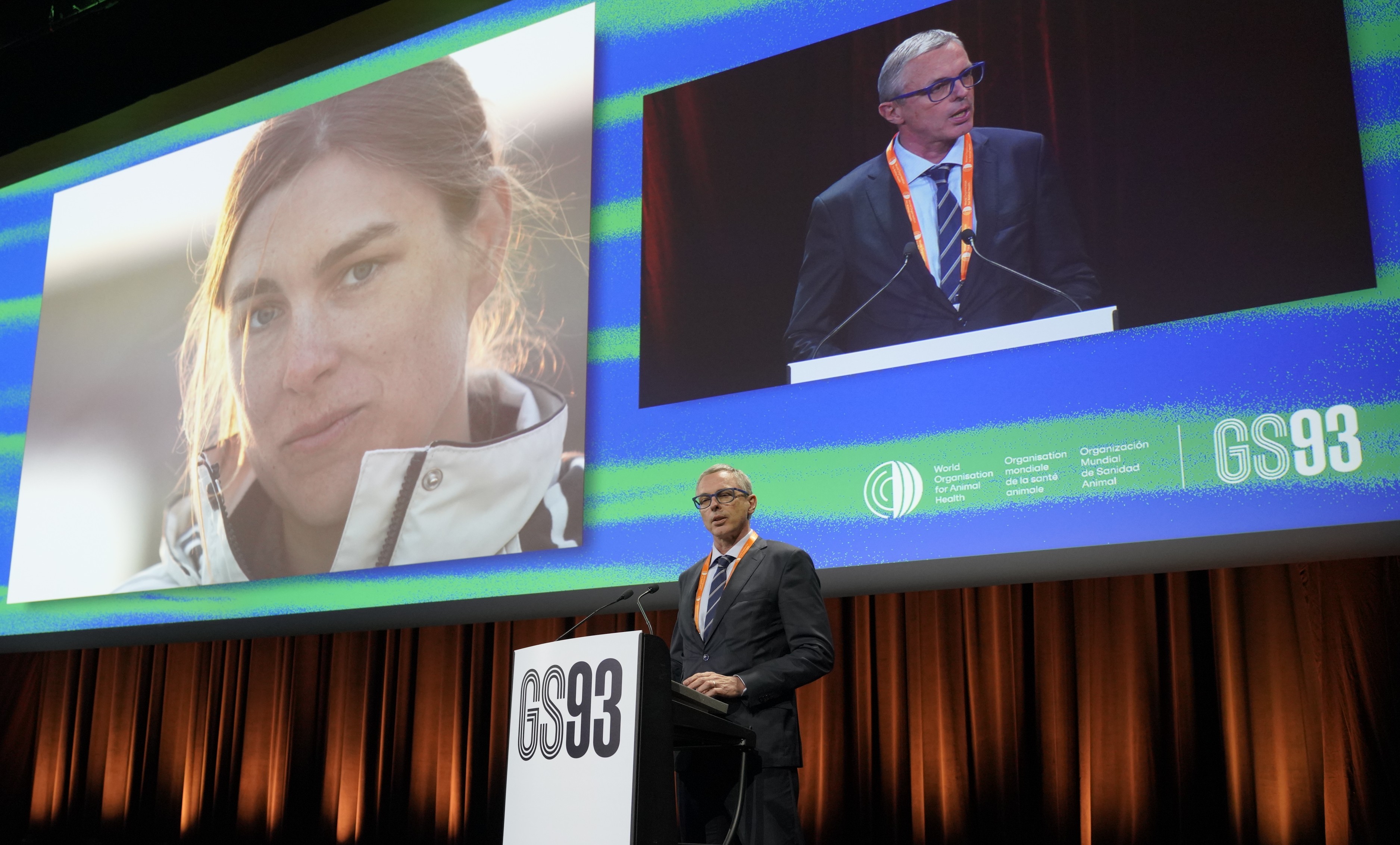
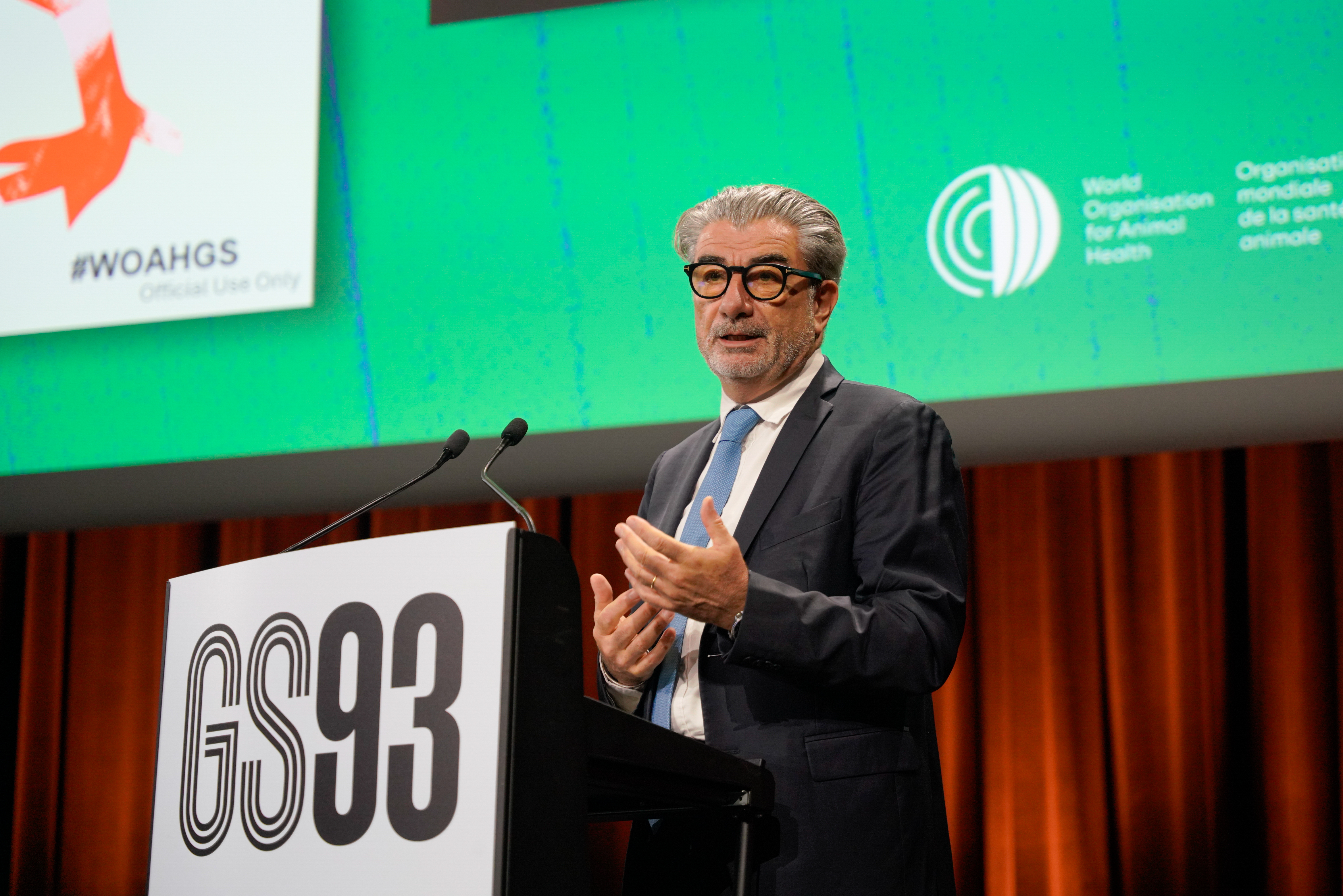
The inaugural session of the 93rd General Session of the World Organisation for Animal Health was held on 18 May 2025 for the first time in the new venue of CNIT Forest in the financial district of La Défense in Paris. The event was marked by a number of high-level speeches, including those by the President of WOAH, Dr Susana Pombo, the Director General, Dr Emmanuelle Soubeyran and representatives of partner institutions and government authorities.
In her speech, Dr. Susana Pombo, Delegate for Portugal and President of the WOAH World Assembly of Delegates, expressed the importance of collective responsibility and reaffirmed WOAH as a Member-driven organisation, highlighting the 8th Strategic Plan as a key roadmap to strengthen global animal health systems and international cooperation.
On her part Dr Emmanuelle Soubeyran, Director General of WOAH, welcomed all the participants and underscored the increasing complexity of global animal health challenges, calling for a shift towards prevention and significantly increased investment in animal health systems as a critical pillar of global health security.
Finally, the representatives of government authorities and partner institutions unanimously welcomed the central role of WOAH in securing trade in animals and animal products. They called for closer collaboration between institutions and between Members to guarantee the effectiveness of actions to combat animal diseases.
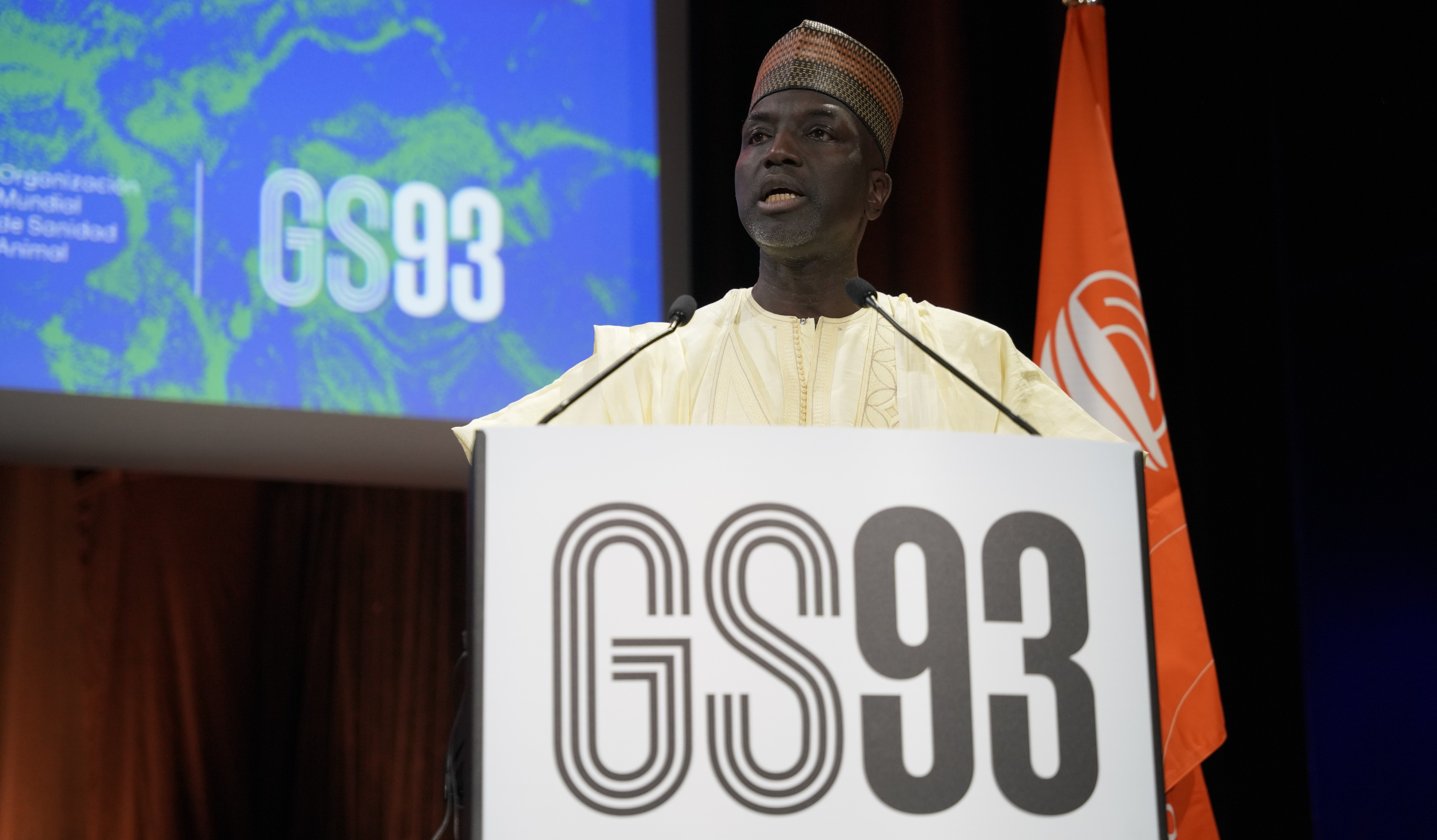
Ministers in charge of livestock from several Members were invited to this session and took the floor.
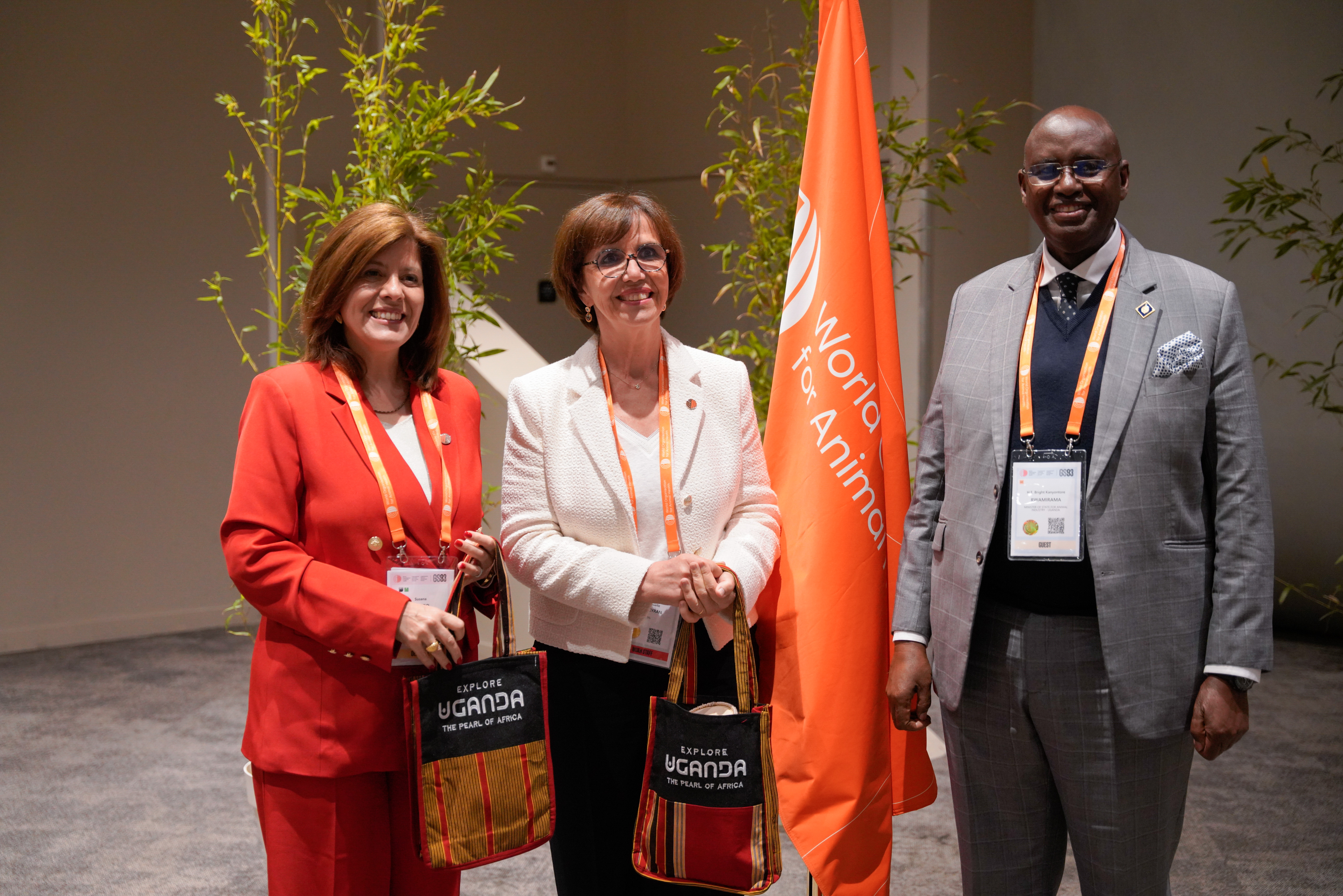
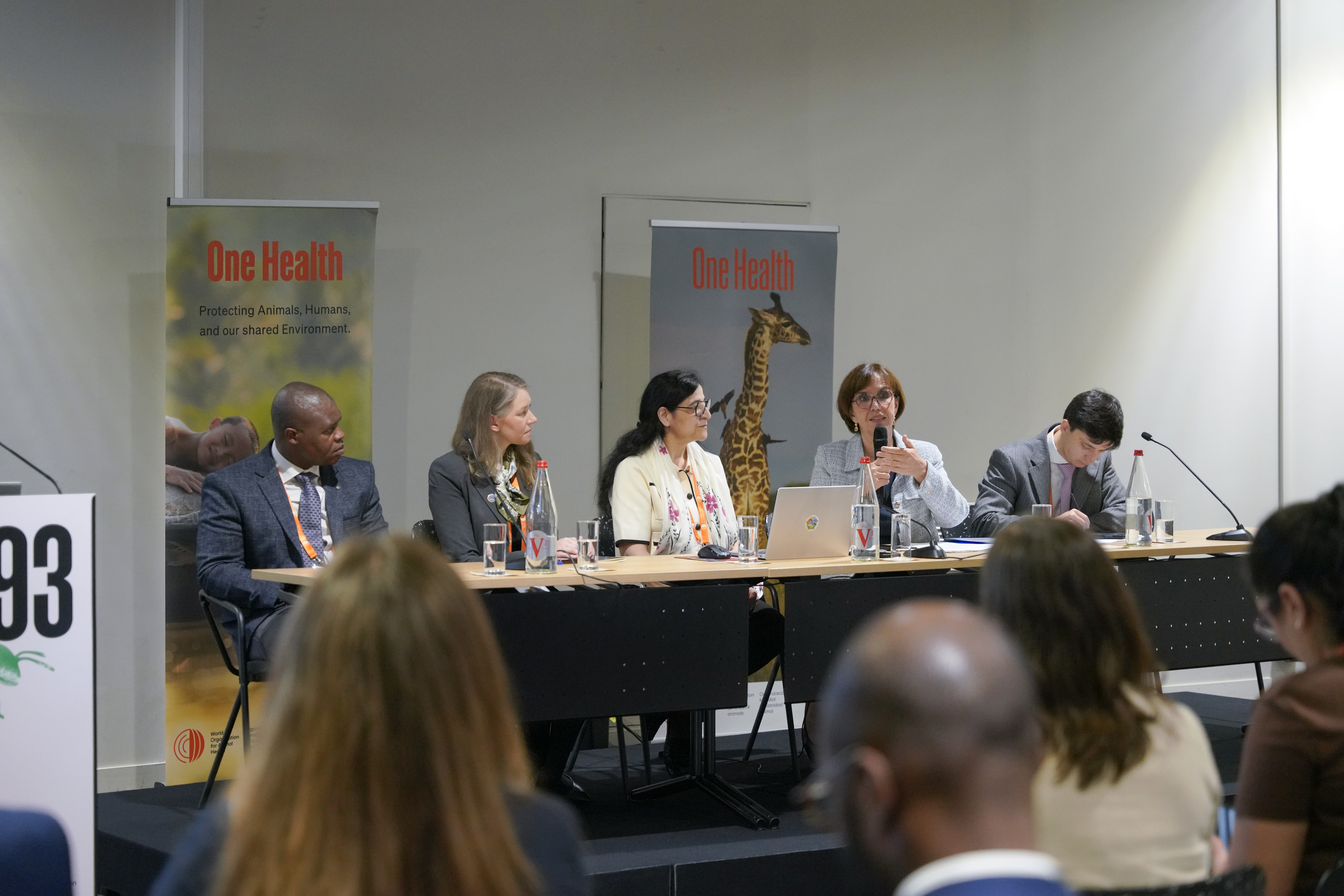
Hon. Lt. Col (Rtd) Bright Rwamirama, Minister of State for Animal Industry of the Ministry of Agriculture, Animal Industry and Fisheries (MAAIF) of Uganda (with Drs Pombo, left and Soubeyran, middle). Picture © Maurine Tric (woah) 2026.
These included the Kingdom of Eswatini, H.E. Mandla Tshawuka (him), the Republic of Guinea, H.E. Félix Lamah (him) and the Federal Republic of Nigeria, H.E. Idi Mukthar Maiha (him), all of whom collectively emphasised the importance of regional cooperation and coordinated responses to transboundary animal diseases, highlighted the strategic role of animal health in rural development, and called for increased investment alongside equitable access to vaccines, technologies, and essential resources. Finally, the representative of the Food and Agriculture Organization of the United Nations (FAO), Dr Thanawat Tiensin, Assistant Director General for Animal Production and Health and CVO of FAO, thanked WOAH and its Members for their continued leadership and reaffirmed the importance of strengthened collaboration within the One Health framework to ensure safer and more sustainable food systems.
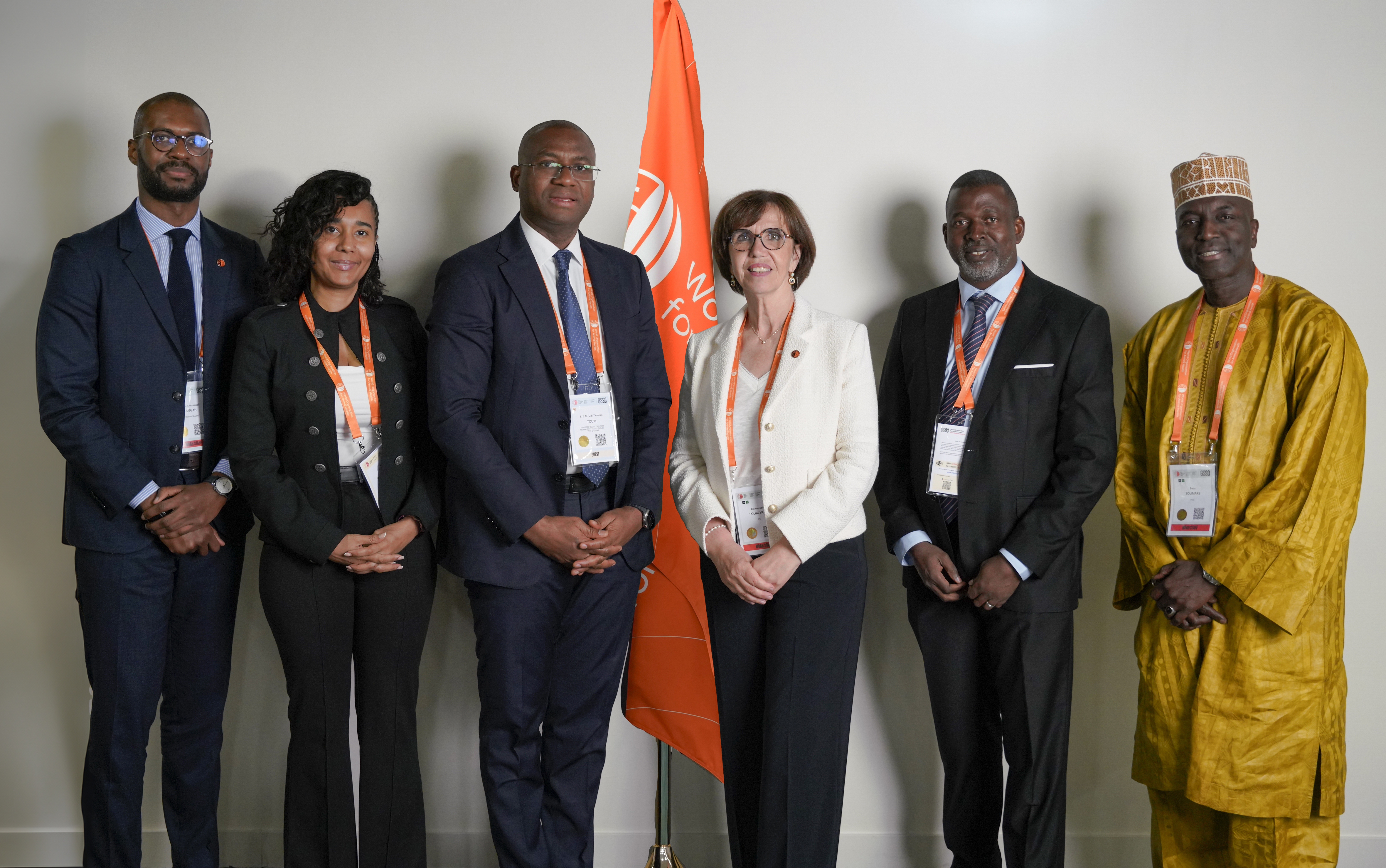
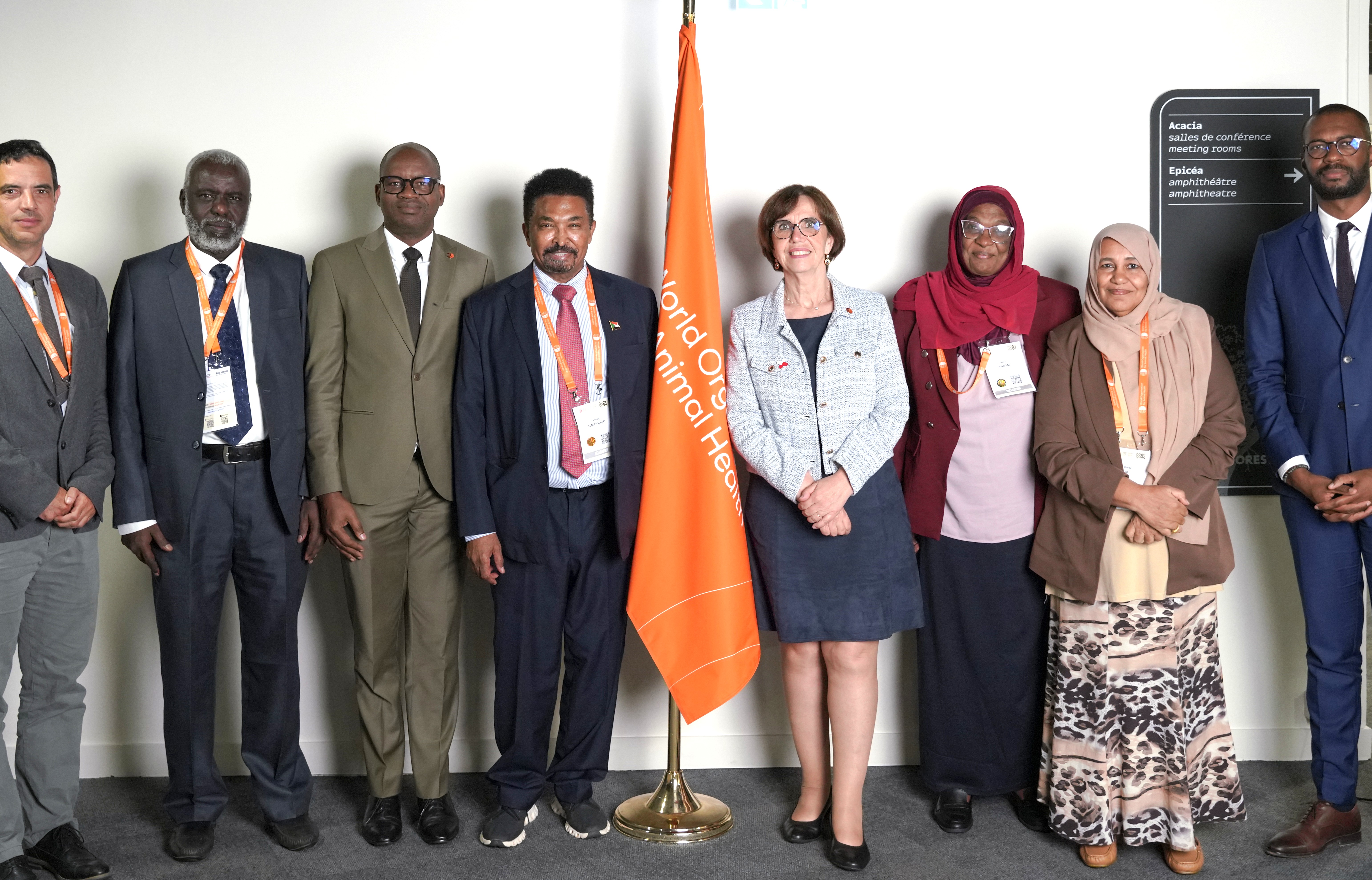
Six more African Ministers in charge of livestock, animal husbandry and/or animal health in attendance were from : Botswana, Cote d’Ivoire, Madagascar, Sudan, Uganda, and Zambia. They were personally welcomed by the Director General and subsequently took part in several panel discussions in the framework of the Animal Health Forum (see next section)
The General Session was attended by the following 34 (out of 54) African Members (countries and territories, either represented by the Delegate or the designated Alternate Delegate, AD) :
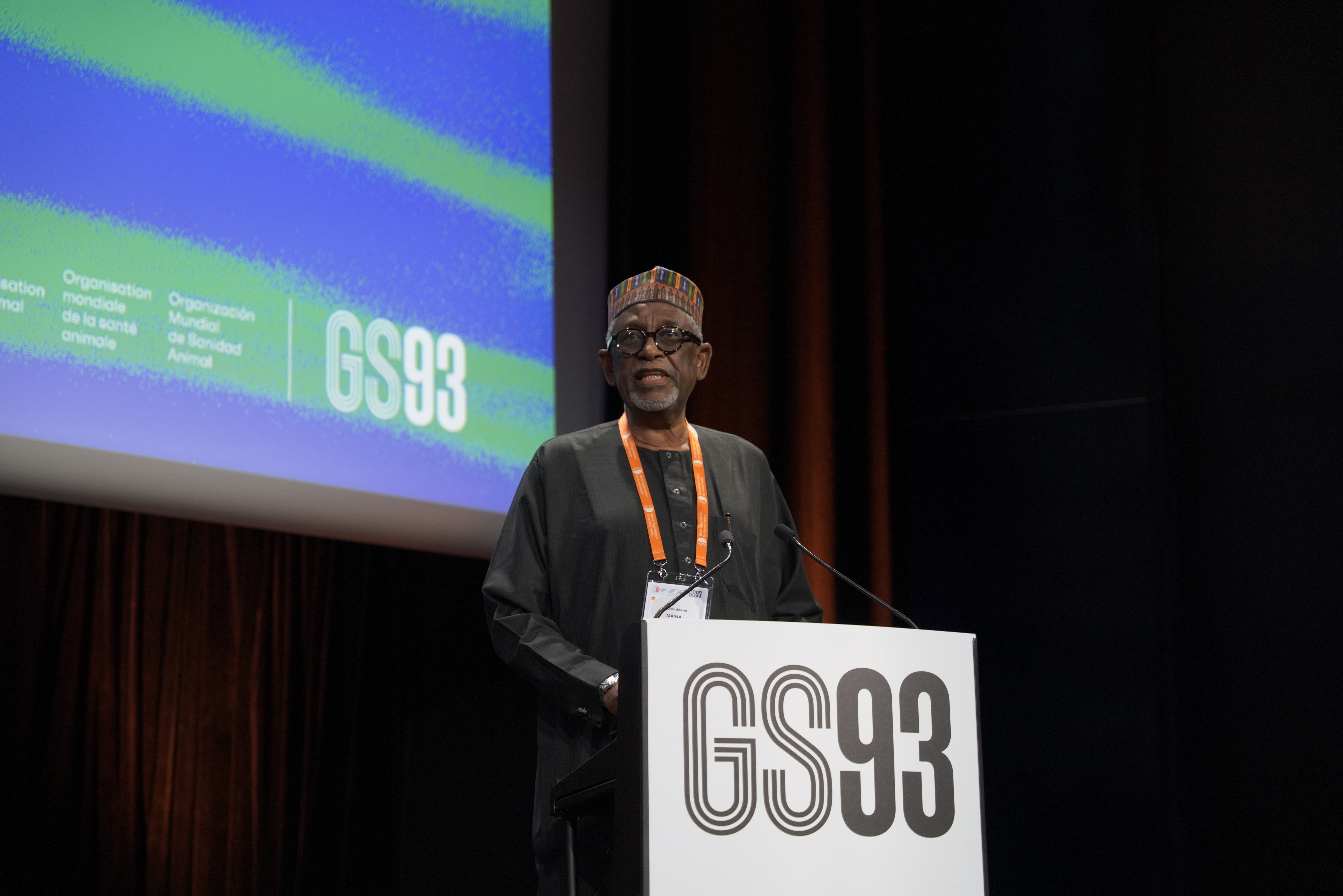
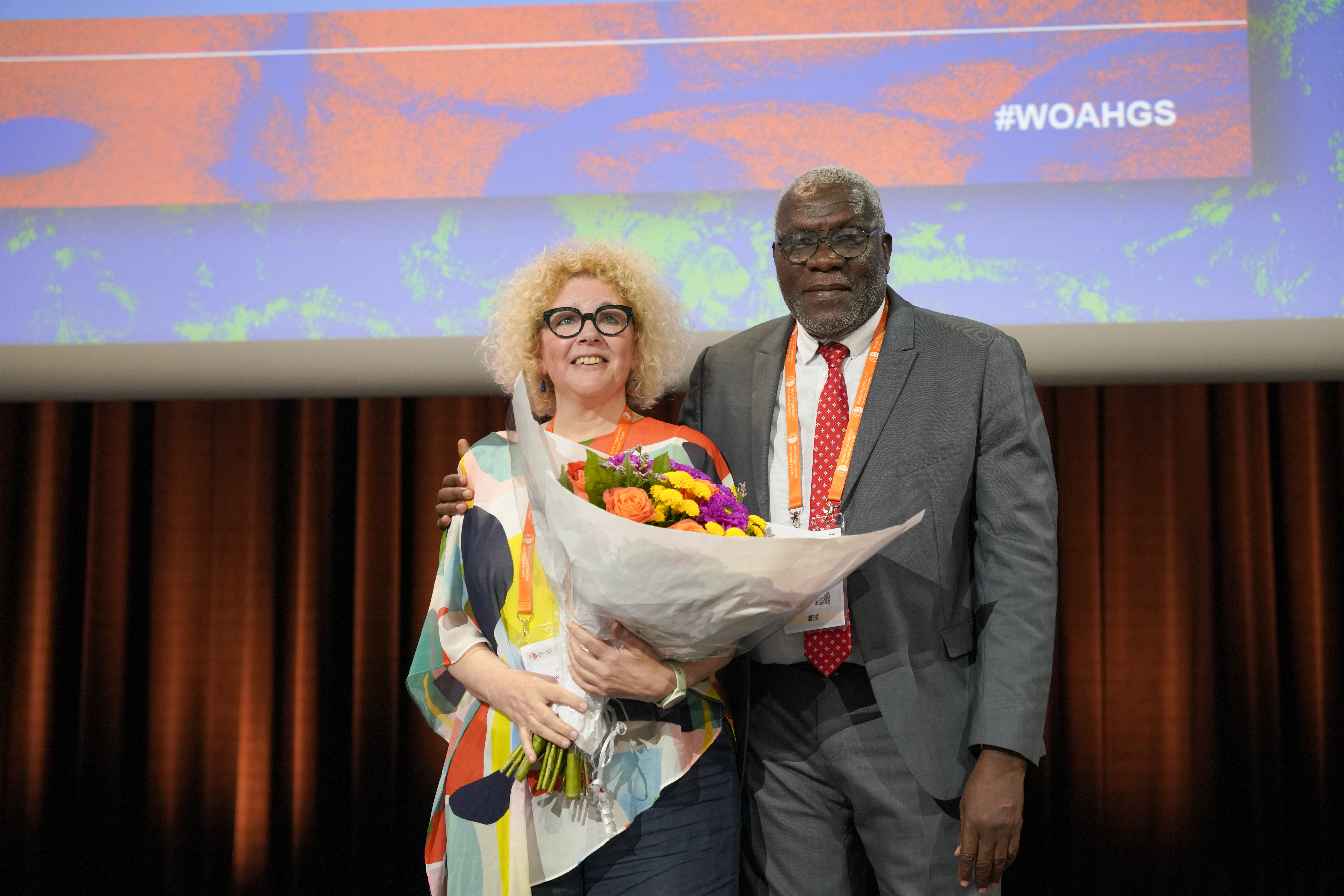
Recipient of the 2026 WOAH Meritorious Award, Dr Junaidu Maina, former WOAH Delegate of Nigeria and former Prosident of the Rinderpest Global Advisory Committee (GAC). Picture © M. Tric (woah) 2026.
The first day was concluded by awarding the Gold Medal and two Meritorious Awards to exceptional veterinary professionals. This year, two Nigerians grabbed the coveted awards : Dr Junaidu Maina, former WOAH Delegate of Nigeria and former President of the Rinderpest Joint Advisory Committee (JAC), recognised for his decisive role in the control of what is now called high pathogenicity avian influenza in Nigeria in 2006.
His countryman Dr Nick Nwankpa, former Director of the African Union’s Pan-African Veterinary Vaccines Centre (PANVAC, Bishoftu, Ethiopia) and former acting Director of the African Union’s Interafrican Bureau for Animal Resources (IBAR, Nairobi, Kenya) was honoured for his accomplishments in vaccine quality, research, and institutional strengthening at the National Veterinary Research Institute (NVRI, Jos, Nigeria) and AU-PANVAC.
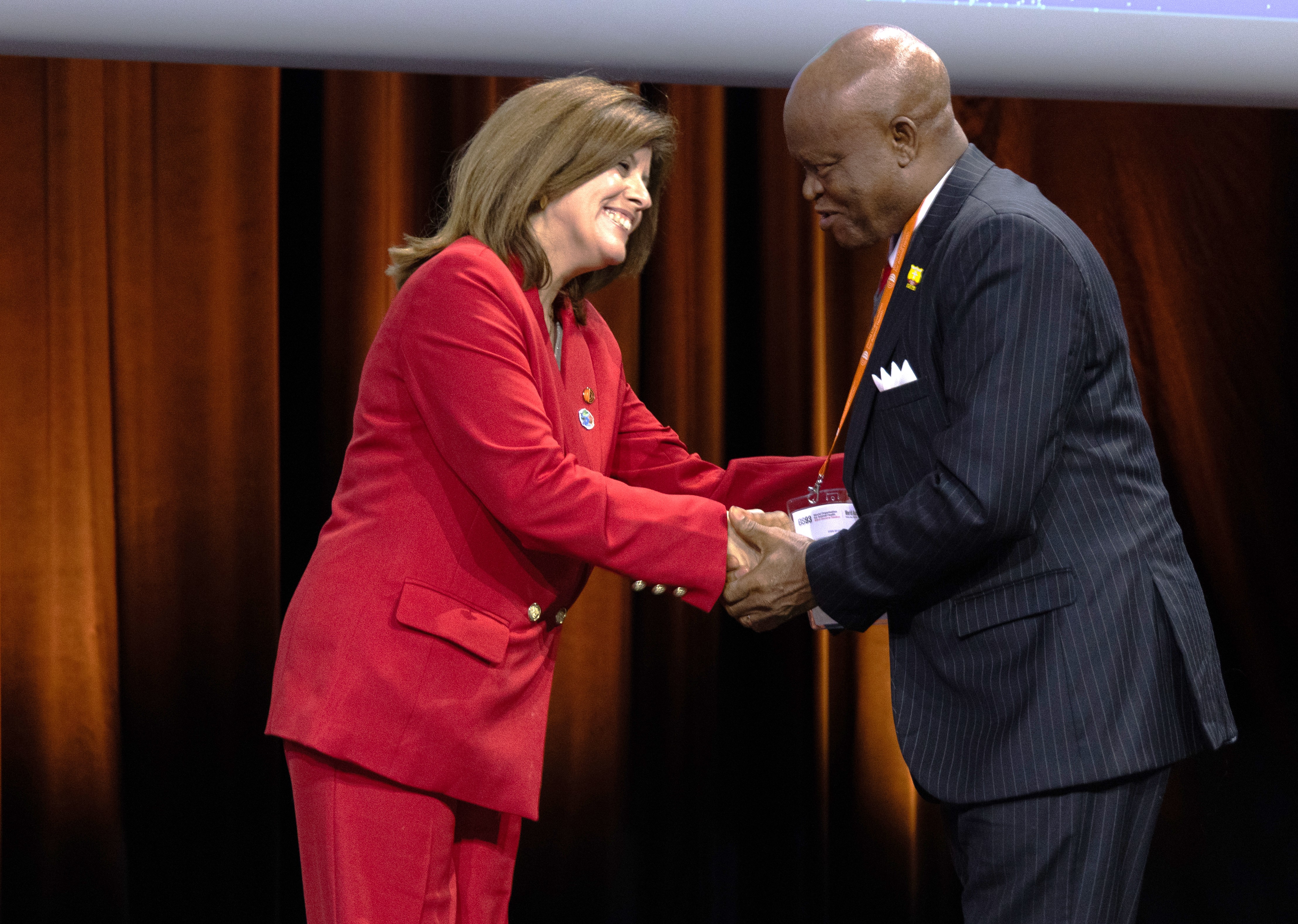
Recipient of the 2026 WOAH Meritorious Award, Dr Nick Nwankpa, former Director of the African Union’s Pan-African Veterinary Vaccines Centre (Ethiopia) and former acting Director of the African Union’s Interafrican Bureau for Animal Resources (Kenya). Picture © M. Tric (woah) 2026.
These honors reflect the scientific maturity, capacity for innovation, and increasing influence of African professionals in the fields of animal health, sanitary security, and crisis preparedness, while simultaneously reaffirming the continent’s strategic importance in the prevention of transboundary diseases and the advancement of the One Health approach.
The Gold Medal was awarded to Prof. Ian Brown, former Director of the WOAH Reference Laboratories at the United Kingdom’s APHA Weybridge laboratory for avian influenza, Newcastle disease and swine influenza.
Lastly, Dr Pierre Primot of the French Veterinary Services (DGAL) and former colleague at WOAH, paid a moving tribute to Dr Caroline Planté (her/she) who passed away earlier this year (WOAH : Passing of Dr. Caroline Planté (28.01) – WOAH – Africa) and was active on the African continent in various capacities over the last two decades.
Former colleague Dr Pierre Primot (DGAL, France) pays tribute to our colleague Dr Caroline Planté who passed away on the 28 January 2026. Picture © M. Tic (woah) 2026.
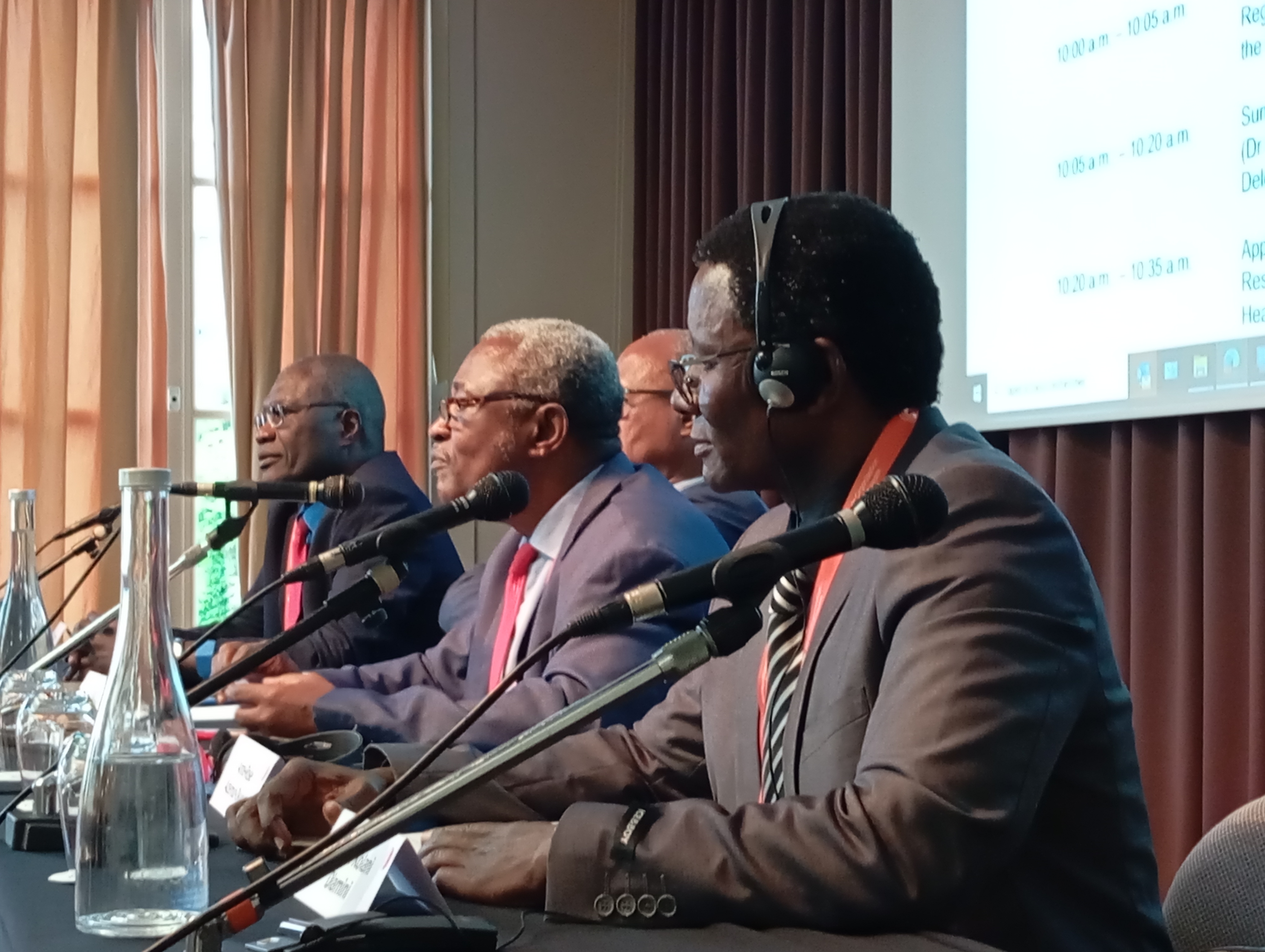
As part of the 93rd General Session, WOAH hosted an Animal Health Forum focused on Investing in Animal Health and Welfare to Secure Everyone’s Future.
Organised in three consecutive sessions, over two days, the objective of the Animal Health Forum was to bring together a whole-of-society coalition of actors shaping the future of animal health and welfare, including government leaders such as Ministers of Finance, Agriculture, and Health; financial institutions and investors, from the World Bank Group to private investment funds and venture capital; industry pioneers across agri-food, pharmaceuticals, and AgTech; and civil society and community representatives, including farmers, livestock associations, and local cooperatives.
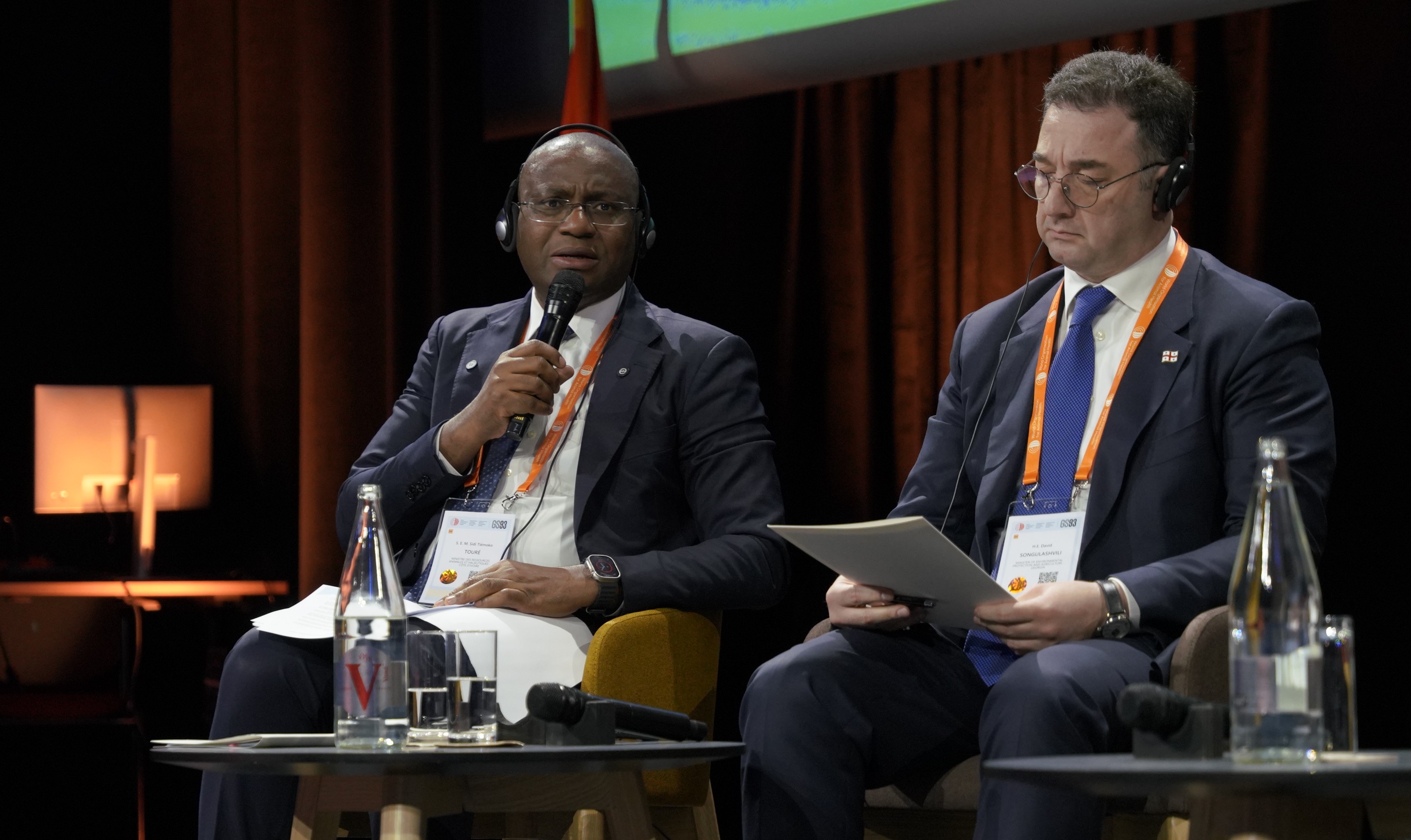
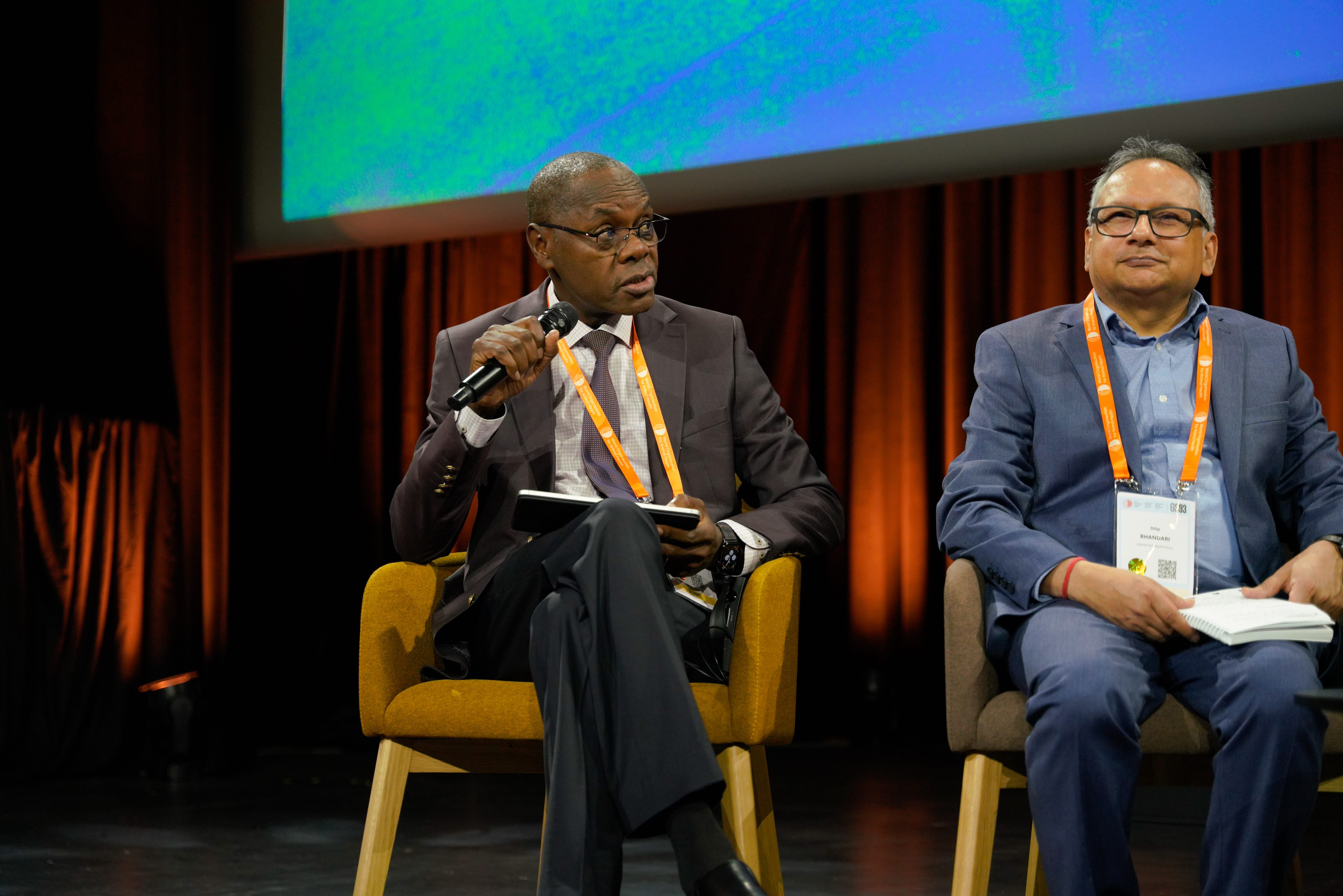
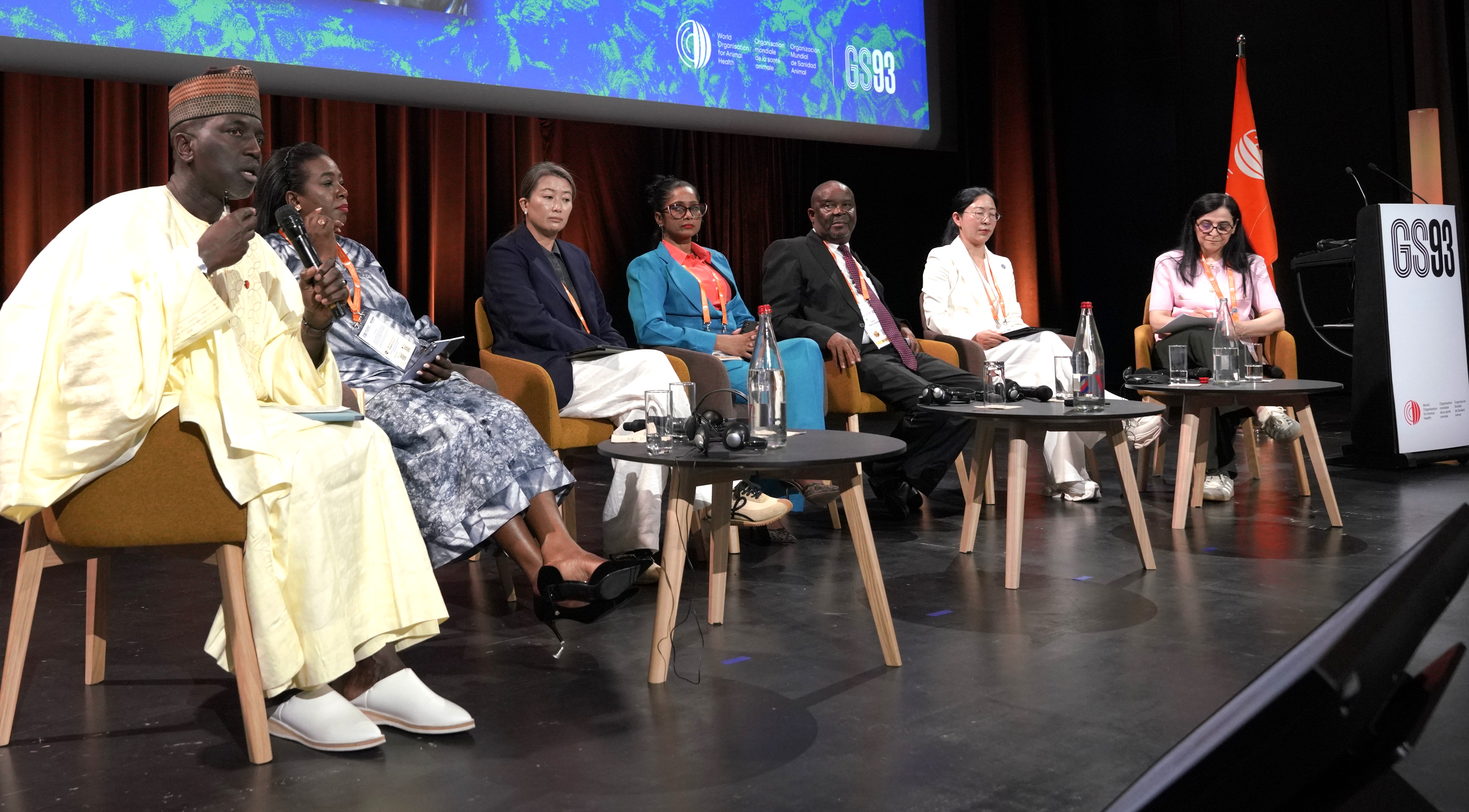
The panel discussion was attended by H.E. Sidi Tiémoko Touré (him), Minister of Animal and Fisheries Resources of the Republic of Cote d’Ivoire and Hon. Lt. Col (Rtd) Bright Rwamirama, Minister of State for Animal Industry of the Ministry of Agriculture, Animal Industry and Fisheries (MAAIF) of Uganda (him). Highlights of this panel discussion were that e.g. Cote d’Ivoire incurs an estimated loss of about USD 45 million due to zoonotic diseases such as rabies, significantly impacting its economy. Uganda’s Minister Bright Rwamirama emphasised the strengthened East African Community (EAC) collaboration, including preventive investments such as the annual FMD vaccination, following major livestock losses in recent years. Ms Anne Mottet of the International Fund for Agricultural Development (IFAD) reiterated that her organisation supports sustainable animal health systems through long-term financing, often in partnership with development banks, to enhance countries’ Veterinary Services, disease control, and resilient livestock value chains.
This session examined sustainable financing approaches for Veterinary Services and explored how Governments, Veterinary Authorities, development partners and the private sector can work together to mobilise greater investment in animal health. The discussion highlighted that animal health is a public good and a strategic investment that contributes directly to agricultural productivity, economic growth, food security, trade, livelihoods and resilience.
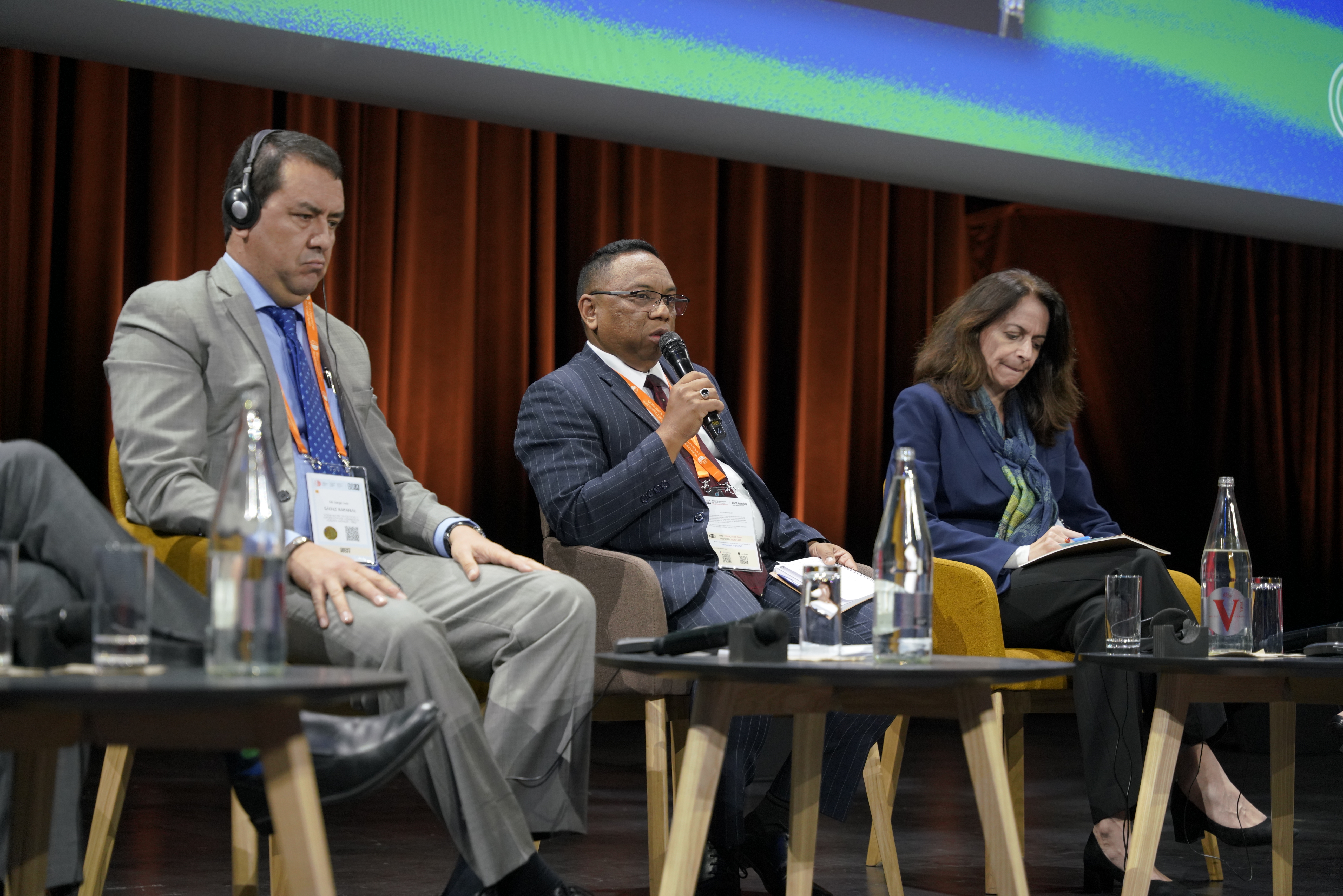
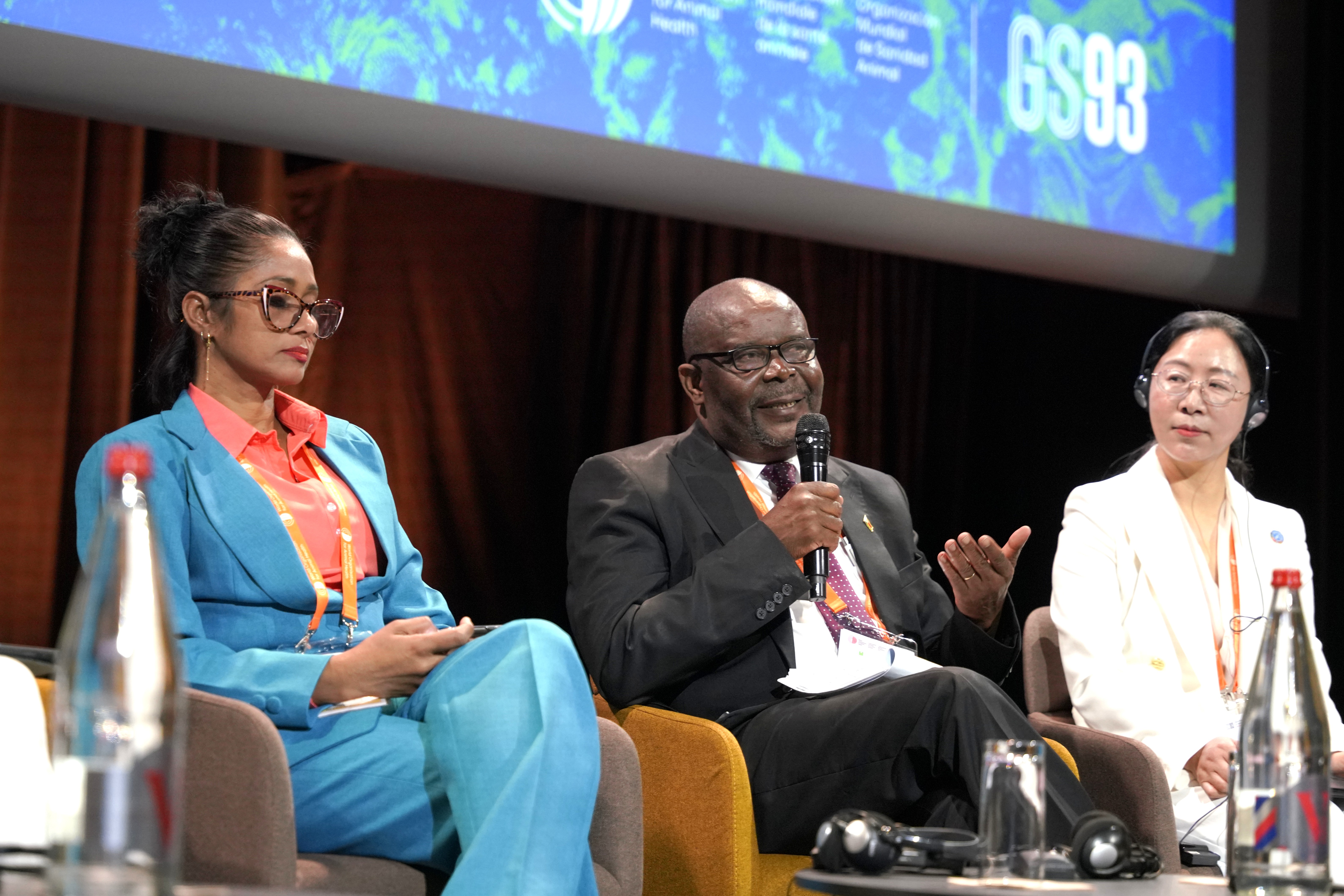
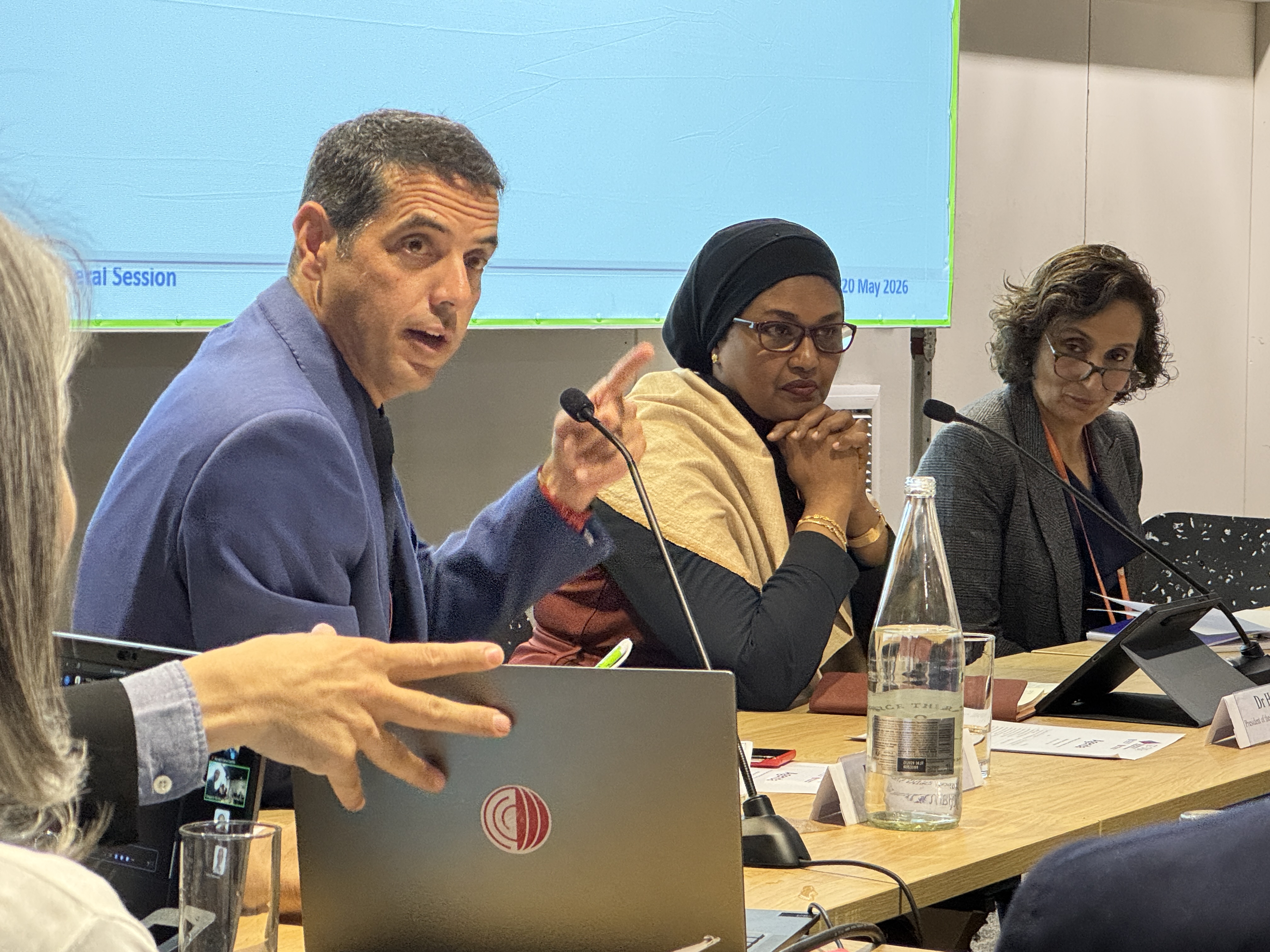
The panel discussion was attended by line-Ministers from Botswana and Madagascar, the former of whom, Minister of Lands and Agriculture Dr Edwin Dikoloti, pointed out that his country currently faces major animal health challenges due to FMD outbreaks in a non-vaccination area, resulting in severe market disruptions, economic vulnerability, restrictions on livestock movement, loss of livelihoods for over 100,000 people, and significant setbacks in breeding programmes and in accessing export markets. On his end, the Minister of Agriculture and Animal Husbandry of Madagascar, Mr. Rakotoarisolo Suzelin Ratohiarijaona highlighted the need for more well-trained veterinarians, strengthened epidemiological capacity, and regional support, including collaboration with Mauritius (Member country) and Mayotte (Member territory), as well as twinning programmes to develop expertise in areas such as livestock reproduction and breeding across the region.
Panelists emphasised that the principal challenge is often not the absence of financial resources, but rather the need for stronger governance, clearer investment priorities and financing mechanisms capable of attracting both public and private capital.
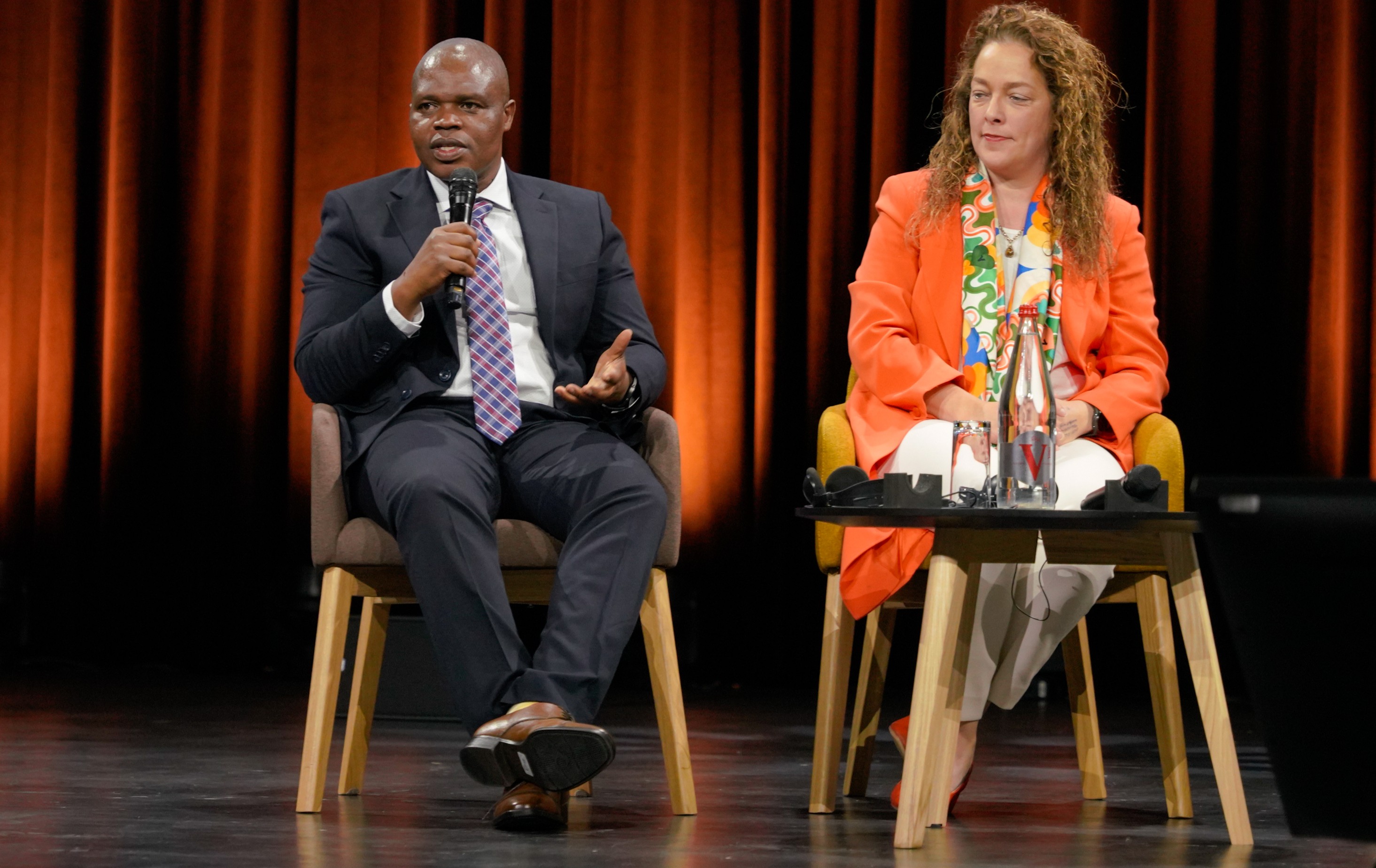
Speaking : H.E. Sidi Tiémoko Touré, Minister of Animal and Fisheries Resources of Cote d’Ivoire. Picture © M. Tric (woah) 2026.
Speaking : Minister of Agriculture and Animal Husbandry of Madagascar, H.E. Rakotoarisolo Suzelin Ratohiarijaona. Picture © M. Tric (woah) 2026.
The presentation of the Technical Item by the Rapporteur, Dr Franck C.J. Berthe, Senior Agriculture Specialist at the World Bank, set the foundation for the Animal Health Forum discussions, highlighting the systemic underinvestment in animal health and the need for a fundamental shift in how Veterinary Services are financed and positioned within global development agendas. The Technical Item was developed through a collective and consultative process, bringing together contributions from a wide range of experts and stakeholders, and resulting in an analytical framework supported by practical examples, tools and partnership models.
Dr Berthe underscored the critical importance of the livestock and aquatic animal sectors, which represent a multi‑trillion-dollar global system and sustain the livelihoods of over 1.3 billion people worldwide. Despite this, investment in Veterinary Services remains disproportionately low, with countries allocating only a minimal share of national resources—estimated at approximately 0.05% of agricultural GDP—to protect a sector central to food security, economic stability and global health. He further highlighted the substantial economic burden of animal diseases, estimated at USD 300 billion annually, emphasising that this imbalance reflects not only a financing gap, but a broader governance failure, characterized by cycles of underinvestment, crisis response and neglect. While strong technical evidence already exists to justify increased investment, the key challenge lies in translating this evidence into political commitment, strategic planning and sustainable financing decisions.
Central to the presentation was a call for a reframing of animal health financing, moving away from a one‑size‑fits‑all public funding approach toward a more nuanced model based on the nature of the benefits generated. Animal health services were described as spanning a continuum—from private goods, which primarily benefit individual producers, to national and global public goods, such as surveillance, disease control and pandemic prevention.
In this context, the Technical Item proposes a diversified financing framework, whereby:
The discussion also highlighted the importance of results-based financing approaches, which link funding to verified outcomes, and the need for enabling regulatory environments to build confidence and attract investment.
Strengthening Veterinary Authorities was identified as essential, with a focus on governance, coordination, accountability and long-term strategic planning, alongside efforts to make animal health systems more bankable and investable through stronger engagement with financial actors.
The Technical Item further outlined a set of key strategic recommendations to support this transition. These include:
Overall, the presentation emphasised that addressing current challenges requires not incremental adjustments, but a systemic and urgent transformation in how animal health is financed and governed today. The Rapporteur concluded by calling for a collective commitment to recognise animal health as a strategic investment, essential for food systems, economic resilience and global health security, and to translate this recognition into concrete policy and financing decisions.
In the bilateral discussion that followed with the President of the World Assembly, Dr Susana Pombo, Dr Berthe described the extensive preparatory work undertaken for this Technical Item. The process included consultations and interviews with stakeholders from multiple sectors in order to collect practical experiences and identify barriers to sustainable financing. He explained that these consultations were intended to bring real-world perspectives into the discussion and better understand how financing gaps could be addressed in different contexts.
Dr. Susana Pombo noted that there is no single model applicable to all Members. Implementation approaches must reflect national circumstances, capacities and priorities. She encouraged Members to consider how the recommendations could be adapted to their own contexts and financing environments.
Dr. Franck Berthe further stressed that progress cannot be achieved solely through increased budgets. Indeed, sustainable improvements require:
He emphasised that countries need a genuine strategic framework to guide investments and reforms rather than relying exclusively on incremental budget increases.
The full report of the Technical Item is available here : gs93-2026-wd-tech-01-en.pdf
Dr. Franck Berthe, Rapporteur of the Technical Item, Senior Livestock Specialist, World Bank Group, Washington D.C.
Dr Franck C.J. Berthe, Senior Agriculture Specialist at the World Bank, as rapporteur. Picture (c) M. Tic (woah) 2026.
Moderated by Dr Mariana Marrana (WOAH), this panel brought together senior representatives from Chad, Denmark, France, India, Kazakhstan, Uruguay and WOAH to illustrate how the principles outlined in the Technical Item are being translated into practice across diverse national contexts.
The discussion highlighted the value of broad stakeholder engagement in shaping the Technical Item, with contributions from governments, Veterinary Authorities, development partners and the private sector ensuring that recommendations are grounded in operational realities. Panelists emphasised the need to address fragmentation across the animal health ecosystem, noting that stronger coordination is essential to align priorities, improve resource use and support integrated approaches to animal health financing and service delivery.
A recurring theme was the challenge of translating technical evidence into policy and investment decisions. While economic and epidemiological data are increasingly available, panelists underscored the importance of strengthening advocacy, clearly demonstrating return on investment, and linking evidence to concrete financing decisions.
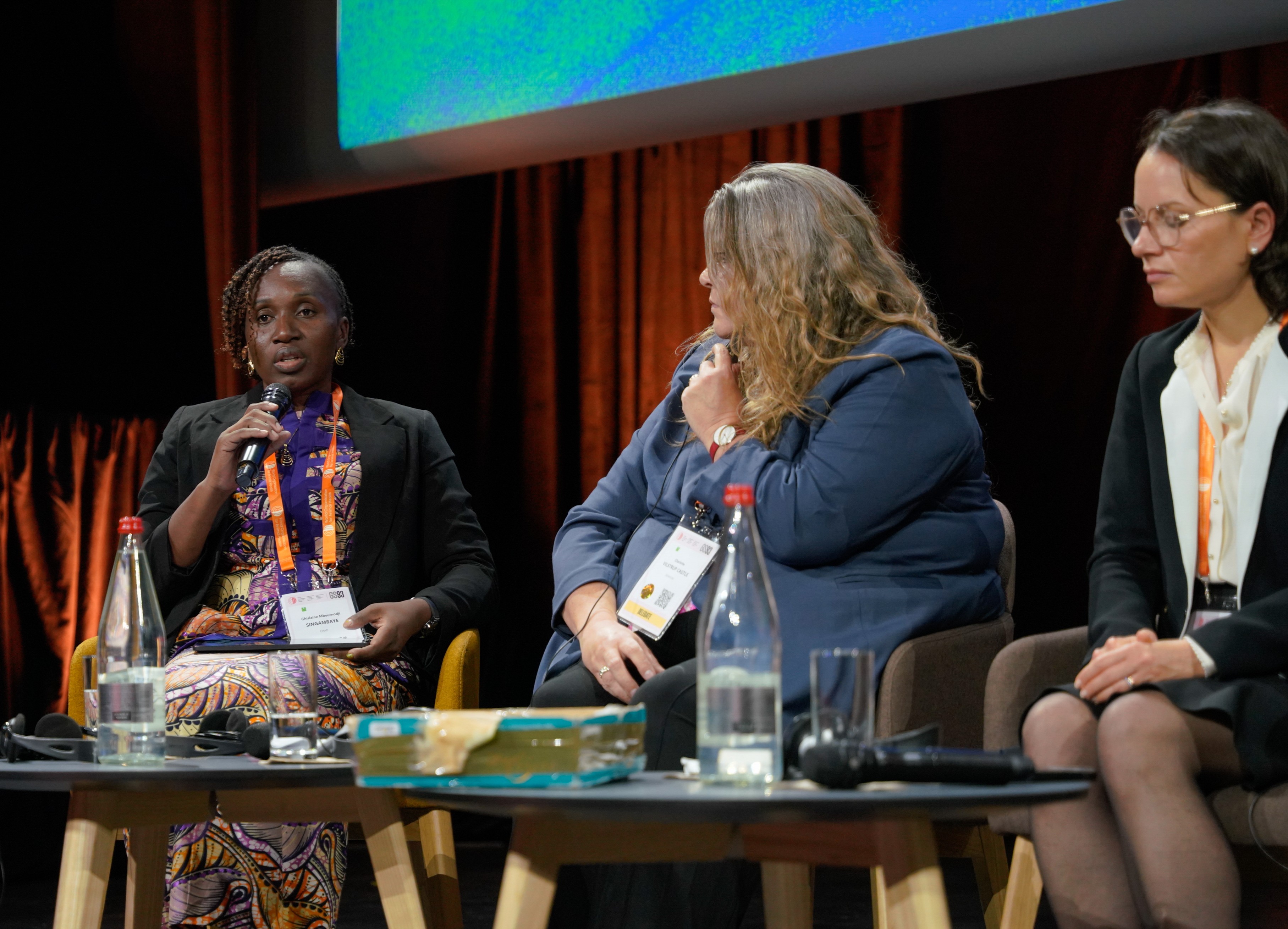
Country experiences demonstrated a range of financing approaches, including public-private partnerships (PPP), levy systems and co-financing mechanisms, all underpinned by strong governance, clear institutional roles and shared responsibility across stakeholders. At the same time, operational challenges remain, particularly in low-resource settings. The intervention from Chad by the WOAH Delegate from Chad, Dr Ghislaine Mbeurnodji Singambaye, highlighted constraints related to livestock mobility, limited access to remote areas, and human resource gaps, underscoring the importance of community-based approaches and strengthened workforce capacity within a One Health framework.
Overall, the panel reaffirmed that sustainable financing of Veterinary Services depends not only on resource mobilisation, but also on effective coordination, institutional capacity and the ability to translate evidence into action, positioning animal health as a strategic investment for resilient food systems and livelihoods.
Moderated by Ms. Nada Essawy (WOAH), this panel brought together representatives from Namibia’s Livestock and Livestock Products Board (represented by Dr Anja Boshoff, Executive for Quality Assurance), Indonesia’s Directorate of Animal Health, Chile’s aquaculture health authority, and the European Commission (DG SANTE) to examine the economic consequences of animal diseases and identify sustainable financing approaches for Veterinary Services.
The discussion reaffirmed that animal diseases have significant negative impacts on livestock productivity, agricultural revenues, trade and market access, with outbreaks generating substantial losses across value chains and, in some cases, affecting broader national economic performance. Panelists emphasised that delayed or insufficient investment in prevention and preparedness often results in far higher response costs, underscoring the need for more strategic and forward-looking investment approaches.
A key message of the panel was that animal health should be viewed not as a cost, but as a strategic investment in economic development, resilience and food security. Strengthened Veterinary Services were recognised as critical to improving productivity, increasing incomes, enhancing market opportunities and supporting sustainable agricultural value chains.
The panel highlighted the importance of diversified and sustainable financing models, noting that reliance on public budgets alone is insufficient. Public financing can play a catalytic role, helping to de-risk investments and create conditions that encourage private-sector engagement. In this context, panelists discussed the potential of blended finance mechanisms to mobilise additional resources, alongside approaches such as results-based financing, which can strengthen accountability and improve performance monitoring.
A central theme was the need to expand private-sector participation in animal health systems. Panelists noted that opportunities exist in areas such as service delivery, infrastructure and innovation, but that market failures and regulatory constraints often limit investment. Addressing these barriers and using public resources strategically to leverage private capital were identified as key priorities, while maintaining the central role of governments in overseeing core veterinary functions.
The discussion also underscored the importance of strong governance and institutional capacity, particularly the role of Veterinary Authorities as stewards of national animal health systems. Strengthening leadership, strategic planning, coordination and accountability mechanisms was identified as essential to ensure that available resources are effectively managed and aligned with national priorities.
Overall, the panel concluded that sustainable financing of animal health systems depends not only on mobilizing additional resources, but also on aligning financing models, governance frameworks and institutional capacity, ensuring that investments are effectively translated into improved outcomes for agriculture, livelihoods and economic resilience.
Moderated by Dr. Morgan Jeannin (WOAH), this panel brought together representatives from Ireland’s Veterinary Authority, Egypt’s Veterinary Services, the International Livestock Research Institute (ILRI, represented by Dr Musa Mulongo, Senior Scientist), and WOAH Collaborating Centres for animal health economics in the Americas and Europe to explore how economic evidence can better inform policy decisions and strengthen investment in animal health.
The discussion emphasised that while substantial evidence exists demonstrating the economic benefits of animal health interventions, a persistent gap remains between research outputs and policy uptake. Panelists noted that translating technical and economic data into actionable policies requires not only robust analysis but also clear communication, strong advocacy and alignment with national development priorities.
Examples from disease control programmes highlighted that investments in animal health can deliver significant returns, including reduced production losses, improved productivity and enhanced trade opportunities. However, panelists stressed that evidence alone is insufficient to drive change, and must be complemented by efforts to build compelling investment cases that resonate with policymakers, particularly finance ministries.
A key theme was the importance of understanding incentives and behaviour across stakeholders, including farmers, governments and the private sector. Effective disease control and system strengthening depend on aligning these incentives to support adoption of preventive measures, compliance with regulations and sustained investment.
The panel also highlighted the need to improve data systems and analytical capacity, enabling more accurate measurement of disease burden, productivity gains and economic outcomes. Strengthening the link between research institutions and decision-makers was identified as essential to ensure that evidence is used to inform planning, budgeting and policy implementation.
Overall, the session underscored that bridging the gap between research and policy requires a combination of credible economic evidence, effective communication and institutional mechanisms that translate knowledge into decisions, positioning animal health as a strategic investment for economic development, food security and resilient livelihoods.
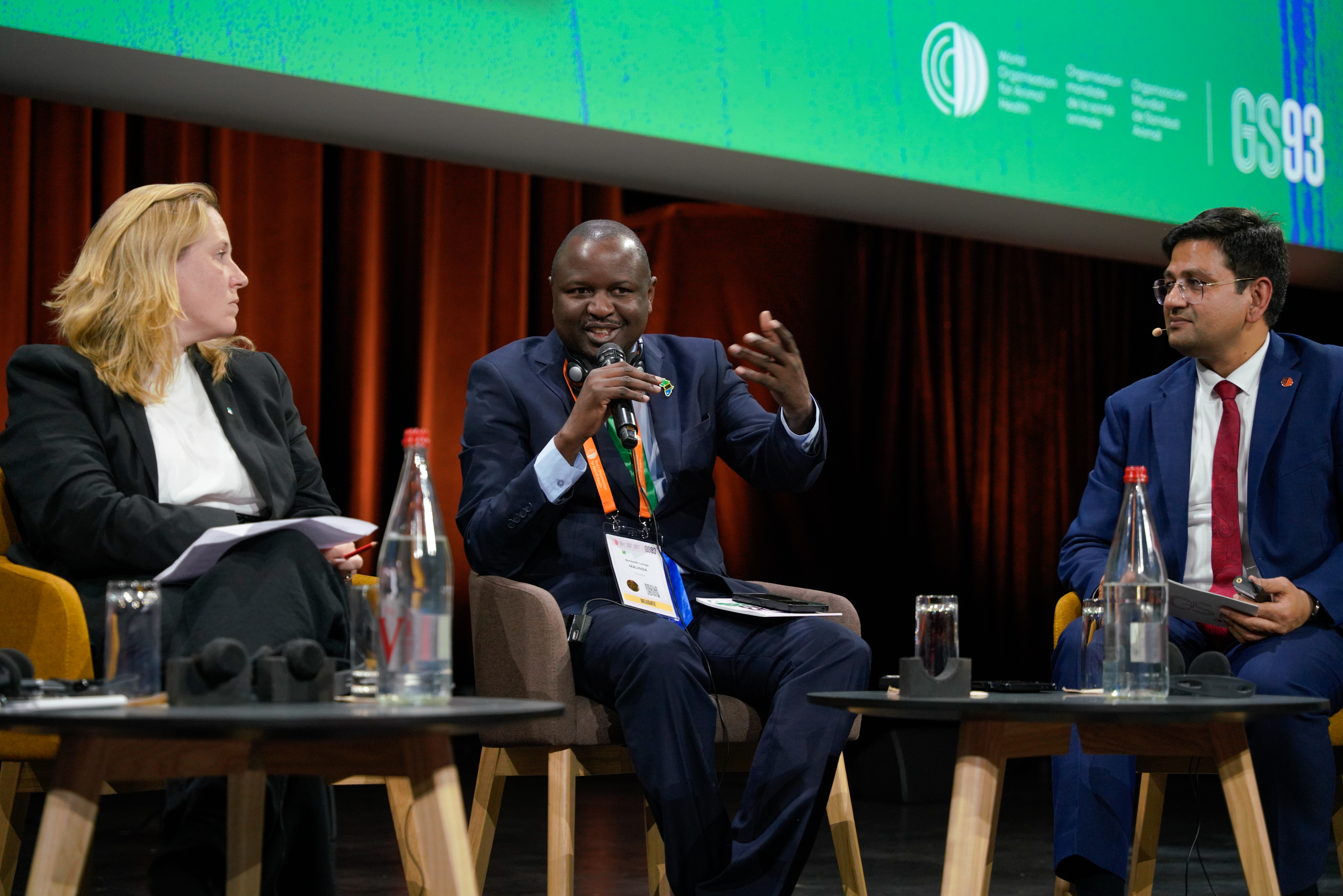
Moderated by Dr. Rahul Srivastava (WOAH), this panel brought together representatives from government, industry and international organisations, including Australia, India, Oman,Tanzania (the WOAH Delegate from Tanzania, Dr Benezeth Lutege Malinda), and the World Bank, to explore approaches to co‑investment and equitable cost sharing across livestock value chains.
The discussion emphasised that effective animal health systems depend on shared responsibility among all stakeholders, reflecting the distribution of benefits across producers, processors, traders and consumers. Panelists highlighted that co‑investment models — including cost‑sharing frameworks, industry levies and partnership agreements — can strengthen ownership, improve sustainability and ensure more equitable distribution of both costs and benefits.
Experiences presented during the session illustrated how public‑private partnerships and co‑financing mechanisms can be successfully implemented when supported by clear legal frameworks, strong governance and mutual trust among stakeholders. The importance of predictable and transparent arrangements was underscored as a key factor in encouraging participation and sustaining long-term collaboration.
The panel also noted that financing systems must be carefully designed to avoid unintended incentives, particularly where compensation or subsidy mechanisms may influence behaviour in ways that undermine disease control objectives. In this context, regular review and adaptation of financing instruments were identified as essential to maintain effectiveness and fairness.
Overall, the session highlighted that equitable sharing of costs and benefits is central to building sustainable animal health systems, and that well‑designed co‑investment approaches can enhance both financial resilience and accountability across livestock value chains.
Moderated by Mariana Marrana (WOAH), this panel brought together representatives from Kenya’s Veterinary Services (the WOAH Delegate of Kenya, Dr Allan Azegele), Heifer International, the NITARA dairy technology platform (India), the World Bank Group, and the Hunland Group to explore how innovation and digitalisation can strengthen animal health systems and reduce investment risks. The discussion highlighted the growing role of both high-tech and low-tech innovations in expanding access to animal health services, improving efficiency and enhancing decision-making across value chains. Panelists emphasised that digital tools — including data platforms, traceability systems, and real-time monitoring technologies — can support early disease detection, improve animal welfare and increase productivity.
A key message was that digitalisation can significantly de-risk investments by reducing uncertainty, improving transparency and generating reliable data to inform both public and private decision-making. Examples presented during the session illustrated how technology can enable better tracking of animal health, automate data collection, and support more efficient service delivery models, including those targeting smallholder farmers.
The panel also underscored the importance of enabling environments for innovation, including appropriate policy and regulatory frameworks, digital infrastructure and capacity building. Veterinary Authorities were recognised as playing a central role in establishing trust, validating technologies and integrating digital tools into routine service delivery.
At the same time, the discussion highlighted the importance of inclusive and locally adapted approaches, particularly in low-resource settings. Community-based models, supported by digital solutions and partnerships with local actors, were identified as critical for extending services to underserved areas and ensuring adoption at the field level.
A recurring theme was the importance of partnerships and coordinated action to scale innovation. Public-private collaboration, along with engagement between research institutions, development partners and industry, was seen as essential to move solutions from pilot stages to large-scale implementation.
Overall, the panel concluded that innovation and digitalisation are key enablers of more resilient, efficient and investable animal health systems, provided they are supported by strong governance, inclusive delivery models and deliberate efforts to scale through partnership and coordination.
Speaking : the WOAH Delegate from Chad, Dr Ghislaine Mbeurnodji Singambaye. Picture (c) M. Tic (woah) 2026.
Speaking : Dr Anja Boshoff of the Executive for Quality Assurance, Livestock and Livestock Products Board of Namibia. Picture © M. Tric (woah) 2026.
Speaking : Dr Musa Mulongo, Senior Scientist, International Livestock Research Institute (ILRI) Nairobi. Picture © M. Tric (woah) 2026.
Speaking : the WOAH Delegate from Tanzania, Dr Benezeth Lutege Malinda. Picture © M. Tric (woah) 2026.
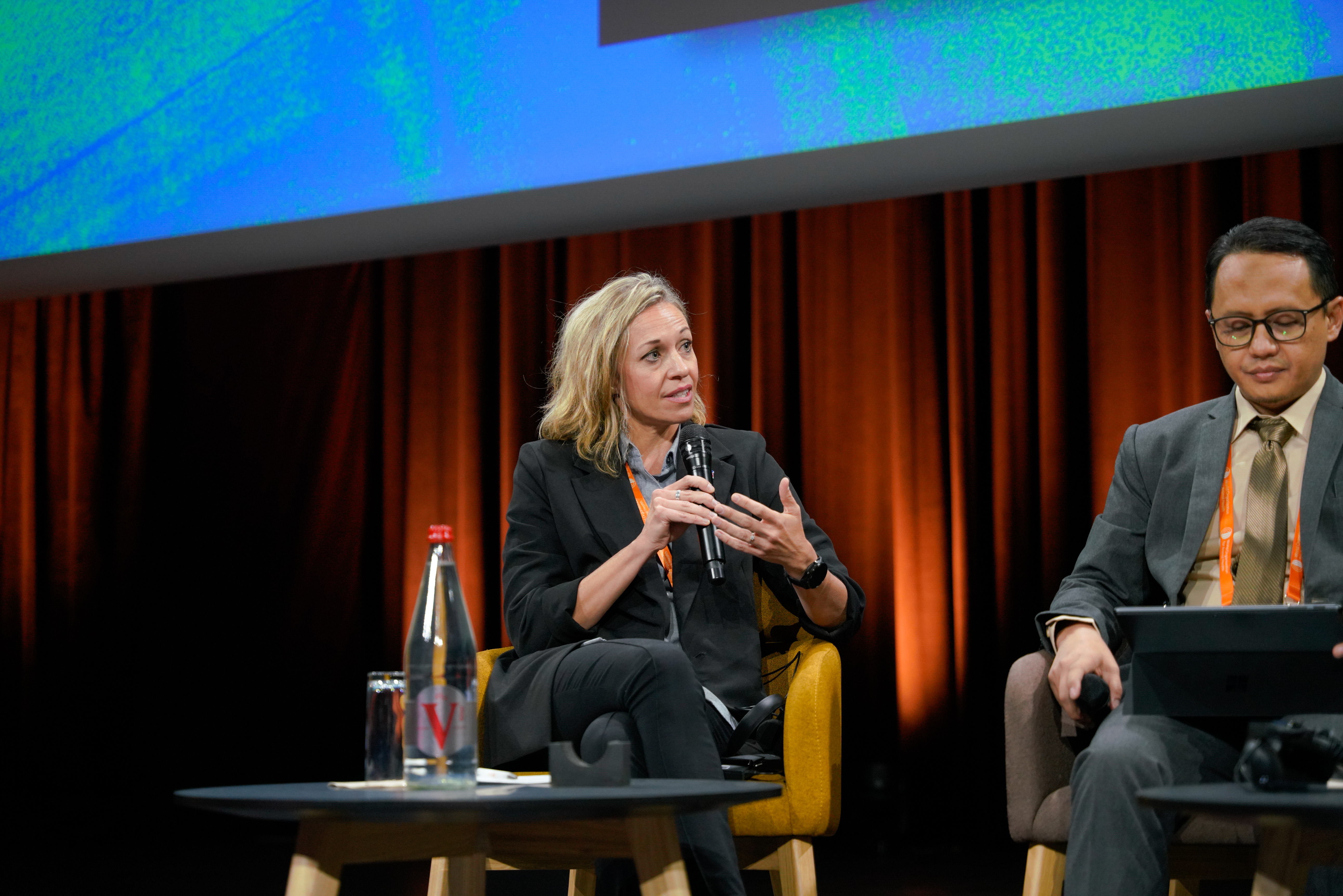
Speaking : WOAH Delegate of Kenya, and current President of the Codex Alimentarius Commission, Dr Allan Azegele (left) during the panel discussion on “Innovation and digitalization of animal health services to de-risk investments”. Picture © M. Tic (woah) 2026.
On Thursday 21 May, a first draft Resolution 35 on “Investing in Animal Health to Secure Everyone’s Future” was circulated and discussed. The draft received broad support for a text positioning animal health as a strategic investment essential to food security, public health, environmental sustainability and economic resilience. Members endorsed the 12 technical recommendations calling for intensified high‑level advocacy, sustainable financing mechanisms and a cascade approach combining private‑sector solutions, regulatory reforms and targeted public investment in core public goods. Discussions led to several key adjustments, including the explicit integration of animal welfare throughout the resolution, stronger references to trade facilitation and sanitary certification, and the proposal (by Nigeria) to include innovation among the critical infrastructures supporting veterinary systems. Delegates also emphasised the need to strengthen national capacities through digitalisation, data management, surveillance, traceability and economic analysis, while reinforcing the structured involvement of the private sector in both standard‑setting and operational implementation. The resolution further calls for the development of practical tools, harmonised methodologies to assess disease burden and return on investment, and the establishment of regional centers of expertise in animal health economics. The Chair, Ms. Emily Tagliaro, Head of the WOAH Resource Mobilisation and Financial Partnerships Department (RMFPD) concluded by inviting delegations to submit written amendments ahead of the formal adoption scheduled for Friday, underscoring the strategic importance of this resolution for all Members.
The Resolution was formally adopted, without further comments or amendments, by the World Assembly, on Friday 22 May. More information : https://www.woah.org/app/uploads/2026/04/gs93-2026-wd-tech-01-en.pdf
Two Members of the Bureau of the Regional Commission for Africa, the WOAH Sub-Regional Representative for Eastern Africa and African WOAH Council Member. Fltr : Drs Anne Rose Ademun – Okurut (Uganda), Honoré N’lemba Mabela (Democratic Republic of Congo), Neo Mapitse (WOAH) and Mbargou Lô (Senegal). Picture © I.P. Busuulwa (woah) 2026. Picture © I.P. Busuulwa (woah) 2026.
For the third year in a row, the meeting of the Regional Commission for Africa took place in two distinct sessions, a first online session of around three hours took place on Tuesday 5 May, whilst a second session took place, as a face-to-face meeting, on Monday morning of 18 May, for around two hours. The Paris meeting brought together 34 Commission Members.
Numerous international and regional partner organisations, as well as private sector and WOAH Reference Centres were also present : AU-IBAR, Boehringer-Ingelheim Animal Health (BIAH), the Botswana Vaccine Institute (BVI), EISMV (Senegal), IGAD, the International Wool Textile Organization, IRVT (Tunisia), MSD Animal Health, the West African Economic and Monetary Union (WAEMU, UEMOA) and Working Animals International.
The meeting was chaired by Dr Honoré Robert N’lemba Mabela, President of the Regional Commission for Africa and WOAH Delegate of the Democratic Republic of Congo, accompanied by Dr Neo Mapitse, on behalf of the Regional Representation for Africa, and Dr Mbargou Lô, WOAH Delegate Senegal and Council Member, on behalf of the Council.
To start with, Dr Rachid Bouguedour, WOAH Sub-Regional Representative for North Africa, summarised the main points discussed during the virtual meeting held on 5 May 2026. The Regional Commission endorsed the points discussed and agreed during the virtual meeting. Dr Honoré Robert N’lemba Mabela then presented the report on the activities of the Regional Core Group (RCG) since June 2025. These included a series of virtual and in‑person meetings held to advance regional coordination and implementation of key priorities.
The President highlighted the main issues addressed during these engagements, including the review of outcomes from the 26th Regional Conference (Ethiopia), preparations for the 27th Regional Conference (Uganda), the discussion on technical items, and the identification of strategic topics of global relevance for WOAH. Governance-related matters, including the ongoing review of WOAH governance structures and strategic planning processes, among others.
Dr Rachid Bouguedour, WOAH Sub-Regional Representative for North Africa. Picture © I.P. Busuulwa (woah) 2026.
The Commission noted the planned priorities for 2027, including the organisation of the 27th Regional Conference, the election of a new Bureau during the 94th General Session (May 2027), and continued engagement in governance reform processes extending into 2027–2028.
Dr Michael Botlhe Modisane, Chairperson of the Governance Review Committee (GRC) and Delegate of South Africa, updated the Regional Commission on the outcomes of the tenth meeting of the Governance Review Committee (GRC), held on 14 and 15 May 2026 at WOAH Headquarters in Paris. Dr Miguel Martin Esteban, of the GRC Secretariat, then presented draft Resolution No. 4 on the GRC’s report and recommendations to the 93rd General Session (see the summary below, under First Administrative Session). Dr Michael Botlhe Modisane also informed the Commission of recent changes in the leadership of the Governance Review Committee, i.e. the appointment of the Delegate of Cyprus as New Chair and the Delegate of Australia as Vice Chair, following his resignation as Chair of the Committee.
Dr Javier Yugueros-Marcos, Head of the Veterinary Products and Drug Resistance Department presented WOAH’s work on tackling substandard and falsified veterinary products. It was highlighted that strengthening the regulation of veterinary medicinal products (VMPs) is essential to ensure those circulating are safe and effective. WOAH is currently evaluating the Veterinary Medicines Regulatory Agency Self-Assessment Tool, a voluntary, country-owned tool for systematic self-assessment of veterinary regulatory systems focused on learning. To support Members, WOAH is also launching the TRUVET system (Track and Report Unsafe VETerinary products), systematically collecting incident data, conducting risk analyses, and issuing global alerts through strong international collaboration. The TRUVET team works closely with all WOAH Members, Collaborating Centres, industry stakeholders, and international partners to prevent, detect, mitigate, and respond to the risks posed by substandard and falsified veterinary products.
Partial overview of the attendance of WOAH Delegates at the Annual Meeting of the WOAH Regional Commission for Africa. Picture © I.P. Busuulwa (woah) 2026.
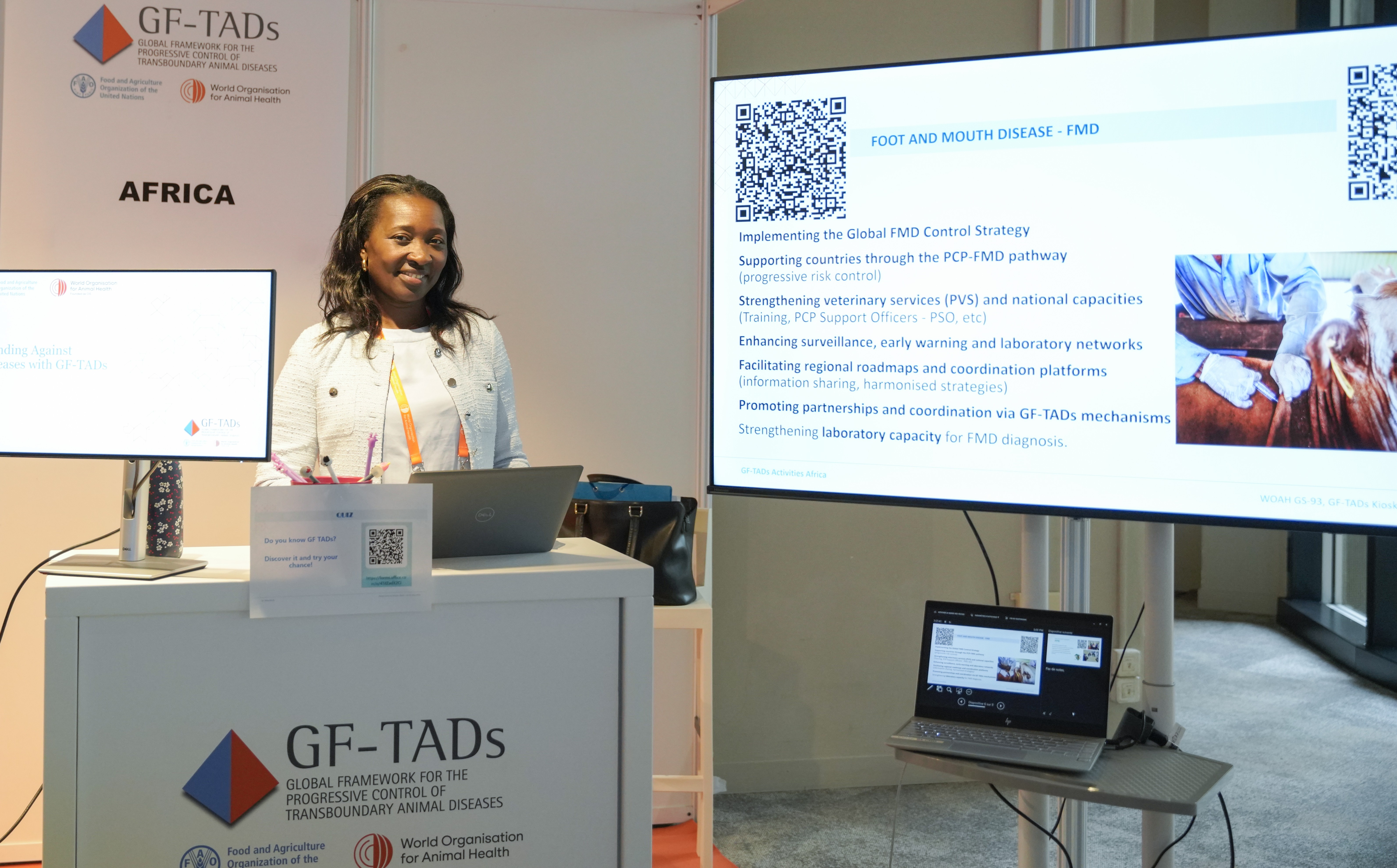
Dr Moetapele Letshwenyo, Sub-Regional Representative for Southern Africa, provided an update on the Foot and mouth disease (FMD) situation in Southern Africa. FMD is a highly contagious viral disease affecting cloven-hoofed animals and has existed in Southern Africa since the 1930s, particularly involving Southern African Territories (SAT) serotypes associated with African buffalo (Syncerus caffer) populations, which serve as important reservoir hosts. Prior to 2016, several Members in the sub-region were officially recognised as FMD-free without vaccination or maintained extensive FMD-free zones. However, by the first quarter of 2026, Botswana, Eswatini, Lesotho, South Africa had lost their FMD-free status.
The impacts of FMD extend across the entire livestock value chain, affecting farmers, traders, slaughterhouses and rural livelihoods, while recovery from outbreaks is often slow, complex and resource intensive. WOAH continues to support Members through international standards, technical assistance and capacity building initiatives.
Through the Global Framework for the Progressive Control of Transboundary Animal Diseases (GF-TADs), WOAH and the Food and Agriculture Organization of the United Nations (FAO) coordinate regional and global efforts to control FMD using tools such as the Progressive Control Pathway for FMD (PCP-FMD) and the Global FMD Control Strategy (2012–2027). Delegates noted the limited availability of data and information on the FMD situation in West Africa, which constrains effective decision‑making and response efforts. Challenges related to access and availability of vaccines, were also highlighted. The importance of strengthening partnerships to address vaccine supply gaps and improve access was underscored.
Dr Neo Mapitse, Sub Regional Representative for Eastern Africa presented an update on Peste des petits ruminants (PPR) eradication efforts in Africa, focusing on the implementation of the EU-supported PPR Eradication from Africa Programme and progress under the World Bank-supported Regional Support Project for Pastoralism in the Sahel (PRAPS). The Commission was informed that both initiatives are central to achieving PPR eradication by 2030. The Pan-African Programme, aligned with the FAO/WOAH Global Strategy and implemented across most of Africa (excluding the Maghreb), provides a coordinated framework. Supported by the European Union, Phase 1 was launched in February 2025 with EUR 8 million mobilised, while Phase 2 preparations (EUR 50 million grant and EUR 40 million blended financing) are ongoing.
Dr Neo Mapitse, WOAH Sub-Regional Representative for Eastern Africa. Picture © I.P. Busuulwa (woah) 2026.
Led by AU‑IBAR, the programme focuses on strengthening Veterinary Services, enhancing surveillance and diagnostics, improving vaccination, and promoting regional coordination in Africa, except North Africa (Maghreb region). Implementation is coordinated through the Pan-African PPR Secretariat (PAPS), with WOAH, FAO and AU-PANVAC as implementing partners. WOAH’s contribution is guided by its mandate on standards, disease notification, capacity building, and disease status recognition.
The Commission welcomed the progress achieved under both initiatives and noted that the implementation architecture for the Pan-African Programme is now fully operational and the acceleration of resource mobilisation efforts, including upcoming high-level engagements. Delegates highlighted the need to extend successful programme models, such as those implemented under PRAPS, to additional Members in order to ensure more comprehensive regional coverage and impact including coordinated efforts.
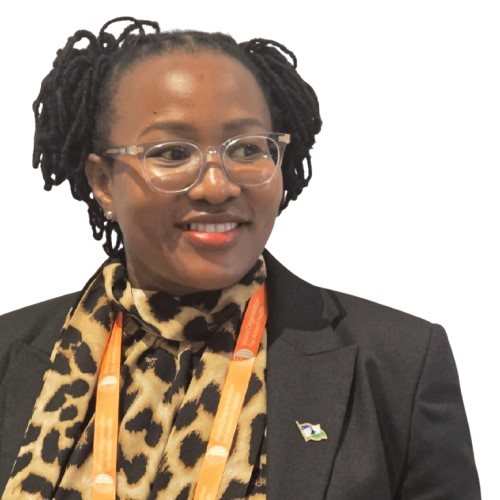
Dr Relebohile Lepheana, WOAH Delegate of Lesotho and new Council Member. Picture© N. Mapitse (woah) 2026
Towards the end of the meeting, during the closed session for Delegates only, the President of the Regional Commission recalled that, during the virtual meeting of the Regional Commission, Members had already agreed to propose a candidate for the vacant position of member of the Council, following the retirement of the Delegate of Eswatini.
The President invited the Regional Commission to confirm this proposal during the present meeting. Delegates of the Region unanimously confirmed the proposal of Dr Relebohile Lepheana (Delegate of Lesotho) for election to the position of Member of the Council.
This proposal was unanimously endorsed by the World Assembly during the second administrative session on Wednesday 20 May.
The full report of the WOAH Regional Commission for Africa meeting at the 93rd General Session, as adopted by the World Assembly is available here : https://rr-africa.woah.org/app/uploads/2026/05/93gs-2026-wd-adm-12-regional-commissions-en-Africa.pdf
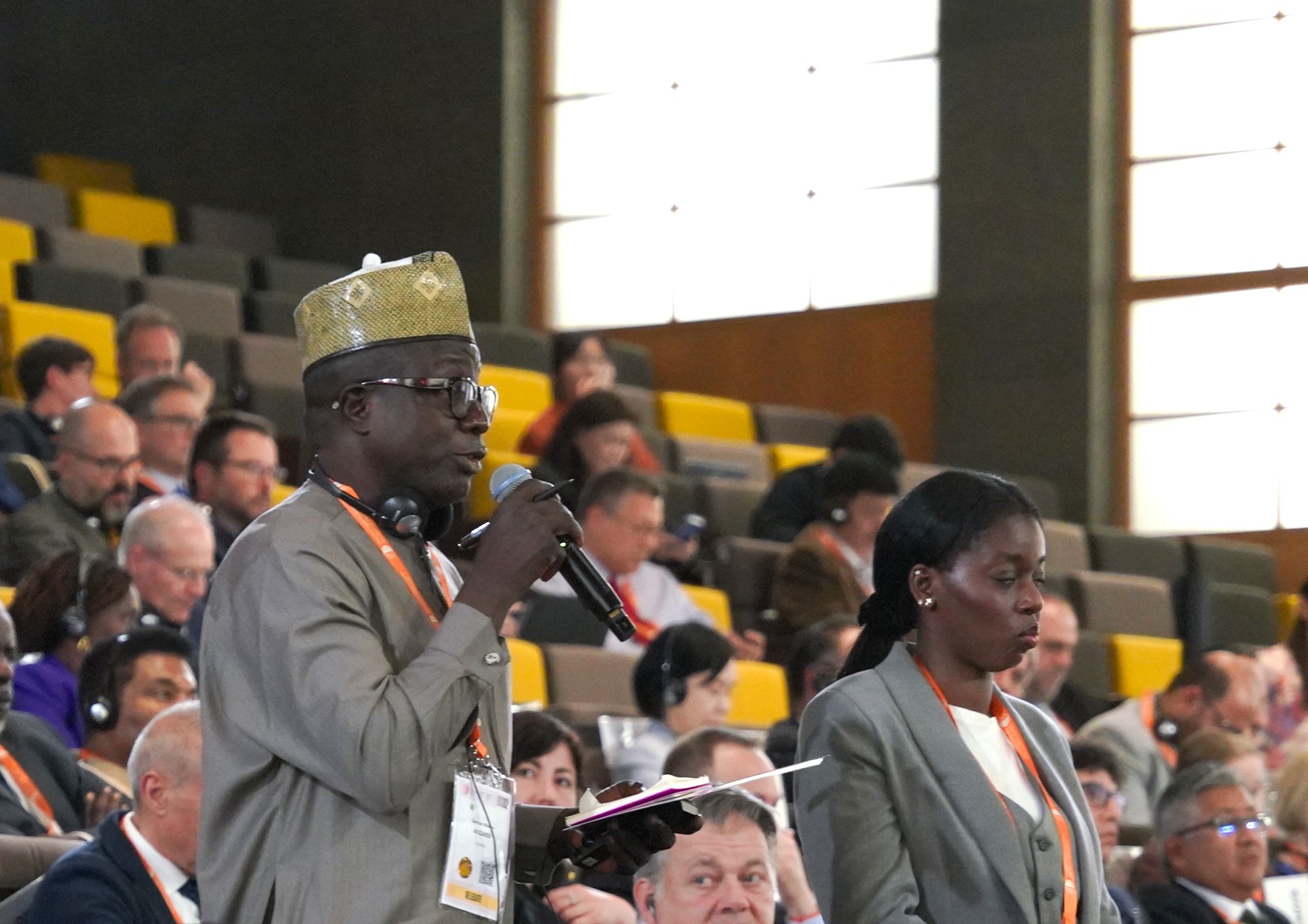
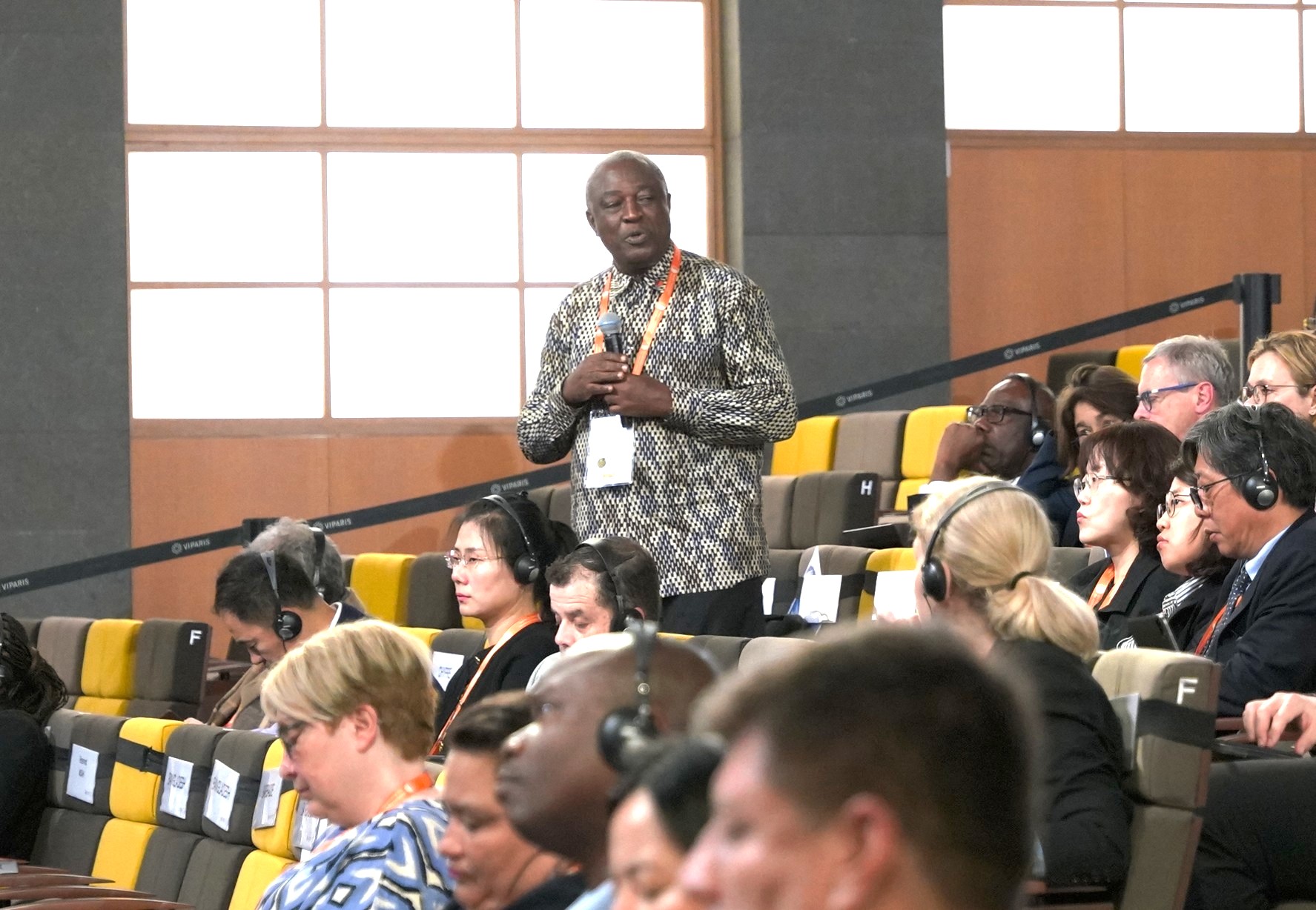
The WOAH Delegate for Nigeria, Dr Samuel Anzaku, taking the floor. Picture (c) M. Tic (woah) 2026.
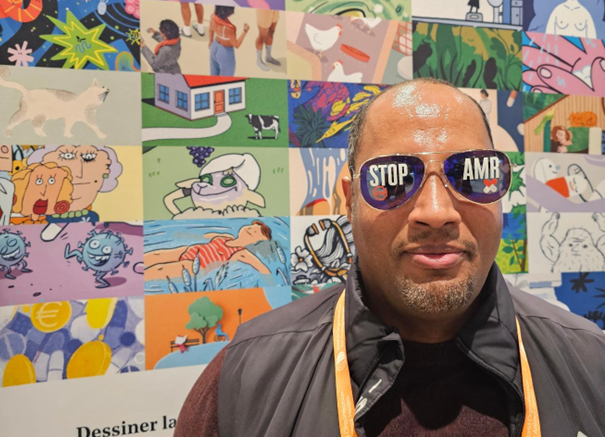
Dr Dechassa Tegegne, AMR Programme Officer, WOAH Sub-Regional Representation for Southern Africa, with a fitting pair of sunglasses. Picture © M. Nurkan (woah) 2026.
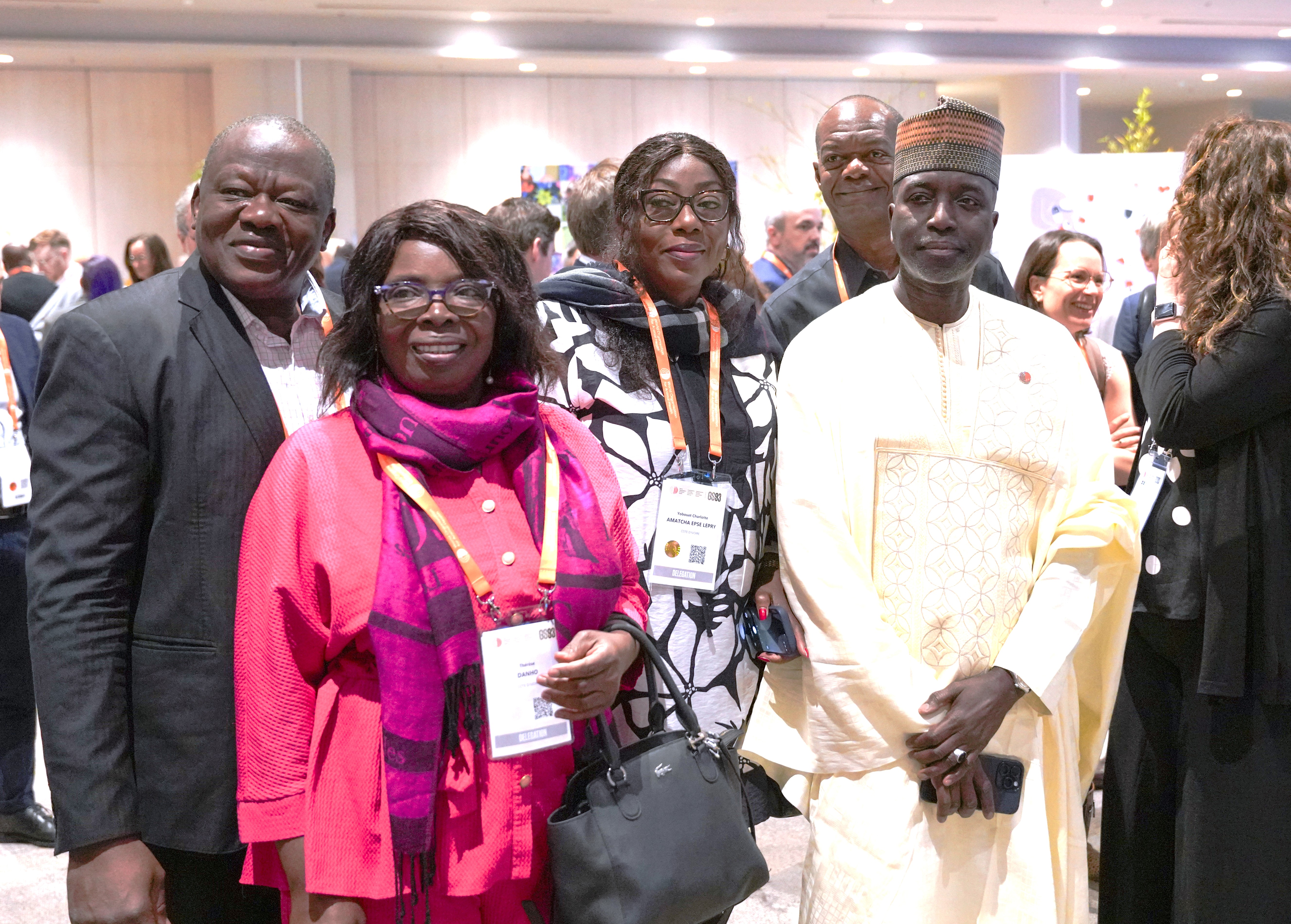
Part of the delegation from Cote d'Ivoire with the WOAH Deputy Director General Dr Baba Soumaré. Picture (c) M. Tic (woah) 2026.
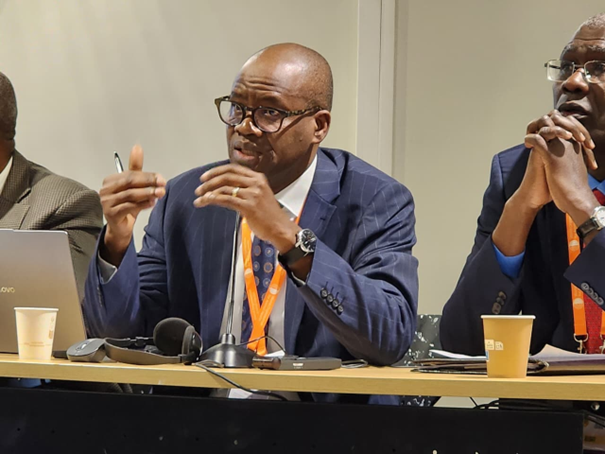
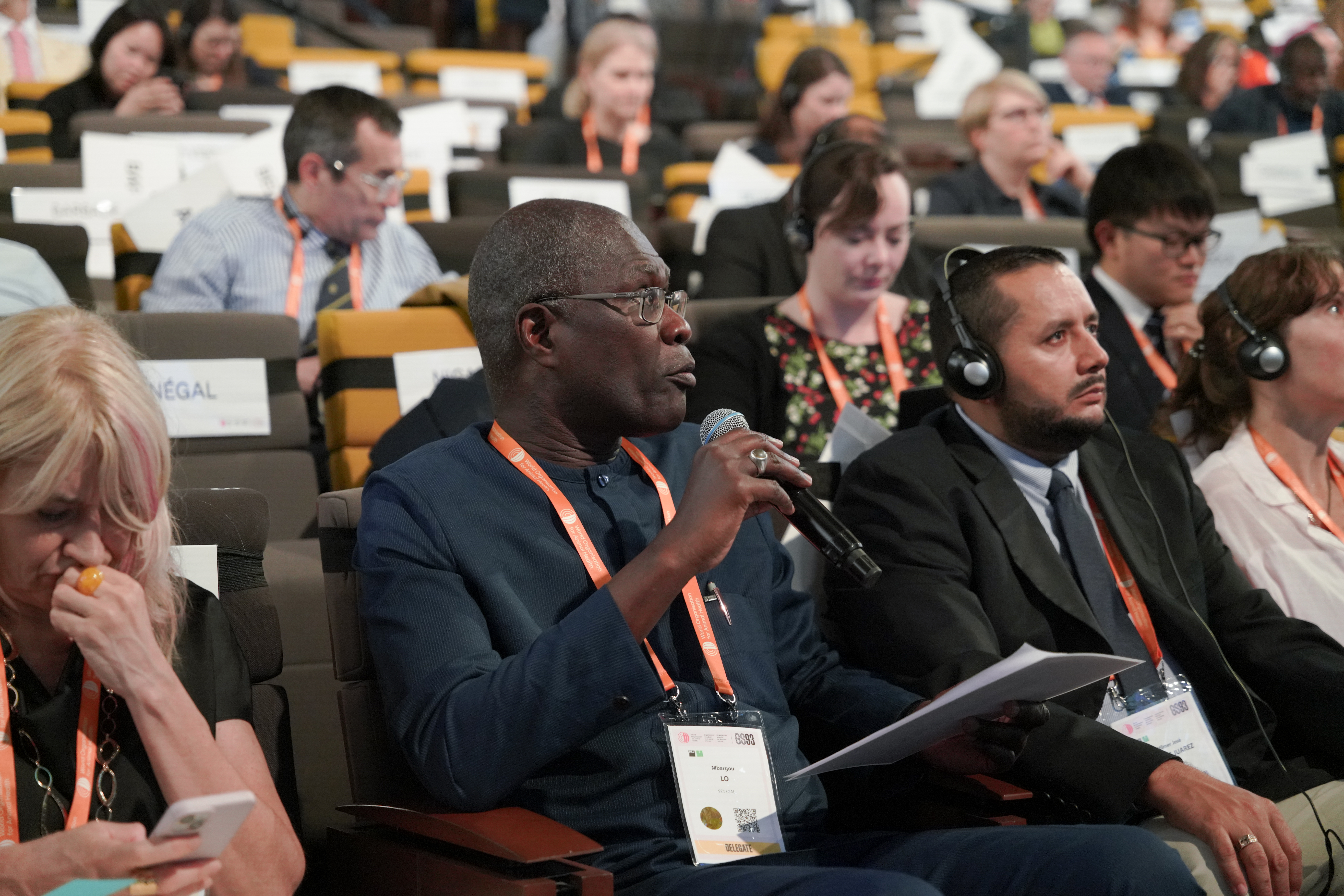
The WOAH Delegate for Senegal and Member of the WOAH Council, Dr Mbargou Lô, commenting on the Director General’s annual report. Picture (c) M. Tic (woah) 2026.
Dr. Emmanuelle Soubeyran presented the major achievements and strategic priorities of the Organisation in 2025, highlighting a past year focused on results, institutional strengthening, and preparation for the next strategic cycle. She thanked WOAH Members, reference laboratories, collaborating centres, ad hoc groups, financial partners, and staff for their continued support and collaboration.
The presentation highlighted WOAH’s continued implementation of the 7th Strategic Plan (until the end of this year 2026), centred on scientific excellence, data governance, cooperation, agility, and efficiency. Significant progress was made in strengthening animal health intelligence systems, with a 47% increase in immediate notifications and more than 5,800 follow-up reports submitted through WAHIS. WOAH also enhanced interoperability between WAHIS and the European Animal Disease Information System (ADIS) platform to reduce reporting burdens on Members.
The Director General underlined the importance of evidence-based decision-making and the growing role of data analytics in supporting rapid responses to animal health threats. In 2025, WOAH produced 32 reports covering major animal diseases, including High pathogenicity avian influenza (HPAI), African swine fever (ASF), and Foot-and-mouth disease (FMD). An internal survey also showed that 88% of responding Members were satisfied with the quality of WOAH data and information services.
The presentation further emphasised WOAH’s leadership in standard setting, One Health implementation, emergency preparedness, and global disease control initiatives. Activities included work on antimicrobial resistance, climate change, wildlife health, transboundary animal diseases, and biological threat reduction. Major initiatives such as ZOOSURSY, PROVNA, and PROVBAC were also highlighted for strengthening zoonotic and vector-borne disease surveillance.
The Director General also stressed the Organisation’s efforts to enhance global visibility and political engagement. WOAH expanded its communication campaigns, increased its global share of voice on animal health issues from 30% to 60%, and strengthened advocacy through high-level diplomatic engagement, including meetings with ministers, international organisations, and global partners.
Internally, WOAH pursued institutional modernisation through governance review processes, cybersecurity reinforcement, digital transformation, and the development of new project management and human resources systems. These reforms aim to strengthen organisational resilience and operational efficiency ahead of the 8th Strategic Plan (see next section).
The presentation concluded by reaffirming that 2025 was both a year of tangible achievements and a transition period preparing the Organisation, its Members, and its partners for the next strategic cycle.
The full report of the Director General, as adopted by the World Assembly is available here.
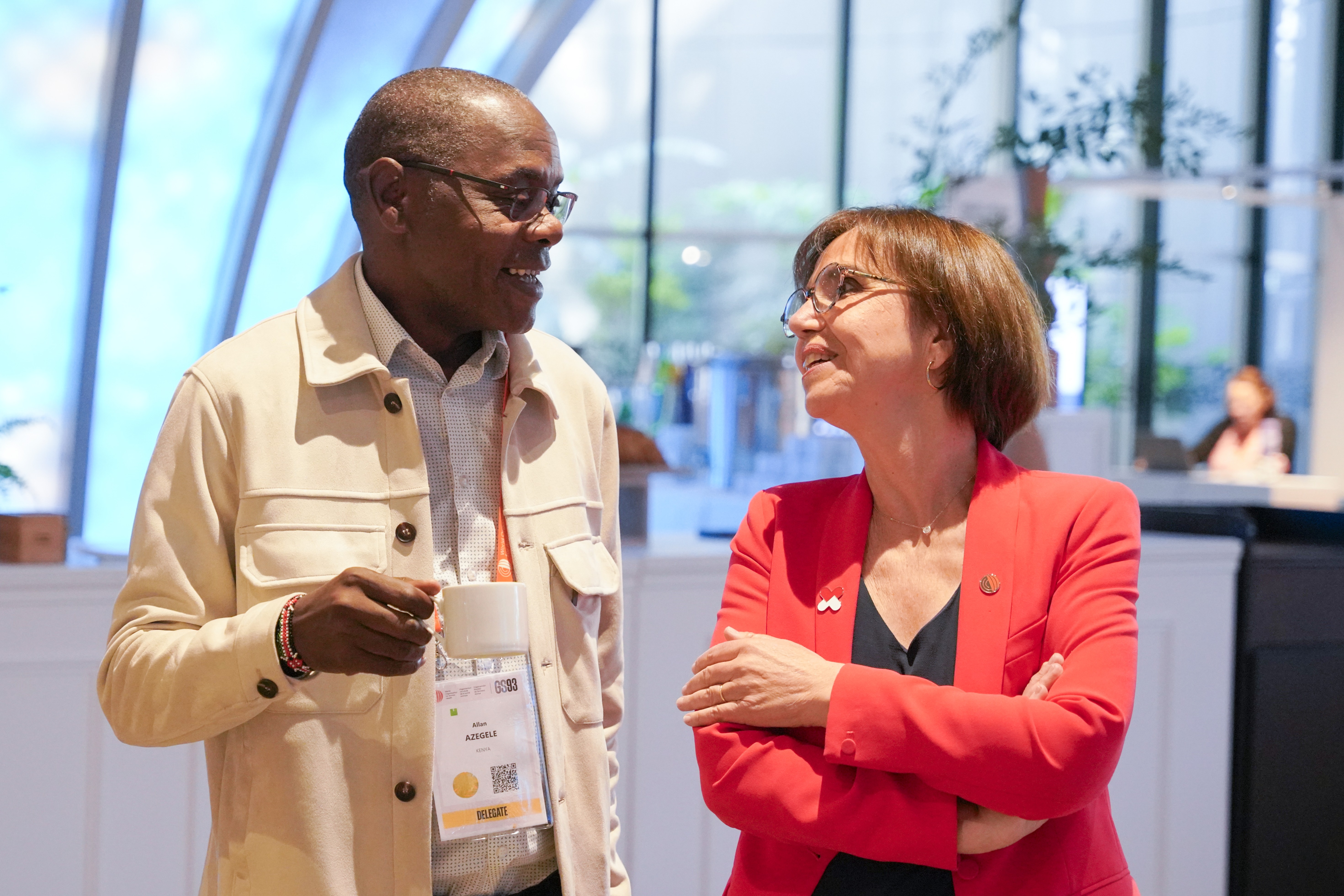
The WOAH Director General (right) with the WOAH Delegate of Kenya, and President of the Codex Alimentarius Commission, Dr Allan Azegele (left). Picture (c) M. Tic (woah) 2026
The WOAH Director General, Dr Emmanuelle Soubyran, presented the WOAH 8th Strategic Plan, developed over more than a year, using a highly inclusive process that emphasised co-creation among WOAH Members, partners, stakeholders, and staff. It bridges WOAH’s broad ambitions with current organisational needs and operational realities to succeed the 7th Strategic Plan. The Director General underscored that the organisation must remain agile to stay influential and that heightened visibility is essential to achieving real impact.
Download the 8th Strategic Plan here
Dr Jenny Hutchison, Head of the World Animal Health Information and Analysis Department (WAHIAD) gave a presentation on the “Animal Health Situation Worldwide”. The report covers the animal disease reported in year 2025, with data drawn from the animal disease events module (immediate notifications and follow-up reports).
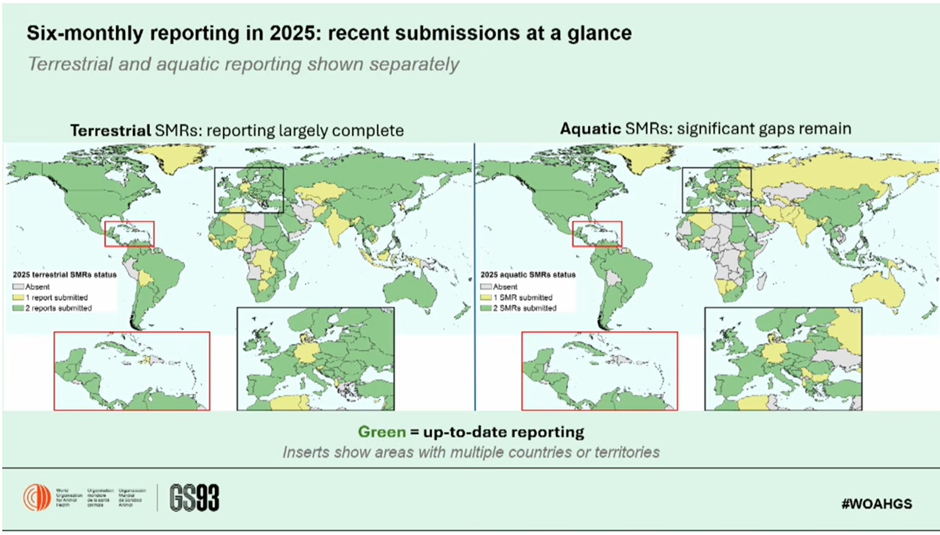
The completeness of reports for diseases in terrestrial animals was better, but significant gaps remained in aquatic animals, diminished submission of 6-monthly reports and lack of completeness of annual reports especially on animal population data.
Of note was the reporting of Foot-and-mouth disease (FMD) SAT-1 and SAT-2 serotypes in Southern Africa, as well as some untyped serotypes. Members were encouraged to collaborate with WOAH Reference Laboratories for genotyping. The expansion of SAT-1 serotype beyond the traditional range of Southern Africa to other territories was noted, citing the serious disease in naive animal populations in other territories.
On Peste des petits ruminants (PPR), which is marked for eradication by 2030, continuing spread into new territories and increased global risk was noted. Likewise, Sheep (pox) and Goat pox (SGP), which is endemic to Africa and parts of Asia – is also spreading, i.e. to Europe.
On (high pathogenicity) Avian influenza in birds, reports were filed from 50 Members, whereby in Africa, the reports were submitted from West Africa (in poultry) and from Southern Africa (both poultry and wild birds). The density of reporting from only a few Members in the two regions, raises questions on the possible lack of surveillance/underreporting vis a vis lack of disease.
Although HPAI was reported in 15 non-avian species in five regions, none of these were reported in Africa.
On African swine fever (ASF), there were numerous reports filed in both domestic and wildlife (wild pigs), and in Africa these were mostly reported in Members in Southern Africa (through six-monthly reporting), but also Cabo Verde and Mali as immediate notifications.
With respect to WOAH-listed diseases occurring in wildlife, the majority of the reports were due to ASF and HPAI. In Africa, in 2025, immediate notification reports in wildlife were submitted for anthrax and HPAI
On diseases in aquatic animals, it was noted that under-reporting was still significant across all territories. Members were encouraged to make immediate, and complete reports for listed and non-listed diseases, as per Member obligations. In Africa, the only immediate notification came from Burkina Faso, for Gyrodactylus salaris.
In light of the online sources of information, including social media – the issue of rumours, misinformation and disinformation were highlighted, whereby WOAH has established mechanisms to mine the (online) media on rumours and whether confirmed reports have been reported in WAHIS. It was noted that under such circumstances WOAH contacts the Delegate to confirm the disease situation. WAHIS was presented as the official global platform for the collection, validation, and dissemination of animal health information. Its role as a central repository underpins global transparency and supports evidence-based decision-making.
Reporting trends and gaps were analysed regarding both terrestrial and aquatic diseases. A significant imbalance in reporting was highlighted between terrestrial (land) animals where 37,411 outbreaks were reported over a 15-month period and aquatic (water) animals with only 98 outbreaks reported across 18 diseases in 20 Members. This disparity indicates substantial underreporting in aquatic animal health, likely due to endemic disease patterns, limited surveillance capacity and reliance on periodic reporting instead of event-based notifications. Members were encouraged to increase timely and event-based reporting of aquatic diseases.
The importance of reporting emerging threats was also stressed. Members were encouraged to use voluntary reporting provisions to share information on unusual disease events, support the work of WOAH Specialist Commissions and contribute to global situational awareness. One of these disease mentioned in the report of the President of the Aquatic Animal Health Standards Commission (see below) is Covert Mortality Noda Virus (CMNV).
Rapportage semestriel en 2025 : aperçu des dernières soumissions. Les rapports terrestres et aquatiques sont présentés séparément. Maladies terrestres : rapportage essentiellement complet. Maladies aquatiques : d’importantes lacunes persistent. En vert : rapportage à jour. Cartographie © WAHIS (omsa) 2026.
The Delegate from Gabon, Dr Morgan Bignoumba acknowledged the report and reiterated the request that national WOAH Animal Disease Notification Focal Points be trained more frequently. He also requested more information on the interoperability with the African Union’s Animal Resource Information System (ARIS). WAHIAD confirmed that talks between AU-IBAR and WOAH are ongoing and that an update on this topic will be provided next year. The Delegate of Kenya, Dr Allan Azegele, appreciated WOAH for conducting a national HPAI table-top simulation exercise (TTX) in Mombasa, earlier this month, noting that WOAH’s support was instrumental in supporting multisectoral and multiagency coordination as per the One Health approach : National Tabletop Exercise on Deliberate Release of HPAI into Kenya Strengthens One Health Preparedness and Biological Threat Response Capacity. – WOAH – Africa
In her closing remarks, Dr Hutchinson emphasised that continuous improvement of the WAHIS platform have been implemented over the years to ensure that data and dashboards remain accurate, reliable, robust, interoperable and accessible to Member and other stakeholders.
The full report is available here.
Dr. William ‘Billy’ Karesh, Chairman of the Wildlife Working Group (WWG), presented an overview of the Working Group’s activities since the previous General Session. The new African member of the ten member Working Group is Dr Francis Gakuya (Kenya). The other member is Prof. Mwansa Songe (Zambia).
The Chairman of the WWG emphasised the strong collaboration with the various WOAH Specialist Commissions and advocated for (terrestrial) wildlife health to become fully integrated into the Terrestrial Code. He also requested clarification on the placement and treatment of marine mammals within WOAH standards, highlighting emerging risks, including High Pathogenicity Avian Influenza (HPAI) infections in wild marine mammals demonstrating cross-species transmission risks. Example: Rabies detected in seals in South Africa.
Collaboration with International Partners aims to strengthen partnerships in improving the global coordination on wildlife health and conservation. This applies to:
Dr Karesh then presented the revised Wildlife Health Strategy (2026–2030) and confirmed its alignment with the WOAH 8th Strategic Plan, with focus areas including sstrengthening surveillance and reporting systems, enhancing global preparedness for emerging diseases and expanding technical capacity and collaboration.
The review of Veterinary Legislation from the wildlife angle has been commissioned and recommends to strengthen national legal frameworks for wildlife health with the development of specific provisions within Veterinary Services, but also within Aquatic Animal Health Services and in the Aquatic Animal Health Code.
Further topics tackled were the new training cycles for Focal Points, which increasingly rely on WOAH Collaborating Centres, with the aim to enhance reporting systems, increase training opportunities and improve communication and information sharing. He also addressed the toxic impacts of lead ammunition on wildlife and ecosystems; indeed, lead poisoning poses serious environmental and public health risks. The European Union and 132 Members are, under the CMS, committed to phasing out lead hunting ammunition within 3 years.
The Delegate from Senegal, Dr Mbargou Lô, emphasised the importance of wildlife Focal Point training by strengthening reporting systems, by highlighting the WOAH e-learning tools to improve expertise. The presentation concluded with a strong commitment to work together under WOAH coordination, reinforcing the collective responsibility to safeguard animal, human, and environmental health.
The Antimicrobial Resistance Working Group Chair, Dr Arshnee Moodley presented an overview of the activities and strategic priorities from 2025.
A Global Survey on the WOAH List of antimicrobial agents of veterinary importance reported high awareness of the WOAH list, however the Technical Reference Documents (TRDs) were less known. The report recognised the need to develop more species-specific technical reference documents for other animals. Reference to use of antimicrobials for animal productivity has been discontinued to avert the confusion of linking antimicrobials to growth promotion.
Members were informed of future Vet AWaRe List that will provide new categorisation criteria to guide use of veterinary antimicrobials and the upcoming article on alternatives to antimicrobials.
Underscoring the relevance of addressing substandard and falsified veterinary products, WOAH’s TruVet system was launched this week and members encouraged to join the platform and urged to participate in upcoming webinars on 3 June 2026.
Linking WOAH’s work to the 2024 UN Political Declaration on AMR, stronger responsibility and accountability was required of the animal health sector led by Veterinary Services’ implementation of AMR National Action Plans (NAP)
Members were notified about the changes in releasing the WOAH annual AMU report. This year’s AMU preliminary findings are included in the State of the World’s Animal Health report and from 2026 the annual full report will be released during the World AMR Awareness Week (WAAW).
Nigeria, Ghana, and Sri Lanka were recognised for developing national AMU reports following WOAH training. At the same time, the declining number of reporting Members was also noted. Nigeria thanked WOAH for recognizing its AMR efforts and expressed national commitment to continue with the work.
WOAH’s work on prioritizing animal diseases for which vaccines could reduce antimicrobial use was highlighted. A phased approach will focus on poultry, pigs, and fish.
WOAH’s five-year AMR vision for 2026–2030, with a focus on prevention, surveillance, sustainable financing, and cross-sectoral collaboration was presented.
The Independent Panel for Evidence for Action Against AMR and the updated Global Action Plan on AMR for 2026–2036 were spotlighted and the updated Global Action Plan (Resolution 18) was adopted by consensus.
Members were encouraged to engage in the standard making process and were made aware of the Scientific and Technical Review on AMR issue.
President of the WOAH Working Group on antimicrobial resistance, South Africa Dr. Arshnee Moodley (ILRI, Nairobi). Picture © M. Tic (woah) 2026.
The President of the Commission, Dr Alicia Gallardo (Chile) presented the work of the Commission during the first term of the renewed Commission (since May 2025), followed by the presentation of draft standards for both the Aquatic Code and Manual. The African Member of the Commission is Dr Kevin Christison (South Africa). The details of the report are available here
Dr Gallardo started jokingly suggesting that following the report of the WOAH wildlife working group, mentioning the rabies outbreak in Cape fur seals in South Africa in 2024, aquatic mammals should be added to the Aquatic Cde and Manual. She took a few minutes to discuss a new emerging disease, Covert Mortality Noda Virus (CMNV) infecting whiteleg shrimp which has been a major threat to the monoculture shrimp industry of long standing. However, in a novel example of zoonosis, it has become the cause of an emerging eye disease in people, i.e. persistent ocular hypertensive viral anterior uveitis (POH-VAU), a new type of uveitis. It has therefore become an emerging public health concern and should be reported to WOAH when diagnosed in shrimp.
The President then swiftly moved through a limited number of new and draft Chapters, in addition to the few Chapters and standards handled by other Commissions, to which the Aquatic Commission contributed, such as prudent use of antimicrobials.
Finally the Commission introduced a motion for the accreditation of a new Reference Laboratory for Crayfish plague (A. astaci) at the NVI in Norway, bringing the number of “aquatic” Reference Laboratories to 40, for 28 diseases, with in addition 6 Collaborating Centres.
The President of the Terrestrial Animal Health Standards Commission (TAHSC), Dr Etienne Bonbon (France) introduced the activities of the Commission over the past year (two meetings and several online exchanges, as well as the pre-GS webinars for Members) and then presented a total of 10 draft terrestrial code texts and 13 annexes (either new or revised) for adoption, some disease related, others related to products, animal welfare or antimicrobial resistance. The African Member of the six member TAHSC is Prof Salah Hammami (Tunisia).
As in previous years, the Code Commission’s work programme in 2025 and 2026 has been characterised by strong coordination across Specialist Commissions, Ad Hoc Groups (AHG), and with international experts. The report highlighted the intensity of the annual workload, but also the need for greater participation from Members, and the importance of nominating national experts to strengthen AHG — an especially relevant point for Africa, where technical representation would appear to remain limited. Several components of the programme directly addressed African priorities, including the revision of chapters on surveillance, zoning, emergency management, antimicrobial resistance, and transboundary animal diseases that heavily affect the continent. Africa is also engaged in the development of Case Definitions, a critical element for improving disease notification and transparency, which remains a key challenge for African Veterinary Services. The Commission stressed the need for all Members—including African Members—to actively comment on draft standards and fully appropriate the normative tools, noting that “robust standards require substantial scientific and institutional investment”, as stated by the Commission President.
The details of the proposed Terrestrial Code texts and 13 annexes are available here and are briefly discussed below :
The WOAH Delegate from Sudan expressed appreciation for the WOAH Terrestrial Standards and Code, noting their role in strengthening disease prevention and control, enhancing surveillance, and facilitating the safe trade of animals and animal products. Sudan has significant potential for exporting livestock to other Members and remains committed to this goal. However, the Sudan requires support for preparedness against threats such as Foot-and-mouth disease (FMD), Crimean-Congo haemorrhagic fever (CCHF), and emerging infectious diseases (EIDs). The Delegate emphasised the importance of capacity building, strengthening laboratory infrastructure, promoting technology transfer, and establishing sustainable financing mechanisms. This point was reiterated by the Minister during the bilateral meeting with the Director General.
Dr Cristóbal Zepeda, President of the Scientific Commission for Animal Diseases (SCAD) presented the report of the activities for the year 2025-2026. The report included recommendations for the recognition of disease-free status and endorsements of control programmes for specific countries. The details of the Commission report are available here and here. In his report, the President gave some overarching updates to the Delegates on the following points:
On the important matter of official disease status recognition, the following African countries were assessed against standard-operating-procedures:
Annual reconfirmations of official status: The President of the Scientific Commission for Animal Diseases (SCAD) noted the objections of no less than 33 Members to the burden of annual reconfirmation, as voiced during the preceding session of the Terrestrial Code Commission. He announced that a new streamlined methodology was being piloted for FMD. Members were invited to register interest to trial the new procedure and provide feedback. Meanwhile – the President insisted – Members should observe compliance to the maintenance of disease status, failing which penalties could apply.
Submission deadlines for status dossiers fall between 29 July and 18 September 2026, depending on the disease.
Interventions from the floor to the SCAD report (of importance to Africa) included the fact that Members welcomed the streamlining of the procedures for annual reconfirmation of disease status by Members, while keeping the process thorough and credible. It was also recommended to centralise all the information on the process of official status recognition into one chapter, applicable to all diseases, in order to make them more accessible to Members.
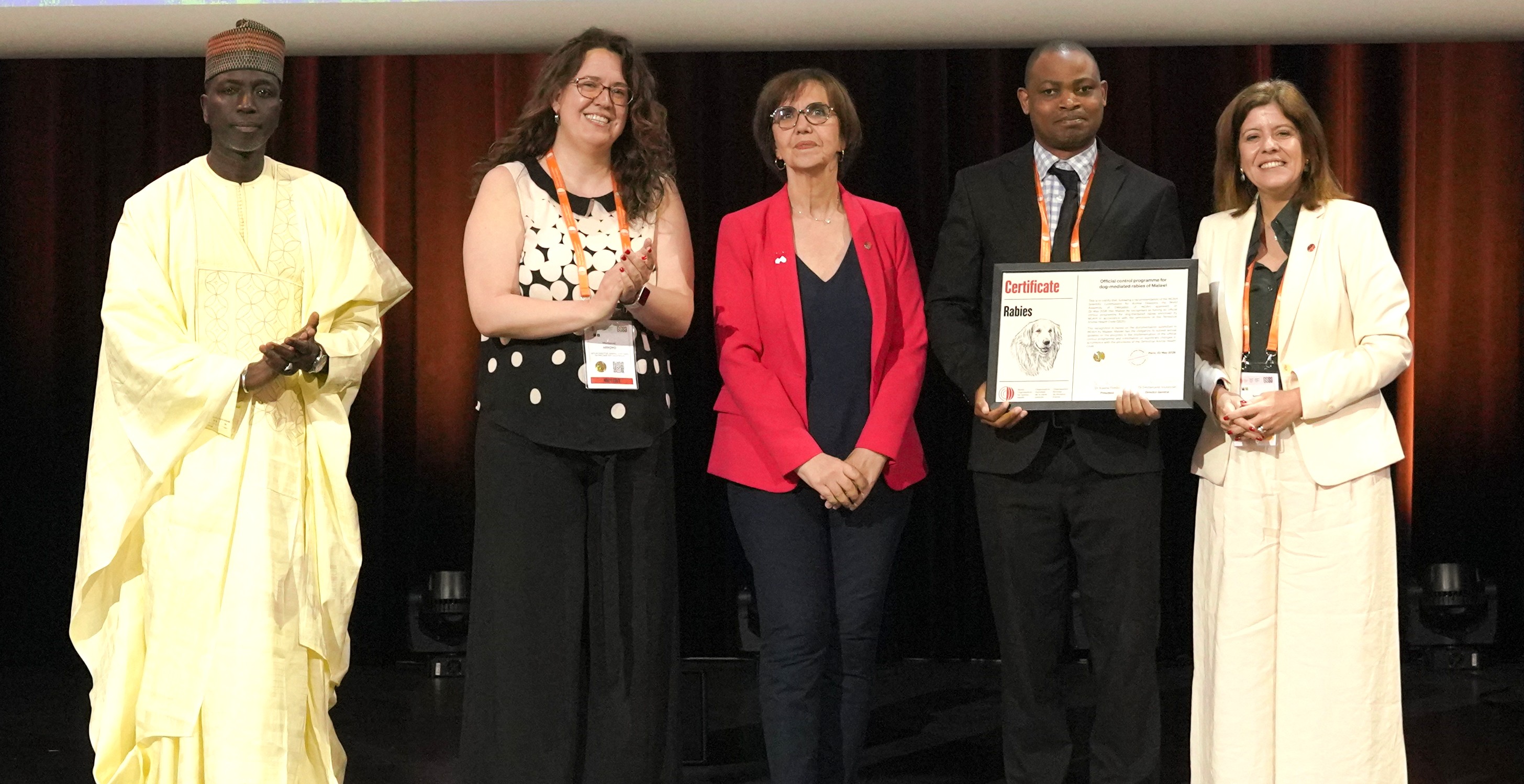
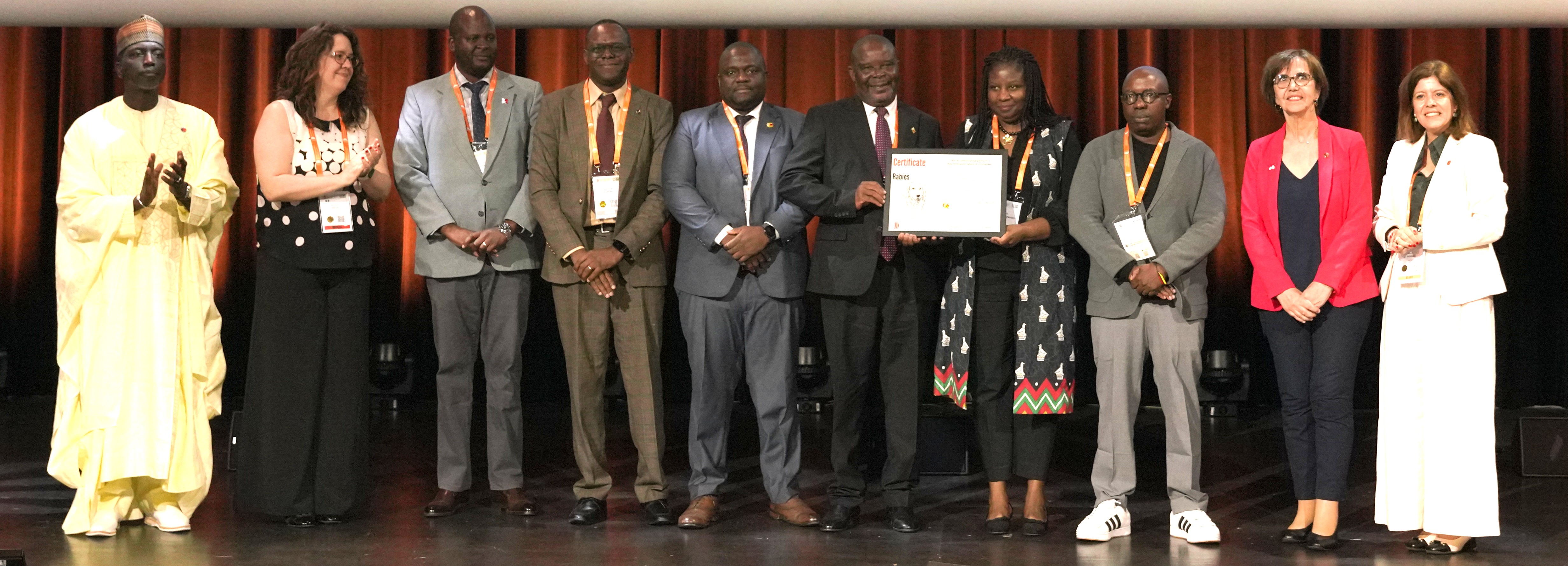
The Scientific Commission for Animal Diseases (SCAD) presented a resolution for the recognition of several new official diseases statuses and control programmes, two of them for Africa are the recognition of Malawi’s and Zimbabwe’s national official control programme (OCP) for dog-mediated rabies.
Second from right : Dr Yohane Soko, WOAH staff and national of Malawi, on the main stage, receiving the certificate of endorsement of the Official Control Programme against dog-mediated rabies of Malawi on behalf of his country. Picture © M. Tic (woah) 2026.
The Delegation from Zimbabwe on the main stage, receiving the certificate of endorsement of the Official Control Programme against dog-mediated rabies. Picture © M. Tic (woah) 2026.
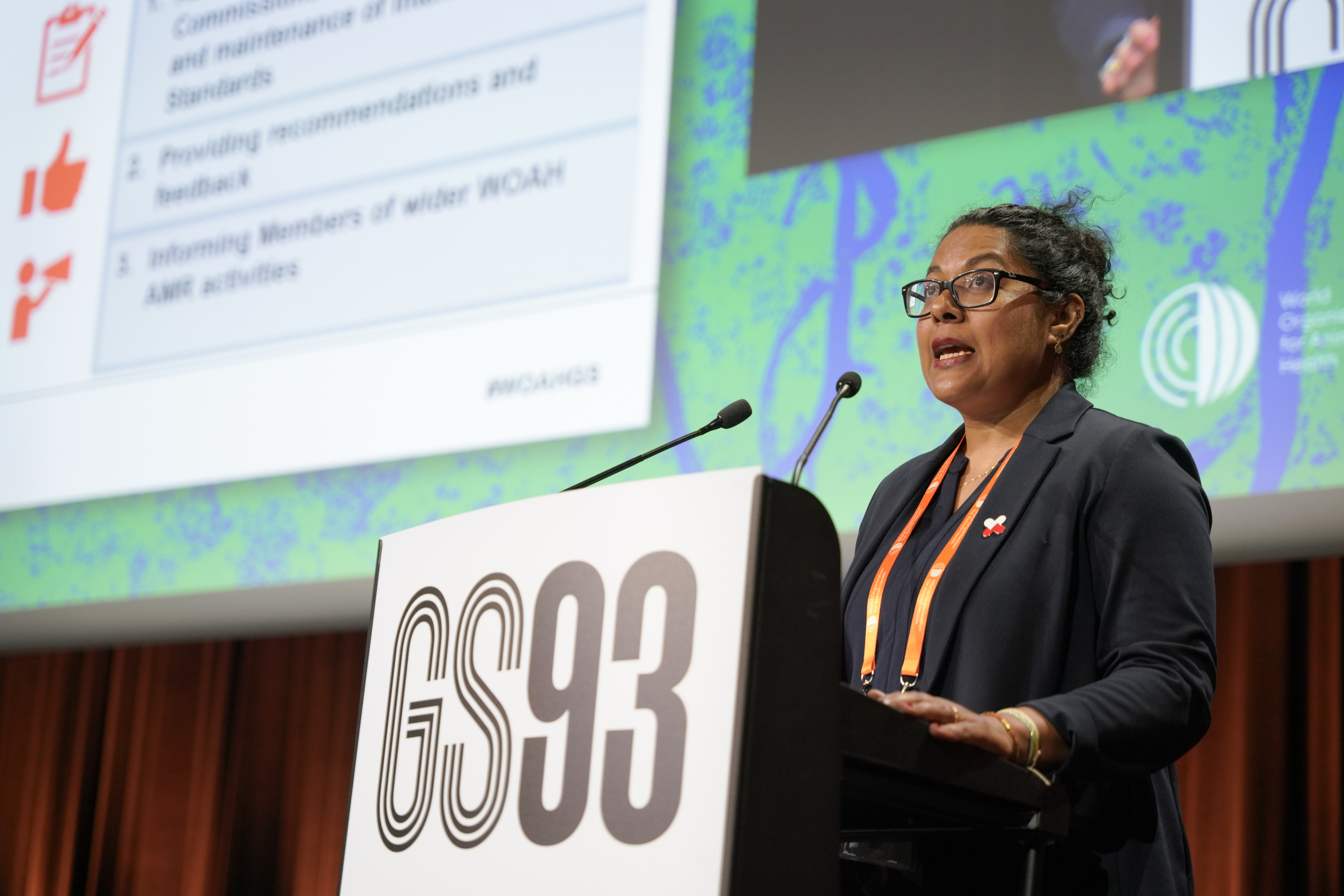
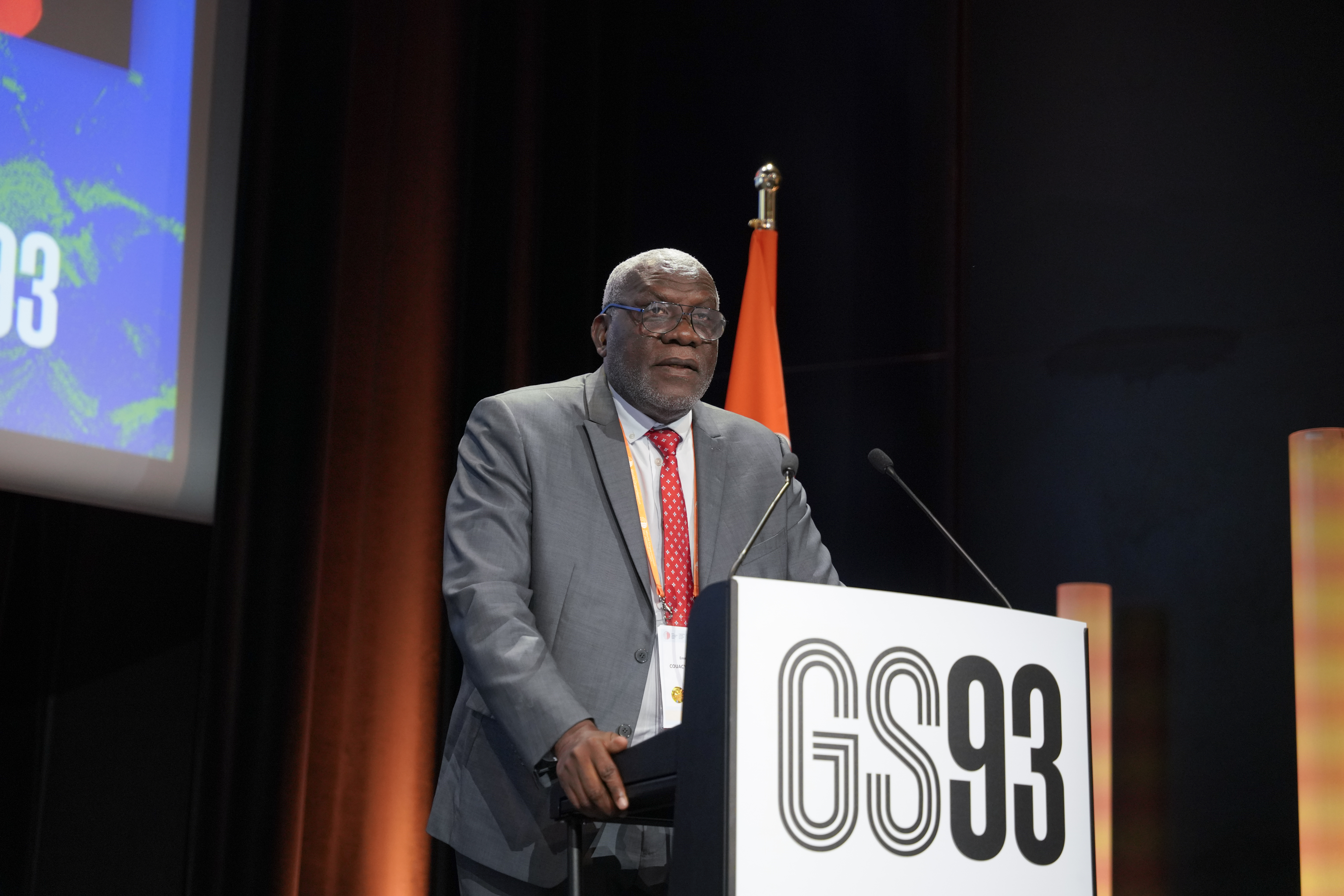
Prof. Emmanuel Couacy-Hymann (Côte d’Ivoire), President of the Biological Standards Commission (BSC), presented the annual activity report
He provided an overview of the Manual of Diagnostic Tests and Vaccines for Terrestrial Animals texts proposed for adoption, 17 chapters, all of which were adopted without objection or abstention. The details of the report are available here.
Moving to the disease specific section of the Manual, the following chapters were amended :
All these Chapters were adopted, without comments, by consensus.
Prof. Emmanuel Couacy-Hymann (Côte d’Ivoire), President of the Biological Standards Commission (BSC), presented the annual activity report. Picture (c) M. Tic (woah) 2026
The President presented the statistics of the various WOAH Reference Centres, i.e. 273 Reference Laboratories and 83 Collaborating Centres in 50 countries working with 202 experts. He also reported on the performance of various Reference Laboratories and Collaborating Centres and amended the format of the report to maintain transparency, review of new applications and nomination of experts.
No new WOAH Reference Laboratories for terrestrial animal diseases were designated in Africa. However, designations for four new WOAH Collaborating Centres were adopted and added to the list of WOAH Collaborating Centres. The details are available here. For Africa, these are :
Prof. Emmanuel Couacy – Hymann, President of the WOAH Biological Standards Commission (right) celebrating the retirement of Ms. Sara Linnane (left), WOAH Scientific Coordinator, International Standards (Science and Disease Management Department) after thirty years of service to OIE, and then WOAH. Picture © M. Tic (woah) 2026.
An update on rinderpest holding facilities was presented, with an African Union Pan African Veterinary Vaccine Centre (AU-PANVAC), Debre-Zeit, Ethiopia designated as Rinderpest Holding Facility for storing rinderpest virus containing material, excluding vaccine stocks and also Rinderpest Holding Facility for storing only manufactured vaccines, vaccine stocks and material solely for their production. The detailed report is available here.
Prof. Couacy-Hymann also updated the World Assembly on various twinning projects that have been completed and approved . As of February 2026, 100 projects had been completed, 17 projects were underway, and 3 projects were awaiting administrative clearance before starting. 24 new WOAH Reference Centres have been designated as a direct result of Laboratory Twinning projects.
The details of the laboratory twinning projects are available here . Of importance to Africa are :
The Commission recommended its acceptance for Foot and mouth disease: Dr Elliot Mpolokang Fana to replace Dr Joseph Hyera at the Botswana Vaccine Institute (BVI), Botswana
On Friday 22 May, a panel discussion took place on the theme of WOAH Tailored Support to Members
Facilitated by Dr Chadia Wannous, Head of the One Health Department at WOAH and introduced by Dr Baba Soumaré, Deputy Director General for Global Frameworks and Capacity-Building, the panel brought together national, regional and international Members and partners to discuss how WOAH and their own organisations / administrations support the membership in strengthening animal health systems and implementing One Health approaches.
Speaking : the Delegate of Zimbabwe, Dr Pious Makaya. Picture © M. Tric (woah) 2026.
The panelists discussed various challenges and opportunities, including Dr. Pious Makaya, WOAH Delegate from Zimbabwe highlighting the need for better financing of preventive measures, particularly at human-wildlife interfaces, and the impact of climate change on animal diseases.
Dr. Somatie Inderdeo, WOAH Delegate of the Bahamas shared insights on using PVS evaluations to build resilient agricultural systems in small island nations, while Dr. Anna Wong, Senior Director of the Wildlife Trade and National Parks Board of Singapore identified barriers between scientific resources and practical decision-making, suggesting that WOAH act as a more proactive broker of science.
Dr. Elsa (Elisabeth) Dibongue, new Secretary-General of PREZODE (Cameroon) emphasised the importance of integrating Veterinary Services into national One Health governance systems and community-based early warning mechanisms.
Speaking : Dr Baba Soumaré, Deputy Director General for Global Frameworks and Capacity-Building. Picture (c) M. Tic (woah) 2026
In closing Dr Junxia Song, Chief of the One Health and Disease Control Branch in the Animal Production and Health Division at FAO concluded by highlighting the value of partnerships between WOAH and other organisations, referring to GF-TADs and the Quadripartite, noting that resilient animal health systems require strong Veterinary Services, clear national priorities, science-based decision making, and predictable investment across multiple stakeholders.
More information on science-policy interfaces (Africa) : WOAH Sub-regional Workshop Strengthening science-policy interfaces (SPI) for the ‘One Health’ approach in North Africa.
Dr Baba Soumaré, Deputy Director General for Global Frameworks and Capacity-Building. Picture (c) M. Tic (woah) 2026.
The previous panel discussion was followed by the traditional Regional Activities Highlights , i.e. a panel discussion with the WOAH Regional and Sub–Regional Representations, for which the Regional Representation for Africa was represented by the Sub-Regional Representation for Southern Africa, Dr Moetapele Letshwenyo (Gaborone, Botswana).
The five Regional Representatives shared perspectives on the role of regional offices in supporting WOAH Members across different continents. The panelists discussed five key pillars that underpin strong Veterinary Services: early warning and transparency, standards implementation, disease prevention and control, preparedness and emergency response, and resilient and trusted animal health systems. Each representative presented their region’s specific challenges and approaches, with Dr. Tomoko Ishibashi from Asia-Pacific highlighting disease reporting improvements through WAHIS and epidemic intelligence initiatives, Dr. Francisco D’Alessio from the Americas emphasising the importance of standards as a common language for global trust, Dr. Moetapele Letshwenyo from Africa discussing regional coordination for transboundary disease control, Dr. Budimir Plavsic from Europe sharing experiences with preparedness and crisis response through platforms like GF-TADs, and Dr. Ahmad Al-Majali from the Middle East explaining the need for regional approaches to strengthen surveillance systems.
The discussion included interactive polling where participants identified faster information sharing and early warning as the greatest added value of regional cooperation, followed by better coordination of disease control measures. The panelists concluded by discussing how regional offices help build trust through communication, transparency, and practical support to Members, with Dr. François Caya, WOAH Deputy Director General for Institutional Affairs and Governance emphasising that regional representatives are available year-round to support WOAH Members in adapting global standards to local contexts.
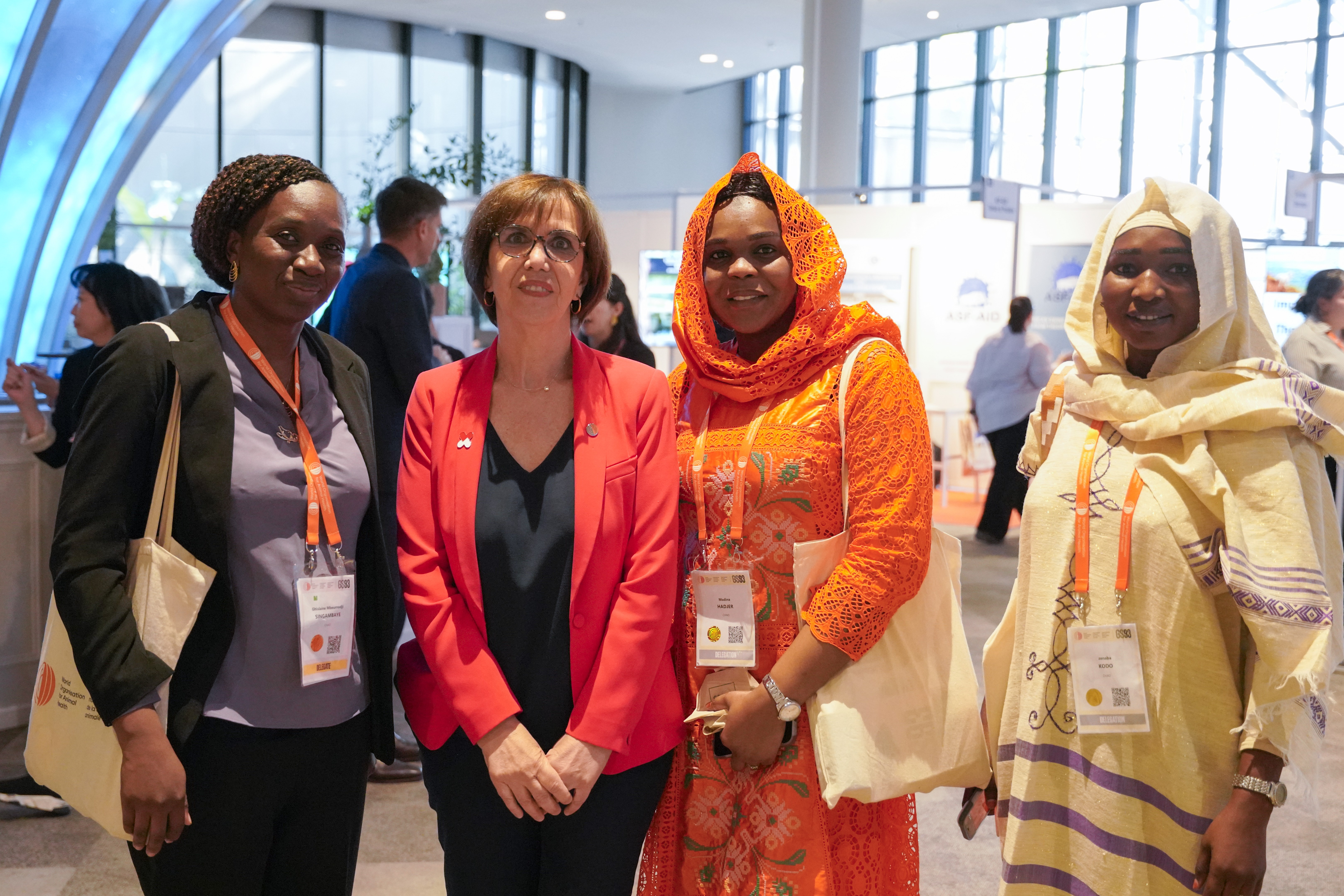
The WOAH Director General with the all-female delegation from Chad : Dr Ghislaine Mbeurnodji Singambaye (Delegate, left) and Drs Madina Hadjer and Zenaba Mahamat Kodo of the Veterinary Services. Picture © M. Tic (woah) 2026.
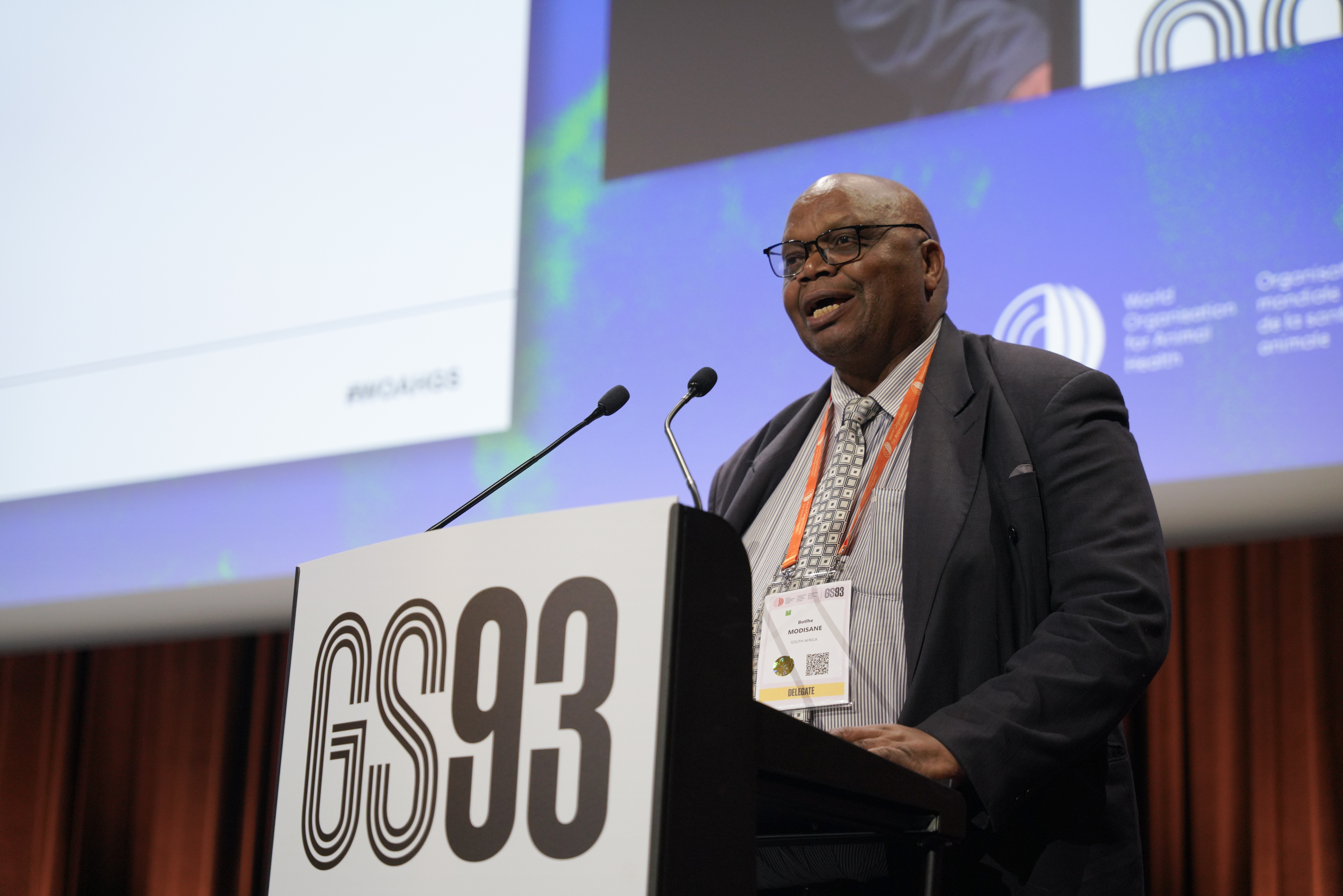
The (outgoing) President of the Governance Review Committee (GRC), Dr Botlhe Michael Modisane, Delegate of South Africa. Picture © M. Tic (woah) 2026
The First and Second Administrative session tackled a few important issues, of relevance to Africa.
Firstly, the presentation by the (outgoing) President of the Governance Review Committee (GRC), Dr Bothle Michael Modisane, Delegate of South Africa, focused on the partial adoption of a limited number (7) of recommendations through Resolution 04-2026, the contents of which have already been amended and endorsed by the Council in March. The seven recommendations are the so-called low hanging fruits, expected to yield the biggest impacts, under the header “Transparency of financial contributions and arrears”.
This includes the development of a public-domain dashboard of Members’ financial contributions and arrears and the launch of a wide consultative process to review the self-selection of a contribution category (categories 1 – 6) by alternative contribution models, which – as expressed by the external auditor, Mr. Didier Selles, may include mandatory contributions based on Members’ carrying capacity, e.g. Gross domestic product (GDP). These measures will be prepared by 2028 with transitional measures going forward into 2030. Further measures include the development of a sanctions framework for arrears (currently limited to lost voting rights), more flexibility in assigning alternate voting officials, apart from the Delegate, the modernisation of the systems underpinning the regional commissions and bureau, the abolishment of the specific position of immediate-past-President in the Council, for the benefit of a general seat, as well as the future management of cooperation agreements. Having been unable to complete the workplan, covering all recommendations emanating from Resolution 12-2024, the GRC requested that phase 1 of its work programme be extended by a year, until May 2027; this led to criticism from the President of the Africa Regional Commission, Dr Honoré Nlemba Mabela, who further pleaded for a minimum “token” contribution system for (most) African Members. The Delegate from Chile, Dr. Carlos Orellana Vaquero, pointed out that those most affected by the arrears were not represented in the Assembly and/or may not have voting rights. With 113 Members in the room, the GRC Resolution was adopted unanimously. Dr François Caya, Deputy Director General for Institutional Affairs and Governance confirmed the resignation of Dr Modisane as President, congratulating the new President, the Delegate of Cyprus, Dr. Christodoulos Pipis, previously Vice- President of the GRC. The African Members of the GRC (16 in total) are Kenya, Senegal, South Africa and Tunisia.
Secondly, the financial picture painted by the Director of Administration, Ms. Marie Alizon and the internal and external auditors, is generally positive and far better than some of the comparable international organisations. The 2025 Financial report was adopted by 106 Members, with one abstention and one objection (resolution 11-2026). It shows a balanced execution of the 2025 Budget at EUR 52.2 million income against EUR 50.9 million expenditure. 59% of the budget is provided by the World Fund, while 30% comes from statutory contributions. Thirty-six percent of the budget was allocated to “global frameworks”. The recovery rate for statutory contributions stands at 84%, with around EUR 5.4 million of outstanding contributions from Members in Africa (between 5 – 11 years of arrears). According to the External Auditor, Mr. Didier Selles, seventy Members did not pay their contributions for 2025 at the time of the General Session. The World Fund contributes to both operations and the budgets of the regional and sub-regional representations. While the latter represents only 1% of the World Fund expenditure, the World Fund represents 74% of the budgets of the regional and sub-regional representations. The World Fund, in 2025, administered 102 grants for a total (multi-annual) amount of EUR 153 million, with EUR 23.8 million being allocated in 2025. It signed no less than 33 new grants in 2025. These days, about half of the grants are donated by Members, the other half by international and multilateral organisations. The External Auditor, in his audit report, made further comments regarding the financial management software (P2P) being rolled out to some regions, the new tools for HR management and the proposed increase of overheads for donor grants, administered by the World Fund, from the current 8.3%. he also hinted at the “redeployment” of some of the regional and sub-regional office in certain regions due to conflict and the non-compliance of the host-country agreements by the host-countries.
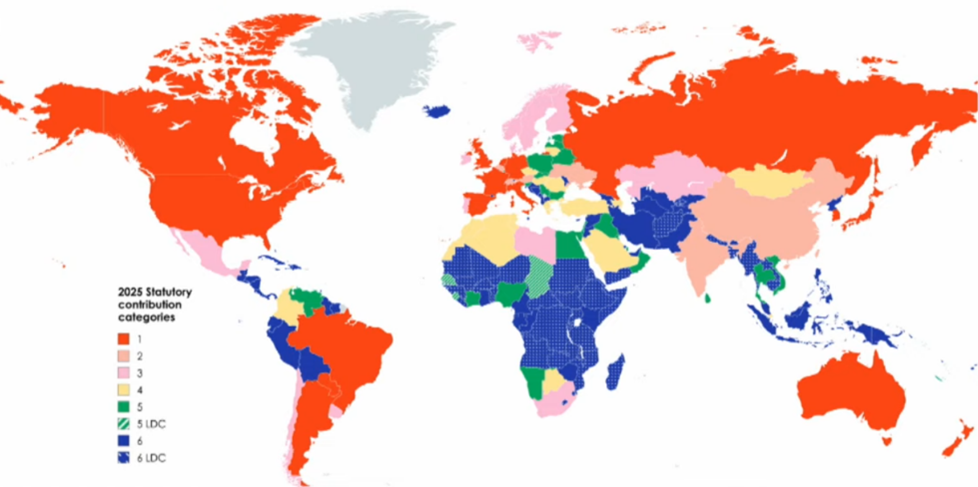
Statutory contribution categories (map)
In the second part of her intervention, the Director of Administration announced that the 2027 Budget would entail an increase in statutory contributions, aligned with an 4.1% increase in the consumer price index (OECD) from EUR 39,000 in 2026 to 41,000 in 2027 (for category 6, the most common category in Africa, see map above). The 2026 Budget overall was slightly increased to EUR 60.7 million (Regular budget : EUR 22.9 million, World Fund : EUR 23 million and regional and sub-regional representations : EUR 14 million). Provisionally, WOAH has secured EUR 49.7 million for the 2027 Budget as of now.
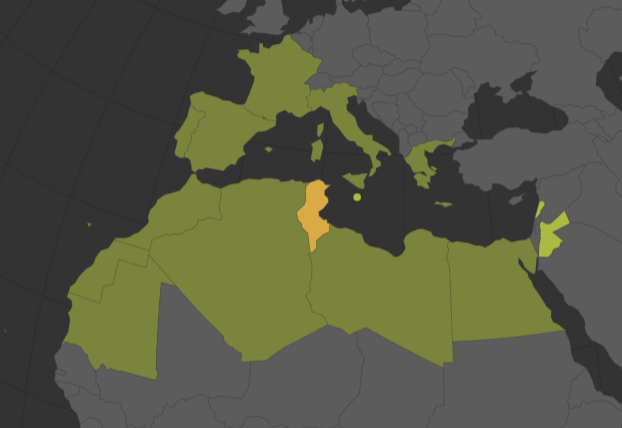
The World Assembly endorsed the official recognition of the Mediterranean Animal Health Network (Réseau Méditerranéen de Santé Animale, REMESA) through Resolution nr. 5. The REMESA was created on the basis of the Cooperation Framework for the Creation and Development of REMESA, signed in Montpellier on 10 November 2012 by representatives of the Veterinary Services of ten countries, bordering the Mediterranean Sea, as well as by FAO and WOAH. Since 2017, several REMESA activities have received financial support from the WOAH, including the programme funded by the Italian Ministry of Health to strengthen the One Health approach and food safety. An external legal assessment carried out in 2025 revealed legal weaknesses in the founding framework of REMESA.
Map of the Réseau Mediterranéen de Santé Animale (REMESA). Map by WOAH (Nairobi) 2026
This evaluation highlighted the need to legally strengthen REMESA in order to ensure its sustainability, to strengthen its governance and functioning and to increase its attractiveness to technical and financial partners. Official recognition by FAO and WOAH was identified as an essential prerequisite for this legal consolidation. In order to achieve this, the WOAH Council, in its opinion of 3 March 2026, requested close consultation with the Joint Permanent Committee (JPC) of REMESA, which – in April 2026 – endorsed the principle of official recognition of REMESA by FAO and WOAH, including through the adoption of a resolution at this 93rd General Session of the WOAH. The Assembly therefore adopted a resolution by which WOAH officially recognises the existence of REMESA, thus confirming its role and missions in regional cooperation in animal health in the Mediterranean. The next step will be to put in place a strong legal framework in partnership with the members of the network and FAO and WOAH (as the Secretariat, based in Tunis, Tunisia). The current membership of REMESA consists of Algeria, Cyprus, Egypt, France, Greece, Italy, Jordan, Lebanon, Malta, Mauritania, Morocco, Portugal, Spain and Tunisia (see map on the left).
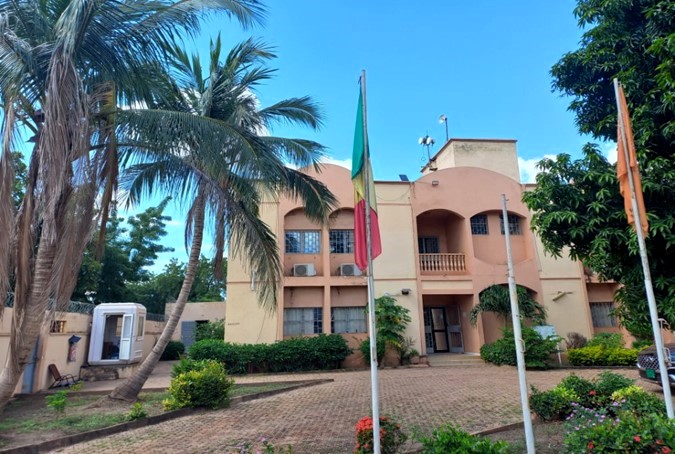
The offices of the WOAH Regional Representation for Africa, in the Sotuba area of Bamako, Mali. Picture (c) communication (woah) 2024.
The public part of the second administrative session ended with the announcement by the Director General and the Deputy Director General for Institutional Affairs and Governance of the decision, taken by the WOAH Council in March this year, to close its Regional Representation for Africa, based in Bamako, Mali, due to the protracted and prevailing security challenges. The Government of Mali has been officially informed of WOAH’s withdrawal from the Host-country Agreement in the next year. Meanwhile, all staff have been working remotely, either from home or from their home countries. No announcements were made regarding the establishment of another Representation in another country in West or Central Africa, neither of the coverage of such future Representation. The Director General insisted that this decision was not a reflection of the Representation’s performance and thanked the outgoing Regional Representative, Dr Karim Tounkara, for his service to WOAH, under difficult circumstances. Dr Tounkara will continue to serve as a consultant to WOAH, with a mandate limited to ensuring the smooth closure and transition of the Bamako office. The congratulations to Dr Tounkara were echoed by several Delegates, amongst whom the President of the Regional Commission for Africa, Dr Honoré Nlemba Mabela.
Delegate of the Democratic Republic of Congo and President of the Regional Commission for Africa, Dr Honoré Nlemba Mabela, paying tribute to Dr Karim Tounkara. Picture © M. Tic (woah) 2026.
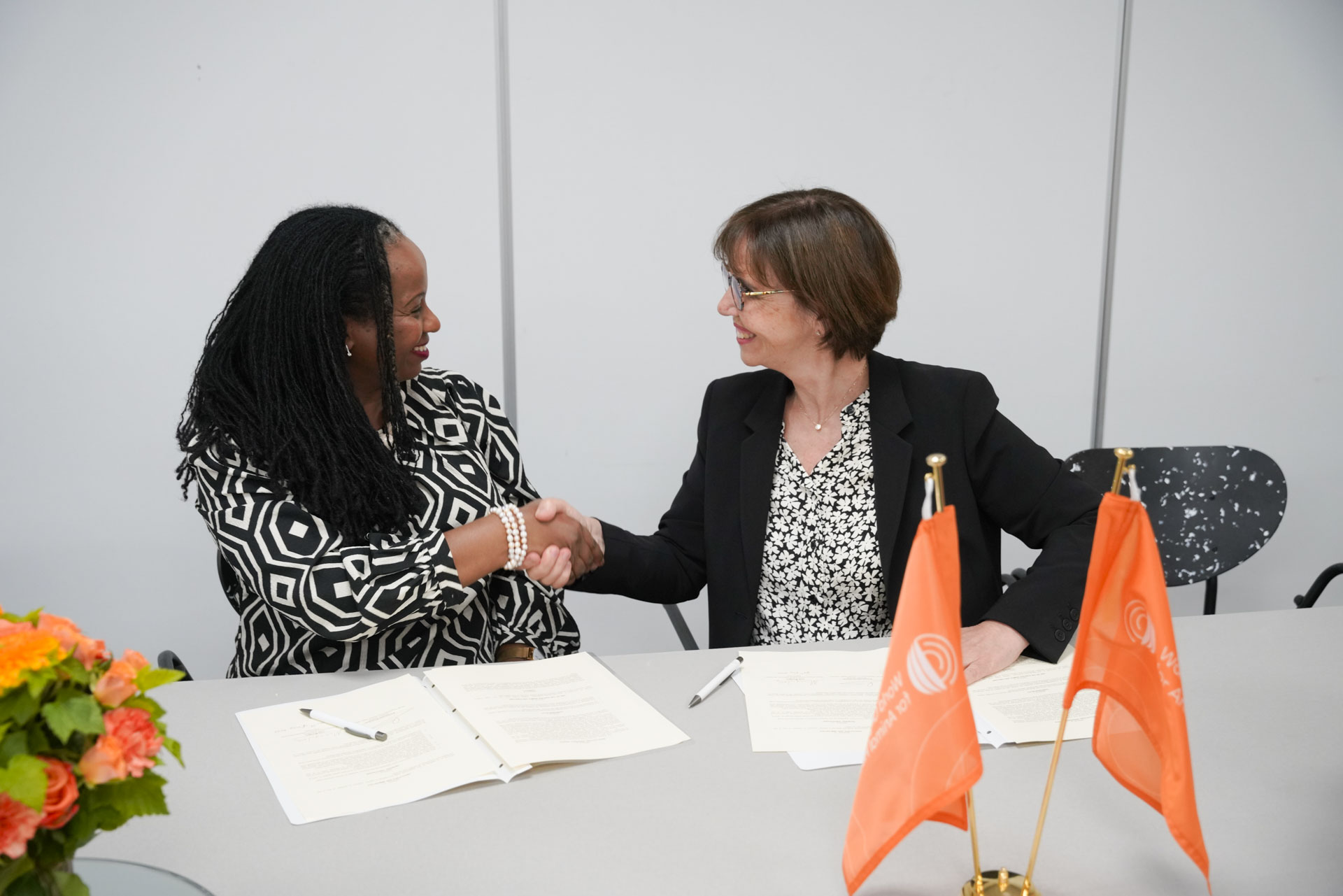
Signature of the new MoU with the Global Alliance for Livestock Veterinary Medicines (GALVmed), represented by CEO, Ms. Lois Muraguri (left). The NGO is based in the UK (Edinburgh), with a Regional Hub in Nairobi, Kenya. Picture (c) M. Tic (woah) 2026.
The WOAH Capacity Building Department hosted a side event to mark 20 years of the Performance of Veterinary Services (PVS) Pathway. Moderated by Head of Department, Ms. Barbara Alessandrini and Ms. Jennifer Lasley, PVS Senior Coordinator, a panel brought together nine panellists, amongst whom (from Africa) Dr Mary N. Mbole-Kariuki, Animal Health Unit Coordinator, African Union (AU-IBAR), Dr Benezeth Lutege Malinda, WOAH Delegate, Tanzania. Dr Baba Soumaré, WOAH Deputy Director General, also intervened.
Of the 49 PVS beneficiary Members surveyed, 82% implemented the PVS recommendations, 66% enhanced their capacity following two or more evaluations, and 52% expanded their financial resources. Nevertheless, half of all recommendations received no funding, and a mere four Member countries attained a level-of-advancement level 3 (out of 5) across all critical competencies. Ms. Alessandrini proposed a new strategic framework structured around three pillars: Capacity, Collaboration and Capital.
Zooming in on the perspectives of Members, panellists detailed how PVS recommendations facilitated a thorough reform of governance, laboratories, and veterinary workforce training, whereas the Tanzania Delegate reported an 18-fold increase in the veterinary budget, rising from USD 1.9 million to USD 35.3 million between 2024 and 2027; directly attributed to the PVS evaluation report. At the regional level, AU-IBAR explained how PVS data served as the basis for the African Public-Private Partnership (PPP) Forum and assisted in securing USD 40 million from the Pandemic Fund. In a similar manner, Ms. Mesenhowski (Gates Foundation) reinforced this point from the viewpoint of a donor, emphasising that all investments should henceforth demonstrate measurable returns through rigorous metrics; this serves to underscore that the PVS is currently recognised by major financing partners as both a foundational reference and an effective advocacy tool for WOAH Delegates. Shifting to innovation, a presentation demonstrated how the Training Need Explorer facilitates targeted training across 20 African countries, while more than 250 reports having been analysed by Artificial Intelligence (AI) to identify latent learning needs. Dr Javier Yugueros – Marcos (Head of the WOAH Veterinary Products and Drug Resistance Department) confirmed the utility of PVS data for addressing antimicrobial resistance within the Organisation. Finally, it was noted that veterinary students possess motivation but require practical training, mentorship, and wellbeing support, while maintained that community-based models necessitate robust institutions and a One Health approach to achieve a lasting impact. During the Q&A session, participants inquired regarding future veterinary competencies, provided favourable feedback concerning follow-up missions, and the moderator noted that a member consultation is currently in progress to establish the programme’s priorities for the next five years.
In the end, five strategic priorities were identified:
This side event, organised by the WOAH One Health Department, focused on the strategic importance of investing in animal health and animal welfare and on translating international standards into concrete actions and sustainable investments. In her opening remarks, Dr. Chadia Wannous, Head of the WOAH One Health Department, emphasised that investing in animal welfare is no longer an optional consideration but a strategic necessity. She highlighted that animal welfare is now fully integrated within the One Health Department, reflecting WOAH’s recognition of the close interconnections between animal health, animal welfare, human well-being, environmental sustainability, and resilient food systems. Panelists included representatives from countries (Brazil), the European Commission, industry associations (IMS), development banks (IFC) and NGOs (Humane World for Animals). Key take-aways from the discussion were that :
The discussion also highlighted the central role of WOAH in advancing animal welfare globally. Through the development of international standards, scientific expertise, capacity-building programmes, evidence generation, and support to Members, WOAH enables countries to make science-based decisions and implement effective animal welfare policies and practices. The session concluded that investing in animal welfare is fundamentally an investment in sustainable livestock systems, resilient economies, responsible production, consumer confidence, and the broader One Health agenda. Moving from standards to implementation requires sustained commitment, strategic investment, and collaboration among governments, producers, the private sector, academia, and international partners.
The “Investing to End Rabies” session highlighted global progress while underscoring the persistent challenges that remain particularly acute for Africa. Opening the discussion, Dr. Baba Soumare, WOAH Deputy Director General, emphasised that rabies is “one of the clearest examples of One Health in action”, demonstrating how targeted investment in dog vaccination, surveillance, and multisectoral coordination can rapidly accelerate progress. The most strategic intervention for Africa came from the African Union’s Interafrican Bureau for Animal Resources (AU-IBAR), which took the opportunity to reiterate the African Union’s to ending dog-mediated rabies in humans by 2030. Speaking during the round table meeting on “Mobilising Investments for dog-mediated Rabies Elimination: country experiences and partner perspectives”, AU-IBAR’s Director, Dr Huyam Salih, highlighted the newly endorsed “Pan-African Strategy for the Elimination of Rabies in Africa 2026 – 2030”, a vital tool for coordinated action, harmonised implementation and resource mobilisation. Dr Salih emphasised the need to align investments with country activities, ongoing projects, existing coordination mechanisms and partnerships. She also noted that AU-IBAR’s Animal Resources Information System and the African Union Digital One Health Platform will support evidence-based decision-making, coordination and monitoring of rabies elimination efforts. With strong returns on investment and available tools, rabies elimination is both achievable and urgent.
Access the Pan-African Strategy for the Elimination of Rabies in Africa (PASERA) 2026–2030 here: https://lnkd.in/epi7cM-6
The session further showcased replicable models—such as Bhutan’s wholeofnation approach—illustrating how political leadership, community engagement, and sustainable financing can drive elimination efforts. Technical partners, including GIZ, reiterated that Africa already possesses strategies, tools, and platforms; the real challenge is ensuring that rabies becomes a national priority, since “a country cannot progress if it continues to lose lives to rabies.”
The meeting was chaired by Dr Huyam Salih (Director, African Union Interafrican Bureau for Animal Resources, AU-IBAR), President of the RSC of GF-TADs for Africa and co-chaired by Dr Gregorio Torres, Head of Department of the WOAH Science and Disease Management Department, and Dr Madhur Dhingra, Head of the Emergency Prevention System for Animal Health (EMPRES) at FAO.
An overview of the progress and achievements of the Global Initiative (GI) over the past five years (2020–2025) was presented by Madhur Dhingra. An update on the revised GI was provided by Gregorio Torres. The revised Global Initiative reflects the evolving social and economic impact and adopts a more dynamic approach. It places strong emphasis on national ownership, as well as improved integration and alignment at the regional level. The updated framework also clearly defines the spheres of control, influence, and interest, helping to better structure efforts and guide implementation. The mechanism aims to enhance coordination at the global level with broader inclusivity, strengthen evidence-based decision-making, and maximise strategic impact. The GI also focuses on promoting sustainability, building capacity, and ensuring equity in the implementation of activities.
Across regions, Members reported both progress and persistent challenges. Improvements were noted in governance, surveillance systems, laboratory capacity, and regional coordination. However, ASF continues to pose a major global threat, with endemic circulation in several regions, ongoing risks linked to wild boar and human-mediated spread, and the absence of a safe and effective vaccine. Constraints such as limited resources, gaps in reporting, low biosecurity—particularly in smallholder systems—and insufficient transparency in some contexts remain key concerns.
Looking ahead, regions identified priority actions including strengthening surveillance and early detection, enhancing biosecurity across value chains, improving emergency preparedness and response, and reinforcing cross-border coordination. There was also strong emphasis on adopting a long-term, risk management approach, integrating ASF control into broader livestock development strategies, and promoting behaviour-based risk communication. Sustained investment in Veterinary Services, laboratory systems, and digital reporting tools, alongside support for capacity building and regional cooperation, was highlighted as essential for effective prevention and control.
Africa – through the statements of Pr. James Wabacha of AU-IBAR – highlighted that while significant progress has been made in strengthening regional coordination, political commitment, and technical capacity for ASF control, the disease remains endemic and continues to pose a persistent, systemic challenge. The region emphasised the need to move beyond short-term emergency responses towards a long-term, risk-based approach that integrates ASF management into broader livestock development and food security strategies. This includes strengthening governance, improving surveillance and reporting, enhancing biosecurity across the value chain, particularly in smallholder systems and addressing behavioural and socio-economic drivers of disease spread. Sustained investment, stronger Veterinary Services, and regional collaboration are essential to build resilience and reduce the long-term impact of ASF.
In closing, participants underscored the importance of enhanced stakeholder collaboration and broader engagement to advance implementation of the Global Initiative. Appreciation was expressed to the Chair, Huyam Salih, for her leadership of the session, and to all partners and Members for their continued commitment to tackling ASF globally.
Fltr : Dr Gregorio Torres, GCC Co-Chair on behalf of WOAH, Dr Huyam Salih, rotating GCC Chair (on behalf of the GF-TADs for Africa RSC) and Madhur Dhingra, GCC Co-Chair on behalf of FAO. Picture © S. Castro (woah) 2026.
Ms. Corettie Medjo-byabot, Project Manager and Head of Strategy for Animal Movement. WOAH Emergency Preparedness and Resilience Department, at the GF-TADs for Africa kiosk. Picture © M. Tic (woah) 2026.
Climate Change and Animal Health. Fltr : Musa Mulongo (ILRI), Catherine Machalaba (The Nature Conservancy), Chadia Wannous (WOAH), Emmanuelle Soubeyran (WOAH) and Francesco Valentini (IZS Teramo). Picture © N. Brik (woah) 2026.
Capacity, Collaboration, and Capital (20 years of PVS insights) . Panellists of the PVS Pathway side event. Fltr: Dr Mary N. Mbole-Kariuki (AU-IBAR), Ms. Barbara Alessandrini (WOAH), Ms. Tamy Valeria Negrón Garcia (IVSA), Ms. Shannon Mesenhowski (Gates Foundation), Ms. Jennifer Lasley (WOAH), Ms. Laura Skippen (Action for Animal Health), Dr. Javier Yugueros-Marcos (WOAH) and Ms. Silvia D’Albenzio (IZSAM). Picture © D. Tegegne (WOAH) 2026.
The side-event was introduced by Dr Javier Yugueros Marcos, Head of the WOAH Veterinary Products and Drug Resistance Department, followed by opening remarks from Dr Emmanuelle Soubeyran, WOAH Director General. In her address, Dr Soubeyran highlighted that vaccination remains one of the most effective tools available for preventing and controlling animal diseases. She reminded the audience that veterinary vaccines and vaccination were the technical focus of the previous General Session and emphasised the need to move beyond the adoption of standards towards their effective implementation in the field.
Executive Director of Health-for-Animals , Dr Carel du Marchie Sarvaas. Picture © M. Tic (woah) 2026
Dr Javier Yugueros – Marcos explained that the PREVENT Forum is intended to operationalise the commitments made under WOAH Resolution No. 29 of 2025 and to follow up on the recommendations emerging from previous discussions on veterinary vaccines and vaccination. The Forum will provide a permanent mechanism for dialogue, evidence generation and collective action aimed at improving vaccination strategies globally. The Forum’s work will focus on seven priority areas (or challenges) reflected in its acronym:
Indeed, these thematic areas correspond to key hurdles that require stronger collaboration between public and private stakeholders to improve vaccination outcomes worldwide. The Executive Director of HealthforAnimals , Dr Carel du Marchie Sarvaas, presented the private sector perspective and highlighted vaccination as one of the greatest success stories in animal health, recalling the eradication of Rinderpest, the first animal disease ever eradicated worldwide through coordinated vaccination and disease control efforts. The speaker stressed that vaccination remains among the most effective and cost-efficient disease prevention tools available. However, despite its proven benefits, vaccine coverage remains insufficient for many animal diseases globally. Emerging challenges such as vector-borne diseases, transboundary animal diseases and evolving disease patterns require stronger investment in prevention and vaccination programmes.
Dr Carel du Marchie Sarvaas emphasised that increased private sector engagement is no longer optional but essential. WOAH is recognised as a uniquely positioned organisation to facilitate such collaboration through its global network, technical expertise and credibility. The objective is to transform partnerships into a practical framework that enables all stakeholders to work together effectively toward common prevention goals.
As part of the session on Country Perspectives, Dr Botlhe Michael Modisane, WOAH Delegate and outgoing Chair of the Governance Review Committee (Republic of South Africa) discussed current experiences in the management of Foot-and-mouth disease (FMD) and emphasised the role of vaccination in protecting animal populations and reducing the economic impact of outbreaks. The intervention also highlighted broader benefits of vaccination, including:
The new VMRA-SAT (self-assessment tool), developed by the UK’S Veterinary Medicines Directorate (VMD) for Veterinary Medicines (national) Regulatory Agencies, was presented as an innovative mechanism to strengthen veterinary medicines regulatory systems. Discussions highlighted major challenges faced by countries, including antimicrobial resistance, falsified veterinary products, and regulatory gaps. Speakers emphasised the importance of having strong regulatory systems to ensure safe, effective, and quality veterinary medicines. Veterinary regulation was presented as a key pillar for animal health, public health, and food safety. Participants stressed the need to adapt national legislation to each country’s realities and needs.
Dr Montserrat Arroyo, WOAH Deputy Director General for Standard Setting and Implementation, described the initiative as one of the major collaborations between WOAH and the UK teams. The tool promotes a progressive approach based on self-assessment and continuous improvement.
Participants were also sensitised to the importance of transparency, regulatory harmonisation, and experience sharing among countries. Presenters clarified that VMRA-SAT complements existing veterinary medicines regulatory tools and frameworks already implemented in Africa rather than replacing them. Finally, the tool contributes to strengthening veterinary governance within the One Health framework.
The side event held on 20 May marked the closure of the P3V Project, funded by the French Development Agency, AFD and implemented by WOAH in partnership with the FAR (Formation Agricole et Rurale) Network and the Dakar-based Inter-State School of Veterinary Sciences and Medicine (Ecole Inter-Etats des Sciences et Médecine Vétérinaires de Dakar, EISMV). The event provided an opportunity to present the Project’s objectives, results, and impacts in the pilot countries: Senegal, Benin, and Togo. Major achievements included improvements in regulatory frameworks, revision of training curricula, and enhanced professional integration of veterinary paraprofessionals (VPPs), particularly young people and women. A panel discussion highlighted the positive perception of beneficiaries regarding the support received. The case of Togo was especially commended, as the country moved from a legal vacuum to the official legal recognition of VPPs.
Local technical partners, notably VSF Suisse in Togo and The Brooke in Senegal, also shared the results of their contributions and reaffirmed their commitment to supporting the sustainability of the Project’s achievements in the participating countries. The Project team further explored lessons learned, challenges, and best practices through a lessons-learned-toolkit available online. In addition, a comprehensive mapping of the VPP situation was conducted to facilitate the transferability of Project achievements to seven other West and Central African countries: Burkina Faso, Cameroon, Côte d’Ivoire, Guinea, Mali, Mauritania and Niger. Representatives from country delegations such as Chad and Madagascar also expressed strong interest in the Project.
In his remarks, Dr Baba Soumaré, WOAH Deputy Director General for Global Frameworks and Capacity-Building, called on WOAH development partners to further support the scaling up of the Project, highlighting its concrete results and its relevance in addressing Africa’s challenges.
Opened by Dr Emmanuelle Soubeyran (WOAH Director General) and moderated by Dr Chadia Wannous (WOAH), this side event brought together experts from The Nature Conservancy/OHHLEP, IZS Teramo and ILRI to examine the implications of climate change for animal health through a One Health lens.
The session centred on the presentation of the WOAH position paper on climate change and animal health, developed through extensive consultation across relevant communities of practice. Discussions highlighted that climate change is an increasingly significant driver of animal health risks, with both direct effects—including heat stress and increased mortality—and indirect effects, such as the expansion of vectors and the emergence or spread of transboundary diseases.
Speakers emphasised that these impacts are unevenly distributed, with smallholder farmers—particularly women—being disproportionately affected. Beyond animal health, these dynamics have broader implications for livelihoods, food security and poverty, reinforcing the need for targeted and inclusive responses.
The session also underscored the limited allocation of climate finance to agriculture, and the particularly low share directed toward animal health. In this context, participants highlighted the dual role of animal health as both a mitigation and adaptation lever, noting that healthier animals contribute to lower emissions while strengthening resilience of production systems.
The WOAH position paper outlines five strategic priorities:
Across these priorities, access to climate finance was identified as a key enabling factor.
The panel discussion illustrated these priorities through practical examples, including the use of Earth observation data to support targeted surveillance of vector-borne diseases, demonstrating the value of integrated, data-driven approaches. Participants also emphasised the importance of aligning global frameworks with Members’ needs, noting that recent consultations confirmed strong demand for the guidance provided by the position paper.
Overall, the session highlighted that climate change is already reshaping animal health systems, and that animal health remains an under-recognised but critical entry point for climate action. Strengthening Veterinary Services, enhancing cross-sector collaboration and mobilizing adequate financing were identified as key priorities to support more resilient and sustainable food systems within a One Health framework.
Climate Change and Animal Health [WOAH] Fltr : Musa Mulongo (ILRI), Catherine Machalaba (The Nature Conservancy), Chadia Wannous (WOAH), Emmanuelle Soubeyran (WOAH) and Francesco Valentini (IZS Teramo). Picture © N. Brik (woah) 2026.
PREVENT Forum Workshop: Public-Private Collaboration for Stronger Animal Disease Prevention Through Vaccination [WOAH, Health for Animals] Executive Director of Health-for-Animals , Dr Carel du Marchie Sarvaas. Picture © M. Tic (woah) 2026
Mr Ian Peter Busuulwa (Nairobi office, left) and Dr Nadia Brik (Tunis office, middle) taking the Director General, Dr Emmanuelle Soubeyran, through the carrousel presentation at the Africa kiosk. Picture © M. Tic (woah) 2026.
7. The P3V Project, a concrete approach to integrate VPPs. Dr Baba Soumaré WOAH Deputy Director General for Global Frameworks and Capacity-Building, during his opening remarks. Picture © P3V Phototeck (woah) 2026
The side event dedicated to the new WOAH Animal Movement Framework presented a conceptual tool designed to support Members in developing context‑appropriate systems for controlling animal movements, particularly to limit the spread of transboundary animal diseases. The framework, which is non‑prescriptive, provides a common language, seven analytical modules and a stepwise methodology to assess risks, map movement pathways, design proportionate measures and avoid unintended consequences such as shifts toward informal channels. Discussions highlighted the importance of inter‑institutional cooperation —Veterinary Services, customs, law enforcement, transporters— as well as the critical role of operational traceability and digitalisation, while acknowledging major challenges faced by many countries, including limited connectivity, fragmented systems and insufficient human resources.
These issues are especially relevant for Africa, where cross‑border livestock movements are extensive, often informal, and central to pastoral livelihoods. The framework therefore offers a strategic opportunity for African Members to strengthen surveillance, risk management, targeted border controls and regional harmonisation, particularly in Sahelian and transboundary zones. WOAH plans to support this process through regional workshops, which will be essential to translate the framework into operational plans adapted to African realities and to reinforce existing continental initiatives, such as strategies for transboundary disease control and digital integration efforts. Overall, the session underscored that Africa stands to gain significantly from this framework to modernise animal movement control systems, enhance health system resilience and reinforce regional cooperation.
The GEDSI side event organised by WOAH and the Gender and Inclusion Task Force (GITF) highlighted the importance of gender equality, diversity, and social inclusion within Veterinary Services. Speakers emphasised that technical solutions alone are not sufficient to address gender-related challenges. The GEDSI approach is now integrated into the 8th Strategic Plan of WOAH as well as into the PVS process. Several initiatives were presented, including studies conducted in Asia and West Africa, training sessions on gender issues and harassment prevention, and competitions involving students. Côte d’Ivoire shared its experience with the establishment of a Gender Unit within the Ministry of Animal and Fisheries Resources (MIRAH) and the support provided to women fish traders in Locodjro. Discussions also highlighted challenges related to access to finance and loan repayment. Participants stressed the importance of close support and capacity building. The side event aimed to move from theory to practice by sharing experiences, achievements, and challenges encountered in implementing GEDSI approaches. The session concluded with a strong message from the representatives of the United Arab Emirates “No nation can progress without empowering women”
Moderated by Dr Paolo Tizzani (WOAH Data Integration and Analysis Department, DIAD), this side event brought together representatives from Canada (WOAH Delegate, Dr. Mary Jane Ireland), IZS Teramo (Istituto Zooprofilattico Sperimentale dell’Abruzzo e del Molise “Giuseppe Caporale”, Italy) and INRAE (Institut national de recherche pour l’agriculture, l’alimentation et l’environnement, France) to explore how foresight, horizon scanning and epidemic intelligence can strengthen risk monitoring, early warning and preparedness in animal health systems.
The session aimed to clarify key concepts related to epidemic intelligence, forecasting and horizon scanning, while highlighting available tools and approaches, and outlining how WOAH and its network of partners can support Members. Discussions emphasised that effective foresight requires formalised and coordinated mechanisms, enabling timely risk detection, improved information sharing, and a balance between immediate response needs and long-term strategic planning.
Participants highlighted several opportunities associated with strengthened foresight capacities, including data-driven decision-making, sustained collaboration across institutions, effective use of expert networks and enhanced horizon scanning capabilities to anticipate emerging risks.
Country and institutional experiences illustrated how these approaches are being implemented in practice. France shared its experience with a national animal health surveillance platform, integrating multiple systems and combining indicator-based and event-based surveillance to support epidemic intelligence. IZS Teramo presented a surveillance initiative in North Africa based on Earth observation data (PROVNA project), which supports the identification of risk patterns linked to environmental and climatic factors. Future work will focus on scaling this approach through eco-regionalisation and strengthening regional data use.
The discussion also highlighted practical applications of these tools in supporting WOAH’s epidemic intelligence framework, including contributions to rapid risk assessment, improved early warning systems and more effective risk communication.
Overall, the session underscored that foresight, horizon scanning and epidemic intelligence are critical components of resilient animal health systems, requiring sustained investment, strengthened coordination and integration of diverse data sources to anticipate and manage emerging risks.
Fltr : Mr. Pierre-Emmanuel Cangah, WOAH Chief of Staff (left), Ms. Ziola Leroux, Technical Representative of the Republic of Côte d’Ivoire to the Organizations responsible for Fisheries and Animal Resources within the European Union in Brussels, Belgium, H.E. Sidi Tiémoko Touré, Minister of Animal and Fisheries Resources of Cote d’Ivoire (middle left), Dr Emmanuelle Soubeyran, Director General (middle right), Dr Vessaly Kallo, WOAH Delegate and Dr Baba Soumaré, WOAH Deputy-Director General (right). Picture © M. Tric (woah) 2026.
Bilateral meeting between the DG of WOAH and the Sudanese Delegation. The meeting covered capacity building of the Veterinary Services i.e. training of veterinary personnel, veterinarians and veterinary paraprofessionals, enhanced laboratory capacity for testing and support from the WOAH Reference Laboratories to the Sudanese laboratory facilities. The DG congratulated the new Delegate for his nomination, Dr Ammar Babiker and thanked the Minister, Prof. Ahmed Al-Mansoury for his active participation throughout the General Session. Fltr : Dr Gregorio Torres, Head of the WOAH Science and Disease Management Department, Dr Ammar Babiker , WOAH Delegate (Sudan), Dr Neo Mapitse, WOAH Sub-Regional Representative for Eastern Africa, Prof. Ahmed Al-Mansoury, Minister of Animal Resources (Sudan), Dr Emmanuelle Soubeyran, Director General (middle right), Dr. Nadia Karoum, Director general of fisheries and aquarium (Sudan), Dr Khalda Ali, Ministry of Animal Resources (Sudan) and Mr. Pierre-Emmanuel Cangah, WOAH Chief of Staff (right), Picture © M. Tric (woah) 2026.
The General Session was declared closed by the President, Dr Susana Pombo, who thanked all Delegates for their support throughout her second World Assembly as President. The next General Session will take place from Monday 24 to Friday 28 May 2027, again at the CNIT – Forest in the La Défense district of Paris.
On the 18th of May Ministers and high-level government representatives from across the world have endorsed a landmark Ministerial Statement at the 93rd General Session of the World Organisation for Animal Health (WOAH), calling for urgent global investment in animal health systems amid growing biological threats, climate pressures and rising pandemic risks.
The full statement is available here