
Empowering Zimbabwe’s Frontline through Emergency Management Training
February 06, 2026
Read more
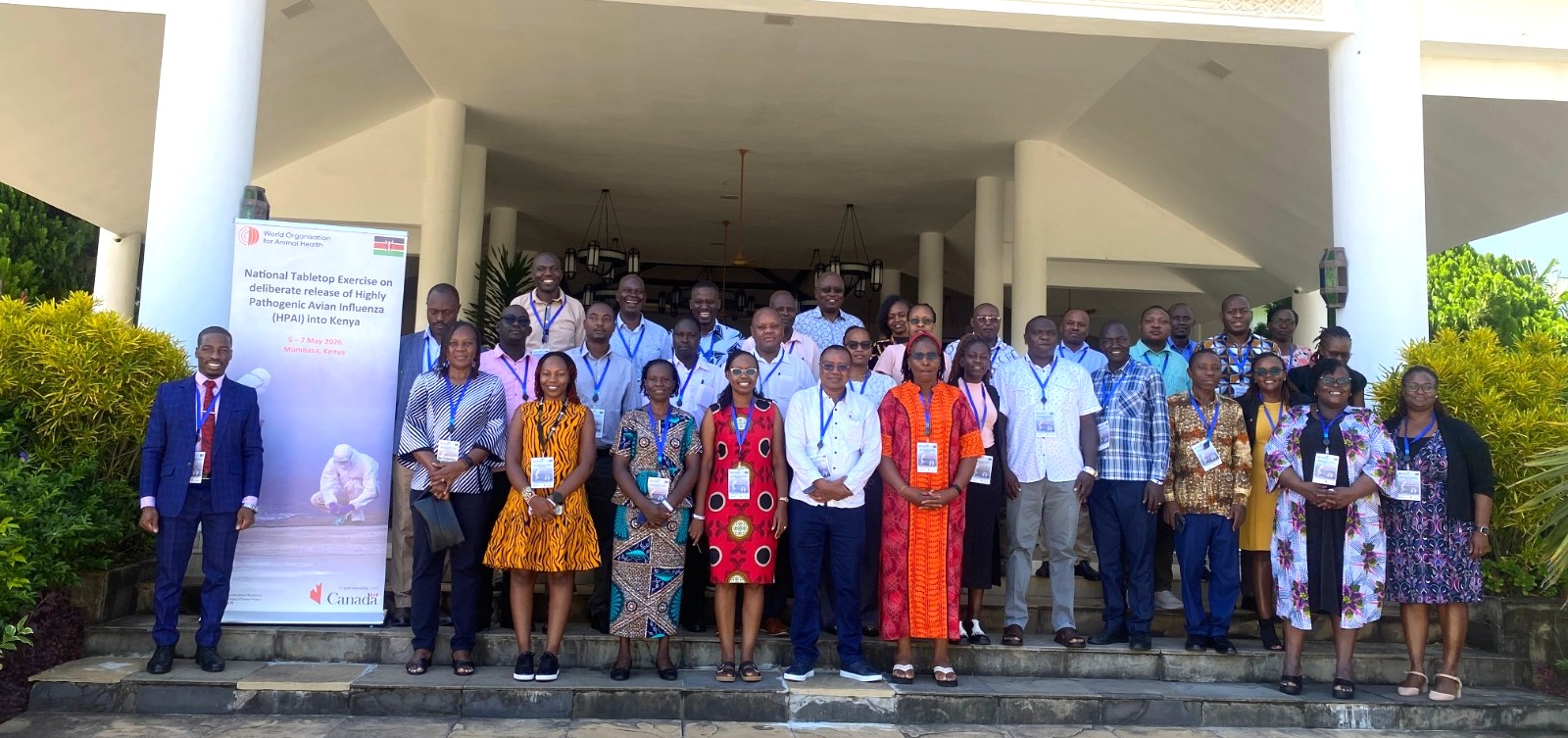
The World Organisation for Animal Health (WOAH), in partnership with the Government of Canada under the Fortifying Institutional Resilience Against Biological Threats (FIRABioT) project, facilitated a three‑day National Tabletop Exercise on the deliberate release of High Pathogenicity Avian Influenza (HPAI) in Kenya. The exercise was held in Mombasa from 5 to 7 May 2026.
WOAH frequently conducts simulation exercises in Africa to test emergency preparedness for HPAI, validate national contingency plans, and strengthen rapid response protocols. Key recent initiatives include a Regional Training on Simulation Exercises under the FIRABioT project (2025) for English‑speaking African countries including Kenya, Malawi, and Tanzania; a Kenya/Uganda border field simulation in Busia testing regional coordination under the East African Community (EAC) and FAO for HPAI; and a Malawi field simulation in Salima district testing cross‑border preparedness for HPAI.
The Mombasa exercise brought together 30 representatives from the Directorate of Veterinary Services (DVS), public health institutions, national security agencies, emergency response coordination structures, county veterinary services, laboratories, communication teams, and development partners. Their objective was to assess Kenya’s preparedness and response capacity for a deliberate release of HPAI, applying the One Health approach.
High Pathogenicity Avian Influenza remains one of the world’s most significant transboundary animal diseases due to its impact on poultry production, food systems, trade, livelihoods, biodiversity, and public health. According to WOAH and the World Health Organization (WHO), outbreaks of avian influenza viruses continue to pose a serious global concern due to their zoonotic potential and capacity to disrupt national economies and food supply systems. The increasing complexity of biological threats has further reinforced the need for countries to strengthen preparedness, emergency coordination, surveillance systems, and multisectoral response mechanisms.
The exercise formed part of WOAH’s broader efforts to strengthen institutional resilience against biological threats and support its Members in improving preparedness for animal health emergencies, zoonotic diseases, and deliberate biological incidents.
The simulation exercise was officially communicated to WOAH by Dr Allan Azegele, WOAH Delegate and Director of Veterinary Services in Kenya. The exercise aimed to strengthen Kenya’s capacity to prevent, detect, and respond to a deliberate release of HPAI through structured, scenario-based discussions and coordinated interagency response planning.
The meeting provided a platform for participants to review existing preparedness frameworks and assess the effectiveness of surveillance systems, outbreak investigations, laboratory diagnosis, emergency coordination mechanisms, reporting pathways, containment measures, risk communication procedures, and recovery planning systems.
Opening remarks were given by Dr Lillian Wambua, on behalf of Dr Neo Mapitse, setting the tone for multisectoral collaboration and underscoring the urgent national importance of HPAI preparedness. The opening remarks emphasized that preventing the introduction and spread of HPAI remains a critical national security and public health priority, given the severe socioeconomic, food security, and zoonotic risks posed by this disease
WOAH’s mandate in improving global animal health through transparency, international standards, disease intelligence, veterinary capacity building, food safety, animal welfare, and international solidarity among its Members, was highlighted. Emphasizing that WOAH Members are required to report confirmed outbreaks of listed diseases through the World Animal Health Information System (WAHIS) within 24 hours, it was noted that this supports rapid international information sharing and coordinated disease response. WOAH standards and manuals provide scientific guidance on disease diagnosis, surveillance, prevention, and control for both terrestrial and aquatic animal diseases.
The workshop was officially opened by Dr Sabenzia Wekesa, on behalf of the Director for Veterinary Service and WOAH Delegate of Kenya
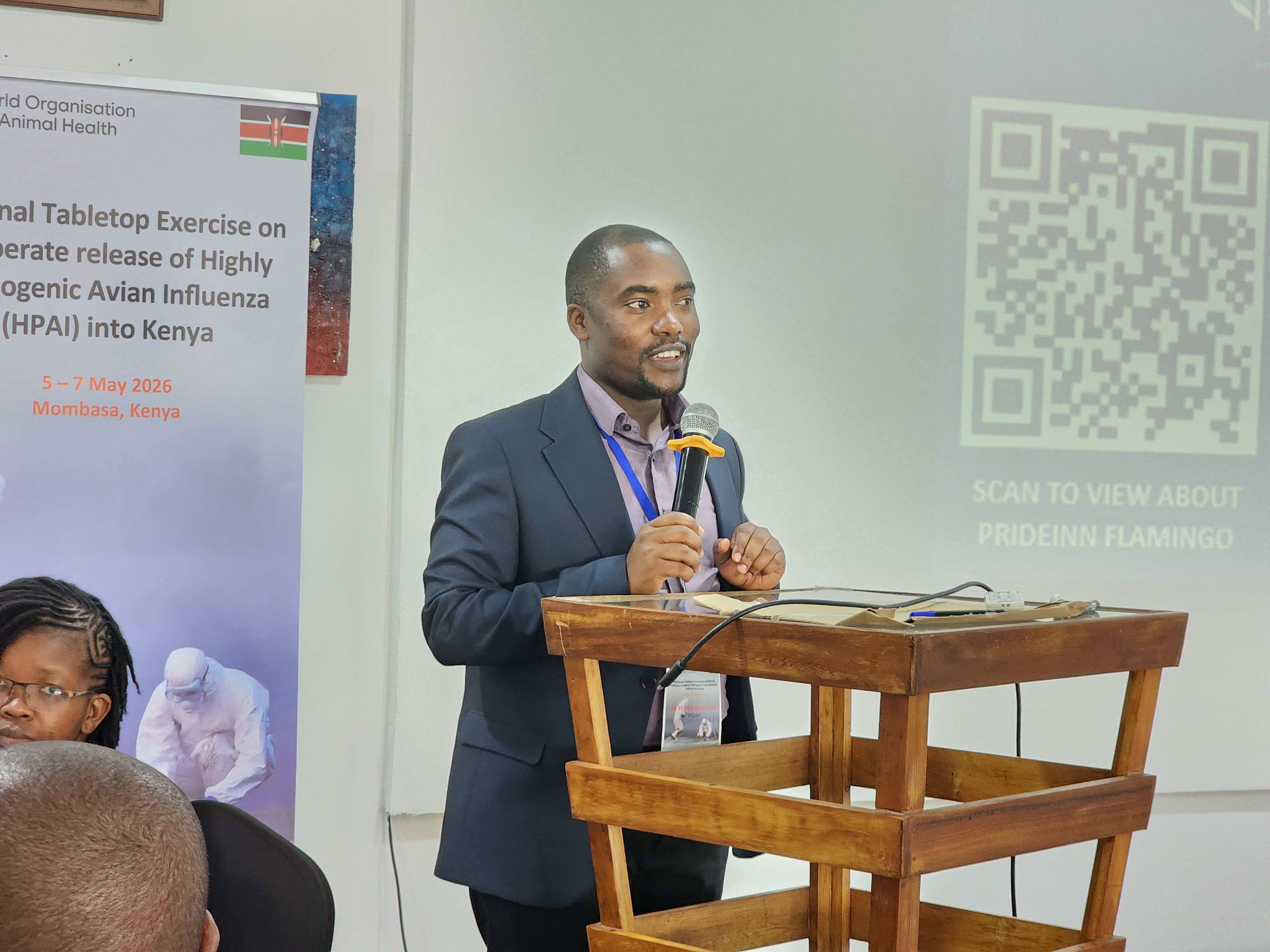
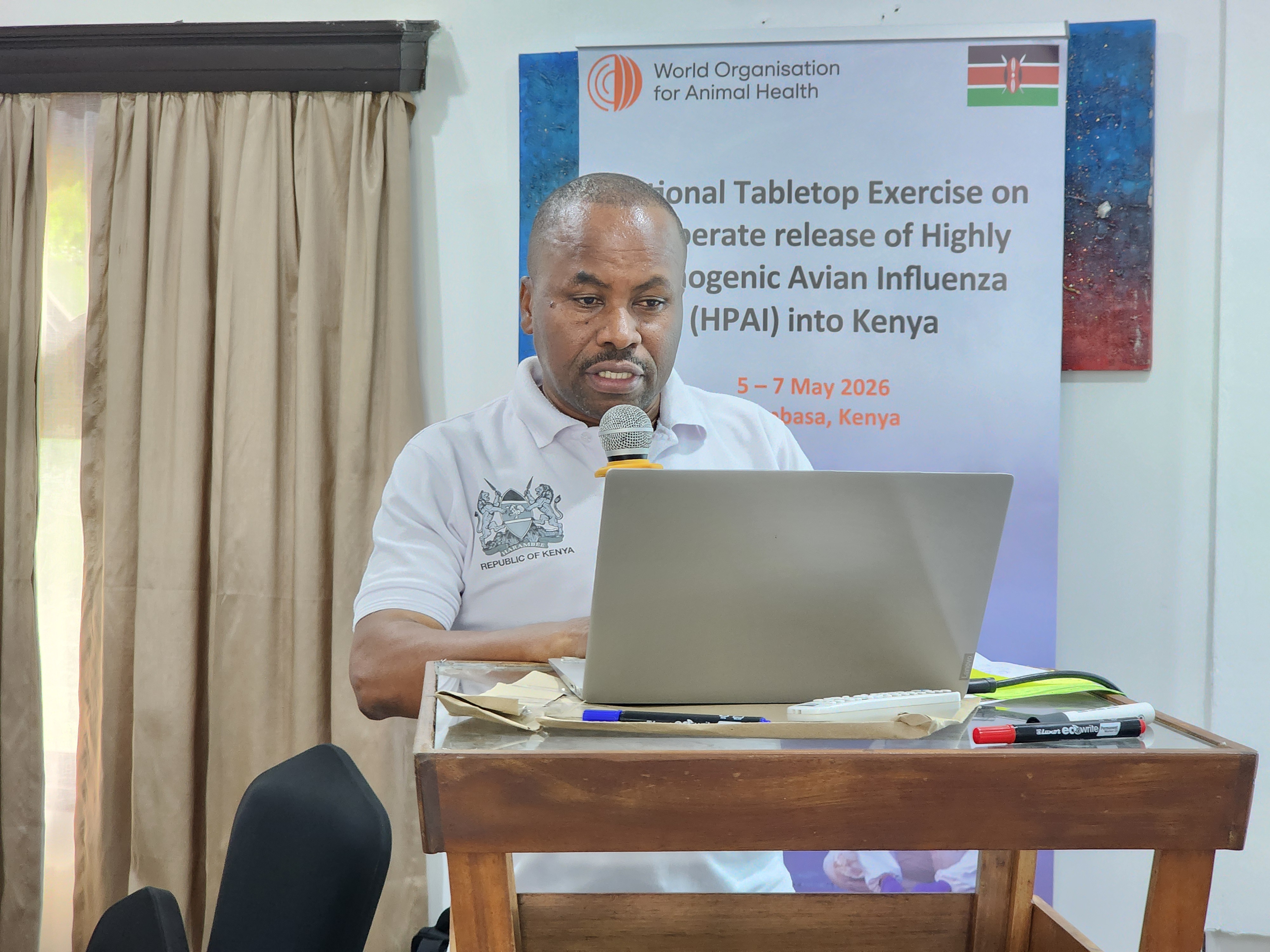
Mr Ian Peter Busuulwa from WOAH presenting on the organisation’s mandate, WAHIS reporting systems, and the FIRABioT Project during the opening session. Picture (c) D. Okiring 2026
Mr. Ian Busuulwa then presented the objectives of the FIRABioT Project and the objectives of the workshop. The FIRABioT project seeks to improve emergency response systems, strengthen institutional resilience against biological threats, and demonstrate the value of animal health institutions as strategic partners within national and global security systems.
He noted that Kenya is among nine African countries benefiting from the project following regional consultations initiated in 2022. Activities implemented under the initiative have included emergency management training, laboratory capacity strengthening, biosecurity initiatives, risk communication workshops, surveillance training, simulation exercise planning, and regional coordination activities.
The objectives of the workshop and simulation exercise were to:
The morning session provided a comprehensive overview of the global, regional, and national HPAI situation. Dr. Paolo Tizzani from WOAH Headquarters presented the latest epidemiological data from the World Animal Health Information System (WAHIS), revealing a global landscape that has shifted dramatically over the past three epidemic waves.
The presentation highlighted that the current epidemic wave, spanning October 2025 to September 2026, has already recorded more than 6,000 outbreaks in wild birds—approximately three times the number reported during the previous epidemic wave. At the global level, over 17 million poultry losses have been reported, with the season still ongoing. Eleven countries globally have now reported HPAI outbreaks in mammals, including domestic cats, foxes, and various wild carnivore species.
For Africa, the WAHIS data showed that while the continent currently reports only 3% of global outbreaks and 0.2% of global losses, this likely reflects significant under-detection rather than true absence. Notably, 100% of African HPAI events involve the H5N1 subtype. No African Member has yet reported mammalian spillover in the current epidemic wave, but the risk remains acute.
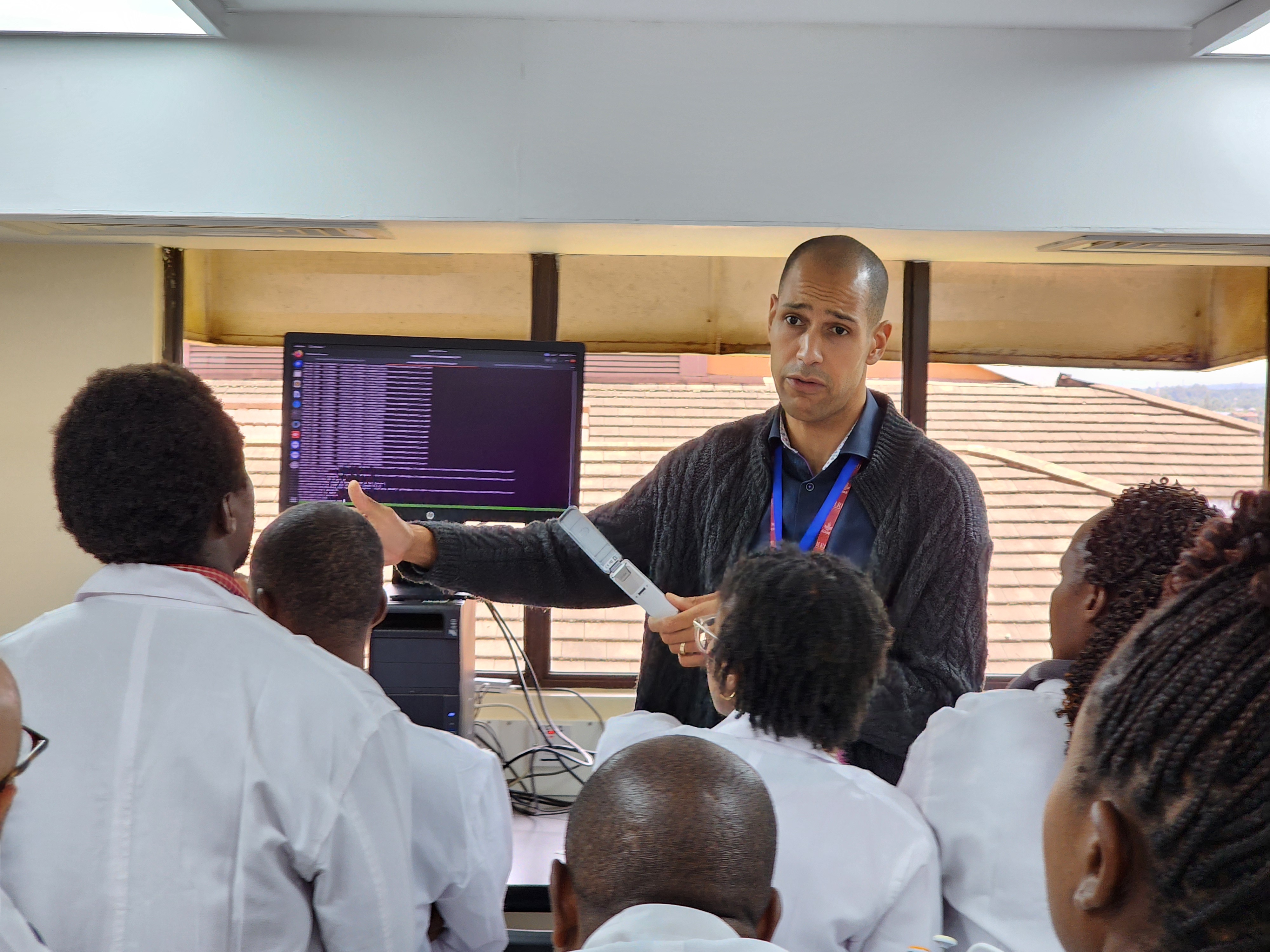
Lead facilitator Dr. Sam Okuthe, then introduced simulation exercises and proceeded to outline four thematic working groups in which the participants would work in, focusing on HPAI surveillance, infection prevention and control, case management, and risk communication and coordination.
Technical discussions on the Table Top simulation (TTX) then commenced with participants reviewing the early stages of a simulated HPAI outbreak involving unusual poultry deaths, suspected disease transmission, and activation of emergency reporting systems. The surveillance group focused on the outbreak detection systems, epidemiological investigations, tracing mechanisms, and reporting pathways between county and national authorities. Participants reviewed how unusual disease events would be detected, verified, reported, and escalated within Kenya’s animal health surveillance framework.
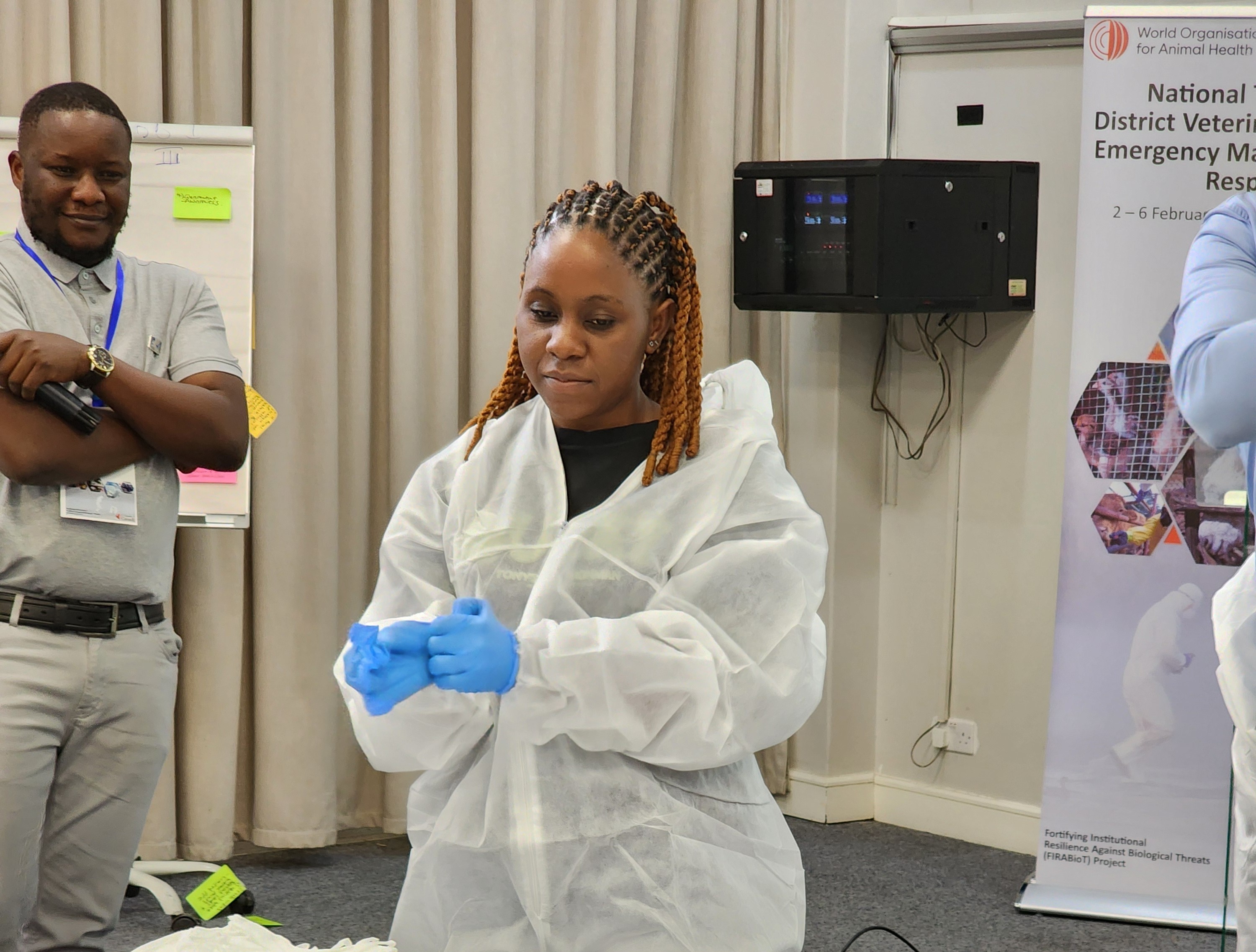
The infection prevention and control group examined biosafety and biosecurity procedures, quarantine measures, and operational containment strategies aimed at reducing disease transmission risks in both animal and human populations.
Dr. Sam Okuthe, lead facilitator of the exercise, introducing thematic working groups. Picture (c) D. Okiring 2026
The case management group reviewed preparedness systems for handling suspected human infections and examined collaboration mechanisms between veterinary and public health sectors during zoonotic disease emergencies. The coordination and risk communication group assessed emergency communication systems, coordination structures between county and national governments, and approaches for engaging the public, media, farmers, traders, and other stakeholders during outbreaks. Discussions throughout the day highlighted the importance of rapid information sharing, integrated surveillance systems, laboratory preparedness, and clear communication channels during disease emergencies.
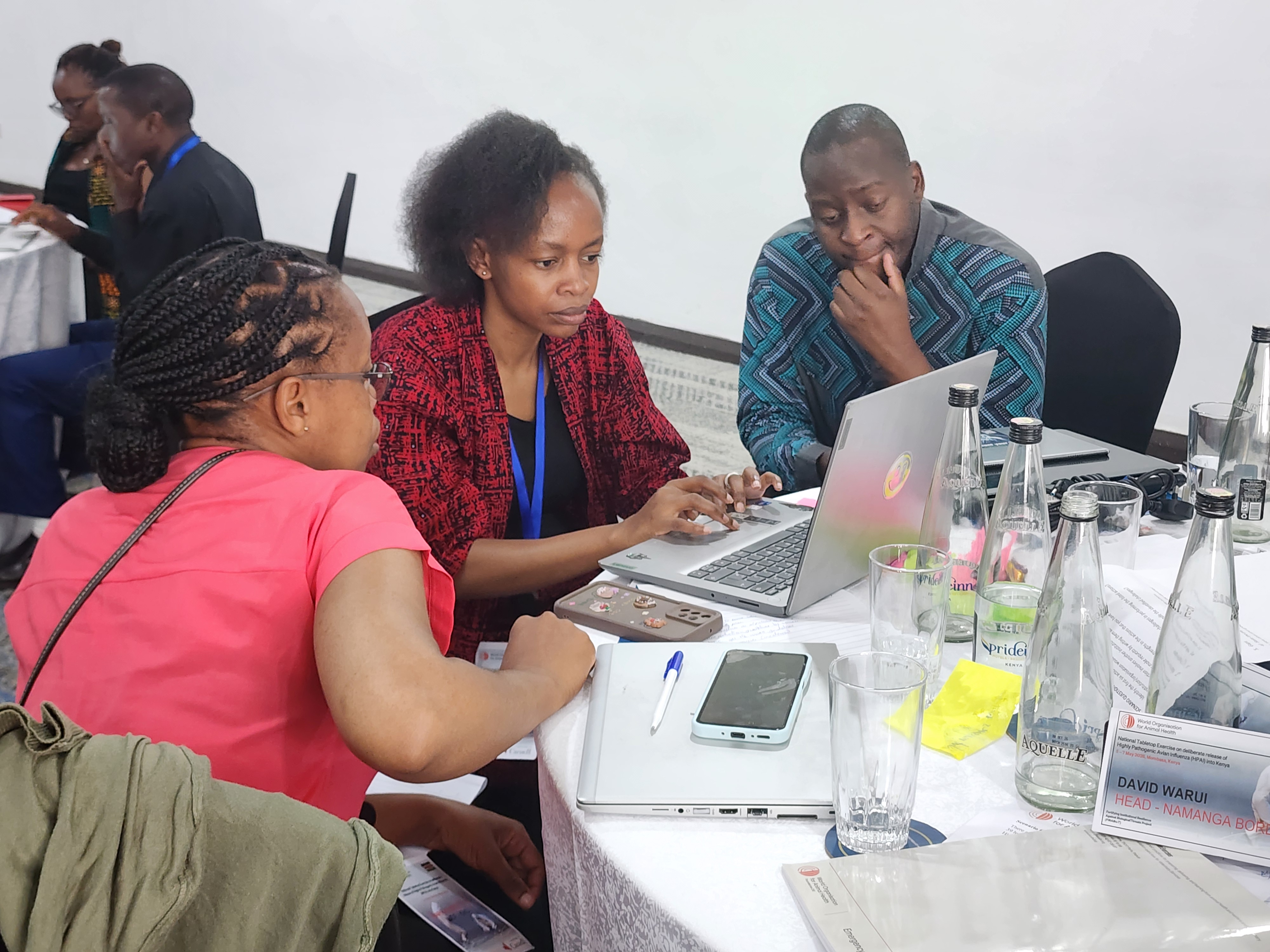
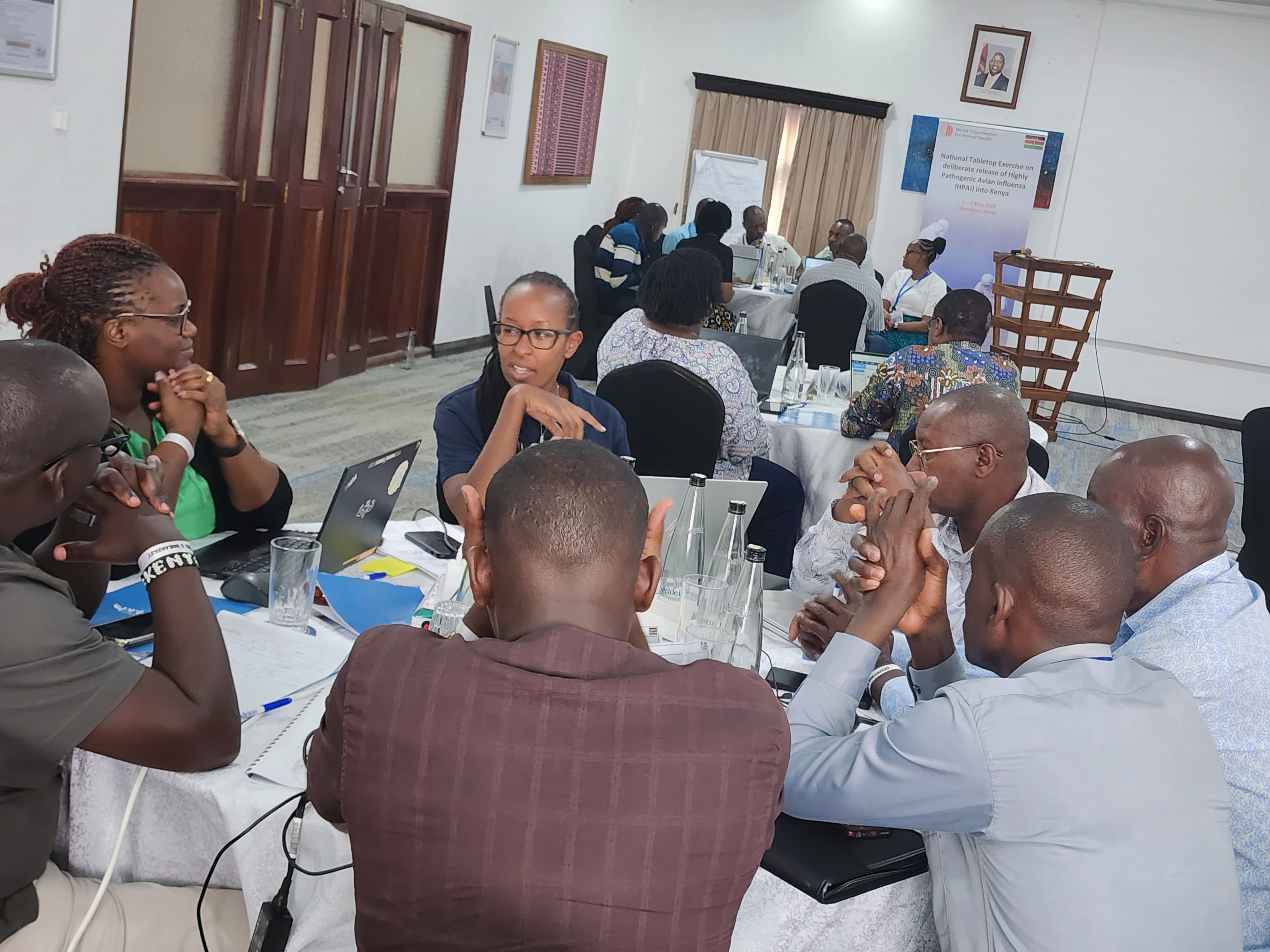
Participants engage in group discussions on surveillance, outbreak investigation, and emergency coordination during Day 1. Picture (c) D. Okiring 2026
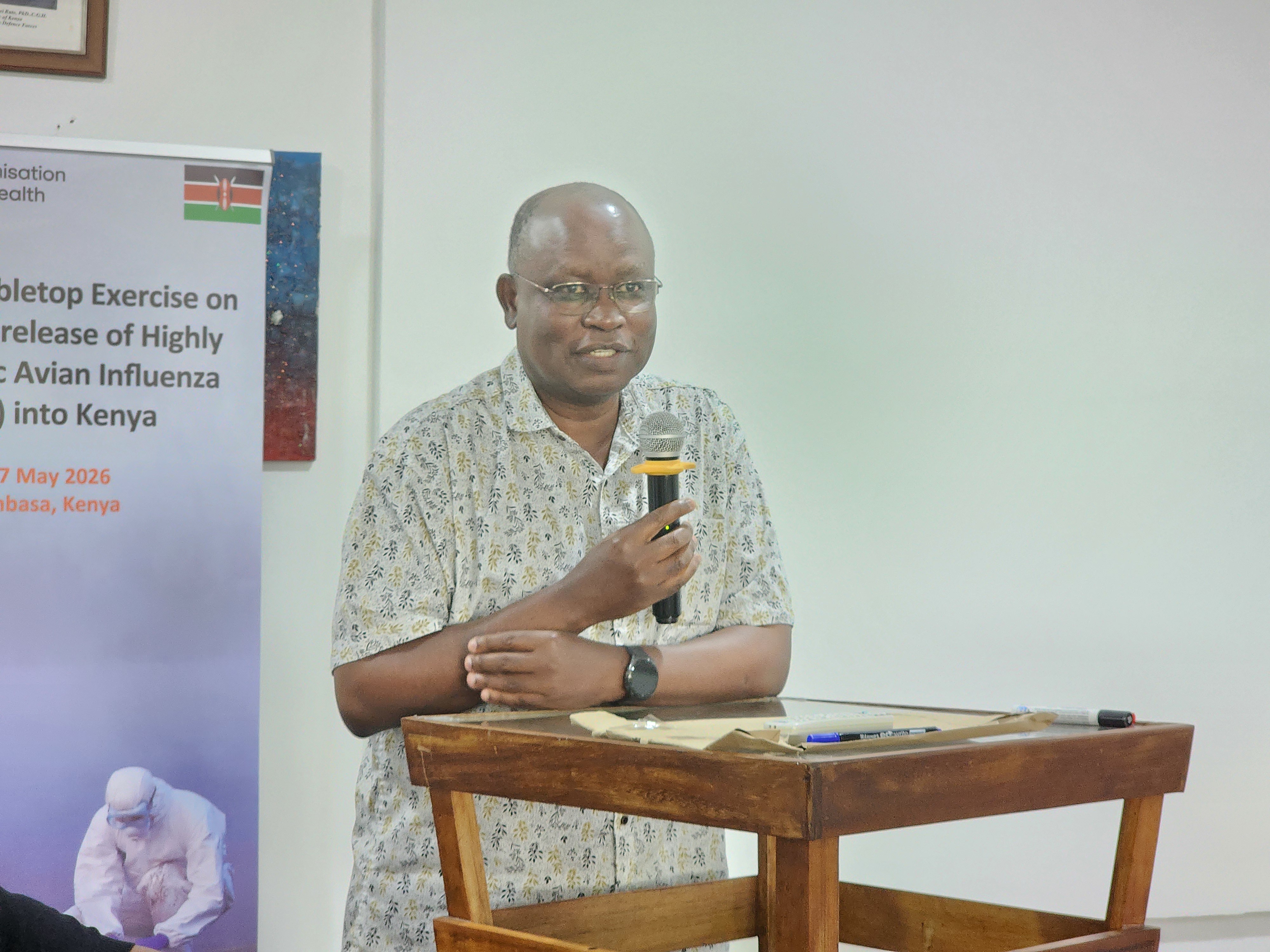
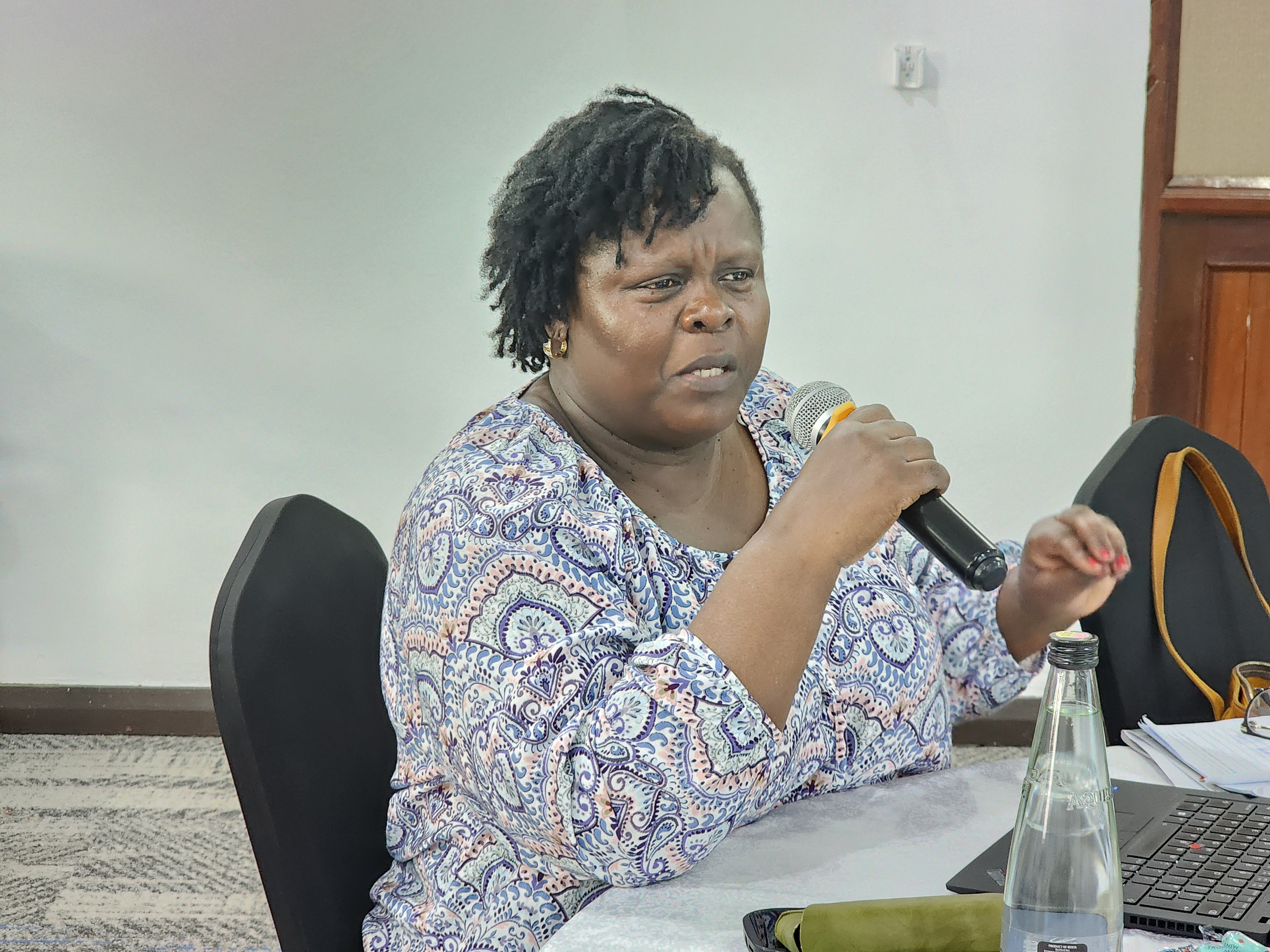
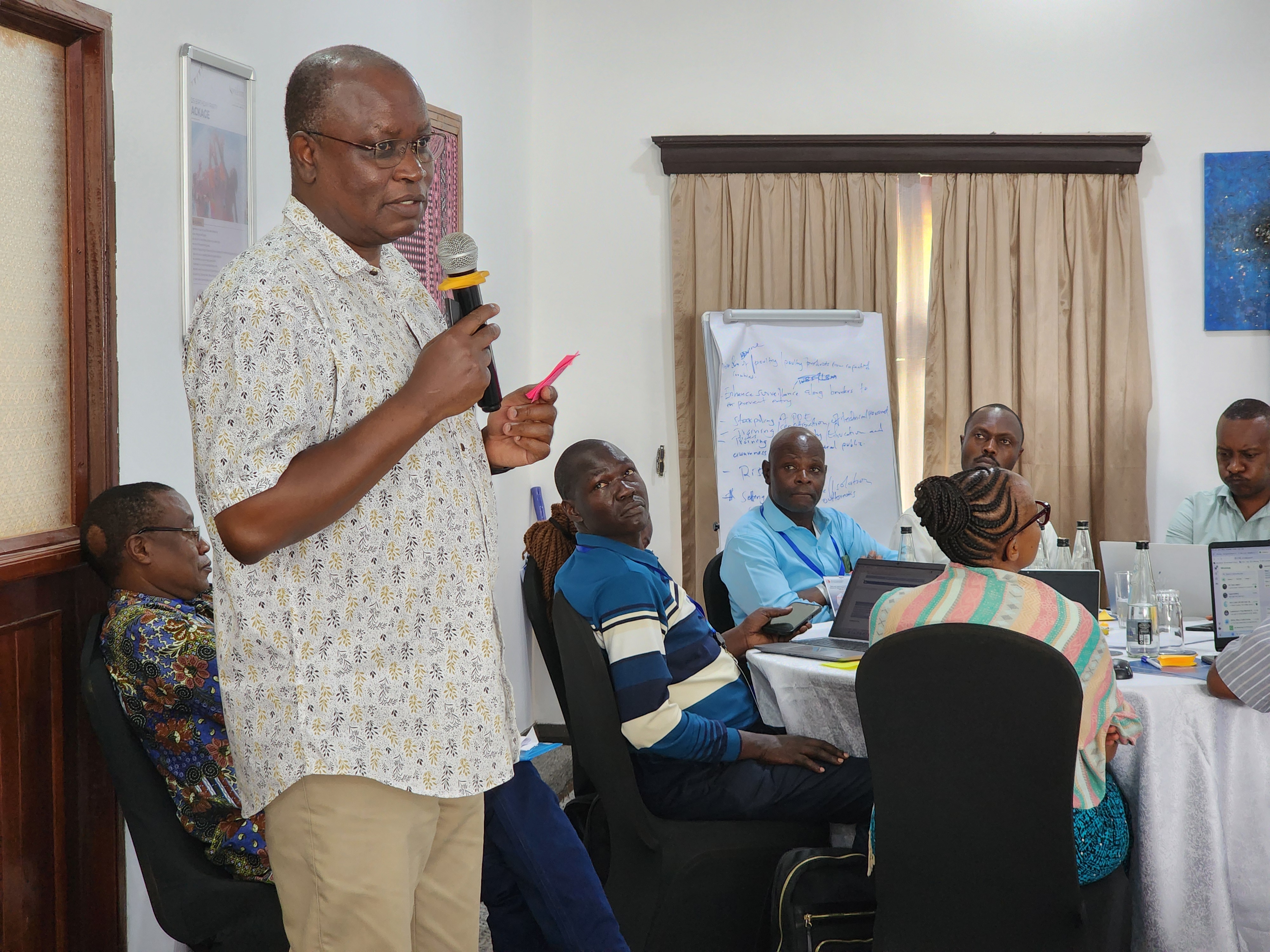
Dr Matthew Mutaria from the Zoonotic Disease Unit providing technical input on public health preparedness, surveillance coordination, and response mechanisms during the HPAI simulation exercise in Mombasa, Kenya. Picture (c) D. Okiring/WOAH 2026.
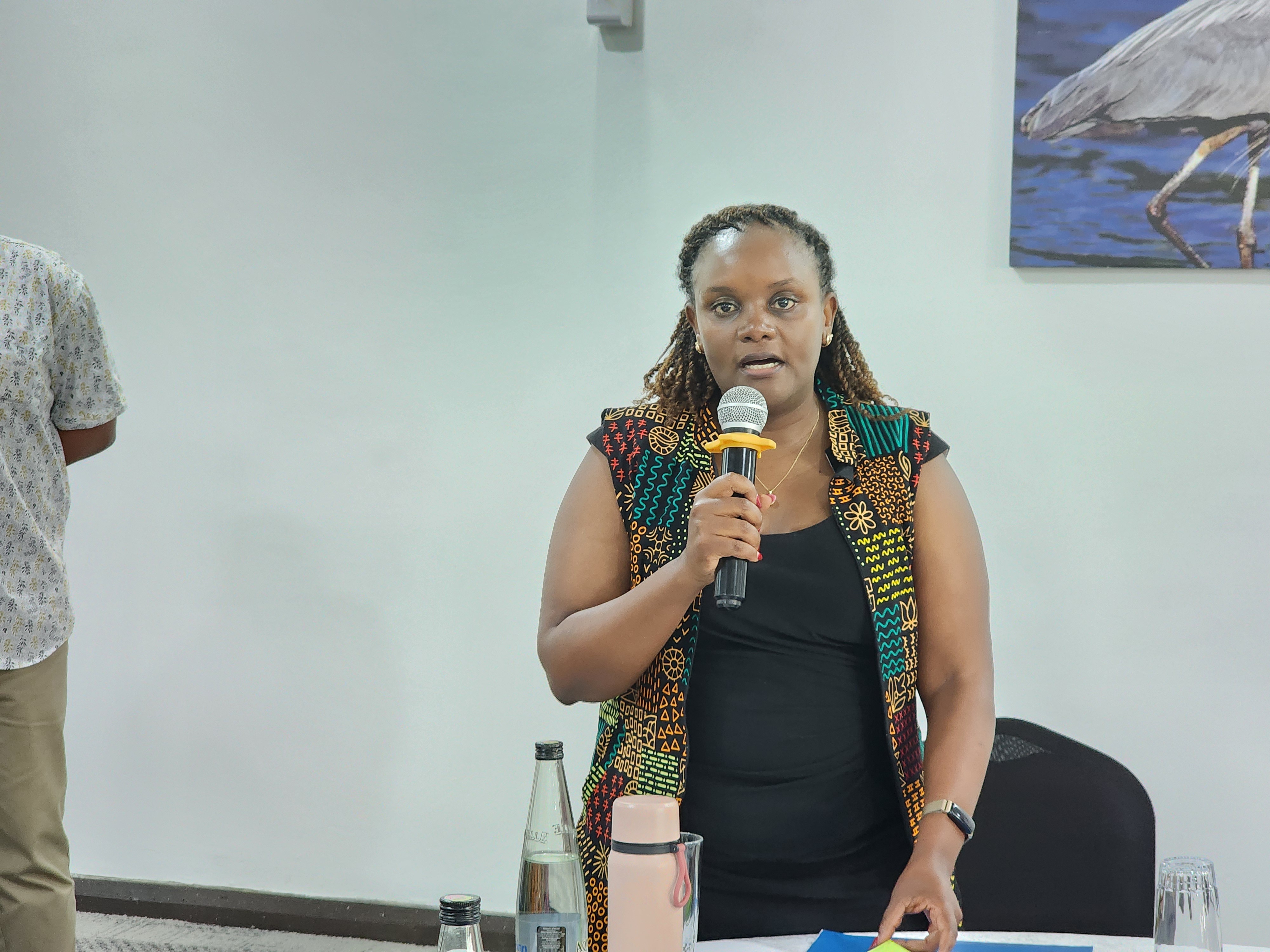
One of the SIMEX facilitators, Dr Romona Ndayi, addressing participants during technical sessions focused on strengthening preparedness for high pathogenicity avian influenza and other biological threats. Picture (c) D. Okiring 2026.
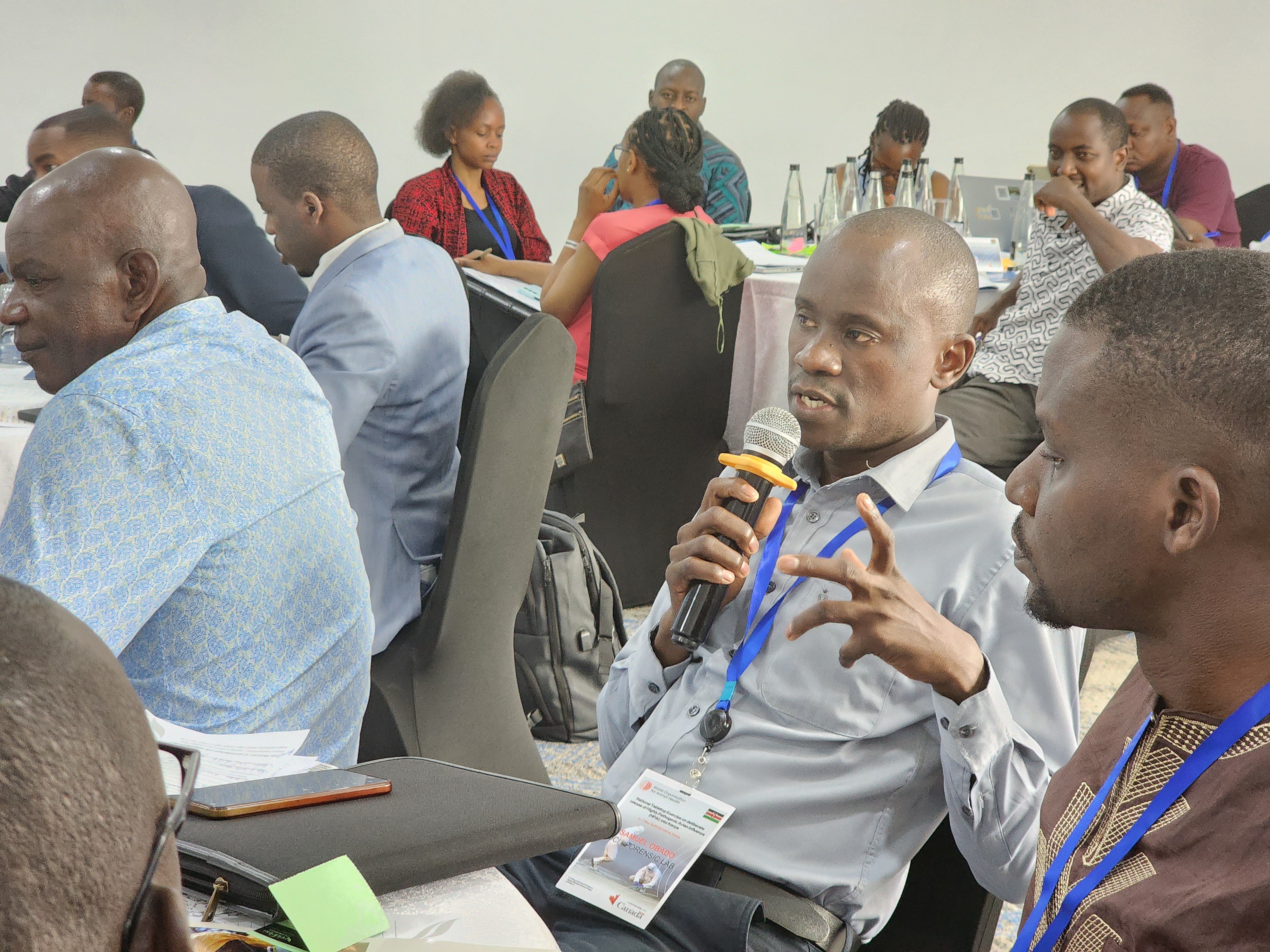
Mr. Samuel Obado, a representatives from the Directorate of Criminal Investigations (DCI) provides a technical input during the discussion on emergency coordination and biosecurity response mechanisms. Picture (c) D. Okiring 2026
The second day marked a major turning point in the simulation exercise as participants simulated an escalation of the outbreak from an animal health emergency into a complex One Health crisis involving suspected human cases. The evolving scenario enabled participants to confront the possibility of large-scale national coordination involving emergency financing, surge capacity, hospital preparedness, laboratory response, public communication, and national disaster management systems.Participants also examined the importance of coordinated risk communication during outbreaks. Discussions highlighted how misinformation, fear, and poor communication can undermine response efforts, disrupt trade and livelihoods, and reduce public confidence in response institutions.
The thematic discussions identified several major challenges, including inadequate staffing for contact tracing, weak quarantine enforcement, delays in activation of contingency financing mechanisms, gaps in risk communication systems, and concerns regarding public non-reporting of symptoms due to fear and stigma. Participants emphasized the importance of integrating veterinary and public health systems under the One Health framework, particularly given the interconnected nature of zoonotic disease threats.
The role of the Zoonotic Disease Unit (ZDU) and county-level One Health coordination mechanisms was recognised as a major institutional strength that can support joint outbreak investigations, surveillance activities, and coordinated response planning.The discussions further highlighted the importance of trust, transparency, and timely communication during disease emergencies, particularly in preventing misinformation, panic, and resistance to public health interventions.
The exercise further reinforced the importance of sustained investment in laboratory systems, emergency preparedness planning, disease intelligence systems, workforce development, and multisectoral coordination structures.
Participants discuss Scenario 7 during the final day of the National Tabletop Exercise on deliberate release of HPAI into Kenya. Picture (c) D. Okiring 2026.
The scenario also involved the arrest of a suspect linked to the deliberate release, highlighting the importance of collaboration between veterinary services, national security institutions, law enforcement agencies, and emergency response teams operating under the One Health framework.
Participants reviewed systems for recovery planning, restoration of public confidence, continued surveillance, movement controls, public communication, and long-term preparedness strengthening following outbreak containment.
Dr. Sam Okuthe reflected that the simulation exercise successfully tested Kenya’s contingency plans by challenging participants to examine surveillance systems, laboratory diagnosis capacity, case management structures, coordination mechanisms, and communication systems under pressure.
He emphasized that the purpose of simulation exercises is not to demonstrate perfection, but to identify operational gaps early enough to strengthen systems before real emergencies occur. He further stressed that zoonotic disease threats require sustained multisectoral collaboration involving veterinary services, public health systems, environmental sectors, laboratories, security agencies, and policy makers.
The exercise concluded with closing remarks from participants, facilitators, and representatives from the Directorate of Veterinary Services. Discussions focused on transforming lessons learned during the three-day exercise into practical improvement plans aimed at strengthening preparedness systems, workforce capacity, policy implementation, laboratory systems, emergency coordination, and outbreak response mechanisms.
The exercise concluded with closing remarks from participants, facilitators, and representatives from the Directorate of Veterinary Services. Discussions focused on transforming lessons learned during the three-day exercise into practical improvement plans aimed at strengthening preparedness systems, workforce capacity, policy implementation, laboratory systems, emergency coordination, and outbreak response mechanisms.
The simulation exercise resulted in:
Discussions also highlighted the importance of sustained political commitment, continued investment in surveillance and laboratory infrastructure, strengthened emergency management systems, and enhanced collaboration between national and county governments.
Participants agreed on the need to sustain momentum generated during the exercise by strengthening surveillance systems, laboratory capacity, emergency preparedness planning, biosecurity measures, and risk communication strategies across both national and county levels.
The exercise reinforced the importance of continued collaboration between government institutions, international organisations, security agencies, technical experts, and development partners in strengthening resilience against biological threats.
As the simulation exercise concluded in Mombasa, participants emphasized that preparedness is a continuous process requiring ongoing coordination, investment, and collaboration. While the scenarios discussed during the exercise were simulated, the risks posed by zoonotic diseases and biological threats remain real.
The broader work of preparedness therefore continues beyond the exercise room — in laboratories, farms, border points, markets, counties, and communities where future outbreaks may emerge.
Lead facilitator, Dr Sam Okuthe. Video (c) Communication (woah) 2026
Mr Elphas Masangir, one of the participants from the NVRL Molecular Lab, leading the discussion on Infection Prevention and Control (IPC) measures during the simulation exercise. Picture (c) D. Okiring 2026.
Dr. Sam Okuthe addressing participants during the closing session of the exercise. Picture (c) D. Okiring 2026
One of the SIMEX facilitators, Lillian Wambua (WOAH), addressing participants during technical sessions focused on strengthening preparedness for high pathogenicity avian influenza and other biological threats. Picture (c) D. Okiring 2026.