


FLICKR
PHOTO ALBUM
Read more
Algeria faces a range of endemic and emerging zoonotic diseases, including rabies, tuberculosis, peste des petits ruminants (PPR), avian influenza, West Nile fever, Rift Valley fever, and Crimean-Congo haemorrhagic fever. These high-consequence pathogens represent significant biological threats, as uncontrolled outbreaks could result in substantial livestock losses, disruption to trade, public health emergencies, and wider socio-economic impacts. Furthermore, these pathogens pose risks not only through naturally occurring outbreaks but also because of their potential for accidental release or deliberate misuse.
In this context, laboratory biosafety and biosecurity are fundamental components of national biological risk management systems. Laboratories handling high-consequence pathogens are essential for disease surveillance, diagnosis, and emergency response, but they can also present vulnerabilities if appropriate safeguards are not in place. Strengthening biosafety measures helps prevent accidental exposure to or release of pathogens, while robust biosecurity measures reduce the risk of unauthorised access, loss, theft, diversion, or misuse of biological materials and associated knowledge
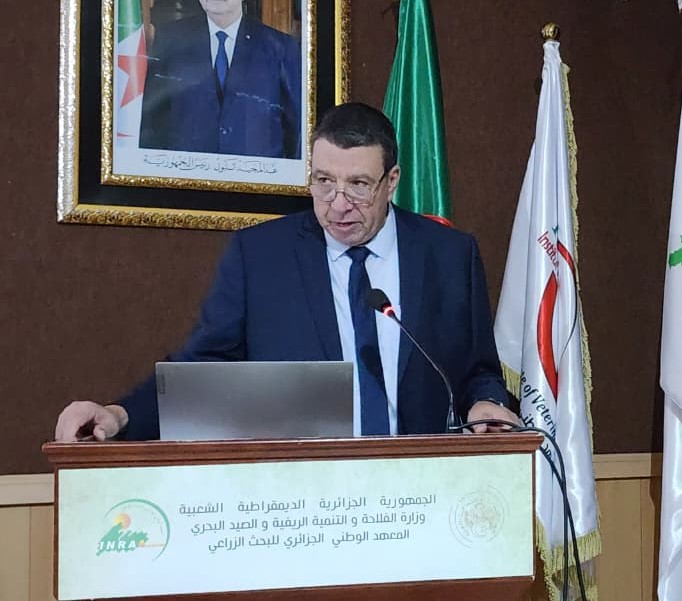
Dr Kaddour Karim, former WOAH Delegate for Algeria and current Director of the National institute for Veterinary Medicine (INMV), delivering the opening remarks. Picture. © E. Wijers (woah) 2026.
Recognising these challenges, WOAH, in collaboration with the Algerian Institut National de la Médecine Vétérinaire (INMV), organised through the Fortifying Institutional Resilience Against Biological Threats (FIRABioT) project a national training on biosafety and biosecurity for Algeria’s animal health laboratories from 22 to 24 June 2026 in Algiers. It built on previous capacity-building activities under the project, including a Training on Vaccine Quality Control and Good Biosafety Practices in the Laboratory, supported by AU-PANVAC in April 2026, followed by a Biosafety–Biosecurity Auditor Training, supported by the Pirbright Institute in May 2026.
The workshop was officially opened by Dr Karim Kaddour, former WOAH Delegate for Algeria and current Director of the National Institute of Veterinary Medicine (INMV). In his opening remarks, he emphasised that protection against biological threats has become a national priority for Algeria and highlighted that biosafety and biosecurity are no longer the responsibility of a single sector but require a coordinated, multisectoral approach. Opening remarks on behalf of WOAH were delivered by Dr Rachid Bouguedour, WOAH Sub-Regional Representative for North Africa.
Dr. Rachid Bouguedour, Sub-Regional Representative for North Africa (WOAH)
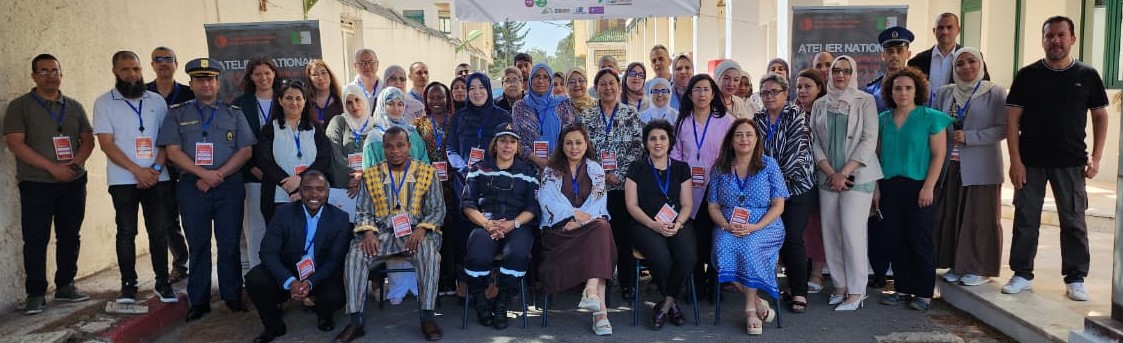
The training brought together 45 participants representing national and regional Veterinary Services, veterinary laboratories, environmental authorities, customs, the military, civil protection, and food inspection services. Throughout the three-day workshop, the facilitation team delivered interactive presentations, group discussions, and practical demonstrations. Key topics included biological risk management, personal protective equipment (PPE), the safe packaging and transport of biological samples, emerging biological risks, and intersectoral coordination in response to a suspected animal health incident.
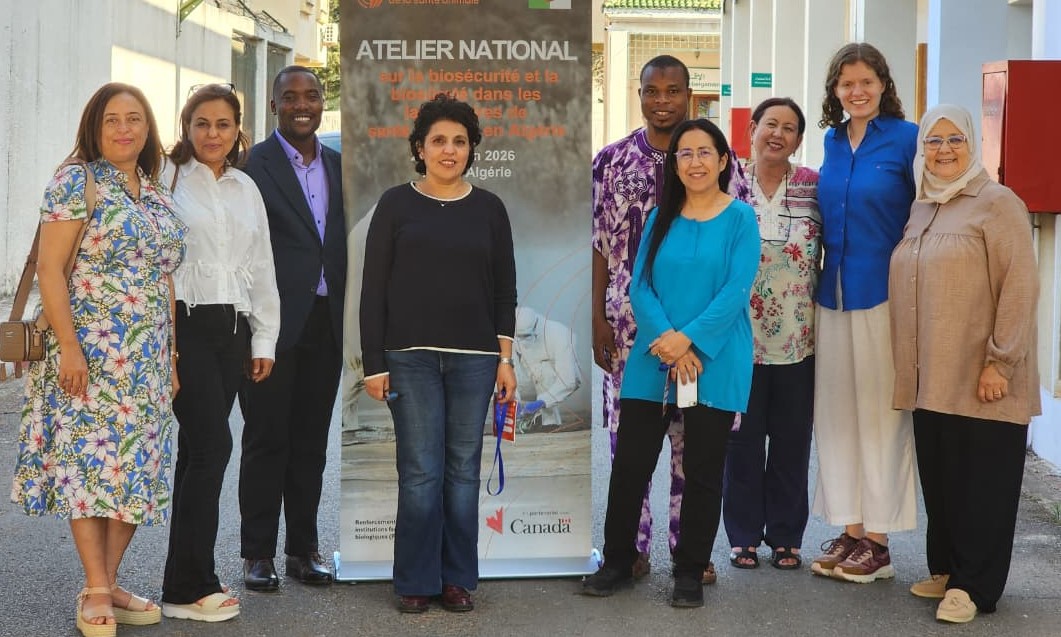
Group picture of the facilitation team. Fltr: Dr Jihene Hellal, Biosafety and biosecurity officer at the Veterinary Research Institute of Tunisia, Dr Anissa Chouikha, Associate Professor of Virology et Institut Pasteur de Tunis, Mr Ian Peter Busuulwa, FIRABioT Project Officer, Dr Amal Adel, Lecturer at the Institute of Veterinary Sciences University of Blida 1, Mr Issouf Sanou, Biosafety, Biosecurity and Quality Management officer at Centre MURAZ, Dr Hafsa Madani, Head of the Virology Department at the Central Veterinary Laboratory Algeria, Dr Djamila Hadj Amar, WOAH FIRABioT Focal Point for Algeria, Ms Emma Wijers, FIRABioT Consultant, Dr Amel Omani, Head of Biosafety and Biosecurity at National Institute of Veterinary Medicine (INMV). Picture © A. Loko (woah) 2026.
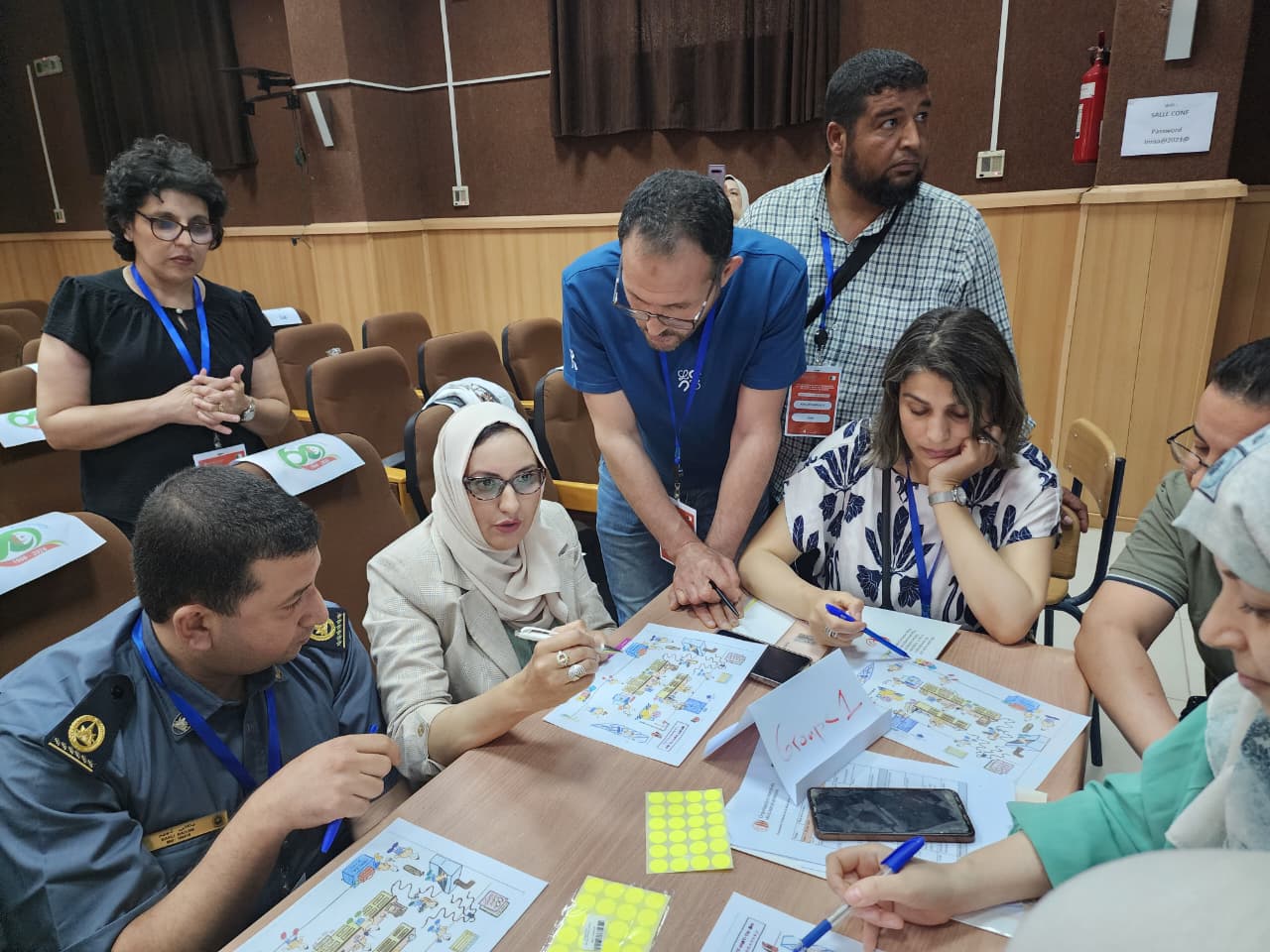
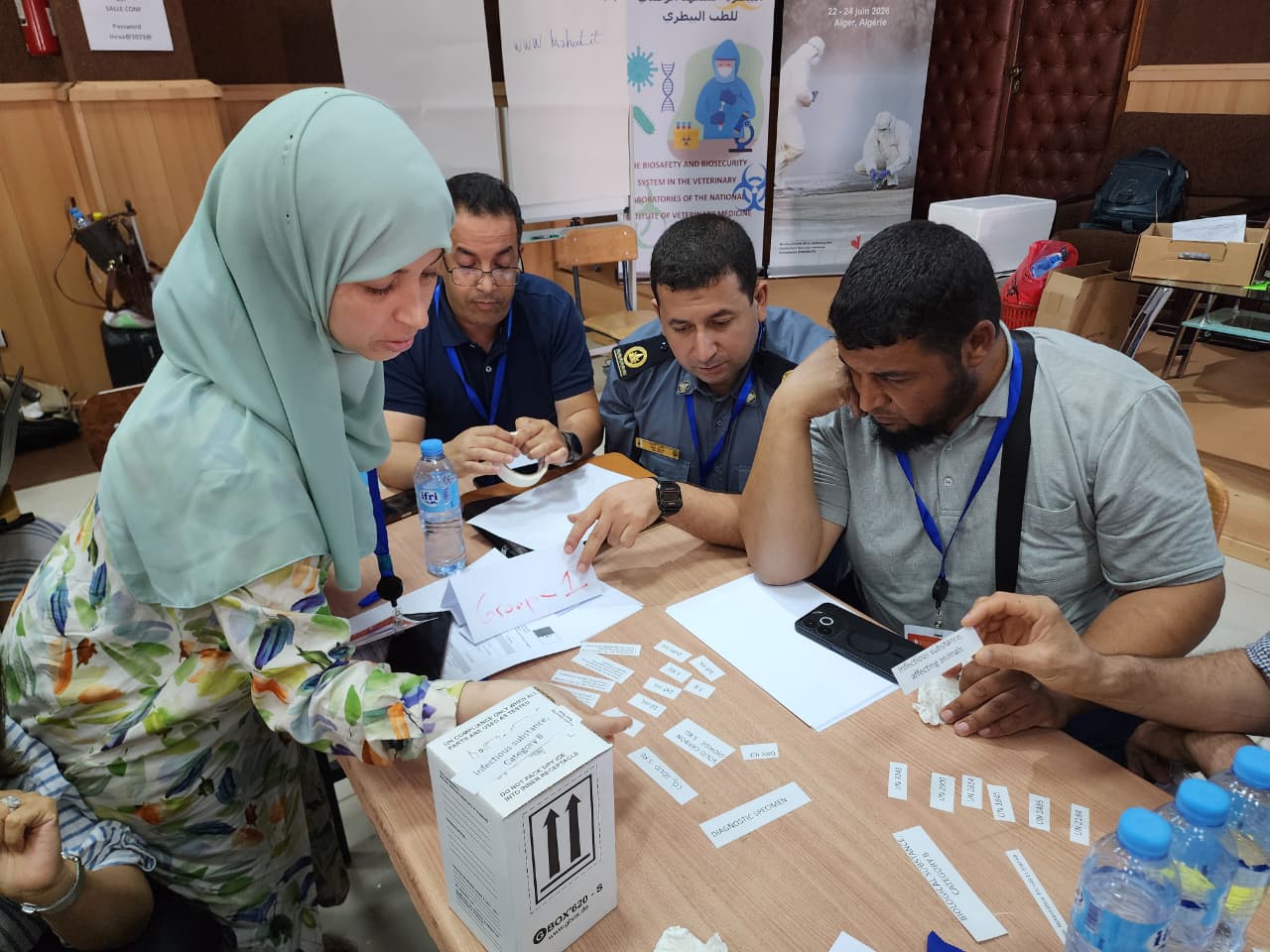
Group work during a practical session on sample packaging. Picture © E. Wijers (woah) 2026.
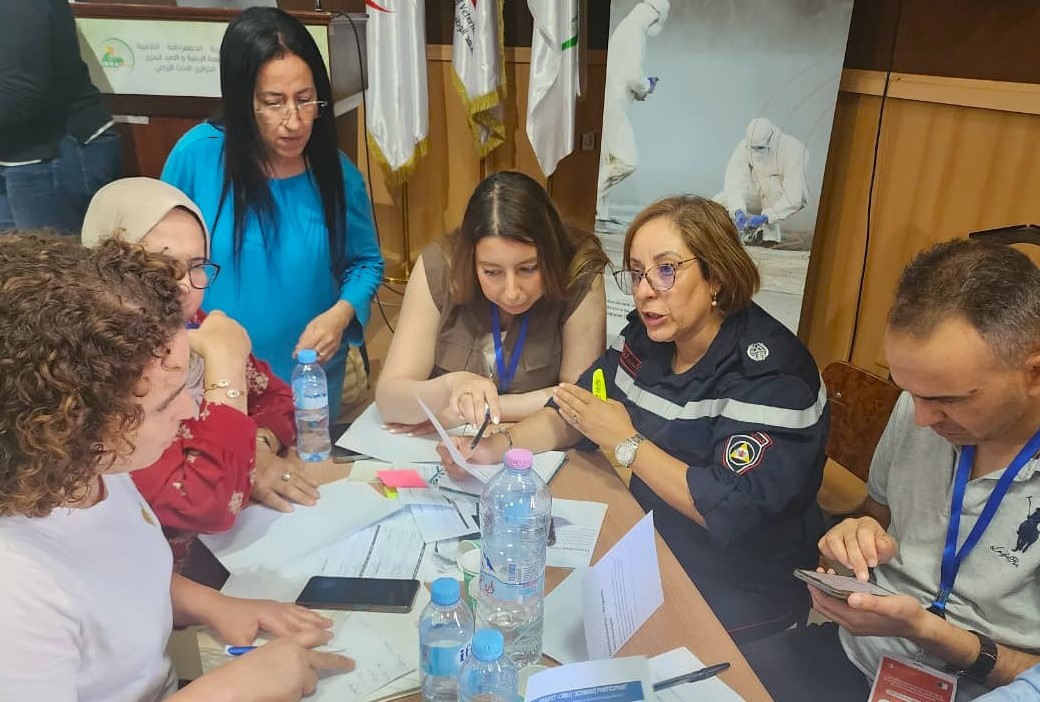
Participants engaged in group work during the simulation exercise. Picture © E. Wijers (woah) 2026.
On the final day, participants took part in a tabletop simulation exercise based on a suspicious disease outbreak. Working in multidisciplinary groups representing the Veterinary Services, customs authorities, and laboratories, they investigated the incident and coordinated an appropriate response.
During the concluding discussion on future priorities for strengthening biological risk management in Algeria, participants identified several key recommendations. These included enhancing collaboration between the Veterinary Services and partner sectors through regular multisectoral simulation exercises, developing a national biosafety and biosecurity manual for laboratories, and expanding the existing biosafety and biosecurity training programme to strengthen capacity across relevant sectors
This initiative forms part of Algeria’s activities as a beneficiary of the Fortifying Institutional Resilience Against Biological Threats (FIRABioT) project, funded supported by Global Affairs Canada’s Weapons Threat Reduction Program in support of the Global Partnership’s Signature Initiative to Mitigate Biological Threats in Africa.