Katima Mulilo, Namibia
Building on Successful Oral Rabies Vaccination Campaigns, the Zambezi Region of Namibia Integrates Oral and Parenteral Vaccination in 2026
October 09, 2026
Read more
home to the iconic Himba communities, resulting in the vaccination of 2,428 dogs against rabies within just three and a half days. The campaign, implemented through a village-to-village and house-to-house approach, deployed eight vaccination teams across some of the region’s most challenging terrain. Teams traversed vast distances, to reach dispersed settlements and ensure that dogs in even the most remote communities received lifesaving protection against rabies. Mobile App was used to track the vaccination and monitor the team movement.
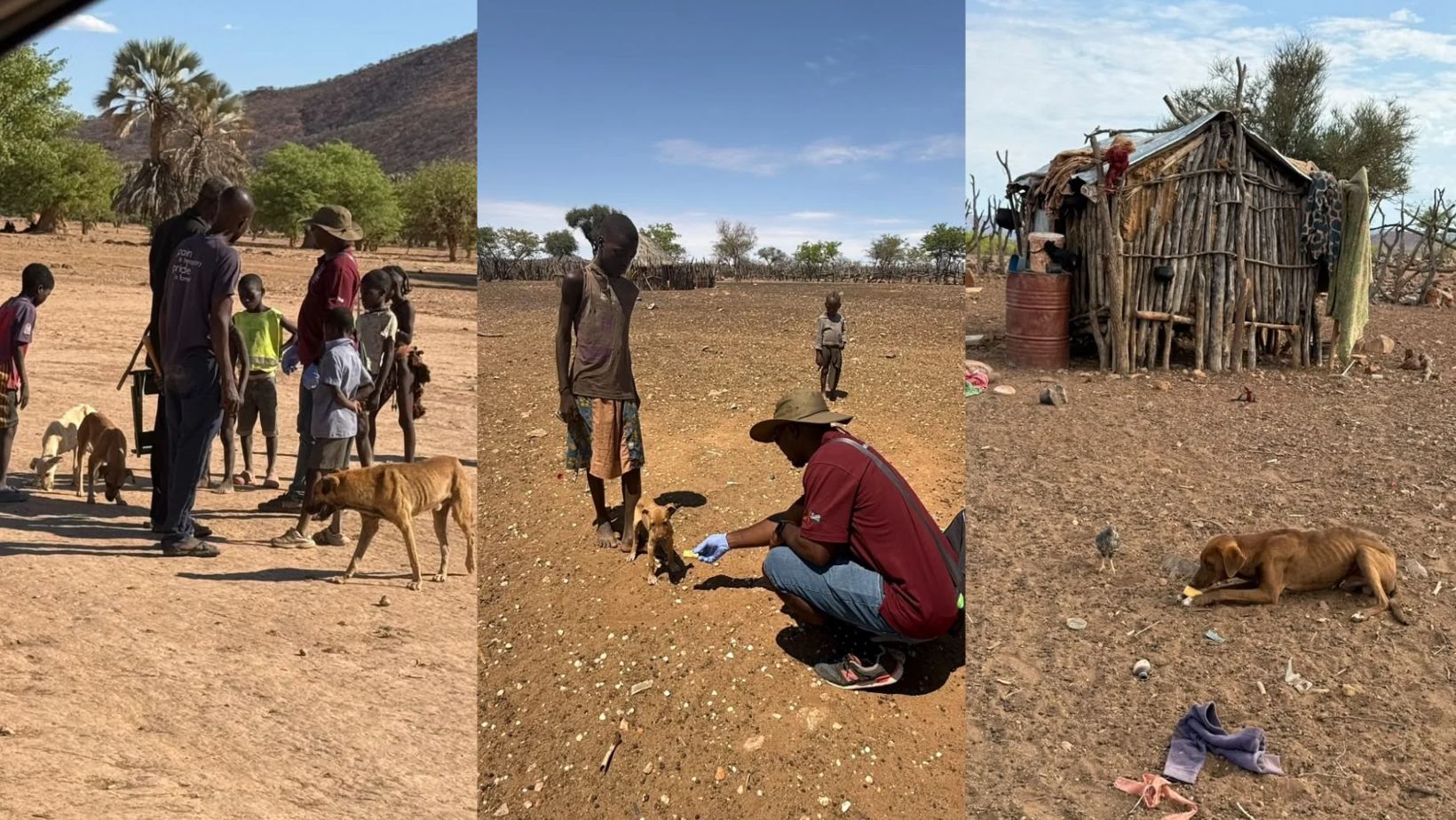
Kunene Region is characterized by its harsh environment, low human population density, and difficult access to many settlements. These conditions have traditionally posed significant challenges for conventional dog vaccination campaigns. The oral rabies vaccination strategy can effectively reach free-roaming and difficult-to-handle dogs that might otherwise remain unvaccinated and improves the effectiveness of vaccination coverage by vaccinating large number of dogs in shortest time.
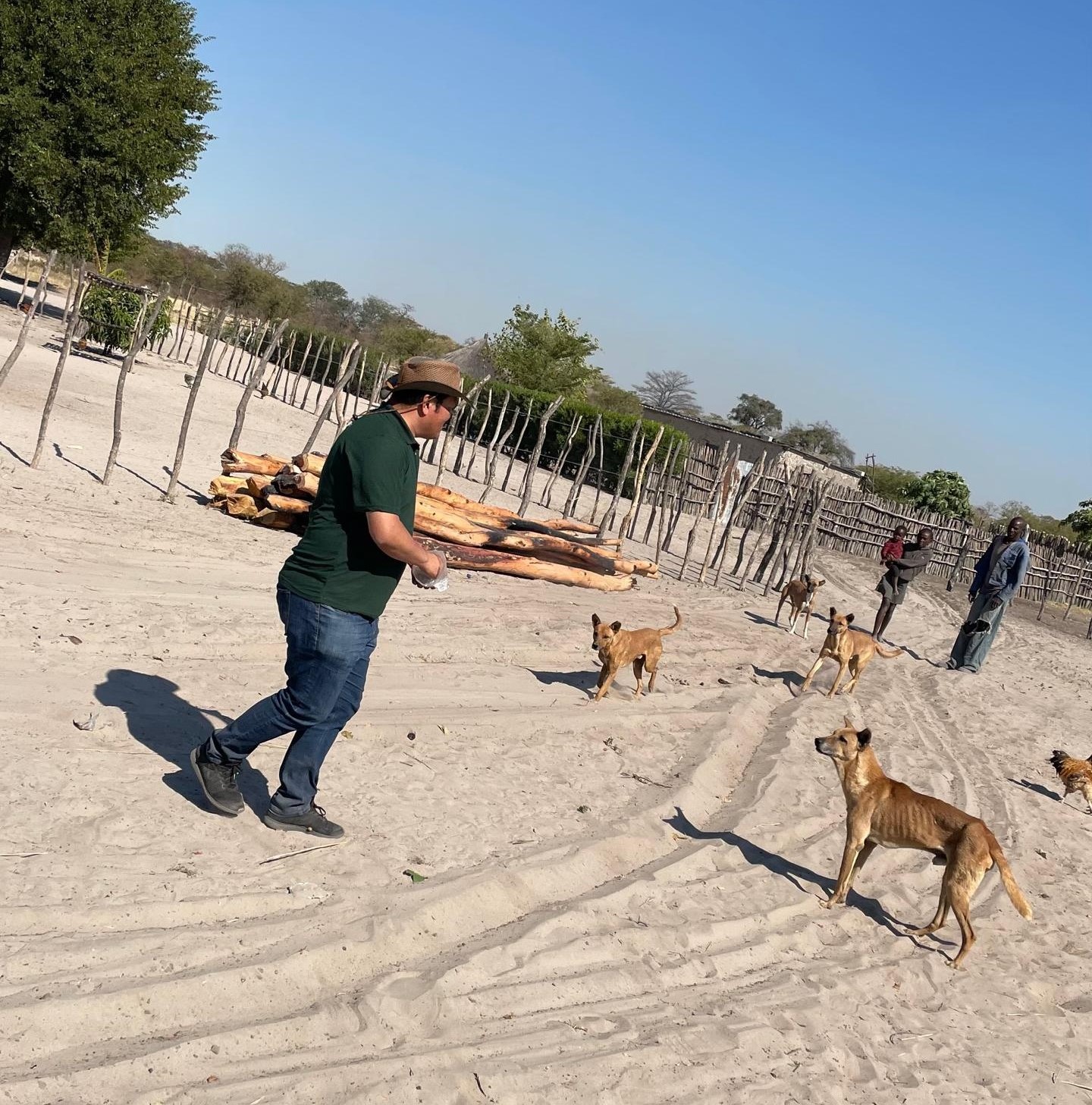
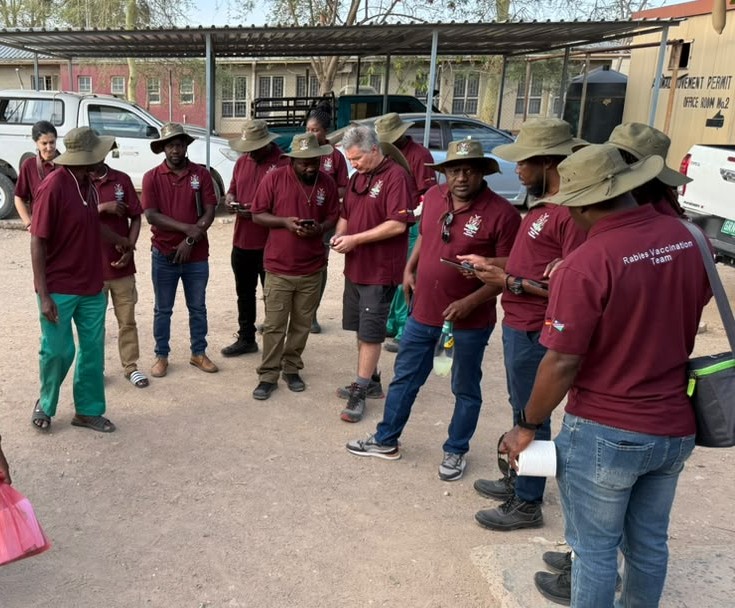
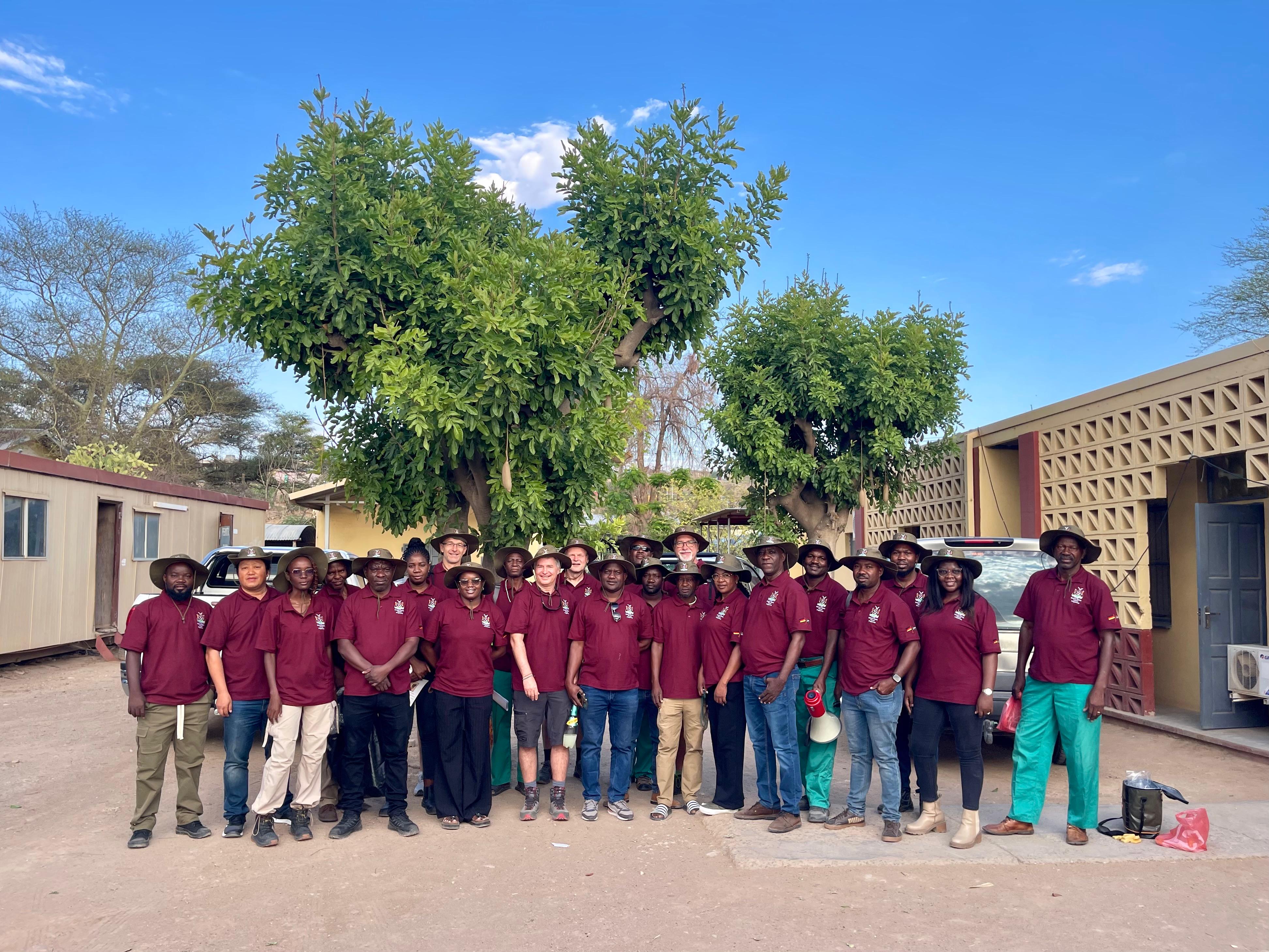
ORV vaccination team. Photo credit @Giulia.
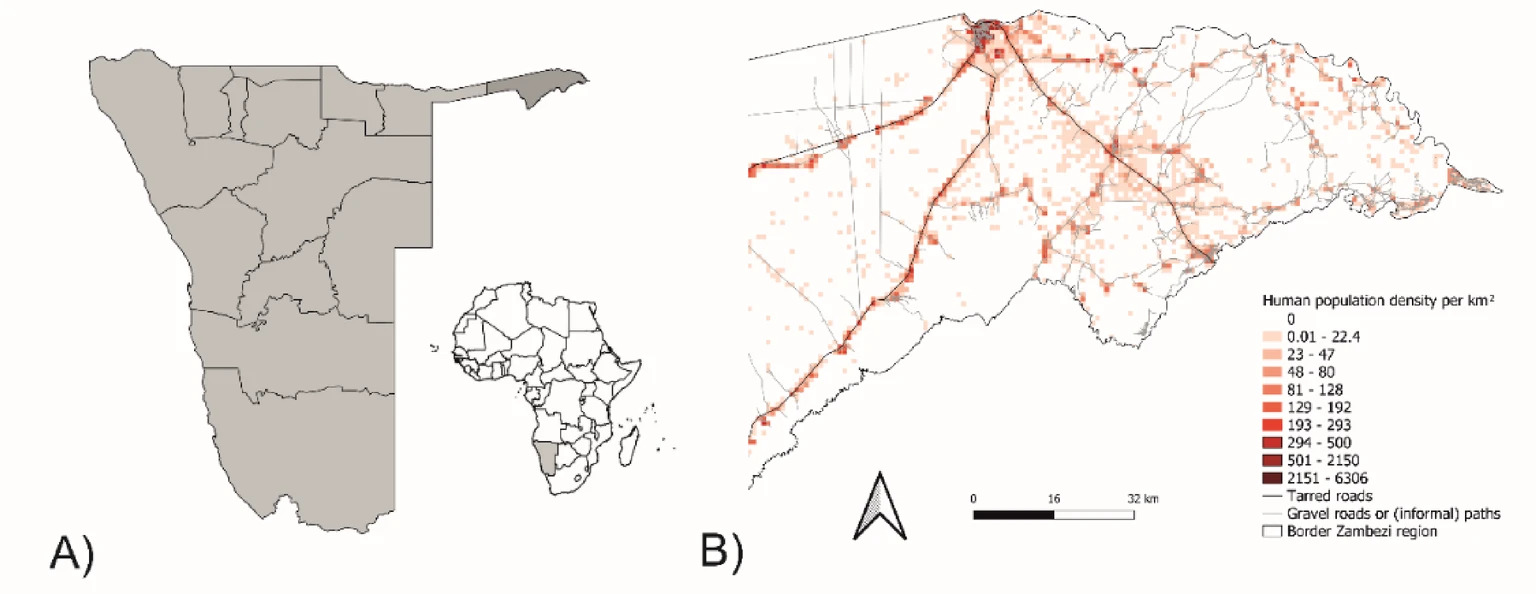
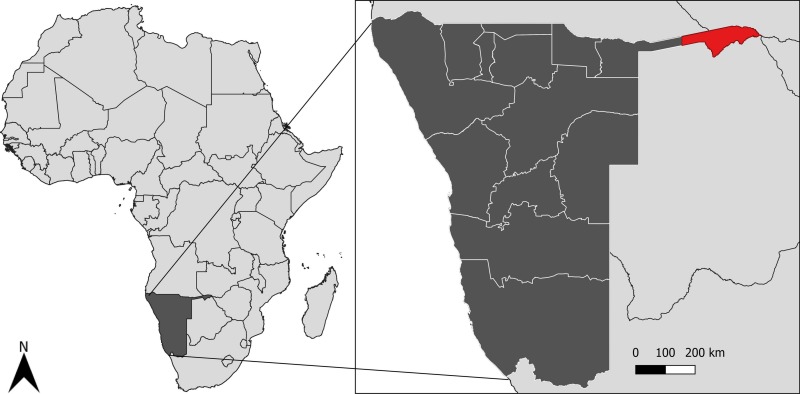
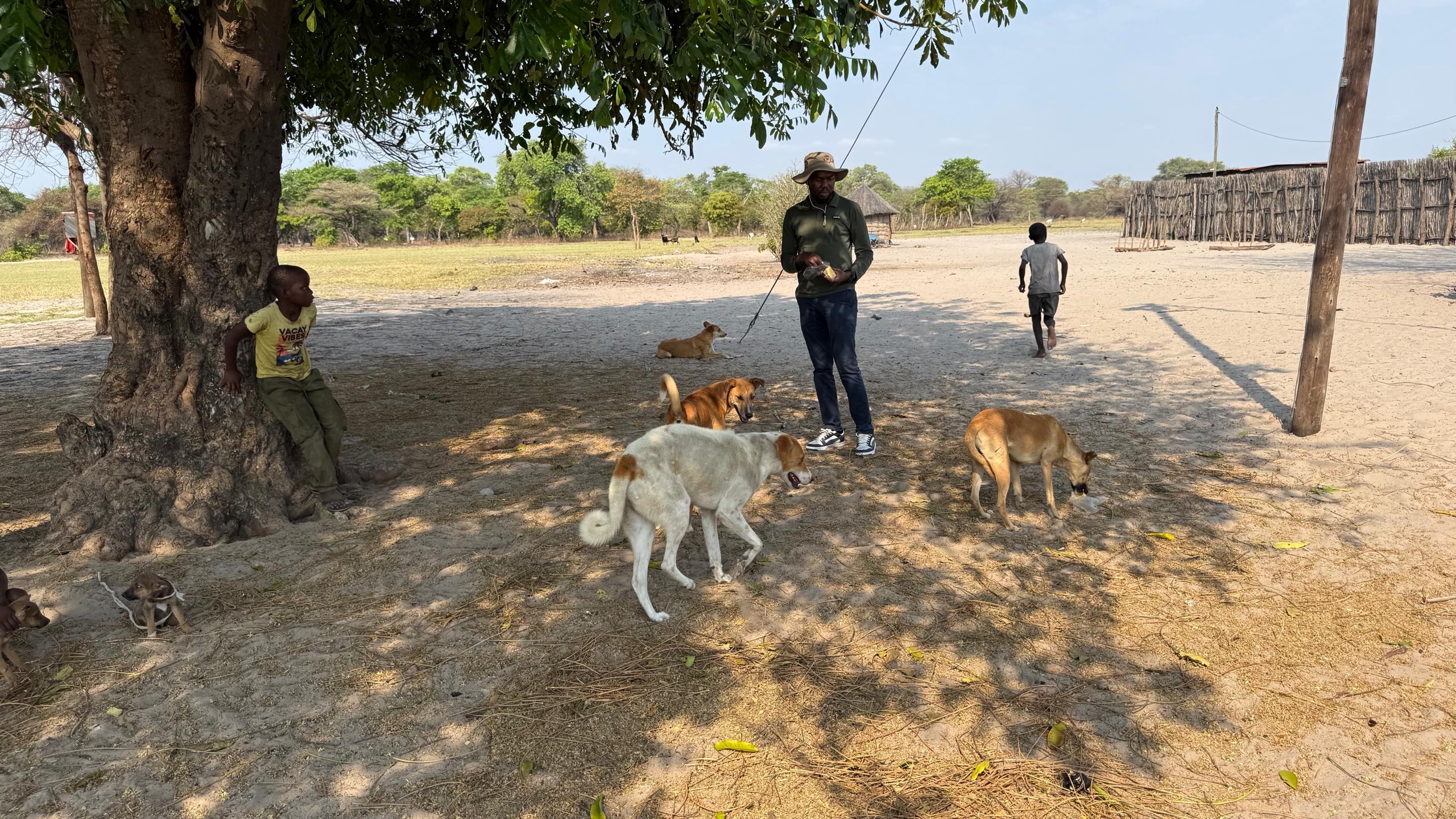
as an innovative strategy to improve vaccination coverage and for vaccinating free-roaming dogs that are often inaccessible through conventional mass dog vaccination campaigns. As part of its National Rabies Control Strategy, Namibia adopted ORV to complement parenteral vaccination efforts and accelerate progress towards the global target of eliminating human deaths from dog-mediated rabies by 2030. Following a successful pilot trial in the Oshana and Omusati regions in 2020, ORV campaigns were expanded to the Zambezi Region in 2022, 2024, and 2026, and to the Kavango East Region in 2026. The success of these campaigns significantly improved vaccination coverage among hard-to-reach dog populations, strengthening Namibia’s efforts to control and ultimately eliminate rabies.
in such a short period represents a remarkable milestone for rabies control efforts in Namibia. The vaccination coverage improved from 33% to 54% following the ORV campaign. By increasing vaccination coverage in remote pastoral communities, the campaign contributes significantly to reducing the risk of rabies transmission among dogs, livestock, wildlife, and people.
Community members, including many from the Himba tribe, welcomed the campaign and collaborated closely with vaccination teams. Their participation was instrumental in identifying dog-owning households within the community and facilitating access to animals in the region.
Field teams demonstrated exceptional commitment and resilience, working under demanding conditions that included long travel distances, extreme temperatures, and challenging terrain. Their efforts reflect the dedication of Namibia’s ongoing rabies elimination programme and the broader One Health approach that recognises the interconnected health of people, animals, and the environment.
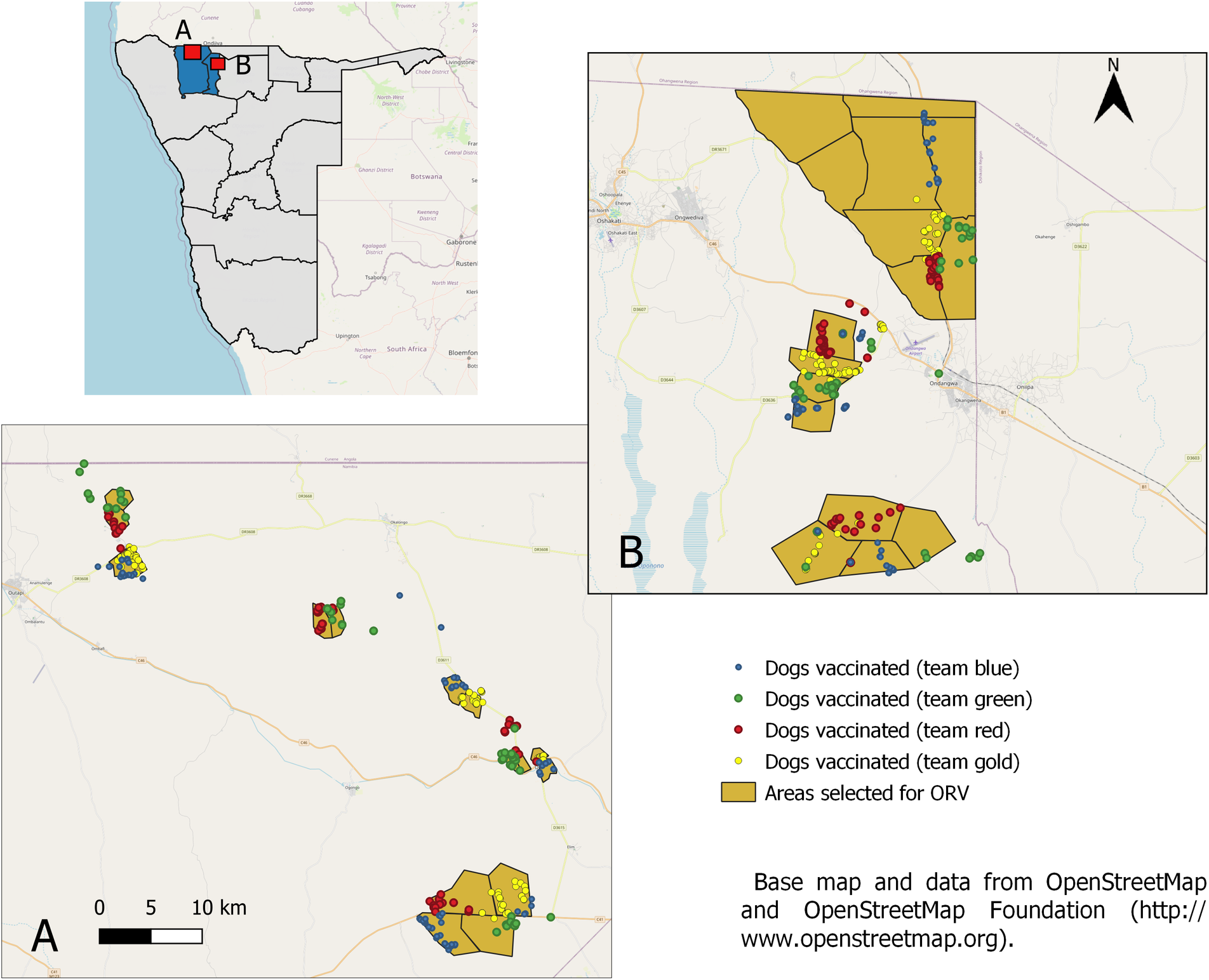
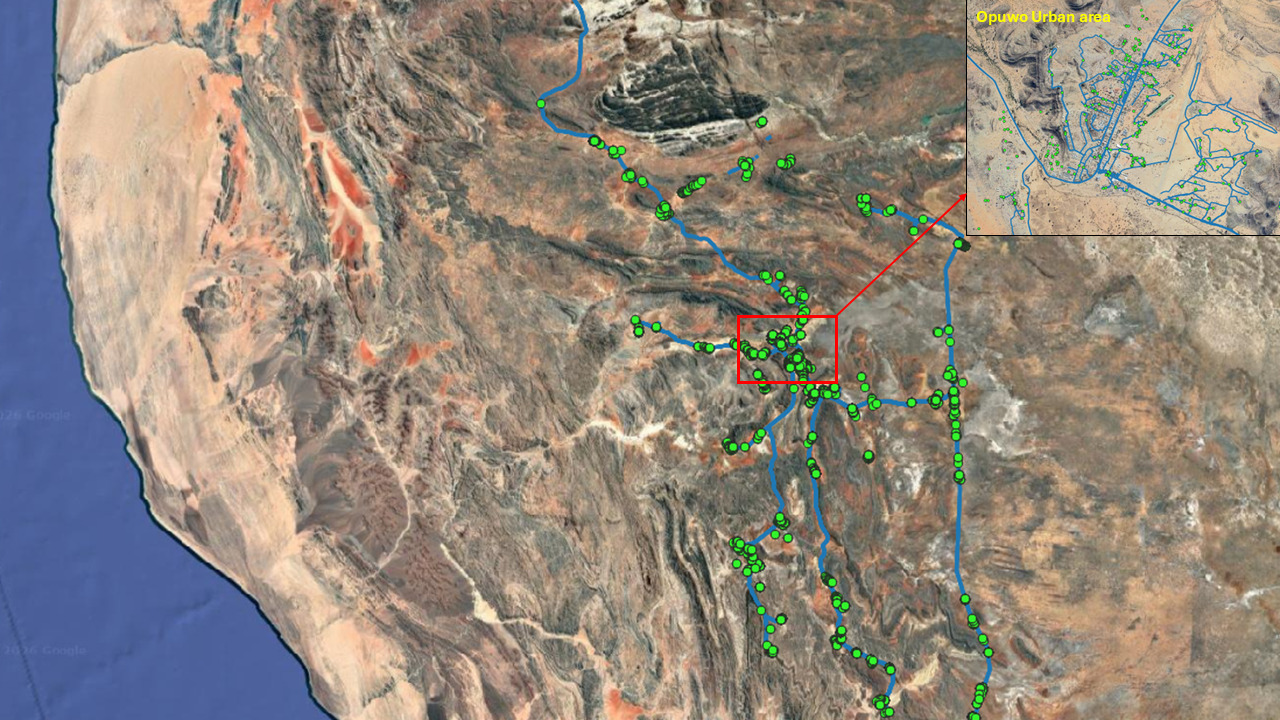
Locations of 2, 428 Orally Vaccinated dogs in the rugged Kunene Region terrain (green dots) recorded using the WVS Mobile App, together with vaccination team movement tracks (blue line) captured using the Geo Tracker App. Map produced by T. Tenzin (woah).
for reaching underserved dog populations in remote settings. As Namibia continues its drive towards eliminating dog-mediated human rabies, achievements such as this underscore the importance of sustained vaccination efforts and strong community engagement. The Kunene campaign stands as a testament to what can be achieved through teamwork, innovation, and determination, bringing Namibia one step closer to a rabies-free future.
The ORV campaign in the Kunene Region formed part of Namibia’s broader rabies elimination programme and was implemented by the Directorate of Veterinary Services (DVS) in collaboration with the Friedrich-Loeffler-Institute (FLI), Germany, and the World Organisation for Animal Health (WOAH). Funding for the campaign was provided through the German Federal Ministry for Economic Cooperation and Development (BMZ -OHRT) Project, administered by WOAH, which supports efforts to eliminate dog-mediated rabies in Namibia’s Northern Communal Areas. The initiative demonstrates the value of international partnerships in strengthening rabies prevention and advancing the goal of achieving zero human deaths from dog-mediated rabies.