
FLICKR
PHOTO ALBUM
Read more
The Directorate of Veterinary Services (DVS) of the Ministry of Livestock and Fisheries of the United Republic of Tanzania, with support from WOAH, convened a technical workshop in Dar es Salaam from 28 to 30 July 2026 to validate the National Emergency Risk Communication (ERC) Strategy for Veterinary Services. The draft strategy had been developed during a technical drafting workshop held in Arusha in early June 2026.
Across the region, animal health emergencies, including zoonotic disease outbreaks, continue to threaten national economies, food security and livelihoods. Tanzania’s own experience with recurrent Rift Valley Fever outbreaks, alongside the persistent burden of rabies, anthrax, brucellosis and zoonotic influenza, has underscored how inconsistent communication, misinformation and low public awareness can undermine an otherwise sound emergency response. Emerging threats such as agro-crime and agro-terrorism have added further urgency to the need for a structured, whole-of-government approach to risk communication.
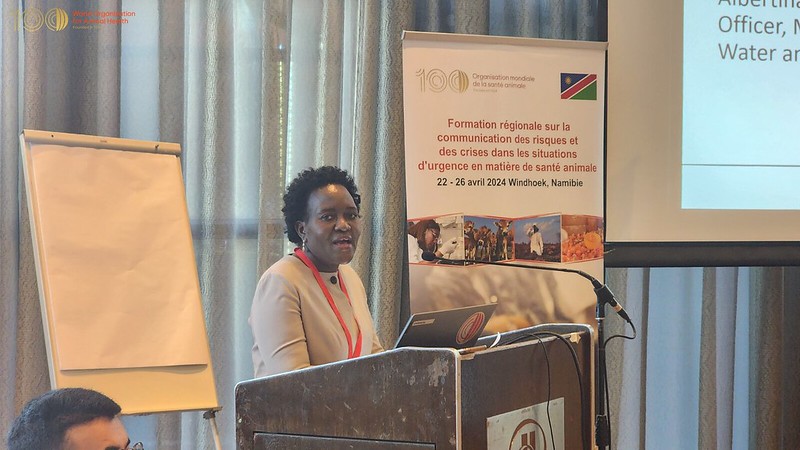
Tanzania’s request for support in developing the strategy followed a regional workshop on risk and crisis communication in animal health emergencies held in Windhoek, Namibia, in April 2024, and is being carried out as part of the country’s participation in the Fortifying Institutional Resilience Against Biological Threats (FIRABioT) Project.
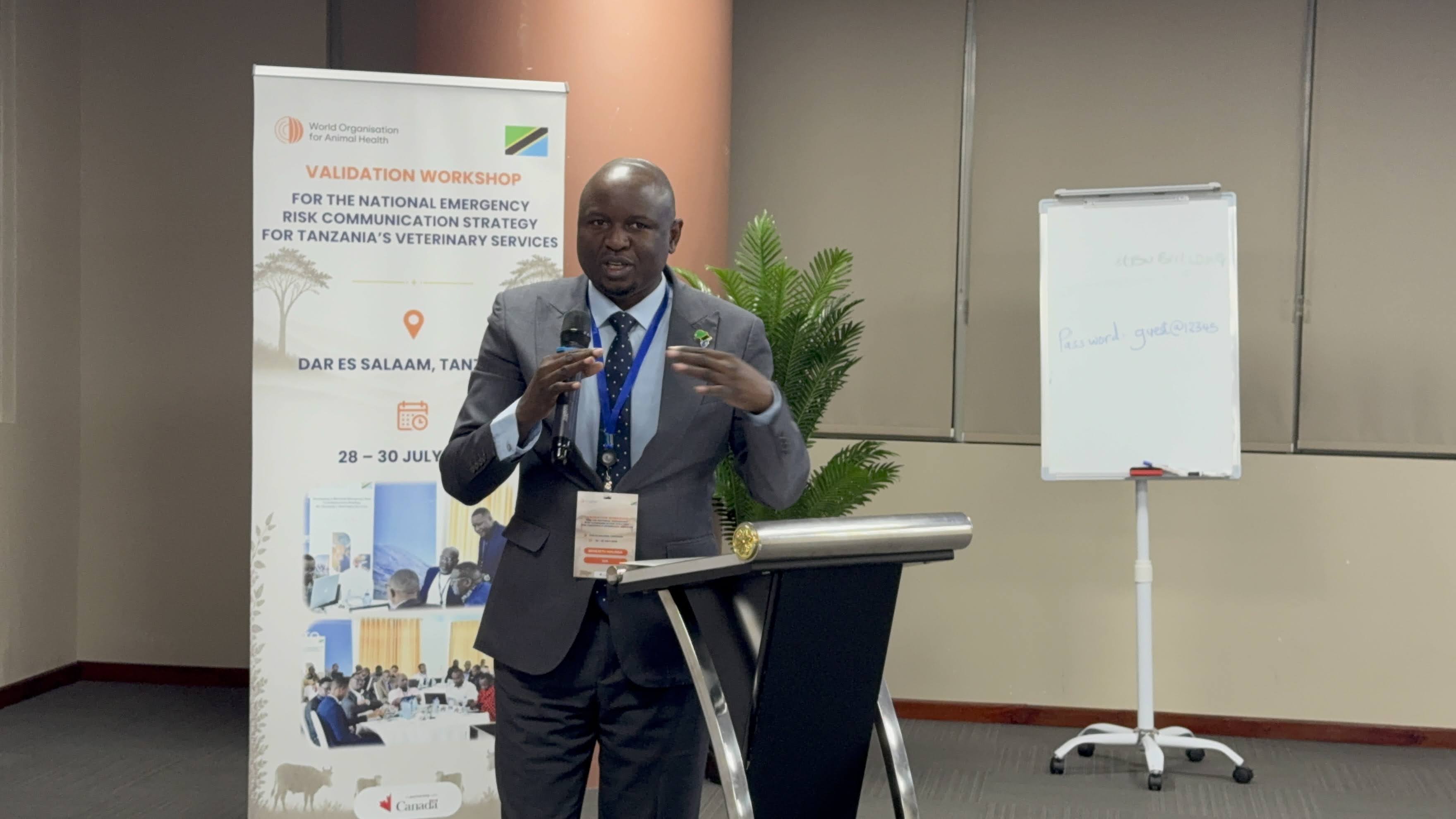
Dr Benezeth Lutege Malinda, Director of Veterinary Services, addressing participants during the opening session of the validation workshop. Dar es Salaam. Picture (c) N. Atama (woah) 2026.
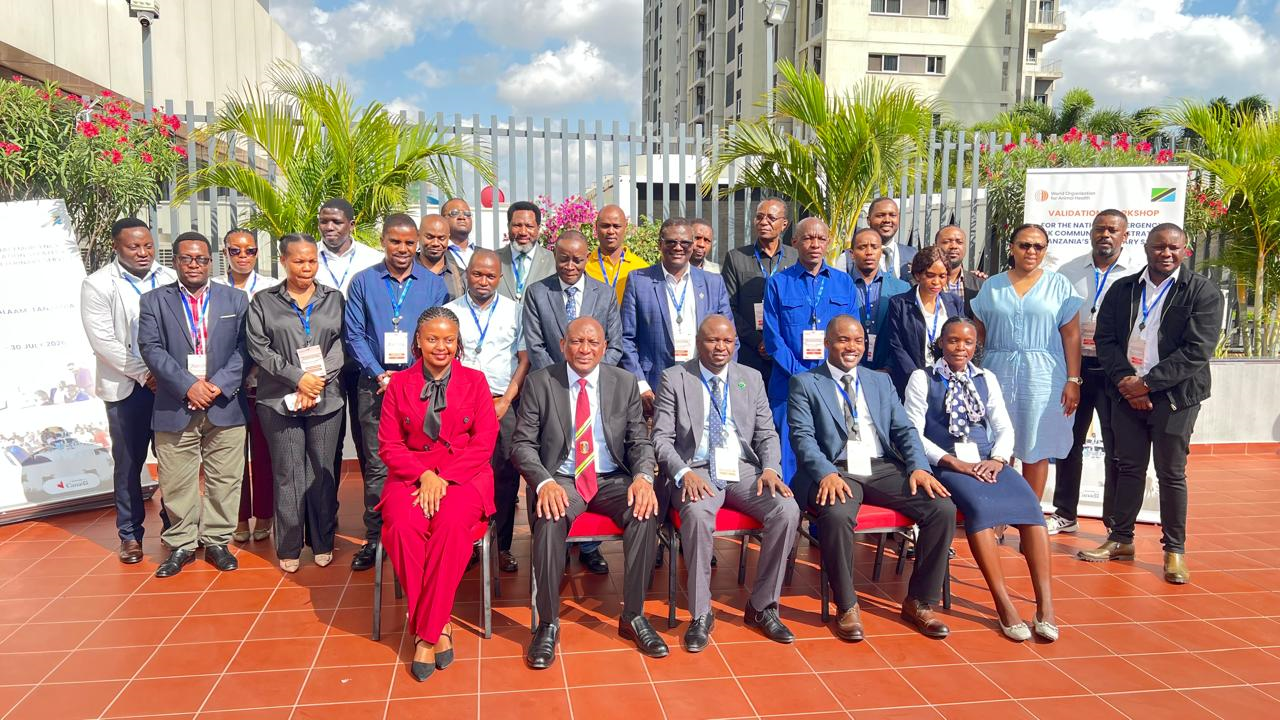
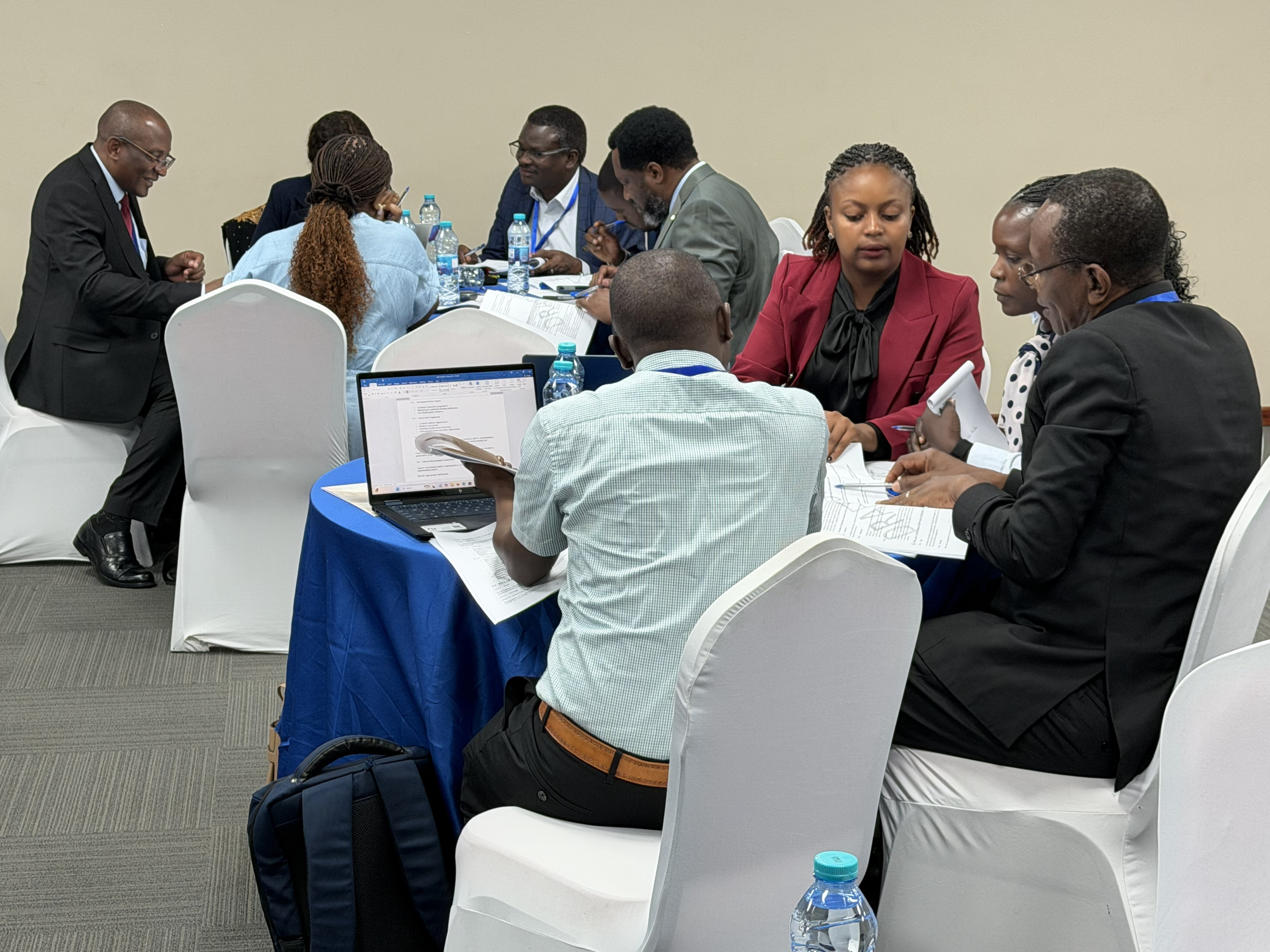
The validation workshop brought together 25 representatives from government ministries, academia, the Veterinary Council of Tanzania, professional associations, law enforcement agencies and the private sector to conduct a final technical review of the draft strategy. Over three days, four technical working groups reviewed the draft strategy chapter by chapter, suggesting and incorporating several changes on emerging technologies and risks and institutional roles in a way that reflects Tanzania’s administrative realities. By the close of the workshop, participants had reached consensus on a fully validated draft strategy structured around four strategic pillars for the period 2026 to 2030:
Facilitators described the strategy as a “living” framework, intended to guide the protection of the country’s animal health and economy over the next five years.
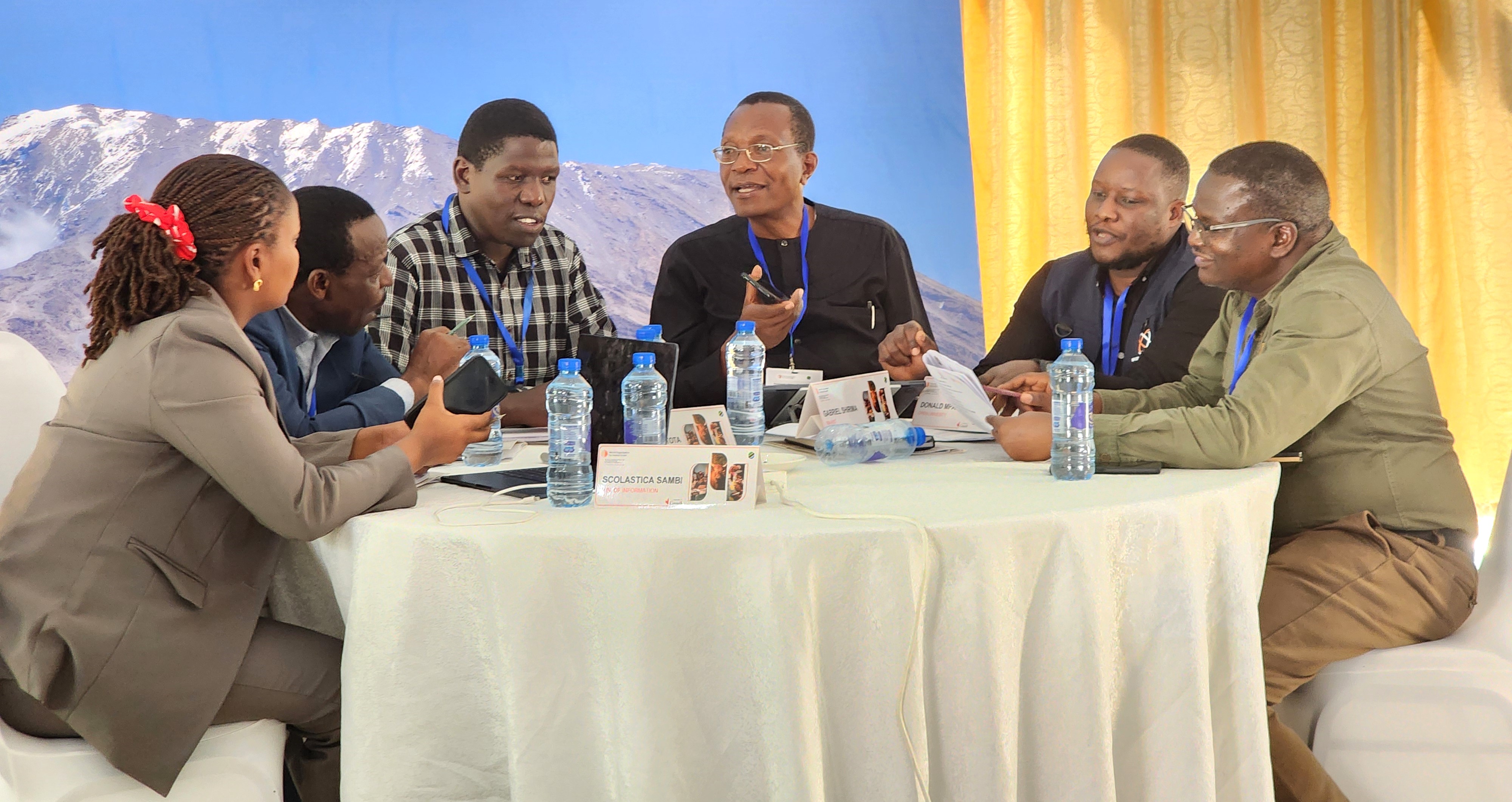
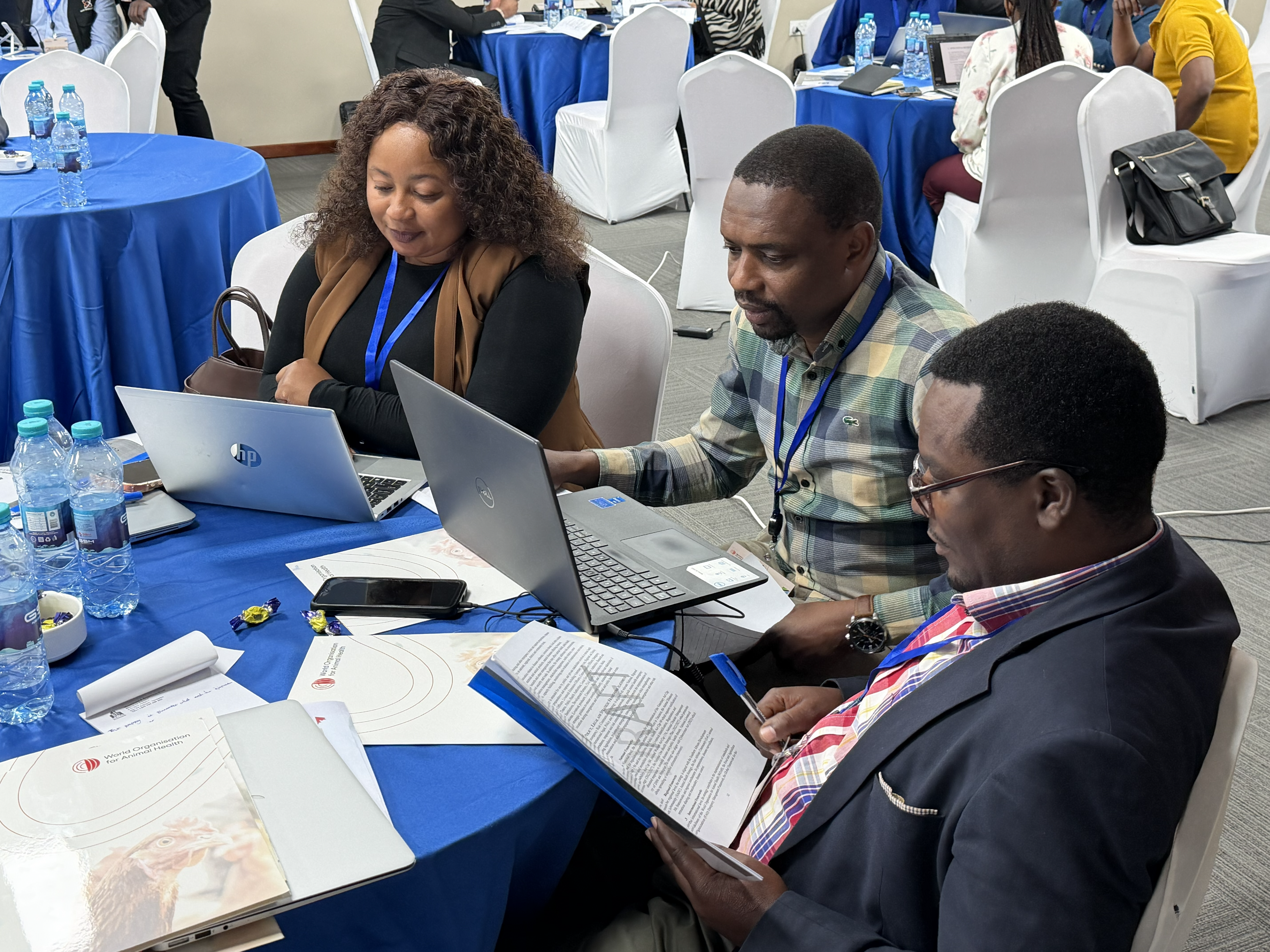
Participants reviewing the draft document prior to plenaries, Dar es Salaam. Picture (c) N. Atama (woah) 2026.
The validated document has been submitted to the Permanent Secretary of the Ministry of Livestock and Fisheries for formal government endorsement following which a national launch event will be conducted and the strategy uploaded to Tanzania’s One Health digital repository, further positioning the country as a regional benchmark in health security and institutional resilience against biological threats.
The validation of Tanzania’s national Emergency Risk Communication Strategy for Veterinary Services is part of the country’s activities as a beneficiary of the FIRABioT Project. This Project is funded by Global Affairs Canada’s Weapons Threat Reduction Program, in support of the Global Partnership’s Signature Initiative to Mitigate Biological Threats in Africa.