The WOAH Regional Representation in Africa joins the global efforts this 6 July 2026, to commemorate the World Zoonoses Day, to raise awareness on zoonotic diseases. Zoonotic diseases, also known as zoonoses, are diseases that spread between animals and humans through various means such as contact with infected animals/humans, inhalation, contaminated food and water amongst other means.
Zoonoses remain a major global health concern, with approximately 60% of known human infectious diseases originating from animals and nearly 75% of emerging infectious diseases in humans having an animal origin – highlighting the critical role of strong Veterinary Services in preventing disease emergence, detecting threats early and protecting both animal and human health.
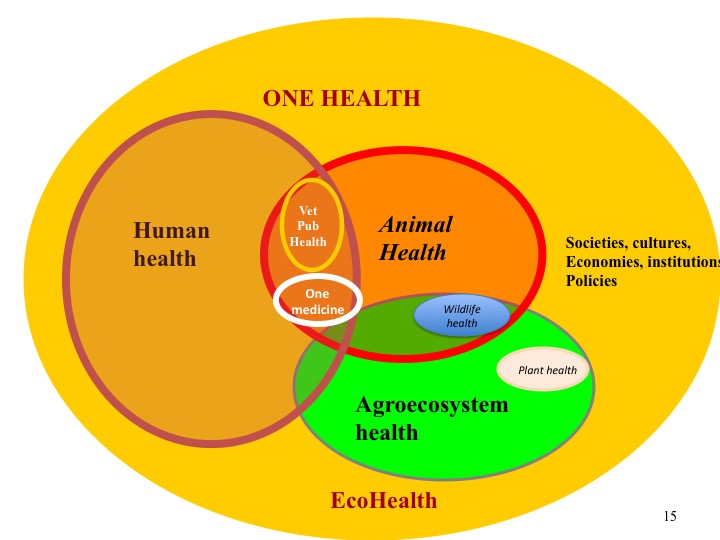
As the global authority on animal health, the World Organisation for Animal Health (WOAH) works with its Members and partners to strengthen animal health systems, improve disease detection and reporting, and promote evidence-based policies that reduce the risk of disease emergence and spread. Through its global and regional initiatives, WOAH supports countries in building resilient Veterinary Services and advancing the One Health approach, which recognizes the interconnected health of people, animals, plants, and ecosystems.
In line with the World Zoonoses Day, WOAH continues to advocate for stronger investment in animal health, recognizing that resilient animal health systems are fundamental to the prevention of zoonotic disease risks thereby securing health for all at the livestock-wildlife-human-environment interface.
Africa bears a high burden of zoonotic diseases, including Rabies, Rift Valley Fever, Ebola virus disease, Marburg, Avian influenza, Tuberculosis, Brucellosis and many emerging infectious threats, which continue to pose significant challenges to communities, livelihoods, food systems, and economies across Africa and beyond.
The transmission and emergence of zoonotic diseases across Africa, are further driven by population growth, increasing demand for animal-source foods, environmental and climate change, close interactions between wildlife, livestock and people, and the movement of animals, animal products and people within and across borders, highlighting the need for stronger Veterinary Services and effective One Health collaboration.
Recognizing these realities, WOAH’s Regional Representation for Africa promotes multisectoral collaboration and supports countries in strengthening veterinary systems preparedness, prevention, and disease response capacities, through various interventions including:
As a key partner in the One Health Quadripartite alliance (including FAO, UNEP, WHO), WOAH contributes to stronger governance and implementation across Africa by supporting establishment of multisectoral coordination mechanisms and One Health governance at regional and national levels. In line with the One Health Joint Plan of Action global framework, WOAH works with partners to establish and strengthen One Health national platforms, which are essential in operationalizing the One Health approach. WOAH emphasises and supports the mainstreaming of Veterinary Services, and skilling and enhancing their capacity, to improve animal health and also to contribute to One Health implementation in respective countries.
In West and Central Africa, WOAH is a technical partner in the Health and Resilience programme – HeSP, through this programme WOAH supports the establishment of multisectoral coordination mechanisms to strengthen disease surveillance, preparedness, veterinary workforce capacities, and laboratory networks against zoonotic health threats.
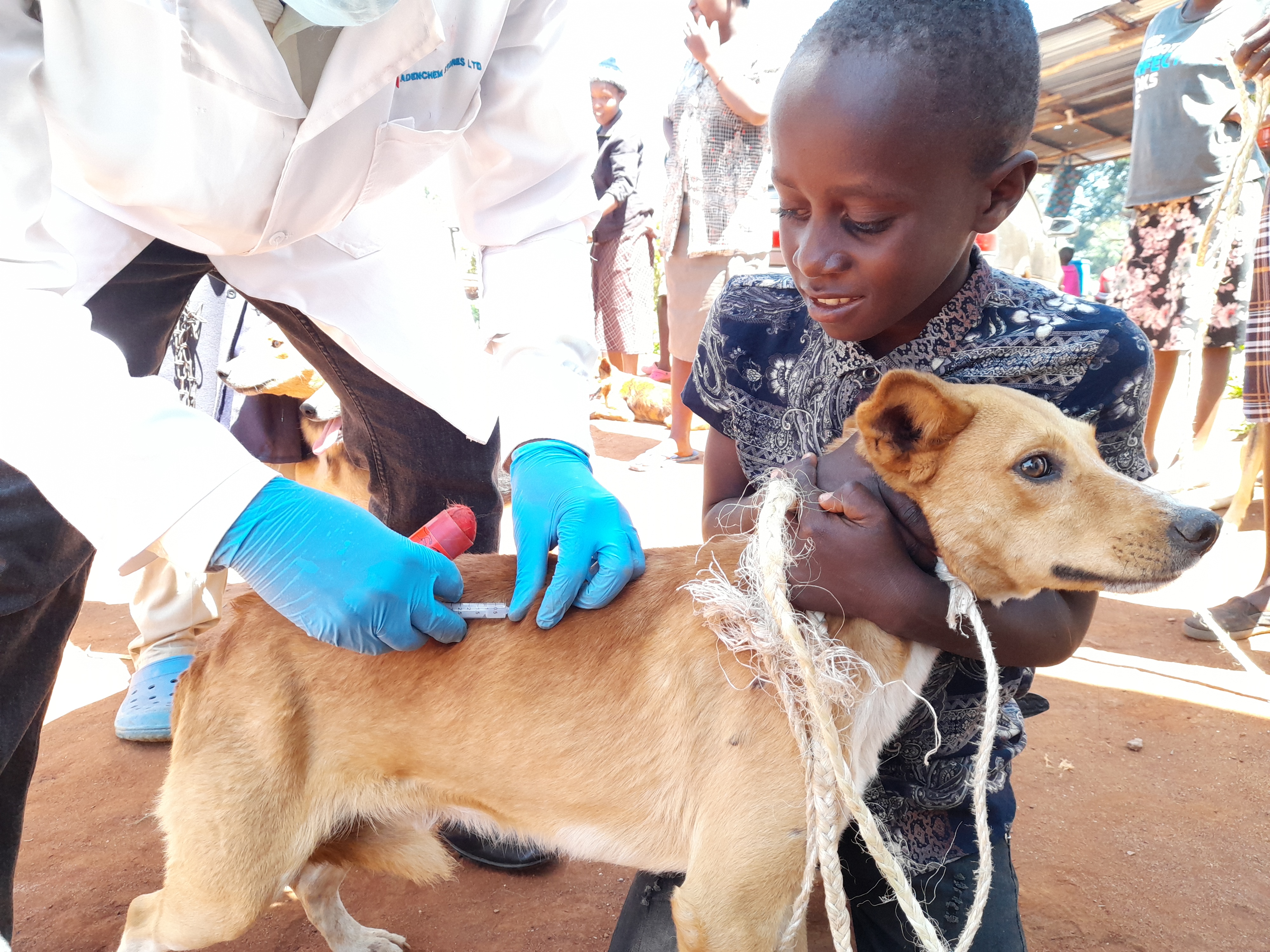
Amongst the flagship priorities in the Africa region is the fight against Rabies , a preventable zoonotic disease that continues to cause unnecessary human deaths, particularly of children and vulnerable populations. WOAH supports African countries in pursuing the global goal of eliminating dog-mediated human rabies deaths through stronger vaccination programmes, improved surveillance, and community engagement.
Healthy wildlife populations and effective wildlife disease surveillance are essential components not only for safeguarding wildlife species and ecosystem health but also preventing spillover of zoonoses to animals and humans. This is critical for Africa where biodiversity is both an ecological treasure and a source of livelihood for many communities. WOAH recently launched its Wildlife Health Strategy 2026-2030 reaffirming the importance of surveillance systems, prevention, and rapid response capacities to address health threats at the wildlife-human-livestock interface.
Through the EBO-SURSY and ZOOSURSY projects, WOAH continues to strengthen Africa’s capacity to prevent, detect and respond to zoonotic diseases by advancing wildlife surveillance, promoting research, and fostering One Health collaboration among sectors.
Preventing zoonotic diseases is a shared responsibility. By investing in animal health, enhancing disease surveillance, protecting biodiversity, and fostering collaboration across sectors, we can build healthier and more resilient societies for people, animals, and ecosystems alike.
On this World Zoonoses Day, WOAH calls on governments, veterinary professionals, public health experts, researchers, environmental agencies, communities, and development partners to strengthen collaboration under the One Health framework