PPR
Fostering a broad coalition to enable the eradication of PPR from Africa
September 27, 2019
Read more
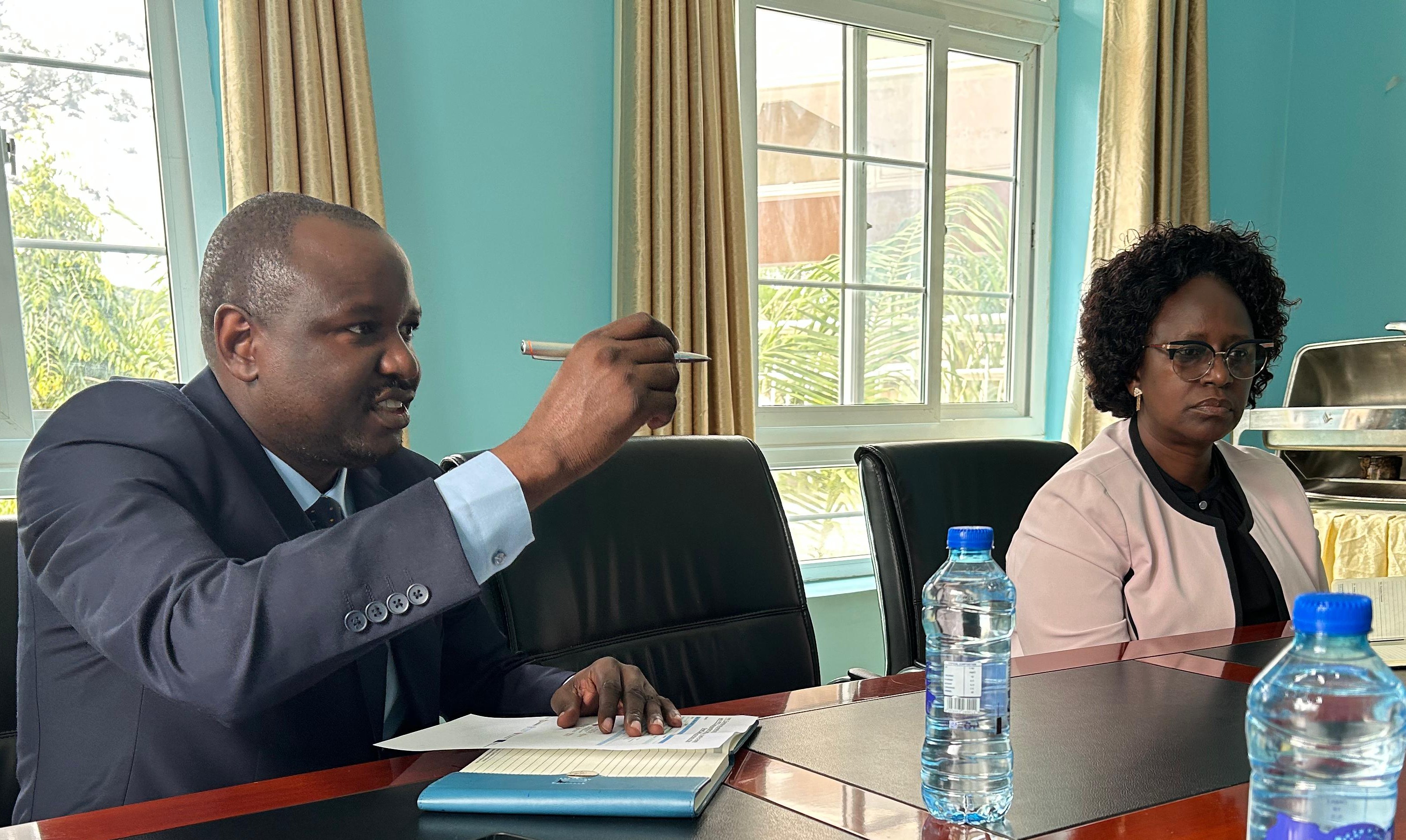
Dr Benezeth Lutege (left), WOAH Delegate and Mrs. Agnes Meena (right), Permanent Secretary, from the Ministry of Livestock and Fisheries in the United Republic of Tanzania. Picture (c) N. Mapitse (woah) 2026
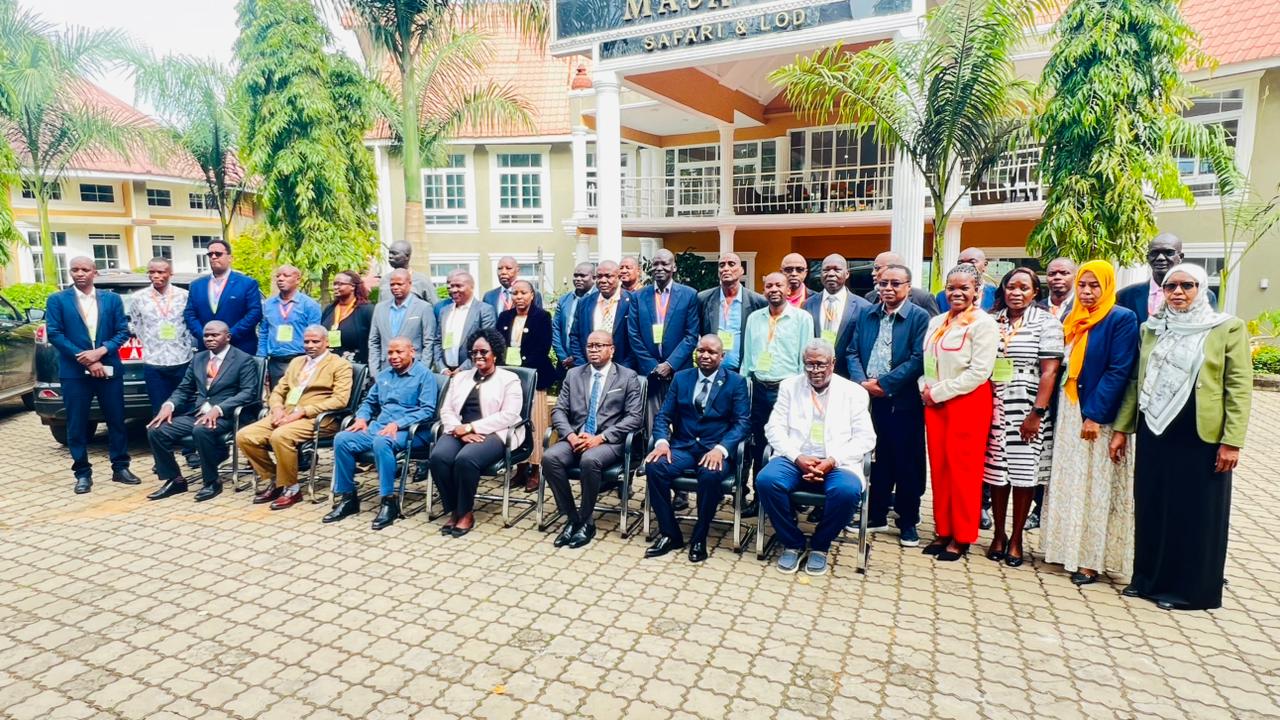
A regional workshop on episystem‑based approaches and cross‑border harmonisation for Peste des Petits Ruminants (PPR) eradication was held in Arusha, United Republic of Tanzania, from 27 to 30 April 2026.
The workshop was organised under the GF‑TADs PPR framework and facilitated by the World Organisation for Animal Health (WOAH) in collaboration with national and regional partners.
The meeting brought together representatives from national veterinary services, regional institutions (i.e. the Inter-Governmental Authority on Development, IGAD) and technical experts.
Background and Objectives:
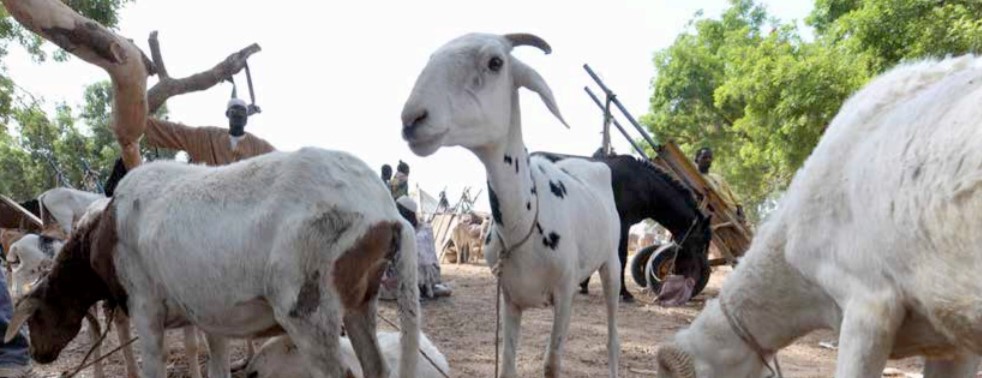
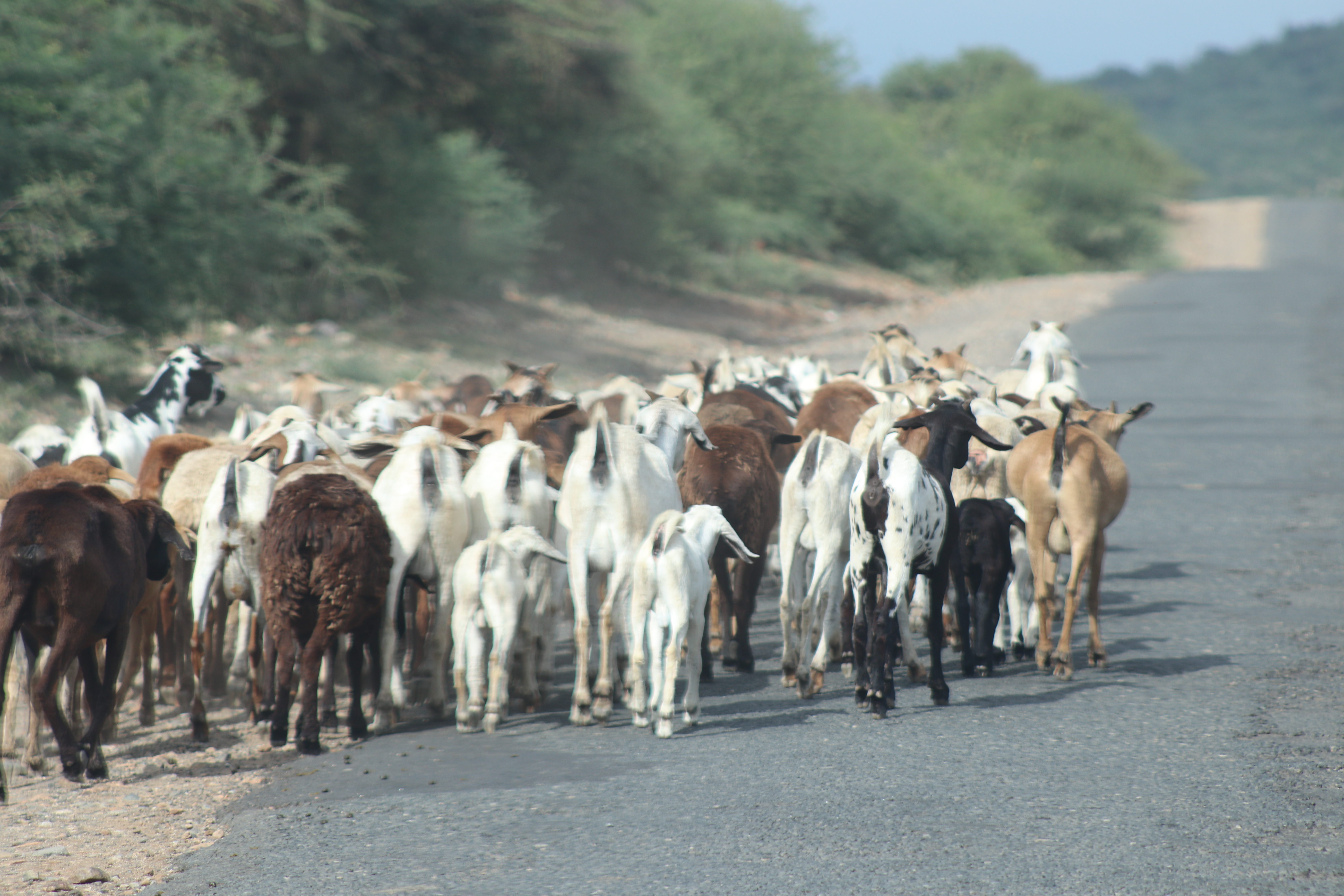
PPR remains endemic in several parts of Eastern Africa and the Great Lakes Region, where livestock mobility, cross‑border trade and shared production systems continue to drive virus circulation. These epidemiological realities require eradication strategies that move beyond administrative boundaries.
The PPR Global Eradication Programme (GEP) Blueprint promotes an episystem approach, focusing on interconnected host populations and transmission systems that can sustain virus circulation over time. Effective implementation of this approach depends on shared data, coordinated interventions and harmonised cross‑border action.
The objectives of the workshop were to:
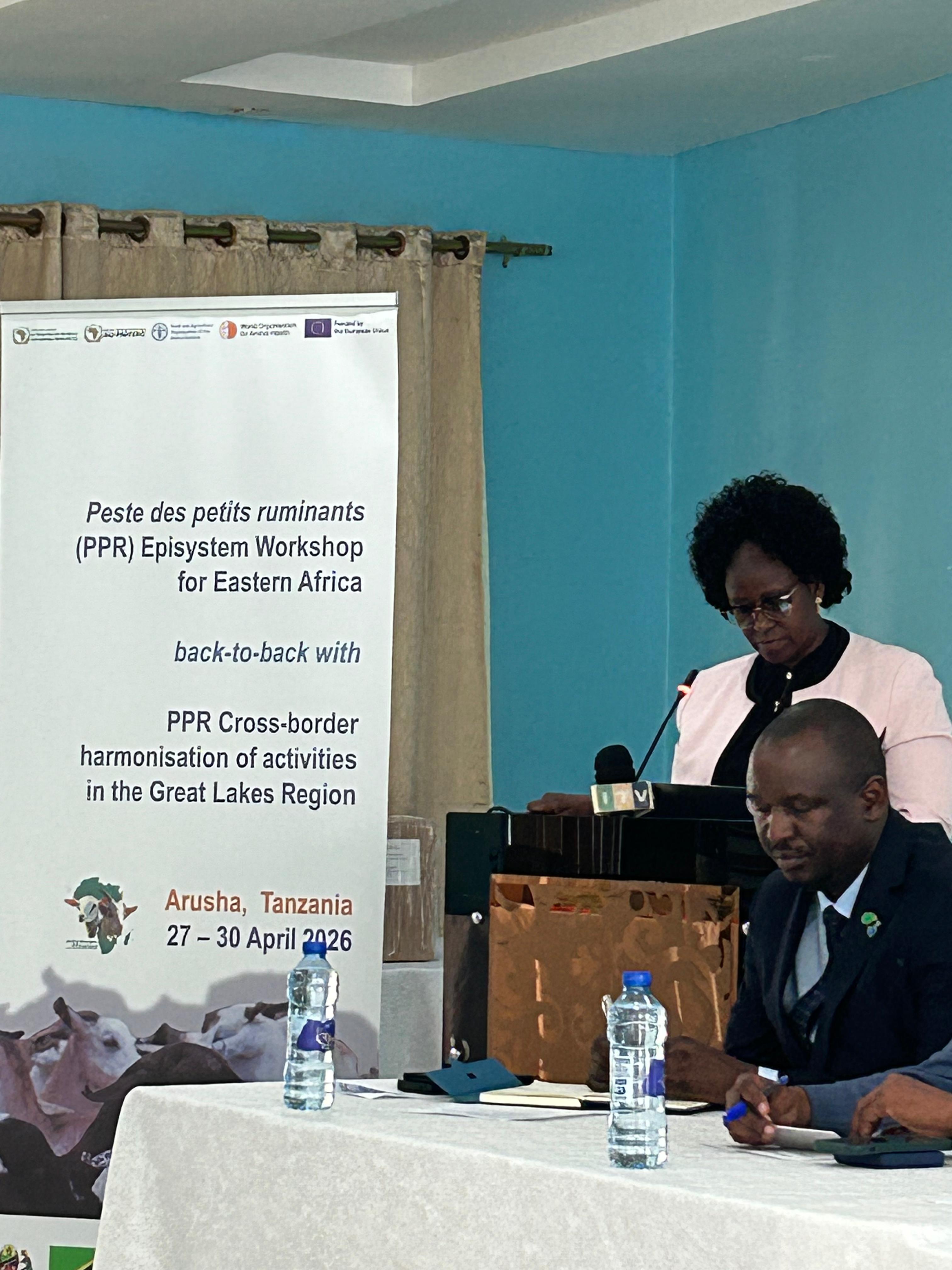
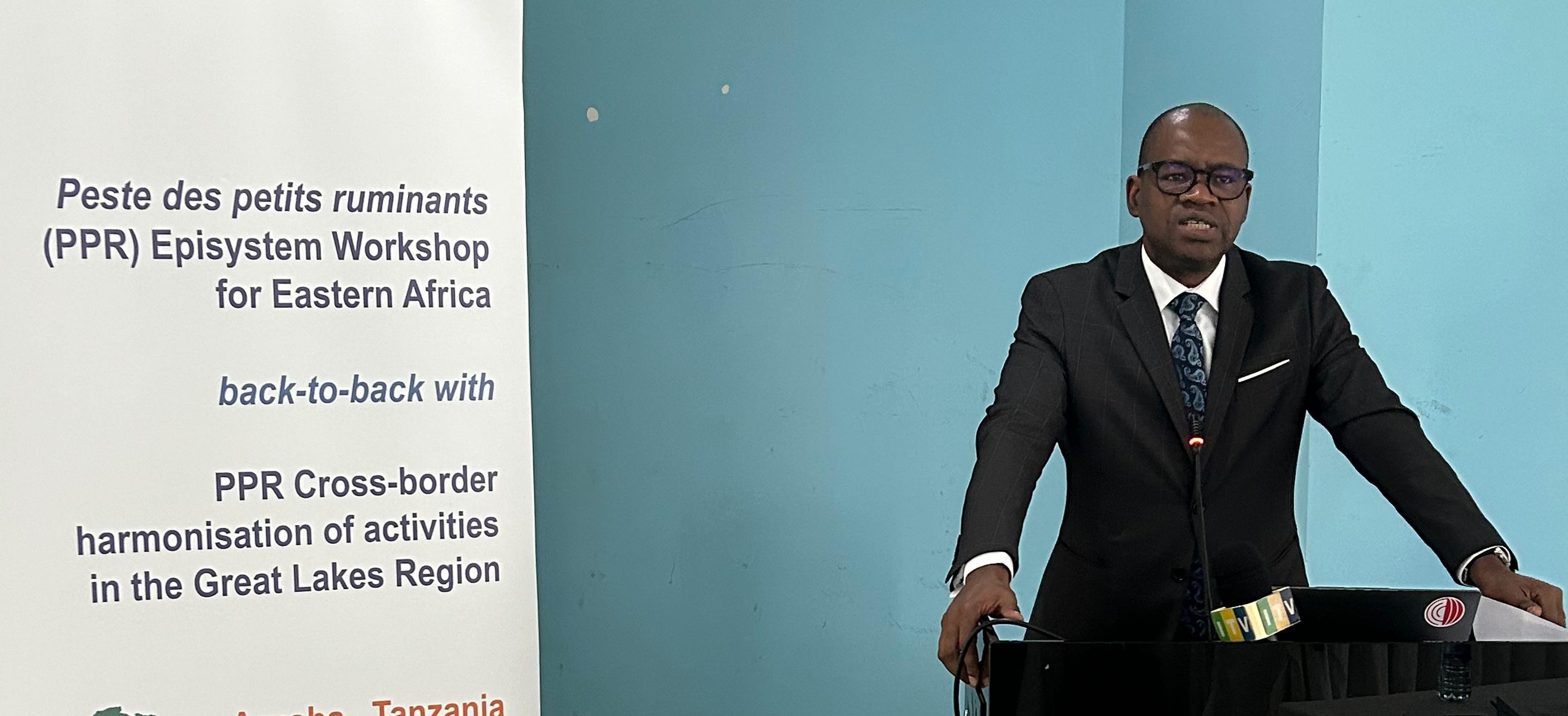
Opening address by Permanent Secretary, Mrs. Agnes Meena, from the Ministry of Livestock and Fisheries in the United Republic of Tanzania. Picture (c) N. Mapitse (woah) 2026
Technical sessions commenced on 27 April. The official opening ceremony was held on the morning of Day 2, in accordance with the Minister’s itinerary, with remarks from the Permanent Secretary, Agnes Meena, from the Ministry of Livestock and Fisheries in the United Republic of Tanzania, responsible for livestock and from WOAH.
The opening session was moderated by the WOAH Delegate for the United Republic of Tanzania, Dr Benezeth Lutege, who emphasised the need for a shared understanding of how data are generated, managed and used to support effective regional coordination within the East African Community framework.
Participants were reminded that PPR eradication requires harmonised action across borders, particularly in relation to small ruminant movements, surveillance, vaccination, and data sharing, as the virus does not recognise national boundaries.
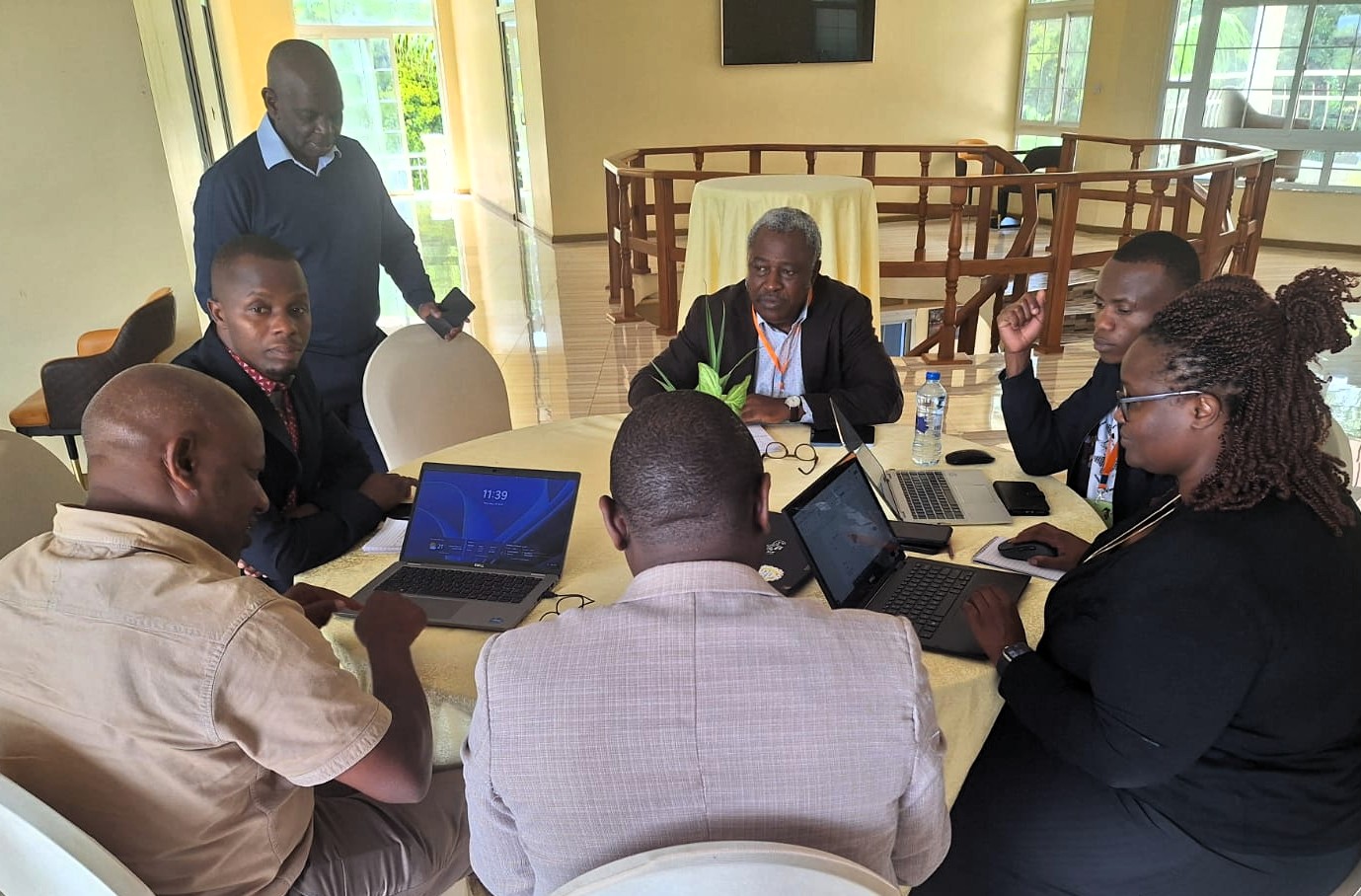
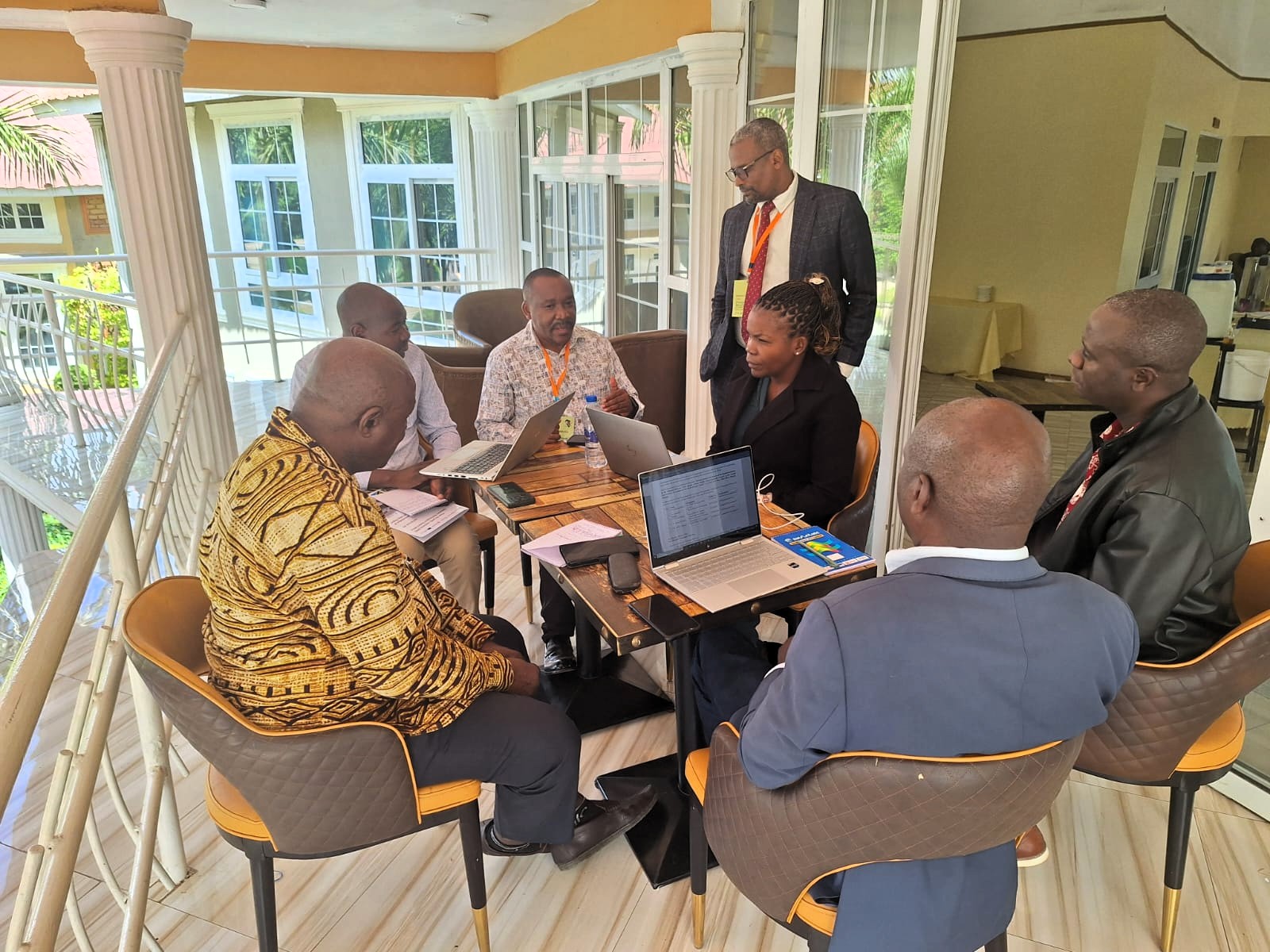
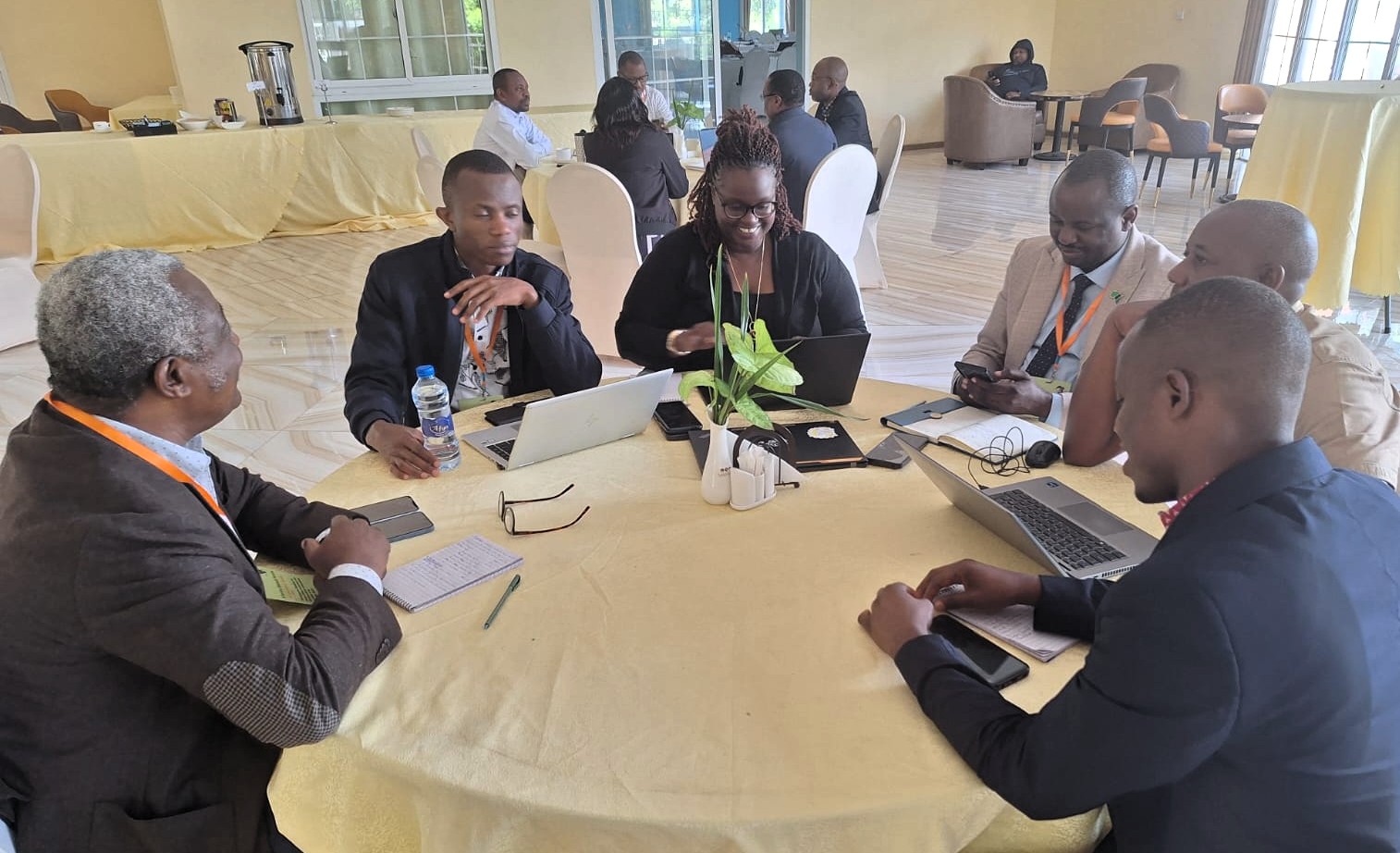
Group discussion. Picture (c) N. Mapitse (woah) 2026
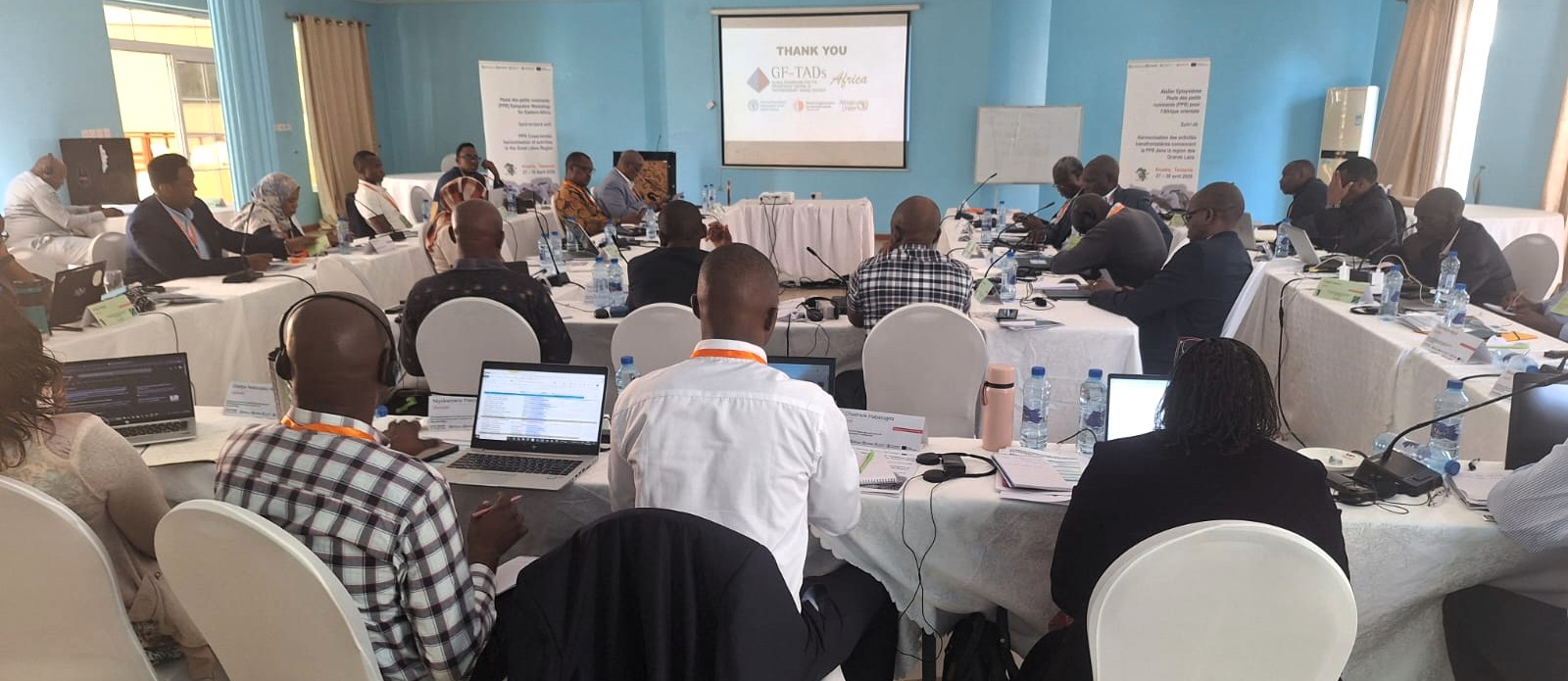
Overview of the meeting room. Picture (c) N. Mapitse (woah) 2026
The importance of national ownership, consistent implementation and translating policy commitments into concrete action was highlighted. WOAH’s continued commitment to supporting Member Countries through coordination, technical tools, and partnerships was emphasised by Dr Neo Mapitse, WOAH’s Sub-Regional Representative for Eastern Africa.
National authorities reaffirmed their strong commitment to PPR eradication and regional collaboration, noting the critical role of livestock in food security, livelihoods and resilience. The Government of the United Republic of Tanzania highlighted substantial national investments to support vaccination and traceability, complemented by partner support, including vaccine contributions. Speakers stressed that achieving the 2030 eradication goal will require not only political and financial commitment, but also strengthened laboratory capacity, effective use of evidence, and more precise, data‑driven targeting of interventions through the episystem approach. The workshop was formally declared open with a call for focused, outcome‑oriented discussions leading to practical next steps at national and regional levels.
…shared their national experiences, epidemiological contexts, and available data.
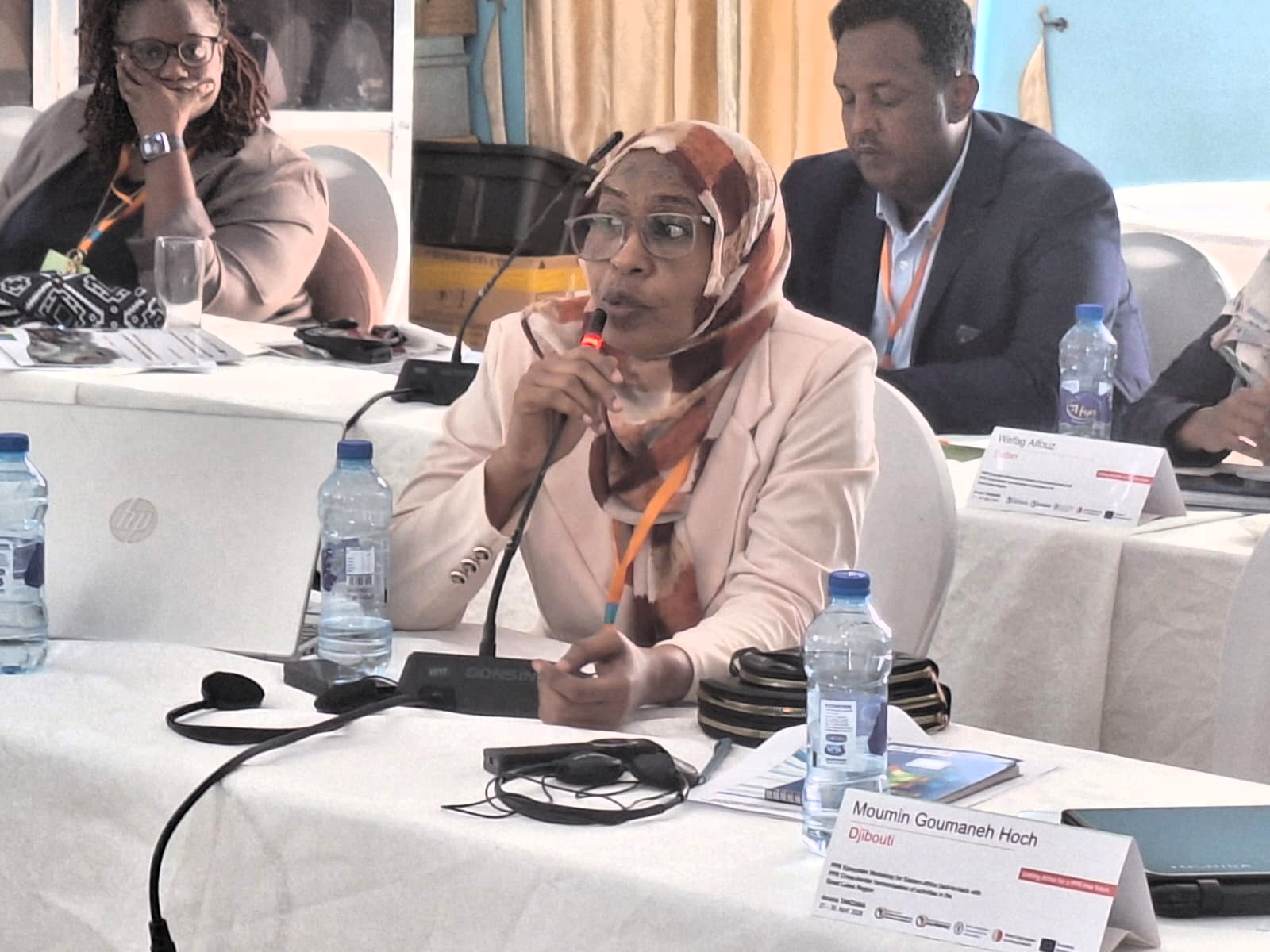
Dr Amira Awad, participant from Sudan. Picture (c) N. Mapitse (woah) 2026
Technical presentations addressed:
Participants took part in group exercises to understand how to map livestock populations, movements, markets and cross‑border corridors, and to integrate surveillance, vaccination and molecular data to identify and validate PPR episystems.
Discussions highlighted the importance of shifting from geographically uniform approaches to targeted, risk‑based interventions aimed at interrupting transmission.
This was followed by mapping country-specific episystems, which were further enriched during the presentations and interactive sessions. These were considered zero-drafts and a sufficient start to focus PPR eradication efforts.
The absence of comprehensive animal identification and traceability systems remains a significant limitation for targeting and monitoring PPR interventions. However, working within these constraints, information generated through community engagement and value chain stakeholders can provide practical insights for veterinary services. Such information can support planning and alignment of interventions to improve vaccination coverage along identified episystems, while also enhancing community‑based approaches to reach insecure and underserved areas. Administratively, countries will need to give careful consideration to how episystem‑based approaches can be operationalised in practice, particularly where transmission systems do not align with existing administrative boundaries.
The Great Lakes Region encompasses Burundi, the Democratic Republic of the Congo, Kenya, Rwanda, Tanzania, and Uganda.
The Sessions reviewed:
Through facilitated discussions and working groups, participants identified practical opportunities for collaboration, including joint surveillance activities, synchronised vaccination campaigns and improved data sharing. Inputs were consolidated into draft elements of a harmonised action framework, which were discussed and agreed by participants.
The cross border workshop resulted in:
Effective implementation of an episystem-based, harmonised PPR eradication strategy is likely to face several interconnected challenges. Cross‑border planning and collaboration remain complex due to political, technical and resource constraints, highlighting the need to formalise and operationalise relevant Memoranda of Understanding (MoUs) and coordination mechanisms that support joint planning, data sharing and synchronised interventions across shared episystems.
Reaching areas affected by conflict, insecurity and poor infrastructure, particularly in landlocked countries and remote or difficult‑to‑access regions, presents significant operational constraints. These challenges are compounded by limited veterinary service coverage in underserved and unreachable areas. Addressing them will require context-specific solutions, including strengthened community-based approaches, engagement of local leaders and value-chain stakeholders (internal and external), use of mobile veterinary teams, and flexible implementation modalities adapted to insecurity and access limitations.
Political and institutional diversity further complicates implementation, especially in federal or devolved governance systems. Sustained political engagement with national and sub‑national institutions, including self‑governing and devolved authorities, is therefore essential. Operationalising episystem‑based approaches at the federal level, while ensuring effective coordination with decentralised structures, will be critical to maintaining policy coherence and consistent implementation nationwide.
Finally, financial constraints, inadequate diagnostic capacity and limited laboratory infrastructure remain major hurdles. Overcoming these challenges will require clear prioritisation of interventions, strategic use of limited resources, strengthened collaboration with partner institutions, and greater reliance on regional or international reference laboratories and centres of excellence to provide diagnostic services, quality assurance and technical backstopping.
WOAH Sub-Regional Representative, Dr Neo Mapitse.
WOAH Sub-Regional Representative, Dr Neo Mapitse. Picture (c) S. Kihu (woah) 2026
In his closing remarks, Dr Honore N’lemba Mabela, President of the WOAH Regional Commission for Africa and WOAH Delegate of the Democratic Republic of Congo, speaking on behalf of the participants, thanked all attendees for their presence and commended the high level of engagement demonstrated throughout the meeting.
He expressed particular appreciation for the active participation and constructive contributions during the group work and discussions, which he noted were essential to advancing practical and harmonised approaches to PPR eradication.
Dr N’lemba also thanked the Government of the United Republic of Tanzania for hosting the meeting and acknowledged the efforts of the PPR Secretariat and WOAH in organising the workshop.
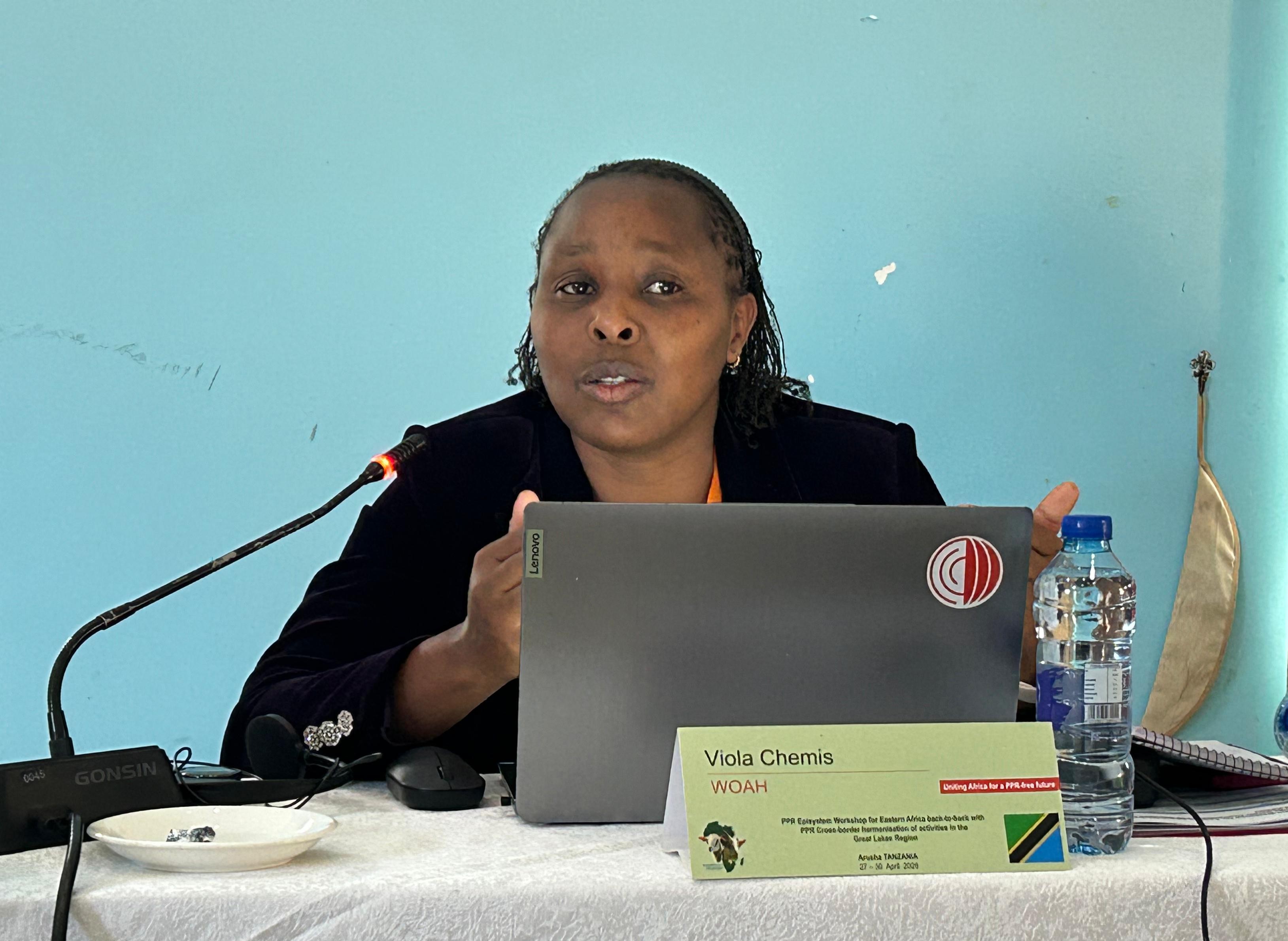
Dr Viola Chemis, WOAH Sub-Regional Representation for Eastern Africa. Picture (c) N. Mapitse (woah) 2026
Dr Wubishet Wakene, PPR Regional Coordinator for IGAD (PAPS). Picture (c) N. Mapitse (woah) 2026
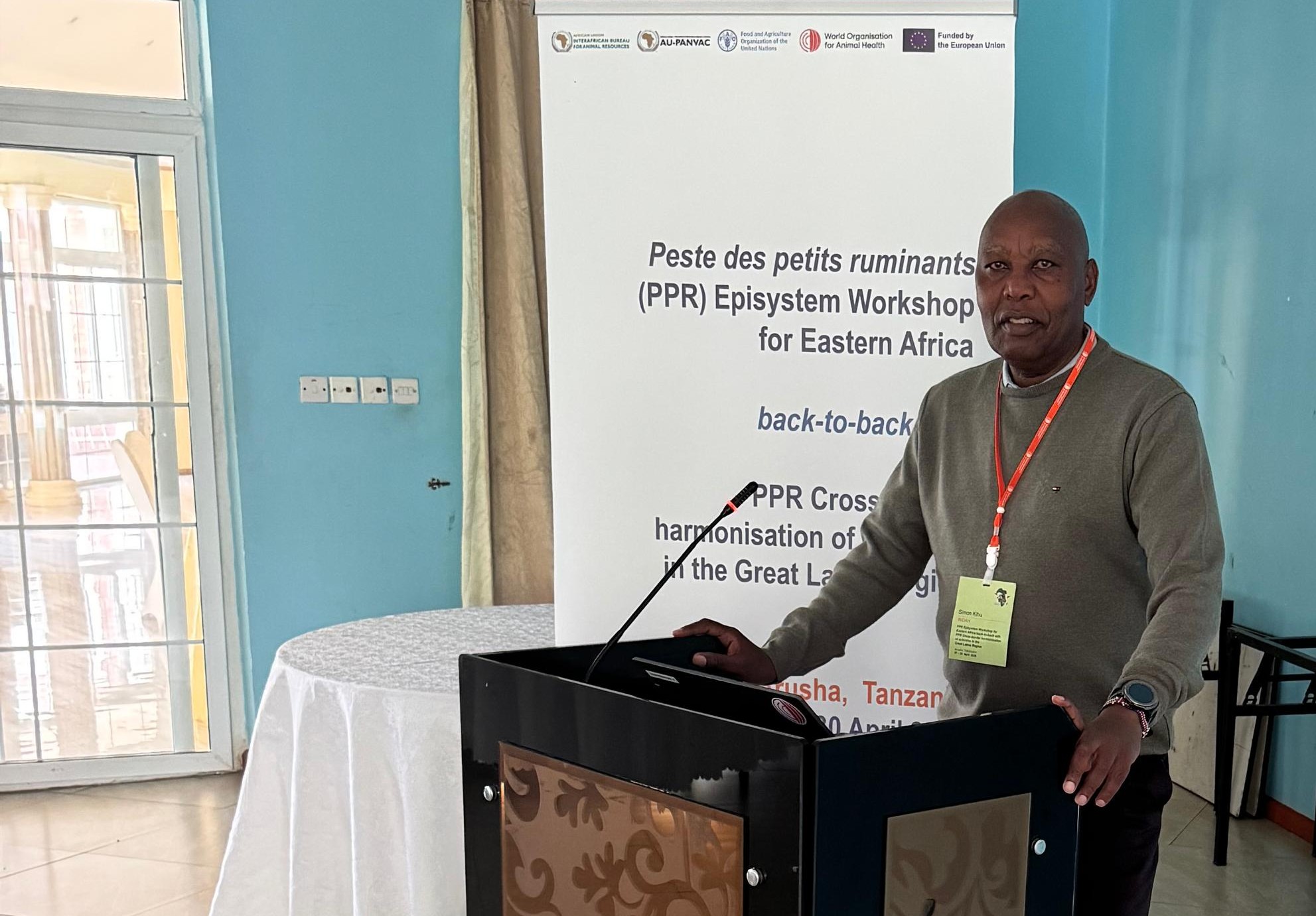
Dr. Simon Kihu, PPR Expert (PAPS), Sub-Regional Representation for Eastern Africa. Picture (c) N. Mapitse (woah) 2026.
Group discussion. Picture (c) N. Mapitse (woah) 2026
Group discussion. Picture (c) N. Mapitse (woah) 2026
The meeting was formally closed by Dr Benezeth Lutege, WOAH Delegate of the United Republic of Tanzania, who reiterated appreciation to WOAH, including the Sub‑Regional Representation, for selecting Tanzania as the host country. On behalf of the Government of Tanzania, he reaffirmed the country’s commitment to implementing the episystem approach discussed during the meeting and to continued collaboration with regional partners toward the eradication of PPR.
As a way forward participants agreed to continue strengthening episystem‑based planning, enhance harmonised cross‑border interventions and maintain collaboration through regional platforms. These actions will contribute to sustained progress toward the global objective of PPR eradication by 2030