Oshikoto Region, Namibia
Community Engagement for Rabies Control in the NCA Namibia
March 14, 2026
Read more
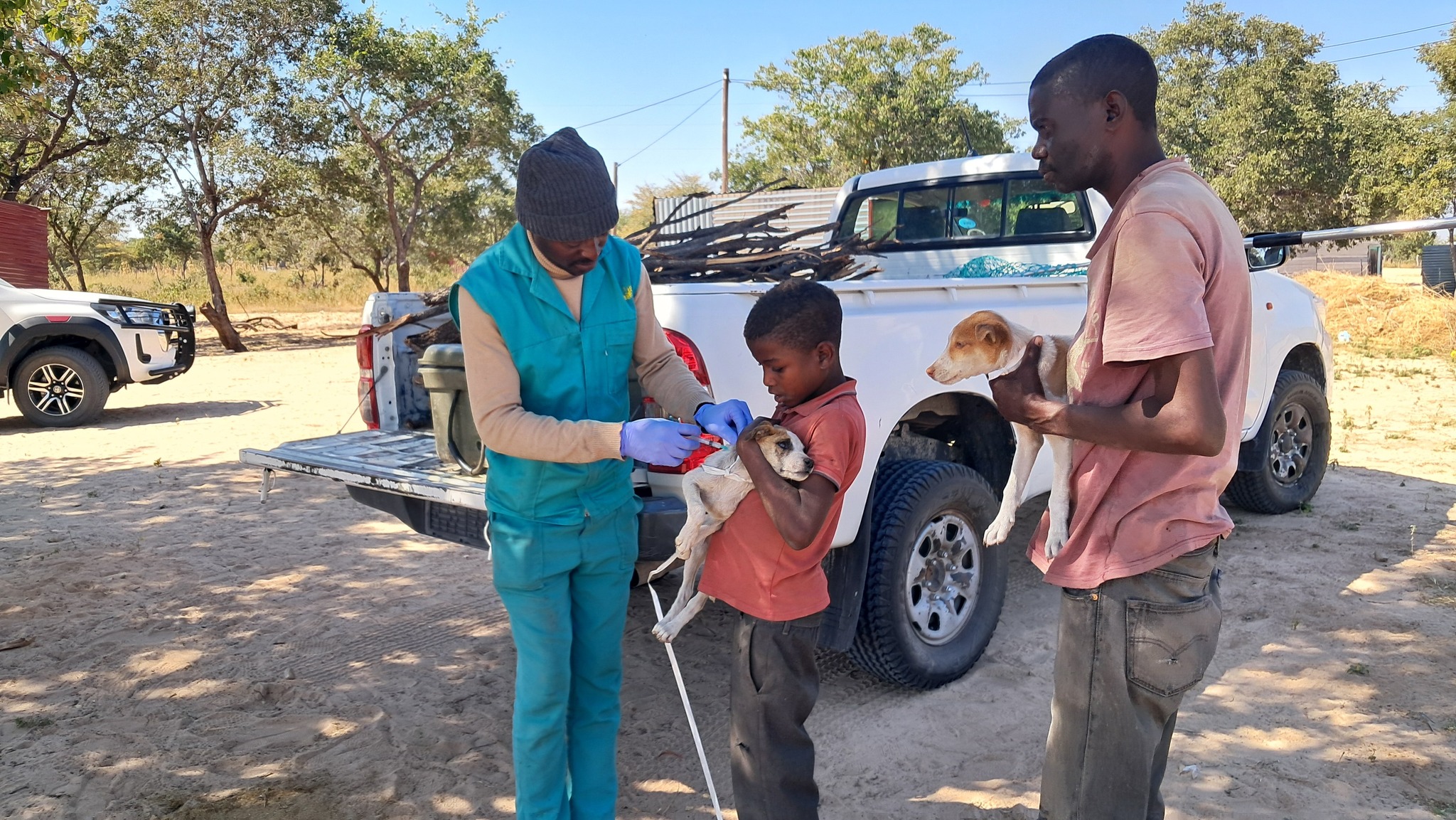
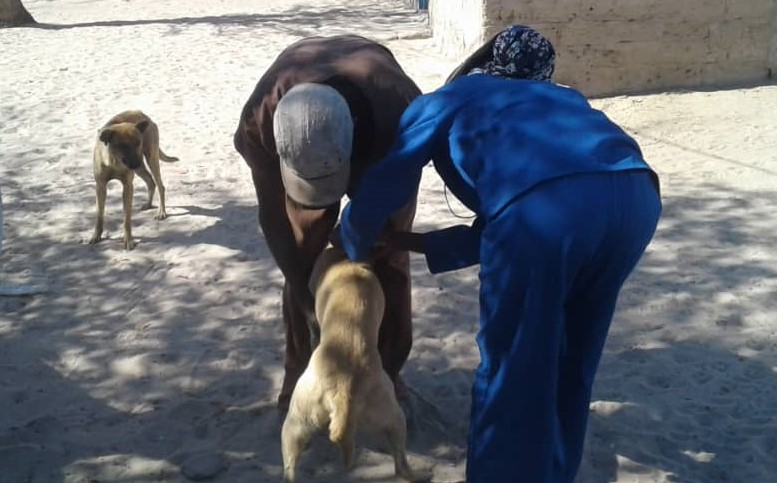
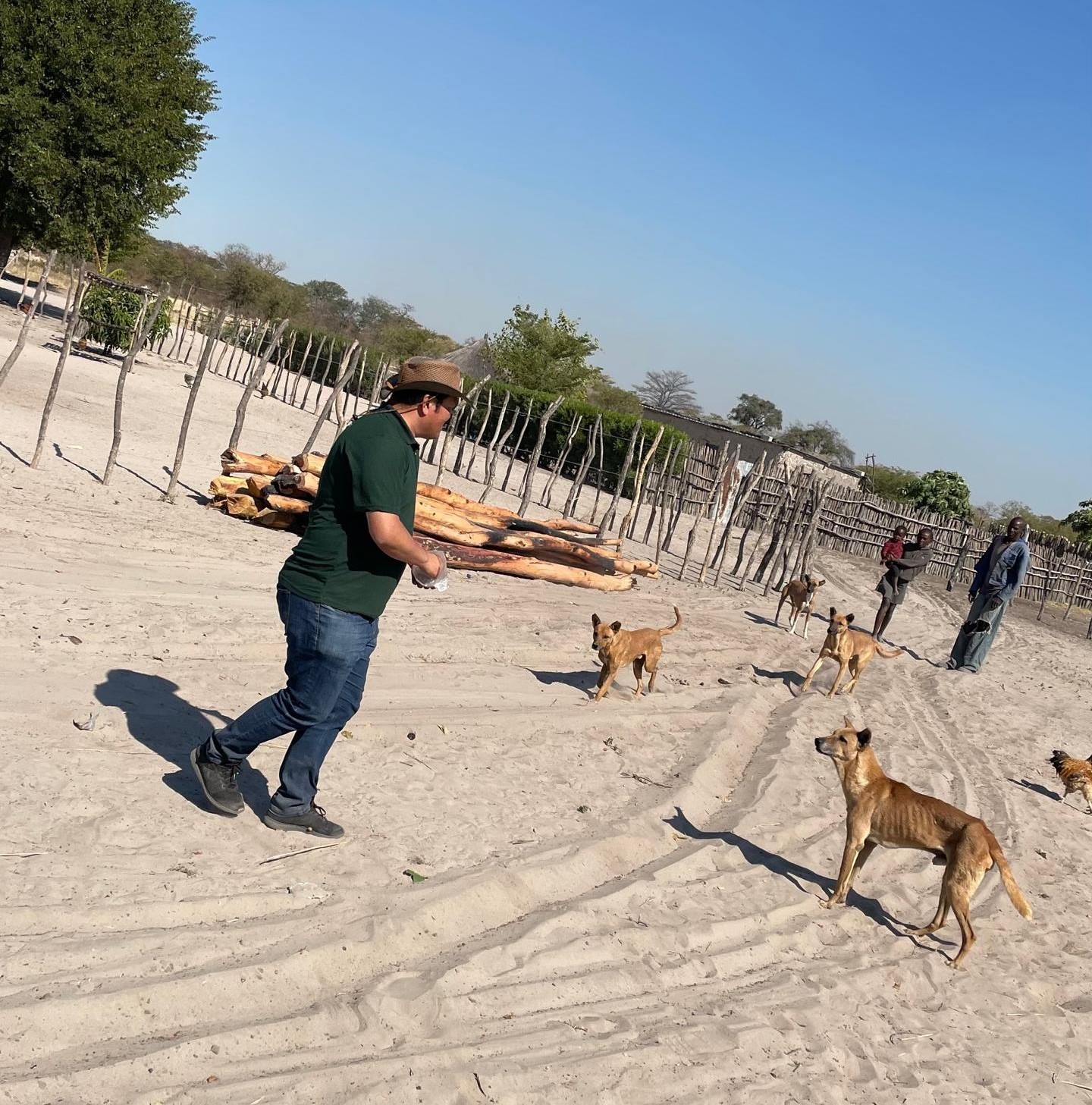
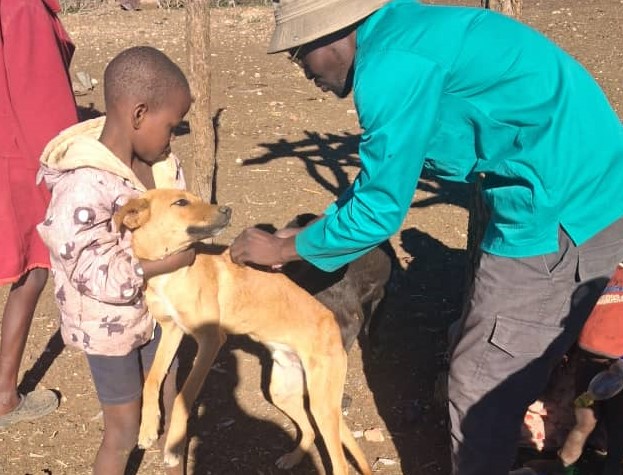
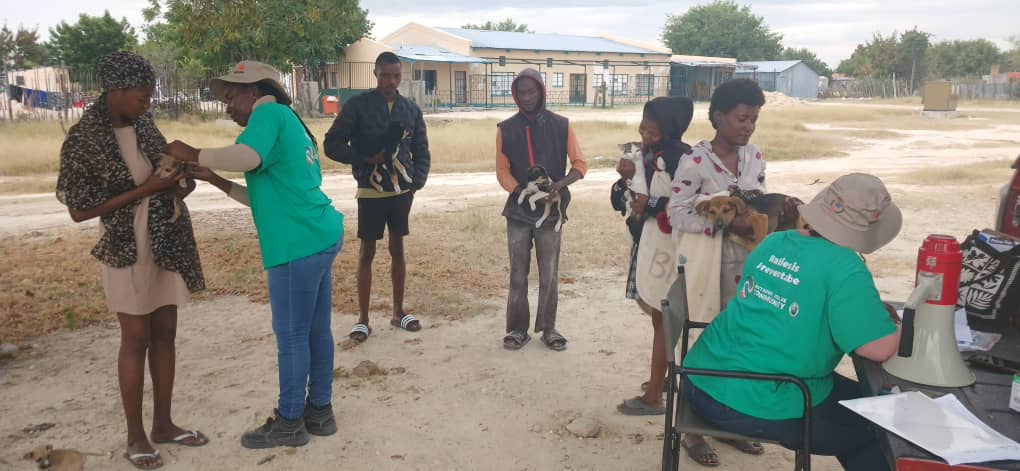
Namibia’s rabies vaccination campaign in the Northern Communal Areas (NCA) achieved significant progress in 2026, with 73,810 dogs and 9,209 cats vaccinated between January and June. The targeted mass dog vaccination drive during the May–June school holiday covered 64,296 dogs and 8,535 cats in rabies-identified hotspots, marking an increase of over 8,000 dogs compared to the 2025 campaign, which vaccinated 56,033 dogs.
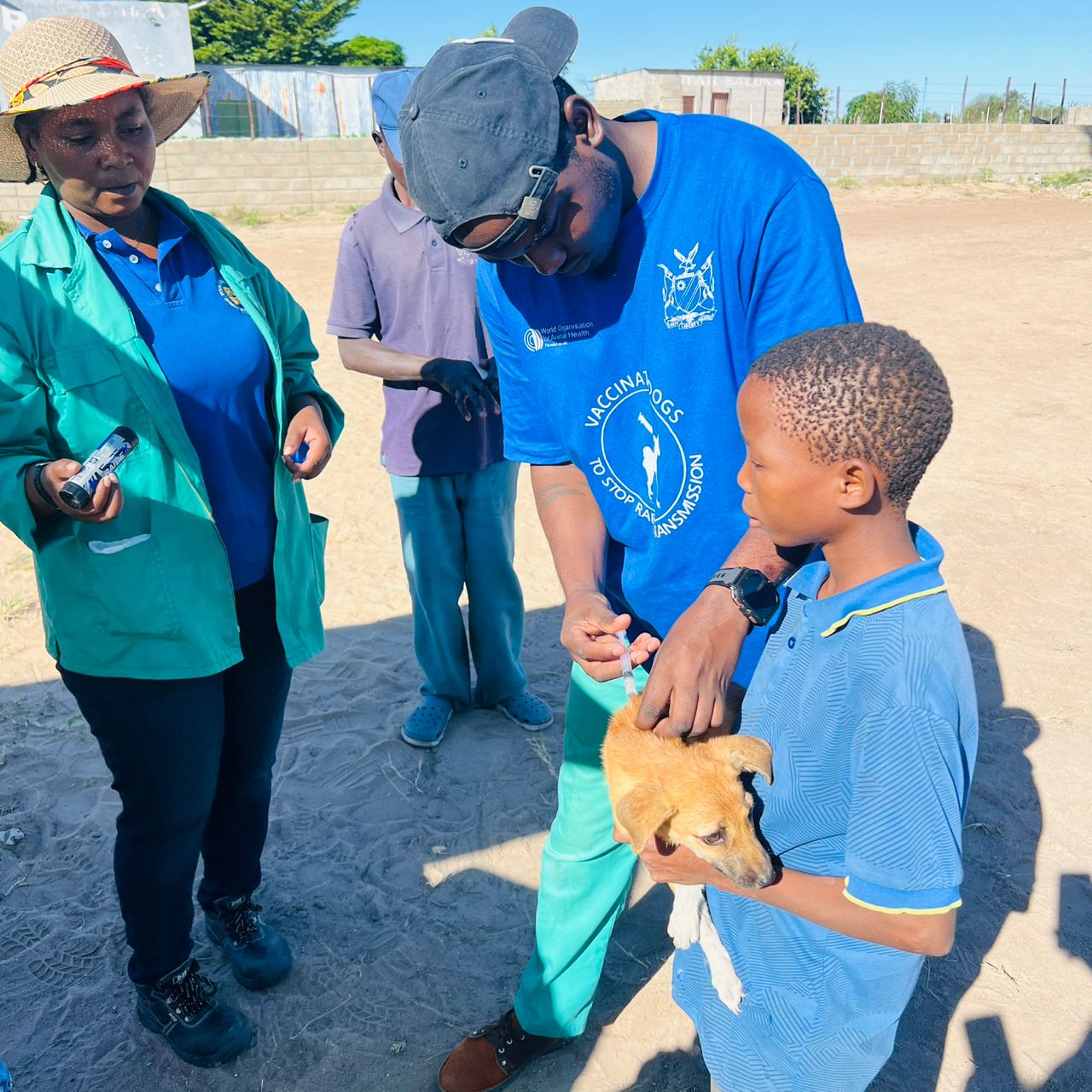
In Kavango East Region, a combination of parenteral and oral rabies vaccination was implemented, with 5,826 dogs vaccinated using oral rabies vaccine (ORV) baits.
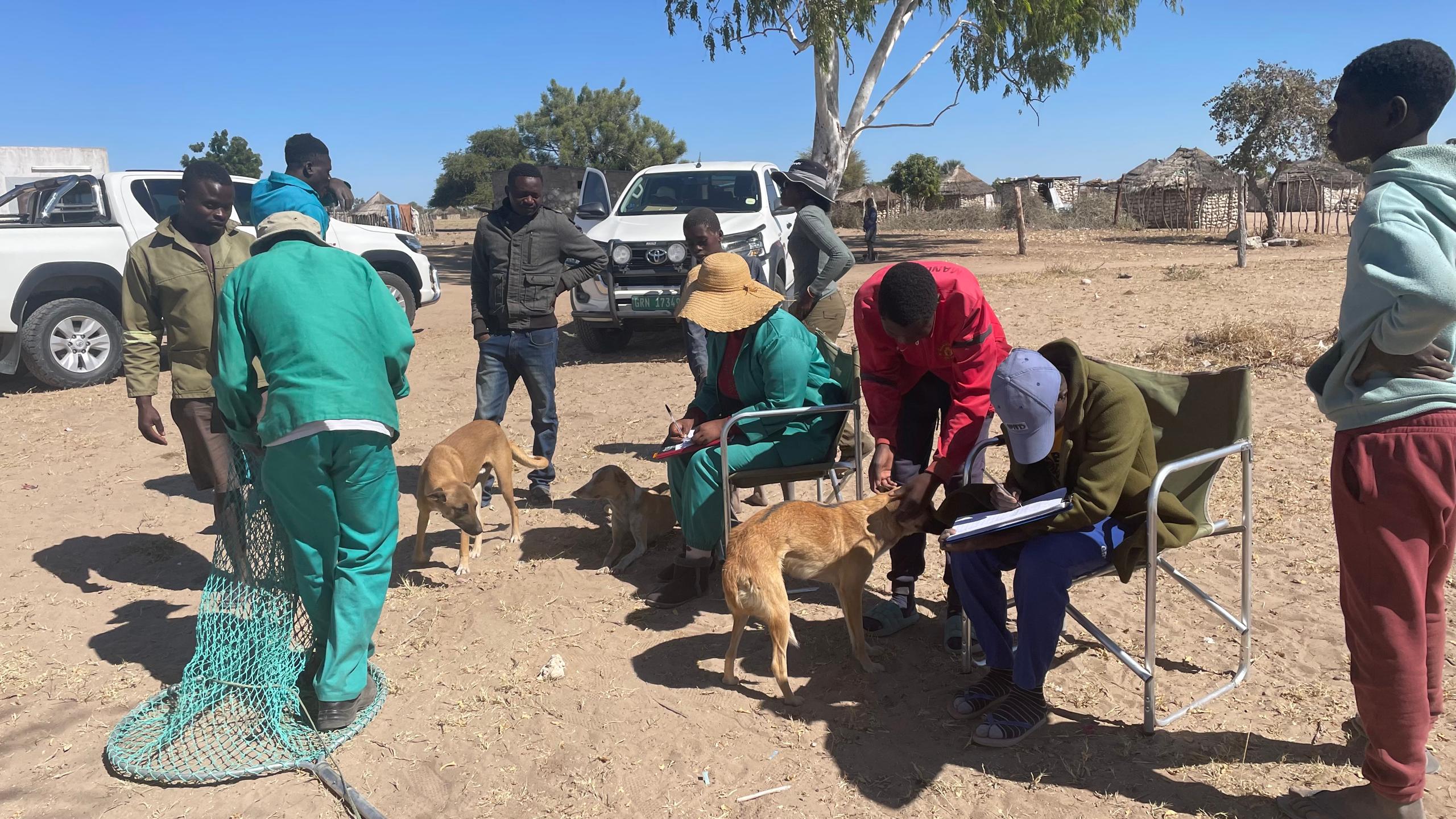
A total of 283 vaccination personnel, comprising DVS animal health staff and temporary workers, formed 94 teams that covered 2,945 vaccination points over approximately 30 days. The NCA, comprising eight regions—Ohana, Ohangwena, Omusati, Oshikoto, Kunene, Kavango West, Kavango East, and Zambezi—has an estimated dog population of 258,000, the majority of which are free-roaming but accessible for vaccination.
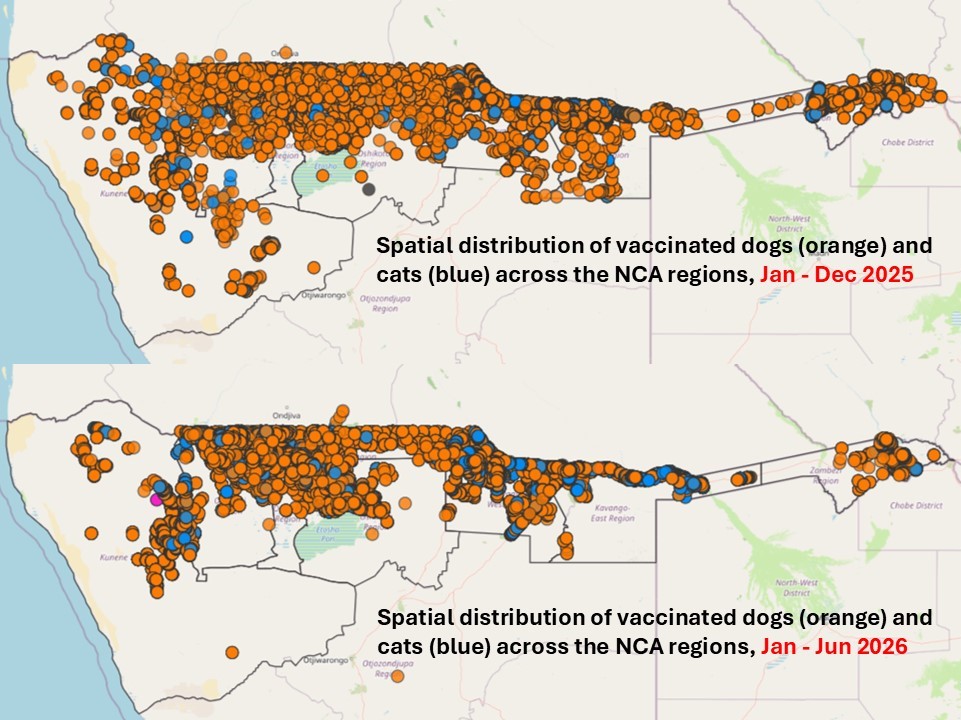
A map showing the location of vaccinated dogs across the NCA region of Namibia in 2025 (top) and between January and June 2026 (bottom). Map @ T. Tenzin (WOAH, 2026)
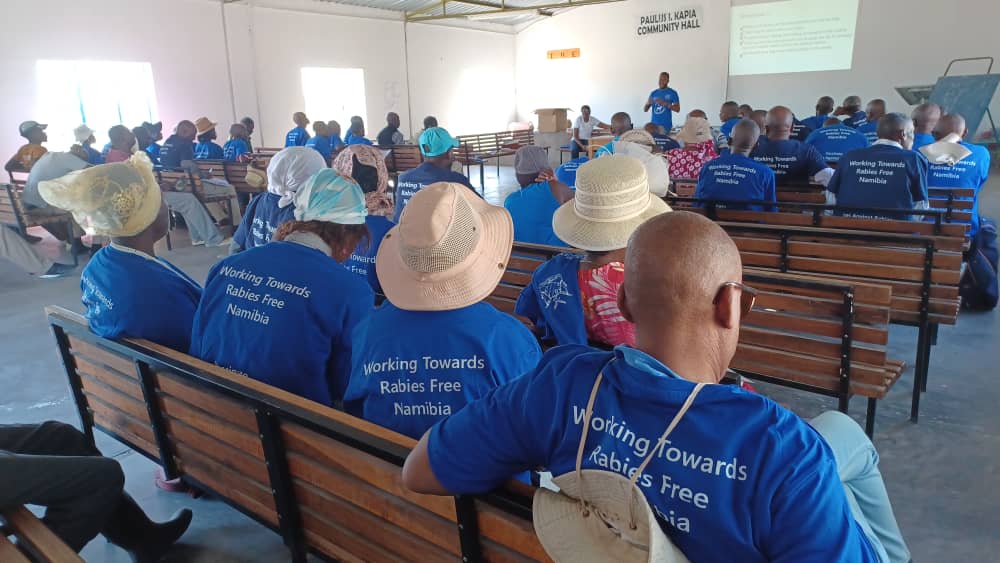
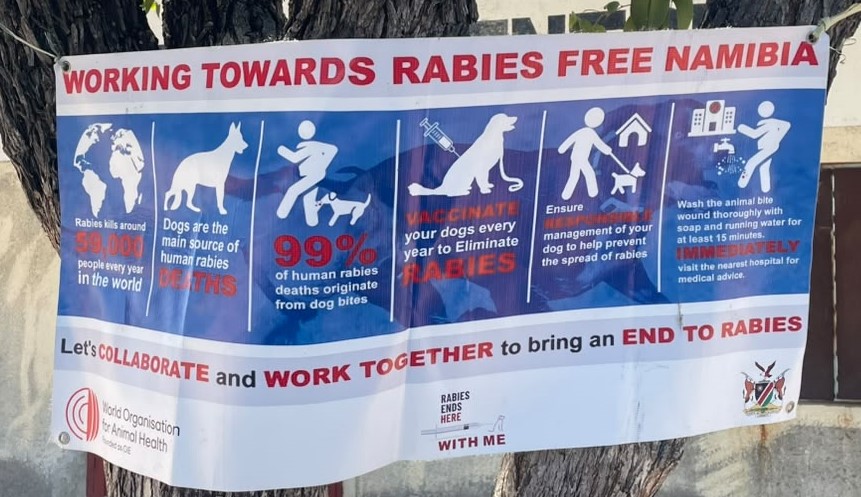
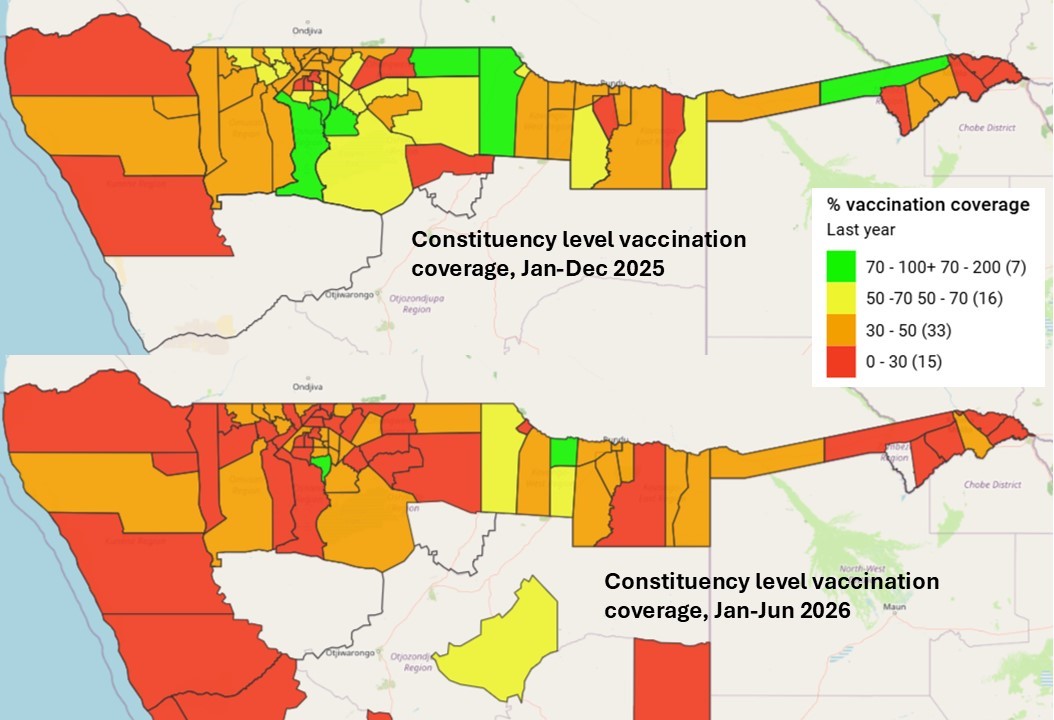
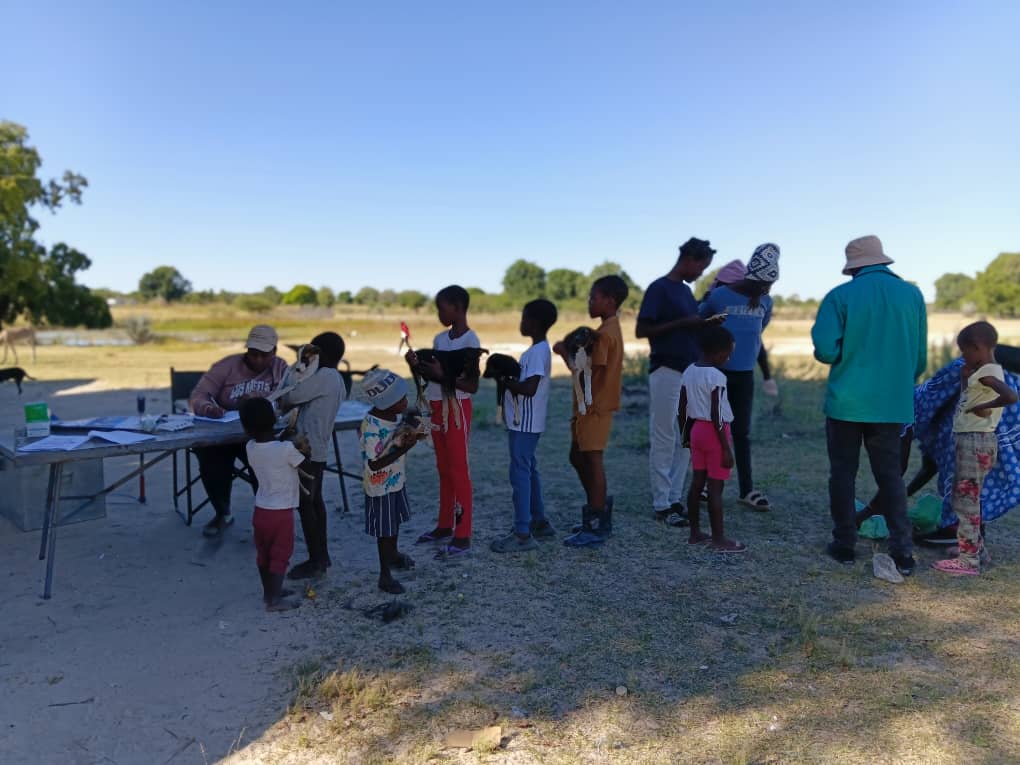
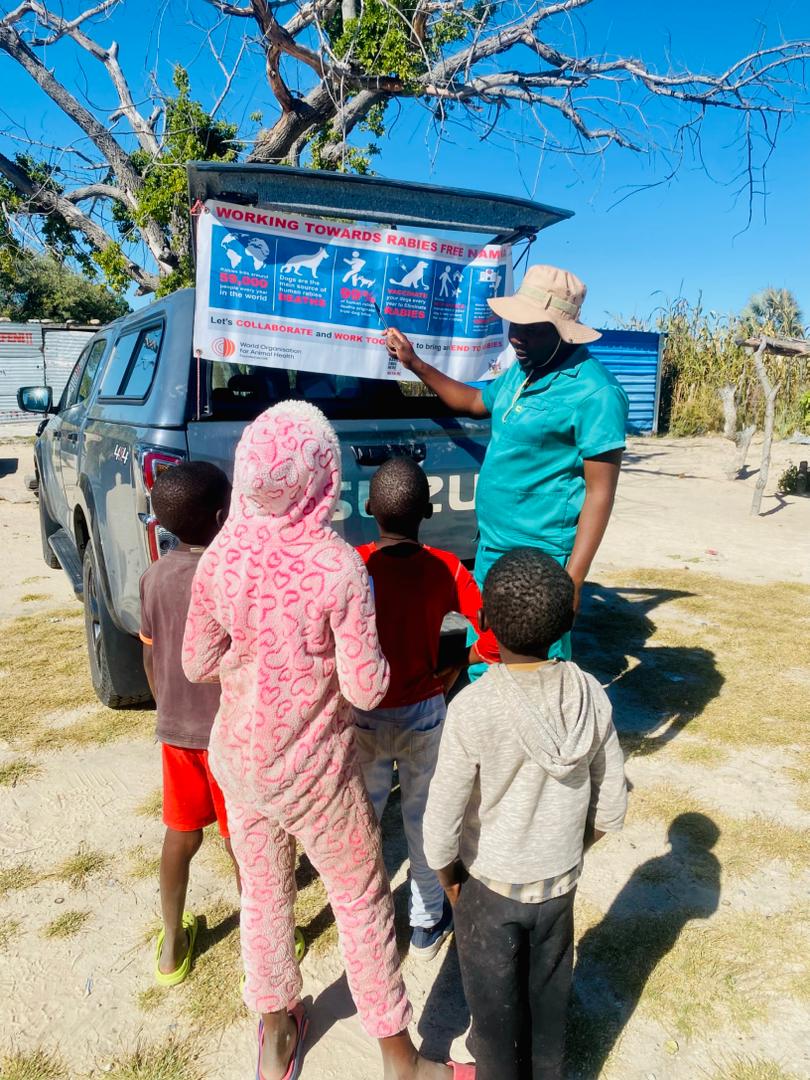
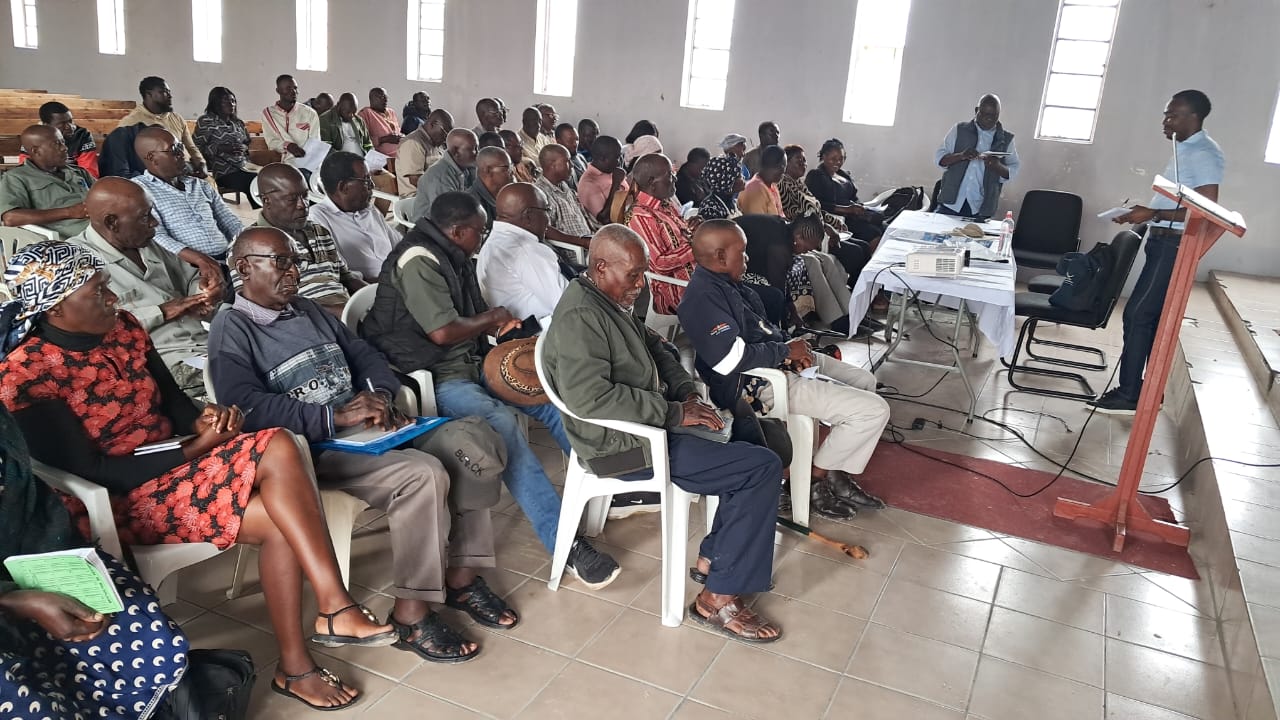
Relative to the estimated dog population, the overall vaccination campaign achieved 28.6% coverage in the NCA, with most regions surpassing 30% coverage except Zambezi, Ohangwena, and Kunene. This remains well below the recommended 70% threshold required to interrupt rabies transmission. Nevertheless, dog rabies vaccination is ongoing at crush pens across the regions, conducted alongside the annual foot-and-mouth disease (FMD) and contagious bovine pleuropneumonia (CBPP) vaccination campaigns, and coverage is expected to improve once the annual campaign is completed. Despite logistical challenges—including limited transport and reduced vaccination days due to overlapping public holidays—it is encouraging to note that some regions have made concerted efforts to increase coverage. Mobile phone technology, through the GARC Data Platform, continues to strengthen monitoring by tracking individual vaccinations and mapping coverage points. Over 12,252 children and 10,756 adults were educated on rabies prevention and control, and school children played a critical role in supporting mass dog vaccination campaign.
A map showing the constituency level rabies vaccination coverage in dogs across the NCA region of Namibia in 2025 (top) and between January and June 2026 (bottom). Map @ T. Tenzin (WOAH, 2026)
Surveillance data to date indicate a decline in rabies cases and positivity rates in the NCA, with seven confirmed cases (7/35; 20%) reported in domestic animals and wildlife, including only two cases in dogs (2/13; 15%). South of the Veterinary Cordon Fence (VCF), three of 55 samples from domestic animals and wildlife tested positive for rabies (5%), with only one dog confirmed positive (1/14; 7%).
Human rabies deaths have decreased markedly, from 23 in 2015 to two in 2025, with none reported thus far in 2026.
Namibia’s rabies elimination efforts underscore the country’s resilience and innovation, integrating oral vaccination, mobile technology, and coordinated awareness education to strengthen operations. Namibia remains firmly on track toward achieving the global goal of Zero Human Rabies Deaths by 2030 (Zero-by-30).