



Paris, France
WOAH to launch ZOOSURSY, a new disease surveillance project.
October 18, 2024
Read more
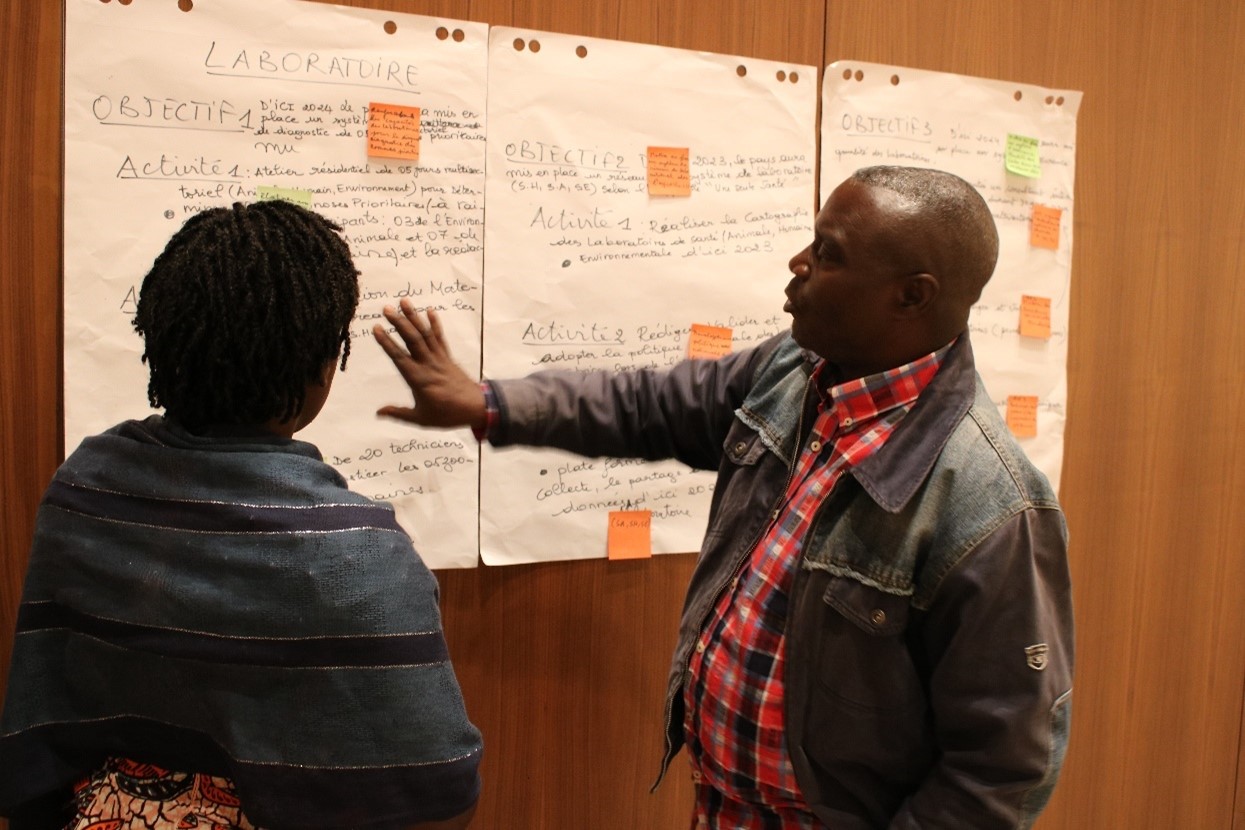
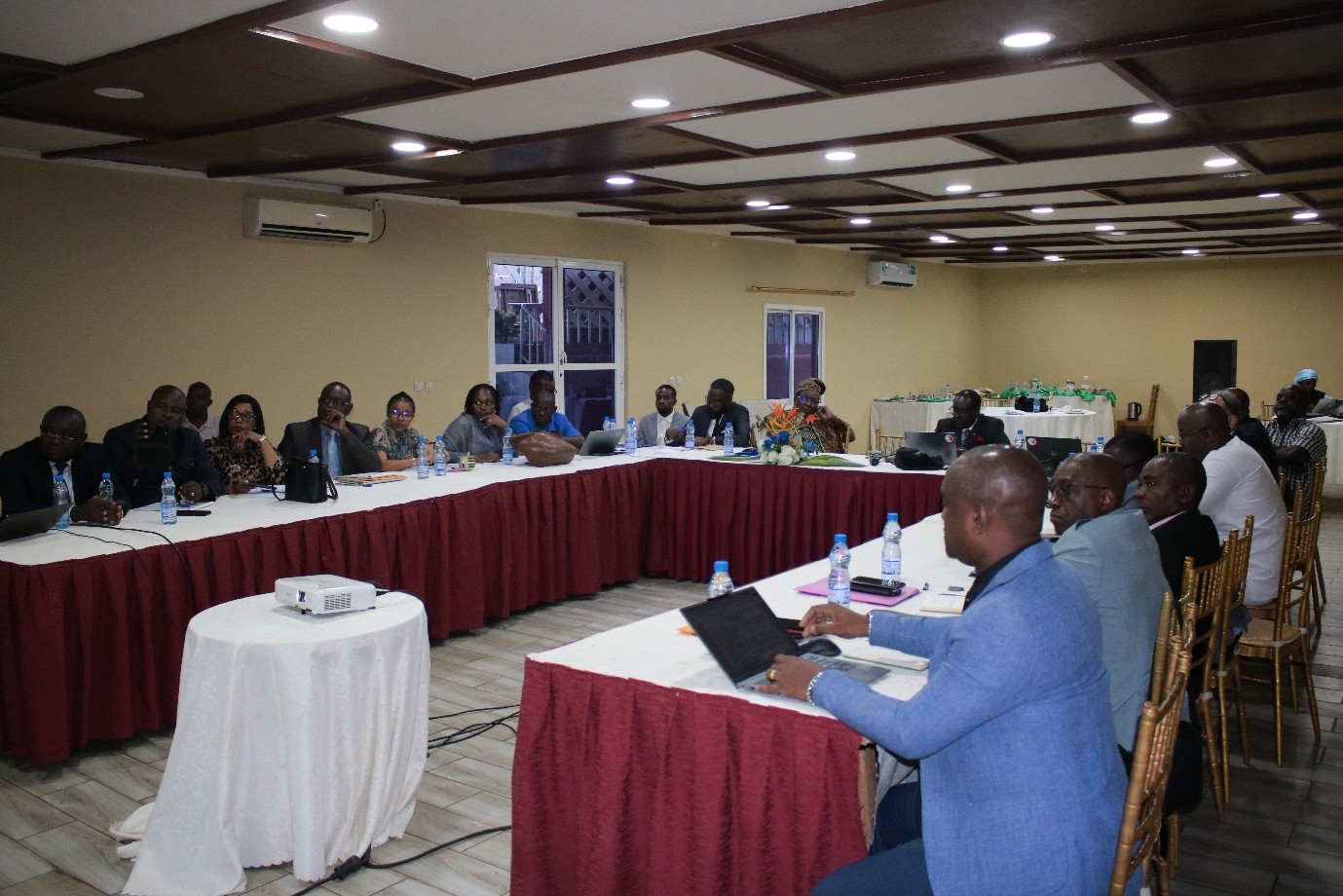
Presentation of group work on Day 3 of the workshop on Highly Pathogenic Avian Influenza, Gabon. Photo © Y. Guigma (woah) 2026.
Avian influenza is a viral infection caused by Influenza type A viruses, of which the H5 and H7 subtypes are recognized for their high pathogenicity.
Gabon recorded its first outbreaks of High Pathogenicity Avian Influenza (HPAI) in 2020, with three outbreaks detected in the Meyang area, approximately 50 km from Libreville. Diagnosis was carried out by the Interdisciplinary Center for Medical Research in Franceville (CIRMF). This episode resulted in the death of several hundred poultry.
Since 2020, the disease has become enzootic in the country, particularly in the Estuaire Province, which accounts for more than 70% of national poultry production. In September 2025, a new outbreak of HPAI H5N1 was confirmed in Cap Estérias, north of Libreville, resulting in more than 1,000 additional deaths.
HPAI on the African continent
In Africa, outbreaks of High Pathogenicity Avian Influenza (HPAI) have been repeatedly reported in wild birds and domestic poultry in several countries, including Benin, Botswana, Burkina Faso, Cameroon, Côte d’Ivoire, Ghana, Lesotho, Namibia, Niger, Nigeria, Senegal, South Africa, Togo and Uganda.
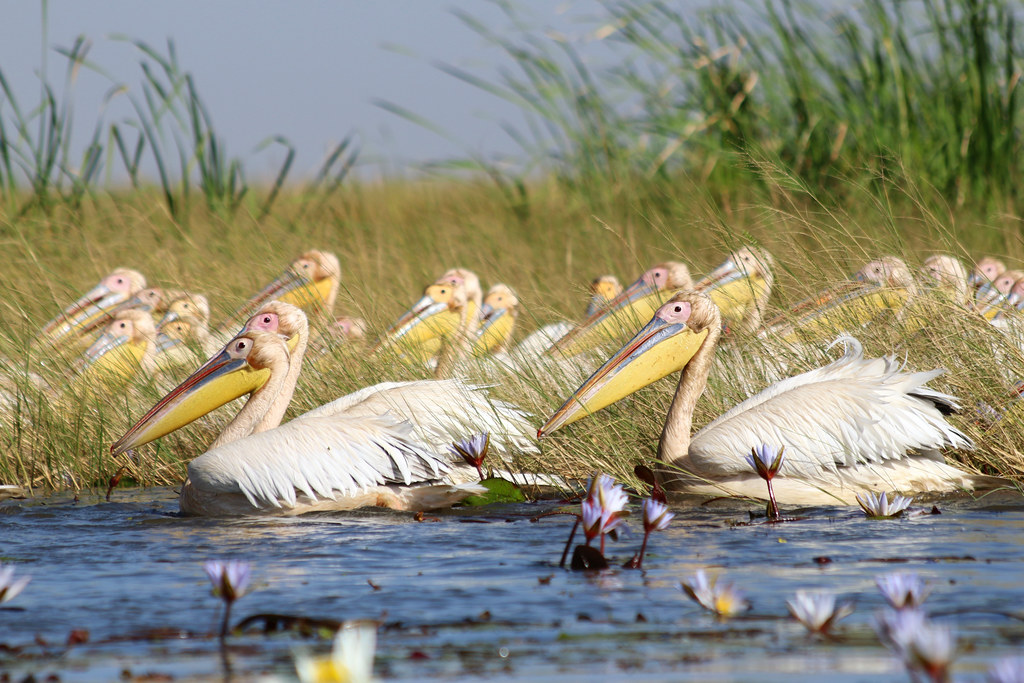
Viruses of the H5 and H7 subtypes have caused considerable losses in poultry farming and also pose a threat to public health. Beyond their impacts on poultry production systems, HPAI also represents a major threat to wildlife and human health, as illustrated by epidemic episodes that occurred in Senegal, which resulted in massive mortality of pelicans in the Djoudj National Bird Park and the Senegal River estuary.
A few years earlier, also in Africa, High Pathogenicity Avian Influenza (HPAI) was successfully controlled in Uganda. The last confirmed HPAI (H5N8) case dates back to 27 February 2017. Since then, sustained surveillance has been conducted in Uganda, and all samples collected from both domestic and wild birds have tested negative.
These events have highlighted the central role of the interfaces between wildlife, domestic animals, and human populations in the dynamics of virus transmission, as well as the risk of health, ecological, and socio‑economic spillover effects. In this context, strengthening biosecurity measures by poultry holders, adopting an integrated One Health approach, and raising awareness among stakeholders appear essential to prevent the emergence and spread of new HPAI outbreaks.
PDF - 3.34MB
Dr. Morgan Bignoumba, WOAH Delegate, Gabon
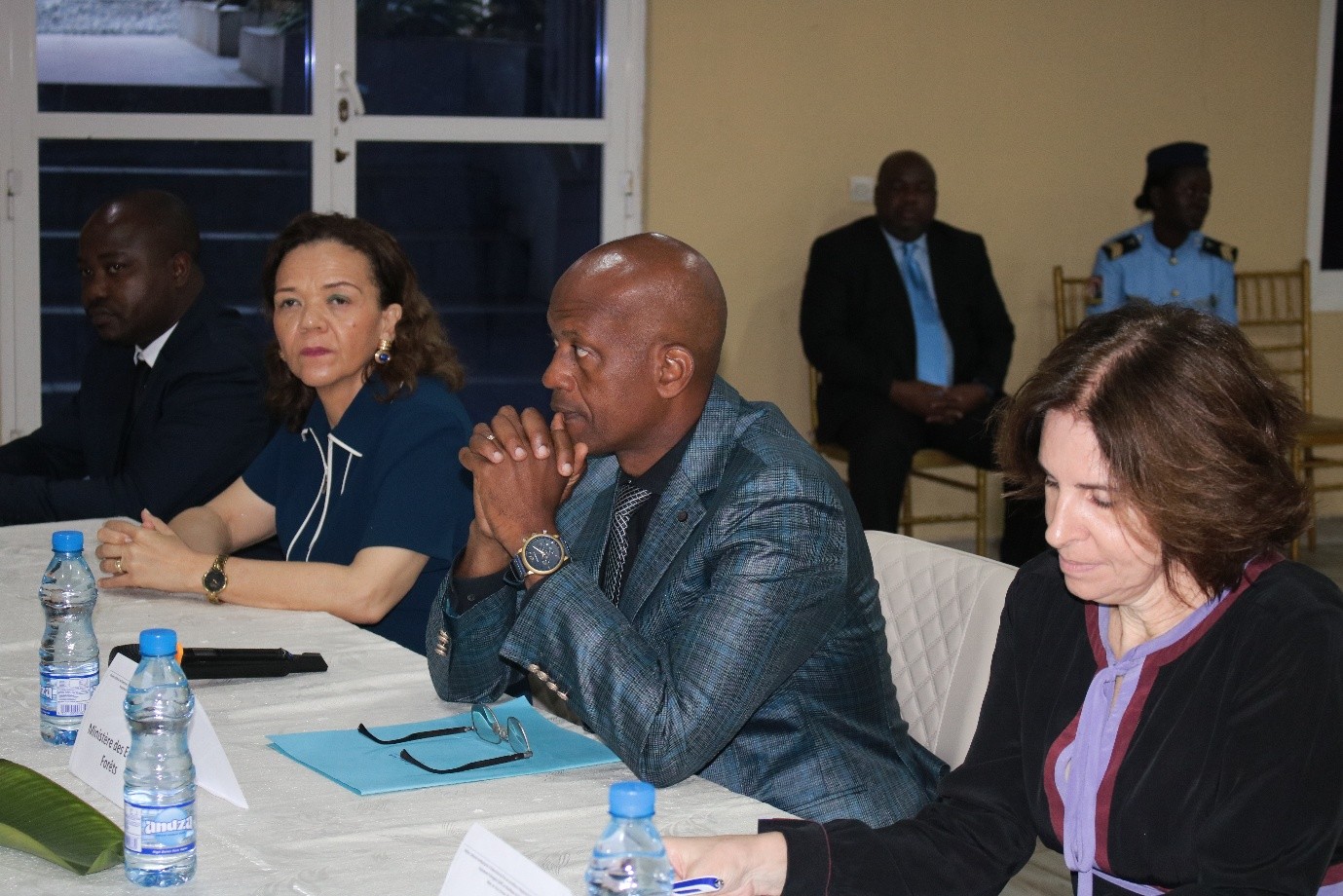
Opening ceremony chaired by the Minister of the Environment, in the presence of the Minister of Health, the Ambassador of the European Union, and the WOAH representative. Photo © JF. Kinani (woah) 2026.
As part of its financial support for the organization of this workshop through the European Union’s Global Gateway initiative, the WOAH ZOOSURSY Project, in collaboration with IRD, CIRAD, the Institut Pasteur, the University of Helsinki, and HIOH, also contributes to strengthening the capacities of veterinary personnel through targeted training, while supporting the improvement of contingency plans and active surveillance strategies, particularly in high‑risk areas.
This intervention fully aligns with the first objective of the ZOOSURSY project, which aims to strengthen cooperation and joint practices between animal health and human health authorities, as well as environmental services, in relation to priority emerging and re‑emerging zoonotic diseases at the animal–human–environment interface in the target countries. It was within this framework that the workshops for the development and validation of the HPAI surveillance plan were held in Nkok, at Les Florentines Hotel in Gabon, from 16 to 20 March 2026.
The workshop brought together a broad range of 29 professionals, including 4 women, from research institutions, human health services, animal health, environmental sectors, and wildlife conservation, all with several years of experience. Many were medical doctors and veterinarians specializing in HPAI. This diversity of expertise enabled rich and complementary exchanges on the current challenges of integrated surveillance. This workshop also brought together representatives from 12 governmental departments and institutions. These national organizations were supported by international organizations, notably the Food and Agriculture Organization of the United Nations (FAO), the World Health Organization (WHO), IRD, CIRAD, as well as other technical and financial partners involved in the prevention and control of zoonotic diseases.
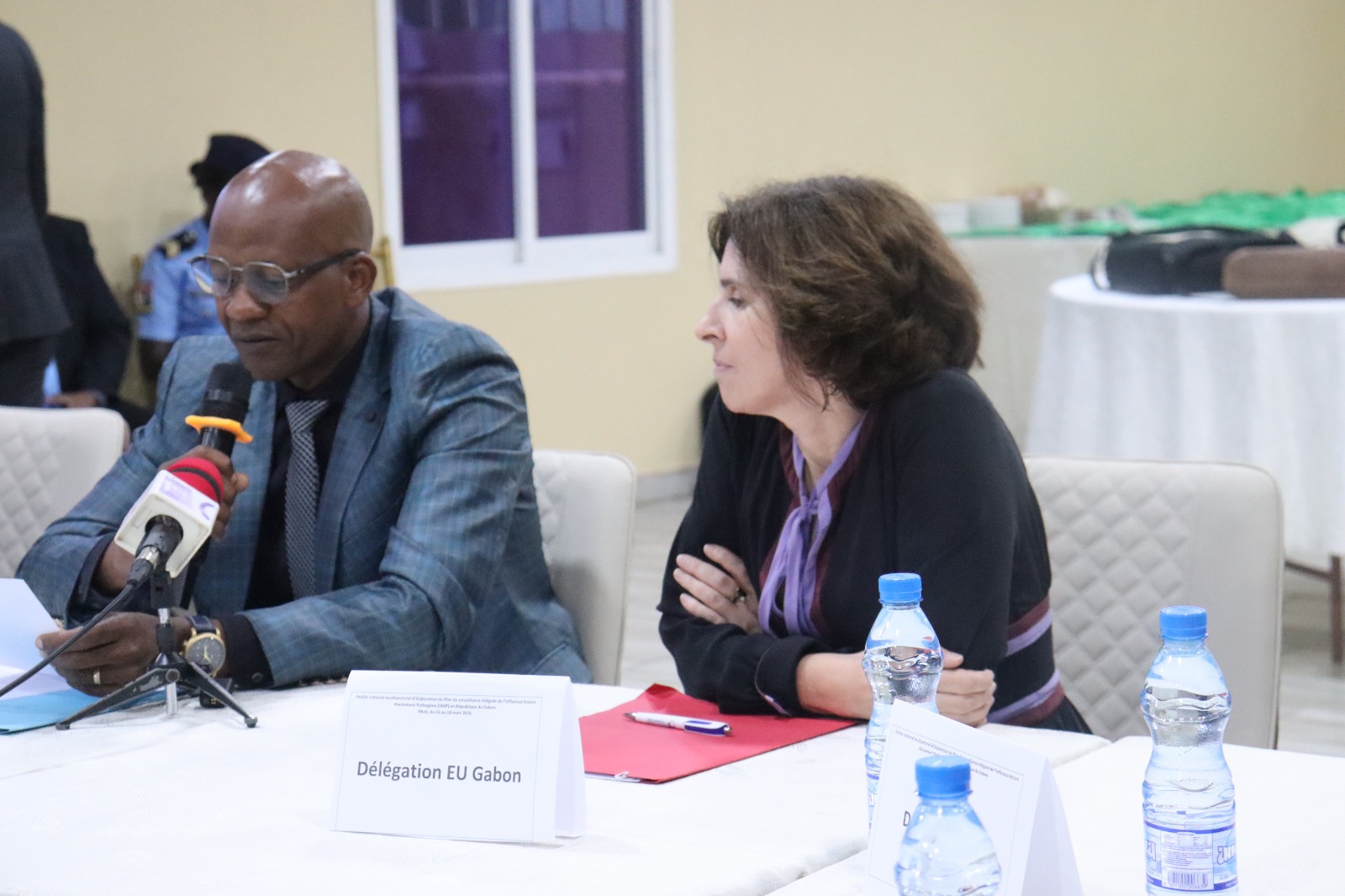
The objective of this workshop was to develop and validate a multisectoral and integrated national HPAI surveillance plan, considering recent epidemiological developments, particularly the increasing involvement of domestic and wild mammals in the epidemiology of the disease. The plan is aligned with international standards (WOAH, WHO, FAO) and adapted to the operational realities of Gabon, through the establishment of a multisectoral and multidisciplinary Technical Working Group composed of HPAI experts (maximum of 18 members); The opening ceremony was chaired by the Minister of Water and Forests, the Environment and Climate, in charge of Human–Wildlife Conflict, representing the Minister of Agriculture, Livestock and Rural Development, in the presence of the Minister of Health, the Ambassador of the European Union, the Technical Coordinator of the ZOOSURSY Project, and the WOAH Delegate for Gabon.
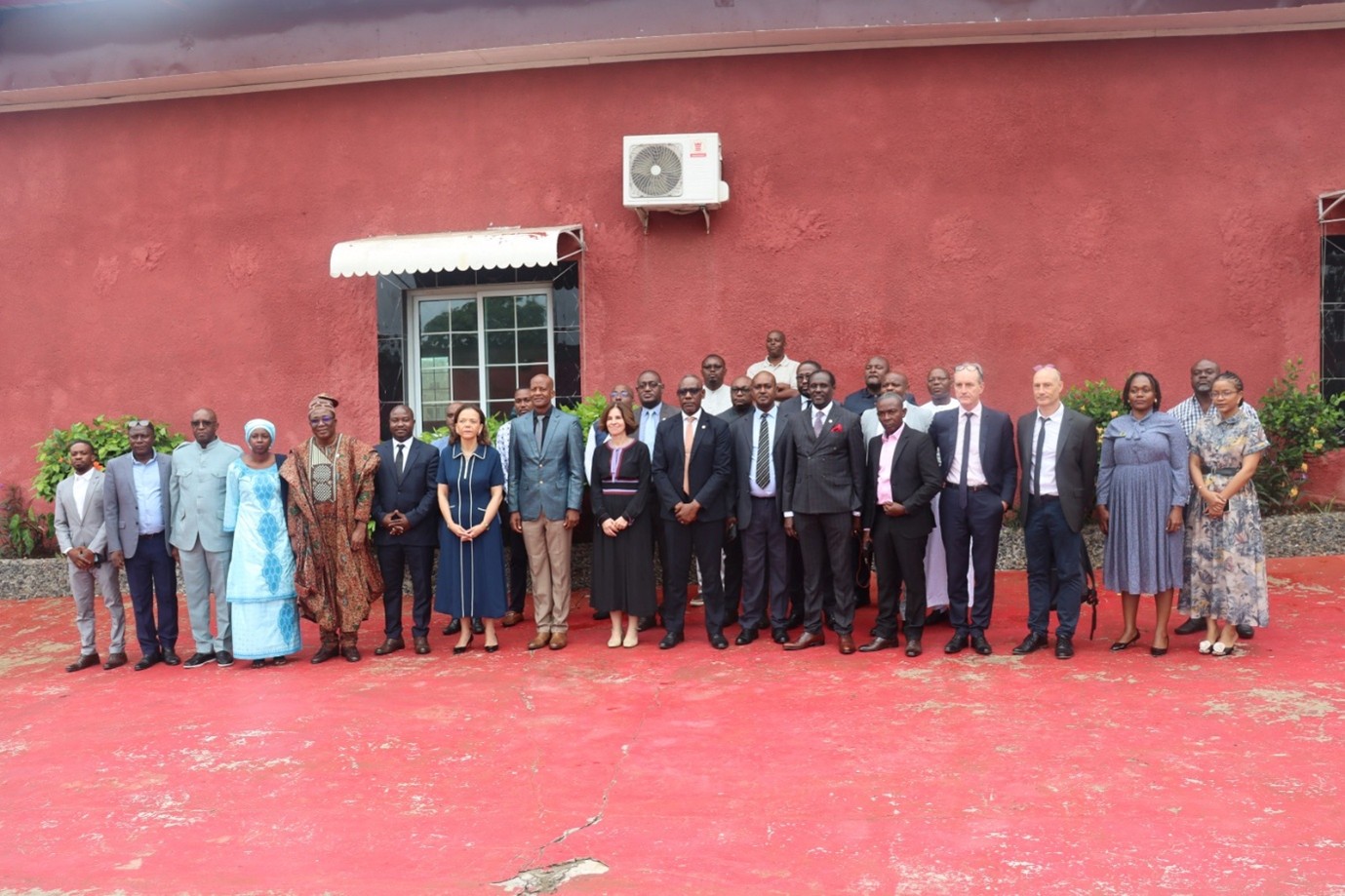
The opening ceremony was presided over by the Minister for Water and Forests, the Environment and Climate, in the presence of the European Union Ambassador to Gabon (right). Picture (c) JF. Kinani (woah) 2026.
This high‑level presence clearly illustrates the political will of the Gabonese State to make HPAI surveillance a national priority for public health, animal health, and environmental protection.
In this context, the role of the World Organization for Animal Health (WOAH) is essential. Through its global epidemiological surveillance system (WAHIS), WOAH provides a structured framework enabling countries to rapidly notify outbreaks of High Pathogenicity Avian Influenza (HPAI) in animals and, in return, receive essential information on the evolution of the disease at regional and global levels. This transparent circulation of information strengthens the capacity of national veterinary authorities to anticipate risks, adapt biosecurity measures, and reinforce zoosanitary controls in high‑risk areas.
Dr. Jean Felix Kinani, Field Coordinator (EA), ZOOSURSY Project Officer.
At the conclusion of the workshop, participants reaffirmed their commitment to strengthening One Health coordination and to equipping Gabon with an operational, coherent, and sustainable mechanism to prevent, detect, and control HPAI. The workshop was marked by a collective commitment to reinforcing national preparedness for High Pathogenicity Avian Influenza in Gabon.