

FLICKR
Photo Album
Read more
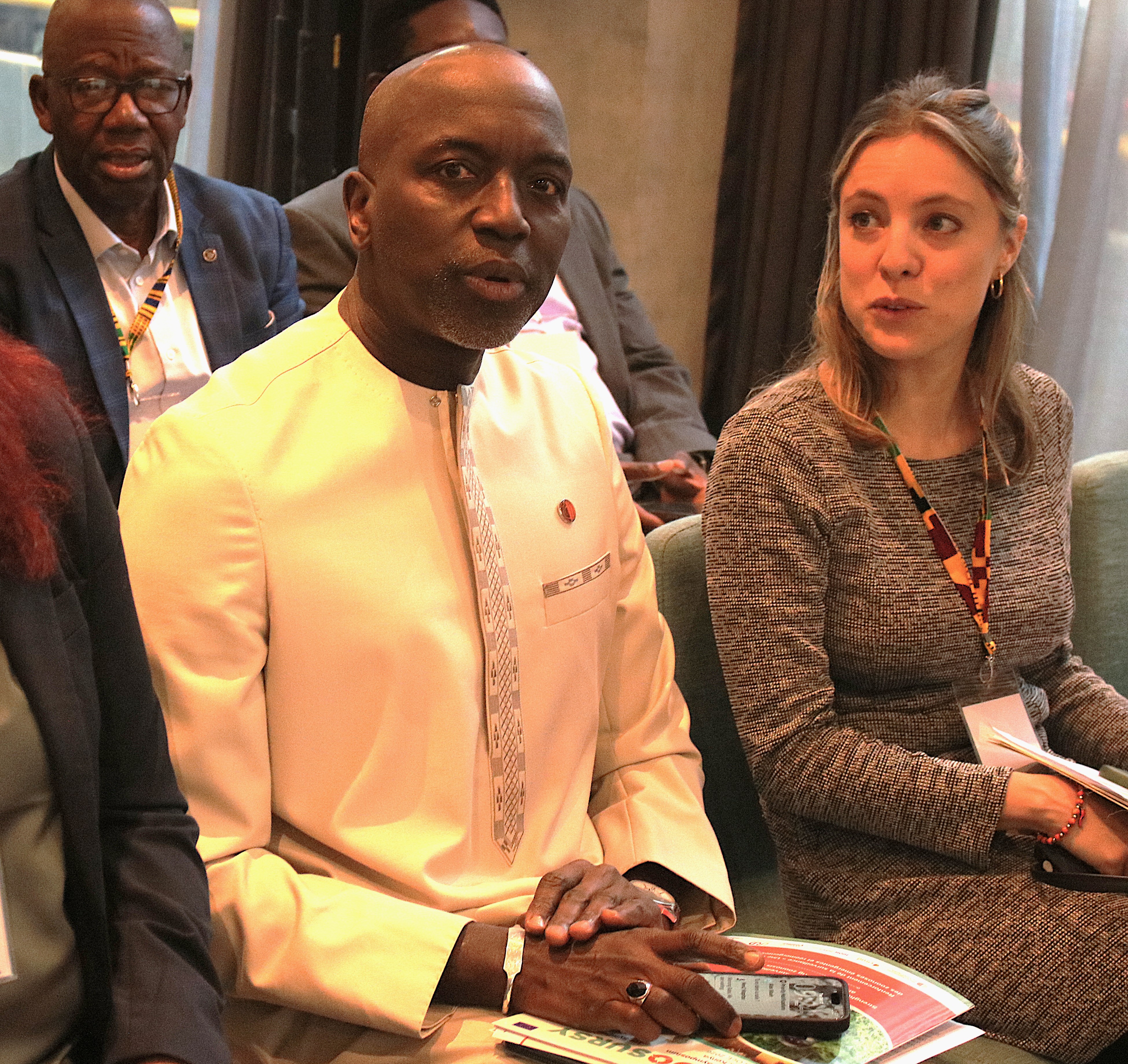
Dr. Baba Soumaré, WOAH Deputy-Director General for Global Frameworks and Capacity-Building (left) and Ms. Stephanie Signoret, ZOOSURSY Project Officer (right). Picture (c) Y. Guigma (woah) 2026.
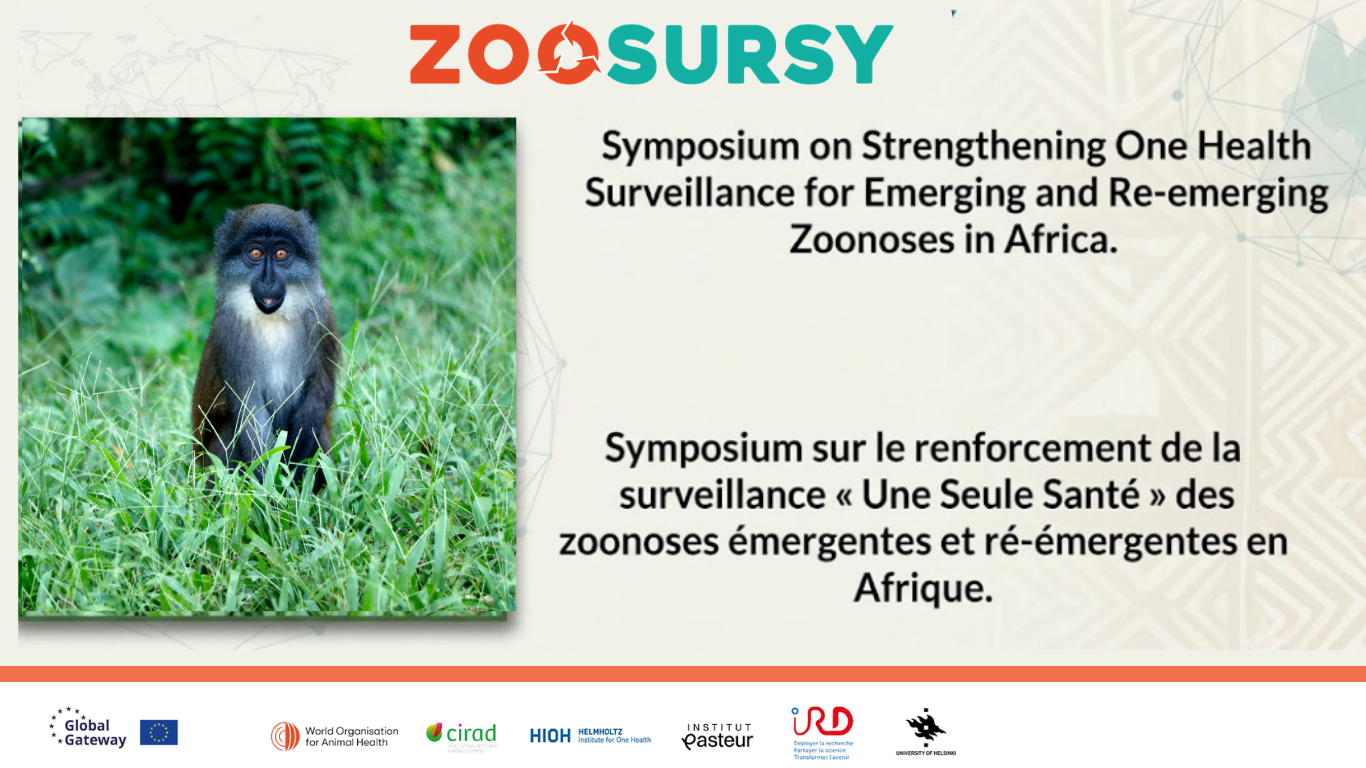
The ZOOSURSY Project, funded by the European Union through the Global Gateway Programme and implemented by WOAH in partnership with CIRAD, IRD, Institut Pasteur, the Helmholtz Institute for One Health, and the University of Helsinki, supports a collaborative One Health approach to addressing emerging and re-emerging zoonotic disease surveillance in African countries. Building on the achievements of the EBO-SURSY Project, which strengthened viral hemorrhagic fever surveillance capacities in ten African countries, ZOOSURSY aims to enhance knowledge and surveillance systems of emerging and re-emerging zoonotic diseases across 17 African countries in West, Central, Eastern and Southern Africa. The Project focuses on four priority disease groups: High Pathogenicity Avian Influenza (HPAI), anthrax, viral hemorrhagic fevers (VHFs), and Mpox.
Held in Nairobi, Kenya, from 13 – 15 October 2026, the first Project Symposium aimed to be both a scientific and a technical event, bringing the scientific and technical partners together so they get to know each other, collaborate and exchange on the three upcoming years of the Project.
This was also an opportunity for students’ club members to come together, present their work and get to know one another as well as the different researchers and stakeholders within their fields. Furthermore, through technical discussions and scientific presentations, the Symposium aimed to enhance understanding of disease dynamics at the human-animal-environment interface and identify opportunities to strengthen One Health approaches across participating countries.
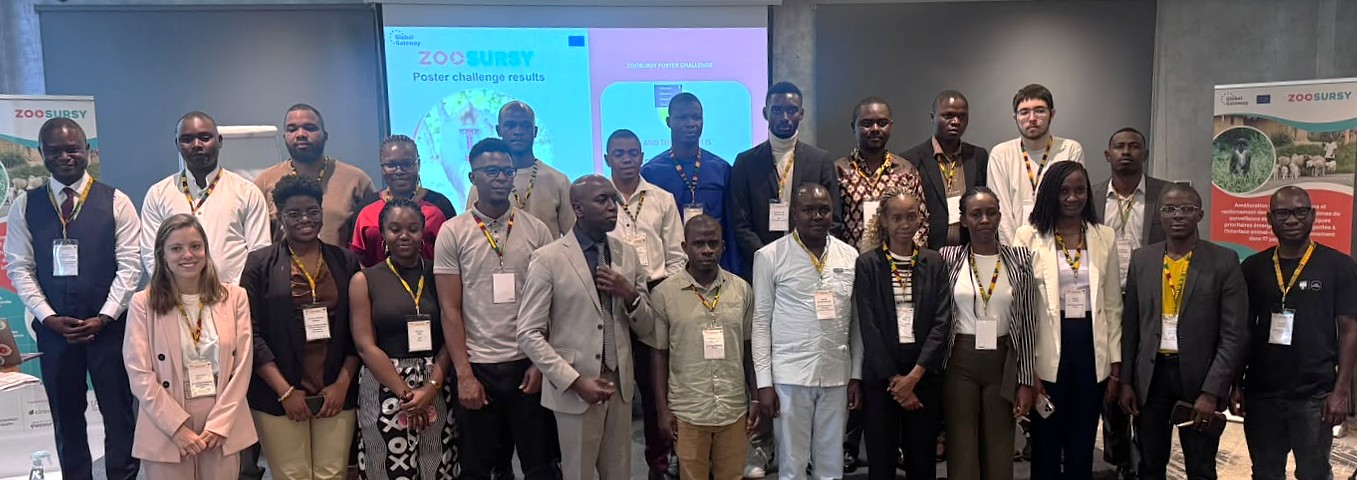
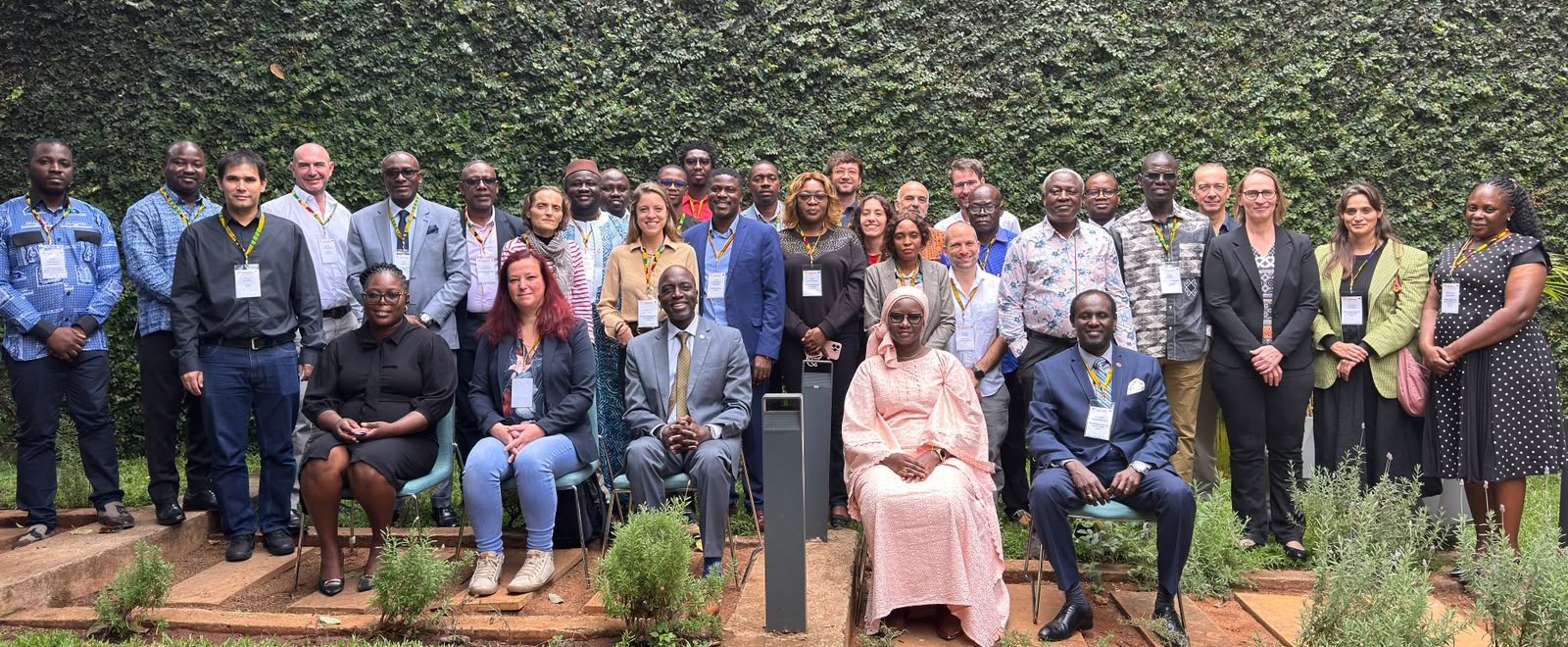
The Symposium brought together more than 135 participants from 16 WOAH Members in the Africa region and beyond, including scientists, government representatives and partners. Thirty percent of attendees were women. In addition, 43 national organisations and institutional partners from animal, public and environmental health were represented, including 26 students. The Symposium was guided by four thematic areas delivered through keynote presentations, oral communications, panel discussions, poster sessions, and practical workshops.
WOAH Delegates in attendance were from:
The opening session emphasised the need to strengthen zoonotic disease management, improve early detection, and invest in preparedness beyond individual pathogens. WOAH Deputy Director General, Dr Baba Soumaré highlighted the importance of enhancing countries’ capacity to identify and respond to outbreaks, while remarks on behalf of the European Union underscored the importance of sustained investment in One Health capacity. Dr Jacqueline Kasiti Lichoti, representing the Government of Kenya (DVS) reaffirmed Kenya’s commitment to the One Health approach and the interconnectedness of human, animal and environmental health.
The Symposium key-note speech was delivered by Dr Ekta Patel, contact point for the WOAH Collaborating Centre for One Health at the International Livestock Research Institute (ILRI).
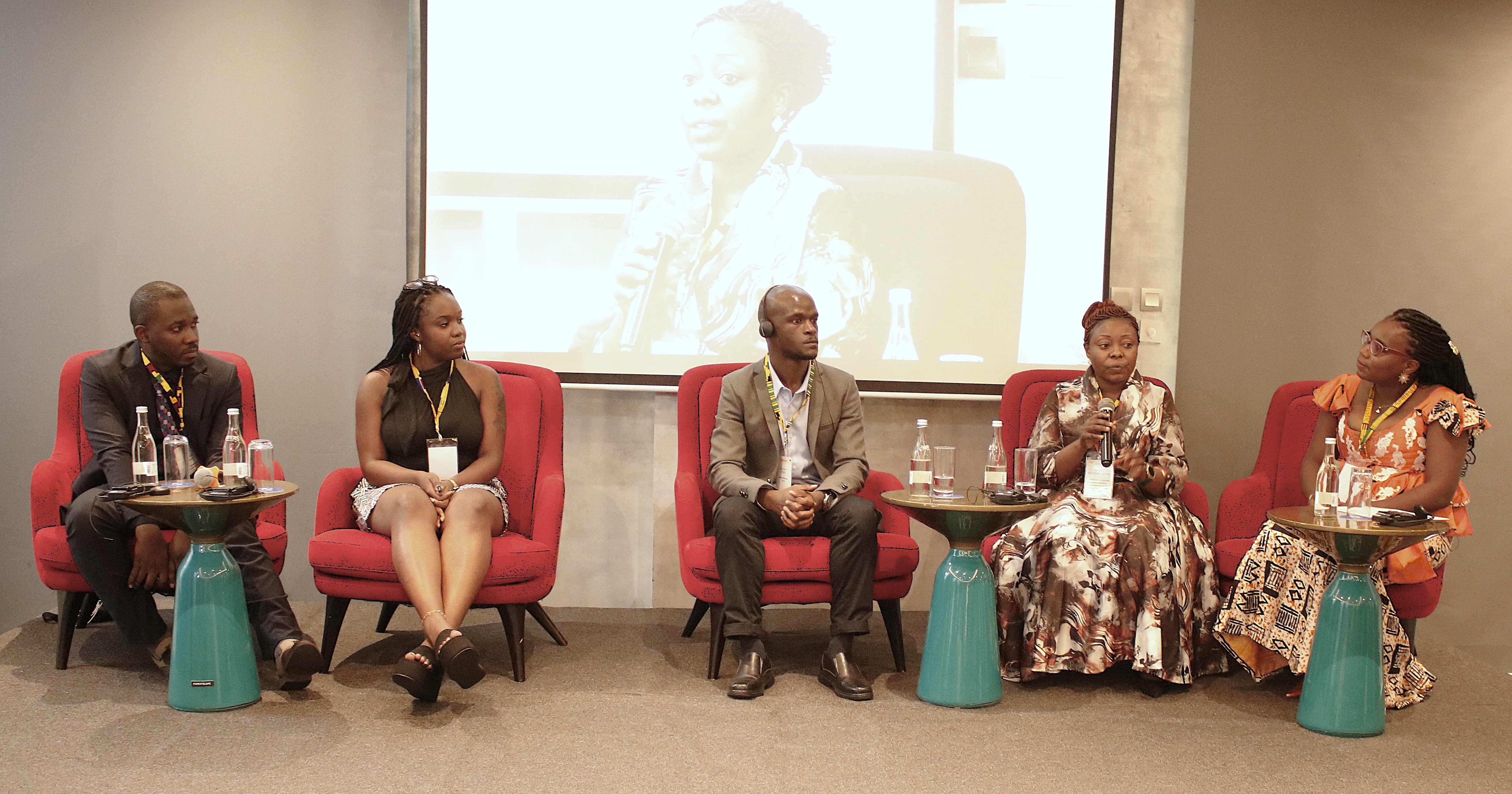
The first thematic session explored the state of play of priority zoonoses and emerging threats, with presentations on Ebola virus disease outbreaks and resurgences in the Democratic Republic of the Congo, Mpox epidemiology and artificial intelligence applications for lesion detection in Cameroon, hantavirus transmission, high pathogenicity avian influenza (HPAI) surveillance in Zimbabwe and environmental DNA tools for disease ecology. Panel discussions and poster presentations further examined Mpox and zoonotic pathogens at the human–wildlife interfaces, including those involving baboons, small mammals and bats.
The second day focused on the practical application of scientific evidence in decision-making and , what gaps exist between science, policy and implementation with a focus the priority zoonoses addressed by the ZOOSURSY Project. A keynote presentation reflected on ten years of virus-hunting activities in Kenya and its implications on policy, as well as a presentation on preparing a policy brief. This was followed by a panel discussion involving WOAH Delegates and researchers on strengthening the science–policy interface.
A country policy-mapping workshop enabled participants to identify gaps, opportunities and priority policy actions for emerging zoonoses, particularly those addressed by ZOOSURSY Project. Discussions revealed that, although countries have developed relevant strategies and preparedness plans, implementation remains constrained by inadequate domestic financing, dependence on external partners, limited dedicated funding for zoonotic disease surveillance, and underfunded or poorly functioning One Health coordination platforms. Participants also identified outdated or unapproved preparedness plans, gaps in wildlife health legislation, inadequate compensation mechanisms for disease-control measures, fragmented multisectoral coordination, insufficient field-level personnel and weaknesses in surveillance and cross-sector data sharing.
The workshop highlighted the need for further training on the use of tools such as policy briefs and white papers to communicate scientific findings to policy makers, in addition to structured dialogue between researchers and decision-makers, stronger engagement with parliamentary committees, and the integration of One Health coordination into national budgets. Experiences from Cameroon demonstrated how collaboration between researchers and ministries can facilitate the uptake of scientific evidence in policy and public health practice.
The third thematic area examined socio-anthropological drivers of zoonotic disease risk through presentations on community perceptions and practices in Mozambique, multispecies health dynamics in a slaughterhouse in Bukavu (Democratic Republic of Congo), multisectoral coordination during Rwanda’s Marburg virus disease response, mobile cinema for community engagement, and the ALERT Educational Tool for stakeholder participation.
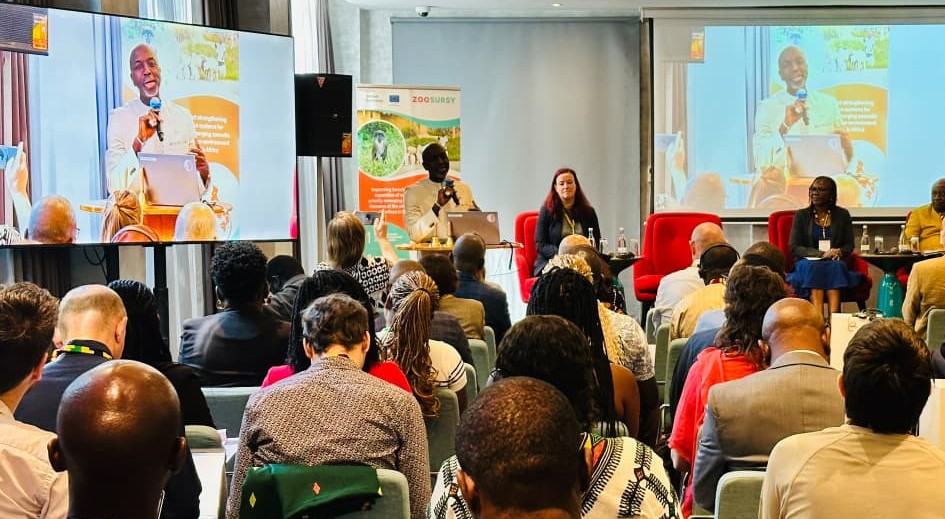
Overview of the Conference Hall during the opening address of Dr. Baba Soumaré, WOAH Deputy-Director General for Global Frameworks and Capacity-Building. Picture (c) L. Kemunto (woah) 2026
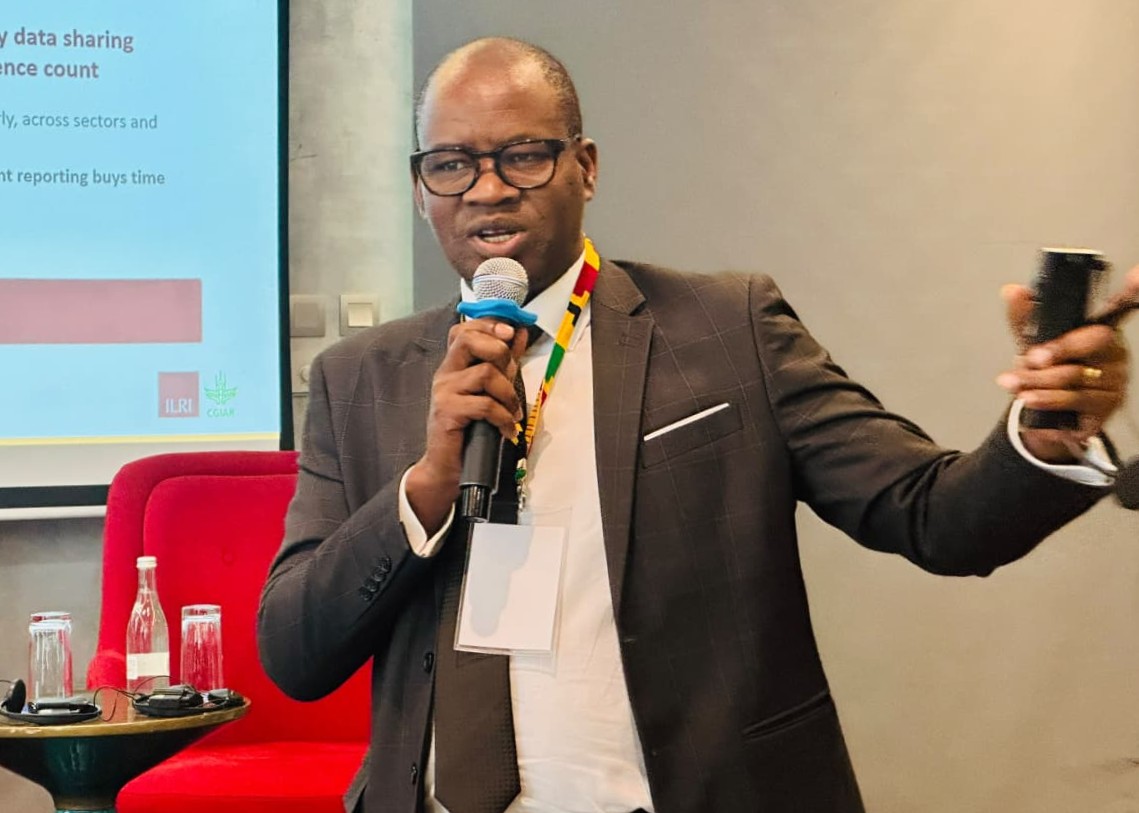
Dr Neo Mapitse, WOAH Sub-Regional Representative for Eastern Africa. Picture (c) L. Kemunto (woah) 2026
The final day focused on strengthening early detection through community participation, innovative surveillance approaches, and frontline diagnostic capacity. Poster presentations examined zoonotic risks associated with pig farms, wildlife, bushmeat markets and value chains in Guinea and the Republic of the Congo, highlighting variations in exposure according to geography, occupation and awareness of zoonotic risks.
Other presentations explored the virome of forest ecosystems, the use of army ants as sentinels of bat cave ecosystems, environmental factors influencing mosquito and rodent abundance in Kenya and Zimbabwe, and the co-design of community based One Health surveillance with communities living near wildlife.
A keynote presentation on carcass monitoring in the Dzanga-Sangha Protected Areas in the Central African Republic demonstrated how wildlife mortality can serve as an early warning signal for potential disease threats. Additional presentations covered community-based surveillance and rapid response in Guinea, the first detection of High pathogenicity avian influenza clade 2.3.4.4b in Gabon, an integrated One Health surveillance platform in Taï, Côte d’Ivoire, and Ebola virus antibody data in bats.
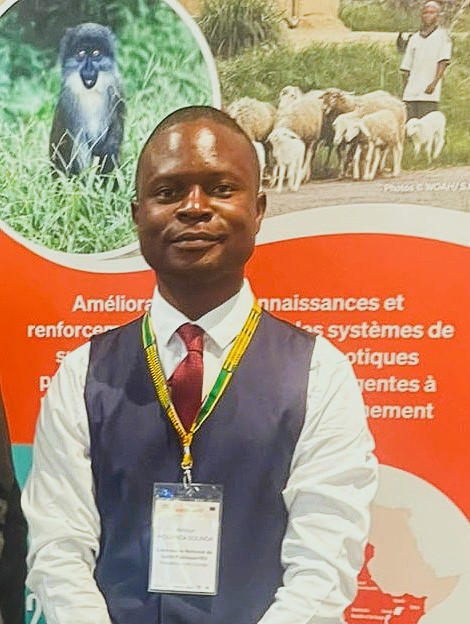
Mr. Amour Mouanda, Laboratoire national de santé publique (LNSP), Republic of Congo, winner of the WOAH Poster Session Price. Picture (c) B. Soumare (woah) 2026
Innovative approaches involving environmental DNA and ecological indicators were also identified as opportunities to strengthen early warning. A poster contest acclaimed Amour Mouanda (pictured on the right), PhD Student from the Republic of Congo as the winner for developing the best poster. The symposium concluded with a workshop to consolidate key outcomes and discuss next steps, followed by closing remarks from Dr Neo Mapitse, WOAH Sub-Regional Representative for Eastern Africa (pictured on the left above), who emphasised the importance of sustained collaboration and collective action towards a more resilient One Health future for Africa.
Overall, the symposium underscored that effective surveillance and preparedness require more than scientific advances and disease-specific interventions. Sustainable domestic financing, functional multisectoral coordination mechanisms, effective science–policy dialogue, integrated surveillance systems, timely information sharing and meaningful community participation are essential to translating evidence into action. The discussions provided a basis for strengthening collaboration among research institutions, governments, public health and veterinary authorities, environmental actors and communities, with the ultimate goal of improving Africa’s capacity to anticipate, detect and respond to emerging and re-emerging zoonotic threats.