
Oral Rabies Vaccination (ORV) of dogs successfully conducted in Zambezi region of Namibia
June 18, 2024
Read more
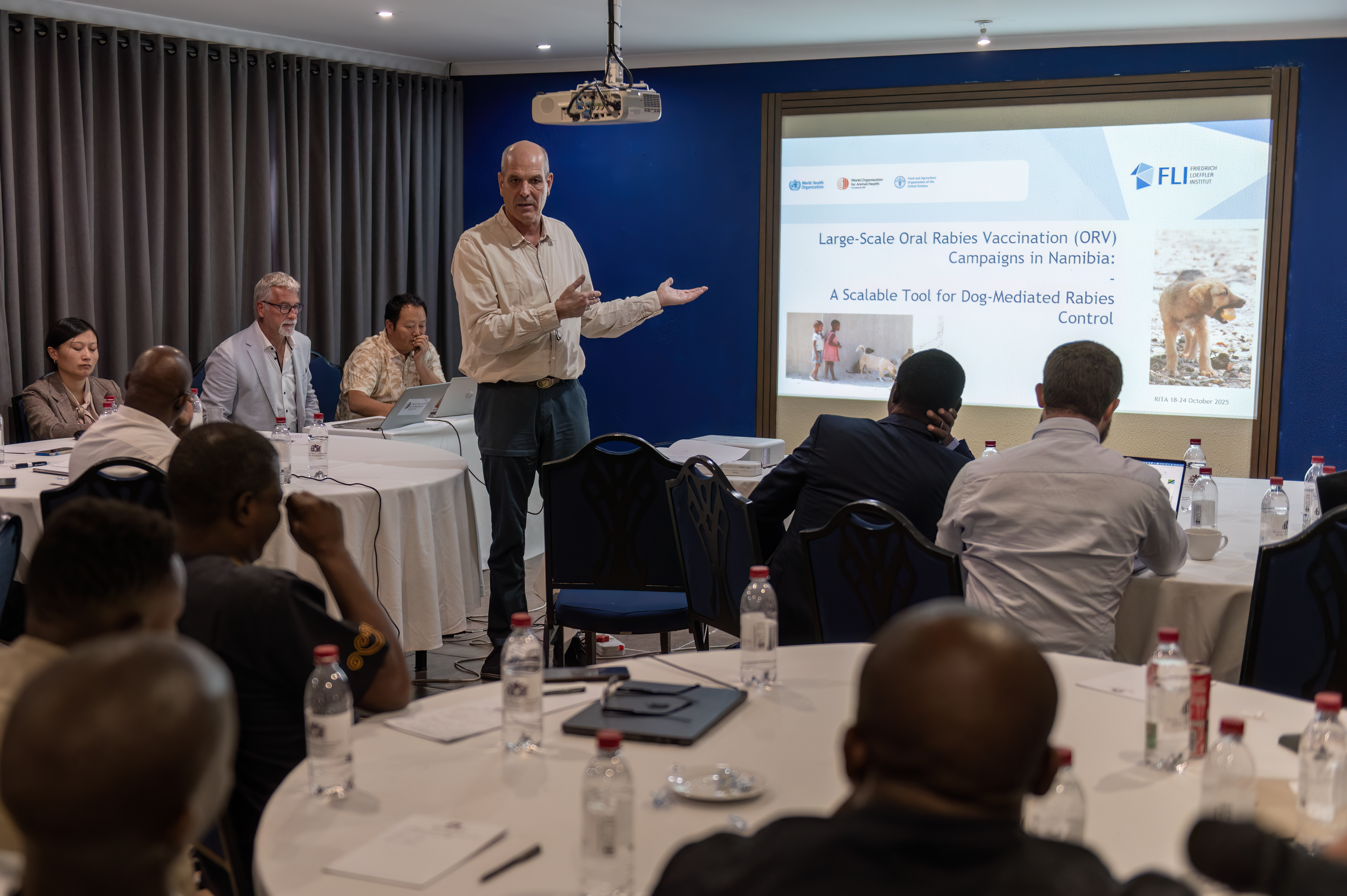
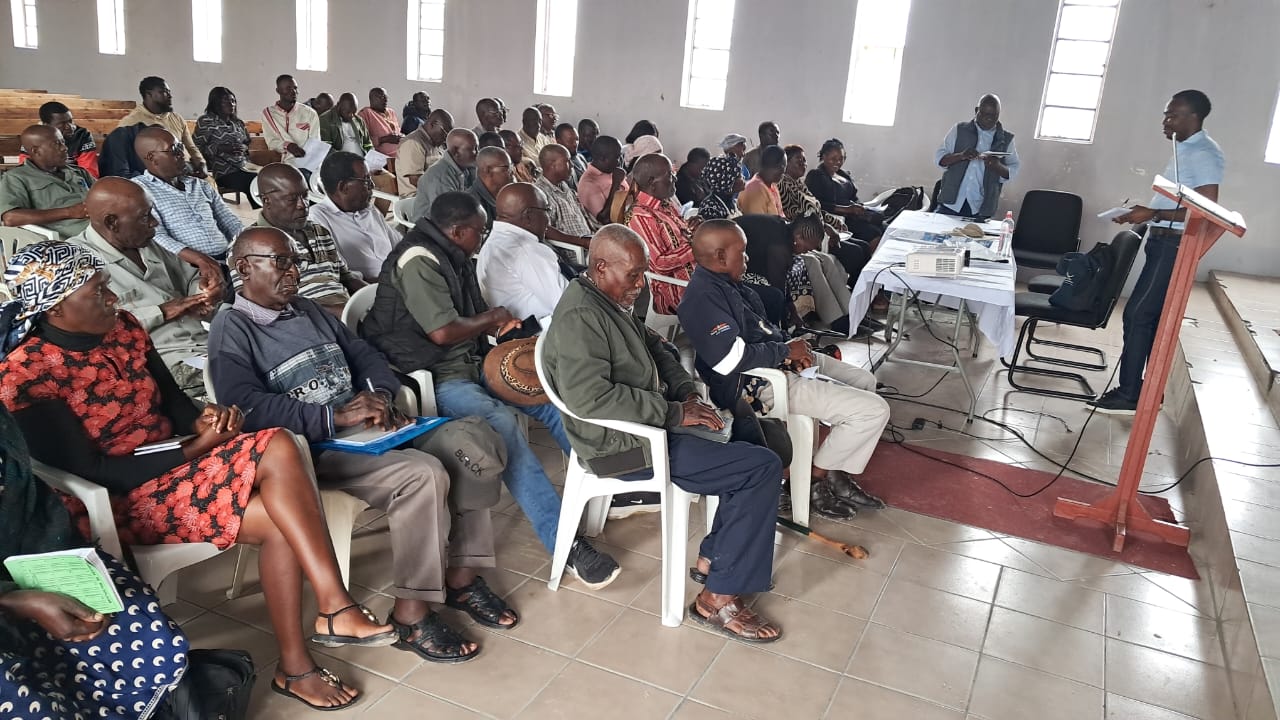
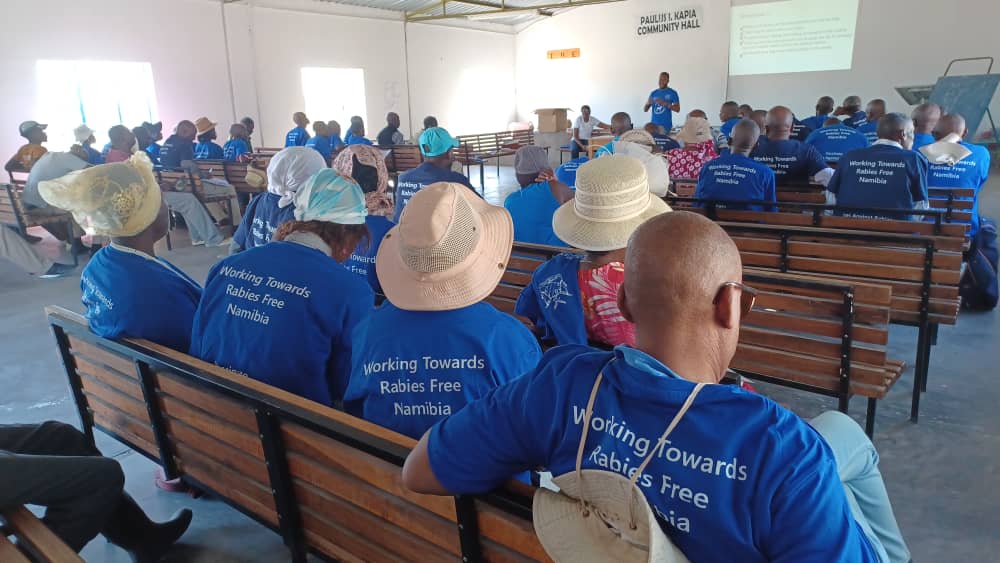
Rabies remains endemic in the Kavango East Region of Namibia’s Northern Communal Area, where achieving high dog vaccination coverage has long been a challenge. To address this, the Directorate of Veterinary Services (DVS), with technical support from the World Organisation for Animal Health (WOAH) and the Friedrich-Loeffler-Institut (FLI), introduced Oral Rabies Vaccination (ORV) as a complementary approach to conventional injectable (parenteral) vaccination during the May 2026 rabies vaccination campaign. This strategy enabled vaccination teams to reach free-roaming and difficult-to-handle dogs that are often missed during traditional vaccination campaigns. Prior to the launch of field activities, a two-day training programme was conducted on 5 and 6 May 2026 for all vaccination teams. The training equipped field personnel with the skills needed to safely implement oral rabies vaccination, handle vaccine baits, collect field data using mobile phones, and monitor vaccination coverage
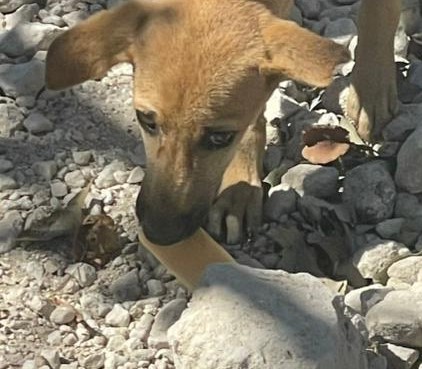
Oral Rabies Vaccine baits (Rabitec) in Namibia. Picture (c) T.Tenzin (woah) 2026
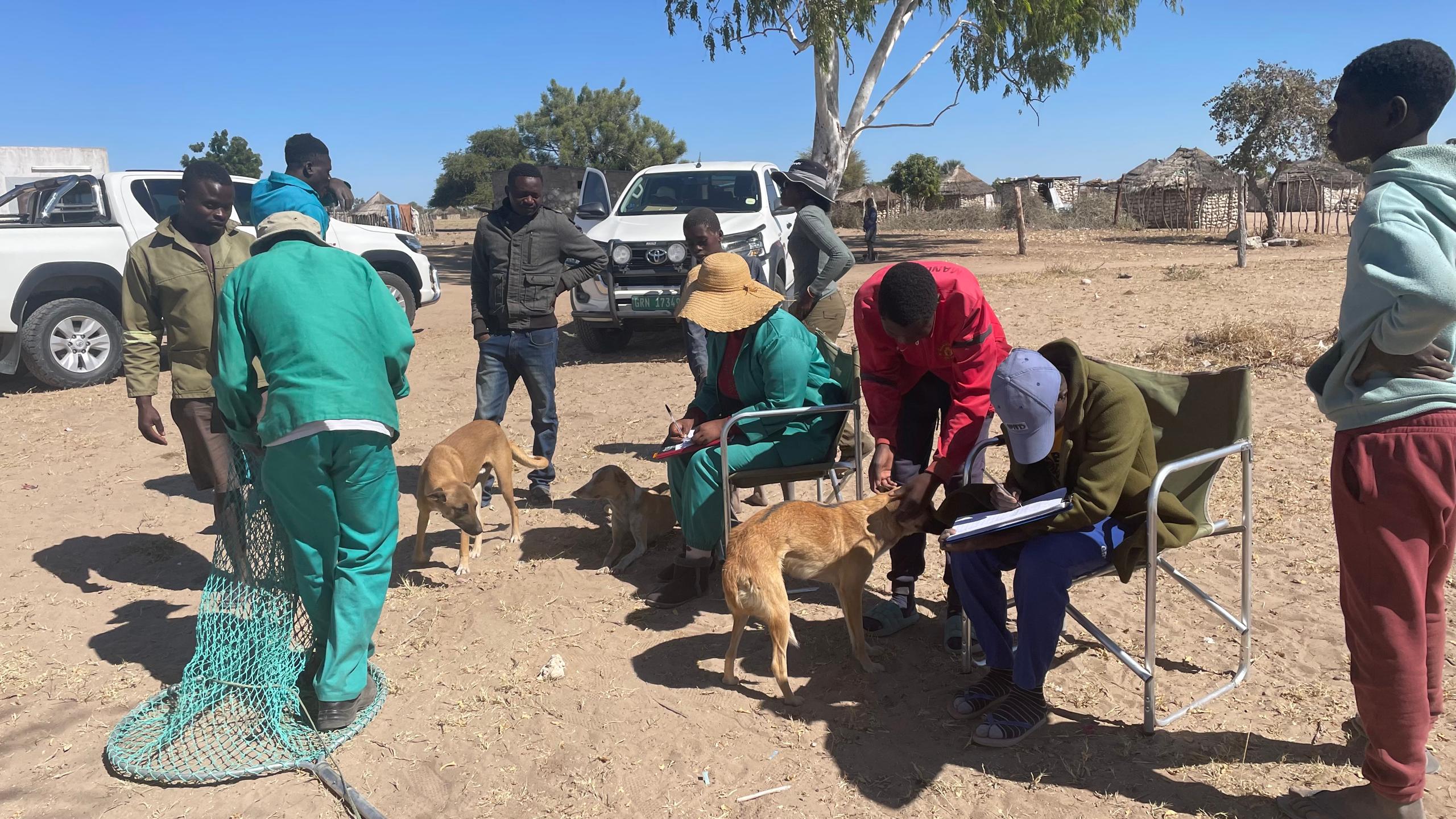
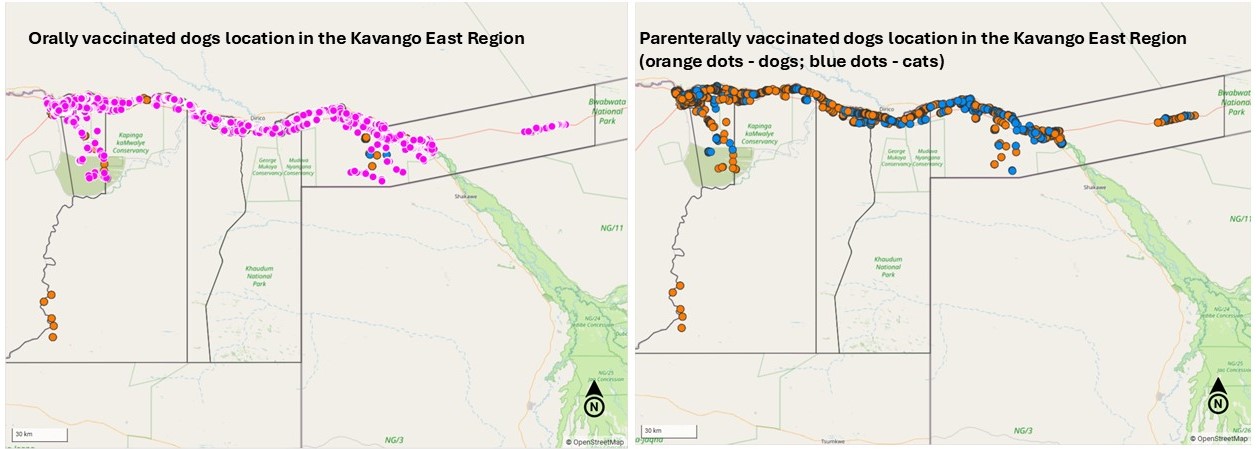
The campaign was implemented by 11 vaccination teams and initially focused on the Rundu Urban Constituency for two weeks before expanding across the rest of the region. Altogether, the teams vaccinated 8,890 dogs and 1,393 cats. Of the dogs vaccinated, 5,826 received ORV baits, while the remainder were vaccinated using the conventional injectable method. Only 404 dogs have refused the ORV baits and were subsequently vaccinated with a parenteral injection.
By the end of the targeted campaign which concluded on 5 June 2026, approximately 32% of the estimated dog population in the region had been vaccinated. The combination of oral and parenteral vaccination significantly increased the number of dogs reached and improved overall vaccination coverage in communities where low coverage has previously hampered rabies control efforts.
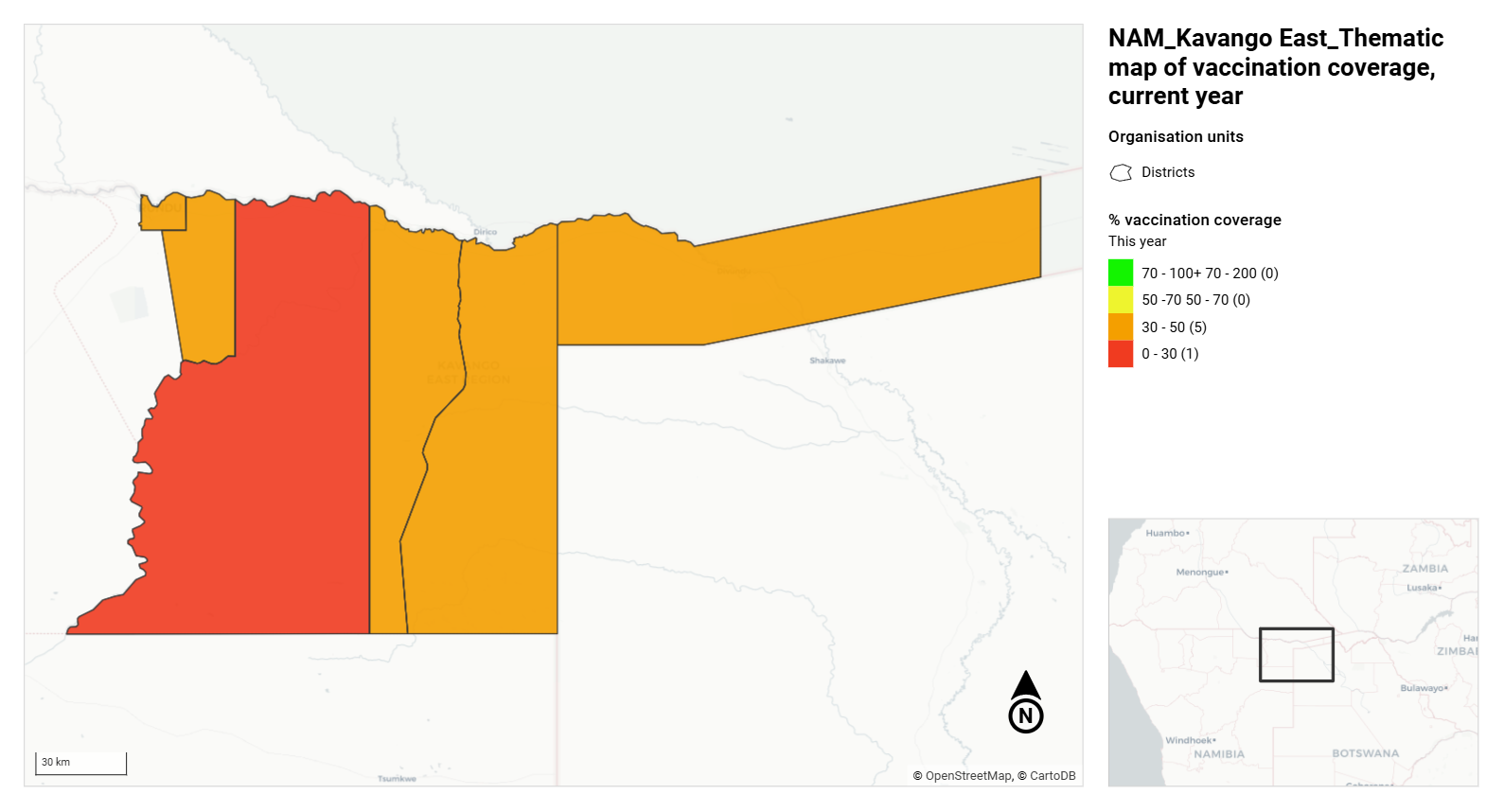
Constituency-level rabies vaccination coverage in dogs in the Kavango East Region of Namibia. All constituencies, except Mashare (red), achieved dog vaccination coverage exceeding 30% during the campaign. Map (c) T.Tenzin (woah) 2026 IIIIIIIIIII Couverture vaccinale contre la rage chez les chiens au niveau des circonscriptions électorales de la région du Kavango-Est, en Namibie. Toutes les circonscriptions, à l'exception de Mashare (en rouge), ont atteint une couverture vaccinale supérieure à 30 % chez les chiens au cours de la campagne. Carte (c) T.Tenzin (omsa) 2026
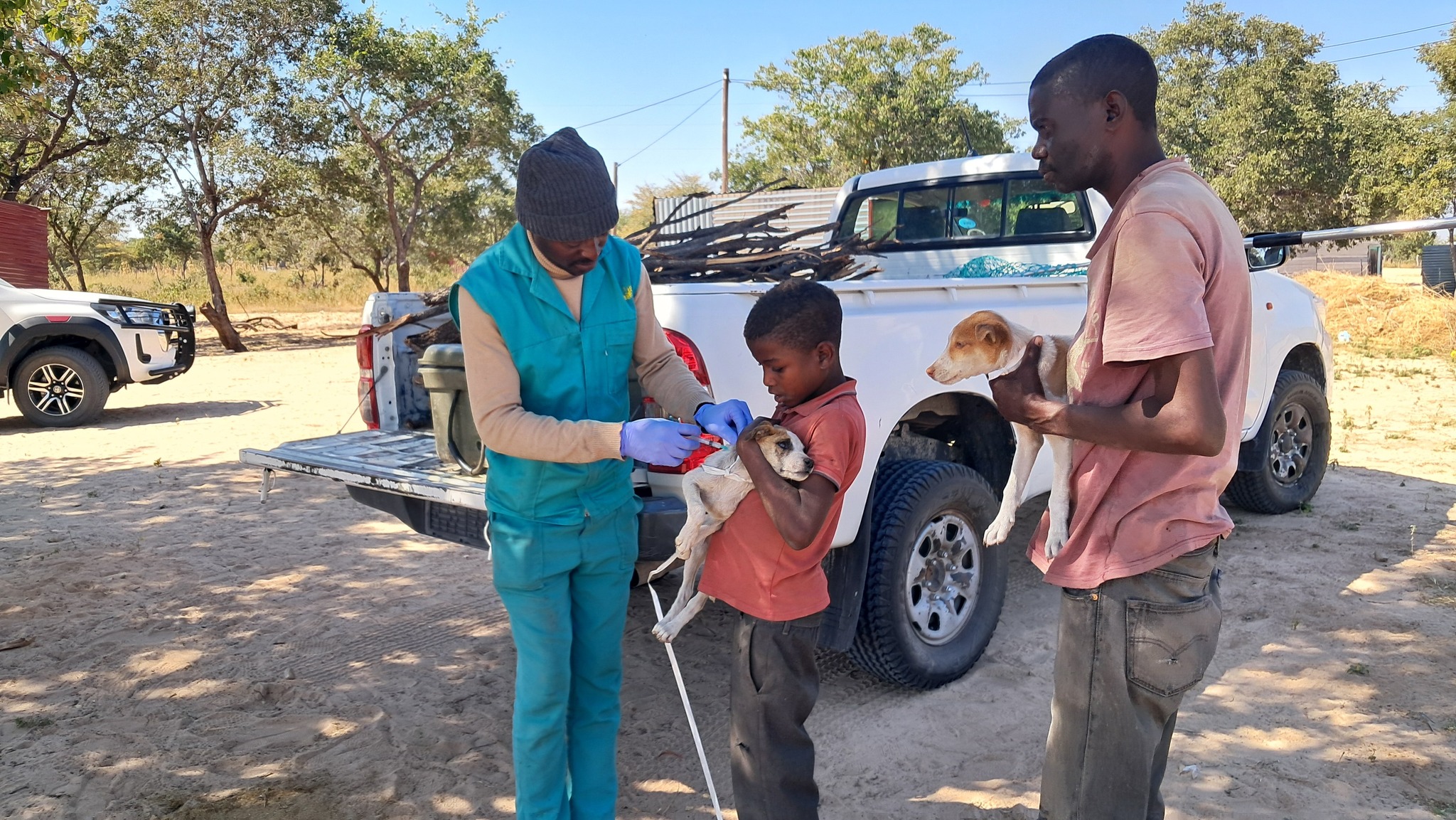
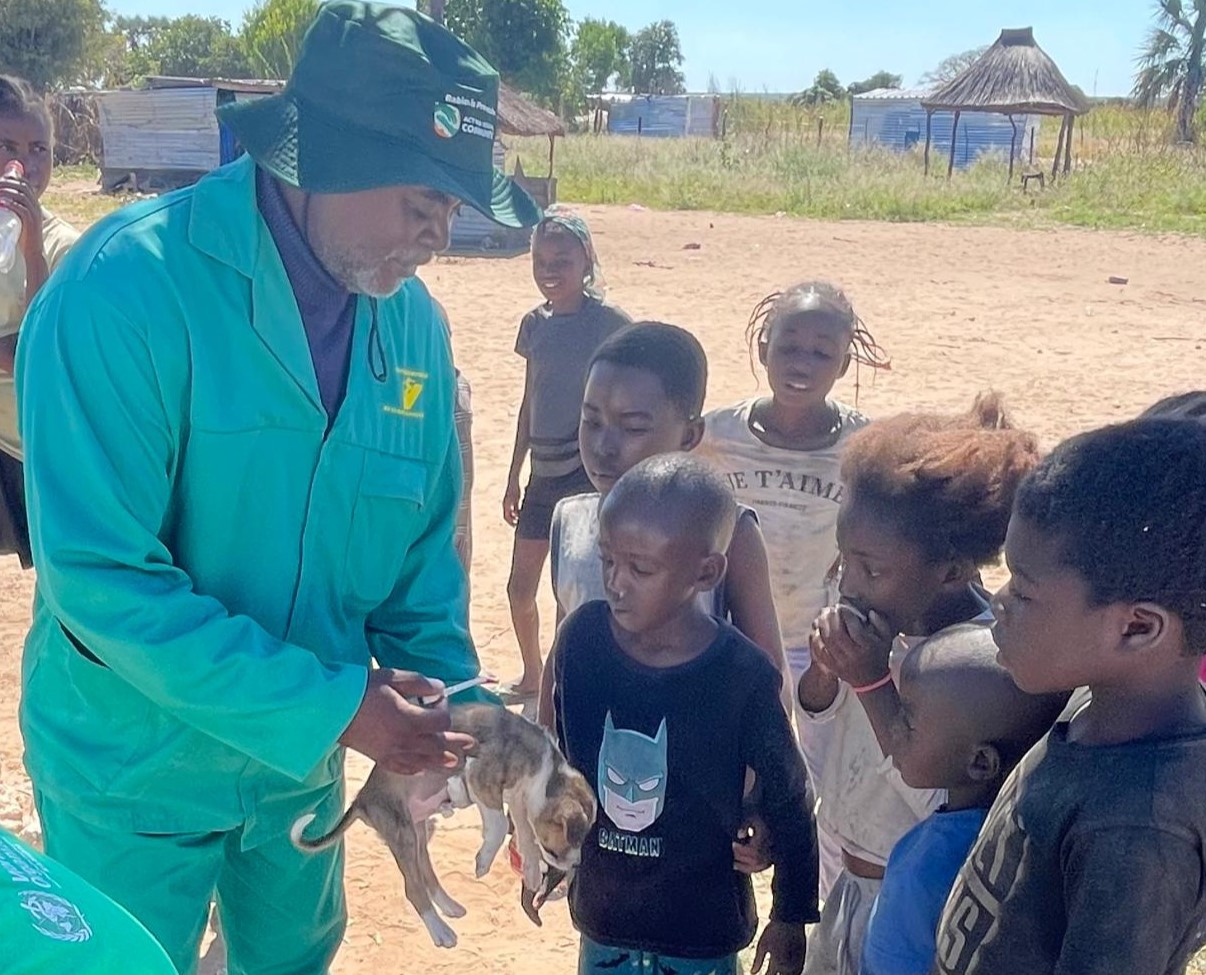
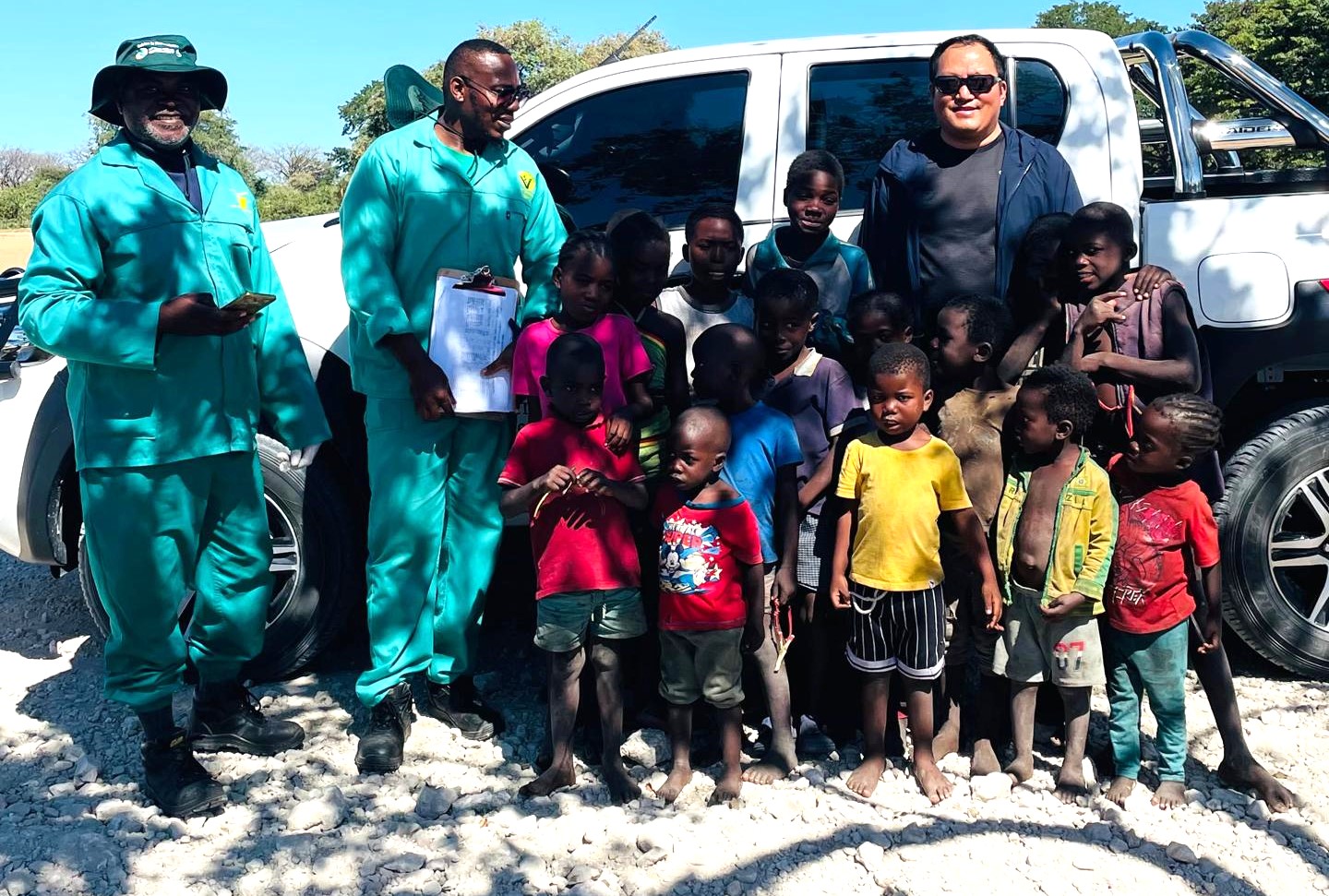
Children presenting a dog for vaccination. Picture (c) T.Tenzin (woah) 2026
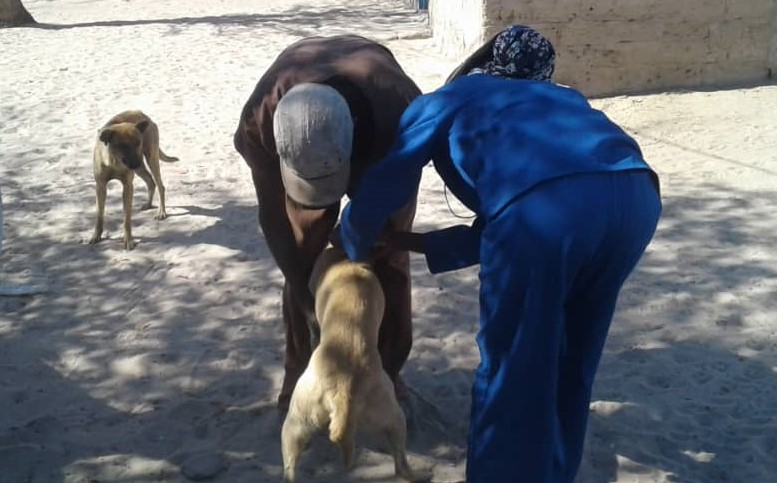
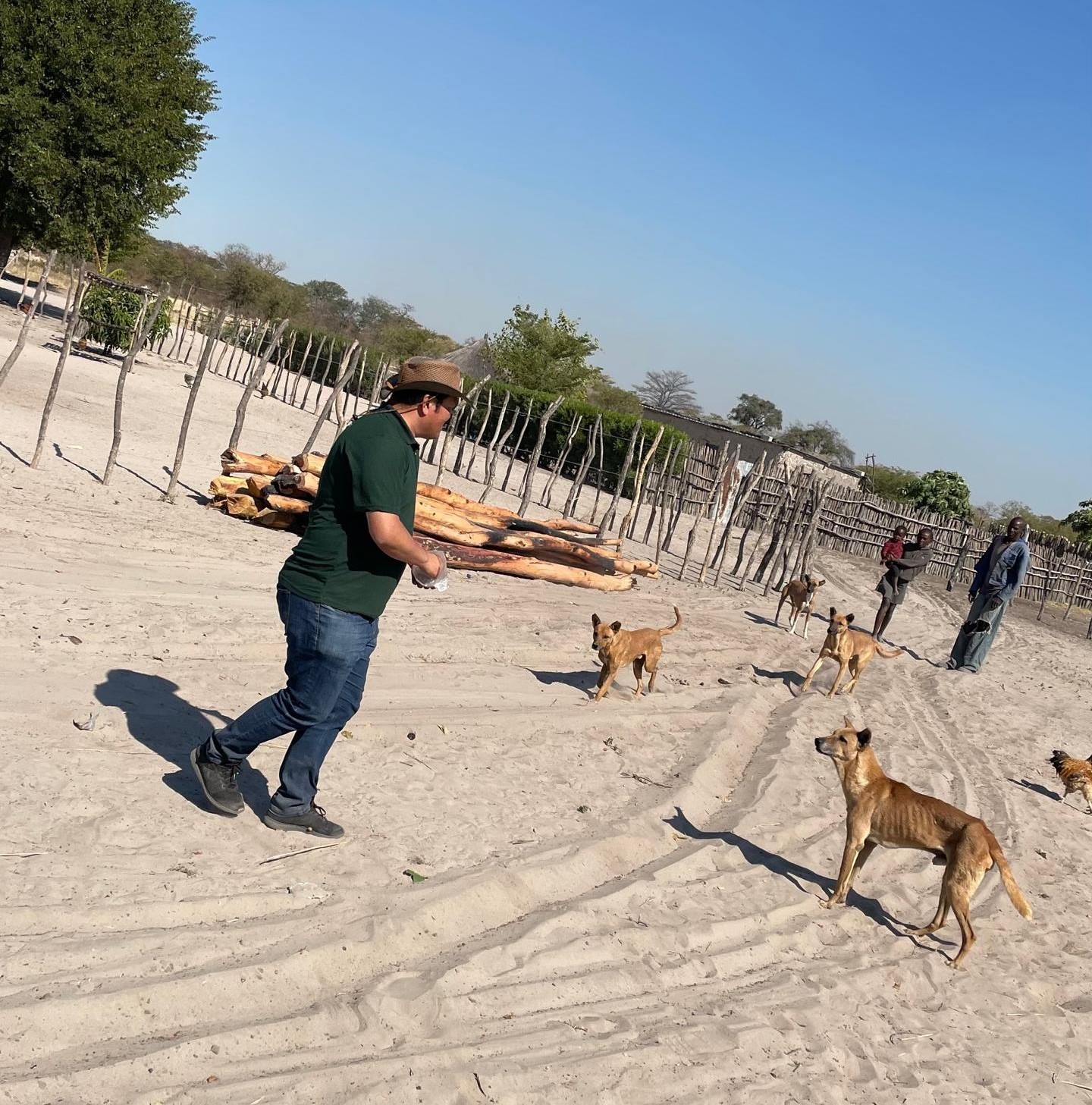
Unlike traditional central-point vaccination campaigns, vaccination teams used a door-to-door approach, travelling by vehicle and on foot through settlements to vaccinate dogs within their communities. This strategy helped increase access to dogs that would otherwise have been missed.
Although the targeted campaign conducted coinciding with the school holiday period concluded on 5 June 2026, vaccination activities are continuing in cattle crush pens, where additional dogs are being vaccinated alongside the annual Contagious Bovine Pleuropneumonia (CBPP) and Foot-and-Mouth Disease (FMD) vaccination campaigns. Both oral and injectable rabies vaccines continue to be used in these settings to further increase vaccination coverage and strengthen efforts to reduce rabies transmission in both animal and human populations.
The oral rabies vaccine baits used during the campaign were supplied through a project funded by the German Federal Ministry for Economic Cooperation and Development (BMZ) and administered by WOAH. Technical support for the campaign was provided by both FLI and WOAH, highlighting the importance of international collaboration in advancing rabies control efforts in Namibia.
A map showing the locations where oral rabies vaccination (ORV) and parenteral vaccination of dogs were conducted in the Kavango East Region of Namibia during the mass dog vaccination campaign in May-June 2026. Map (c) T.Tenzin (woah) 2026
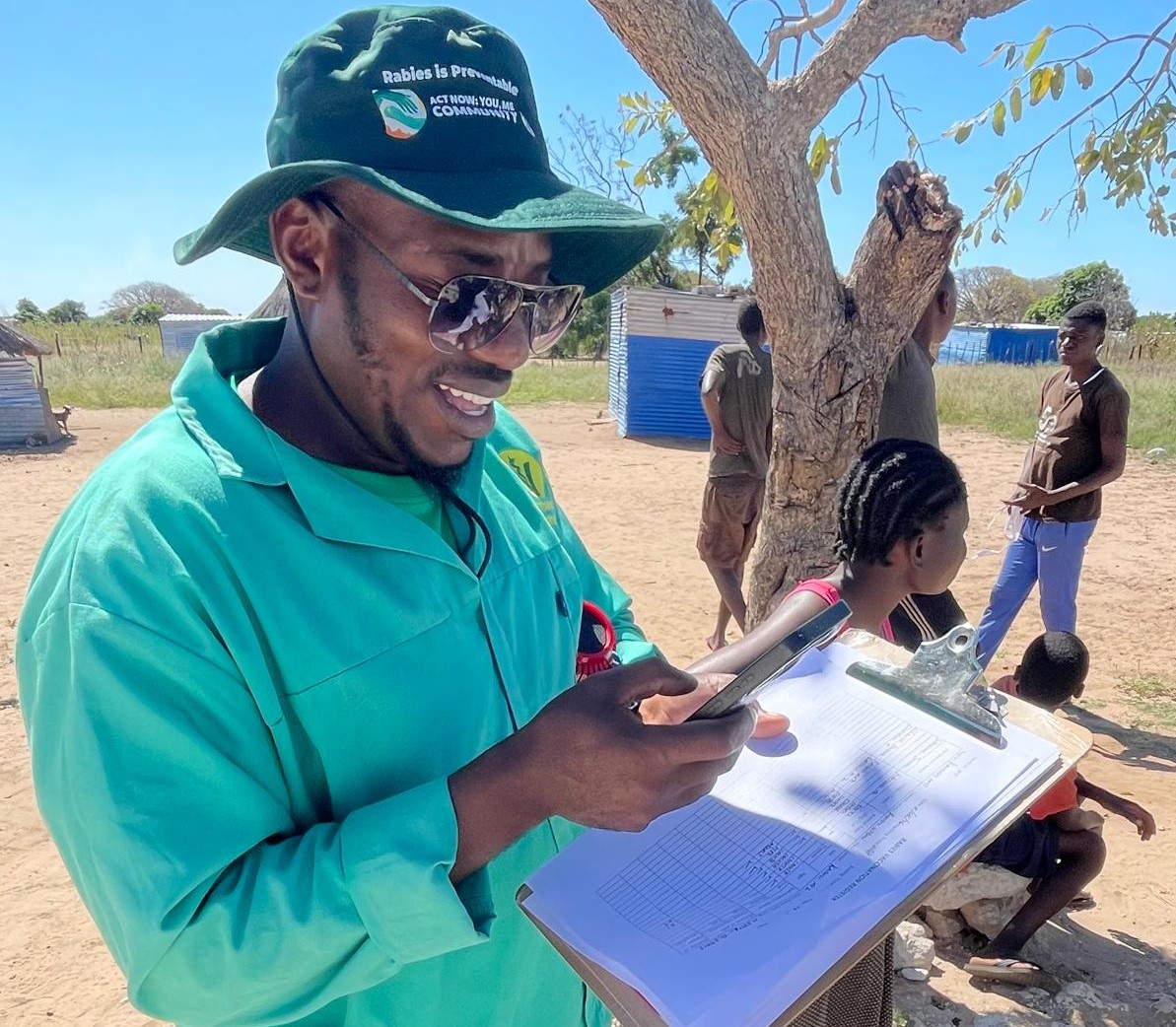
Data-capturing-using-mobile-phone. Picture (c) T.Tenzin (woah) 2026
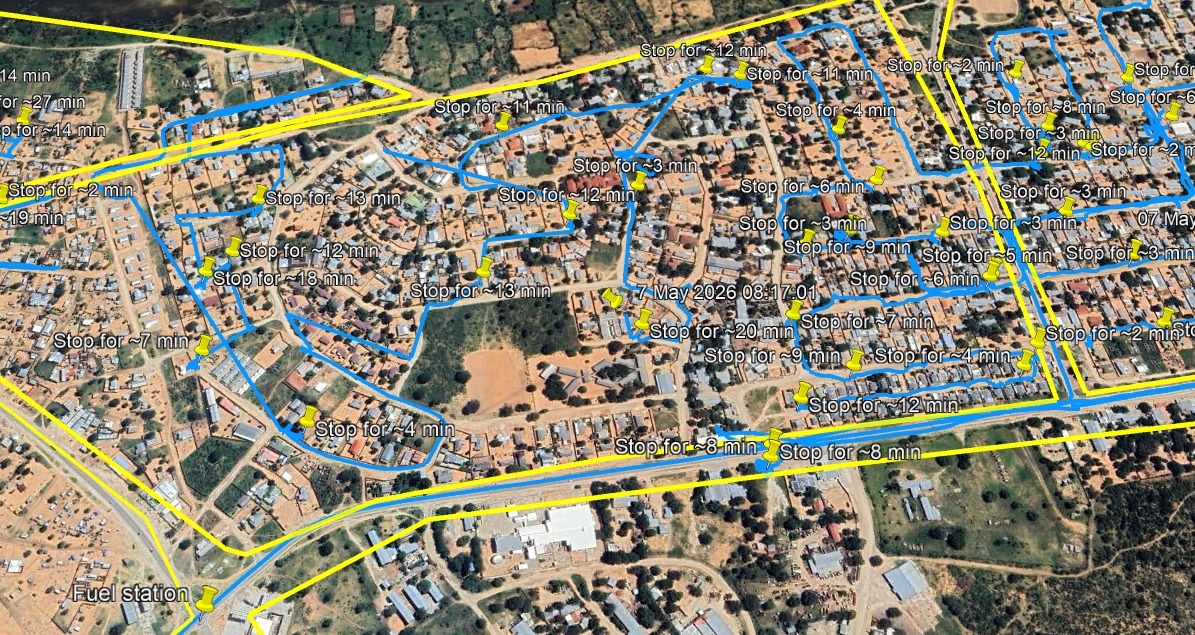
A key feature of the campaign was the use of digital technology to monitor vaccination activities. Vaccination teams used mobile phones to record vaccinations through the GARC Data Platform, enabling real-time tracking of vaccinated animals, monitoring of team performance, and rapid identification of areas requiring additional coverage. The digital system improved data quality and provided valuable insights for planning and implementing vaccination activities. It also enhanced accountability, allowing supervisors to track team progress as they moved through targeted communities and to reallocate teams to areas with insufficient vaccination coverage, thereby improving the overall efficiency and effectiveness of the campaign.
GPS-tracked movement of a vaccination team (blue line) within the designated vaccination area (yellow boundary) in Kavango East Region, Namibia. The geo-tracking system enabled real-time monitoring of team movements and coverage, facilitating the efficient deployment of teams to areas requiring additional vaccination efforts. Image (c) T. Tenzin (woah) 2026.
Rabies is a fatal viral disease that affects mammals, including humans, and is primarily transmitted through the bite of an infected animal. Mass dog vaccination is globally recognised as the most effective strategy for controlling canine rabies and preventing human rabies deaths associated with dog bites.
With strong support from DVS, WOAH, FLI, local communities, and international partners, the Kavango East Region campaign demonstrates how innovative vaccination approaches and digital technologies can expand access to life-saving rabies prevention measures and accelerate progress towards the elimination of dog-mediated rabies goal
Children supporting vax, Picture @ T.Tenzin (woah) 2026