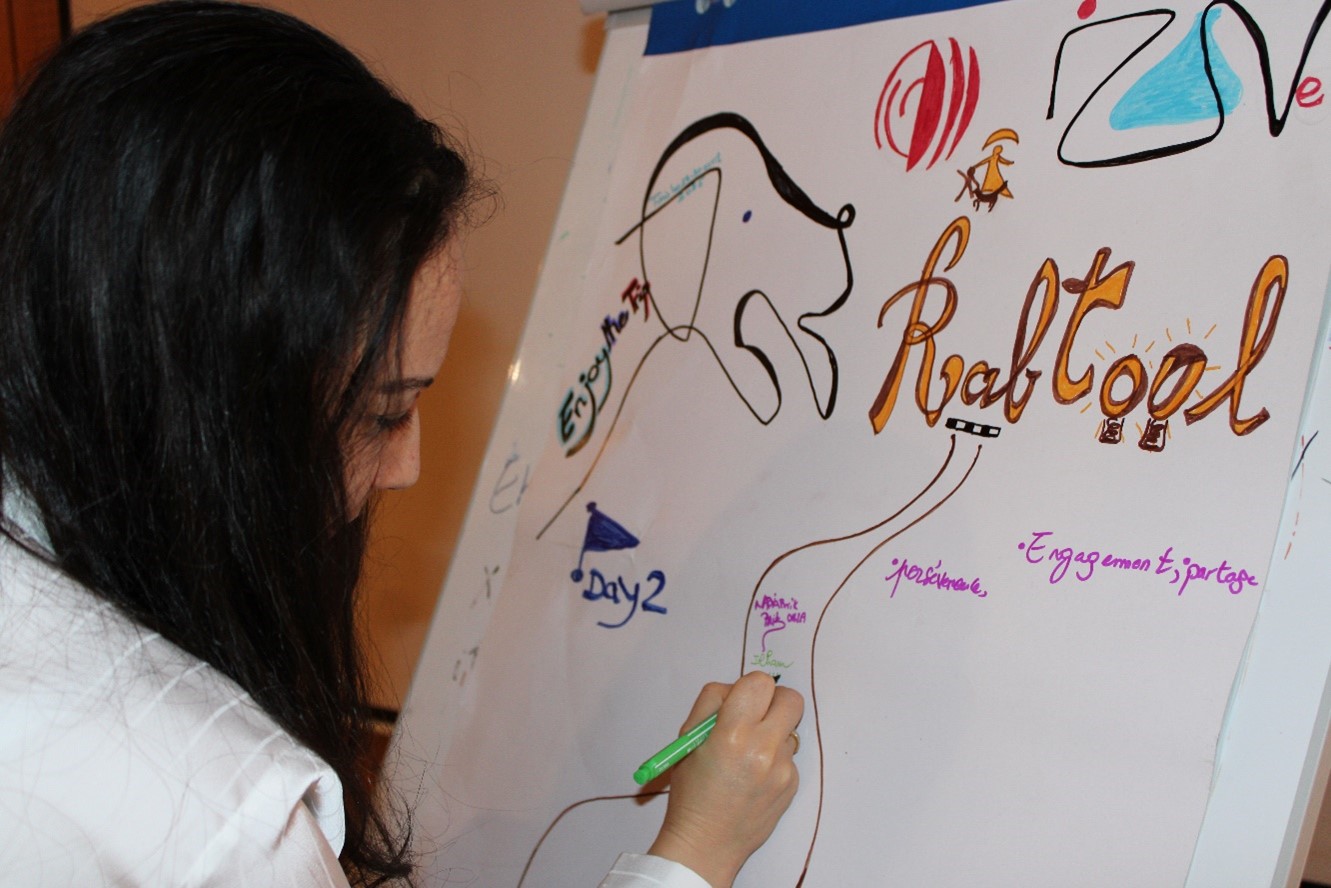
Launch of the RabTool Project “Tools to implement a harmonised canine rabies control programme in the Northern African region”
April 30, 2025
Read more
Algeria has just achieved a major milestone: the development of a multisectoral rabies action plan, the result of joint efforts by the Ministry of Agriculture, Rural Development and Fisheries, the Ministry of Health, the Ministry of the Interior, the Ministry of Defense, the Ministry of Education, as well as several institutional and civil society partners. Over several months, all these stakeholders joined forces to build a practical and actionable national plan with a clear goal: ending human rabies transmitted by dogs.
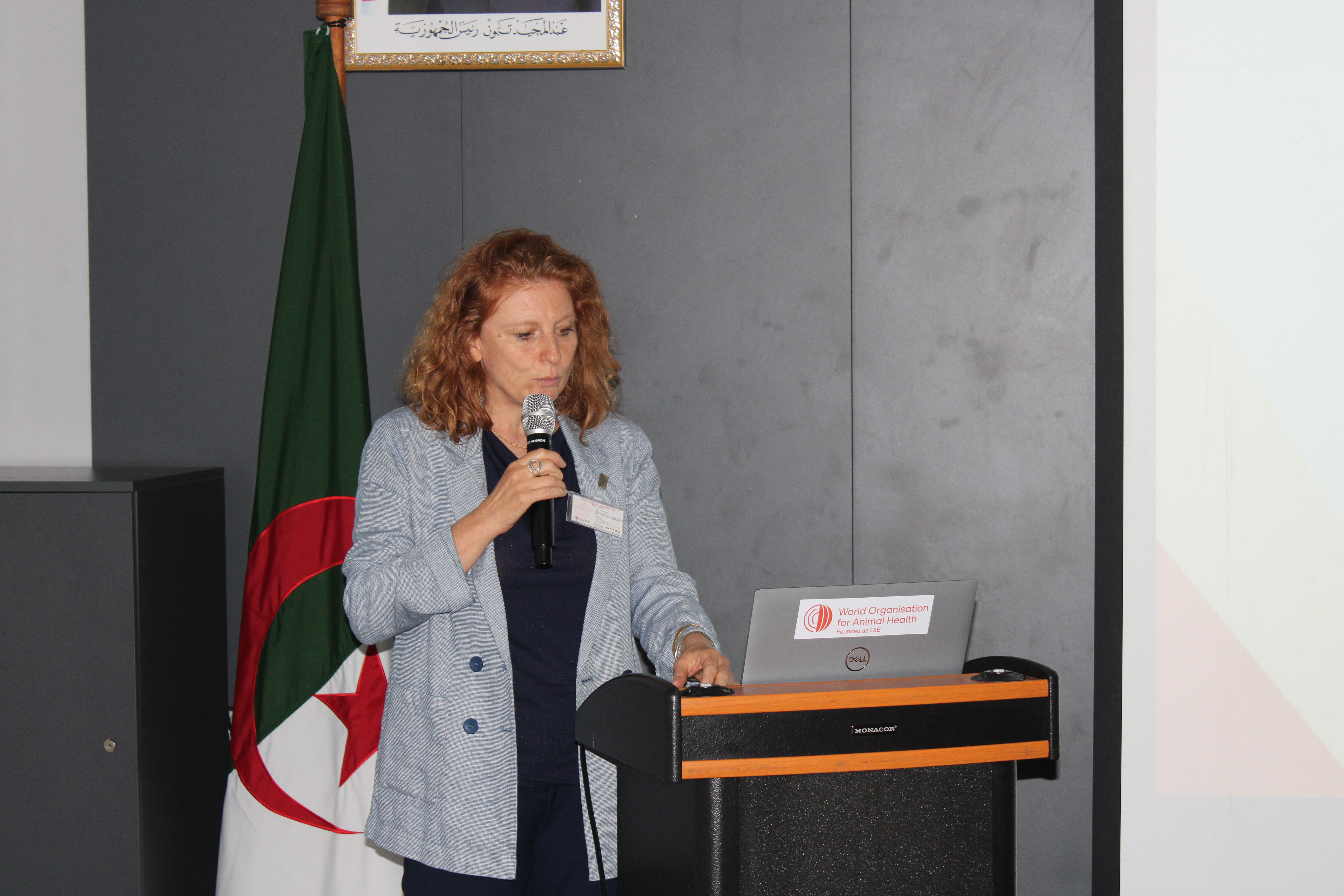
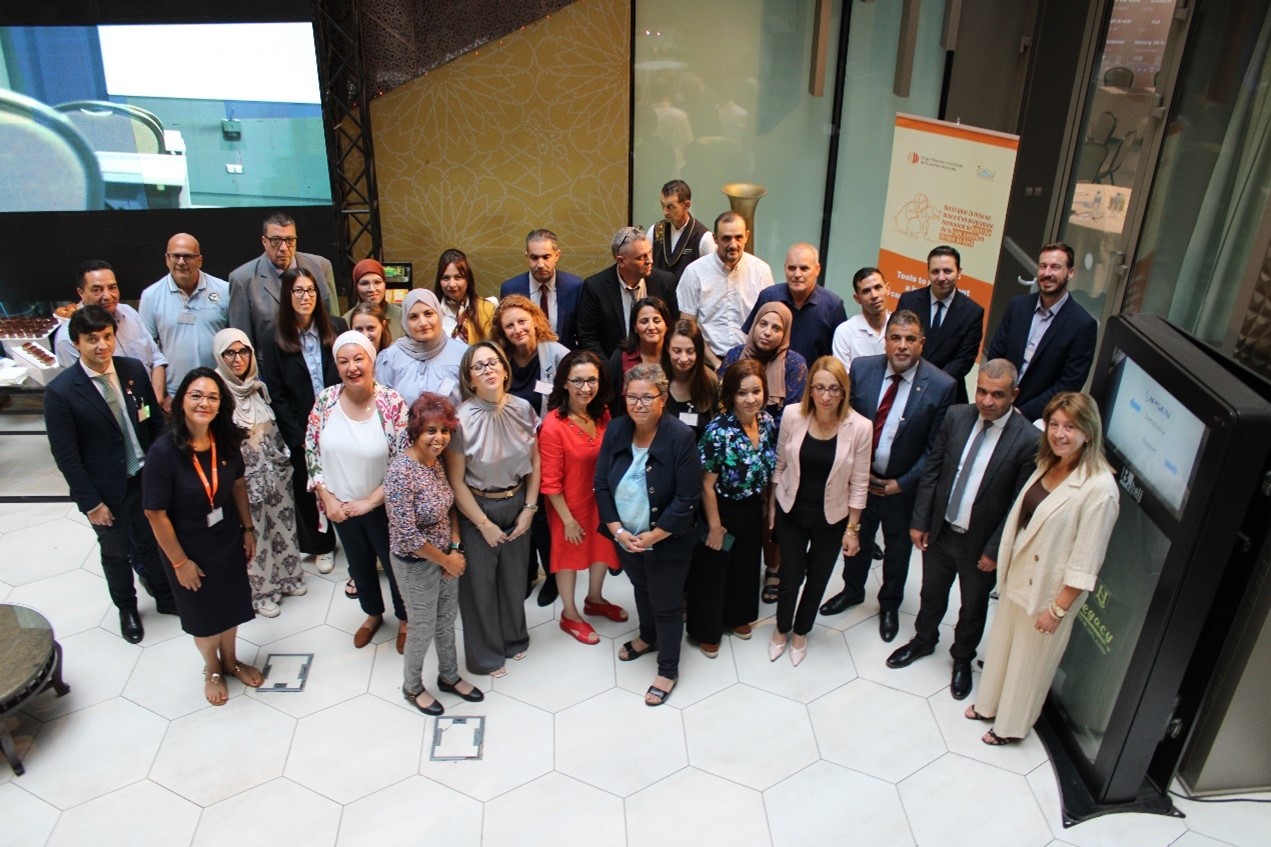
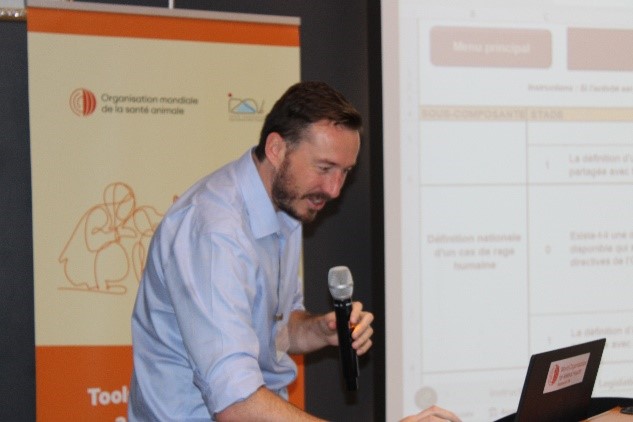
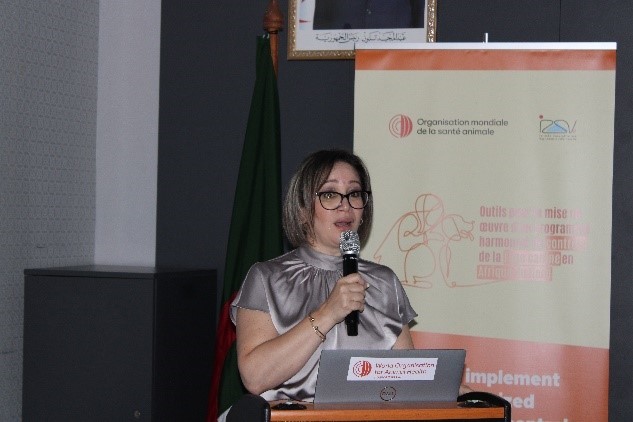
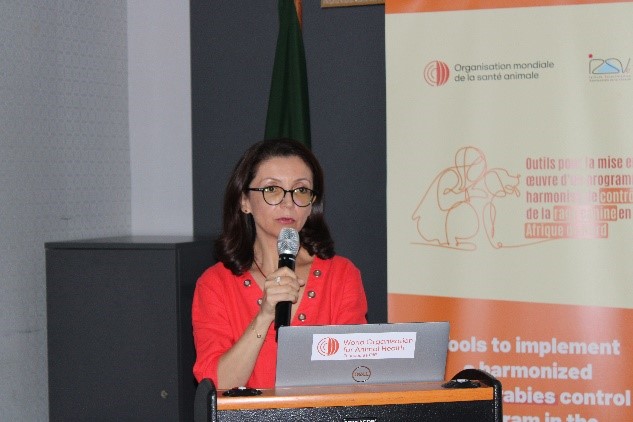
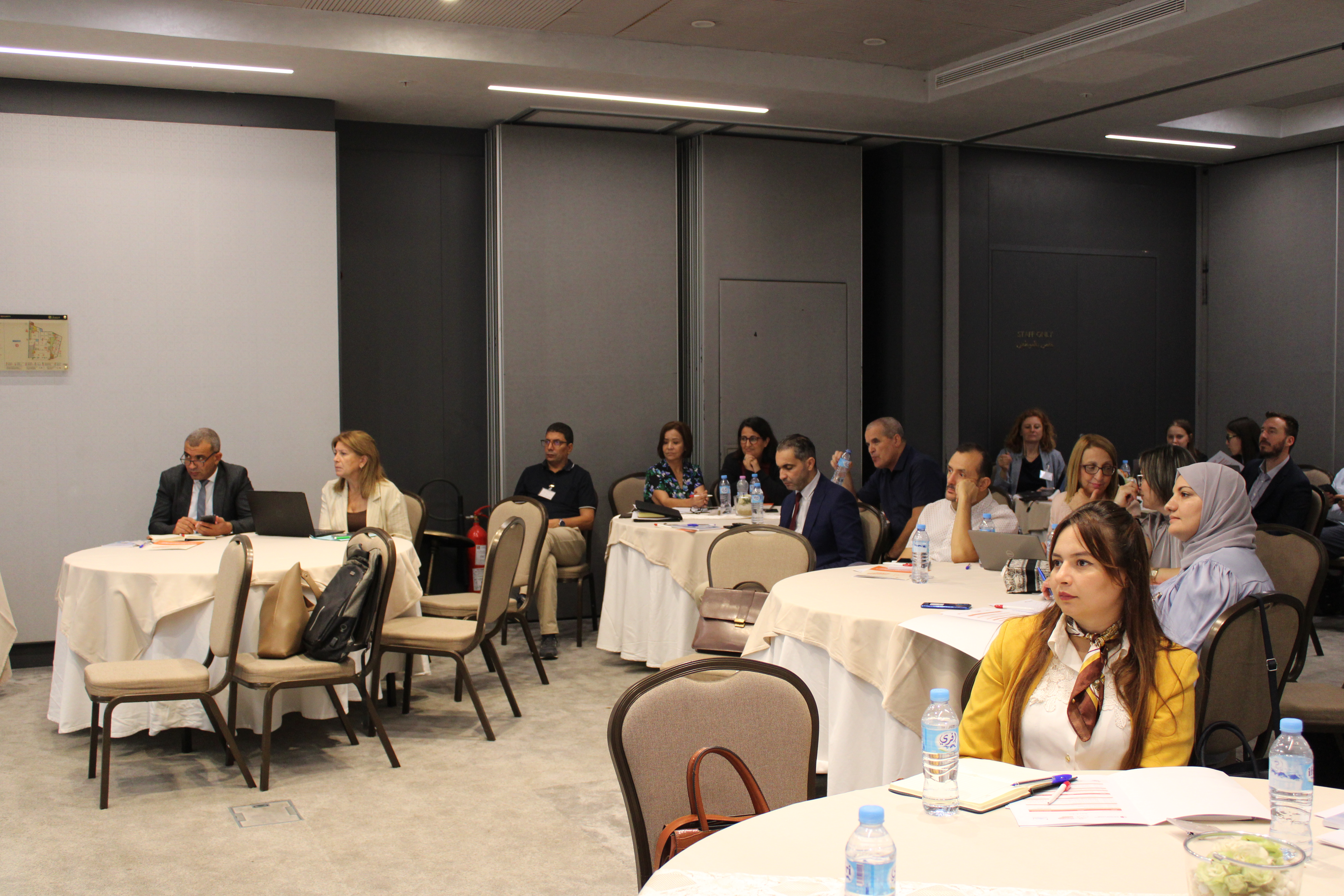
The RabTool project has supported this momentum. Together with national authorities, the WOAH team (the Sub-Regional Representation for Noerth Africa, in Tunis, Tunisia), the Istituto Zooprofilattico Sperimentale delle Venezie (Venice, Italy) and the Global Alliance for Rabies Control, GARC) organised another SARE (Stepwise Approach towards Rabies Elimination) workshop, providing a comprehensive overview of rabies control efforts. The workshop brought together key actors from the human, animal, and environmental health sectors to identify challenges, address gaps, and seize opportunities within the national program.
Algeria’s first SARE assessment took place in October 2019 in Algiers, during a workshop coordinated by GARC. This assessment gathered representatives from various ministries, civil society, and the private sector, who worked together to assess the country’s rabies situation and develop a practical action plan.
The SARE assessment is a planning, monitoring, and evaluation tool designed to guide, develop, and refine rabies control programmes. It provides measurable steps, organised in a logical sequence of activities, to progress from stage 0 to stage 5 in efforts to eliminate dog-mediated human rabies.
Between 2019 and 2025, significant progress has been made. A new roadmap was jointly defined to further strengthen the national strategy, which will soon be officially validated and adopted. This milestone reinforces the country’s commitment to the global “Zero by 30” goal: ending human rabies transmitted by dogs by 2030.
The RabTool project helps position Algeria as a future regional model in combating this preventable yet still deadly zoonosis by equipping the country with modern tools, harmonised indicators, and a consolidated vision. These advances enhance the country’s credibility and pave the way for international recognition and formal validation of its efforts by WOAH.
Following a workshop filled with exchanges and new perspectives, the RabTool project team and its national partners traveled to Médéa for a day dedicated to learning and sharing.
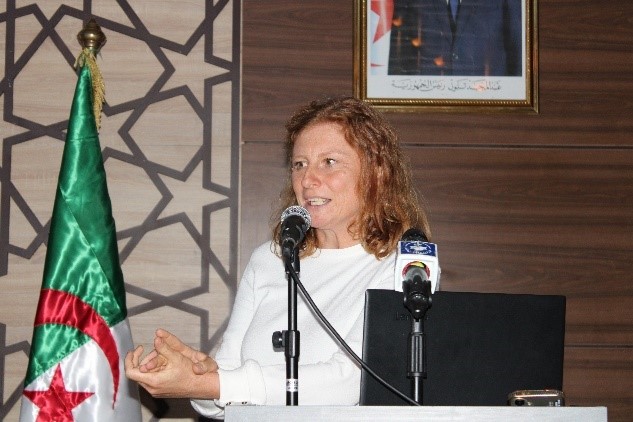
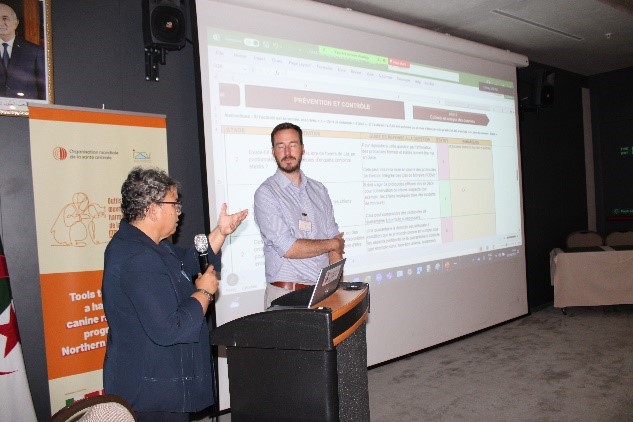
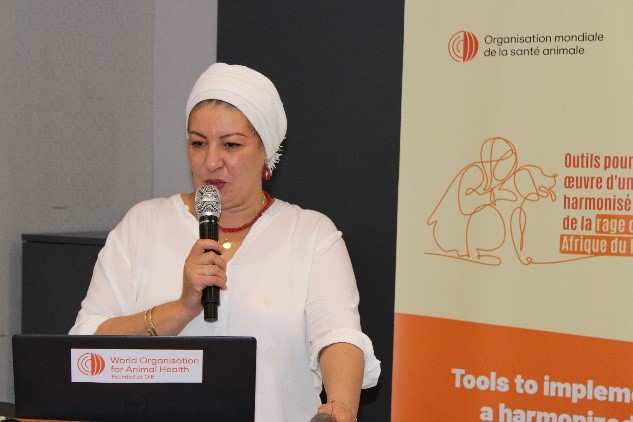
After the official opening, expertly organized by the local authorities of Médéa, the host city of the event, the morning featured a series of conferences: presentation of the project, showcasing the tools developed by WOAH to support countries in the fight against rabies, an overview of the national situation, prevention and post-exposure management, laboratory analyses, and an interactive debate allowing participants to exchange experiences, challenges, and solutions.
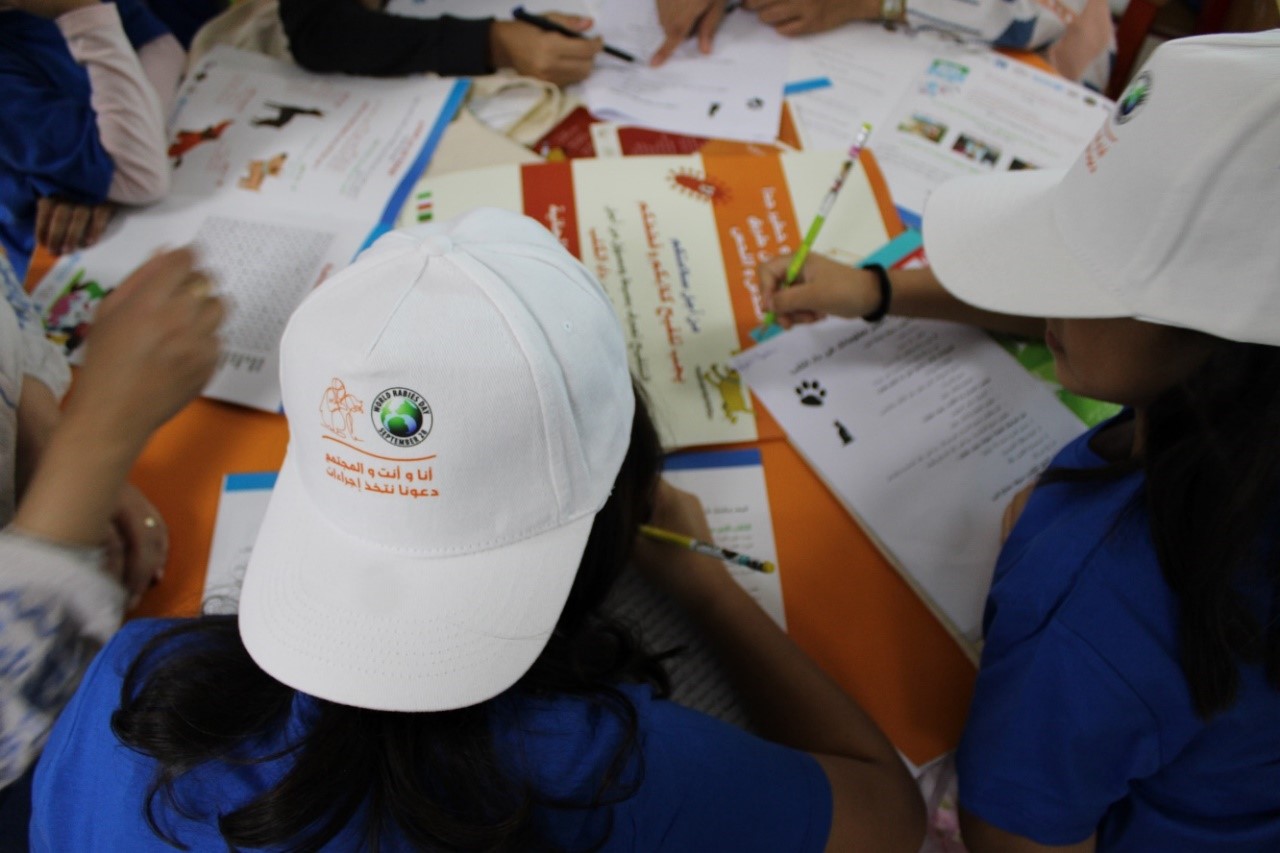
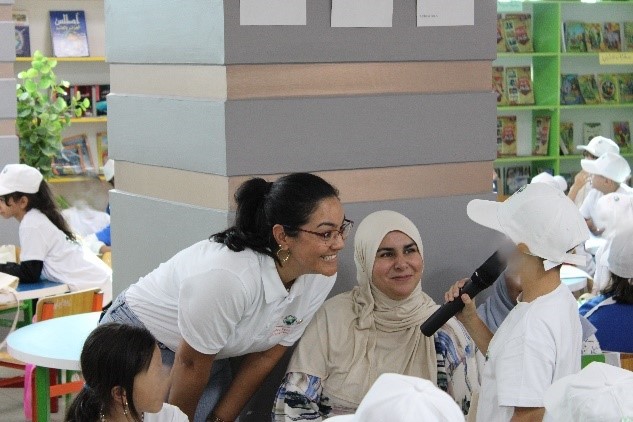
In the afternoon, the focus shifted to the youth. Over 70 students from local schools, caps on their heads and project tote bags in their hands, enthusiastically took part in a large awareness session. Curious and attentive, they learned about the dangers of rabies and essential safety measures. Through engaging activities, animated presentations, reading workshops, and interactive quizzes—the children became true ambassadors of prevention within their communities.