

FLICKR
Photo Album
Read more
The World Organisation for Animal Health (WOAH) joined the Pan-African PPR Secretariat (PAPS), hosted by the African Union – Inter-African Bureau of Animal Resources (AU-IBAR), and the Government of the Federal Democratic Republic of Ethiopia in convening a series of continental meetings aimed at strengthening the capacities of African countries in the planning, implementation and follow-up of national Peste des Petits Ruminants (PPR) eradication programmes.
The meetings brought together 88 delegates from 44 African countries (22 Anglophone and 22 Francophone), together with representatives from Regional Economic Communities (RECs), WOAH and technical partners to deliberate on improving the health of sheep and goats with a particular focus on Peste des Petits Ruminants (PPR). To facilitate targeted technical deliberations, encourage active engagement and promote ownership of the outcomes, the work was conducted through two regional workshops, scheduled around a Meeting of the Regional Advisory Groups (RAGs) to harmonise recommendations and strengthen African coordination towards the eradication of PPR.
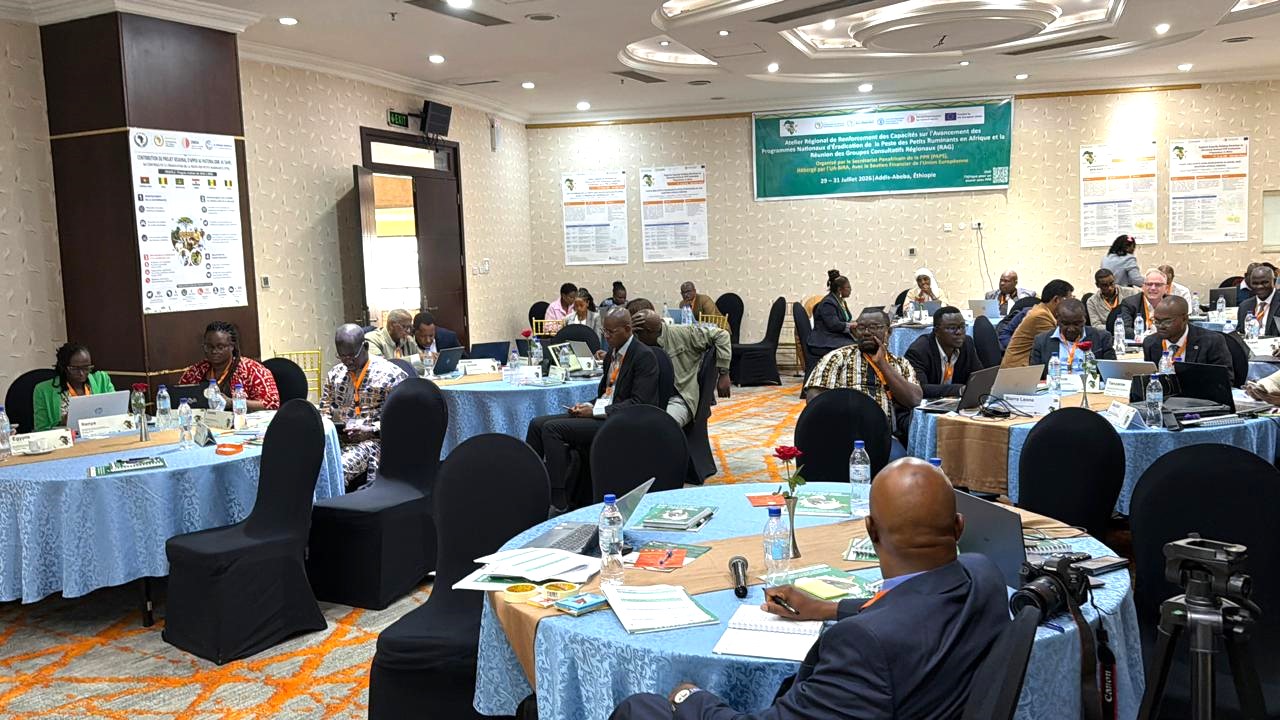
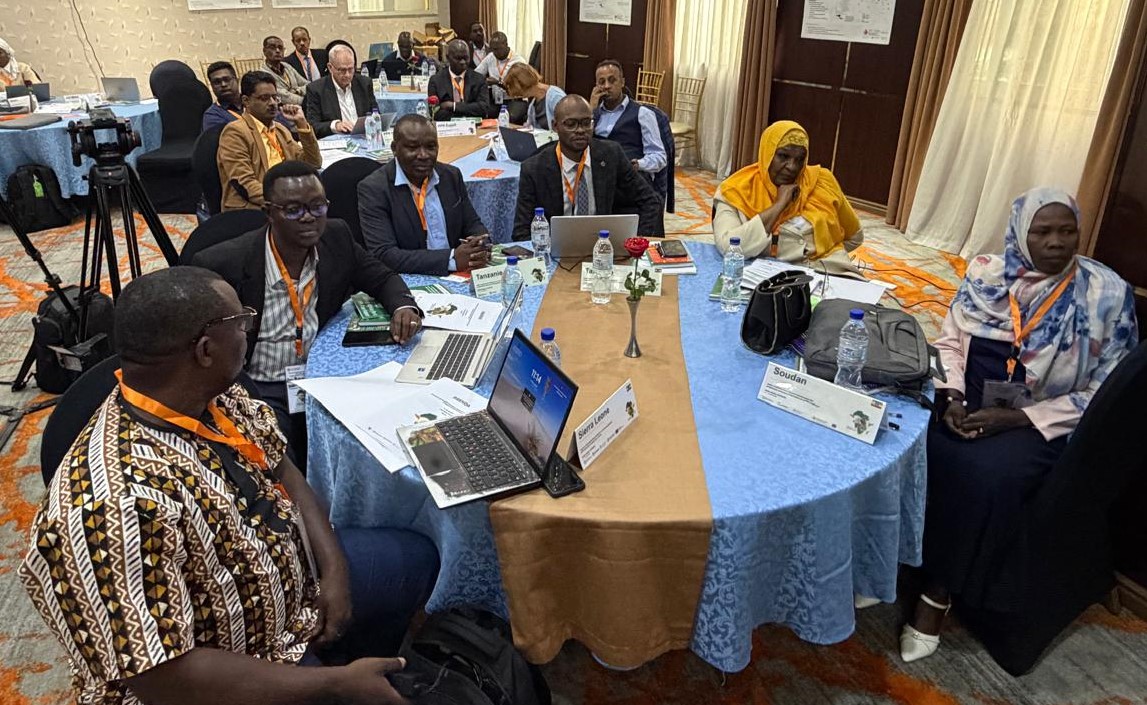
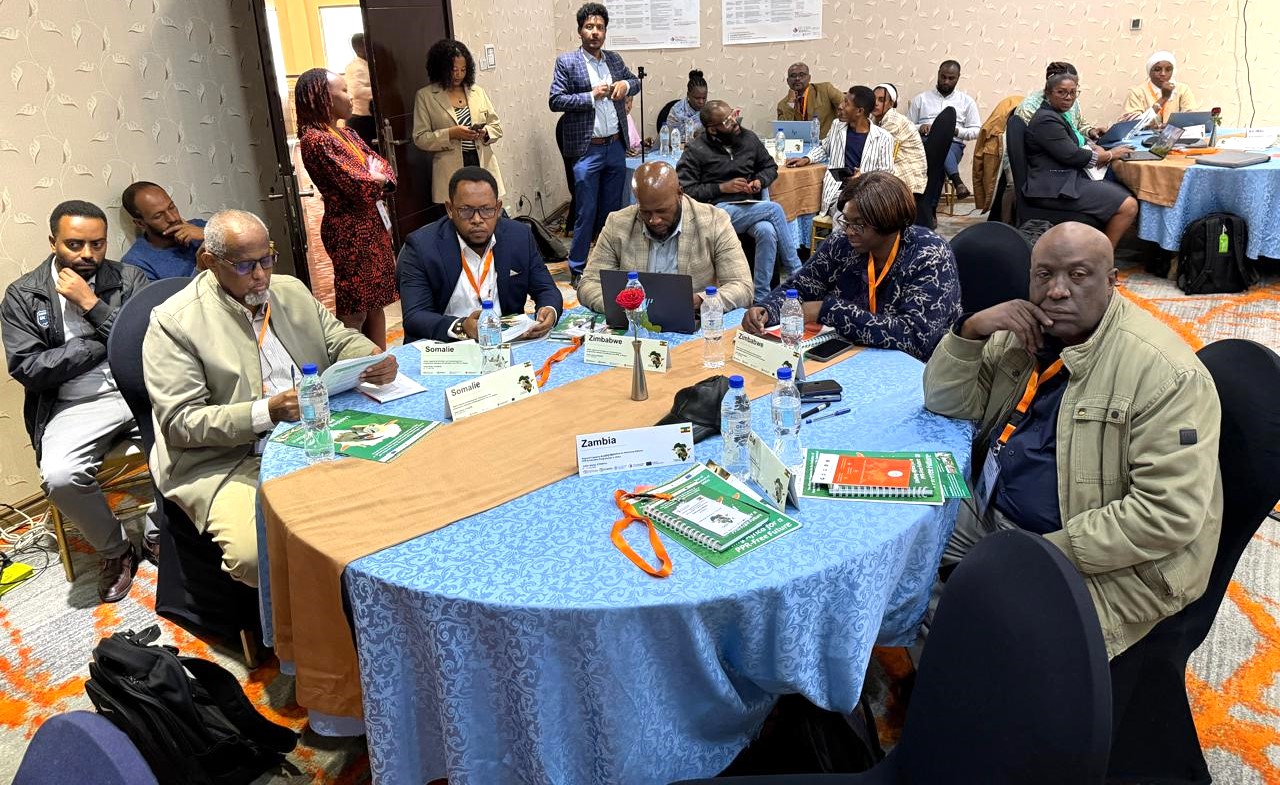
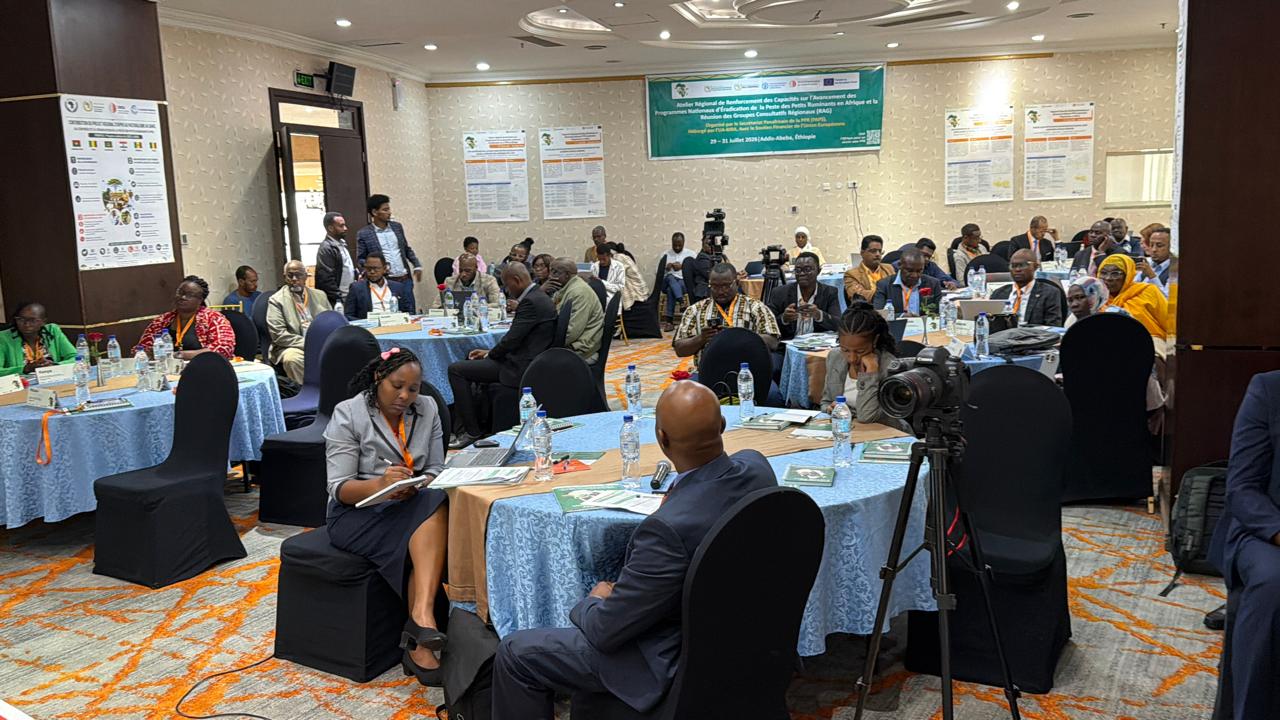
Partial Overview of Participants. Picture (c) au-ibar comms (2026)
Peste des Petits Ruminants or PPR remains one of the most destructive transboundary animal diseases affecting Africa. Primarily affecting sheep and goats, the disease continues to threaten the livelihoods of millions of smallholder farmers, food security and the development of regional trade.
As countries progress towards the global goal of PPR eradication, the meetings provided an important platform for accelerating the implementation of national programmes to meet WOAH requirements for official PPR-free status. They also served as a strategic opportunity to strengthen national capacities, improve programme governance and consolidate progress towards disease eradication.
.
Throughout the five-day meeting, participants discussed national programme planning along the PPR Monitoring and Assessment Tool (PMAT) pathway, the requirements of the WOAH Terrestrial Animal Health Code (TAHC), procedures for the official endorsement of national PPR control programmes and the recognition of PPR-free status, epidemiology, risk-based surveillance and vaccination, strengthening Veterinary Services, regional and cross-border cooperation, and the use of data and strategic communication to accelerate disease eradication.
The discussions strengthened Members’ understanding of the WOAH procedures and criteria for the endorsement of official PPR control programmes and recognition of PPR-free status. Participants also explored approaches to strengthen national action plans, improve surveillance and vaccination strategies, strengthen cross-border collaboration and develop clear roadmaps towards a PPR-free Africa.
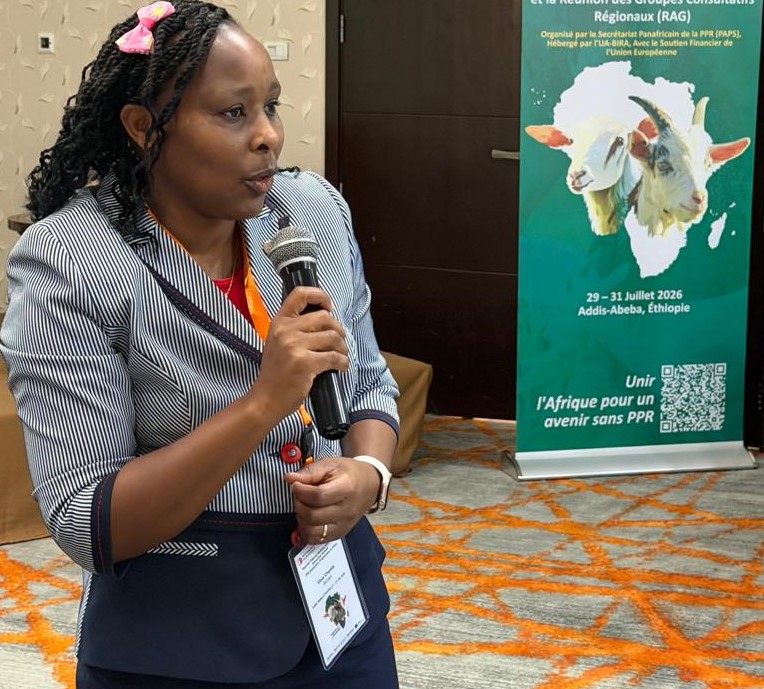
Viola Chemis, Regional Programmes Coordinator, WOAH, Picture (c) au-ibar comms (2026)
Partial Overview of Participants. Picture (c) au-ibar comms (2026)
As the continental coordination mechanism, PAPS continues to support Member States in implementing their national strategies, promoting the harmonisation of regional approaches and mobilising the partnerships required to achieve PPR eradication. Beyond the technical discussions, the initiative contributed to strengthening the resilience of livestock systems, improving food security and supporting the economic development of rural communities across the continent.
The Pan-African PPR Secretariat (PAPS) is the continental coordination mechanism for Africa’s efforts to eradicate Peste des Petits Ruminants. Hosted by AU-IBAR, it brings together key partner institutions—AU-IBAR, AU-PANVAC, FAO and WOAH—to support Member States in planning, implementing, monitoring and mobilizing the resources required to achieve the continental PPR eradication target.
The meetings were organized by the Pan-African PPR Secretariat (PAPS), hosted by AU-IBAR, with financial support from the European Union and WOAH, through the support of its partners.
Towards accelerating the eradication of Peste des Petits Ruminants (PPR) in Africa. Video (c) STV (2026)