

ANIMUSE
20% drop in antimicrobial use in animals marks major progress in the fight against AMR in Africa
September 18, 2025
Read more
The WOAH standards represent a comprehensive framework of policies and technical tools aimed at regulating antimicrobial use (AMU) and combating antimicrobial resistance (AMR) in the animal health sector. It functions as a guide for responsible antimicrobial practices, supports the development of national AMR policies, provides instruments for surveillance and monitoring, and outlines risk management strategies and coordination mechanisms aligned with the WOAH’s Strategy on AMR and the Prudent Use of Antimicrobials , aligned with the Global AMR Action Plan. To operationalise these global standards at the regional and national levels, WOAH has established dedicated support mechanisms through its Regional and Sub-Regional Representations.
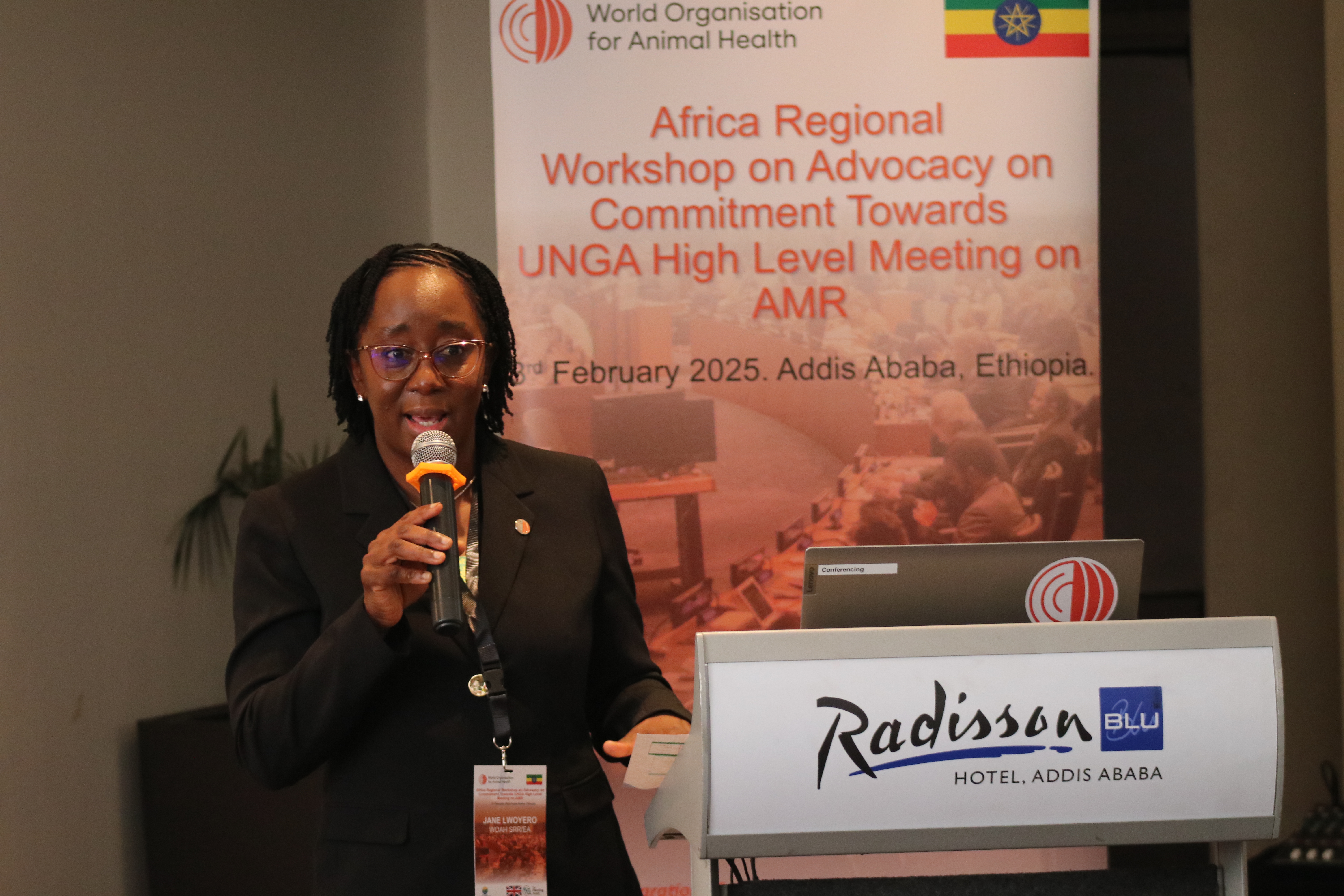
Addressing AMR requires a comprehensive and coordinated approach due to its multifaceted underlying factors. The WOAH standards serve as a critical global framework, providing authoritative guidance on animal health, Veterinary Services, and AMR management. The Regional and Sub-Regional Representations play an essential role in supporting WOAH Members (countries and territories) in implementing these international standards through context-appropriate technical assistance, South-South knowledge exchange, and resource mobilisation support and advancing significant political advocacy efforts, including initiatives related to UNGA2024. This support is delivered through the development of the next-generation workforce via training on WOAH Standards and Antimicrobial Stewardship, strengthening veterinary leadership, enhancing awareness of AMR and AMU as well as through fostering regional collaboration and promoting AMU data collection through surveillance to enable evidence-based policy formulation.
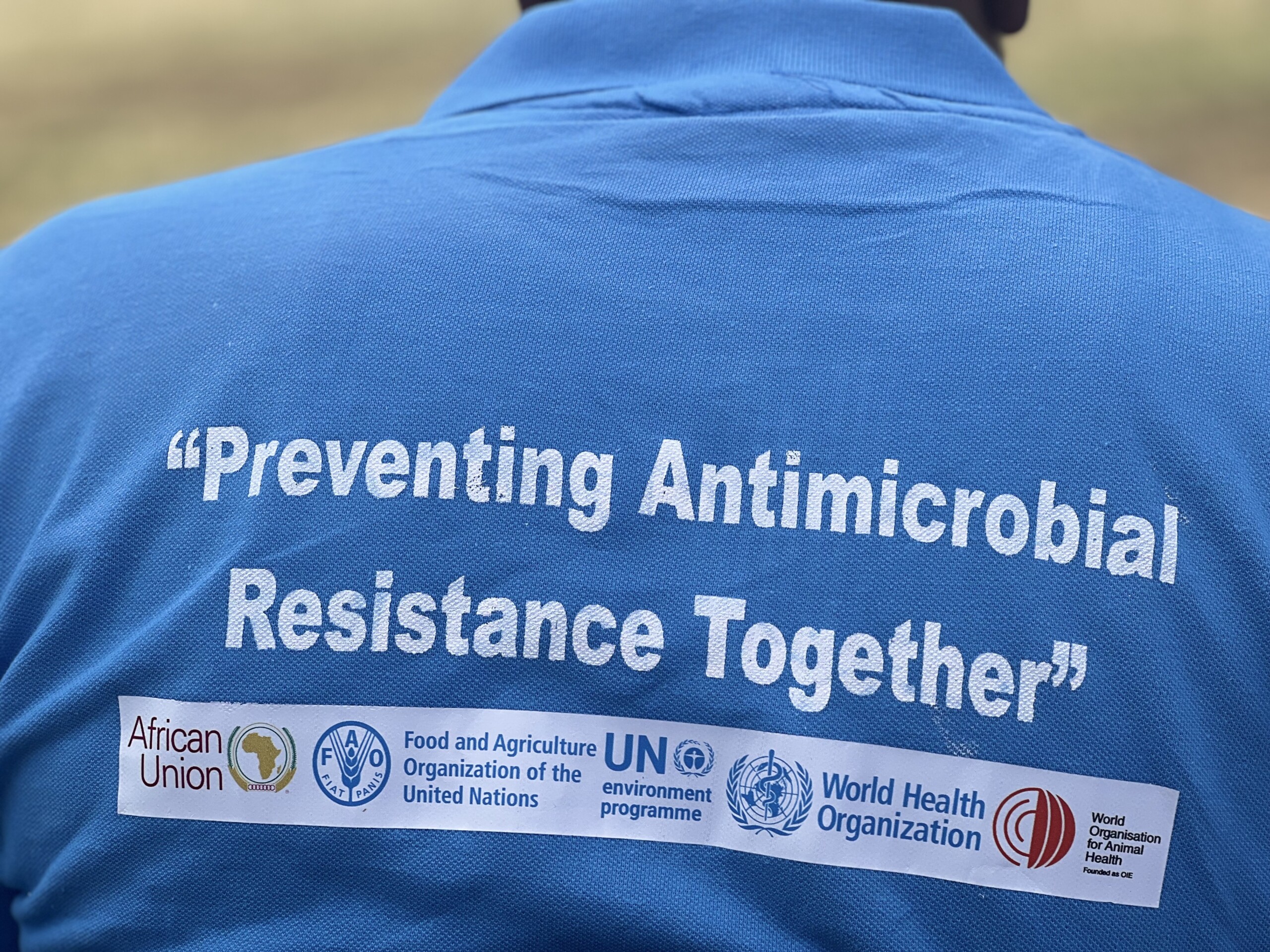
WAAW Campaign (2023) T-shirt (Zimbabwe). Picture (c) L. Iyadi (woah) 2023.
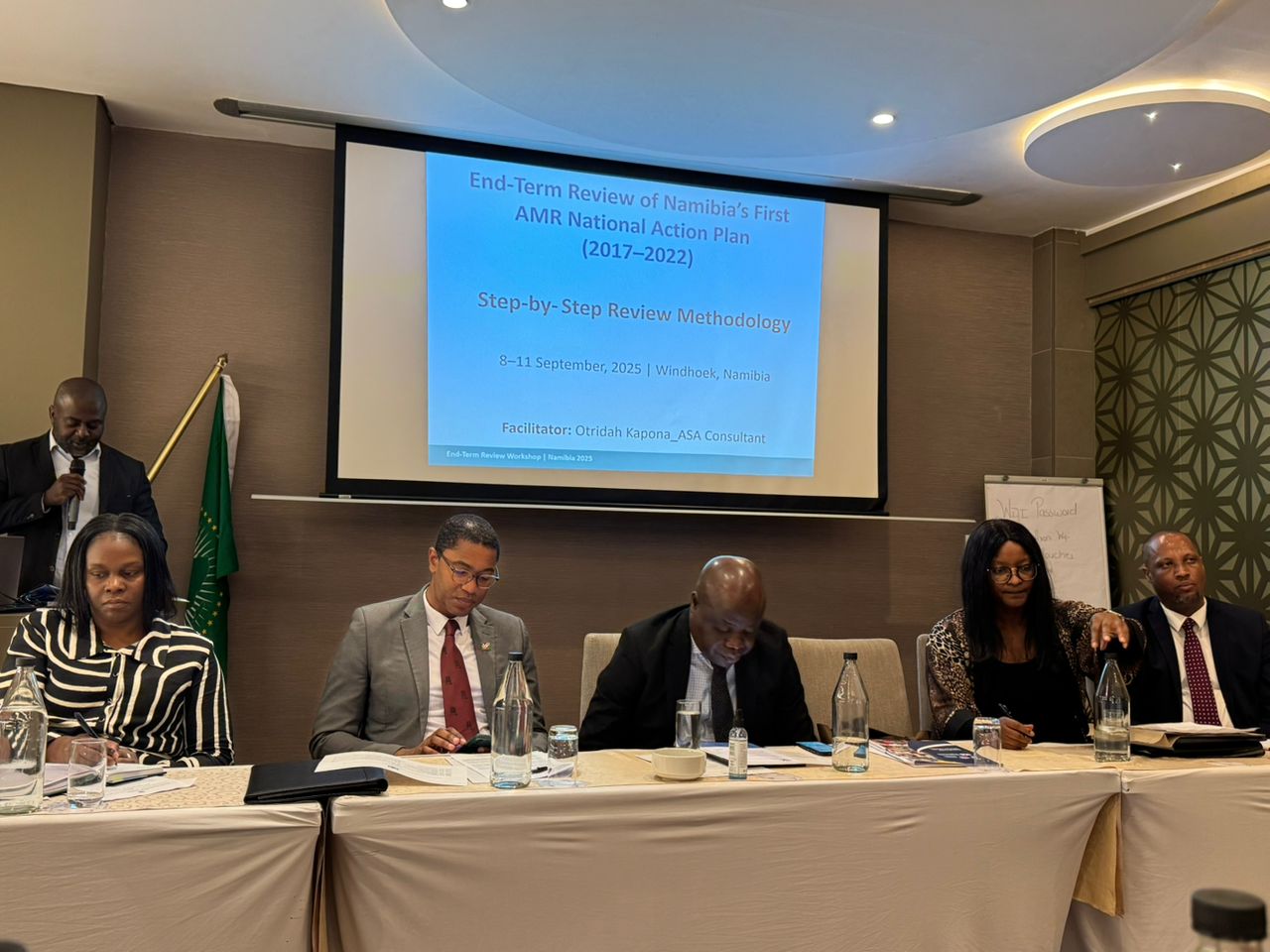
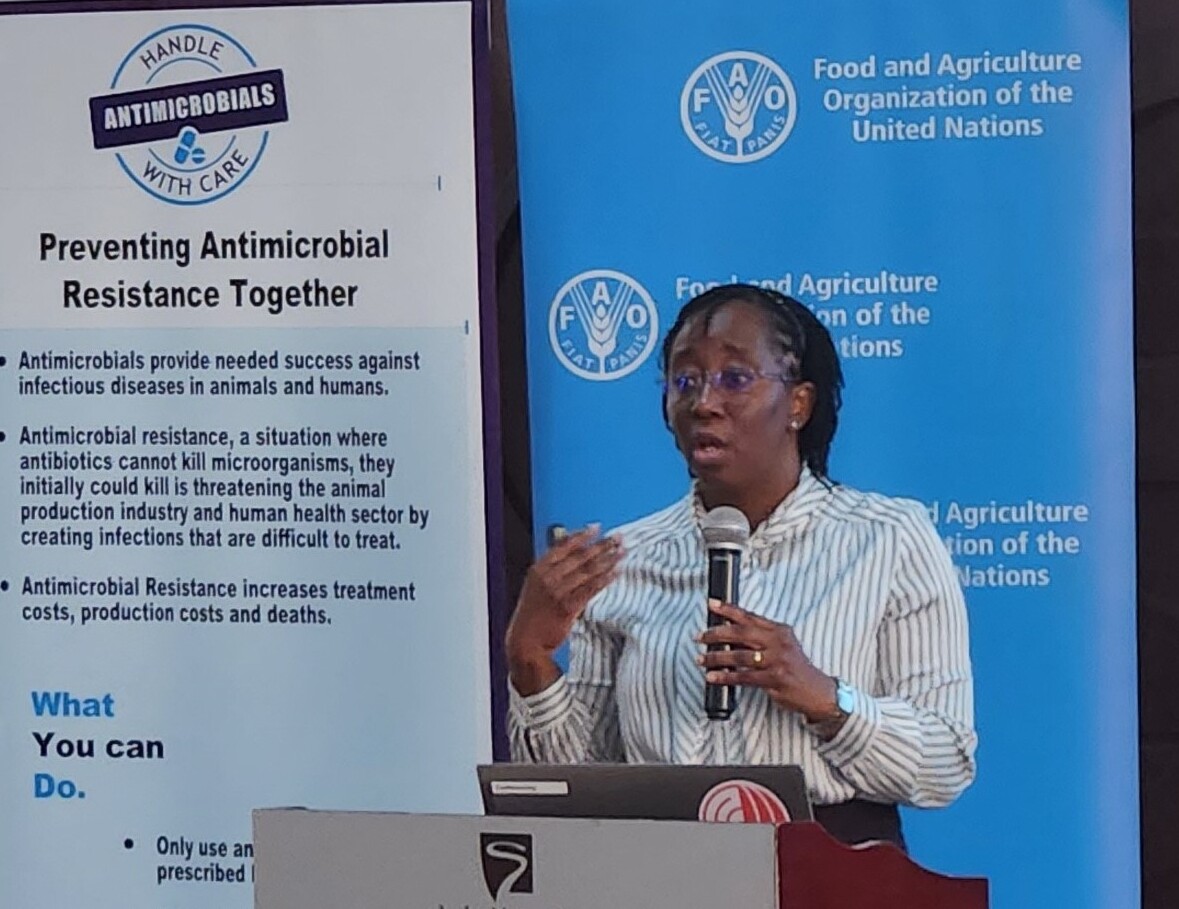
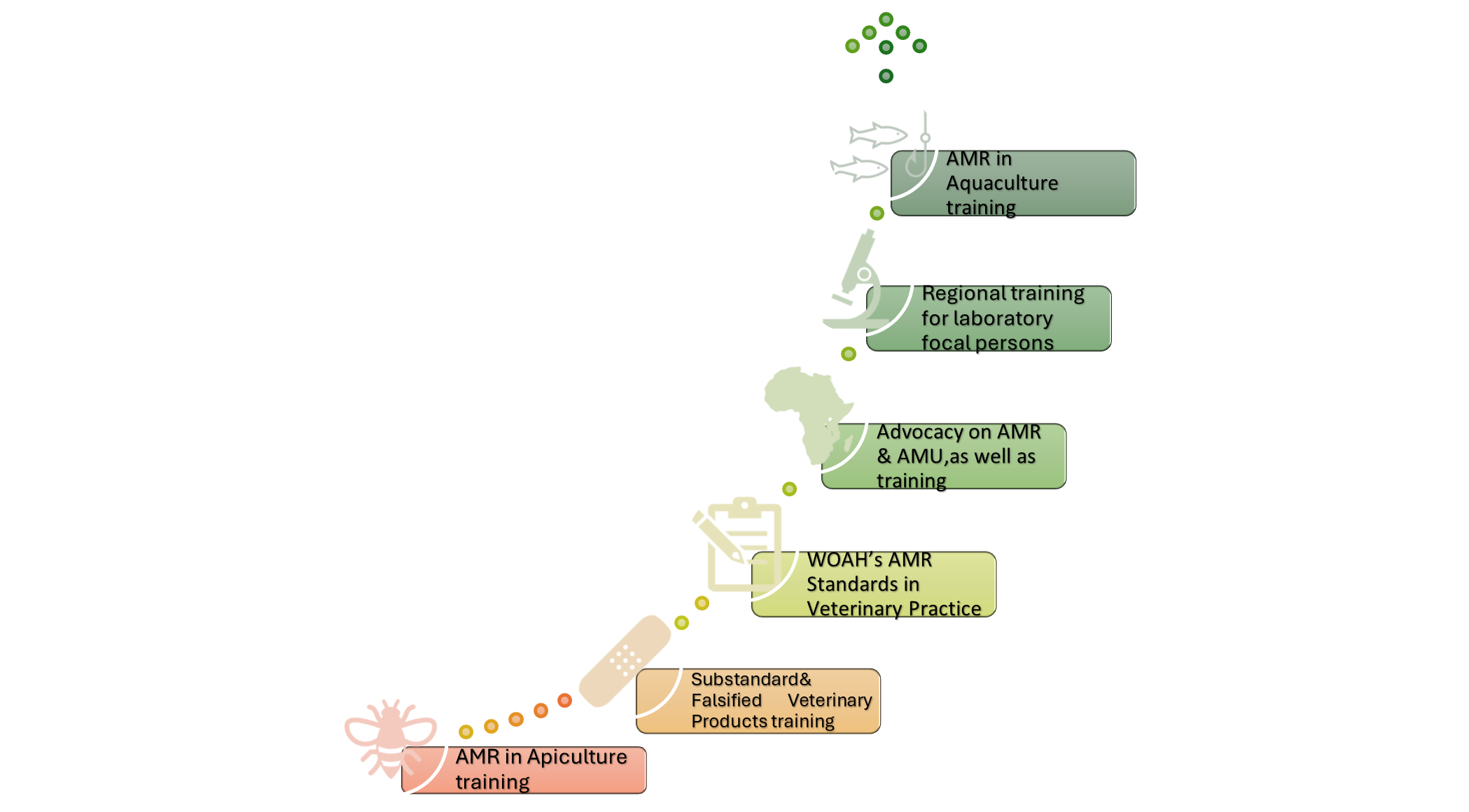
To this end, WOAH Regional and Sub-Regional Representations have conducted several cycles of training, including regional training on AMR targeting WOAH Focal Points for aquatic animal health and for veterinary laboratories (implemented by other department), now in their fourth and third cycles, respectively. Additionally, the first cycle included regional training on AMR in apiculture as well as training on substandard and falsified veterinary products. Furthermore, extensive support is provided for the implementation of National Action Plans (NAP) on AMR. Additionally, the WOAH Representations support initiatives aimed at raising awareness during global international events such as the World AMR Awareness Week (WAAW) and World Food Safety Day.
Figure 1 Illustrates the integrated approach to capacity strengthening, showing how training, surveillance, stewardship, and policy support activities are sequenced and interconnected to build sustainable national AMR systems.
It is essential to prioritise the enhancement of policies and the regulatory harmonisation or convergence when it comes to AMU, strengthen governance within Veterinary Services, establish mechanisms for coordination across ministries, and advance data management in conjunction with information-sharing systems and the strengthening of laboratory capabilities.
.
The formulation of a national AMR Action Plan as part of One Health national strategy, supported by an effective coordination platform is critical. Efforts must be concentrated on harmonising and strengthening national AMR and AMU surveillance systems and reporting AMU data through ANIMUSE to support evidence-based policy development grounded in data analysis. Furthermore, it is imperative to develop comprehensive national antimicrobial stewardship guidelines that encompass the human, animal, and agricultural sectors regarding AMU. The adoption of the WOAH List of Antimicrobial Agents of Veterinary Importance, aligned with the WHO AWaRe categorisation, should be pursued alongside the establishment of robust measuring compliance through monitoring and evaluation frameworks.
ANIMUSE assists countries in the surveillance of AMU within the livestock and aquaculture sectors. This international digital platform provides an overview of patterns and trends of AMU for data driven decision-support through harmonisation of national legislation with WOAH standards by enhancing national AMR action plans, advancing regulatory frameworks pertaining to veterinary antimicrobial products and incorporating AMU monitoring into national animal health systems. The data generated will support a comprehensive global understanding of AMU patterns and trends in animals, thereby contributing to the worldwide response to AMR.
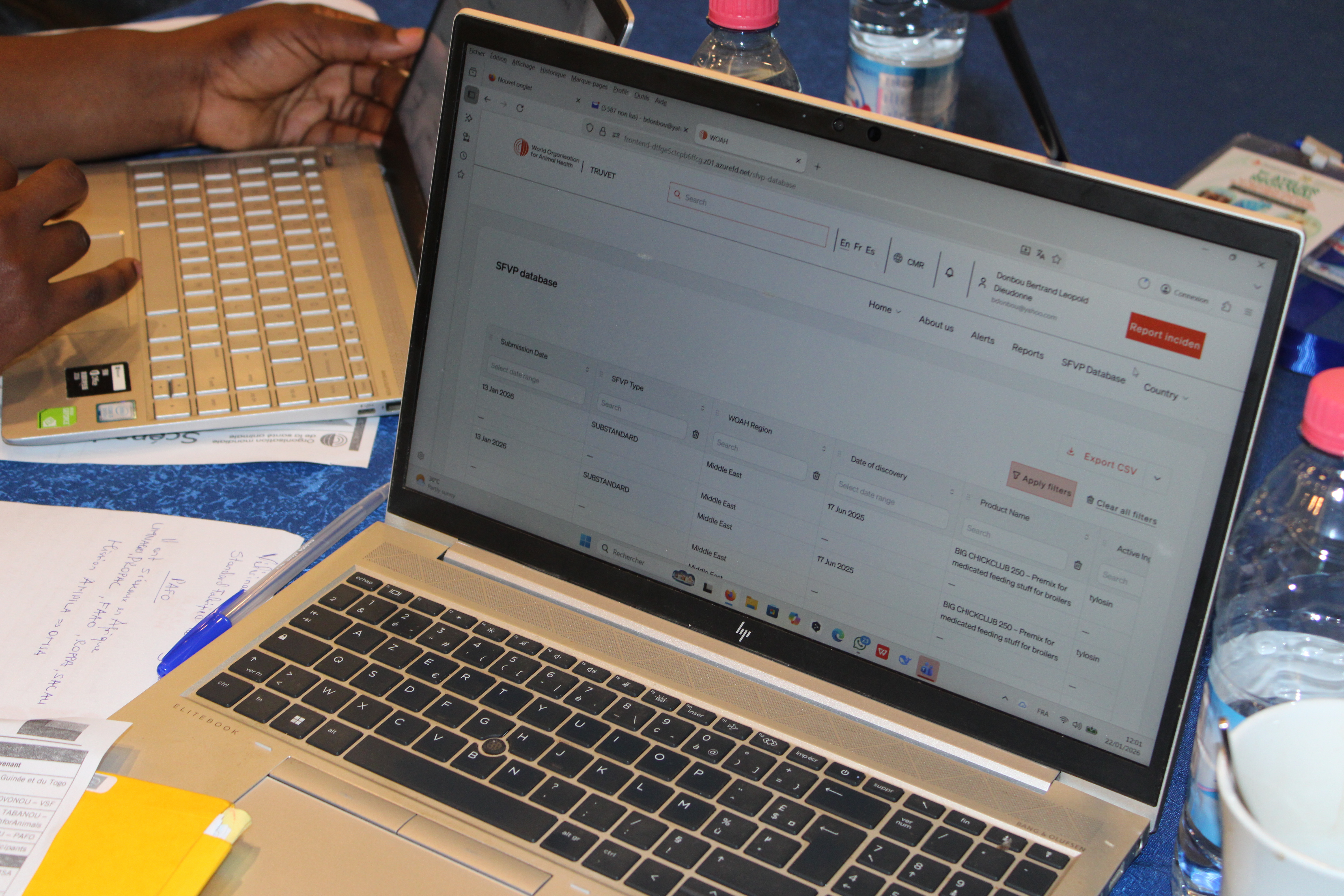
WOAH is intensifying global initiatives to combat Substandard and Falsified Veterinary Products (SFVPs), a significant yet frequently underestimated contributor to AMR. Through its dedicated SFVP programme, WOAH assists its Members in identifying and reporting suspicious veterinary medicinal products present in both domestic and cross-border markets.
The VSAFE pilot system was established as an international surveillance and notification platform, enabling Member countries and territories to report suspected products. Building on insights gained from the VSAFE pilot, WOAH is preparing to launch TRUVET (Track and Report Unsafe Veterinary Products), an advanced digital platform tailored specifically for the veterinary sector. TRUVET will strengthen global monitoring capabilities, enable rapid alert dissemination among Members and reinforce coordinated efforts to eliminate unsafe products from circulation.
The Regional and Sub-Regional Representations stands ready to support Members through targeted capacity building, technical assistance, and regional collaboration platforms. Member countries and territories are urged to:
The time for action is now ! By aligning national systems with WOAH standards and leveraging regional support mechanisms, African countries can lead the global fight against AMR while safeguarding animal health, protecting livelihoods, and ensuring sustainable food systems for future generations