
HeSP
Health Security Programme (West and Central Africa)
Read more
It recognizes that the health of humans, animals and ecosystems at large is interdependent and interconnected.
The 3 November of every year, One Health advocates and practitioners around the world come together to highlight that the health of people, animals and the environment is interconnected. Addressing zoonotic diseases, antimicrobial resistance and food safety means working across sectors and borders., and many other areas needing to be addressed using One Health thinking, action and decision making for the benefit of all.
This day draws attention to a simple but important reality: the health of people, animals and the environment is deeply interconnected and recognises the value of working across disciplines and borders.
At the global level, this approach is advanced through the Quadripartite, a partnership between the World Organisation for Animal Health (WOAH), the Food and Agriculture Organization of the United Nations (FAO), the World Health Organization (WHO) and the United Nations Environment Programme (UNEP). The World Organisation for Animal Health plays a critical part in ensuring that animal health is recognised as an essential part of the wider health agenda.
This One Health Day, WOAH is highlighting its contribution towards collaborative efforts in advancing One Health across Africa. The Health Security Programme (HeSP) for West and Central Africa, financed by the World Bank and implemented by the West African Health Organization (WAHO), brings together regional and national partners to strengthen health security. The programme has four main components:
As part of this programme, WOAH provides technical assistance to the West African Health Organisation (WAHO) for the implementation of animal health activities through components 1, 2, and 4.
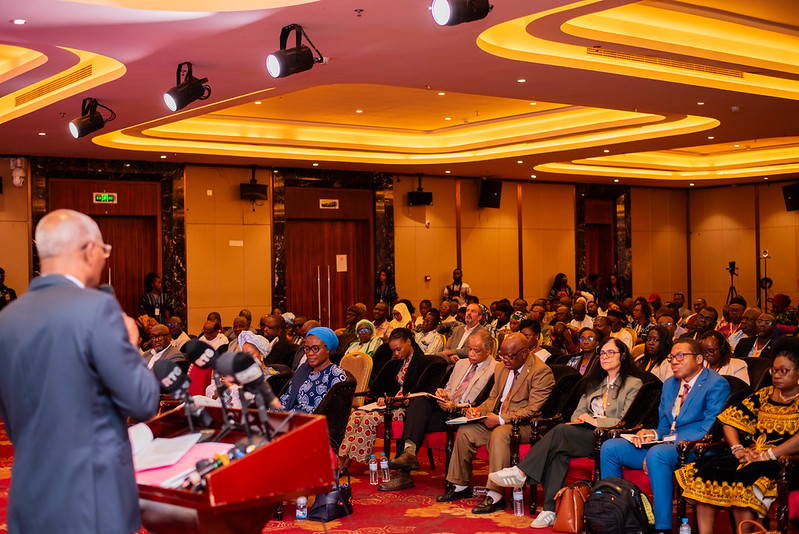
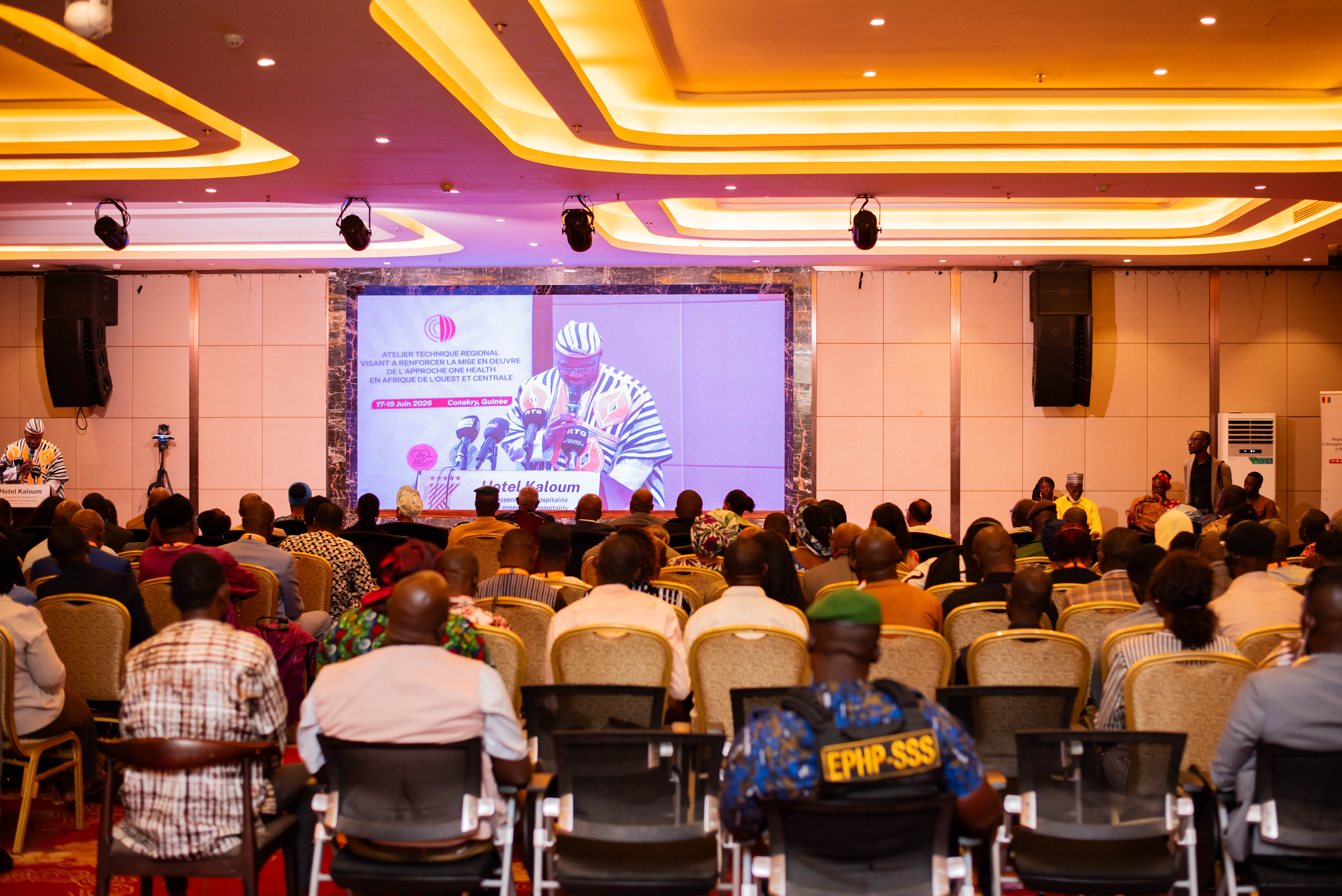
Strengthening One Health Implementation in West & Central Africa Quadripartite Regional Technical Workshop (WOAH, FAO, UNEP, WHO). Conakry, Guinea | June 2026. © WOAH Communications 2026
Effective One Health implementation requires more than bringing sectors together, It demands clear governance arrangements, sustained political commitment, shared priorities, coordinated surveillance and sustainable investment. Strong national platforms provide a foundation for joint decision-making. The Health Security Programme has supported efforts in strengthening institutional capacity and multisectoral collaboration across the national one health platforms for countries in 18 West and Central Africa, supporting them to translate the One Health approach into coordinated action. ».
As Africa advances towards a safer and healthier future, strengthening national One Health platforms and regional cooperation remains a critical step towards protecting human, animal and environmental health through coordinated, country-led action.
Renforcement de la mise en œuvre de l'approche « Une Seule Santé » en Afrique de l'Ouest et du Centre: Atelier technique régional quadripartite (OMSA, FAO, PNUE, OMS). Conakry, Guinée | Juin 2026. © Communications (omsa) 2026
In November 2025, Cabo Verde conducted its IHR-PVS (International Health Regulation – Performance of Veterinary Services) National Bridging Workshop (NBW), under the framework of the HeSP alongside national authorities. The workshop brought together participants from veterinary services, public health and other critical health sectors to strengthen collaboration on prevention, detection and response to health threats at the animal-human-environmental interface.
Leveraging the International health assessments i.e. Joint External Evaluation (JEE) and Performance of Veterinary Services (PVS) participants explored the synergies in gaps and recommendations in the national assessments and worked on a joint national roadmap hinged on the One Health approach. Cabo Verde, became one of the 70 countries globally to conduct the NBW formalising national multisectoral cohesion across the human, animal and environmental health sectors.
By holding the NBW, Cabo Verde joined a growing international movement, committed to operationalising the One Health approach, reinforcing its commitment to protecting the health of animals, people and ecosystems, while contributing to regional and global One Health goals.
Rabies remains a public health concern across Africa, causing deaths that could be prevented with effective vaccinations. The burden is often greatest in communities where access to post-exposure care is limited. Majority of human rabies cases are dog-mediated, therefore, sustained dog vaccination is central to the goal of eliminating dog-mediated human rabies by 2030.
In Guinea, the focus now is on building on recent progress by sustaining and expanding these efforts. This means extending vaccination beyond the capital to communities that are harder to reach, while continuing to raise public awareness and strengthen collaboration between veterinary and human health services. HeSP is part of this effort. Through partnerships between government, WOAH, Mission Rabies and the World Bank, HeSP supports mass dog vaccination, contributing to the collaborative approach needed to protect both animals and humans.
Control of zoonotic diseases takes multisectoral effort, which must be backed up by strong laboratory systems to ensure routine surveillance. Through WOAH’s Laboratory Twinning Programme, the Laboratoire Central Vétérinaire de Diagnostic in Conakry, Guinea, is partnering with the Canadian Food Inspection Agency (CFIA) Laboratory to strengthen the national avian influenza diagnostic capacity, supporting earlier detection of this zoonotic disease and enhancing animal and public health preparedness in Guinea.
Through a structured 3 –year partnership, the parent laboratory (CFIA Canada) will provide technical support to Guinea through training, knowledge transfer and quality management. By fostering long-term collaboration and sustainable capacity development, WOAH Laboratory Twinning enhances national and regional diagnostic capabilities, strengthens disease surveillance and reporting, and contributes to global health security through a One Health approach.
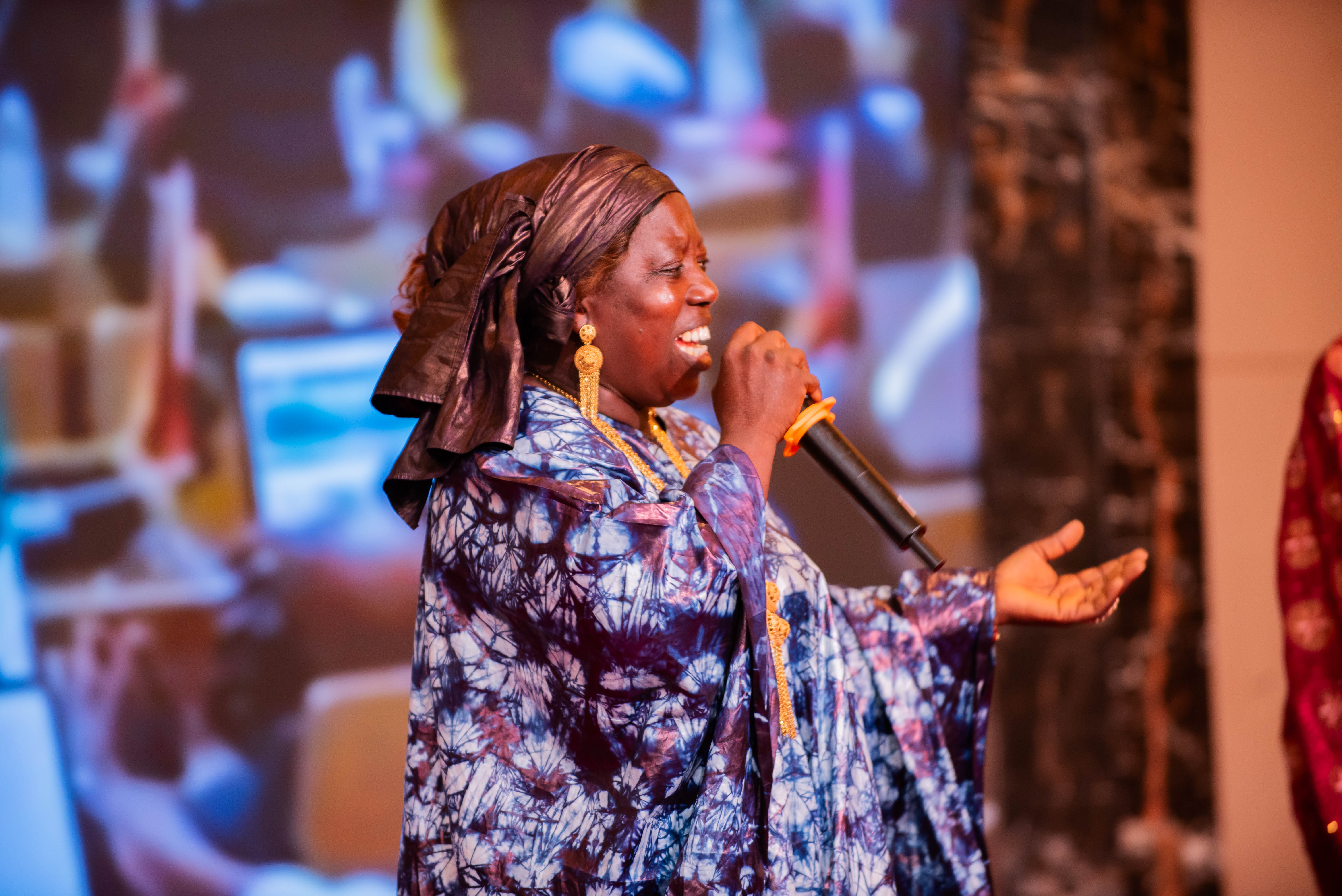
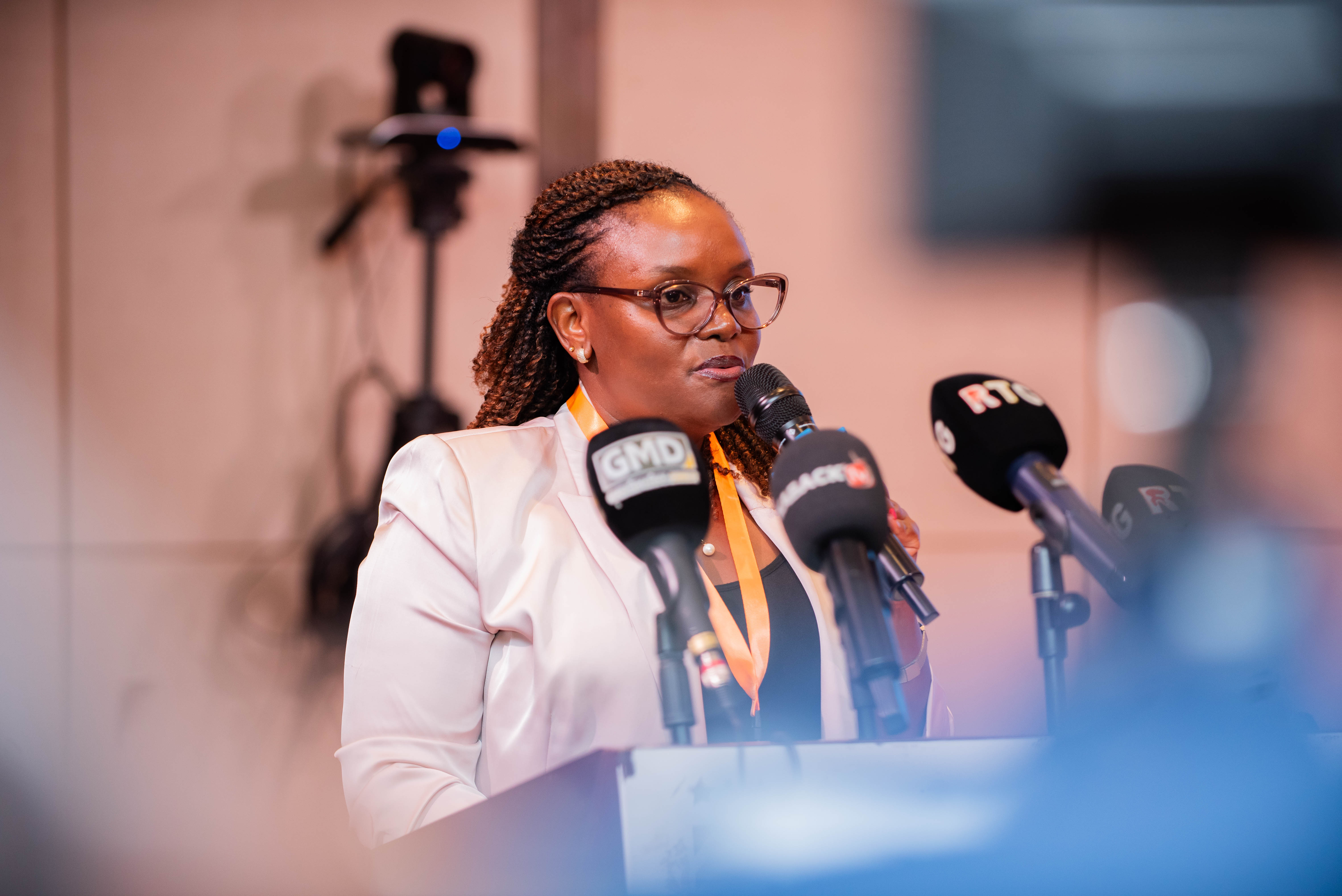
Strengthening One Health Implementation in West & Central Africa Quadripartite Regional Technical Workshop (WOAH, FAO, UNEP, WHO). Conakry, Guinea | June 2026. © WOAH Communications 2026
The Performance of Veterinary Services (PVS) Pathway empowers national Veterinary Services and Aquatic Animal Health Services by providing them with an extensive understanding of their strengths and weaknesses using a globally consistent methodology based on WOAH international standards on animal health and welfare. It provides a useful external perspective that can reveal gaps, inefficiencies and opportunities for innovation. Several key missions were conducted to support the strengthening of Veterinary Services and their contribution to global health security.
In 2025, Veterinary Legislation Support Programme (VLSP) missions were carried out in Guinea and Liberia. In 2026, a PVS Follow-up mission was conducted in Nigeria, alongside a PVS Gap Analysis mission in Cabo Verde. These activities provided opportunities to assess national Veterinary Services, identify strengths and areas requiring improvement, and support the development of targeted actions to enhance their performance and sustainability. Overall, PVS activities play a vital role in global health security by strengthening veterinary capacities, improving the prevention, early detection and control of animal diseases, including zoonoses, and promoting effective coordination between animal and human health sectors.
Through the systematic assessment and continuous improvement of Veterinary Services, the PVS Pathway contributes to more resilient national health systems and reinforces countries’ preparedness for and response to emerging health threats, in line with the One Health approach.
