

FLICKR
PHOTO ALBUM
Read more
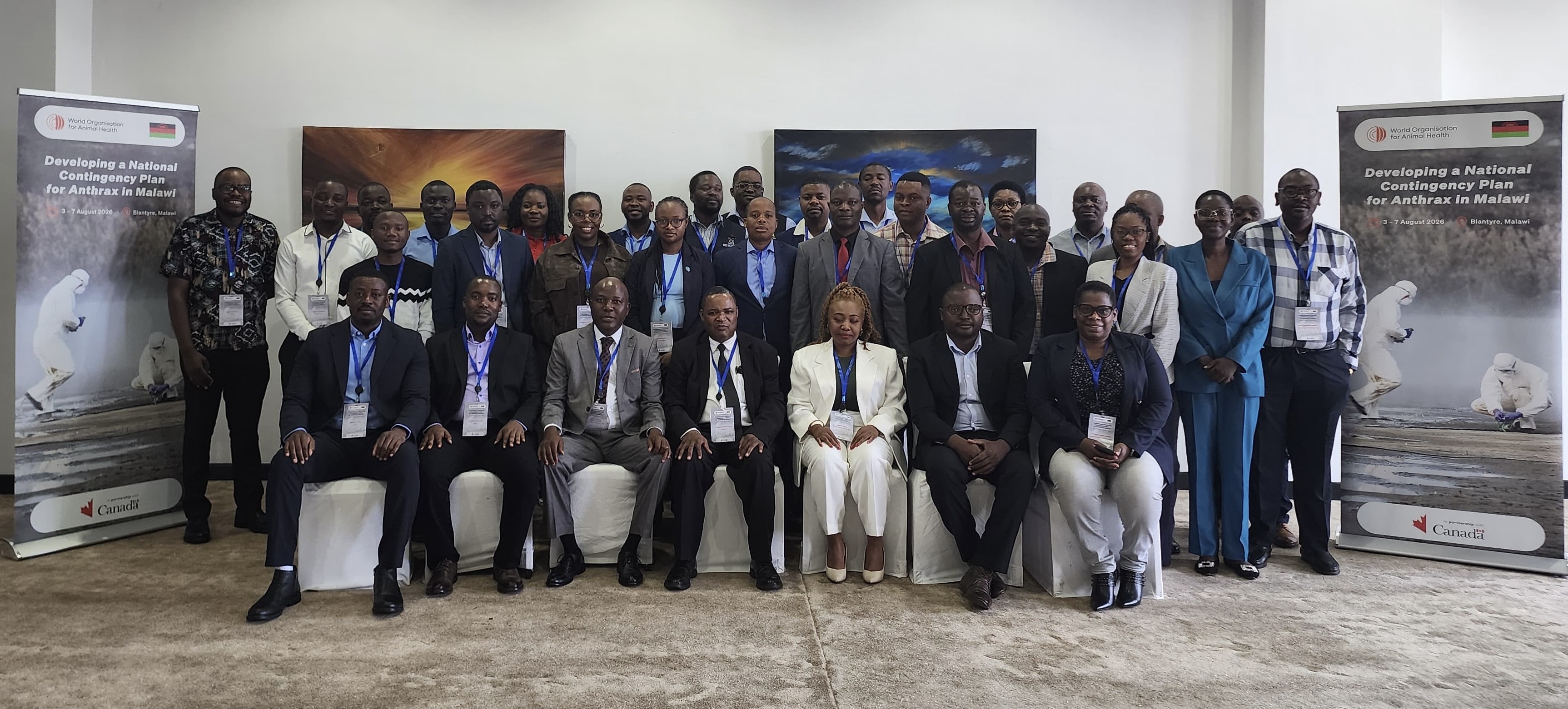
Malawi’s Department of Animal Health and Livestock Development (DAHLD) with the support of WOAH, convened a five-day drafting workshop for the country’s first National Anthrax Contingency Plan (NACP). Held in Blantyre from 3 to 7 August 2026, the workshop brought together around 30 representatives of the Ministry of Health, the Ministry of Agriculture, the Ministry of Natural Resources and Climate Change, law enforcement, academia, communications, and local government councils and districts, to produce the plan’s first full draft under a One Health security approach spanning natural, accidental and deliberate biological events.
Anthrax has a documented history in Malawi, with a wildlife outbreak recorded from October 2018 and a suspected human case recorded in late 2023, alongside recurrent outbreaks in neighbouring Zambia that underscore the disease’s cross-border dimension. A situational analysis conducted in Phalombe, Machinga and Zomba districts ahead of the workshop found that multisectoral coordination during past outbreaks had remained largely reactive, that community awareness of the disease was low, and that response logistics, from specialised transport to personal protective equipment, remained a persistent constraint. These findings, together with anthrax’s inclusion among Malawi’s newly prioritised zoonotic diseases, underpinned the case for a dedicated, operational contingency plan.
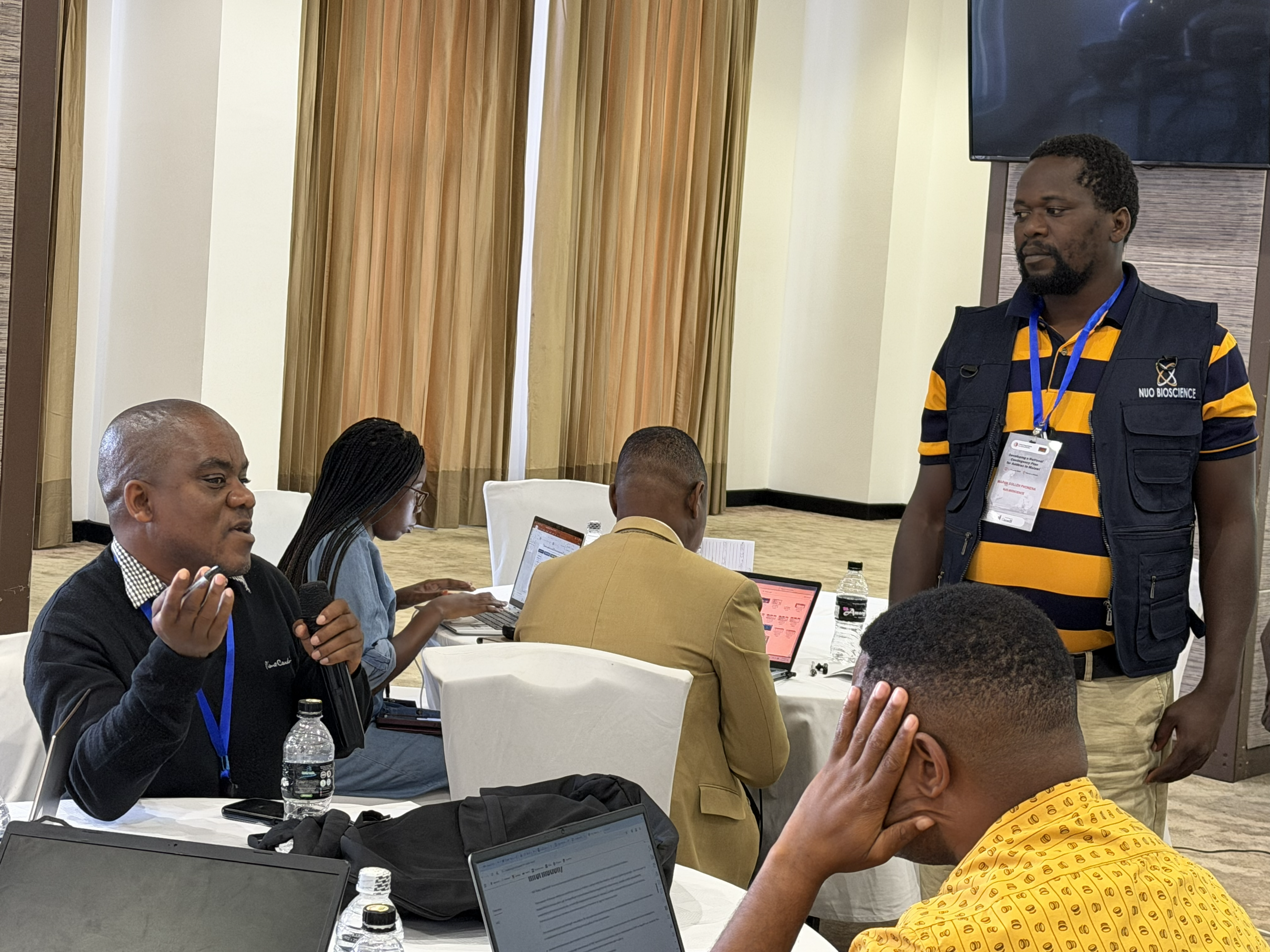
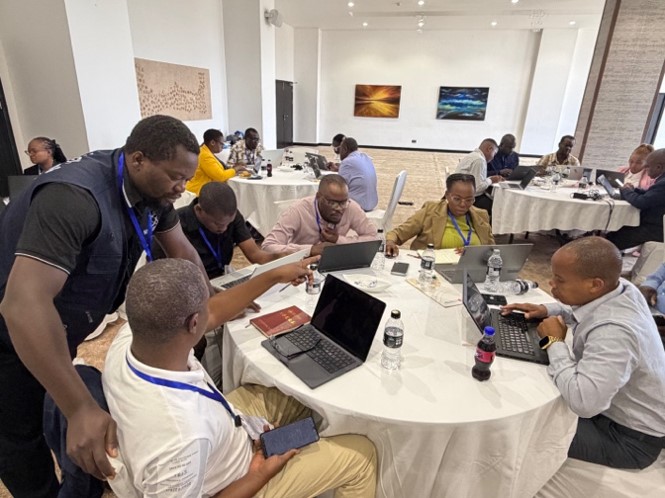
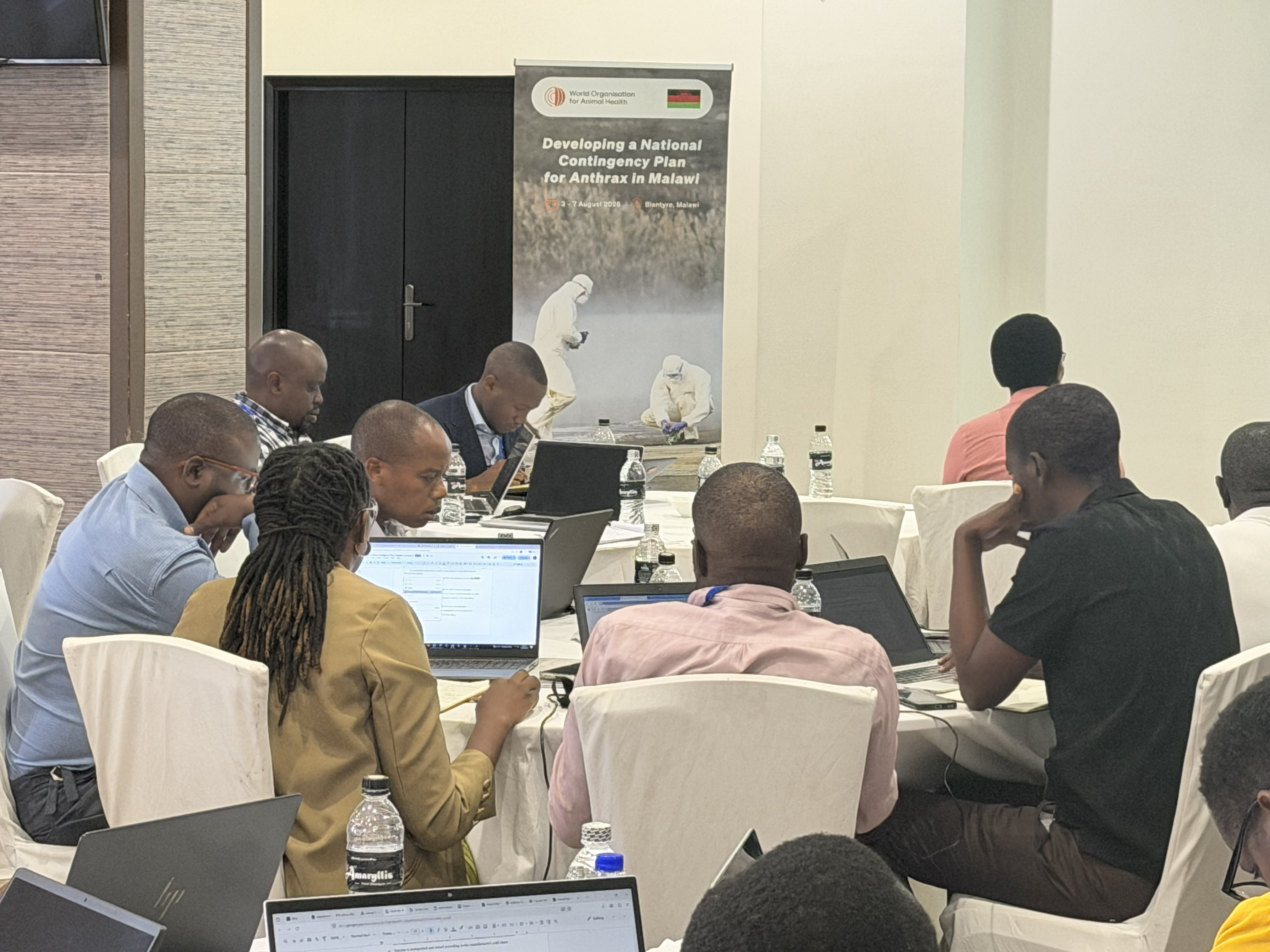
Working groups, facilitated by the Nuo Bioscience technical team, draft sections of Malawi's National Anthrax Contingency Plan. Blantyre, August 2026. © N. Atama/WOAH.
The workshop was officially opened by Dr Julius L. Chiwanga-Chulu, Director of Veterinary Services (DVS) and WOAH Delegate for Malawi, who stressed the interconnectedness of the animal, human, wildlife and security sectors represented in the room and underlined that the plan must be practical and genuinely implemented rather than a shelf document. He also acknowledged WOAH’s support through the Fortifying Institutional Resilience Against Biological Threats(FIRABioT) Project, under which the workshop was convened, and stressed the importance of anchoring the plan in Malawi’s own operational realities. Over five days, technical working groups drafted the plan chapter by chapter, covering governance and legal authority, risk mapping, detection and surveillance, laboratory confirmation, response operations, and end-of-outbreak recovery. Participants incorporated best practices, and worked through detailed technical protocols for carcass management, movement control, ring vaccination, risk communication and handling of suspicious events
By the close of the workshop, all sections had been consolidated into a single draft National Anthrax Contingency Plan, structured around the full emergency management cycle: prevention and preparedness, detection, and response and recovery. Following this workshop, the draft NACP will be shared with the relevant national and international stakeholders for feedback ahead of a validation workshop scheduled for 21 to 23 September 2026 in Lilongwe. Once validated, the plan will be submitted for formal government endorsement and disseminated nationally, from central to district and community level.
This drafting workshop was carried out as part of Malawi’s activities as a beneficiary of the FIRABioT Project, funded by Global Affairs Canada’s Weapons Threat Reduction Programme in support of the Global Partnership’s Signature Initiative to Mitigate Biological Threats in Africa (SIMBA).