
FLICKR
Photo Album
Read more
Madagascar’s Veterinary Services laboratory network, including the National Veterinary Diagnostic Laboratory (Laboratoire National de Diagnostic Vétérinaire, LNDV), conducts animal health and zoonotic disease diagnostics and disease surveillance. In recent years, several assessments have evaluated the laboratory biosafety and biosecurity practices, such as the WOAH PVS Follow-up Mission (2024) and the PVS Gap Analysis (2025).
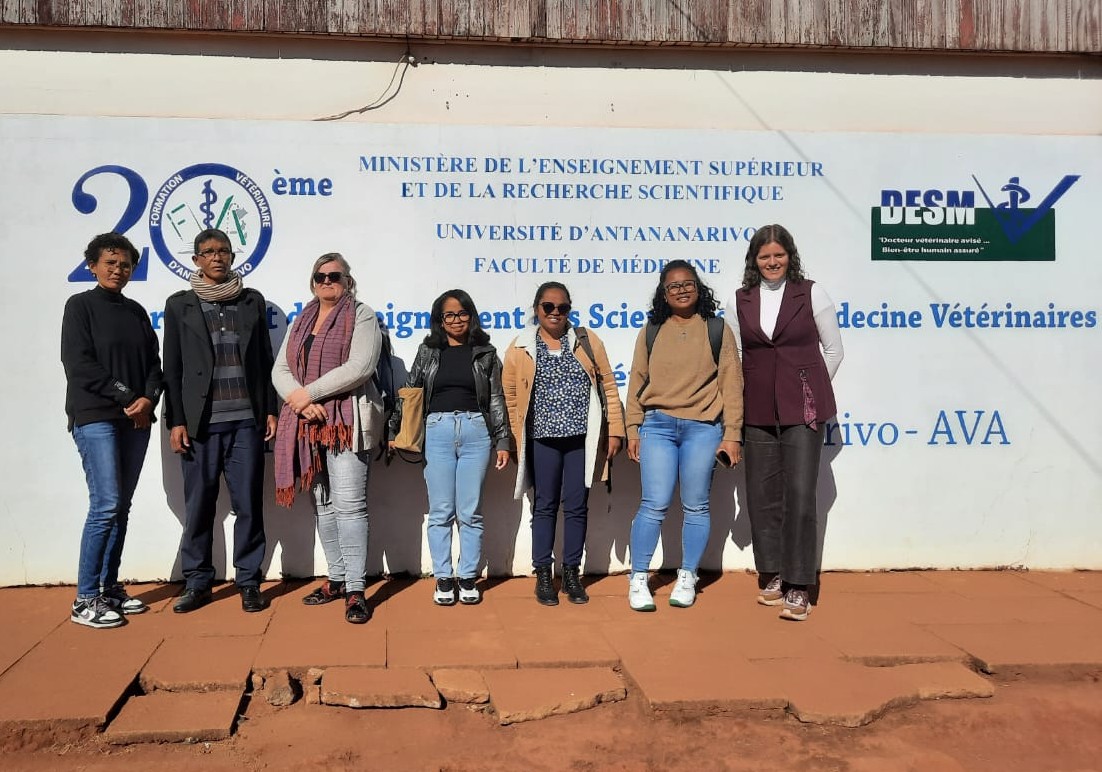
Group picture of the trained national experts following the biological risk assessment of the Department of Veterinary Sciences and Medicine (DESMV), University of Antananarivo. Dr Hajatiana Rakotoarimanana, Head of DESMV (second from the left) and Gaelle Ollivier Gouagna, biosafety and biosecurity expert IQLS (third to the left). Picture © E. Wijers (woah) 2026.
These assessments identified several recurring challenges, including gaps in biological waste management, underutilised equipment, and inconsistently implemented of standard operating procedures (SOPs).
Recognising these challenges, Madagascar requested, as part of the Fortifying Institutional Resilience Against Biological Threats (FIRABioT) Project, a national biosafety and biosecurity training in September 2023. Subsequently, Madagascar requested WOAH’s support to update its chapter on veterinary laboratories in their National Manual for Security, Biosafety and Biosecurity for Laboratories (January 2026) and to train national biosafety and biosecurity experts in conducting laboratory assessment evaluations.
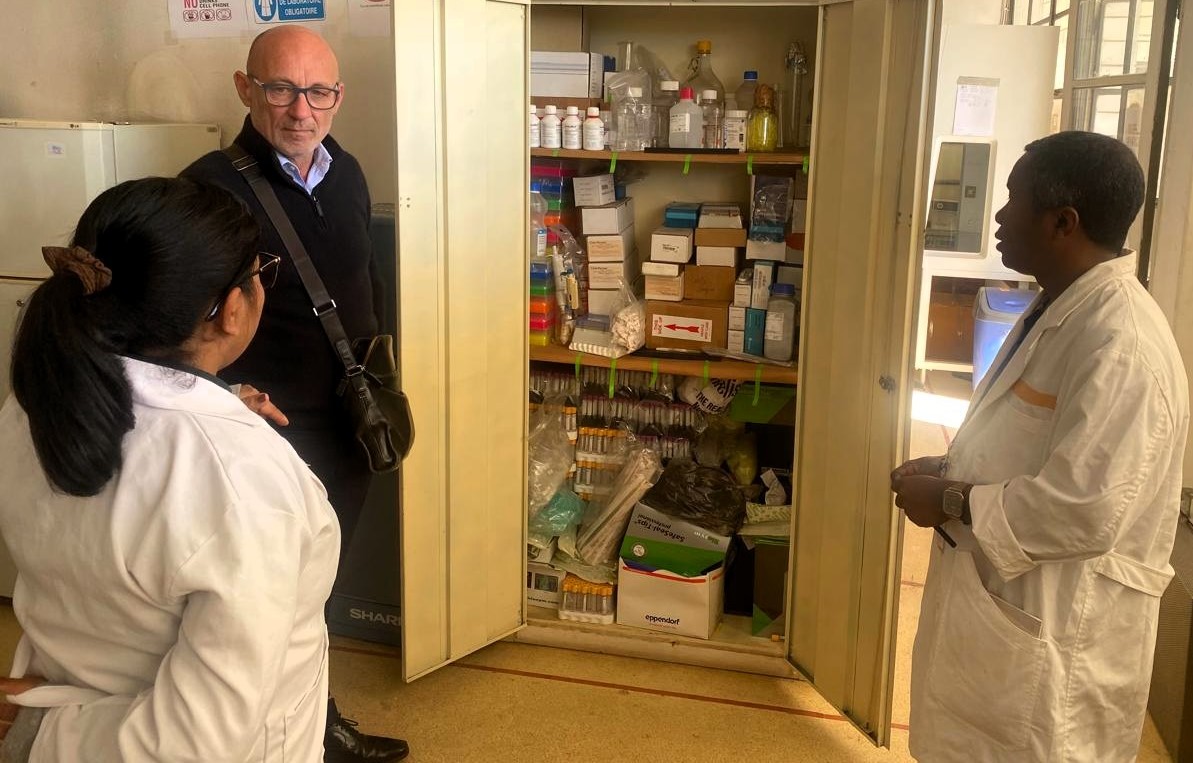
Dr. Antoine Pierson, Biosafety and biosecurity specialist IQLS (left), and national experts conducting a biological risk assessment in the molecular biology laboratory at the Department of Animal Science, Veterinary Medicine, and Aquaculture Research (DRZVP). Picture © E. Wijers (woah) 2026.
Following self-assessments by the participating laboratories in June, three field visits to LNDV, the Department of Animal Science, Veterinary Medicine and Aquaculture Research (DRZVP), and the Mahaliana Laboratory, a private research laboratory, were conducted by the international expert team. During the visits, “low-hanging fruit” measures to improve biosafety and biosecurity practices were identified. For example, refrigerators were reorganised to ensure the proper storage of samples. In addition, laboratory staff were trained to conduct future laboratory assessments.
The trained personnel then put their newly acquired knowledge into practice by conducting an assessment at the Department of Veterinary Sciences and Medicine (DESMV), University of Antananarivo.
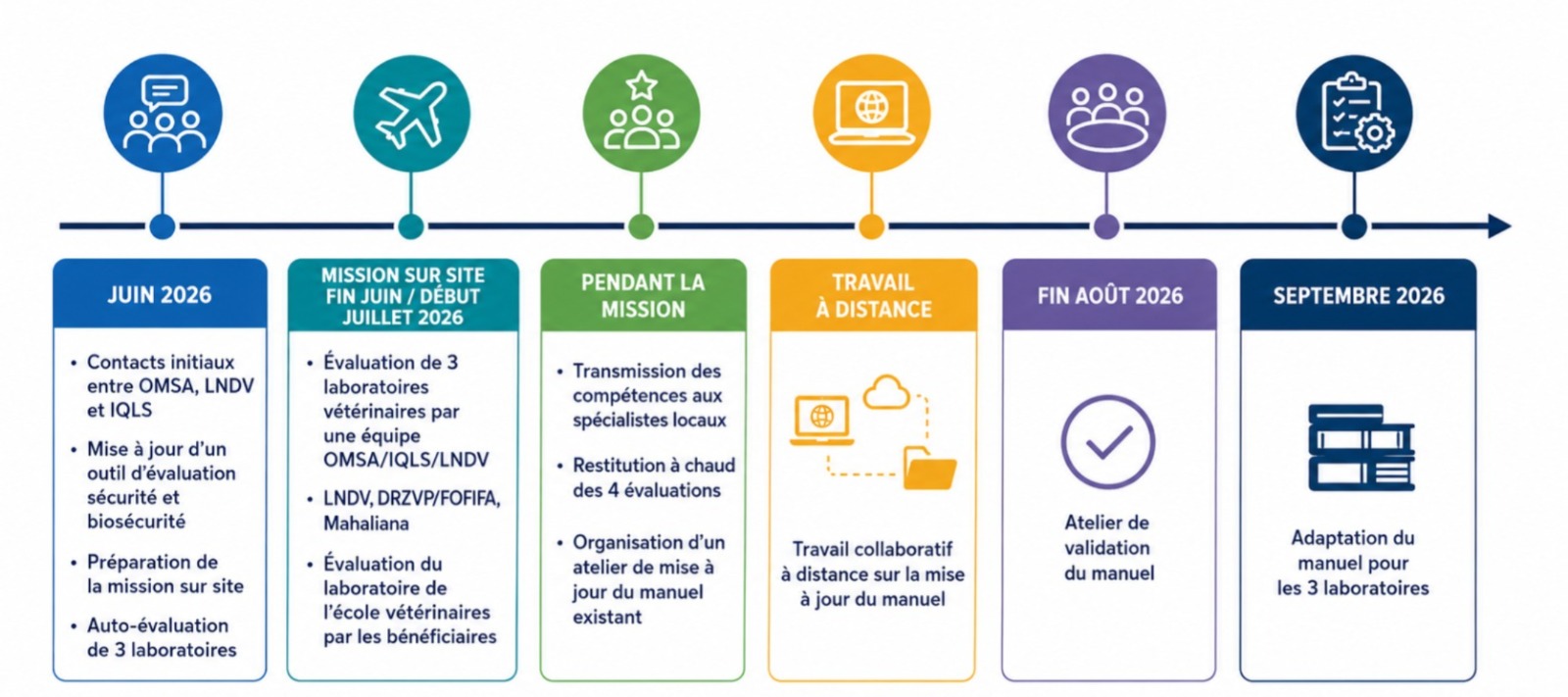
Overview of the methodology used to develop biological risk management manuals for veterinary laboratories. Developed by E. Wijers (woah) 2026
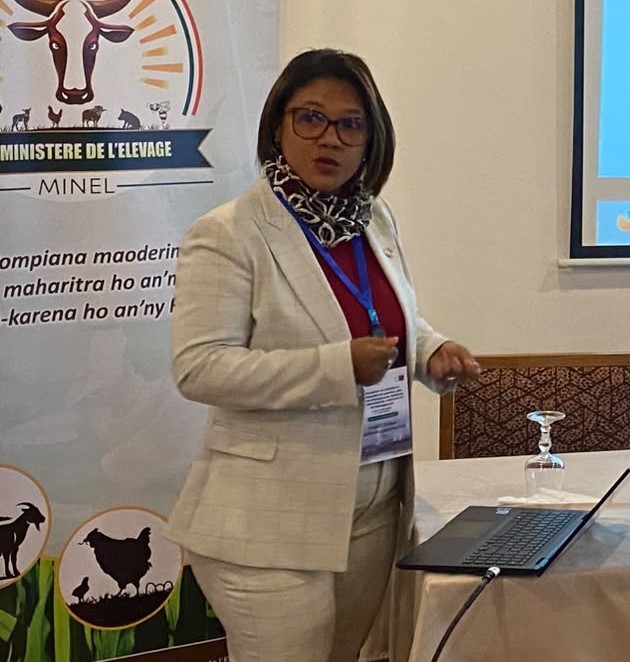
WOAH Delegate for Madagascar and Director of Veterinary Services, Dr. Zo Andrianasandratra, delivering the opening remarks and a presentation on the Veterinary Services. © E. Wijers (woah) 2026.
The workshop was officially opened by Dr. Andrianasandratra, WOAH Delegate for Madagascar and Director of Veterinary Services (Directrice des Services Vétérinaires, DSV), who thanked WOAH and the Integrated Quality Laboratory Services (IQLS), technical partner of the activity, for their support and highlighted the importance of developing a national manual to address Madagascar’s biological risk management challenges.
Opening remarks on behalf of Dr. Moetapele Letshwenyo, WOAH Sub-Regional Representative for Southern Africa, were delivered by Ms. Emma Wijers, FIRABioT Project Consultant.
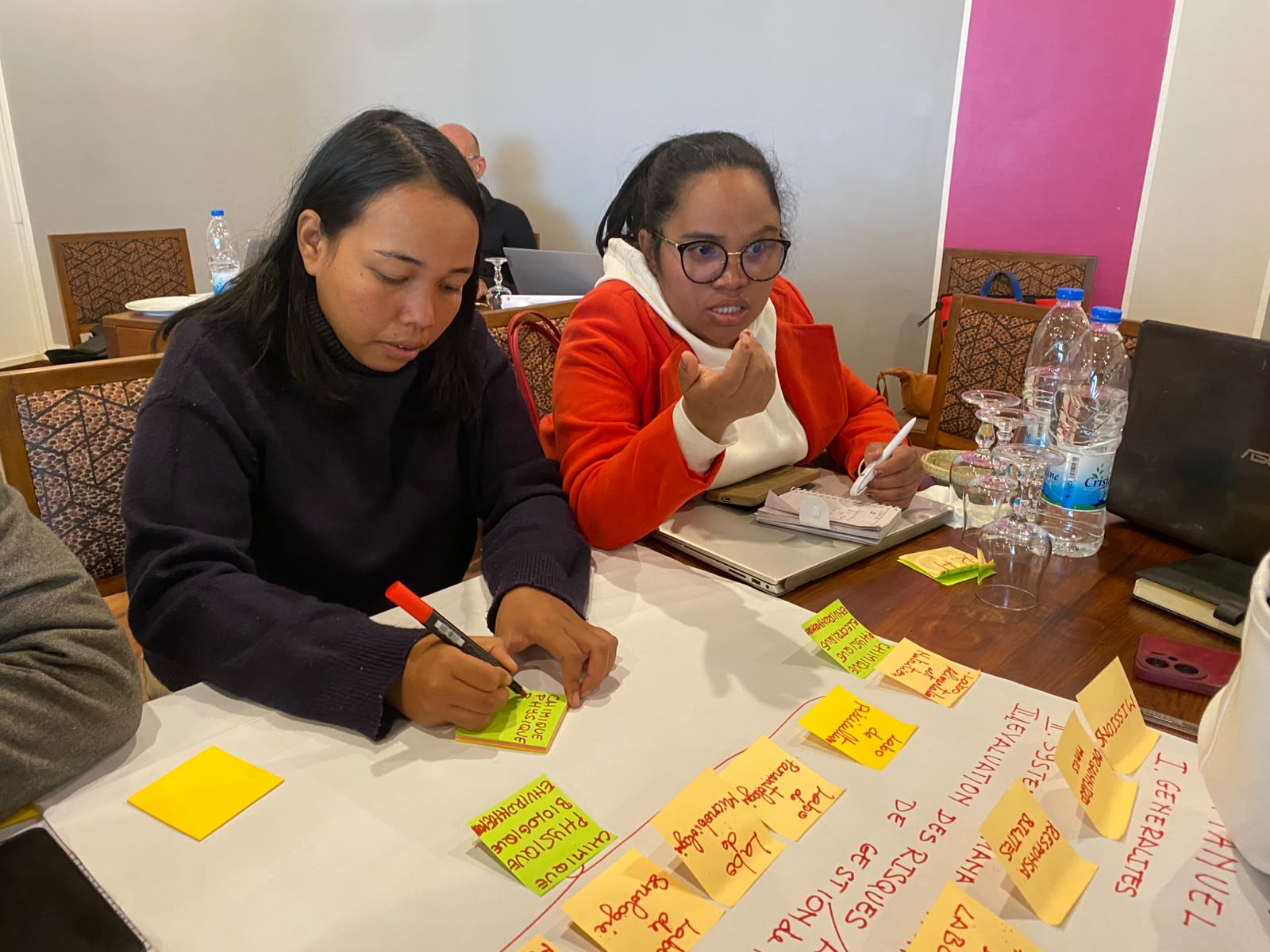
Over five days, participants reviewed the National Manual for Security, Biosafety and Biosecurity, validated in January 2026, and revised Chapter 7, dedicated to veterinary laboratories. Working in five groups, participants updated the chapter through a combination of group work and plenary discussions facilitated by the IQLS experts and the national activity focal point.
The workshop concluded with discussions on the next steps at both the national and laboratory levels. Following the drafting workshop, the draft guidelines will be shared with the relevant national and regional stakeholders for their input. A national editorial team composed of laboratory representatives will review and incorporate these comments before the validation workshop scheduled from 17 – 19 August 2026. The development of biological risk management guidelines for veterinary laboratories is part of Madagascar’s activities as a beneficiary of the Fortifying Institutional Resilience against Biological Threats (FIRABioT) project. This project is funded by Global Affairs Canada’s Weapons Threat Reduction Programme in support of the Global Partnership Signature Initiative to Mitigate Biological Threats in Africa.
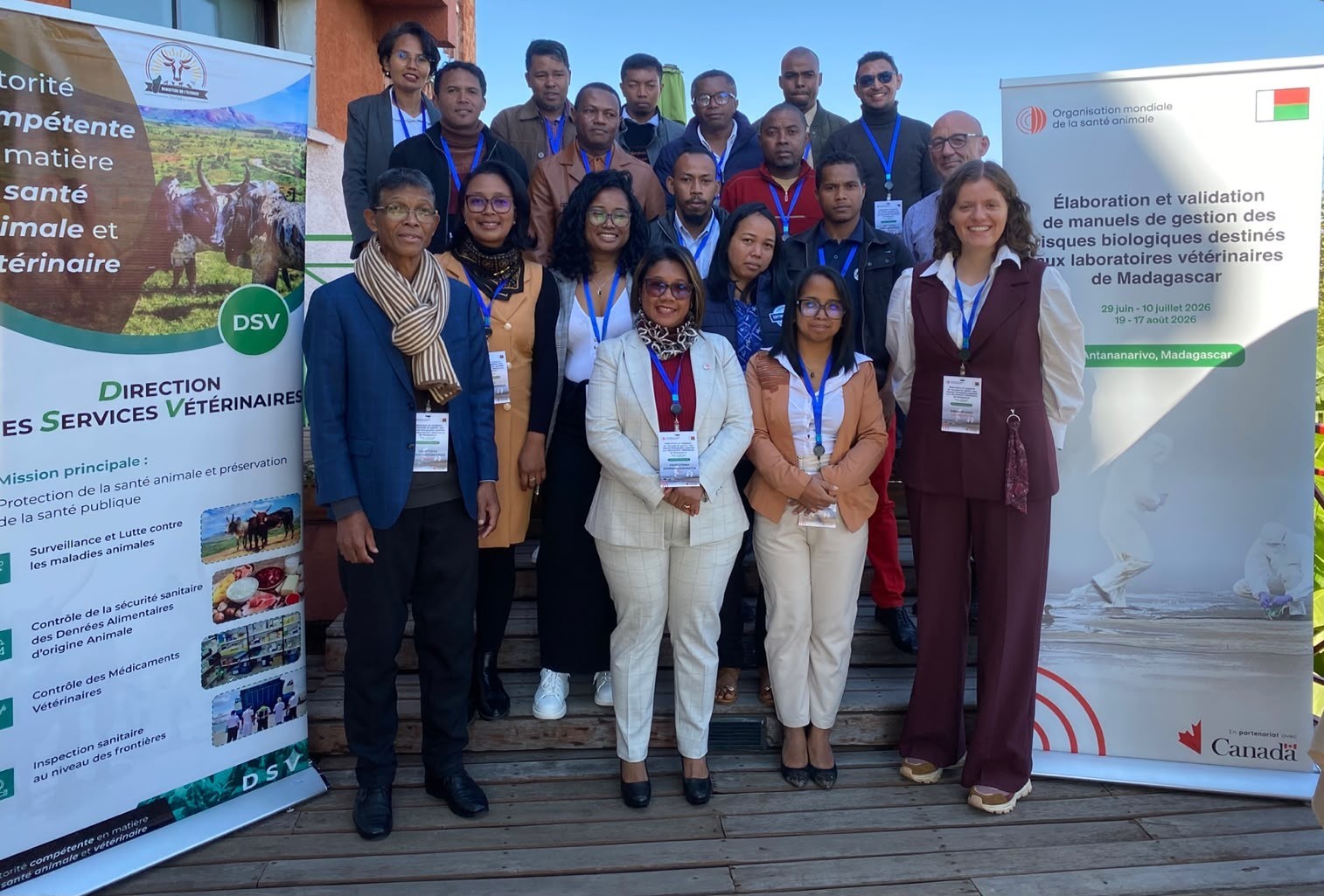
Group picture of the participants and facilitators during the drafting workshop. Picture © E. Wijers (woah) 2026.