

Event Photos
Flickr Photo Album
Read more
The Directorate of Veterinary Services of the Ministry of Livestock and Fisheries of the United Republic of Tanzania with the support of the World Organisation for Animal Health (WOAH) convened a high-level technical workshop to draft the nation’s first comprehensive Emergency Risk Communication (ERC) Strategy for Veterinary Services.
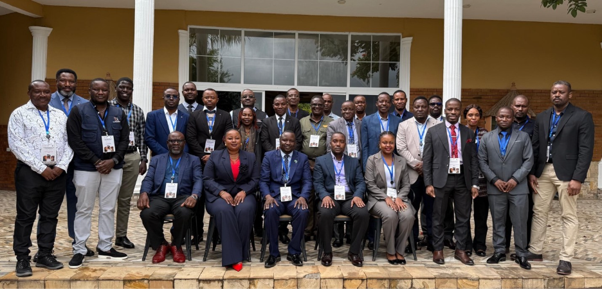
Held in Arusha from 1 to 5 June 2026, the drafting workshop brought together experts from Veterinary Services, law enforcement agencies, and the media to move beyond mere documentation and towards establishing a functional and sustainable system for real-time crisis communication and response.
Across the region, animal health emergencies including zoonotic disease outbreaks continue to have significant impacts on national economies and livelihoods. Such emergencies often result in food insecurity, trade restrictions, and broader socio-economic disruption. Beyond naturally occurring disease events, increasing threats from agro-crime and agro-terrorism highlight the need for timely, coordinated, and transparent communication. Ineffective communication, compounded by mis- and disinformation, can undermine response efforts and erode public trust.
Recognising these challenges, Tanzania as a beneficiary of the Fortifying Institutional Resilience Against Biological Threats (FIRABioT) project, requested support for the development of a national ERC strategy to strengthen collaboration across sectors and enhance preparedness for biological risks
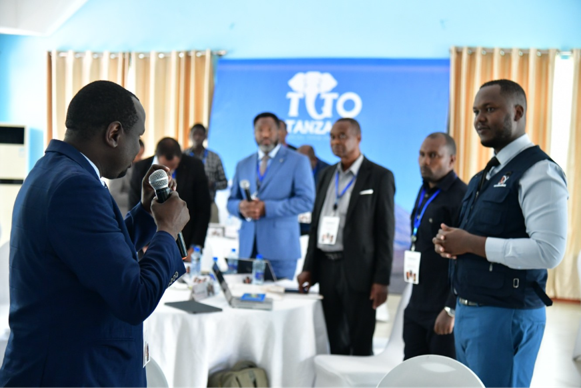
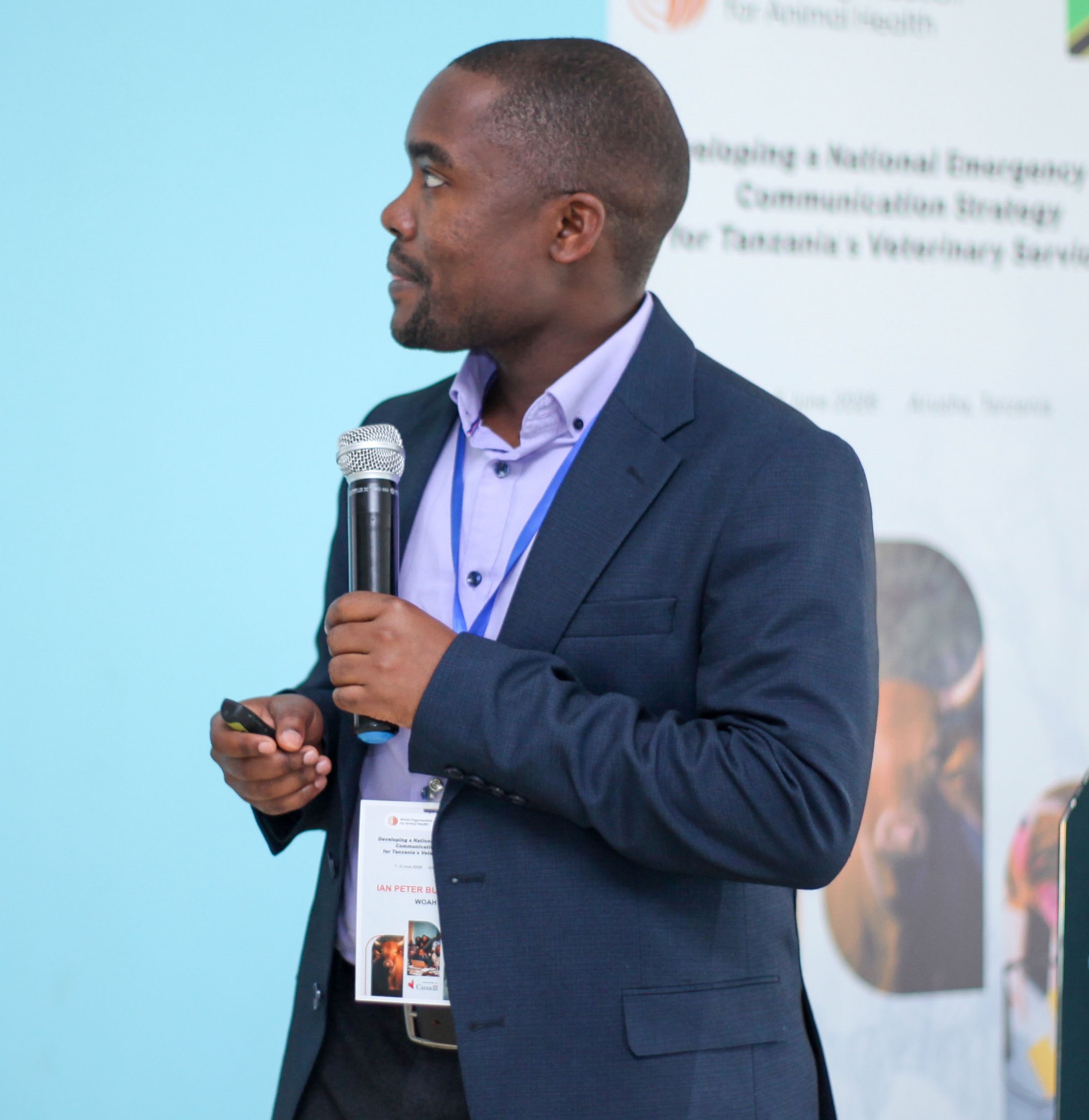
Director of Veterinary Services, Dr. Lutege Malinda, providing clarity on existing reporting structures. Picture © E. Wakabi (Nuo Bioscience), 2026.
The workshop was officially opened by Dr. Benezeth Lutege Malinda, Director of Veterinary Services and WOAH Delegate of the United Republic of Tanzania who appreciated WOAH for the support to host the event. In his remarks, he emphasised the importance of preparedness, intersectoral collaboration, and effective communication as critical pillars of national resilience against biological threats.
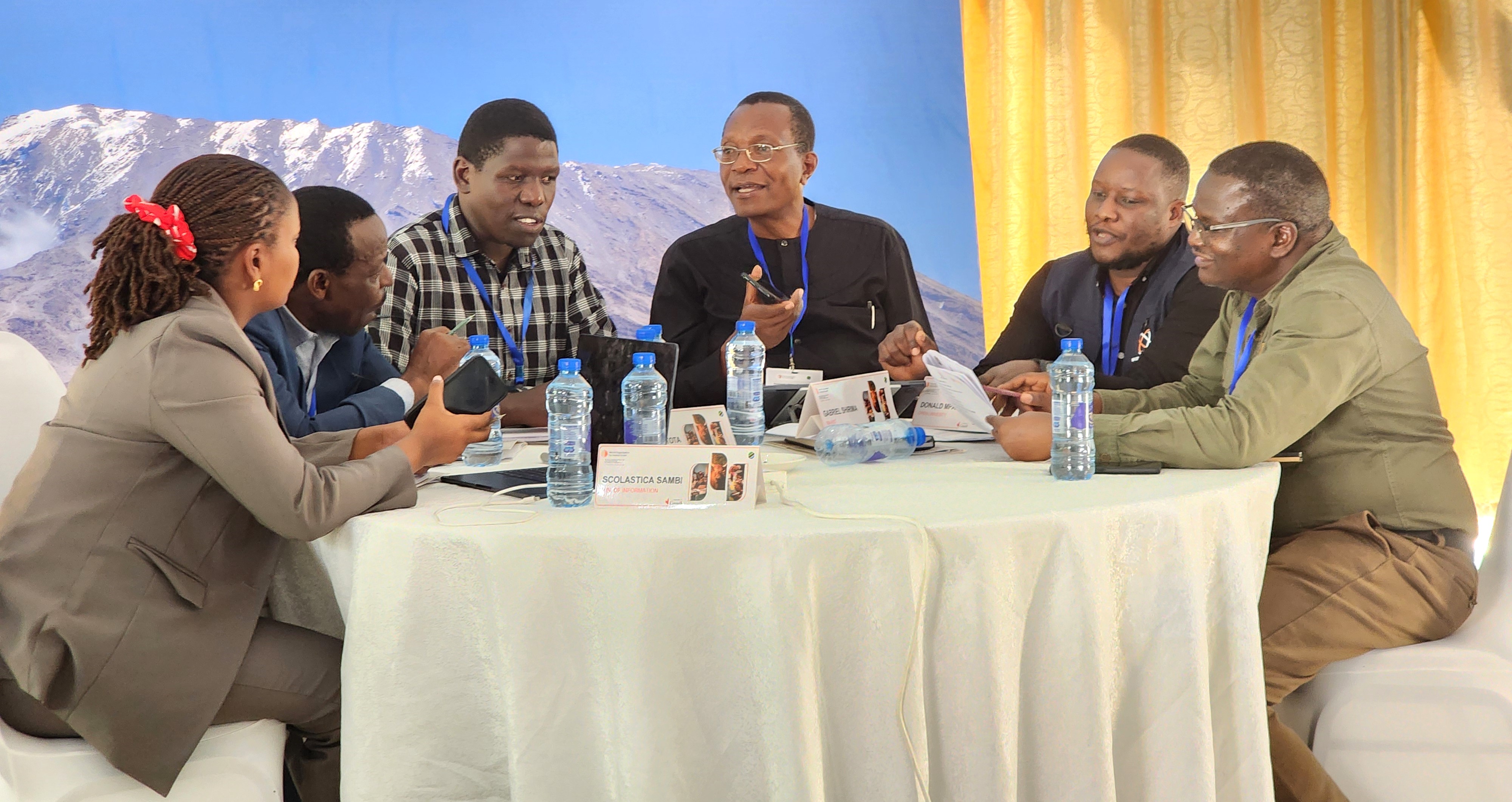
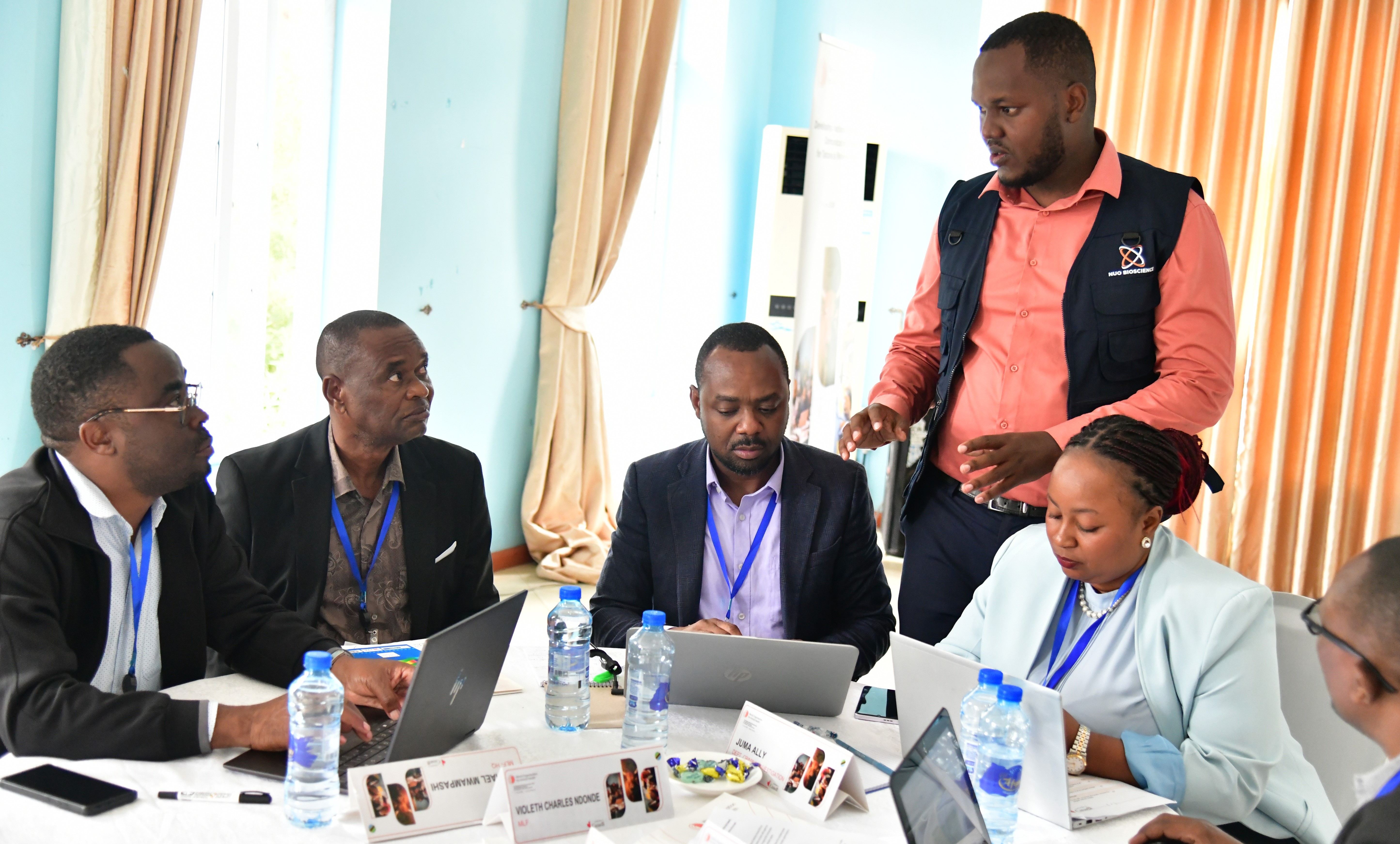
The drafting process prioritised country ownership through direct, on-the-spot development of strategy chapters, while adopting a multisectoral approach to ensure coordinated and unfragmented messaging across sectors – a challenge that often contributes to public distrust and delayed action during disease outbreaks and other emergencies. Over the course of the intensive workshop, participants progressed from stakeholder mapping and communication framework development to the completion of a comprehensive draft strategy.
The successful completion of the draft strategy marks an important milestone in strengthening Tanzania’s preparedness for biological threats and other animal health emergencies. The focus now shifts to preserving the integrity of the draft through the formal validation process and eventual adoption. Once finalised, the strategy will provide a framework for coordinated, transparent, and science-based communication during emergencies, further positioning Tanzania as a regional benchmark in health security and institutional resilience against emerging biological threats.
The development of a national emergency risk communication strategy for Tanzania’s Veterinary Services is part of the country’s activities as a beneficiary of the FIRABioT Project. This project is funded by Global Affairs Canada’s Weapons Threat Reduction Programme in support of the Global Partnership’s Signature Initiative to Mitigate Biological Threats in Africa.