The World Organisation for Animal Health (WOAH) expresses its deep concern following the emergence of the 17th Ebola Virus Disease (Bundibugyo virus) outbreak in the Democratic Republic of the Congo and potential spread to neighboring countries.
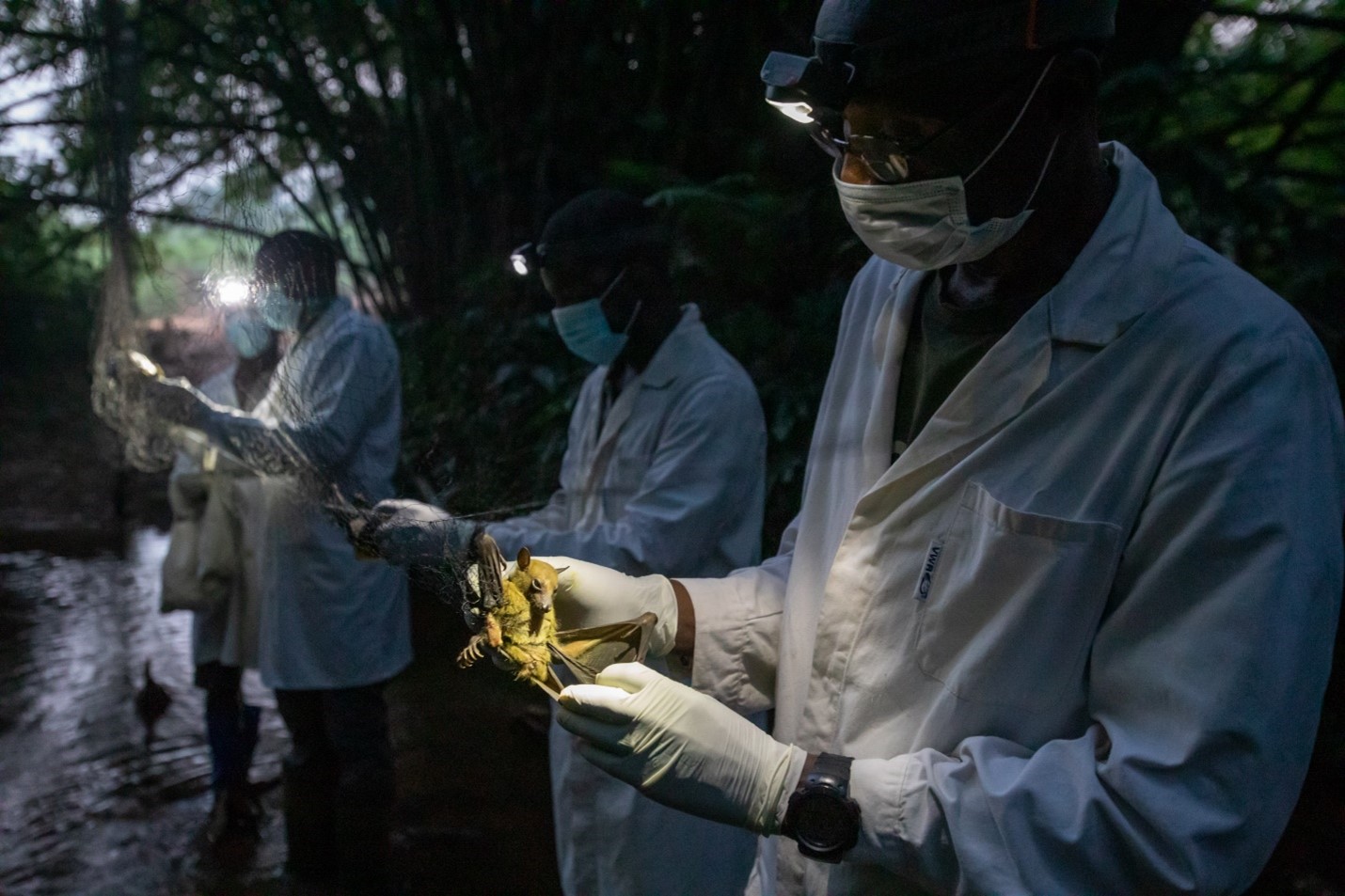
Ebola Virus Disease is a zoonotic disease, transmitted from animals to humans and then between humans. Its repeated emergence is a reminder that human health and animal health are strongly interlinked. While the specific animal reservoir associated with this current outbreak has not yet been identified, scientific evidence from previous outbreaks points to wildlife species, particularly fruit bats and potentially other wild animals as a likely source of transmission. The origin of infection in the current outbreak remains under investigation.
WOAH underscores the importance of stronger surveillance at the animal-human-environmental interface and calls for a stronger rollout of the One Health approach at country, cross-border and regional level. It also reiterates the importance of consistently increasing support for upstream prevention of spillover infection from wildlife to humans and the critical role of well-resourced and competent animal health systems.
Understanding where the virus originates, how it moves between species and where it is likely to re-emerge, requires animal and environmental health systems working in close collaboration with public health systems for effective risk-based surveillance and data sharing.
Strengthening wildlife surveillance and health intelligence, improving risk communication related to wildlife and animal exposure, strengthening veterinary laboratory diagnostics, and ensuring effective coordination among public health, veterinary, wildlife, and environmental sectors are all critical components of preparedness and response to this Bundibugyo virus disease outbreak.
WOAH also continues to engage with its Quadripartite partners (WHO, FAO, and UNEP) to advance the One Health approach, especially in supporting countries implementing integrated systems that protect human, animal, and environmental health.
Prevention remains the most effective line of defense. Strengthening wildlife surveillance and health intelligence, veterinary laboratory capacity, risk communication, community engagement and cross-sectoral One Health coordination is essential to reducing the risk of disease emergence and zoonotic spillover.
Sustained investment in fully operational animal health systems, including prevention-focused interventions, is not only critical for animal health; it is a core component of global health security and pandemic prevention.
The World Organisation for Animal Health (WOAH) is the global authority on animal health. Founded in 1924, WOAH works with its 183 Members to improve animal health and welfare worldwide. Through the development of international standards, the collection and dissemination of animal health information, and the strengthening of animal health systems, WOAH helps prevent and control animal diseases, including zoonoses. By advancing animal health, WOAH contributes to improved human health, food security, sustainable livelihoods, and a safer, healthier and more sustainable world.
With support from the European Union, WOAH implemented EBO-SURSY to strengthen surveillance and diagnostic capacities for viral hemorrhagic fevers and other zoonotic diseases in Africa. Building on this work, WOAH and its partners are continuing this important collaboration through the ZOOSURSY project in 17 African countries, with scientific support from an international consortium comprising CIRAD, Institut Pasteur, IRD, Helmholtz Institute, and the University of Helsinki.
Through these initiatives, WOAH and its partners are supporting surveillance, as well as strengthening diagnostic capacity and expertise, contributing to stronger outbreak preparedness and response.