

Praia, Cabo Verde
Strengthening One Health Collaboration: Cabo Verde holds its IHR–PVS National Bridging Workshop (NBW)
November 22, 2025
Read more
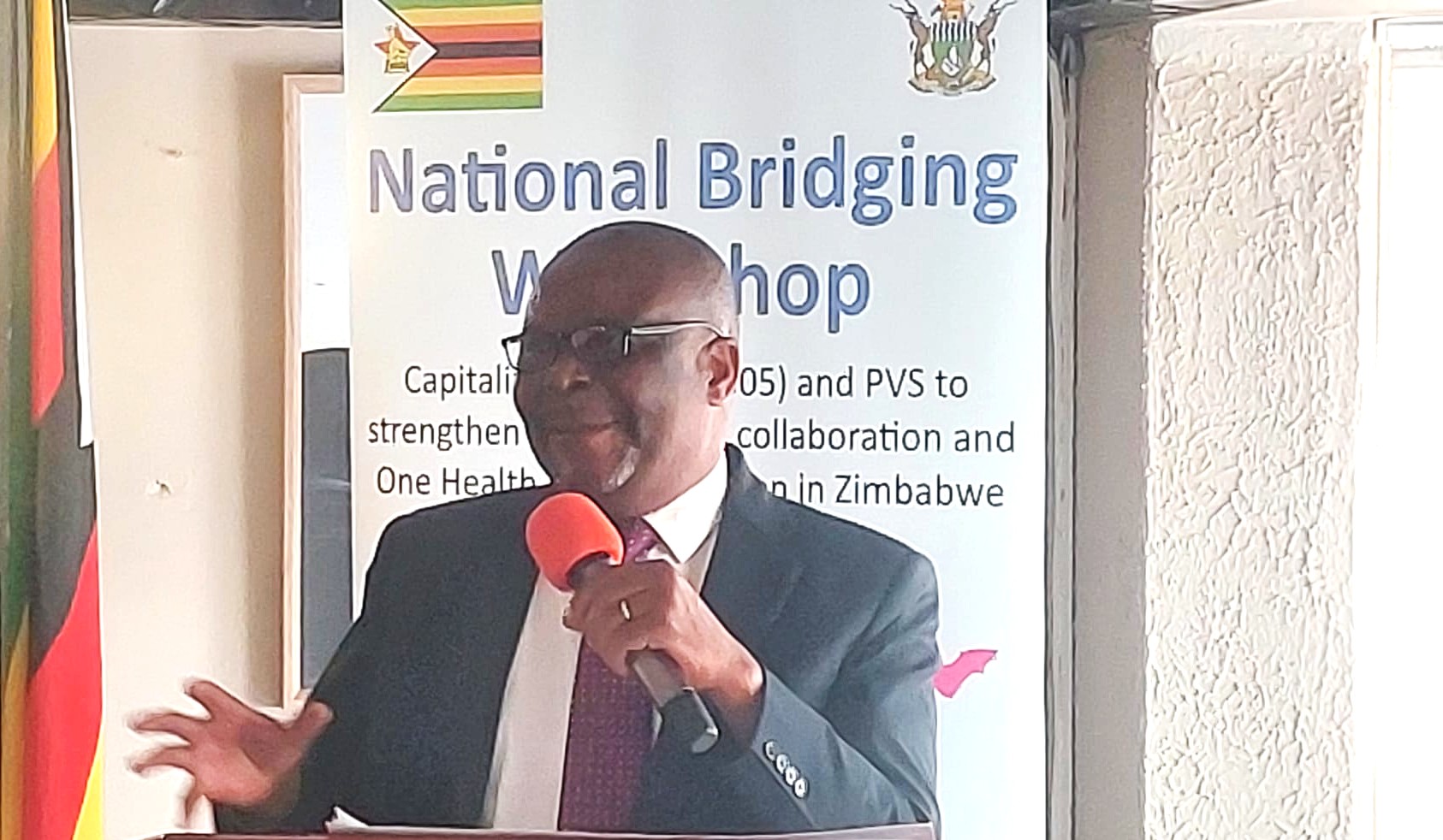
Opening ceremony of the Zimbabwe National Bridging Workshop, led by the WOAH Delegate and Head of the Department of Veterinary Services (DVS), Dr Pious Makaya. Picture (c) JF. Kinani (woah) 2026
In Zimbabwe, diseases that spread between animals and people continue to pose a significant challenge to public health, food security, and livelihoods. Outbreaks of anthrax and rabies, concerns over antimicrobial resistance, and increasing pressures on natural ecosystems all highlight the need for closer collaboration across sectors. Addressing these challenges requires more action from the health sector. Veterinary services, environmental authorities, and public health institutions all play a critical role in preventing, detecting, and responding to health threats at the human-animal-environment interface.
This integrated approach, known as One Health, is increasingly recognised as essential to strengthen national preparedness and resilience. Against this backdrop, Zimbabwe convened a National Bridging Workshop, jointly organised by the World Health Organization (WHO), the World Organisation for Animal Health (WOAH), and the Food and Agriculture Organization of the United Nations (FAO).
Supported by the European Union, through its Global Gateway strategy and implemented within the framework of the ZOOSURSY Project, the three–day workshop brought together 60 participants, primarily technical experts from the human health, animal health and environmental sectors. The strong participation of both women and men reflected Zimbabwe’s commitment to inclusive and multi-sectorial collaboration. The workshop aims to identify gaps in coordination across sectors and develop a shared roadmap for improving preparedness and response to zoonotic threats.
National Bridging Workshops provide an opportunity for representatives from a diverse range of sectors to assess existing collaboration gaps in key technical areas. In Zimbabwe, the workshop directly contributes to the objectives of the ZOOSURSY project which aims to strengthen countries’ ability to anticipate, detect and respond to zoonotic diseases through better surveillance and collaboration across sectors
Tinashe Hodobo - One Health Secretariat, Ministry of Agriculture, Mechanisation and Water Resources Development
The workshop applied the joint WHO – WOAH methodology that combines the WHO International Health Regulations Monitoring and Evaluation Framework (IHR – MEF) with the WOAH Performance of Veterinary Services (PVS) patway using the same multisectoral working groups. Drawing on key assessment reports, participants analysed five priority public health concerns in Zimbabwe:
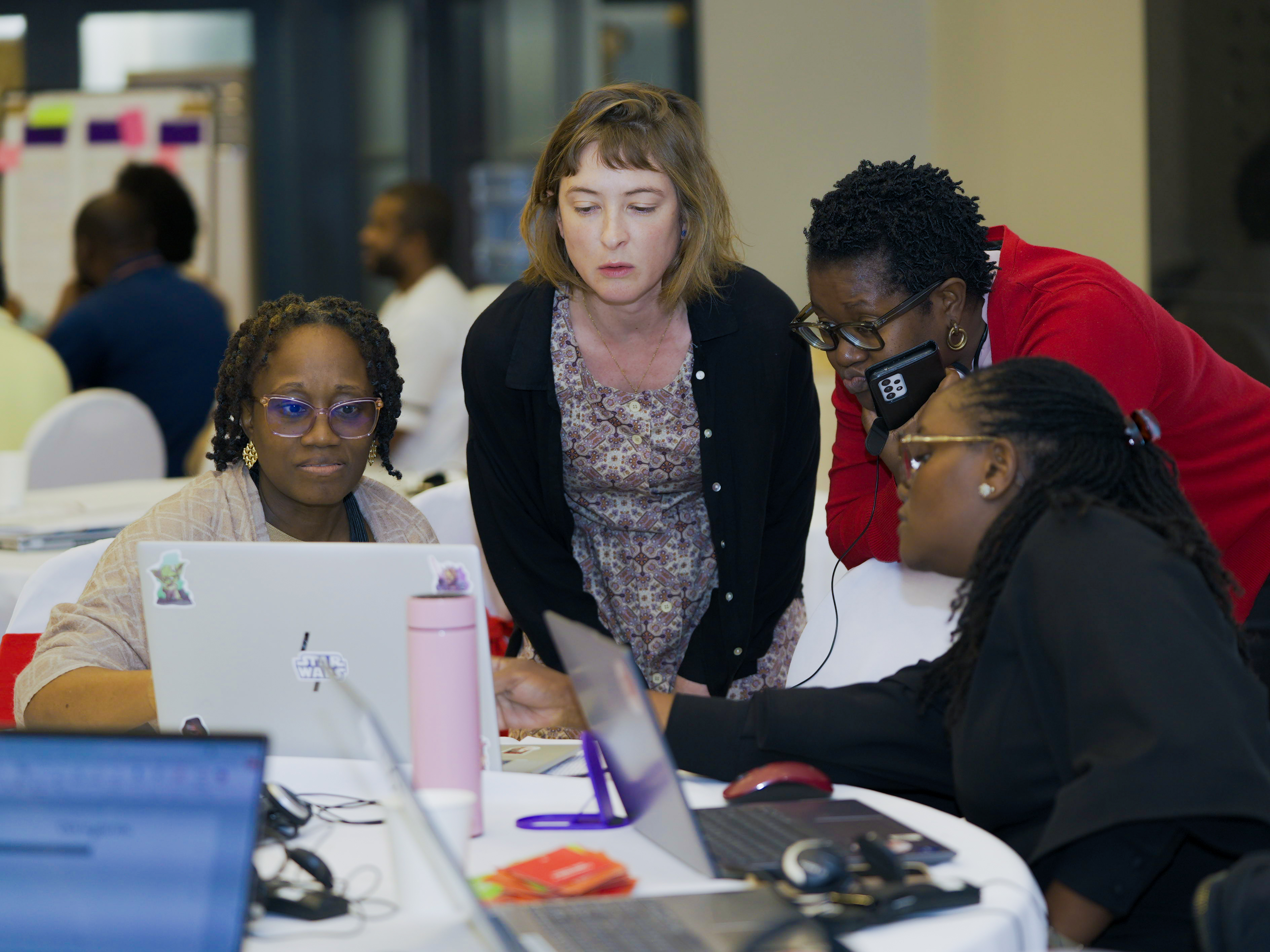
Through multidisciplinary working groups, participants assessed collaboration across 16 technical areas and identified concrete actions to strengthen coordination among sectors
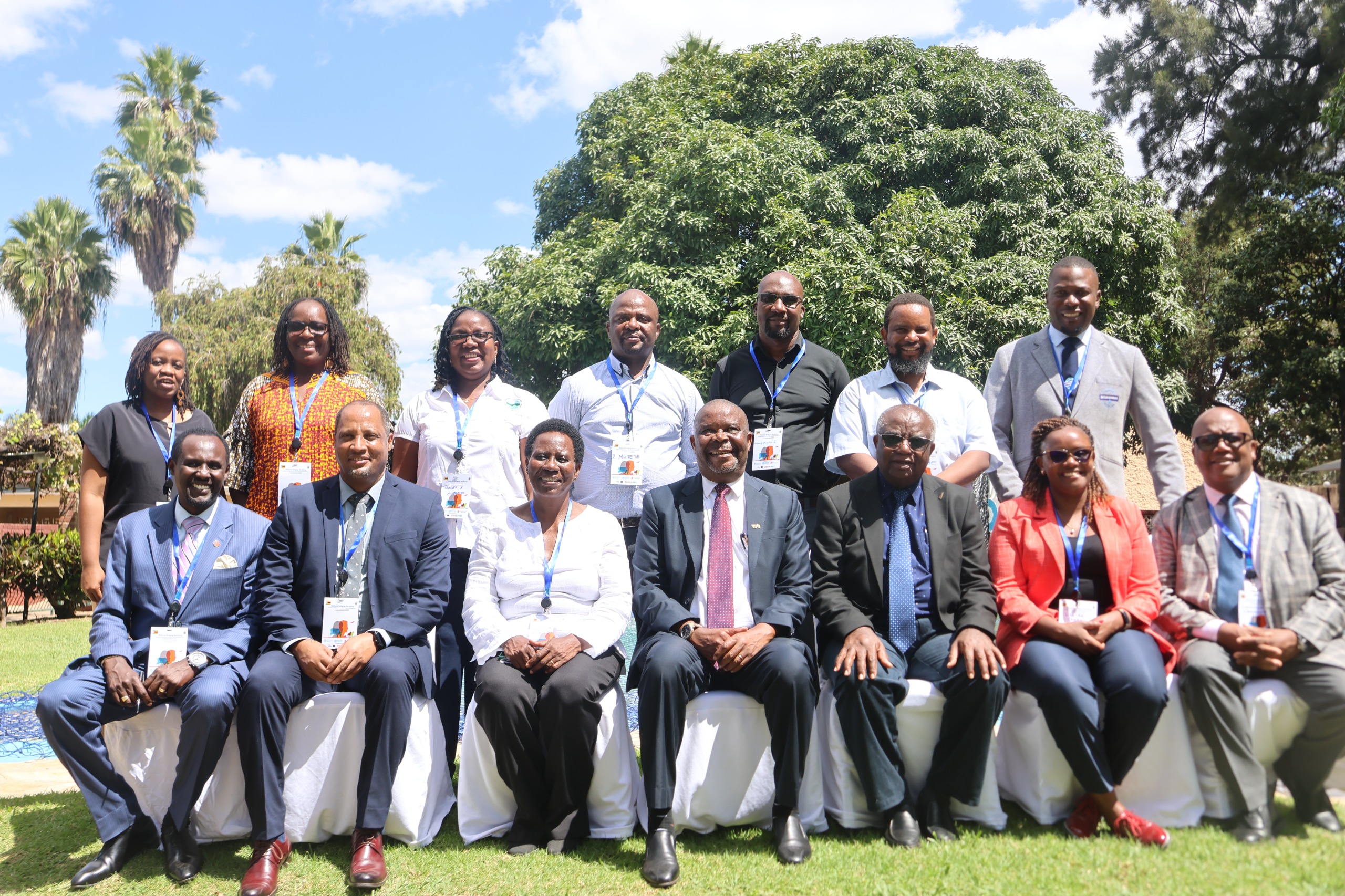
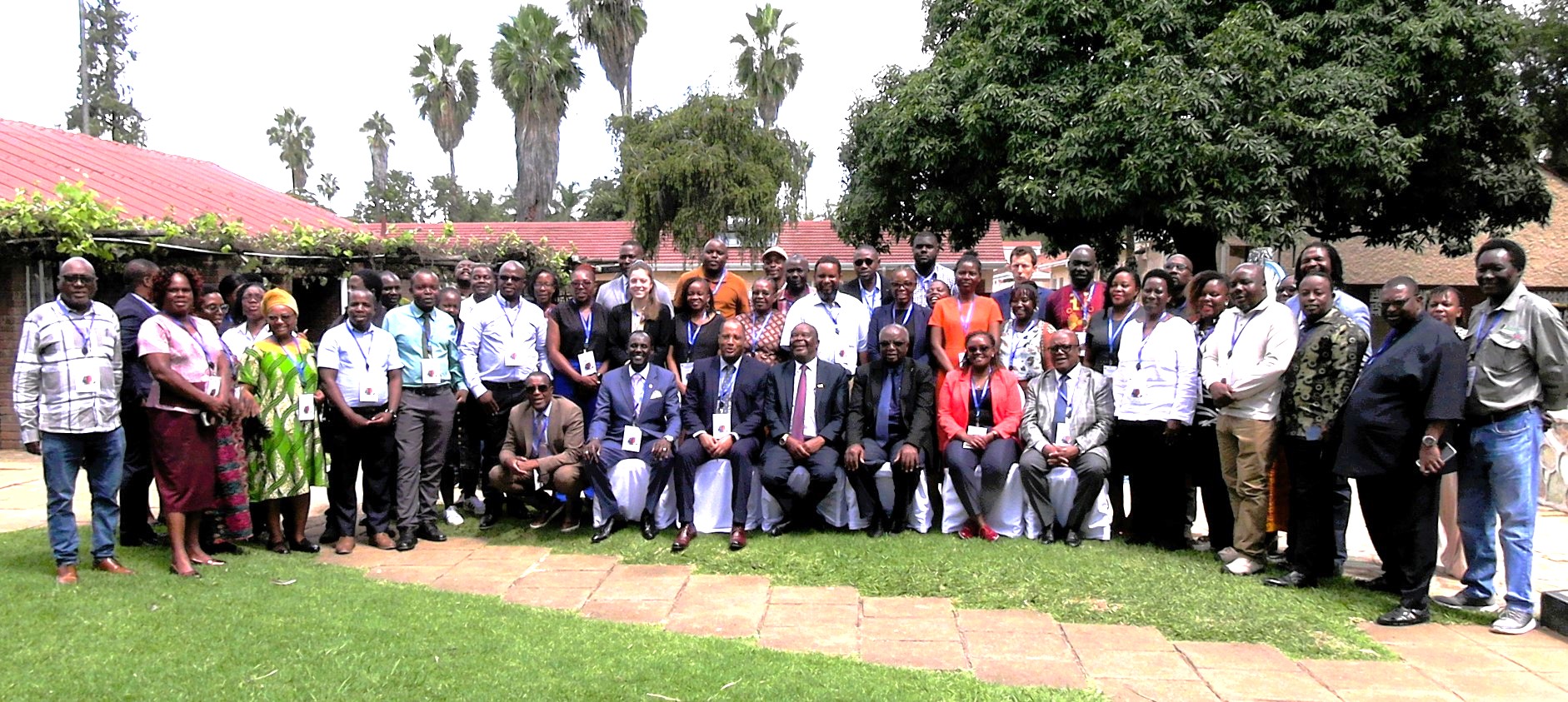
Group picture of the Zimbabwe One Health Steering Committee with representative of the Quadripartite in the region. Photo (c) M. Pamela (Ministry of Environment) 2026.
Overall, the National Bridging Workshop laid a strong foundation for sustained One Health implementation by fostering shared understanding, strengthening trust between sectors, and producing a jointly owned roadmap currently under validation by the Government of Zimbabwe to guide coordinated prevention, detection, and response to priority health threats from 2026 onward.
Participants collectively agreed on priority actions and identified practical steps for implementation. Discussions also helped distinguish disease-specific challenges from broader systemic issues, revealing new opportunities for sustainable multisectoral collaboration. The workshop also provided an opportunity to present the ZOOSURSY project and to discuss how future activities will contribute to the implementation of the Zimbabwe’s integrated health roadmap.