

Training trainers to better train VPPs: feedback on the LaboSim training course at EISMV
May 18, 2025
Read more
Animal health is a fundamental pillar of food security, public health and sustainable development in livestock sectors. In West Africa, where livestock farming plays a central role in rural economies, access to quality veterinary services remains a major challenge. The prevention and control of animal diseases, the fight against zoonoses and the rational use of veterinary medicines rely largely on the competence, availability and organisation of actors in the field. In Benin, veterinary paraprofessionals (VPPs) play a strategic role in providing local veterinary services. Working closely with livestock farmers, they carry out a large proportion of daily interventions. However, the effectiveness and credibility of their actions depend both on their mastery of good technical practices and their knowledge of the legal and regulatory framework governing their practice.
It is in response to these challenges that the World Organisation for Animal Health (WOAH), with financial support from the French Development Agency (AFD), has been implementing the Professionalisation of Veterinary Para-professionals (P3V) project since 2020. Following an implementation phase in Senegal and Togo, Benin was added as the third beneficiary country following a diagnostic mission conducted in 2024. This mission highlighted priority needs for continuing education, particularly in the areas of veterinary clinical practices and understanding of legislative and regulatory texts.
In this context, two complementary training courses were organised in Bohicon between September and November 2025. They respond to the needs identified and reflect the integrated approach of the P3V project, combining technical skills development and legal safeguards for professional practices.
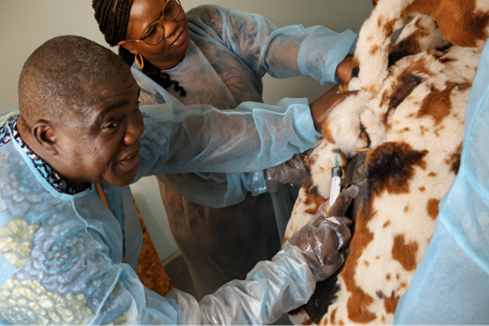
The first training course was held from 22 to 26 September 2025 in Bohicon and focused on best practices in veterinary diagnosis and treatment. It brought together four national trainers from the private sector, including two veterinarians and two veterinary paraprofessionals, selected for their field experience and their potential to share their skills. Organised over five days, this training course aimed to thoroughly strengthen participants’ technical skills so that they could, in turn, train other VPPs at national level. The educational programme covered the entire veterinary clinical process, from observing animal behaviour and first aid and restraint techniques to general and specialised clinical examinations.
Participants explored concepts related to assessing physical condition, compiling medical records, additional tests and best practices for taking samples. Particular attention was paid to animal welfare, hygiene, biosecurity and biomedical waste management, which are considered essential cross-cutting elements of any responsible veterinary practice.
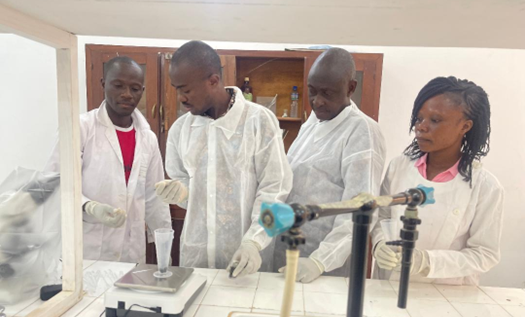
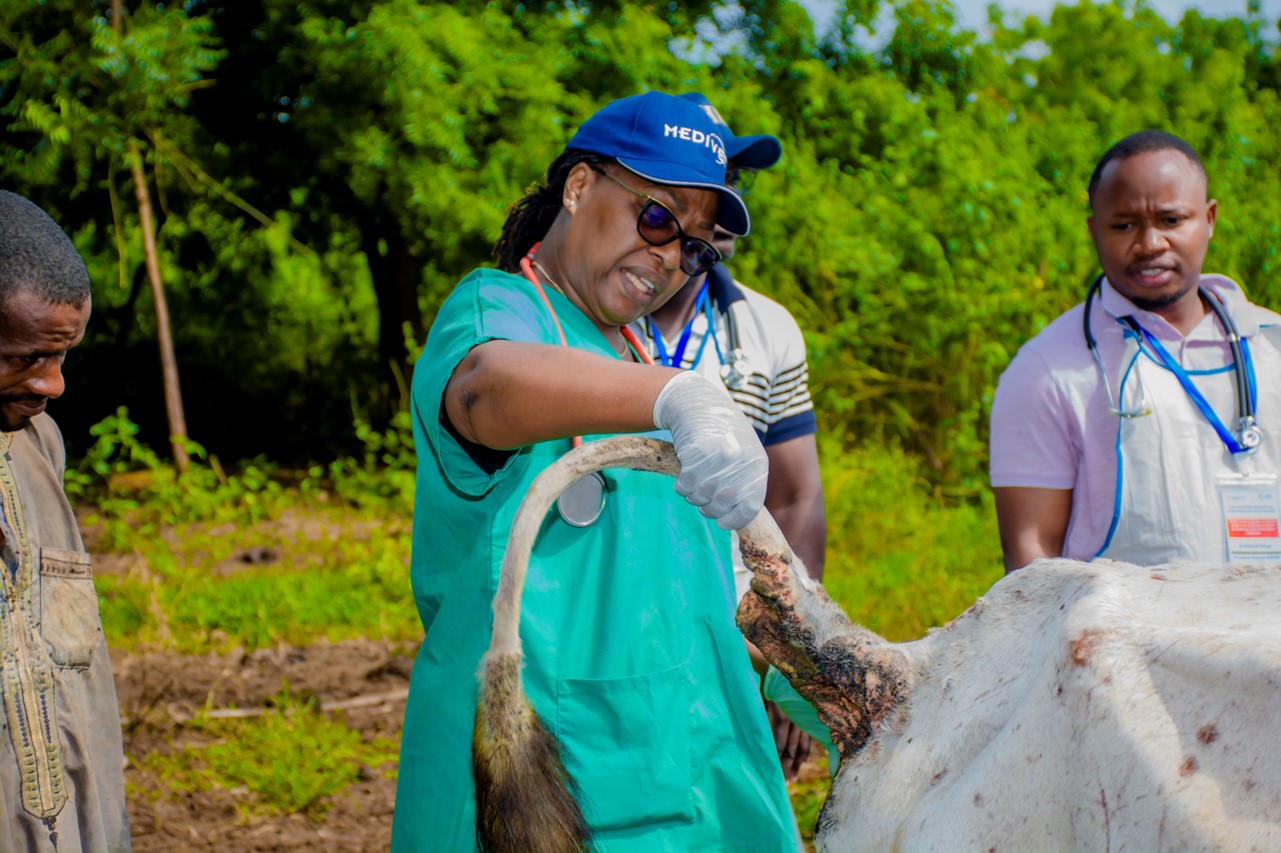
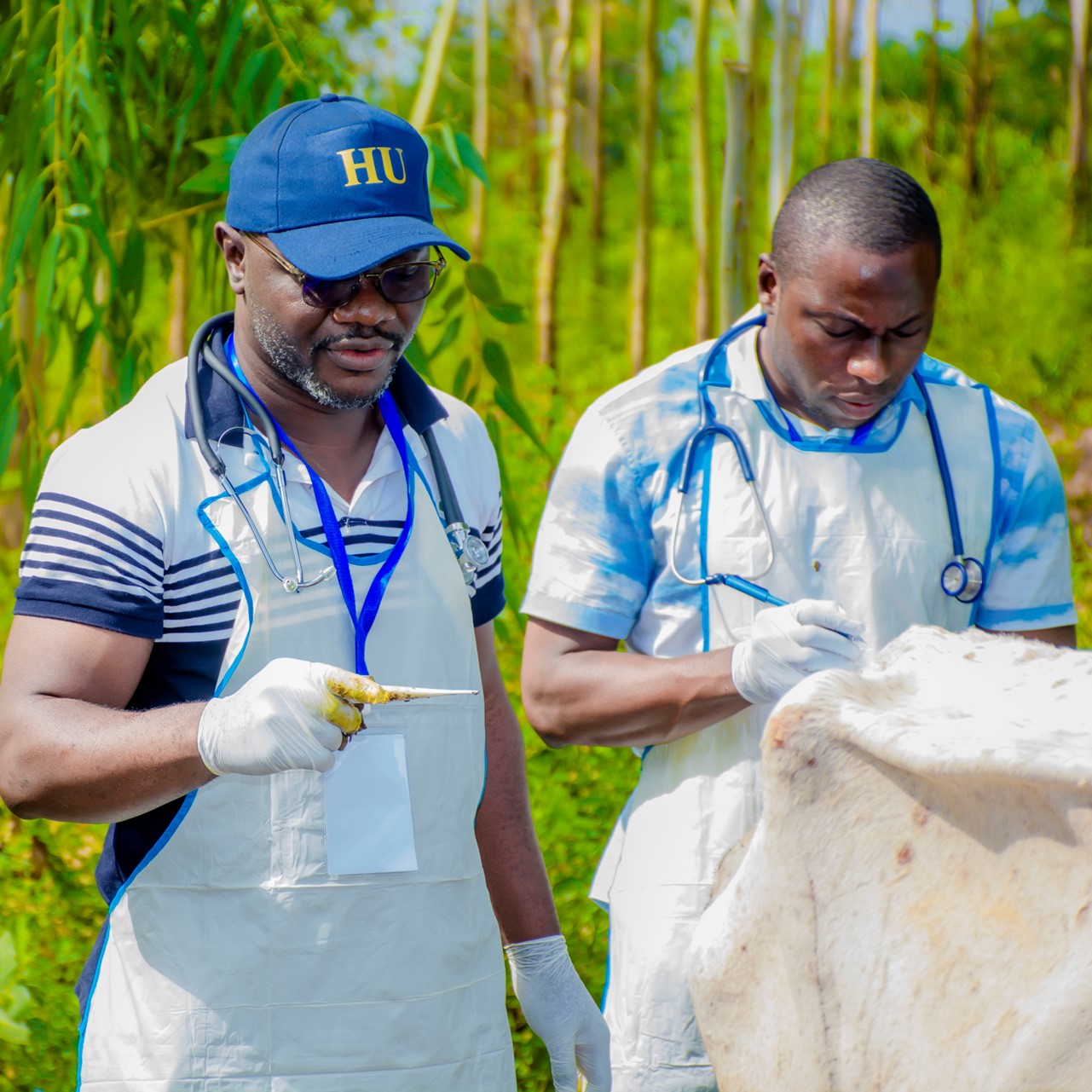
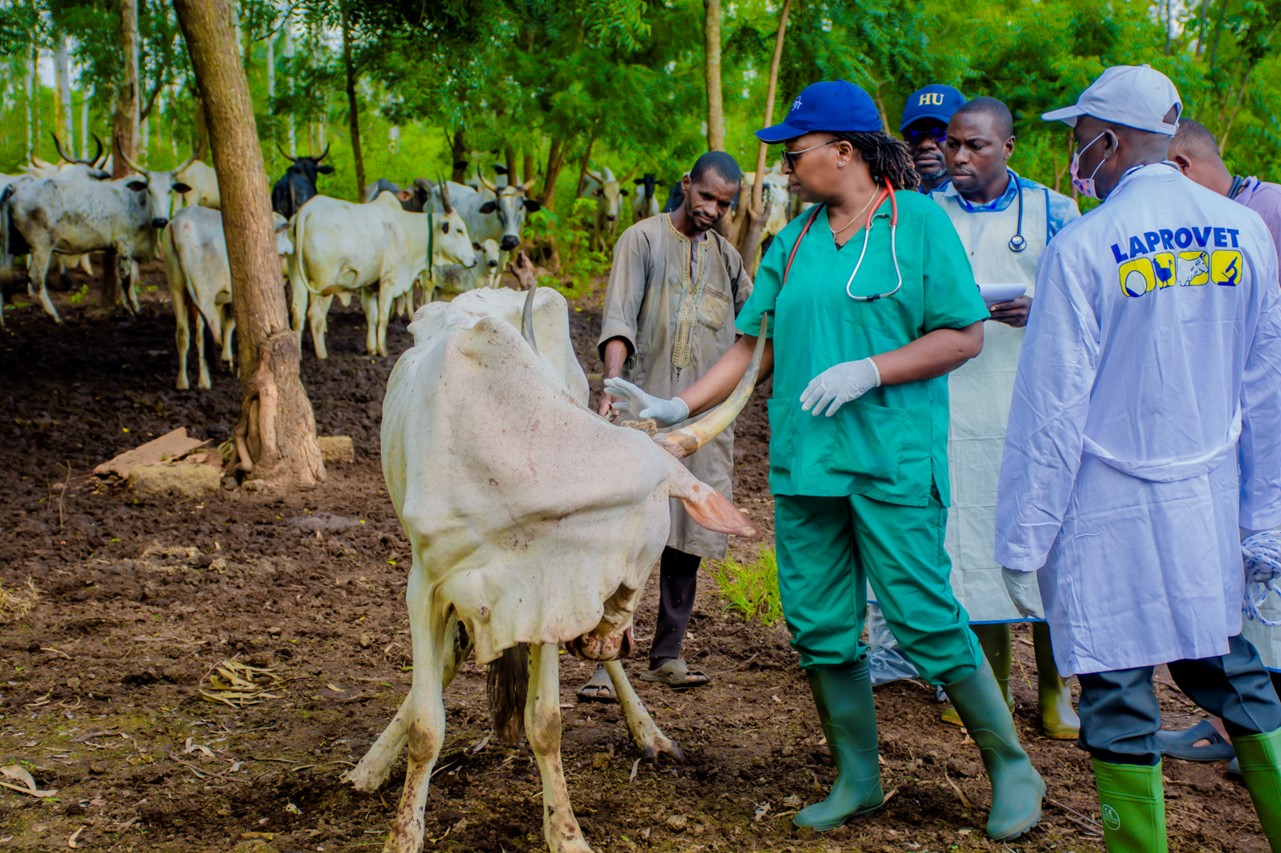
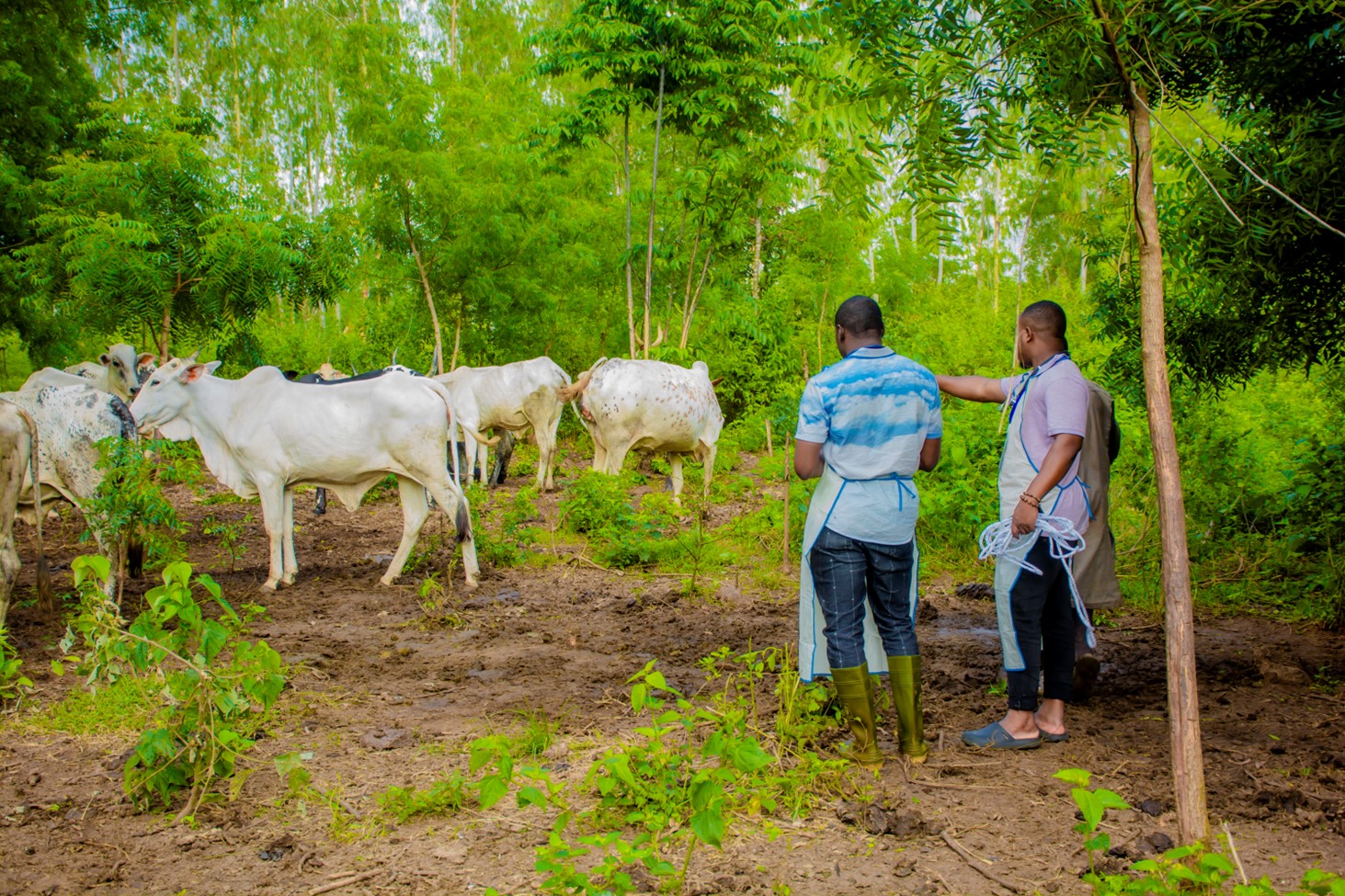
The training also covered therapeutic decision-making, calculating dosages, the rational use of veterinary medicines and waiting times, as well as care, minor surgery and antiseptic techniques. Practical work played a central role, accounting for more than 50% of the total number of hours. It was carried out on farms and in veterinary laboratories, allowing participants to practise clinical examination of animals, biological sampling, poultry autopsy and suturing techniques.
The evaluation results demonstrate the effectiveness of this approach. The average score of participants rose from 70% in the pre-test to 98% in the post-test, representing a gain of 28 points. All participants achieved a final score of 97% or higher, reflecting a high level of mastery of the targeted skills. The most significant progress was made in clinical examination in accordance with biosafety rules, sampling techniques, poultry autopsy and differential diagnosis of animal diseases.
At the end of the training, participants were recognised as national trainers, called upon to play a key role in replicating the training and sustainably disseminating good clinical practices among VPPs in Benin.
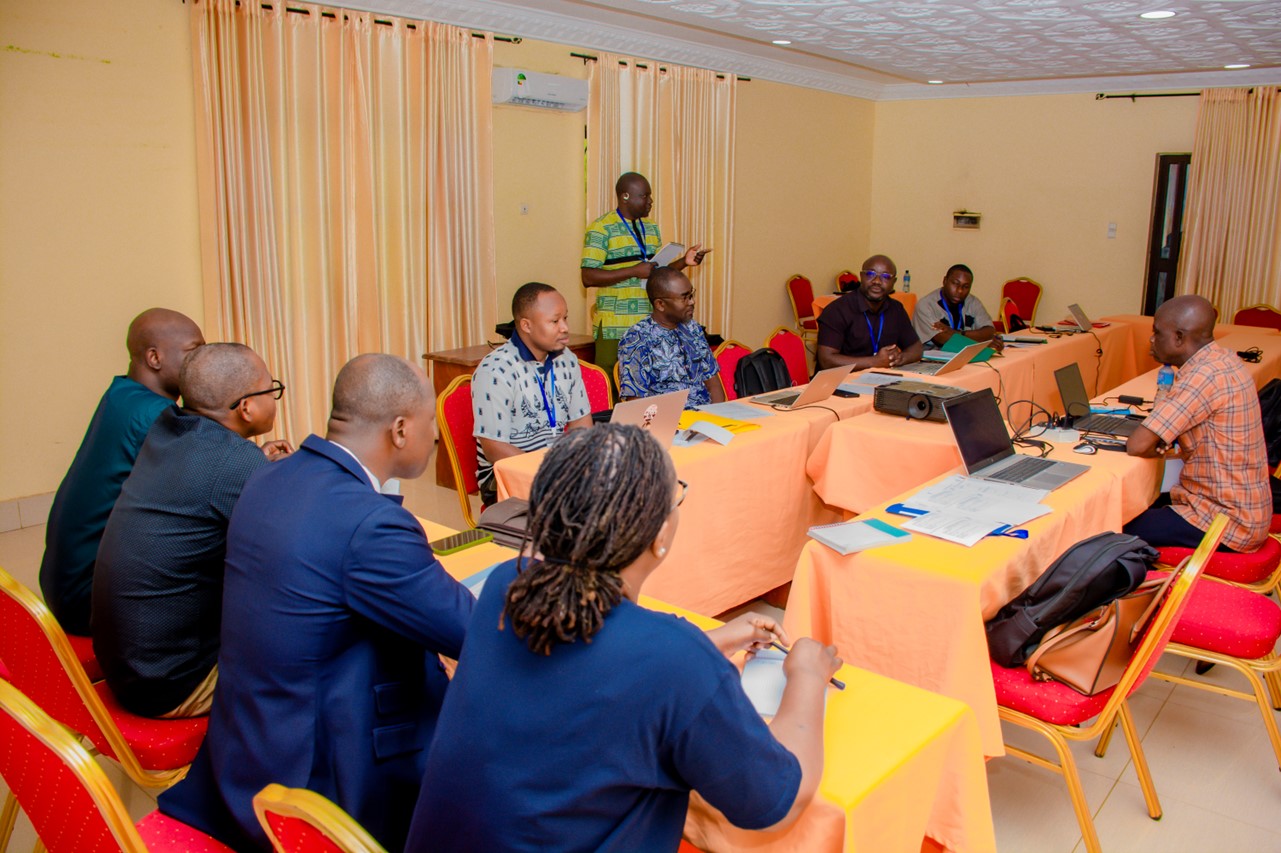
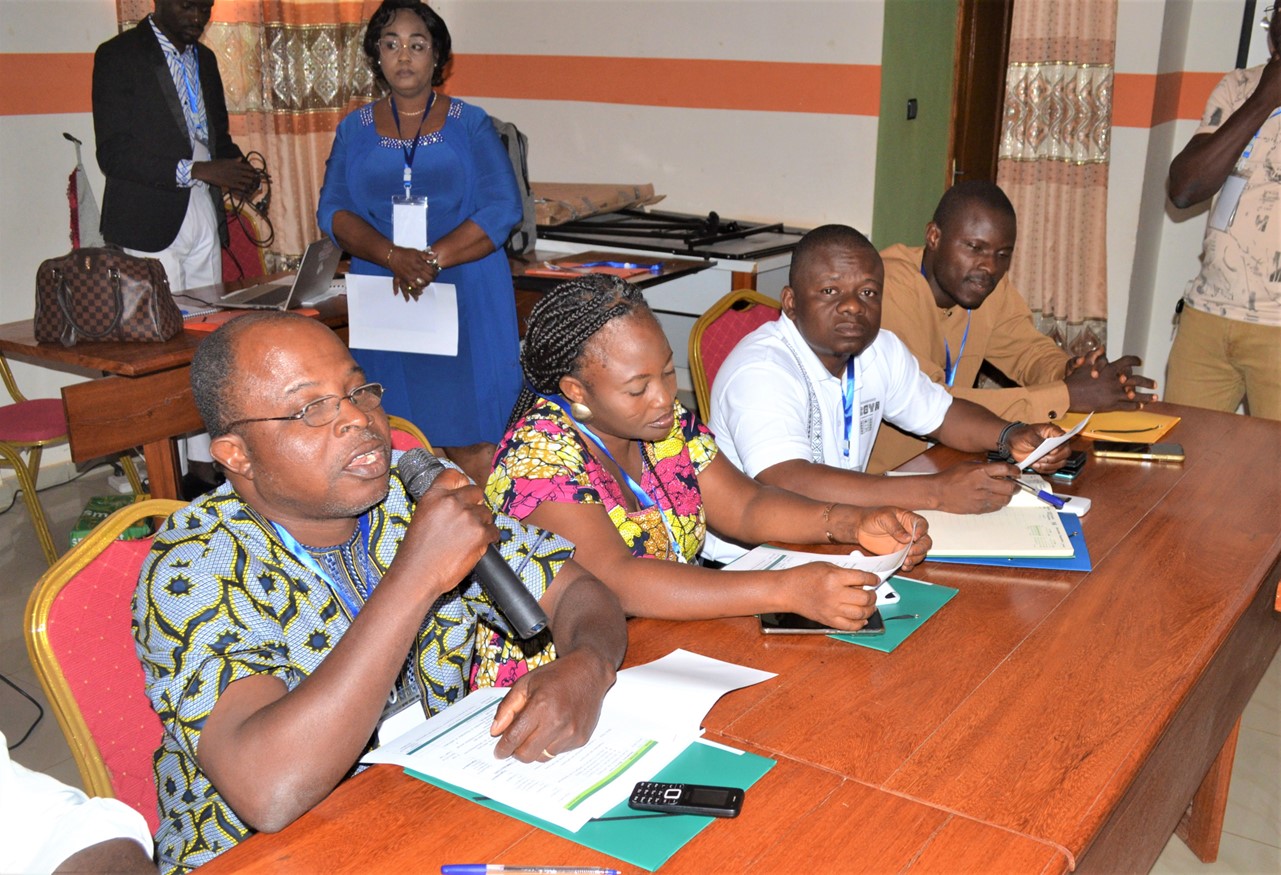
The second training course took place from 10 to 14 November 2025, also in Bohicon, and focused on veterinary legislation and regulations. It trained an initial cohort of 25 animal health professionals, comprising 17 veterinary paraprofessionals and 8 veterinary surgeons from the public and private sectors. Five of the participants were women, reflecting a gradual shift towards greater inclusion in the sector. Organised over five days, this training course was led by four experts, including two national experts from Benin and two guest experts from Togo, promoting a comparative and regional approach to veterinary legislation. The sessions alternated between theoretical presentations, group work and plenary discussions, in a particularly dynamic exchange environment.
Participants first strengthened their understanding of international and community frameworks for veterinary legislation, including WOAH standards and guidelines and legal instruments applicable in West Africa. The training then focused in depth on national legislation, in particular the Pastoral Code, provisions relating to animal health policing, health mandates, transhumance and the ethical rules governing the practice of the veterinary profession.
The group work, organised into two groups of 12 and 13 participants, enabled the analysis of specific situations in which the texts are applied, clarifying the hierarchy of standards, the responsibilities of the various actors and the control and sanction mechanisms. The discussions highlighted several challenges, including the need to update certain existing texts, remove ambiguities related to the exercise of VPPs, and raise awareness among farmers and professional organisations.
This training course helped participants to better understand and embrace the legal framework, which is essential for ensuring safe professional practices, improving governance in the veterinary sector and strengthening the credibility of interventions in the field.
By organising these two complementary training courses in Bohicon, the P3V project has laid solid foundations for the sustainable strengthening of veterinary services in Benin.
A total of 29 key animal health stakeholders were trained in less than three months, including four national trainers and 25 animal health professionals, who will act as project representatives in the field. These achievements contribute to improving the quality of local veterinary services, strengthening livestock farmers’ confidence and supporting health and food safety objectives.
Through these actions, the P3V project confirms its commitment to a more efficient, better structured and sustainable animal health system, serving the development of livestock farming and public health in Benin.