


Strengthening genomic surveillance for vector-borne diseases: PROVNA2 hosts its 3rd webinar on Whole Genome Sequencing (WGS)
September 18, 2025
Read more
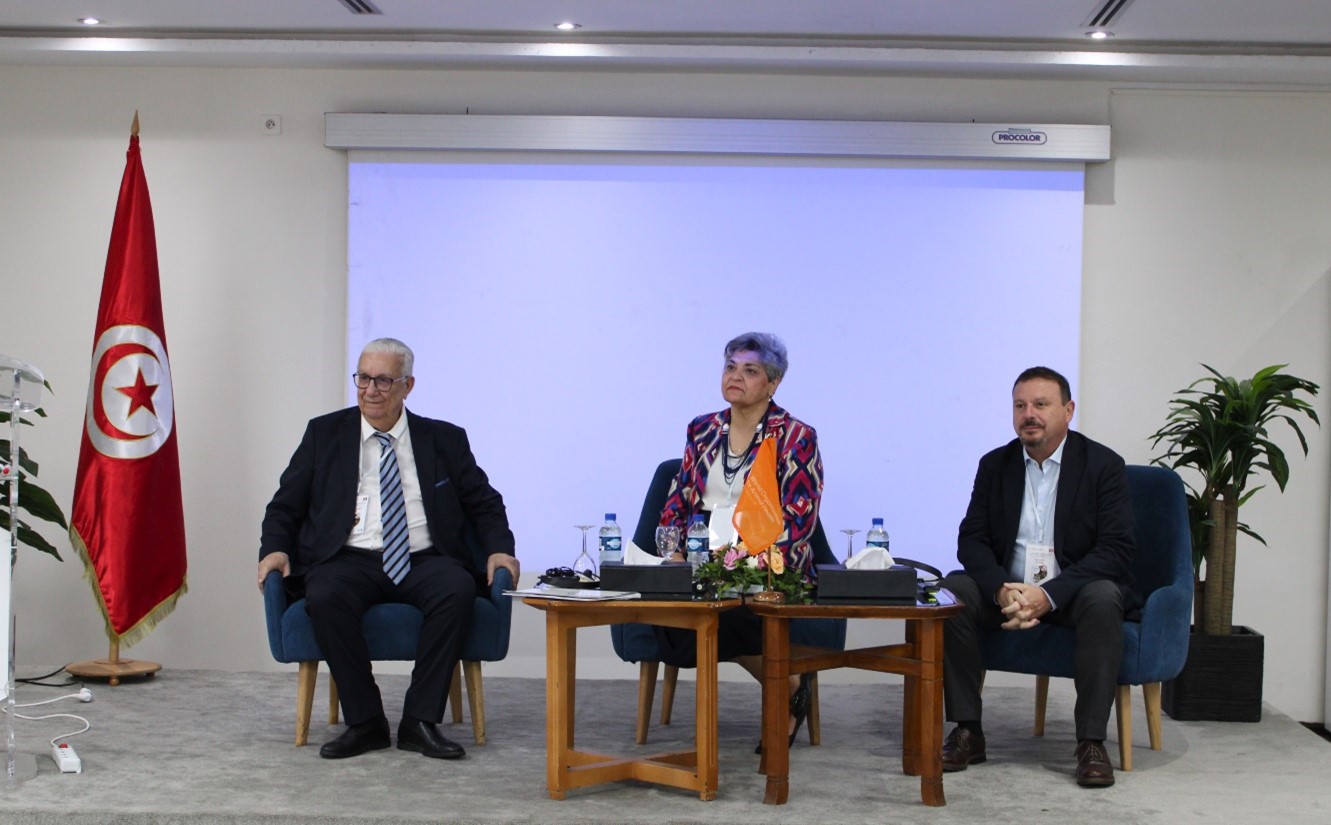
Dr Baba Soumaré, Deputy Director General, WOAH
In his opening remarks, Dr Baba Soumaré, WOAH Deputy Director General, highlighted the expanding range, intensity and seasonality of climate-sensitive diseases such as Rift Valley fever, West Nile virus and malaria. He stressed that anticipation, early warning and prevention are now essential, and that PROVNA demonstrates how One Health, innovation and satellite data can guide evidence-based surveillance.
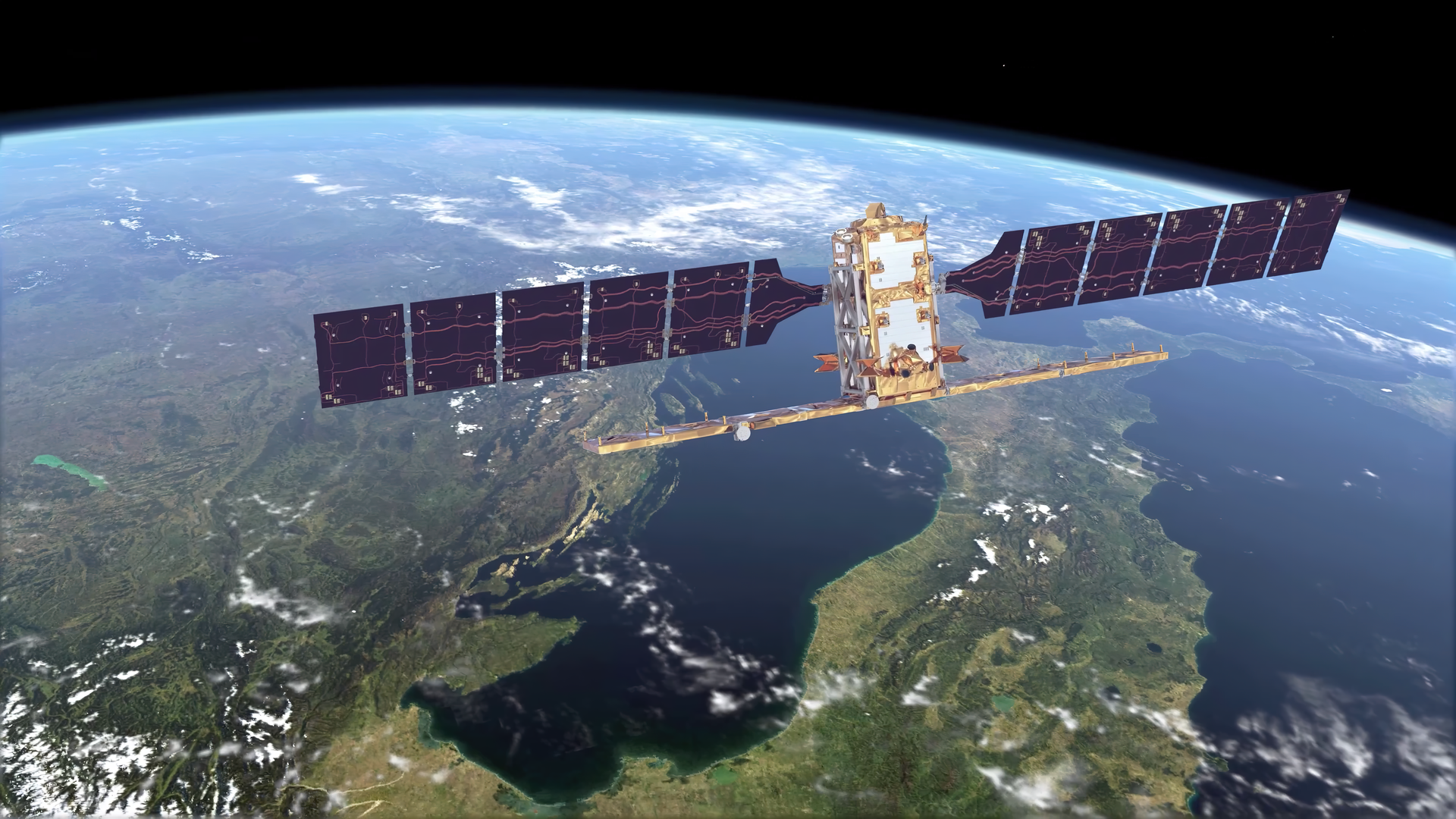
The technical session opened with Annamaria Conte (IZS, Teramo), who presented the scientific basis of eco-regionalisation—a data-driven method that classifies territories according to shared environmental and climatic factors using Earth Observation data. Eco-regions are not disease-specific and can be applied to multiple climate-sensitive diseases, including Rift Valley fever.
Dr Francesco Valentini (WOAH Sub-Regional Representation for North Africa, Tunis) then outlined PROVNA activities in North Africa. During Phase 1 (2022–2024), eco-regions were identified across the sub-region, providing Veterinary Services with a tool to optimise human and financial resources and support risk-based surveillance planning.
Phase 2, launched in September 2024, expands towards a full risk-based surveillance system, combining field entomological and serological activities, standard operating procedures, and capacity building in epidemiology, entomology and virology.
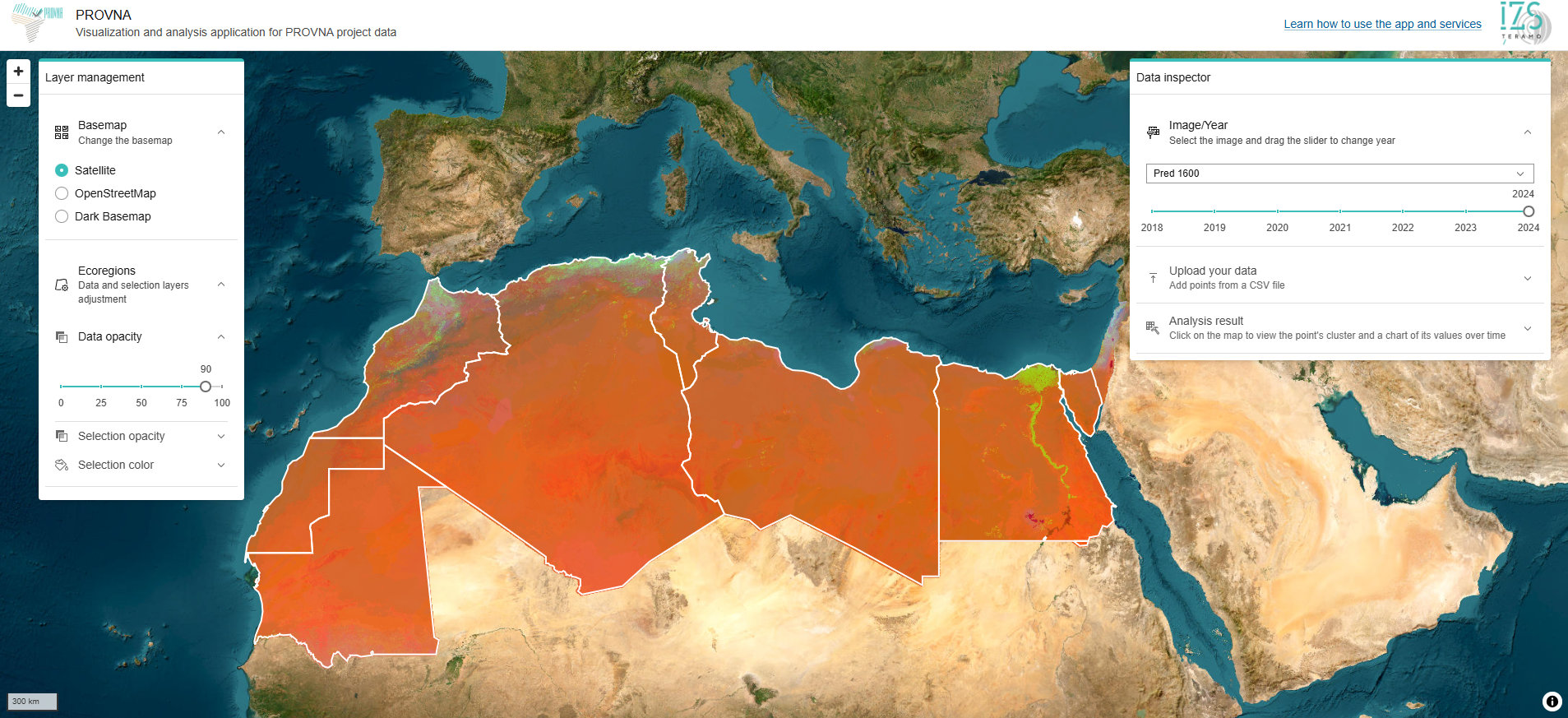
A major highlight of the webinar was the live demonstration of the updated PROVNA Platform, presented jointly by Annamaria Conte and Alessio Di Lorenzo (IZS, Teramo).
The platform now allows users to:
Participants were shown how the tool can be used by national Veterinary Services to guide operational decisions, streamline monitoring efforts, and build a harmonised approach across borders.
If you want to access the platform and guidelines please use the following links:
Platform: https://mapserver.izs.it/gis_provna_viewer/
Guidelines: https://storymaps.arcgis.com/stories/b40513e4e8b84eddb2c8ff48c2da9d01
Data provided by the platform is distributed under the Creative Commons Attribution 4.0 International License ( CC BY 4.0 ). To attribute this resource according to the license, use the following format: “Ecoregions are the outcome of PROVNA, a WOAH project implemented by IZS-Teramo, and funded by the BMZ and the USDA APHIS”
Dr Baba Soumaré, Deputy Director General, WOAH
The webinar also featured an intervention from Dr Paolo Tizzani (WOAH Data Integration Department, Paris), who presented how PROVNA eco-region data are being incorporated into WOAH’s epidemic intelligence situation reports, as part of the Rift Valley Fever Incident Management System (IMS) in West Africa.
Through this integration, eco-regions help contextualise outbreak data, highlight areas with recurrent notifications, and support decision-making for targeted follow-up and surveillance. This marks one of the first operational uses of PROVNA data beyond North Africa — demonstrating its adaptability and added value in real-time event monitoring.
In the final technical segment, Dr Paolo Calistri (IZS, Teramo) and Dr Chadia Wannous (WOAH, Paris) reflected on the broader potential of eco-regionalisation under a One Health lens.
They emphasised how the PROVNA approach is already being expanded through PROVBAC, a new WOAH–IZS Teramo collaboration aimed at establishing a risk-based surveillance system for mosquito-borne diseases in the Western Balkans and Caucasus. They also highlighted the relevance of the methodology to a range of other climate- and environment-driven diseases, and its role in supporting countries’ long-term adaptation strategies.
In his closing remarks, Dr Rachid Bouguedour, Representative of the WOAH Sub-Regional Representation for North Africa, encouraged Member Countries to actively engage in Phase 2, test the platform, share their experiences, and help strengthen regional cooperation. He noted that PROVNA is not only a technical achievement, but a collective effort in building preparedness and resilience across the region.
“In closing, let us remember that the challenges posed by climate-sensitive and vector-borne diseases can only be met through anticipation, collaboration, and innovation”, he stated.
Dr Rachid Bouguedour, Representative, WOAH Sub-Regional Representation for North Africa.