
Dakar, Senegal
Summary of the P3V webinar (1/5): understanding the P3V Project, its objectives and key results
November 26, 2025
Read more
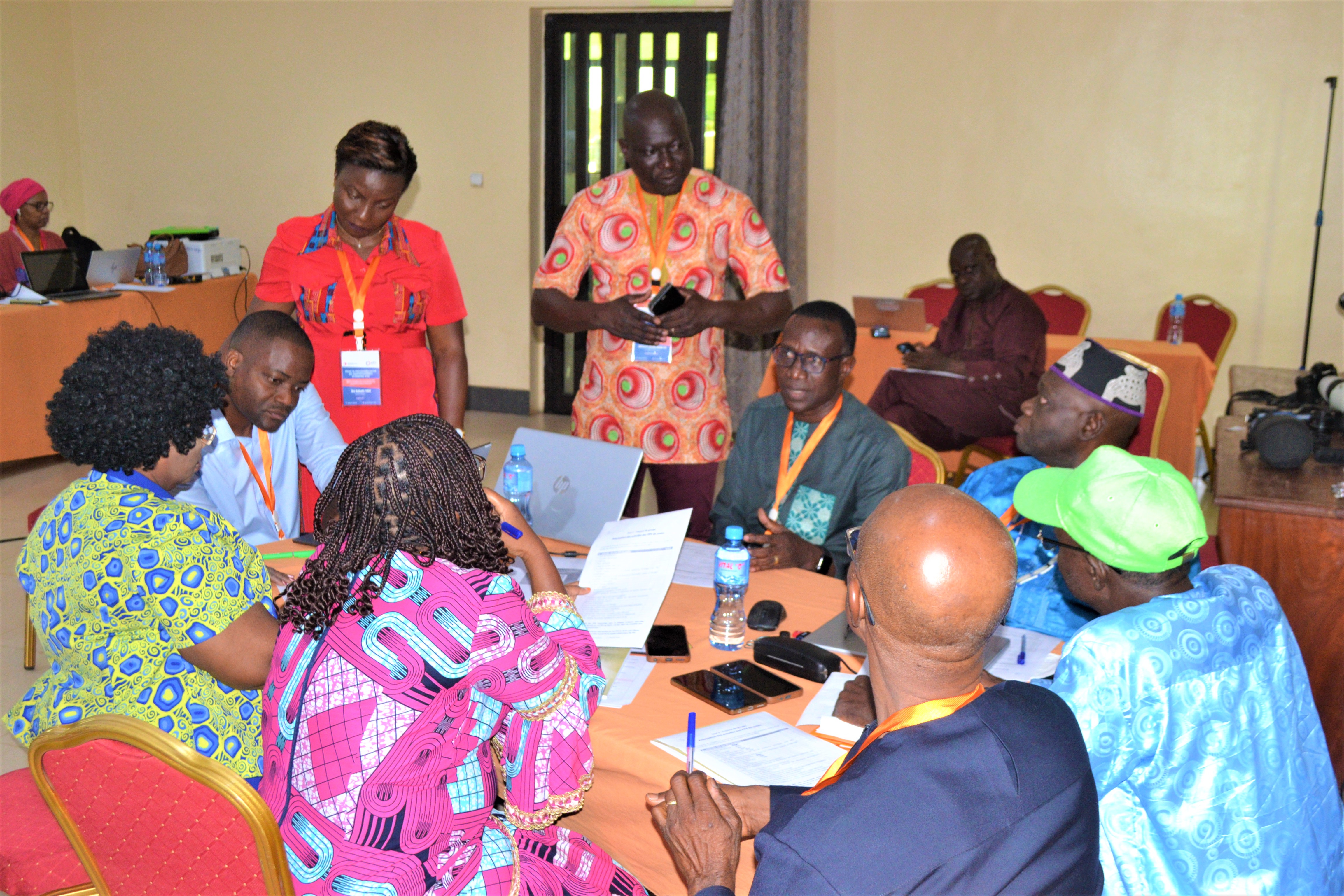
On 26 November 2025, the World Organisation for Animal Health (WOAH), with financial support from the French Development Agency (AFD), organised a webinar on the impact and capitalisation of the ‘Professionalisation of Veterinary Para-professionals’ (P3V) Project, marking a key milestone in the gradual closure of this initiative implemented in pilot countries.
After an initial presentation setting out the general framework of the Project and reviewing its foundations, the webinar continued with a second presentation dedicated to analysing the results obtained, the changes brought about in the field and the lessons learned from the implementation of the P3V. This session aimed to assess the scope of the actions carried out and identify best practices that could inform the prospects for sustaining and expanding the Project.
This presentation was delivered by Dr Holly Hufnagel, Senior consultant at GOPA AFC. A veterinarian by training with extensive experience in the development of the livestock and agriculture sectors, particularly in Africa, she led the study on behalf of WOAH, in collaboration with Dr Balabadi Dao on the impact of the P3V Project, its key lessons and its prospects for transferability and extension to other contexts.
The study conducted as part of the P3V had two main objectives. The first was to assess the impact of the project on beneficiaries and stakeholders, while the second focused on analysing the transferability of the P3V model and opportunities for expansion to other national and regional contexts.
To meet these objectives, a mixed methodology was used, combining documentary analysis, online questionnaires for students and beneficiary VPPs, field surveys in Senegal, Togo and Benin, individual interviews with institutional actors and group discussions with VPPs and trainers.
One of the major findings of the study concerns the sectoral impact of the P3V Project. In the three countries where it was implemented, the Project helped transform historically conflictual relations between veterinarians and veterinary paraprofessionals into more collaborative and structured relationships.
This change resulted in:
Collaborative work throughout the Project, the gradual involvement of all stakeholders and ongoing training for VPPs, particularly on veterinary legislation, were identified as key factors in the success of this transformation.
The study also highlights structural impacts on training systems. The curricula of partner institutions have been revised and harmonised in line with WOAH standards, contributing to an overall improvement in the quality of training. Notable results include:
These developments have been viewed very positively by employers, who have noticed a tangible improvement in the practical skills of newly trained VPPs.
In terms of student VPPs, the study highlights a high level of satisfaction with theoretical training, although there is still a need to strengthen practical training. The internship programmes set up as part of the Project have facilitated access, improved the structure of courses and provided more realistic exposure to professional working conditions.
For active VPPs, the continuing education courses implemented as part of the P3V programme were particularly valued. Approximately 60% of beneficiaries surveyed stated that these courses contributed to career advancement, improved effectiveness in the field, an increase in their client base, or a change in position.
The impact study highlights important lessons in terms of gender. Although a gradual feminisation is observed, particularly among student cohorts, women remain under-represented in the profession and face specific obstacles. Among the main constraints identified are:
In light of these findings, the study recommends strengthening awareness-raising initiatives, promoting gender representation in consultation frameworks, adapting educational programmes and developing mentoring approaches.
Beyond the observed impacts, the study identifies several transferable good practices, including:
After 5 years of implementation, the P3V Project has helped to remove structural barriers, improve the quality of training for veterinary paraprofessionals and lay the foundations for sustainable collaboration between stakeholders in animal health systems.
However, the sustainability of these achievements will depend on the commitment of local stakeholders, the consolidation of the institutional framework, and the effective adoption of the tools that were developed. These lessons provide an essential foundation for considering the prospects for transferring and expanding P3V, which will be the subject of the third article in this series.
Study on the Impact and Transferability of the P3V Project, Dr. Holly Hufnagel (GOPA - AFC). In French.