

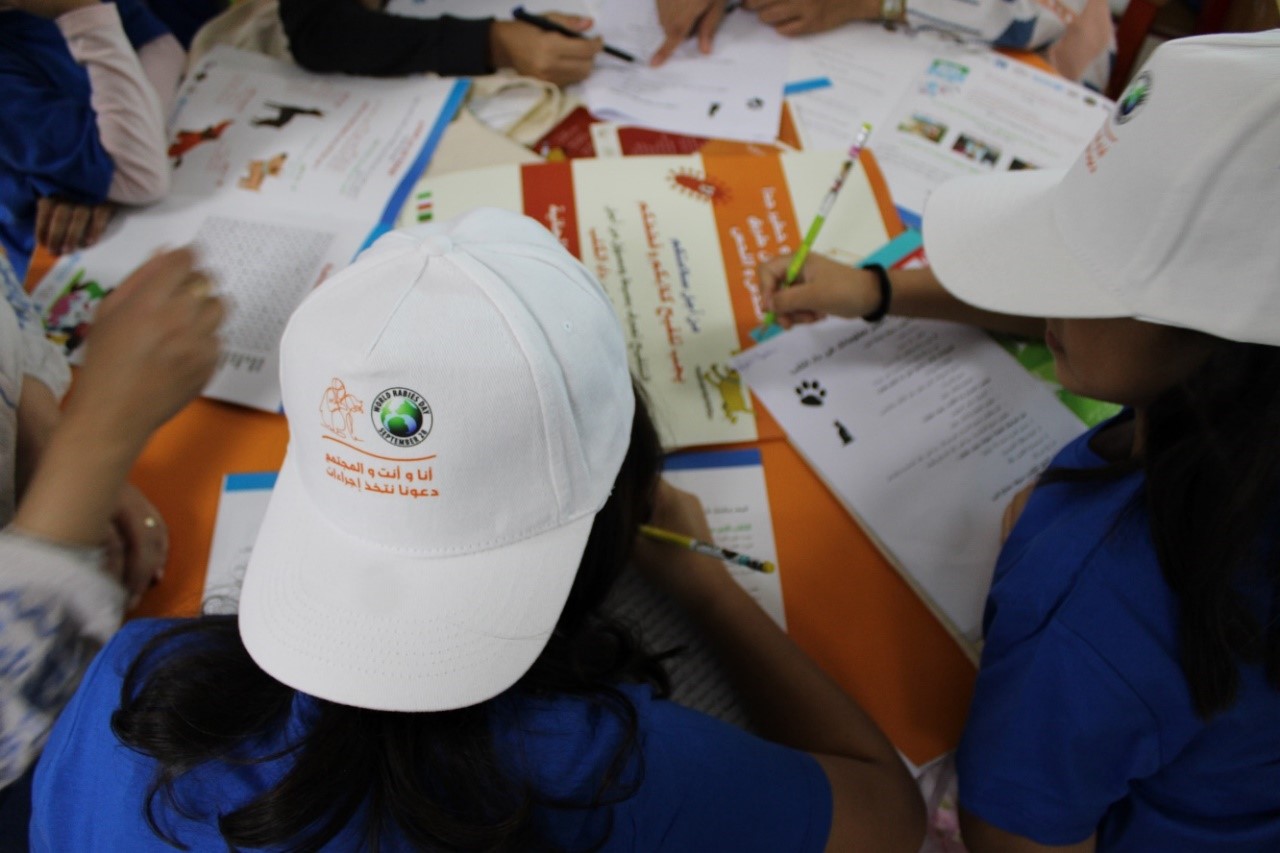
Towards a Rabies-Free Algeria: What Is the National Strategy?
October 07, 2025
Read more
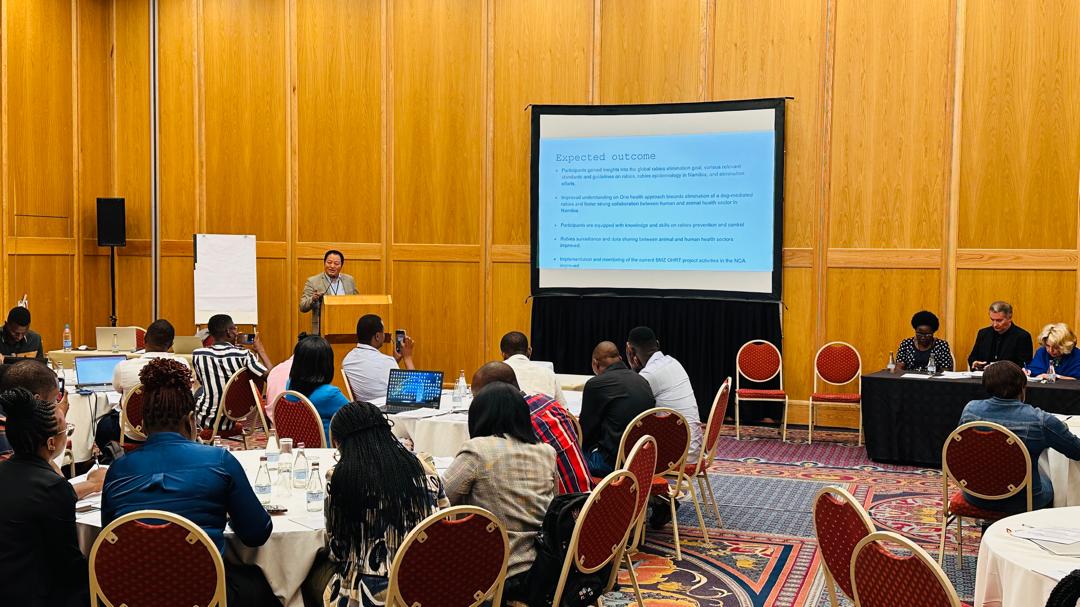
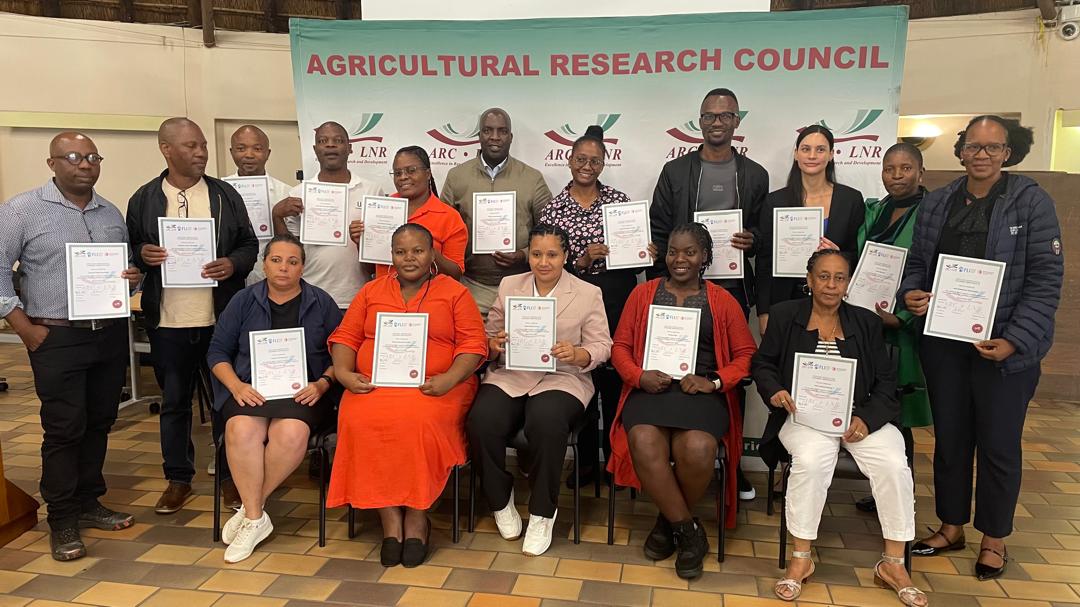
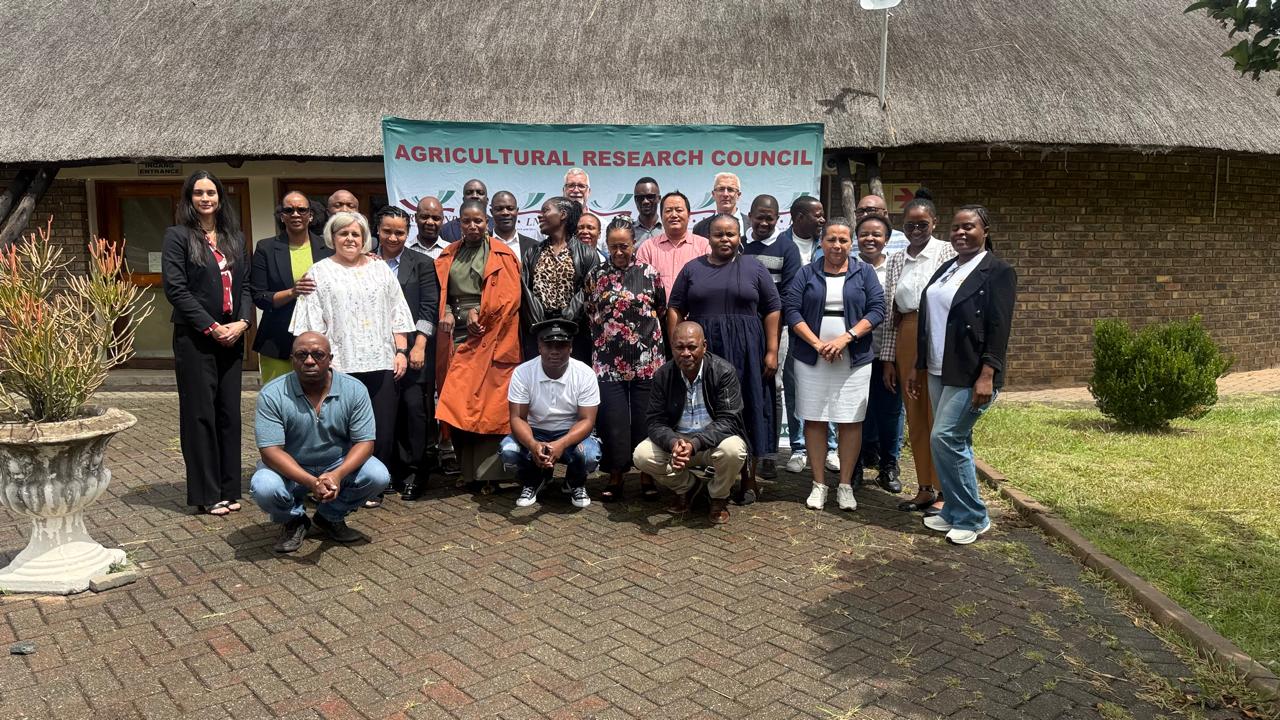
The SADC Rabies Laboratory Network (RABLAB) meeting was held at the Agricultural Research Council’s Onderstepoort Veterinary Research Institute (ARC-OVRI) in South Africa from 4–5 March 2026. The meeting was facilitated by ARC-OVRI, the Friedrich-Loeffler-Institute (FLI) of Germany, and the World Organisation for Animal Health (WOAH), with funding support from the BMZ OHRT Project.
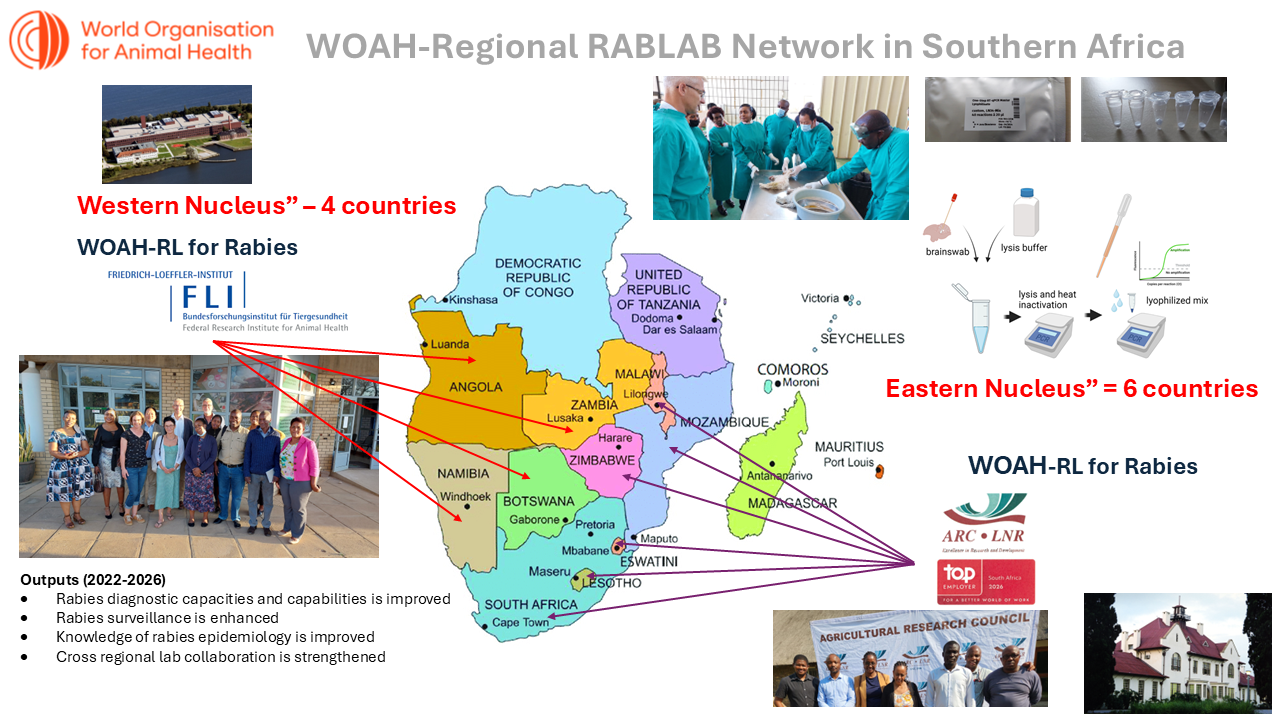
It brought together rabies laboratory technicians and heads of central veterinary laboratories from nine countries : Angola, Botswana, Eswatini, Lesotho, Malawi, Mozambique, Namibia, South Africa, and Zimbabwe, providing a strong platform for technical exchange and collaboration.
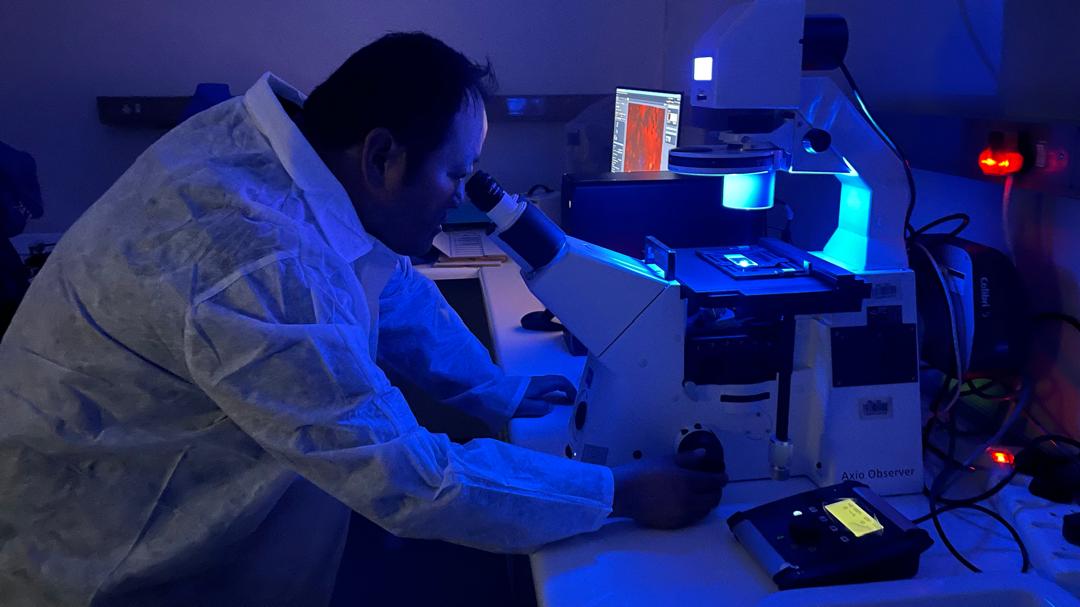
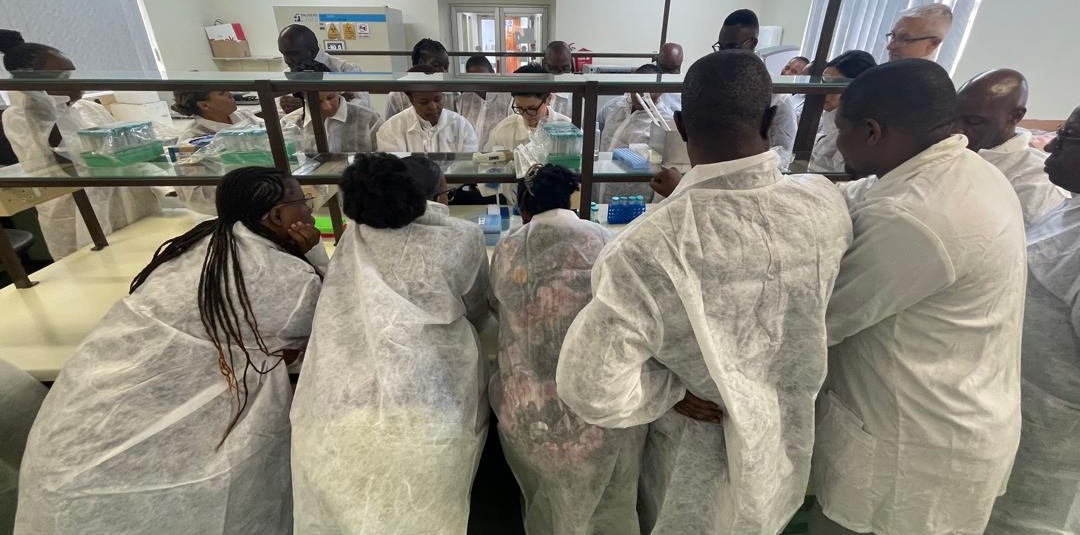
Key discussions focused on strengthening rabies diagnostic capacities, harmonizing WOAH-approved laboratory test protocols, and improving surveillance and reporting systems across the region. A hands-on practical session on RT-PCR techniques for rabies diagnosis was conducted at the OVRI laboratory. Participants also presented updates on the status of rabies diagnosis and surveillance in their respective countries, challenges and solutions.
Participants emphasized the importance of training, resource sharing, and sustaining continuity of expertise to ensure effective rabies control. The meeting drafted and endorsed Terms of Reference to maintain the network, and a Chair and Co-Chair were elected to provide leadership. Overall, the meeting successfully achieved the objectives of the SADC Rabies Laboratory Network.
Le réseau régional rage 'RABLAB' de l'OMSA pour l'Afrique australe
This meeting marked a milestone by bringing together the two nuclei into a unified SADC RABLAB Network, thereby strengthening collaboration and enabling greater exchange of intercountry experiences among laboratories.
Rabies diagnostic capacity building and surveillance are one of the critical components of any effective control program. Strong surveillance systems allow us to measure progress, identify gaps, and design interventions that truly protect our communities.