Livestock movement plays a pivotal role in the spread of transboundary animal diseases such as Foot-and-mouth disease, Lumpy skin disease, and Contagious bovine pleuropneumonia. Accurate analysis of livestock movement records enables veterinary authorities to identify high-risk patterns, trace potential transmission pathways, support outbreak investigations, and design effective prevention and control strategies. Recognising this, the Directorate of Veterinary Services in Namibia emphasises the importance of building capacity among veterinary officials in livestock movement data analysis.
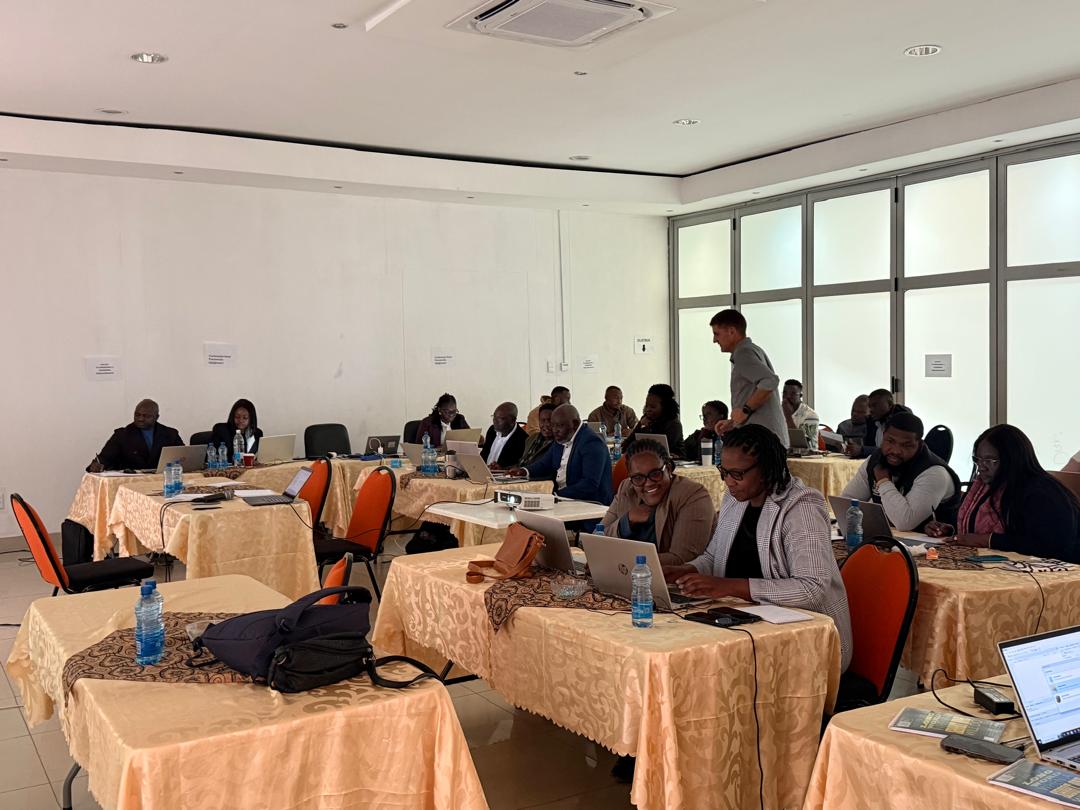
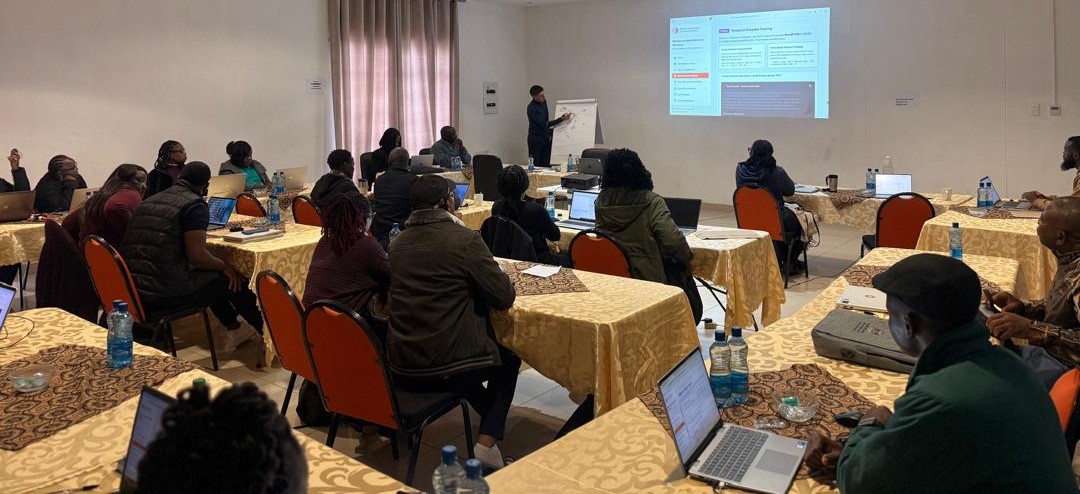
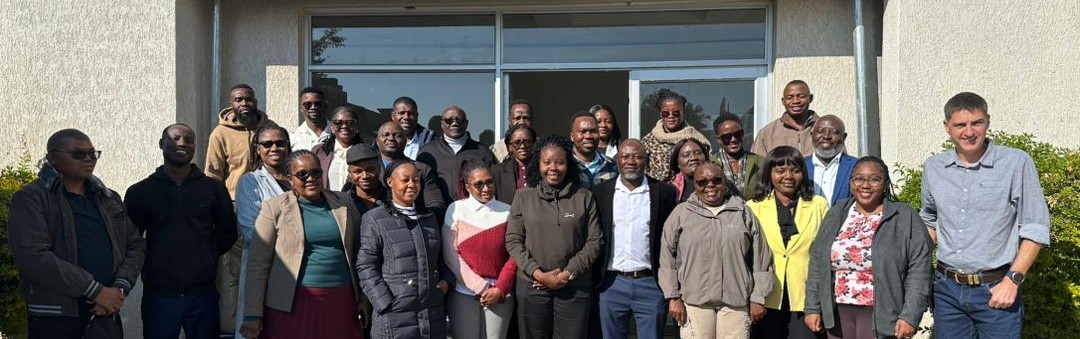
Partial overview of the participants. Picture (c) R. Haimbodi (DVS Namibia) 2026.
A four-day training workshop on livestock movement data analysis was conducted in Otjiwarongo, Namibia, from 22 to 25 June 2026. The workshop was facilitated by Dr. John Grewar, a veterinary epidemiologist from JDATA Pty (Ltd), South Africa. A total of 32 participants attended, including veterinarians from the epidemiology unit, state veterinary offices, livestock traceability unit as well as few para-veterinary professionals
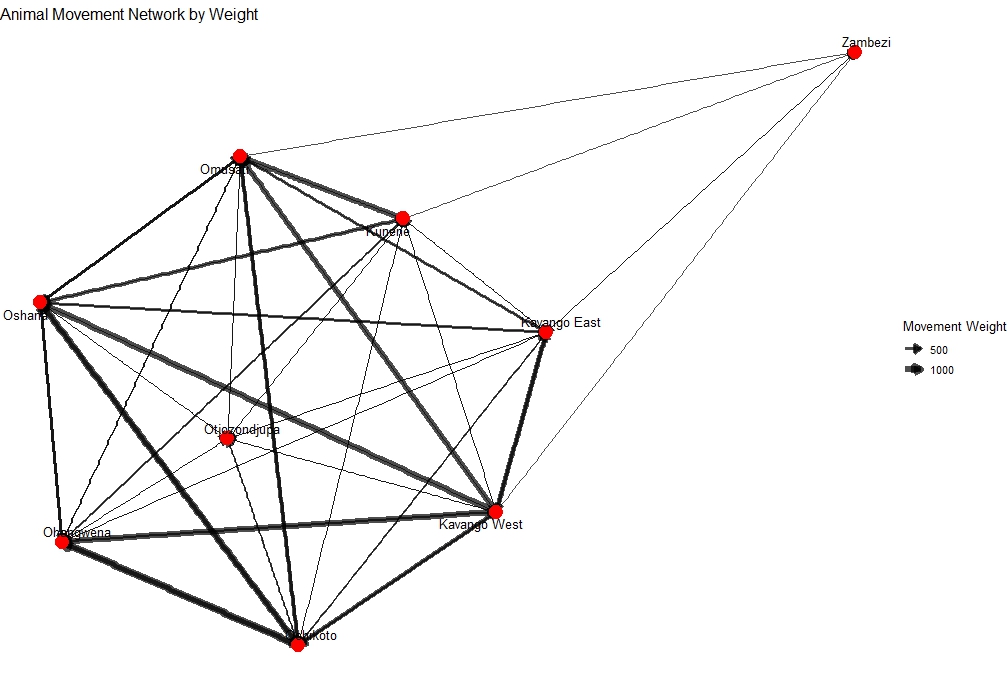
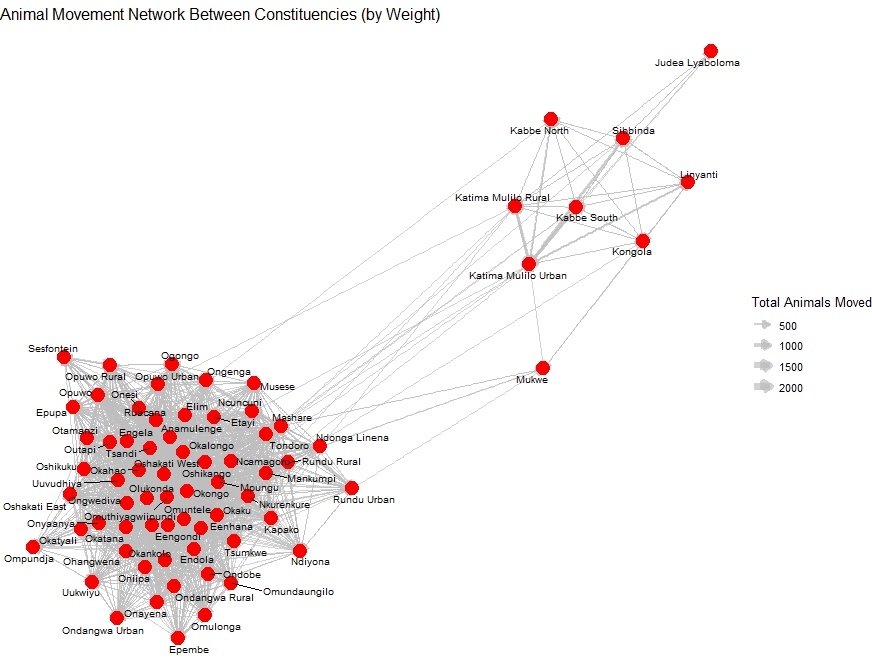
The training aimed to strengthen Namibia’s preparedness and response to transboundary animal diseases by equipping veterinary personnel with modern data analysis and visualization skills. Namibia has a robust livestock traceability system in place called NamLITS which record the movement of animals in the country. Throughout the workshop, participants received practical training in key analytical tools used in veterinary epidemiology. The program covered: R software basics, data wrangling and import methods, data visualization using ggplot2, network analysis, Geographic visualization with QGIS, digital data collection through Epicollect5.
Examples of animal movement networks in 2023 in the Northern Communal Area of Namibia. Networks created by T. Tenzin (WOAH).
Hands-on sessions provided participants with practical experience in managing, analysing, and visualising livestock movement data to support informed decision-making during disease surveillance and outbreak response. The successful completion of the workshop reflects Namibia’s continued commitment to adopting data-driven approaches that safeguard animal health, support livestock producers, and maintain the country’s favorable animal health status and market access.
This training workshop is funded by the German Federal Ministry for Economic Cooperation and Development through the “One Health Approach for the Control of Rabies and Transboundary Animal Diseases (OHRT)” Project implemented by the World Organisation for Animal Health (WOAH)