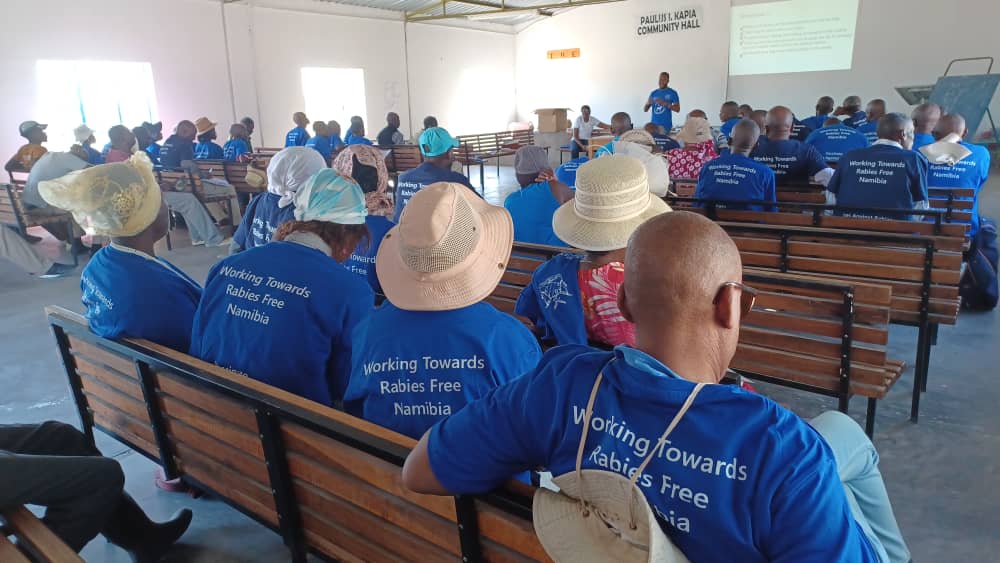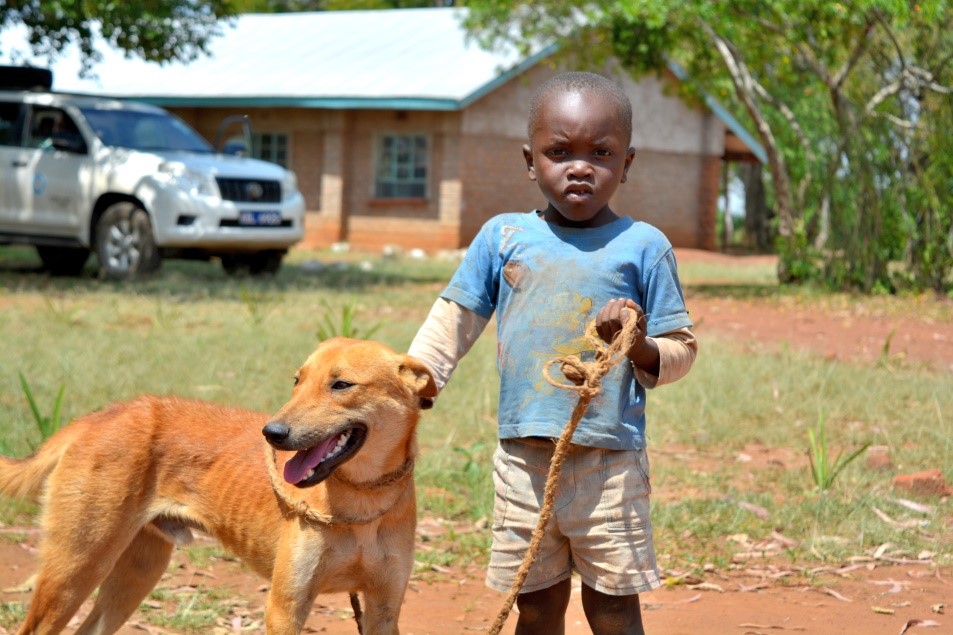

Oshikoto Region, Namibia
Community Engagement for Rabies Control in the NCA Namibia
March 14, 2026
Read more
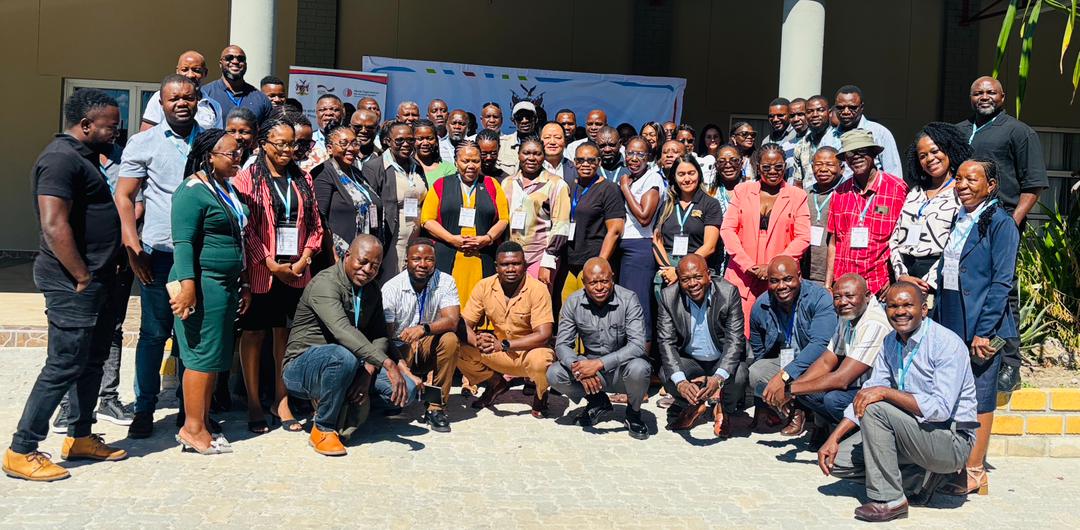
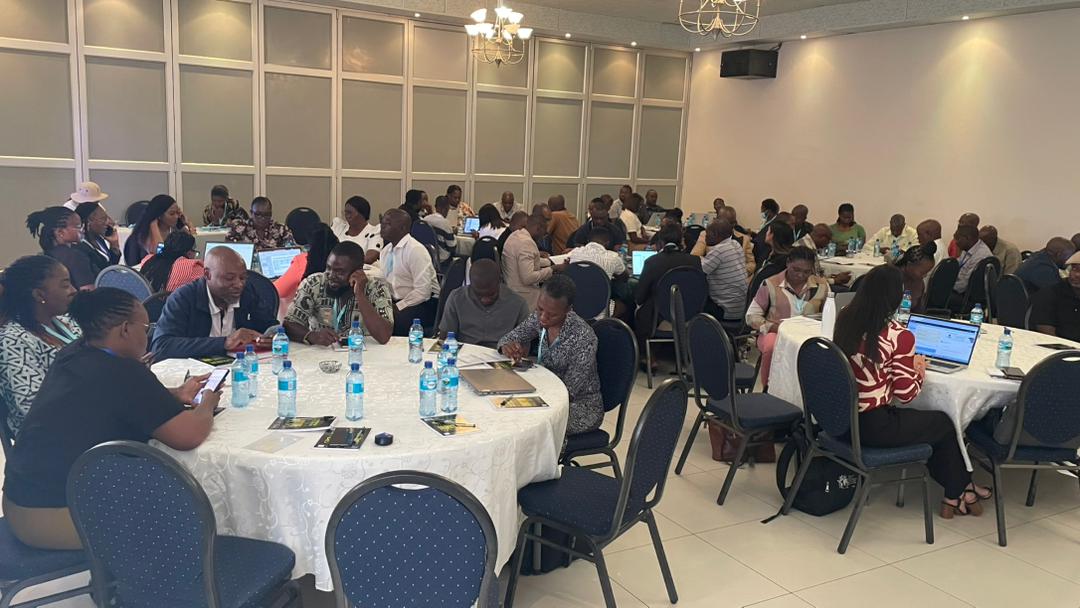
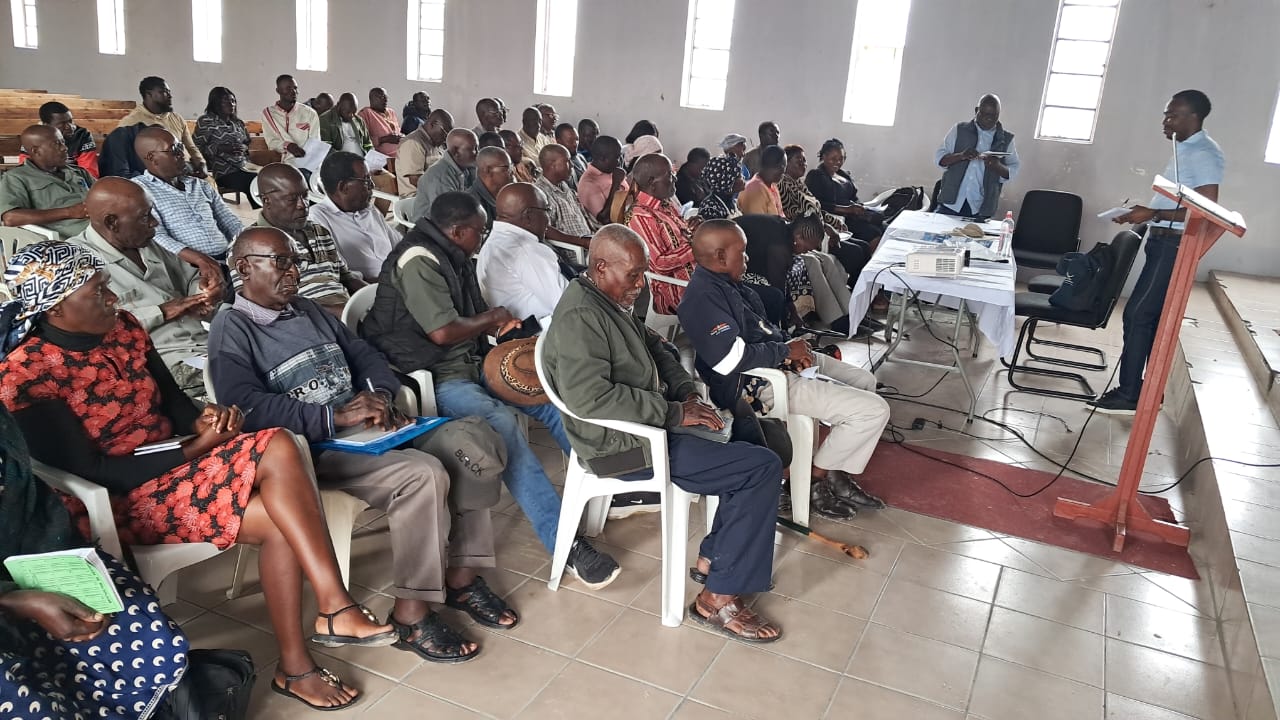
Rabies and TADs Project Review and Planning Meeting. Photo (c) T. Tenzin (omsa) 2026.
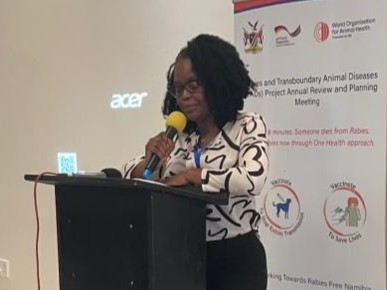
Dr. T. Tenzin, WOAH Project Lead. Picture (c) T. Tenzin (woah) 2026.
The Federal Ministry for Economic Cooperation and Development (BMZ) of the Republic of Germany, through the World Organisation for Animal Health (WOAH), funds the Project “One Health Approach Towards Control of Rabies and Transboundary Animal Diseases (OHRT)” to support the Directorate of Veterinary Services (DVS) in implementing Namibia’s national programme for the elimination of dog-mediated human rabies in the Northern Communal Area (NCA). The NCA comprises eight regions and 75 constituencies north of the southern veterinary cordon fence (SVCF), home to approximately 1.6 million people and over 271,000 dogs. Dog-mediated rabies is endemic in this area, and the project aims to eliminate human rabies deaths caused by dogs by 2030.
Initially piloted in Oshana Region in 2016, the project was rolled out across the entire NCA in 2017. Over nearly 10 years, it has achieved remarkable progress: rabies incidence in dogs has declined, and human rabies deaths have dropped from nearly 23 deaths in 2015 (prior to Project implementation) to only two deaths in 2025. Rabies awareness and education have also significantly improved among communities. This success is attributed to the DVS’s commitment on dog rabies vaccination campaign conducted annually as a targeted campaign and at the cattle crush pens along with other livestock disease vaccination campaign, particularly Foot-and-mouth disease (FMD), Contagious bovine pleuropneumonia (CBPP) and Lumpy skin disease (LSD).
WOAH and DVS organised an annual meeting on 15 and 16 April 2026 in Ongandwa, Namibia, to review project activities and prepare an action plan for 2026 and beyond. The meeting was attended by 74 participants, including representatives from the Directorate of Veterinary Services (42), Ministry of Health and Social Services (10), Department of Education (8), local authorities and town councils (8), WOAH (2), the Institute of Veterinary Services of Angola (2), the Cheetah Conservation Program (1), and SPCA (1). Other partners such as Friedrich-Loeffler-Institut ( FLI ), Have a Heart and the Veterinary Association of Namibia either presented online or through recorded presentations.
Rabies and TADs Project Review and Planning Meeting. Photo (c) T. Tenzin (omsa) 2026.
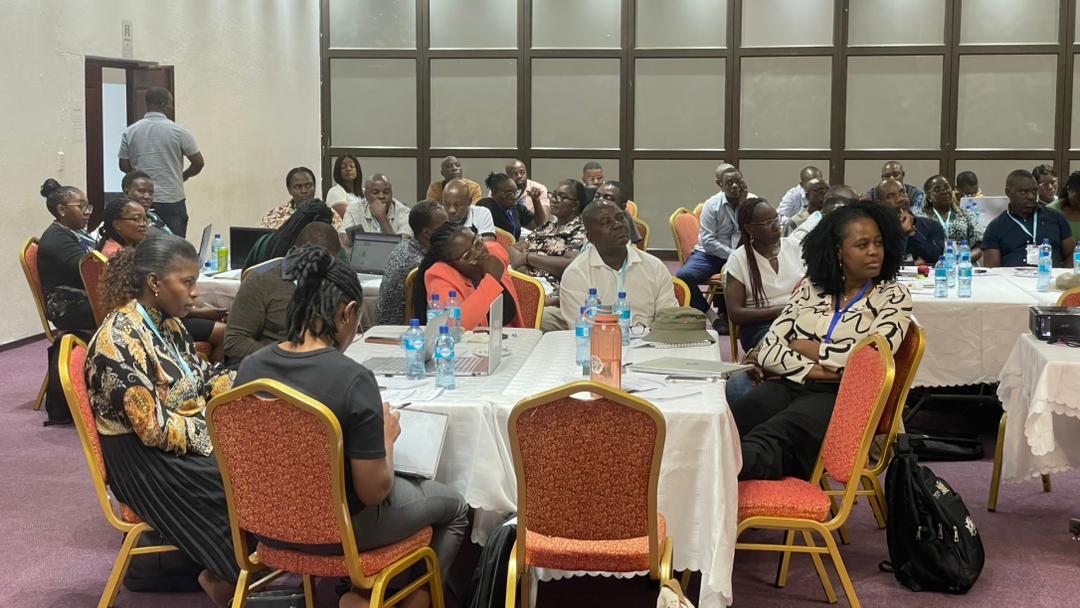
Rabies and TADs Project Review and Planning Meeting. Photo (c) T. Tenzin (omsa) 2026.
Dr Magrecia Hausiku, representing the WOAH Delegate of Namibia. Picture (c) T. Tenzin (woah) 2026.
The meeting adopted the 2026 work plan, focusing on mass dog vaccination campaigns to increase coverage and stop rabies transmission, Oral Rabies Vaccination of dogs to complement the parenteral vaccination, enhanced surveillance, awareness education, community engagement, and capacity building in both veterinary and human health sectors. DVS management reaffirmed its commitment to sustaining rabies elimination activities and assured participants that resources and capacity are in place to continue rabies control efforts beyond the project period, when the current project completes in December 2026.