


CBPP : Regional Online Training on Abattoir Surveillance
December 02, 2025
Read more
WOAH’s official CBPP-free status recognition and endorsement of control programmes are valuable incentives for WOAH Members by improving access to regional and international markets and providing a structured, science-based framework to strengthen surveillance, control measures, and policy commitment.
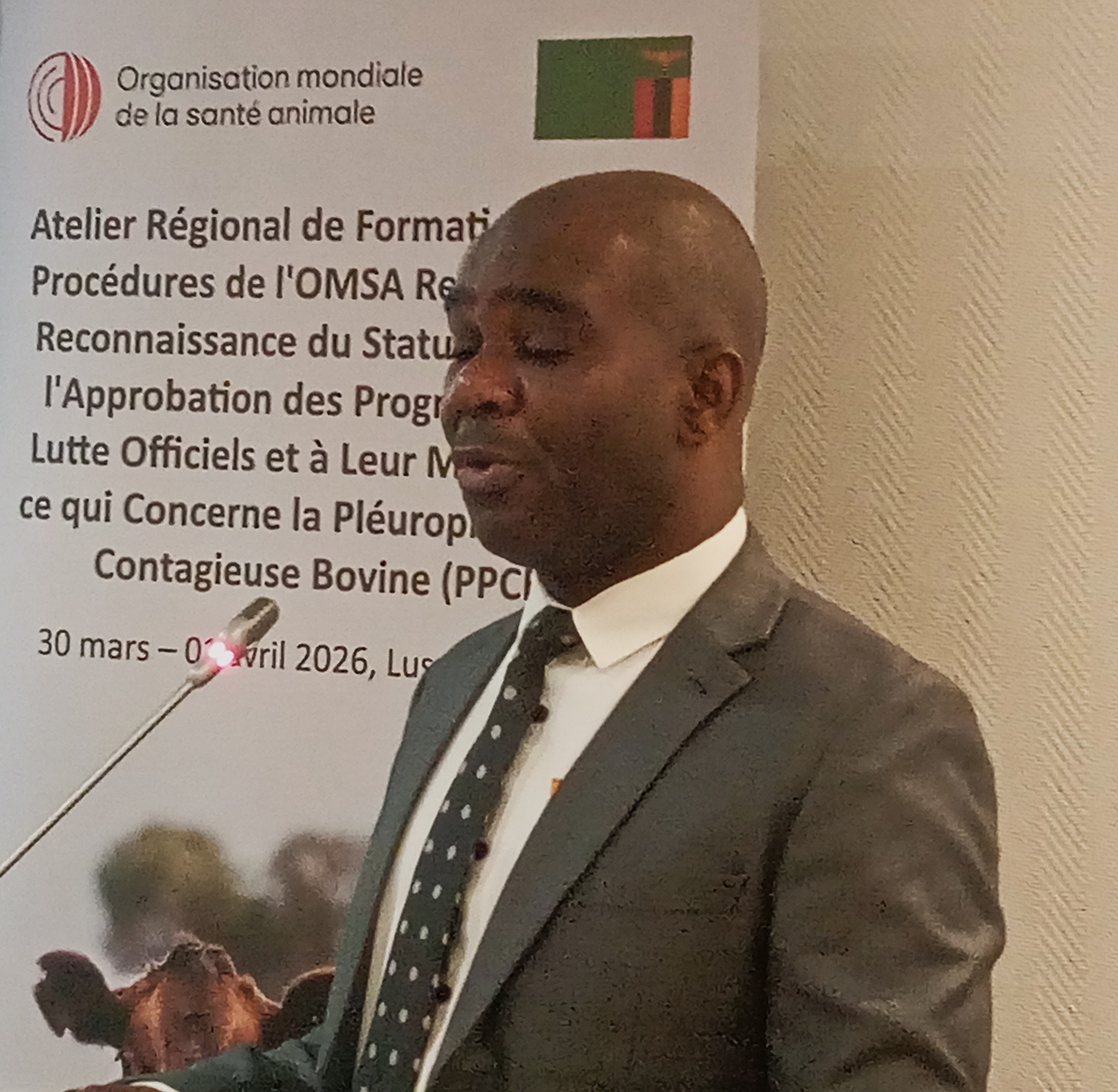
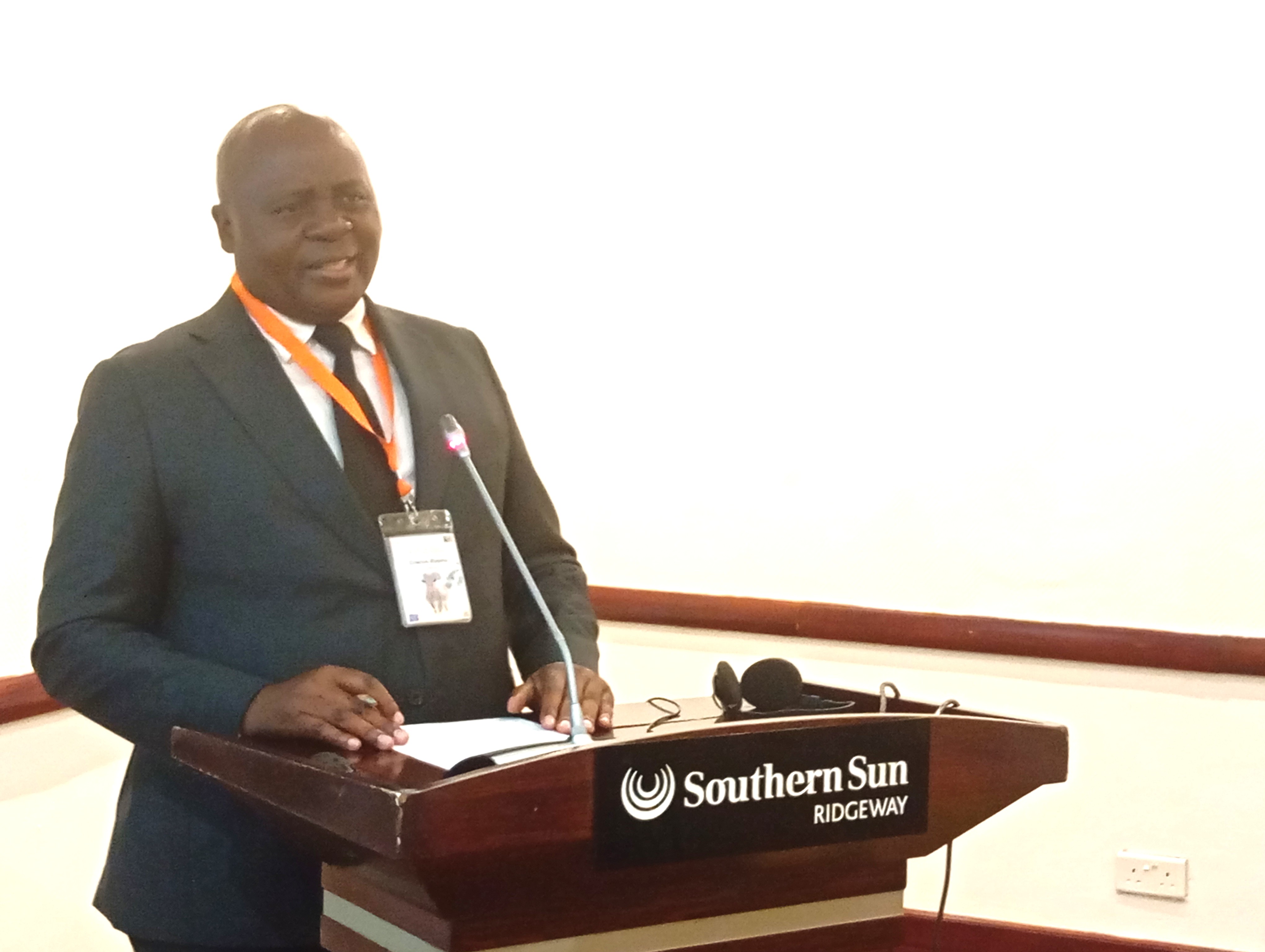
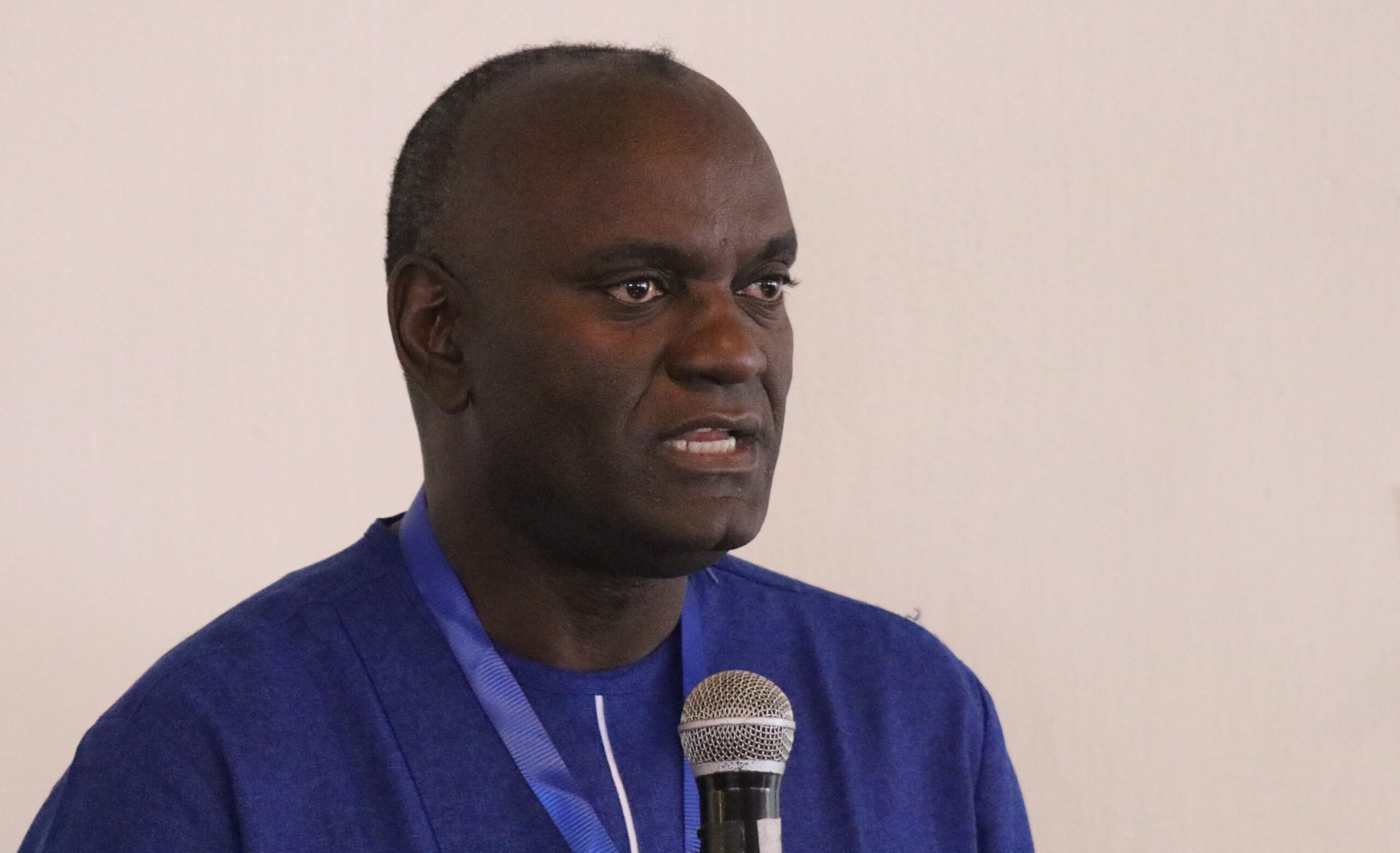
Acting Principal Secretary, Mr. Frederick Mwila, on behalf of the Hon. Minister of the Zambian Ministry of Fisheries and Livestock, Ir. Peter Kapala : Regional training workshop on official WOAH Procedures and Status. Picture (c) P. Bastiaensen (woah) 2026.
Currently, only three Members (Botswana, Eswatini and South Africa) and one Member with a large zone (Namibia, south of the Veterinary Cordon Fence) in the Africa Region have received WOAH official recognition of CBPP-free status, and two Members holding WOAH endorsement for their CBPP official control programmes. Despite the economic hardship caused by the disease, Members’ adherence to the WOAH’s official recognition of CBPP-free status has been low and slow.
Following the specific recommendations of the 26th Conference of the WOAH Regional Commission for Africa to prioritise support for Members in their application of these official procedures, this was the first training workshop for WOAH Members of Africa on the procedures for official recognition of CBPP-free status and endorsement of official CBPP control programmes. Members adherence to WOAH’s official recognition and endorsement promoted harmonised approaches to control CBPP across Africa, encouraged transparent reporting, and strengthened regional cooperation.
With a cattle population of more than 380 million heads, the third most populous species on the continent, cattle husbandry plays a crucial role in the livelihoods in Africa, nutrition, food security, income, and resilience of rural and pastoral communities across Africa. Furthermore, its contribution to national economies and emergent opportunities to increase intra-African trade under the African Continental Free Trade Area (AfCFTA) are acknowledged.
Contagious bovine pleuropneumonia (CBPP), caused by Mycoplasma mycoides ssp. Mycoides however, is a persistent threat to cattle populations because it is highly contagious and spreads rapidly, endemic in most countries, and is difficult to diagnose, mainly due to the chronic carriers. The lack of vaccines with long-term protection compounds the problem. In Africa, the uncontrolled internal and cross-border movements facilitate transmission and disease spread. The occurrence of climate change-related droughts and other environmental stressors triggers long-distance movement, leaving animals weakened and susceptible to CBPP. Moreover, some governments have weak veterinary infrastructure, lack financial resources, trained personnel, and technological inputs to implement national strategies for CBPP control and to undertake WOAH processes for CBPP-free status recognition and/or the endorsement of official control programmes.
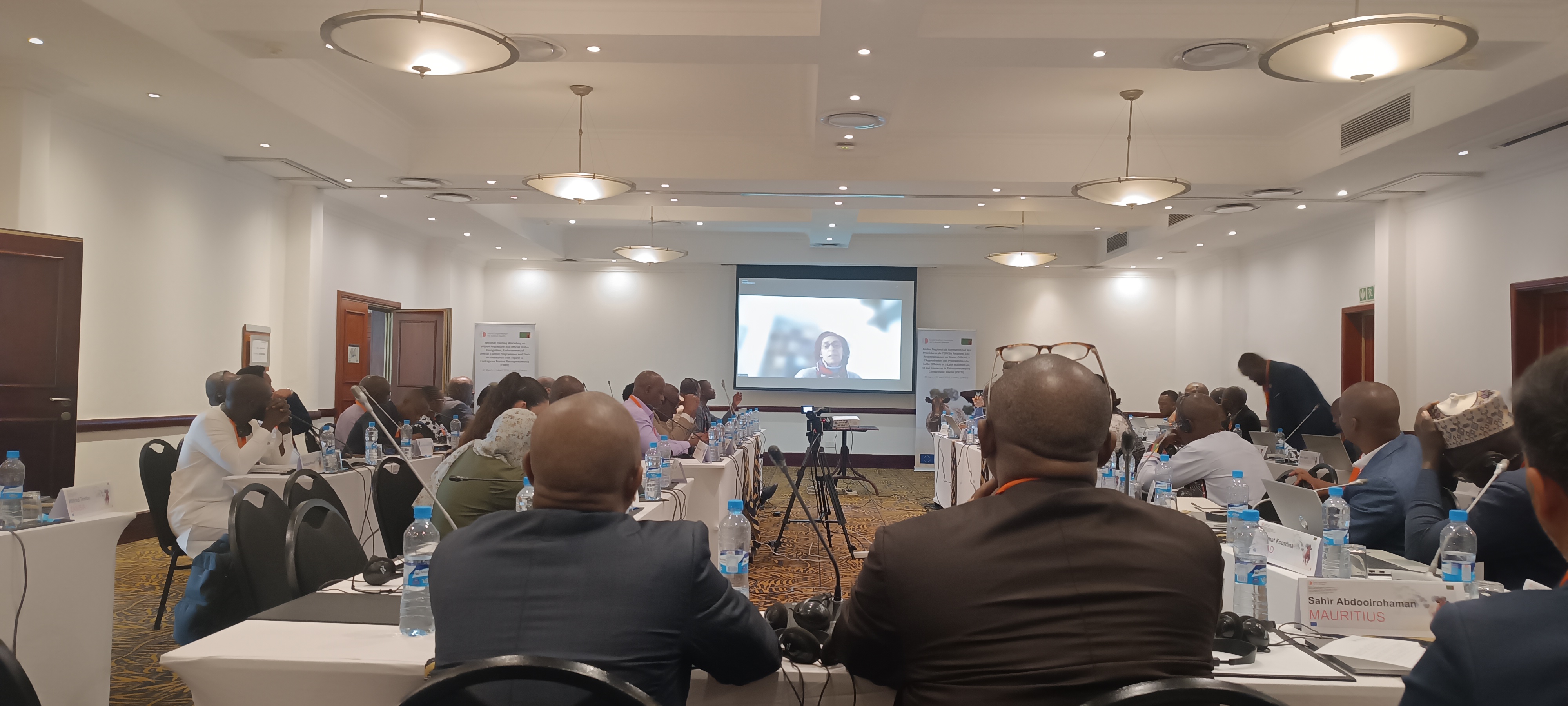
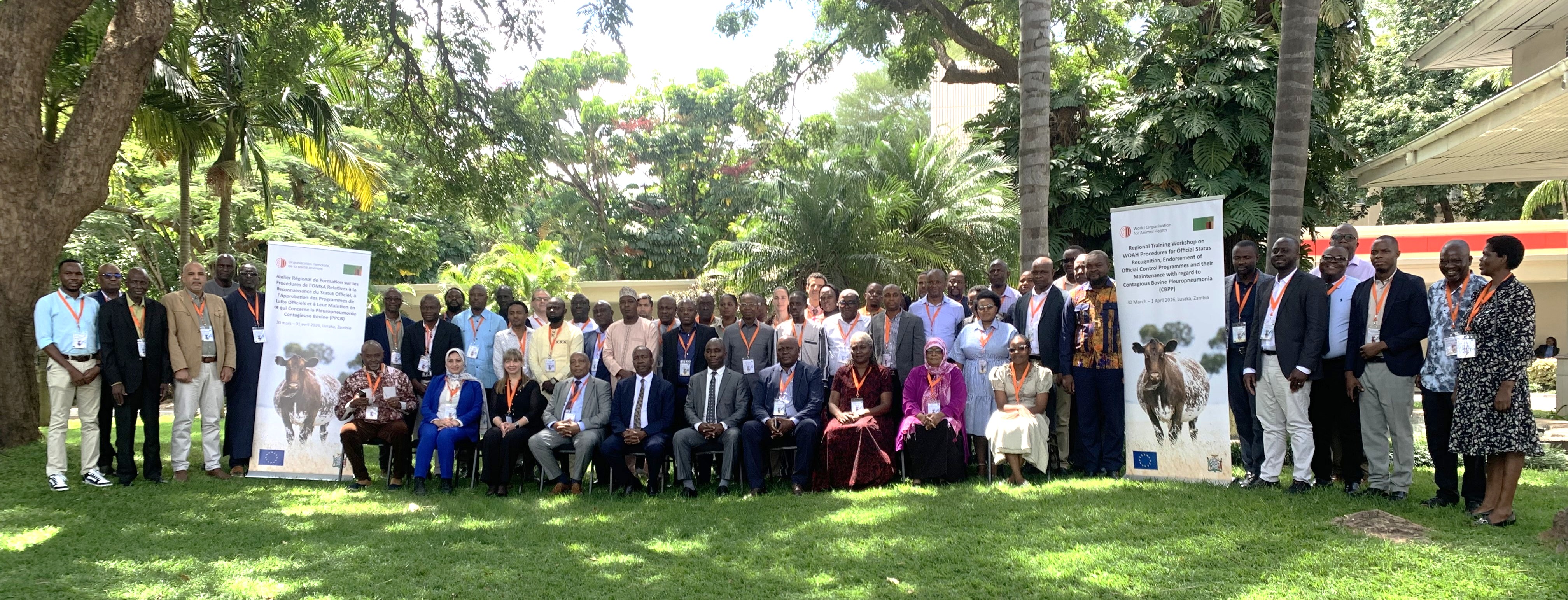
Overview of the meeting room and participants. Picture (c) B. A. Kaboré (woah) 2026
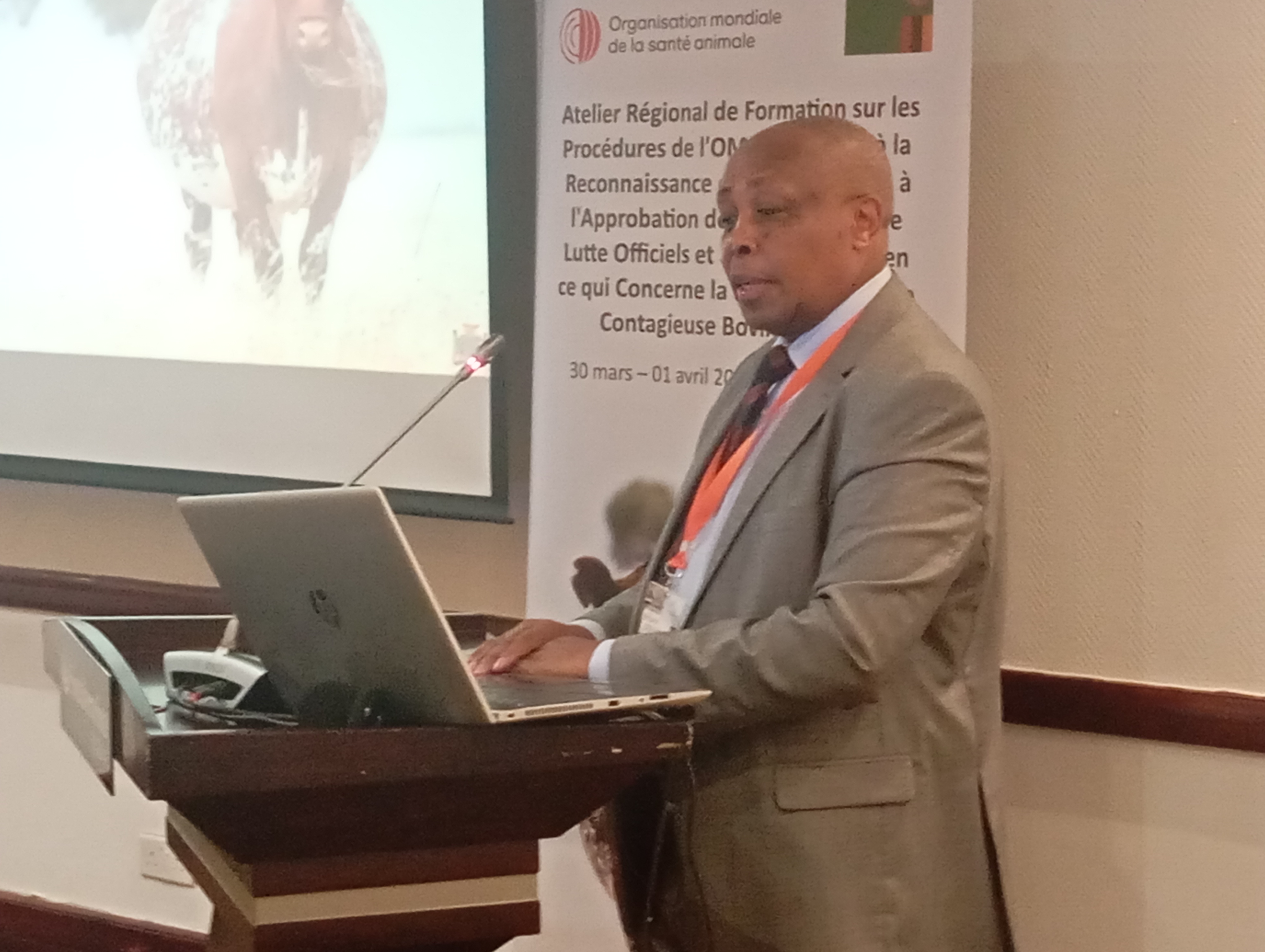
Dr. James Wabacha, on behalf of the Director of AU-IBAR, Dr Huyam Salih : Regional training workshop on official WOAH Procedures and Status. Picture (c) P. Bastiaensen (woah) 2026.
The workshop was co-organised by the Sub-Regional Representation for Southern Africa, with the assistance and overall supervision of the WOAH Status Department with financial assistance from the European Union.
The following 42 Members attended the training workshop:
CBPP : Regional training workshop on official WOAH Procedures and Status.
The workshop was officially opened with remarks from the Acting Permanent Secretary Mr. Frederick Mwila, on behalf of the Hon. Minister Ir. Peter Kapala; he welcomed participants, thanked organizers and sponsors, stressed the importance of regional coordination, and encouraged participants to become ambassadors for CBPP control, officially declaring the training workshop open. The Chief Veterinary Officer, Dr Charles Maseka, highlighted the serious socioeconomic impact of CBPP on the African continent. He also noted the importance of sharing ideas and best practices during the workshop, including movement controls, testing and slaughter, and mass vaccinations.
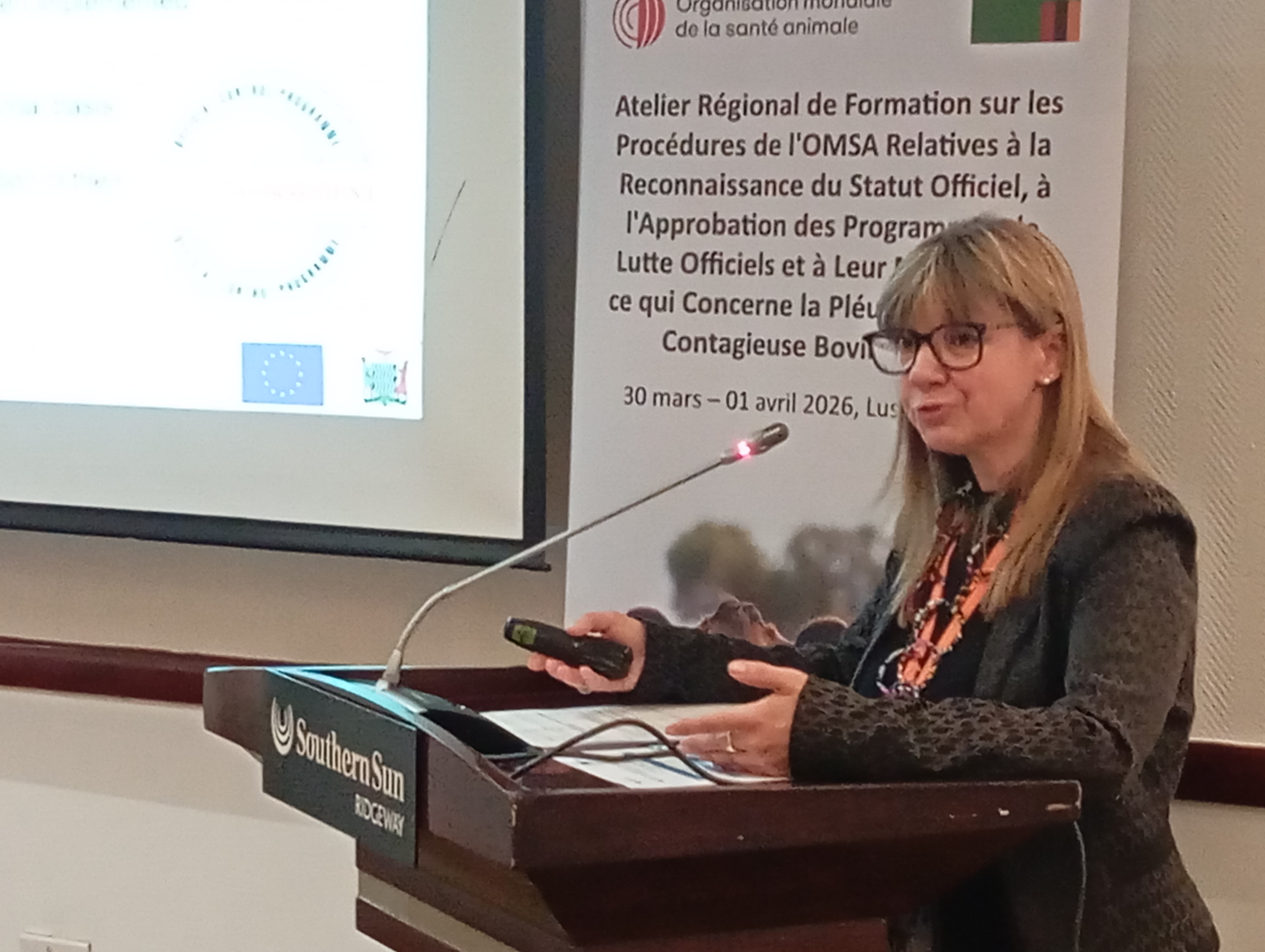
Dr. Marija Popovic from the WOAH Status Department. CBPP : Regional training workshop on official WOAH Procedures and Status. Picture (c) P. Bastiaensen (woah) 2026.
Dr. Moetapele Letshwenyo, WOAH Regional Representative for Southern Africa, welcomed all the country participants, from 42 countries, thanked the Zambian government for hosting, and underscored the value of CBPP control strategy documents as tools for commitment and resource mobilization, while highlighting the role of traditional livestock systems and urging participants to apply lessons learned. Prof. James Wabacha, on behalf of the Director of AU-IBAR, Dr. Huyam Salih, acknowledged WOAH and Zambia for organising the workshop, described CBPP as a major African challenge requiring renewed commitment, and indicated that an African strategy roadmap would be presented to translate knowledge into interventions.
The first day of the meeting was dedicated to presentations by WOAH representatives and WOAH experts on the CBPP overview and situation, covering its epidemiological distribution, socio‑economic impact, and eradication strategies, with a particular focus on the situation in Africa.
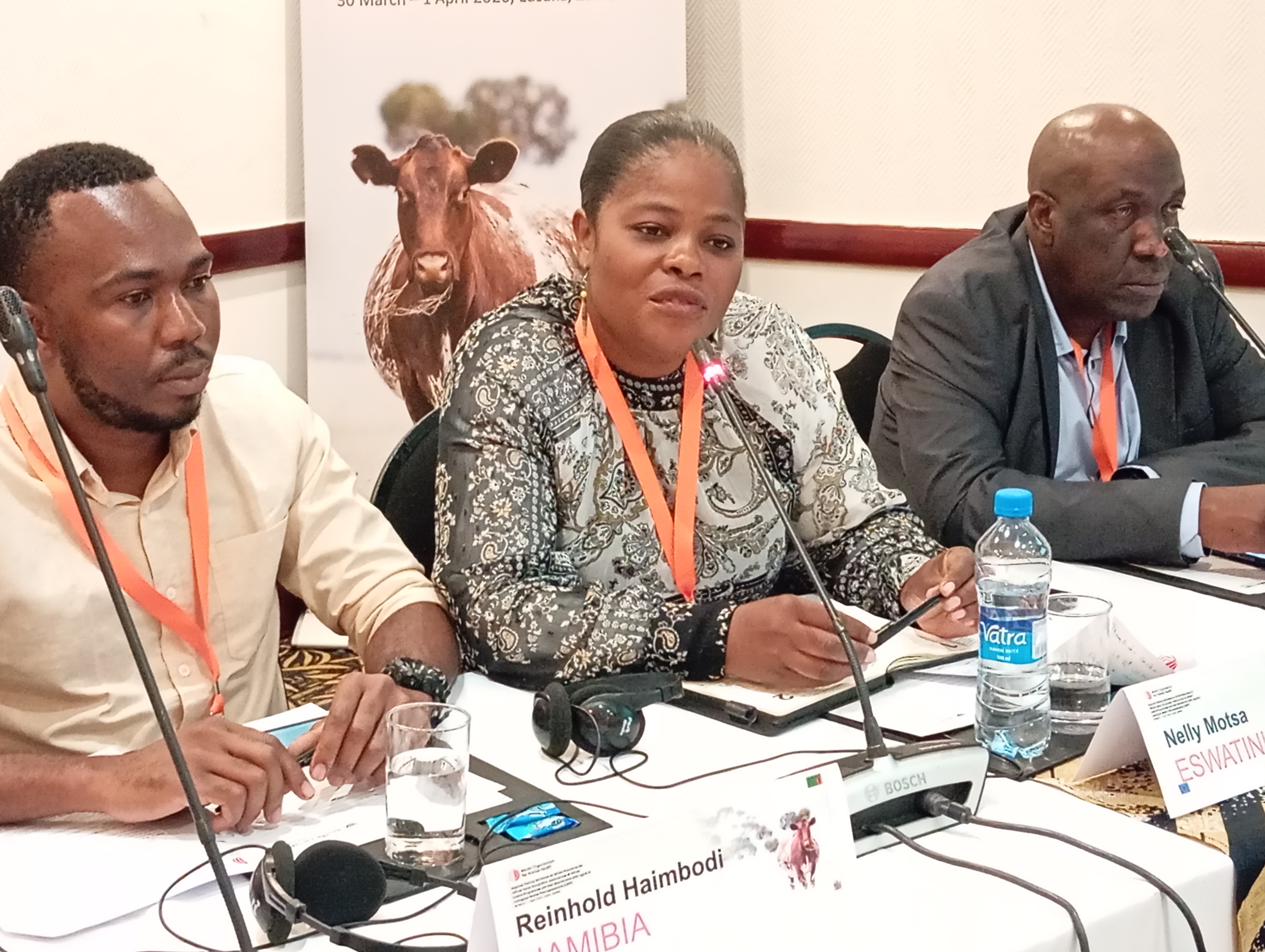
Panellists from Namibia, Eswatini and Zambia. Regional training workshop on official WOAH Procedures and Status. Picture (c) P. Bastiaensen (woah) 2026.
Subsequent sessions addressed the general requirements of the Terrestrial Animal Health Code requirements for CBPP-free status recognition and the endorsement of official CBPP control programme, including surveillance and the role of WOAH Reference Laboratories in support of Members’ applications.
Members having an official free status or endorsed official control programme for CBPP by WOAH, namely Eswatini, Namibia and Zambia, shared their experiences in maintaining their official animal health status and benefits related to the possession of a CBPP-free status or endorsed official control programme by WOAH through the panel format.
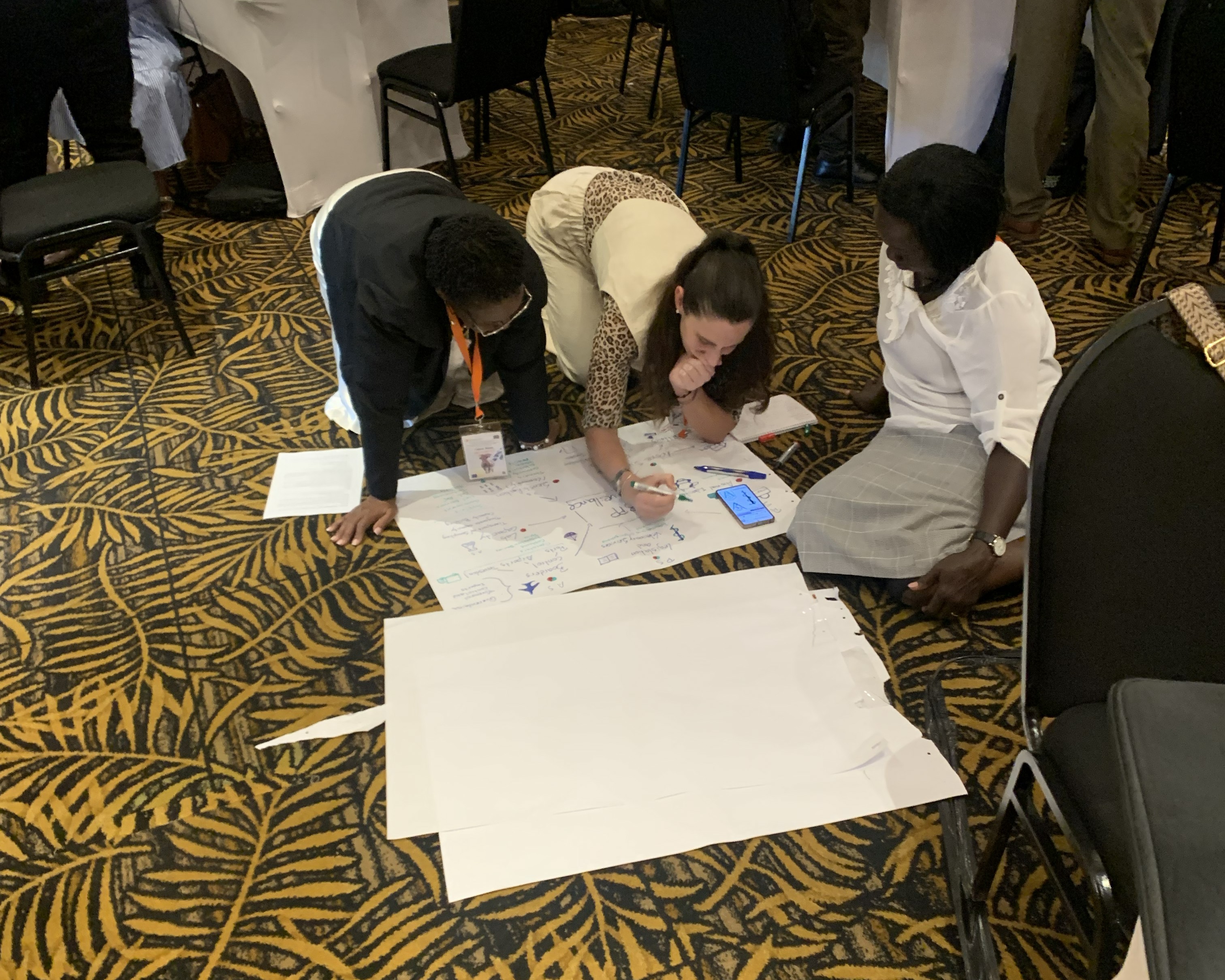
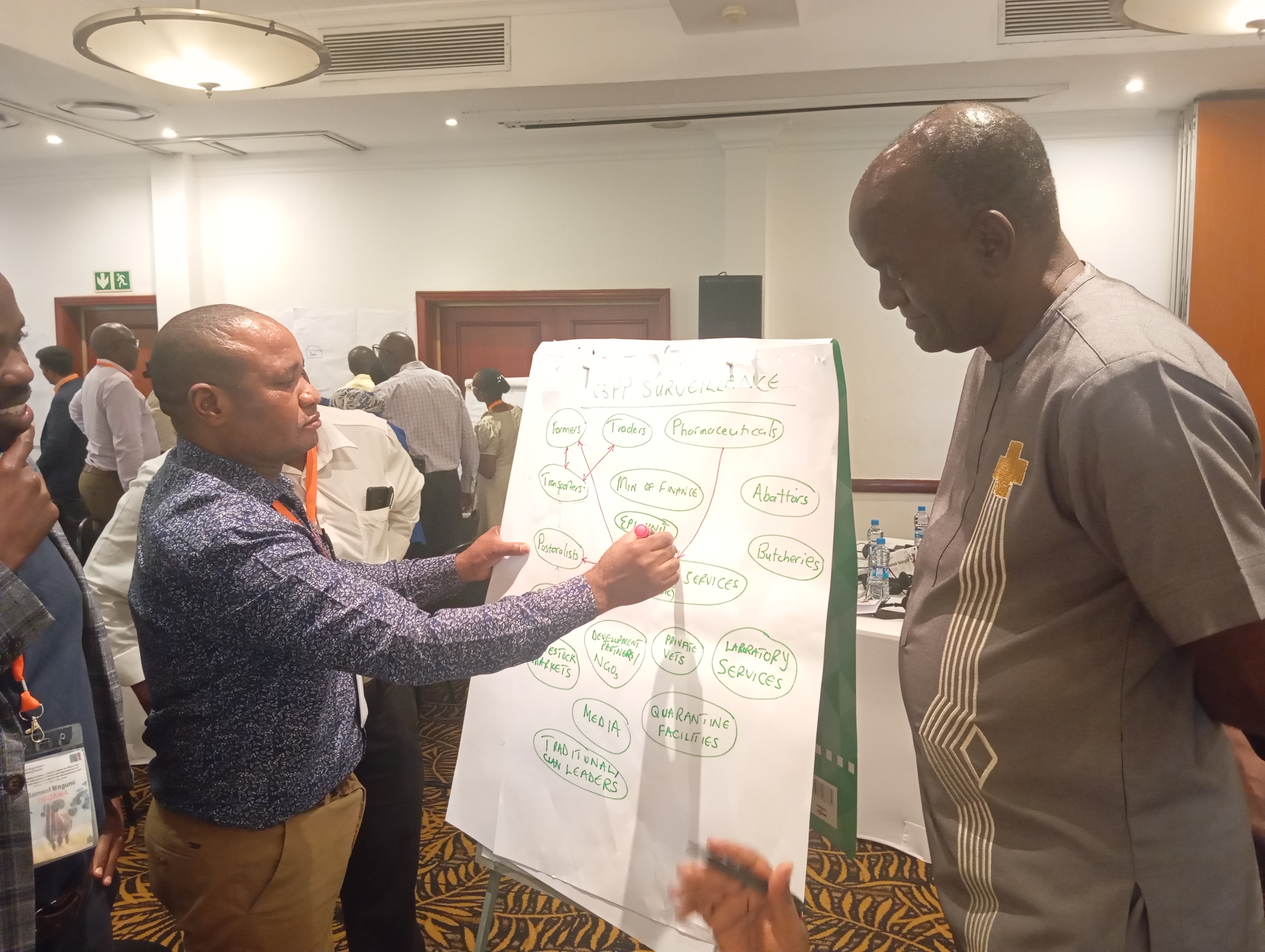
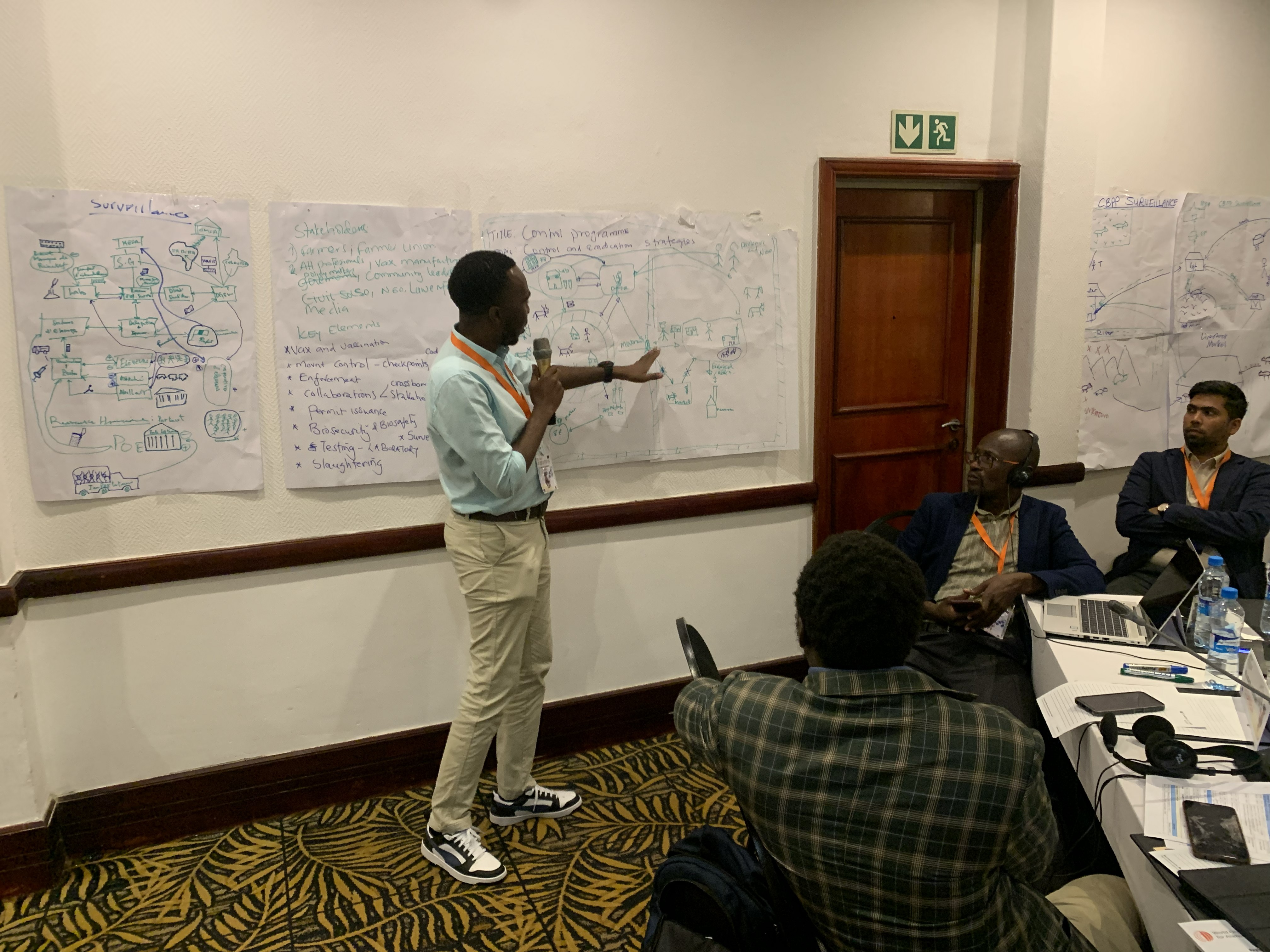
On the second day, after the presentations related to the questionnaire for the application for a CBPP-free status of endorsement of official control programme and the Standard Operating Procedure for the application for official status recognition, including dossiers preparation and key deadlines, attendees participated in two group exercises:
On the third day, there were three talks: (1) CBPP-related initiatives in Africa, (2) Maintenance and recovery of CBPP status (SOPs, information requested) and (3) From Data to Dossier: Building Effective CBPP Control Programmes for WOAH Submission.
(submission due before the 9 September 2026)
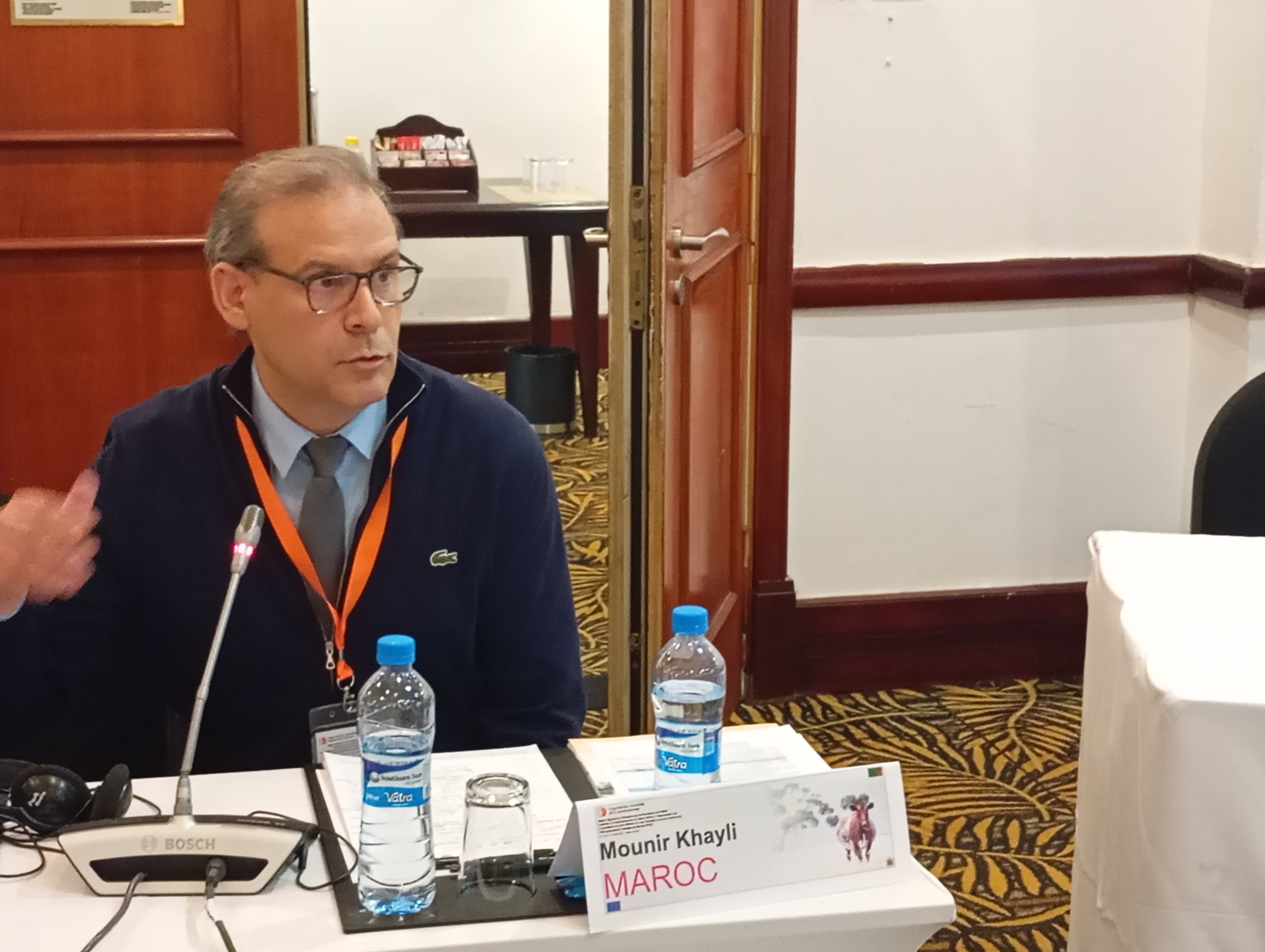
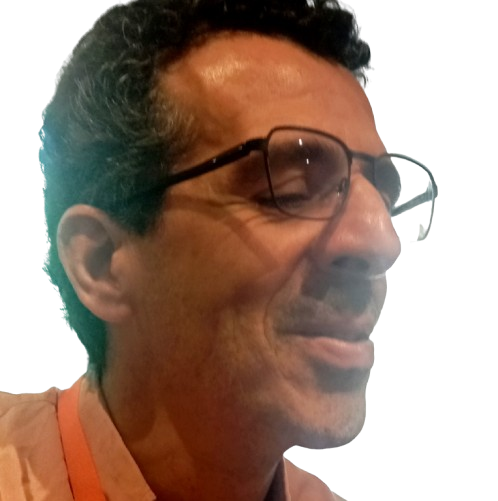
Dr. Mounir Khayli, participant from Morocco. CBPP : Regional training workshop on official WOAH Procedures and Status. Picture (c) P. Bastiaensen (woah) 2026.
Working group exercise. Picture (c) D. Montiel (woah) 2026
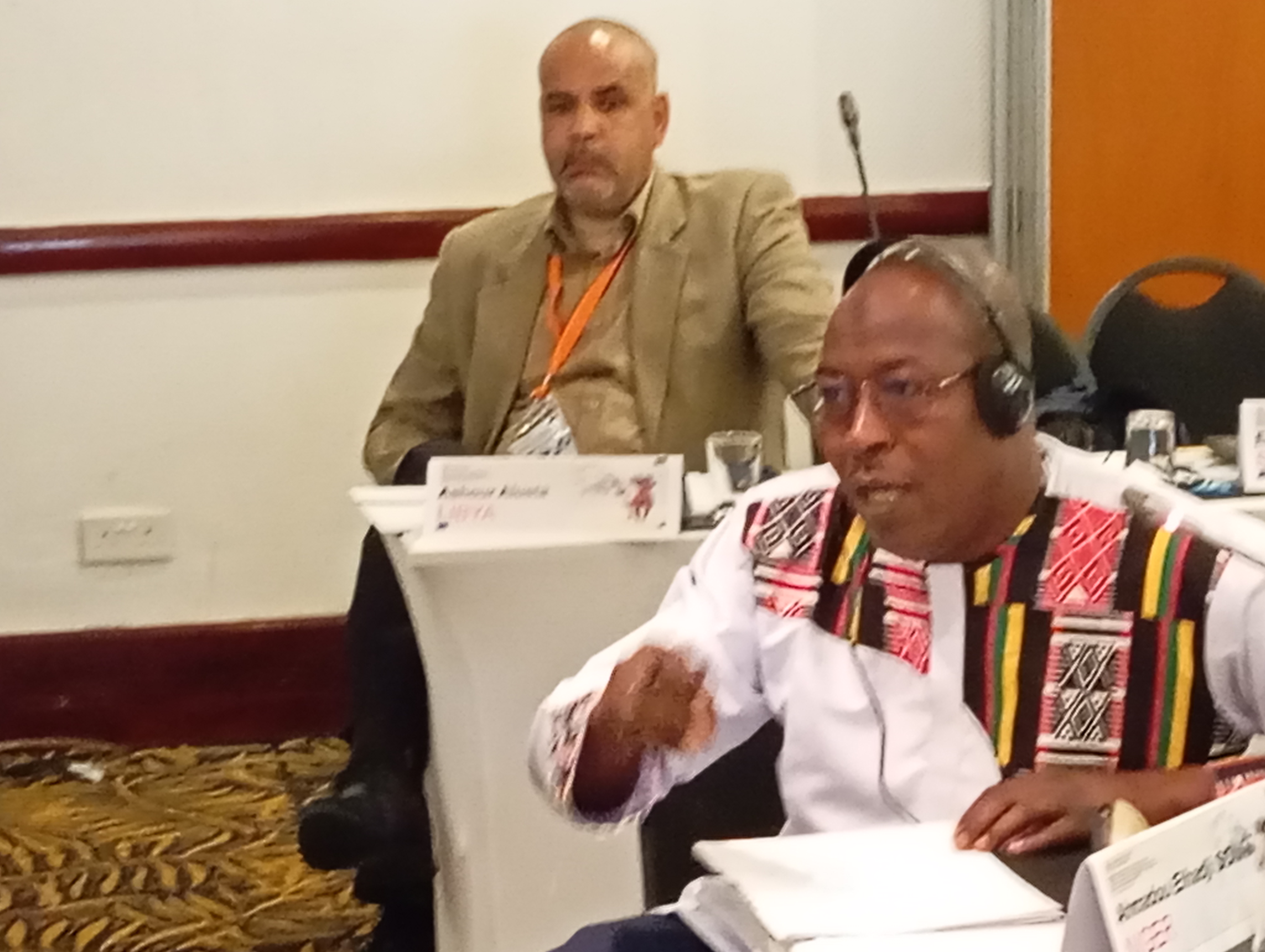
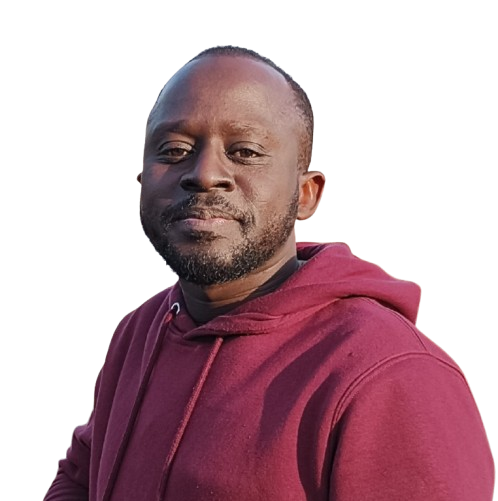
Dr. Ahmadou El-Hadj Soulé, participant from Niger. CBPP : Regional training workshop on official WOAH Procedures and Status. Picture (c) P. Bastiaensen (woah) 2026.
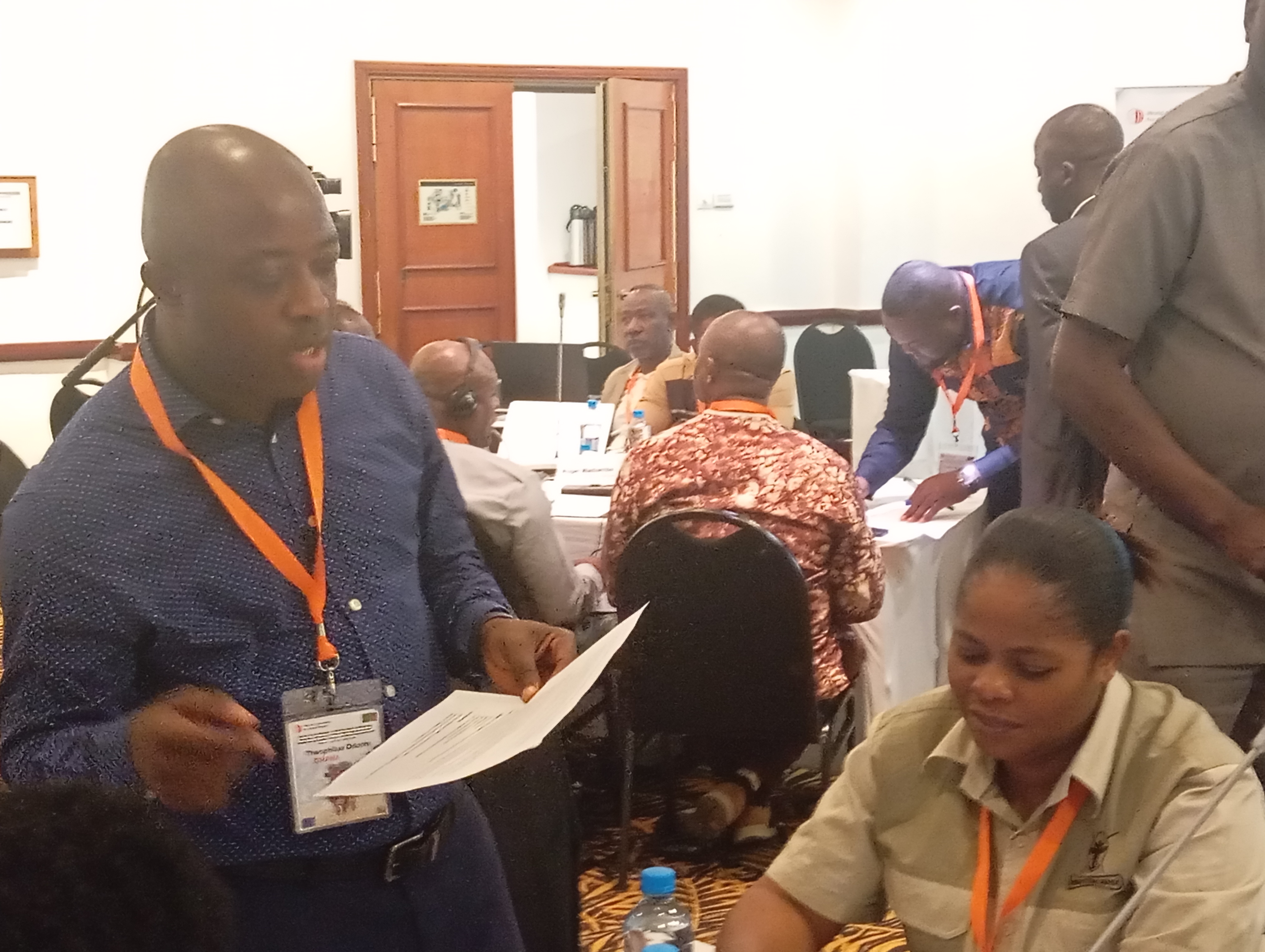
Dr. Theophilus Odoom, participant from Ghana (on the left). and Dr Nelly Motsa, from Eswatini (on the right). CBPP : Regional training workshop on official WOAH Procedures and Status. Picture (c) P. Bastiaensen (woah) 2026.
Dr. Misheck Mulumba, Member of WOAH Scientific Commission for Animal Diseases (SCAD), on the right. CBPP : Regional training workshop on official WOAH Procedures and Status. Picture (c) P. Bastiaensen (woah) 2026.
Dr. Charles Maseka, WOAH Delegate of Zambia. CBPP : Regional training workshop on official WOAH Procedures and Status. Picture (c) P. Bastiaensen (woah) 2026.
Dr. Reinhold Haimboodi, participant from Namibia. CBPP : Regional training workshop on official WOAH Procedures and Status. Picture (c) D. Montiel (woah) 2026